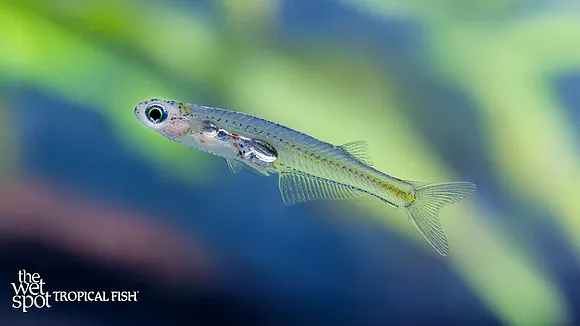
Bengal glass danio
Danionella priapus
Also known as Glass micro danio, Vampire danio
FreshwaterFish
Care at a glance
- Temperature
- 72–79°F
- 22–26°C
- pH
- 6.0–7.5
- Adult size
- 0.7 in
- 1.9 cm
- Minimum tank
- 11 gal
- 40 L
- Temperament
- Peaceful
- Social behavior
- Schooling
- Swim level
- Middle
- Difficulty
- Medium
- Breeding
- Medium
- Rarity
- Rare
- Family
- Danionidae
- Origin
- Streams of northern West Bengal, India
Overview
The Bengal glass danio is one of the smallest fish in the hobby, a peaceful schooler for a quiet nano tank. It is a step up from the easiest fish.
Did you know
Danionella, the Bengal glass danio's genus, is so clear that scientists can image a living fish's brain firing through its own skin. That has turned a fish under two centimeters long into a laboratory window on the vertebrate brain.
Caring for the Bengal glass danio
A small, mature, gently filtered tank of 11 gal (40 L) is enough for Bengal glass danios. Add fine-leaved planting and a soft dark substrate, with dim light to bring out what little color they have.
Keep the water at 72 to 79°F (22 to 26°C) with a pH of 6.0 to 7.5. Feed the smallest foods, such as microworm, baby brine shrimp, cyclops and finely powdered dry food.
Keep at least a dozen together, since the group hangs in loose formation and single fish are almost impossible to observe. Because they are tiny and delicate, their only tank mates should be equally small, gentle species, or none at all. They can spawn in stable, mature water, and breeding them is moderately tricky.
Good to know
Danionella priapus is a miniature member of the danio family, Danionidae, and it stays transparent and scaleless for life. Britz described it in 2009.
In the wild
The Bengal glass danio comes from shallow, gently flowing streams in northern West Bengal, India. It lives there among fine plants, over a soft bottom.
Weekly picks
Tank mates
The Bengal glass danio is a peaceful, schooling species that keeps to the middle. These picks share a community profile with it, are safe together in both directions, and overlap on water type, temperature and pH.
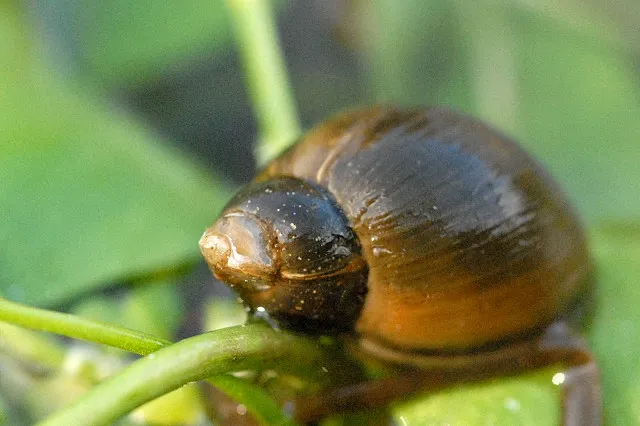
Wandering snail
Ampullaceana balthica
Freshwater0.8 in (2 cm) · 11 gal (40 L)50–84°F (10–29°C)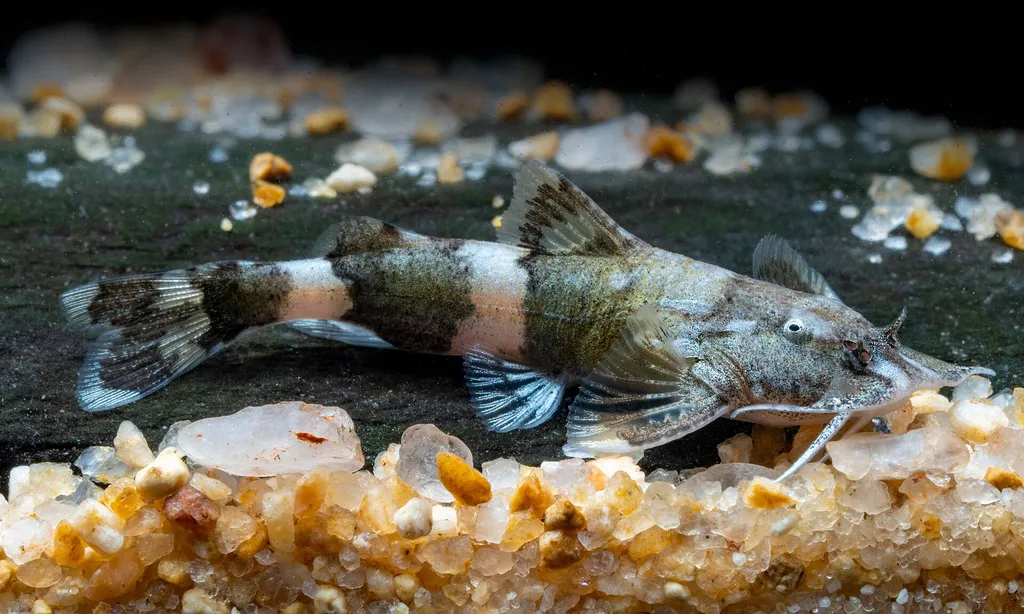
Cheetah moth catfish
Pseudolaguvia shawi
Freshwater1.5 in (3.8 cm) · 11 gal (40 L)68–79°F (20–26°C)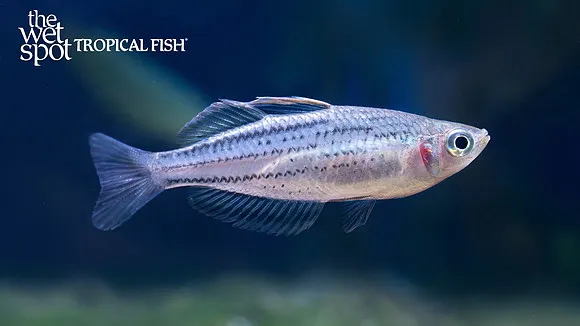
Green panchax
Aplocheilus blockii
Freshwater2 in (5 cm) · 11 gal (40 L)72–82°F (22–28°C)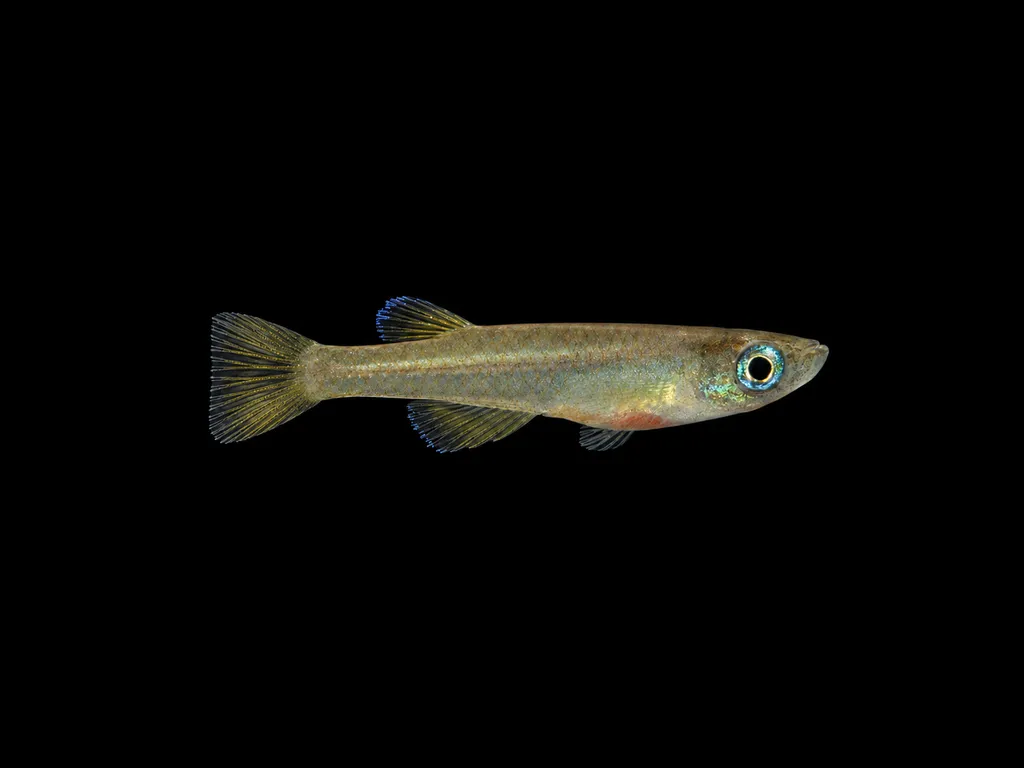
Amber-finned lampeye
Foerschichthys flavipinnis
Freshwater1.4 in (3.5 cm) · 11 gal (40 L)72–79°F (22–26°C)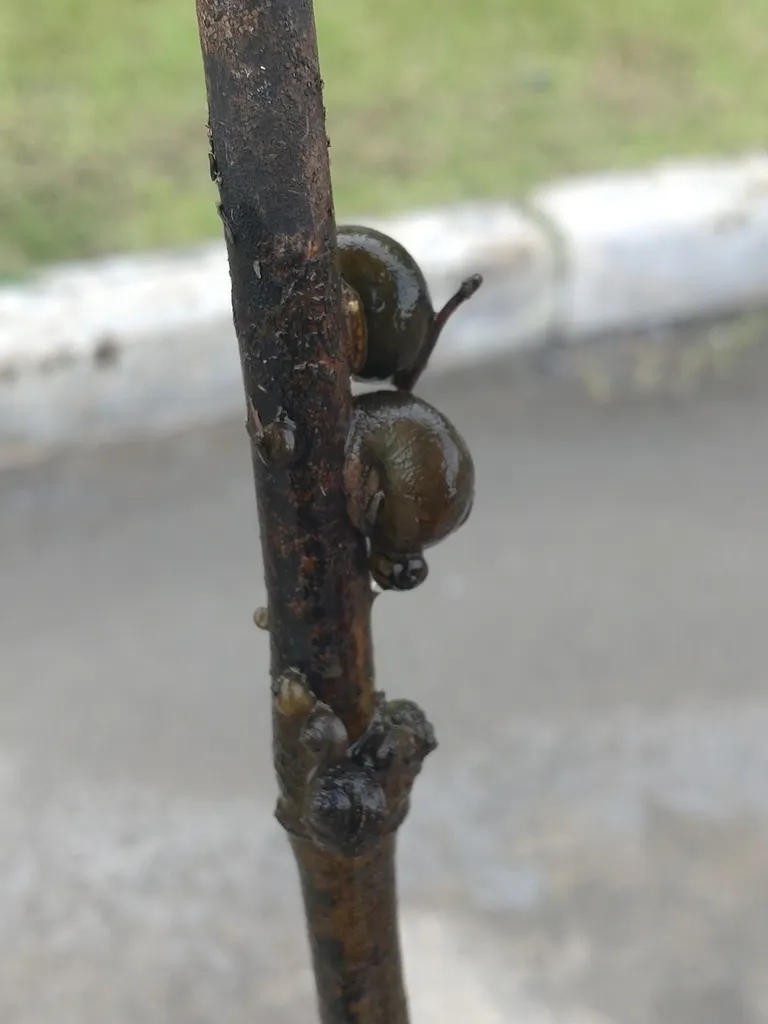
White wizard snail
Filopaludina martensi
Freshwater2 in (5 cm) · 11 gal (40 L)72–79°F (22–26°C)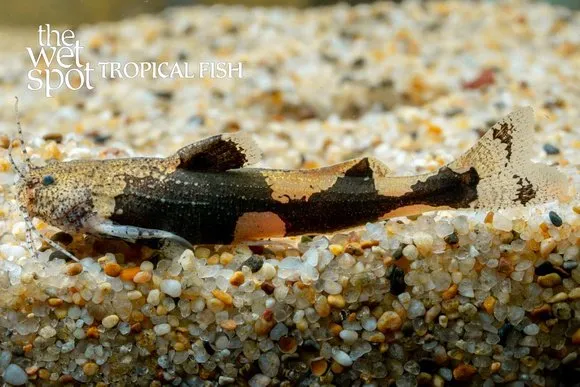
Wasp bee catfish
Akysis vespa
Freshwater1.6 in (4 cm) · 11 gal (40 L)72–79°F (22–26°C)
Common questions
What size tank does a Bengal glass danio need?
A Bengal glass danio needs at least 11 gal (40 L). It spends most of its time in the middle.
What temperature and pH does a Bengal glass danio need?
A Bengal glass danio is comfortable at 72–79°F (22–26°C) with a pH of 6.0–7.5.
What does a Bengal glass danio eat?
A Bengal glass danio needs the smallest foods, such as microworm, baby brine shrimp, cyclops and finely powdered dry food.
How big does a Bengal glass danio get?
An adult Bengal glass danio reaches about 0.7 in (1.9 cm).
Does a Bengal glass danio need a group?
Yes. A Bengal glass danio is a schooling species and should be kept in a group, not singly.
Related species
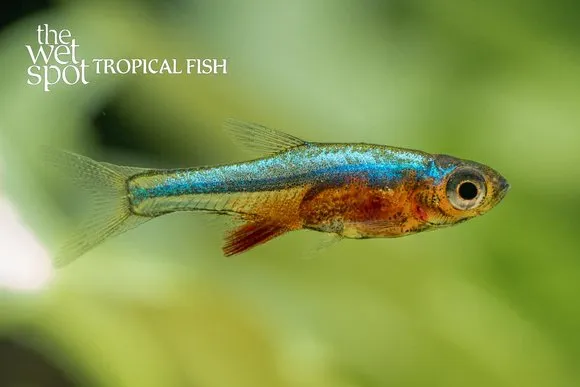 0.9 in (2.3 cm)11 gal (40 L)73–81°F (23–27°C)
Goblin sundadanio
Sundadanio goblinus
0.9 in (2.3 cm) · 11 gal (40 L)
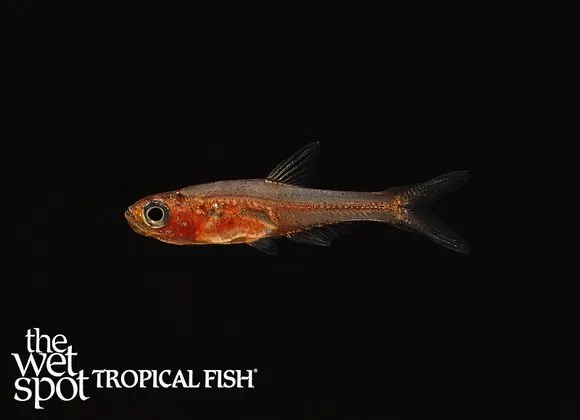 0.9 in (2.3 cm)11 gal (40 L)73–81°F (23–27°C)
Ruby sundadanio
Sundadanio rubellus
0.9 in (2.3 cm) · 11 gal (40 L)
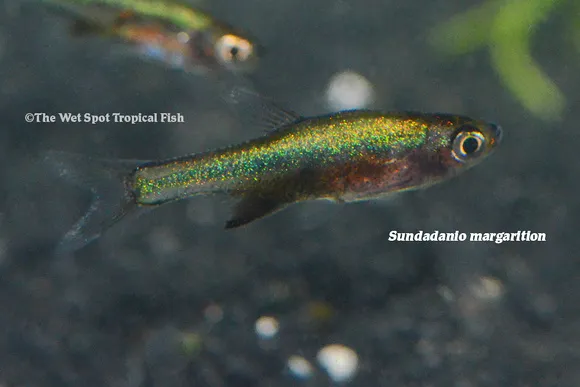 0.9 in (2.4 cm)11 gal (40 L)73–81°F (23–27°C)
Pearl sundadanio
Sundadanio margarition
0.9 in (2.4 cm) · 11 gal (40 L)
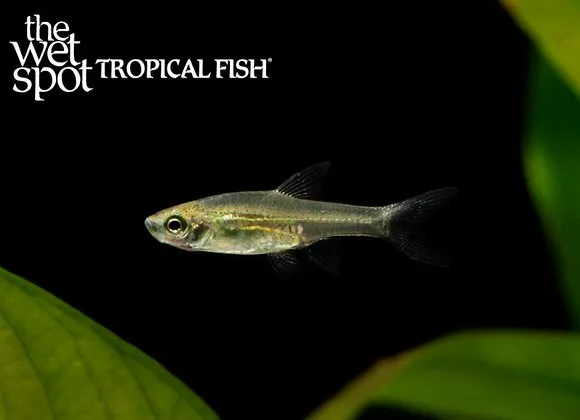 1 in (2.5 cm)11 gal (40 L)75–82°F (24–28°C)
Indian glowlight carplet
Horadandia brittani
1 in (2.5 cm) · 11 gal (40 L)
 1.2 in (3 cm)11 gal (40 L)75–82°F (24–28°C)
Glowlight carplet
Horadandia atukorali
1.2 in (3 cm) · 11 gal (40 L)
 1.2 in (3 cm)14 gal (54 L)72–81°F (22–27°C)
Malayan harlequin rasbora
Trigonostigma truncata
1.2 in (3 cm) · 14 gal (54 L)