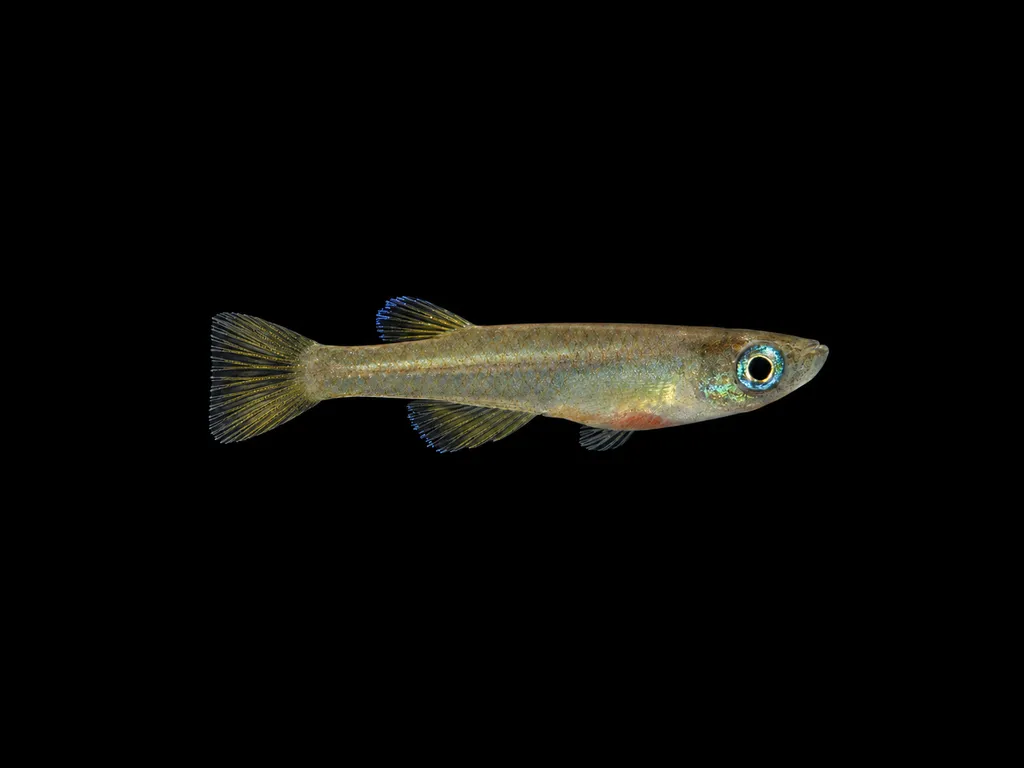
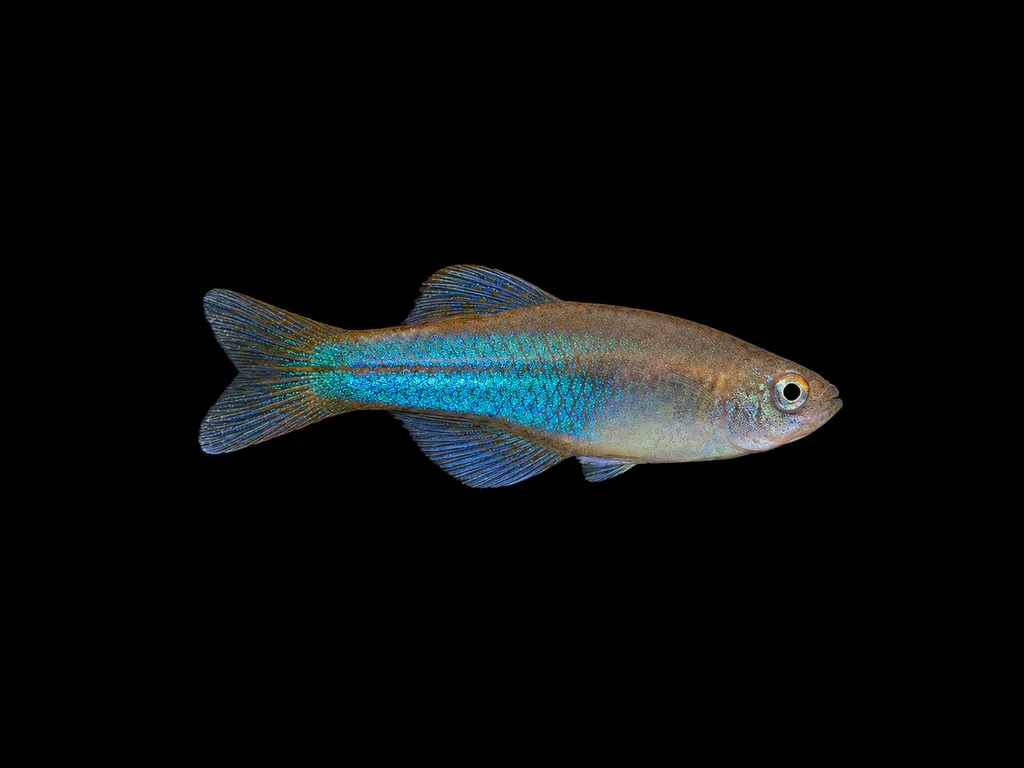
Amber-finned lampeye
Foerschichthys flavipinnis
Also known as Foerschichthys lampeye
FreshwaterFish
Care at a glance
- Temperature
- 72–79°F
- 22–26°C
- pH
- 6.0–7.5
- Adult size
- 1.4 in
- 3.5 cm
- Minimum tank
- 11 gal
- 40 L
- Temperament
- Peaceful
- Social behavior
- Schooling
- Swim level
- Middle
- Difficulty
- Medium
- Breeding
- Egg depositor · Medium
- Rarity
- Rare
- Family
- Procatopodidae
- Origin
- Niger Delta and Benin lowlands
Overview
The amber-finned lampeye is a tiny, peaceful schooling fish for the middle and upper water of a quiet, planted tank. It is a step up from the easiest community fish.
Did you know
The amber-finned lampeye's species name, flavipinnis, means yellow finned. It comes from the Latin flavus for yellow and pinna for fin. That yellow is the amber tint that gives the fish its common name.
Caring for the amber-finned lampeye
A starter group of amber-finned lampeyes fits in a tank of 11 gal (40 L) or more. Use plenty of fine-leaved plants over a dark substrate, and add some floating cover to dim the light. Keep the filtration and flow gentle so the fish can hold in open midwater.
Give them soft to neutral water at 72 to 79°F (22 to 26°C) and a pH of 6.0 to 7.5. They pick at small foods through the day, so offer tiny foods such as micro pellets and crushed flake. Add small live or frozen items like daphnia, cyclops and baby brine shrimp.
Keep these peaceful fish in a group of at least eight to ten, since lone fish grow nervous and lose condition. Pair them only with calm, similarly small community fish that will not bully them or beat them to a meal.
Amber-finned lampeyes are continuous spawners, laying a few eggs at a time among fine plants or a spawning mop. Breeding them is moderately difficult, and the tiny fry need very small first foods.
Good to know
The amber-finned lampeye belongs to Procatopodidae, the African lampeyes. It is the only species in the genus Foerschichthys, which was erected in 1981 and named for the German aquarist Walter Foersch. Adults carry the pale blue eye shine that gives the family its name. In good condition, their fins take on a yellow tint.
In the wild
The amber-finned lampeye comes from sluggish, shaded lowland creeks and swamps of the Niger Delta and the Benin coastal plain. The water there is warm, soft and stained by leaf litter.
Weekly picks
Tank mates
The amber-finned lampeye is a peaceful, schooling species that keeps to the middle. These picks share a community profile with it, are safe together in both directions, and overlap on water type, temperature and pH.
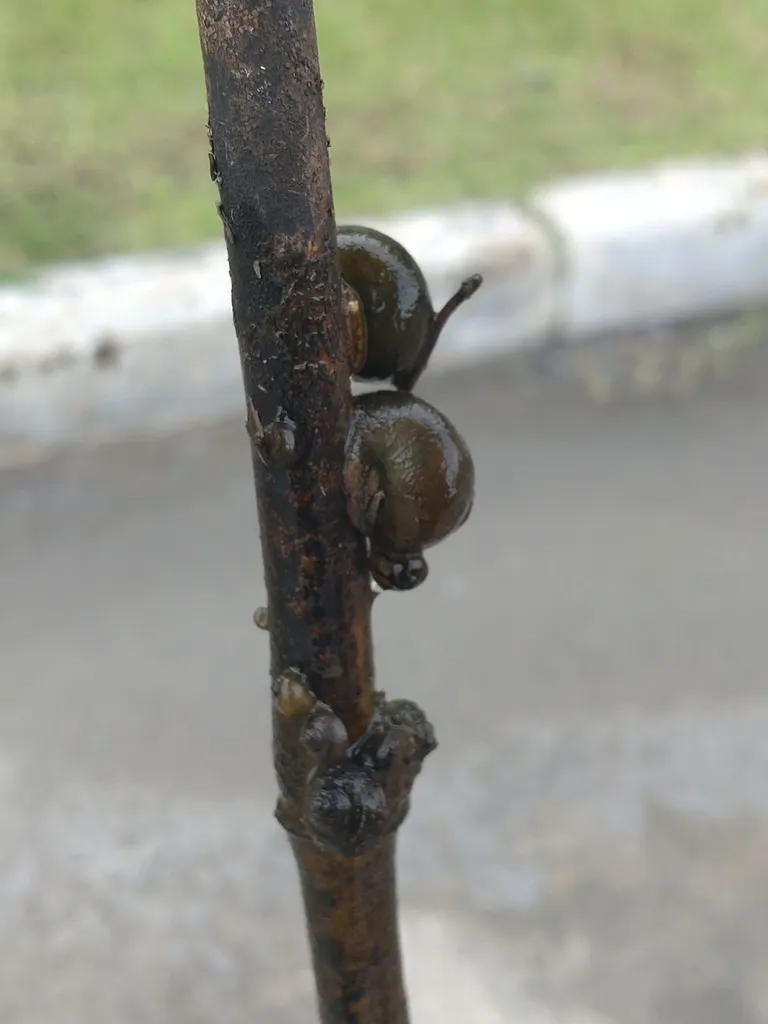
White wizard snail
Filopaludina martensi
Freshwater2 in (5 cm) · 11 gal (40 L)72–79°F (22–26°C)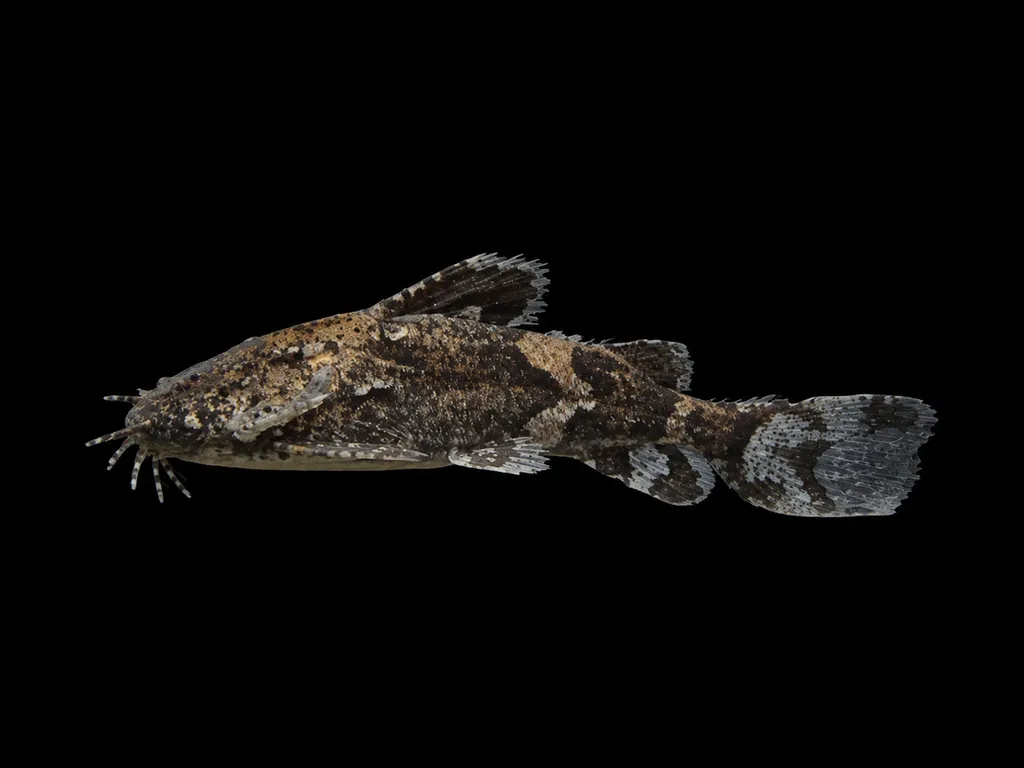
Burmese mini moth catfish
Hara minuscula
Freshwater1.2 in (3 cm) · 11 gal (40 L)68–79°F (20–26°C)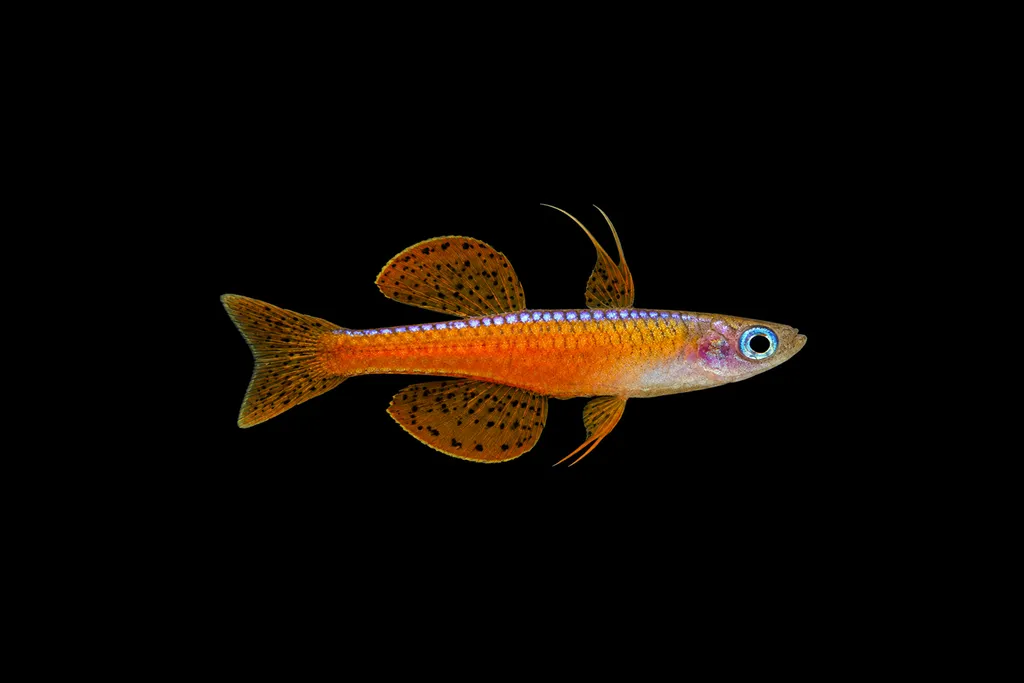
Paska's blue-eye
Pseudomugil paskai
Freshwater1.4 in (3.5 cm) · 11 gal (40 L)72–79°F (22–26°C)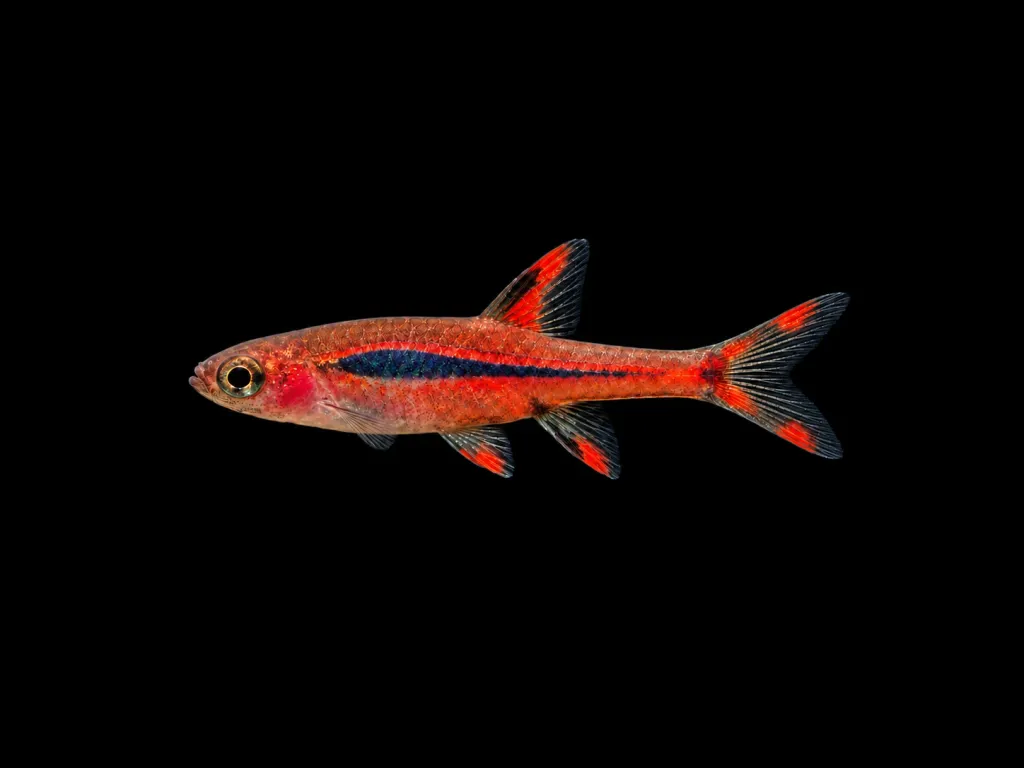
Chili rasbora
Boraras brigittae
Freshwater0.8 in (2 cm) · 11 gal (40 L)72–82°F (22–28°C)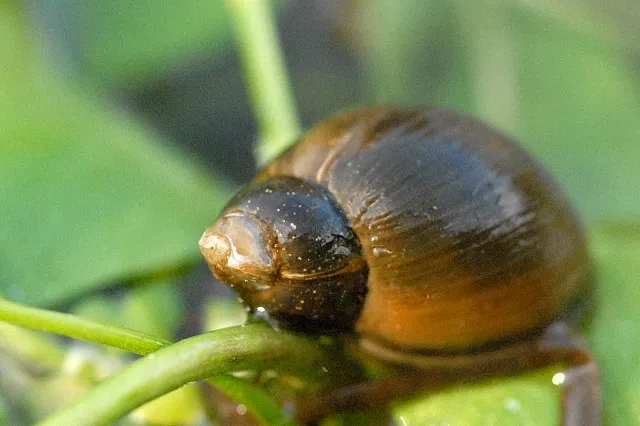
Wandering snail
Ampullaceana balthica
Freshwater0.8 in (2 cm) · 11 gal (40 L)50–84°F (10–29°C)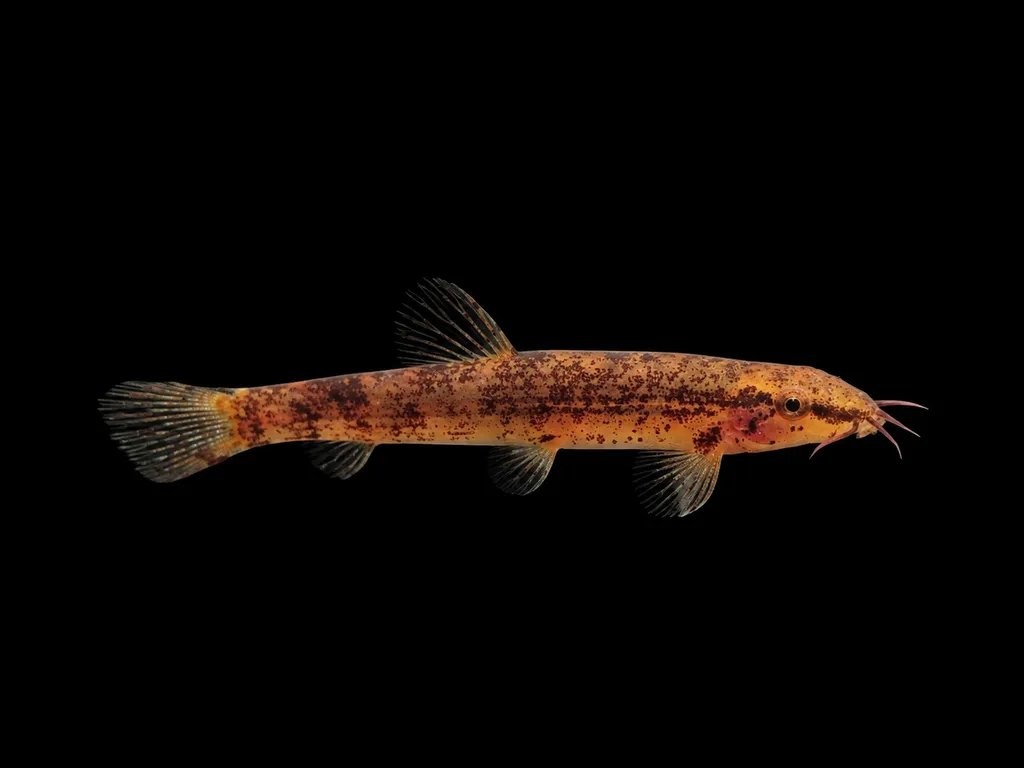
Dwarf lizard loach
Neohomaloptera johorensis
Freshwater1 in (2.5 cm) · 11 gal (40 L)72–79°F (22–26°C)
Common questions
What size tank does an amber-finned lampeye need?
An amber-finned lampeye needs at least 11 gal (40 L). It spends most of its time in the middle.
What temperature and pH does an amber-finned lampeye need?
An amber-finned lampeye is comfortable at 72–79°F (22–26°C) with a pH of 6.0–7.5.
What does an amber-finned lampeye eat?
An amber-finned lampeye eats tiny foods such as micro pellets and crushed flake, picking at them through the day. It also takes small live or frozen daphnia, cyclops and baby brine shrimp.
How big does an amber-finned lampeye get?
An adult amber-finned lampeye reaches about 1.4 in (3.5 cm).
Does an amber-finned lampeye need a group?
Yes. An amber-finned lampeye is a schooling species and should be kept in a group, not singly.
Related species
 1.6 in (4 cm)14 gal (54 L)72–79°F (22–26°C)
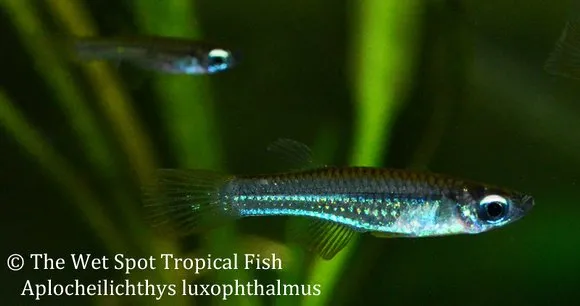
Filamentous lampeye
Poropanchax luxophthalmus
1.6 in (4 cm) · 14 gal (54 L)
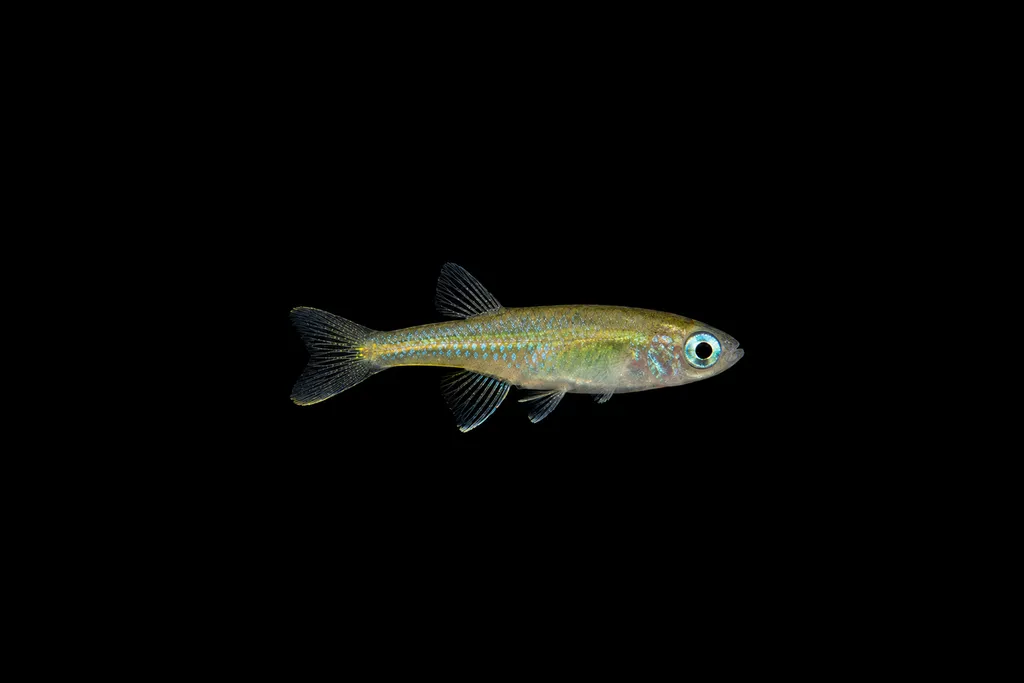 1.6 in (4 cm)14 gal (54 L)72–79°F (22–26°C)
Scheel's lampeye
Poropanchax scheeli
1.6 in (4 cm) · 14 gal (54 L)
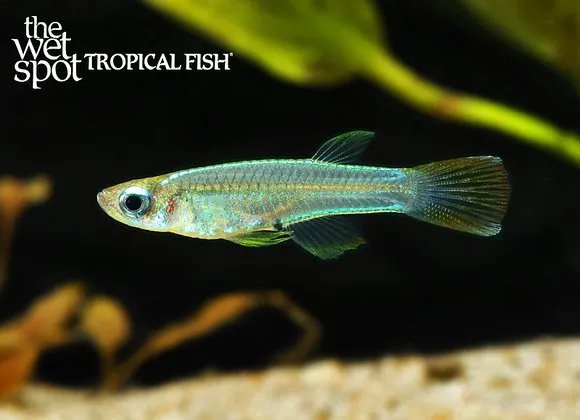 1.2 in (3 cm)11 gal (40 L)72–79°F (22–26°C)
Blackspot lampeye
Poropanchax stigmatopygus
1.2 in (3 cm) · 11 gal (40 L)
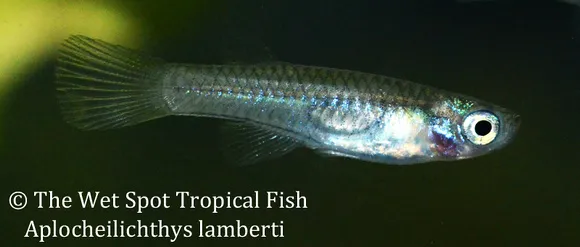 1.8 in (4.5 cm)14 gal (54 L)72–79°F (22–26°C)
Lambert's lampeye
Rhexipanchax lamberti
1.8 in (4.5 cm) · 14 gal (54 L)
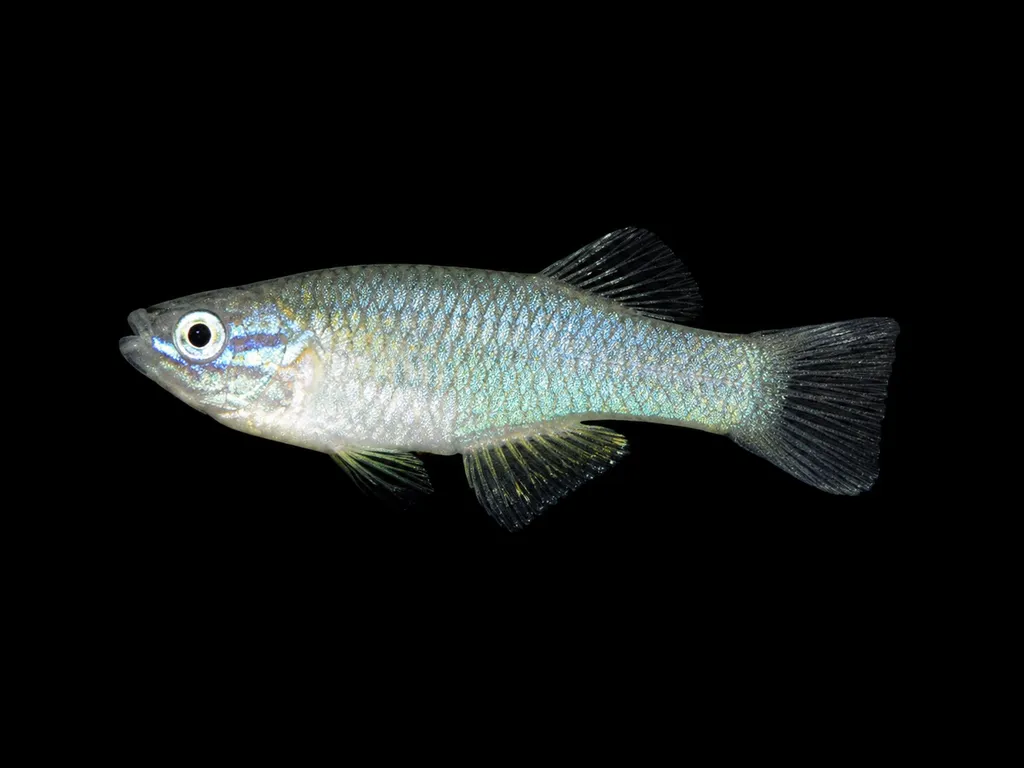 1.8 in (4.5 cm)14 gal (54 L)68–75°F (20–24°C)
Mount Nimba lampeye
Rhexipanchax nimbaensis
1.8 in (4.5 cm) · 14 gal (54 L)
 2.2 in (5.5 cm)20 gal (75 L)72–79°F (22–26°C)
Blue-green lampeye
Procatopus aberrans
2.2 in (5.5 cm) · 20 gal (75 L)