Filamentous lampeye
Poropanchax luxophthalmus
Also known as Micropanchax macrophthalmus, Aplocheilichthys macrophthalmus, Norman's lampeye luxophthalmus, Luxophthalmus killi
FreshwaterFish
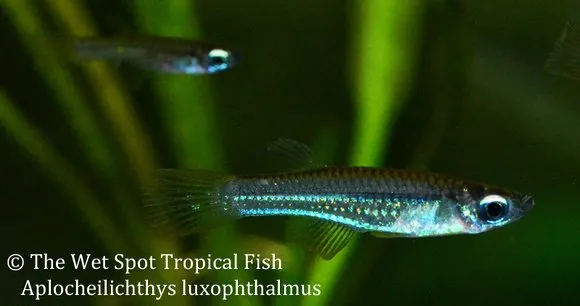
Care at a glance
- Temperature
- 72–79°F
- 22–26°C
- pH
- 6.0–7.5
- Adult size
- 1.6 in
- 4 cm
- Minimum tank
- 14 gal
- 54 L
- Temperament
- Peaceful
- Social behavior
- Schooling
- Swim level
- Middle
- Difficulty
- Medium
- Breeding
- Egg depositor · Medium
- Rarity
- Rare
- Family
- Procatopodidae
- Origin
- Coastal Nigeria and Cameroon
Overview
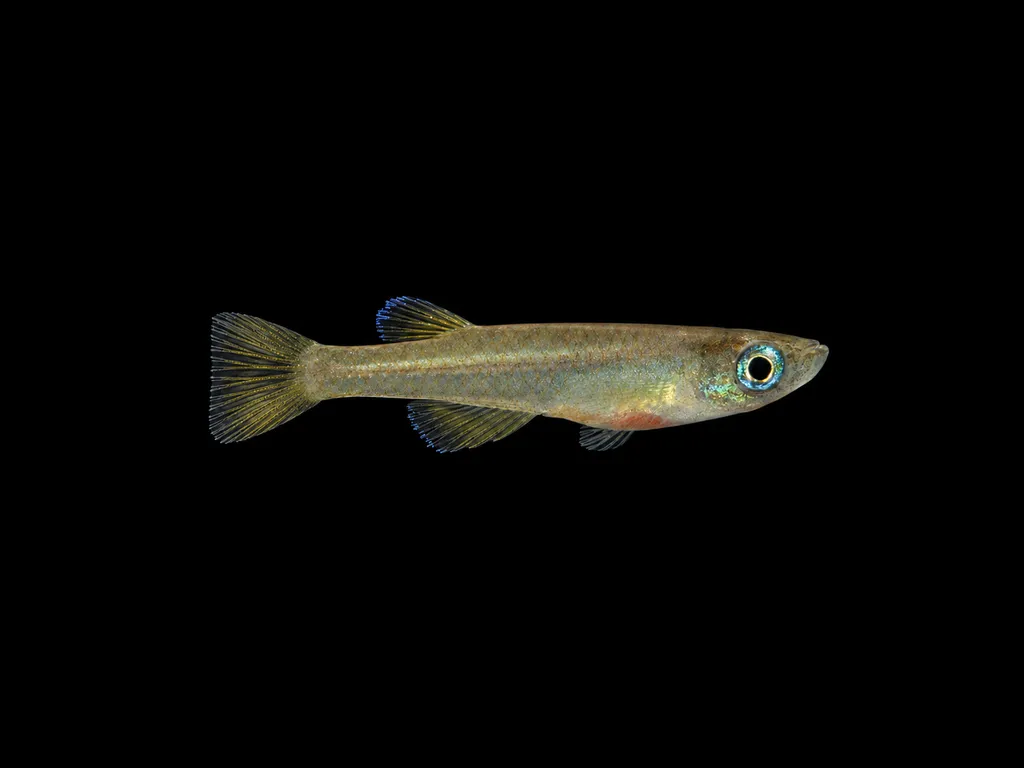
The filamentous lampeye is a small, peaceful schooling fish for the middle levels of a calm, planted tank. It needs a little more care than the hardiest community fish.
Did you know
The filamentous lampeye carries the species name luxophthalmus, which means light eye. It comes from the Latin lux for light and the Greek ophthalmos for eye. The name points straight at the glowing iris that the whole lampeye group is named for.
Caring for the filamentous lampeye
Keep filamentous lampeyes in a group of ten or more in a mature, well-planted tank of at least 14 gal (54 L). Use soft light, fine-leaved plants, some floating cover and gentle filtration. A dark substrate and calm, clean water bring out their best color and make the pale eye shine stand out.
Give them soft water at 72 to 79°F (22 to 26°C) and a pH of 6.0 to 7.5. Offer small foods several times a day, such as fine flake and micro pellets. Add little live or frozen items such as daphnia, cyclops and newly hatched brine shrimp. Give them only gentle, similarly sized tank mates, since they are easily outcompeted at feeding time.
Mature males carry noticeably long, pointed ventral and unpaired fins. Filamentous lampeyes are continuous plant spawners. Breeding them is moderately tricky, mainly because the newly hatched fry are so small that they need infusoria before anything else.
Good to know
The filamentous lampeye is a member of Procatopodidae. It is often sold under the older names macrophthalmus and Norman's lampeye, though it is a distinct species. Its common name comes from the long fins of the males.
In the wild
The filamentous lampeye comes from slow, vegetated coastal streams and pools of Nigeria and Cameroon. The water there is warm and gently flowing, soft and slightly acidic.
Weekly picks
Tank mates
The filamentous lampeye is a peaceful, schooling species that keeps to the middle. These picks share a community profile with it, are safe together in both directions, and overlap on water type, temperature and pH.
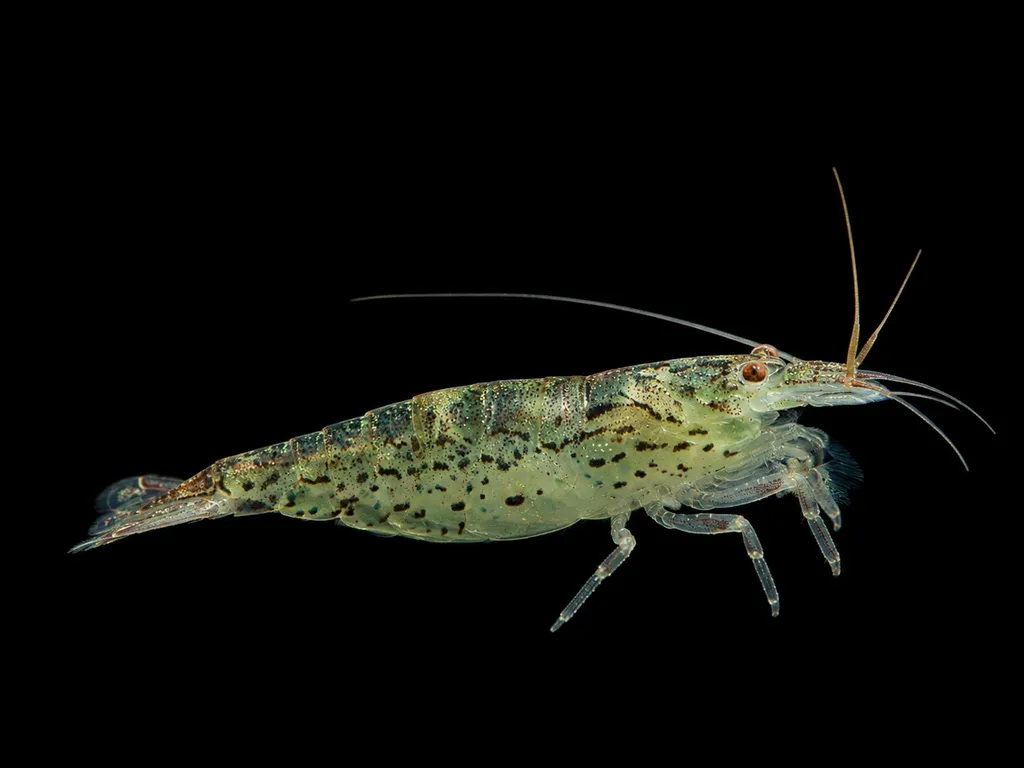
Green lace shrimp
Atyoida pilipes
Freshwater2.8 in (7 cm) · 14 gal (54 L)73–82°F (23–28°C)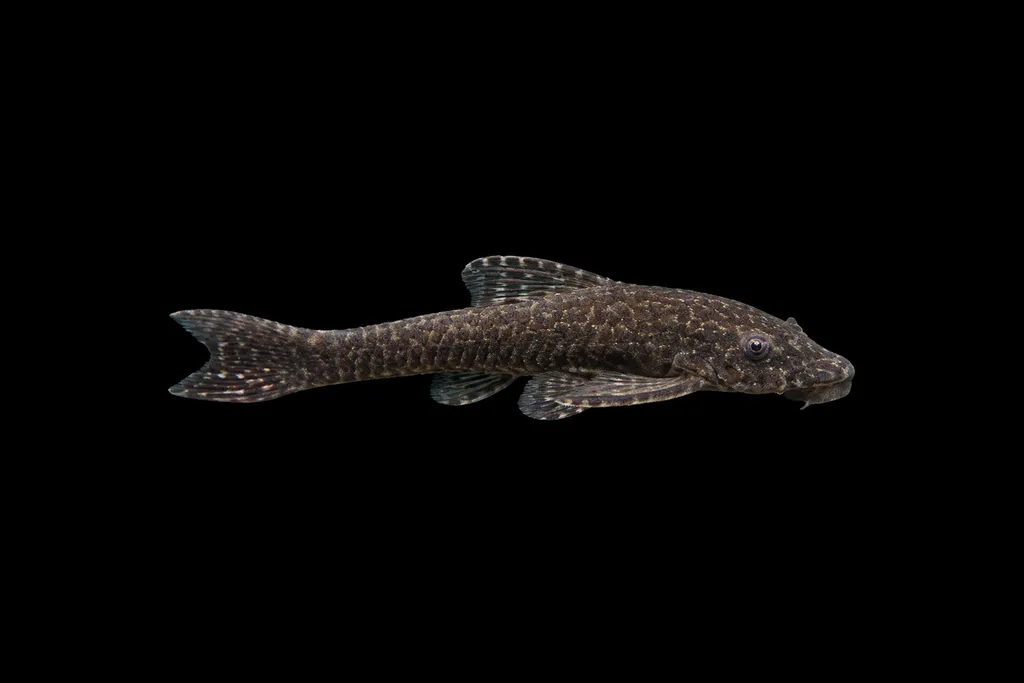
Black otocinclus
Hisonotus notatus
Freshwater2 in (5 cm) · 14 gal (54 L)72–81°F (22–27°C)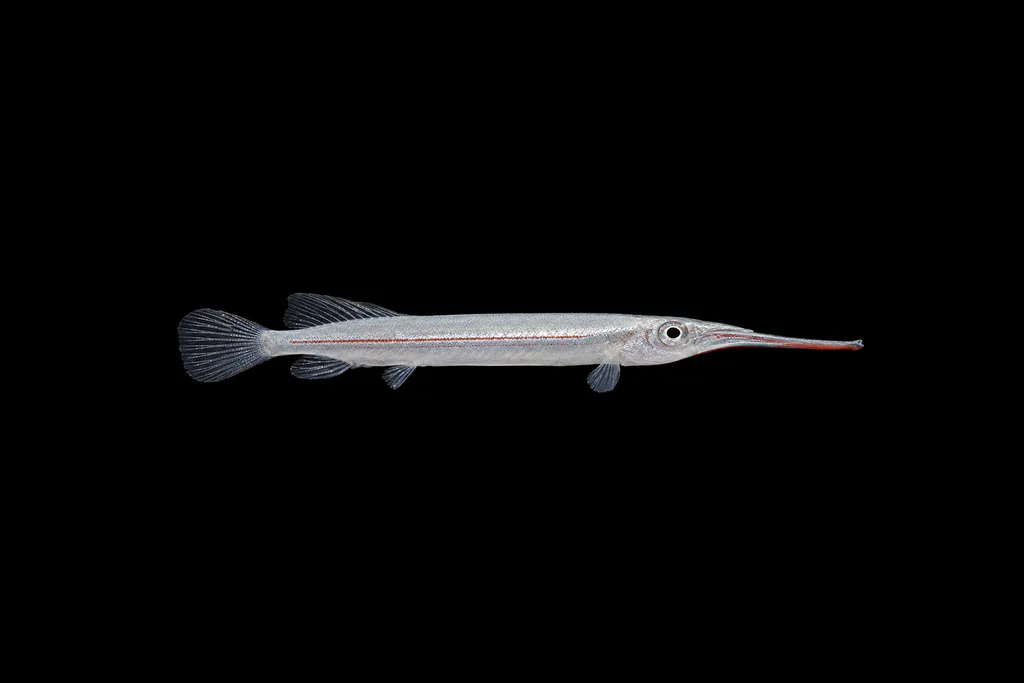
Fire halfbeak
Hemirhamphodon kapuasensis
Freshwater2.4 in (6 cm) · 14 gal (54 L)73–81°F (23–27°C)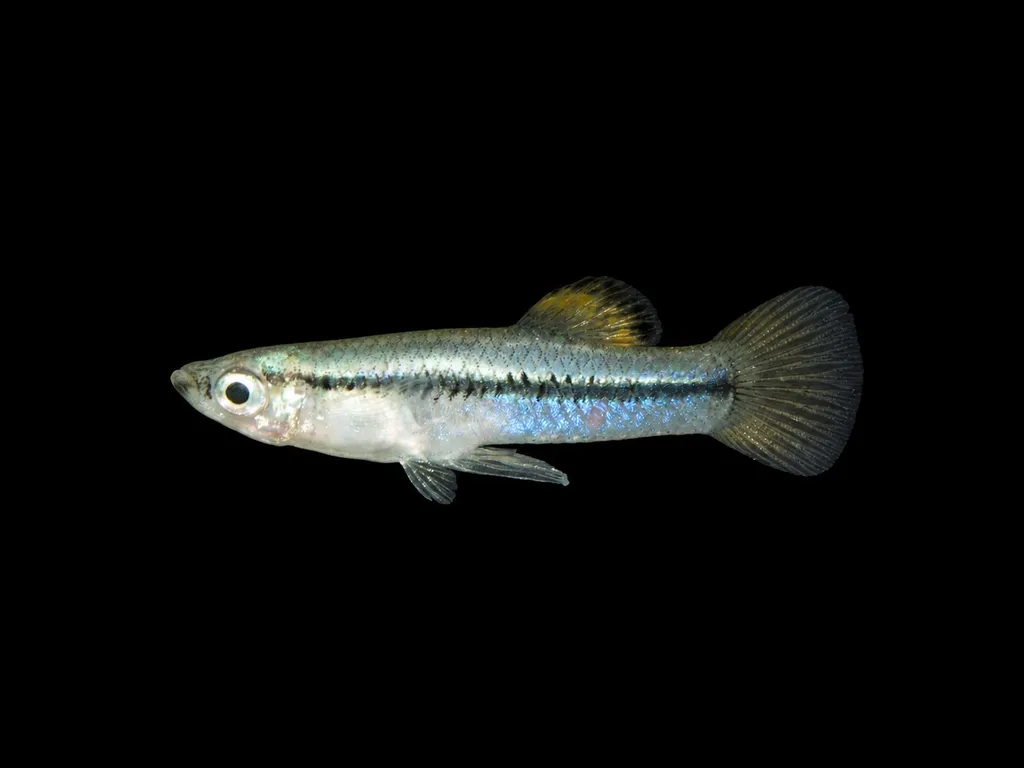
Blackline mosquitofish
Gambusia vittata
Freshwater1.8 in (4.5 cm) · 14 gal (54 L)72–81°F (22–27°C)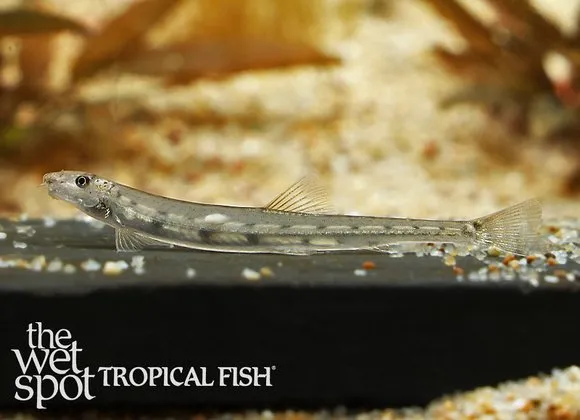
Dwarf horseface loach
Acanthopsoides robertsi
Freshwater2.2 in (5.5 cm) · 14 gal (54 L)72–81°F (22–27°C)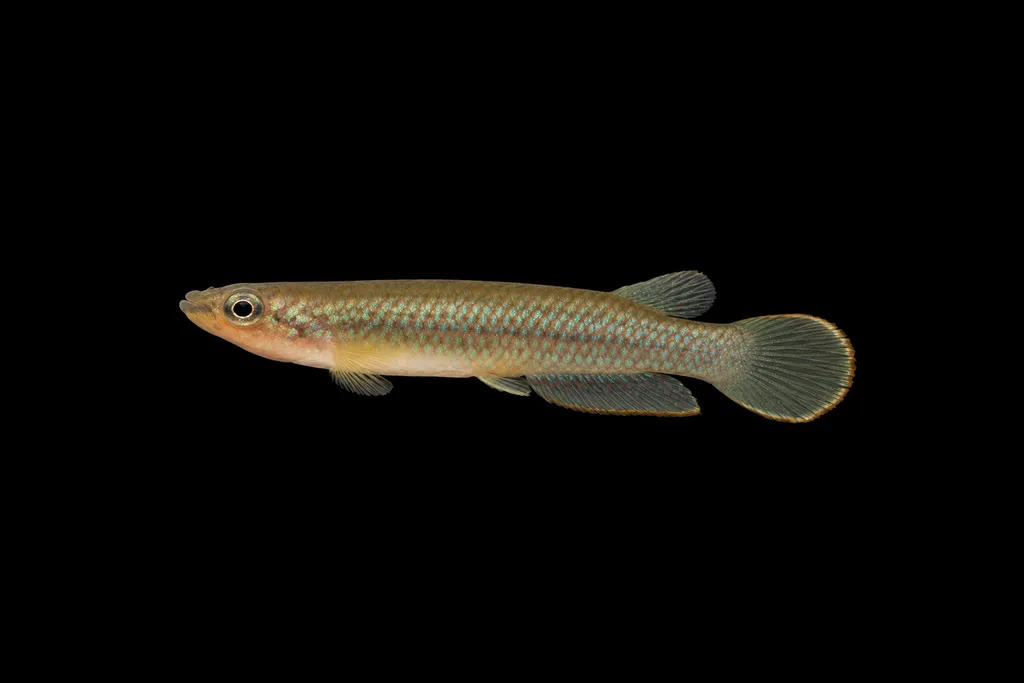
Guinean panchax
Epiplatys guineensis
Freshwater2.8 in (7 cm) · 14 gal (54 L)68–77°F (20–25°C)
Common questions
What size tank does a filamentous lampeye need?
A filamentous lampeye needs at least 14 gal (54 L). It spends most of its time in the middle.
What temperature and pH does a filamentous lampeye need?
A filamentous lampeye is comfortable at 72–79°F (22–26°C) with a pH of 6.0–7.5.
What does a filamentous lampeye eat?
A filamentous lampeye eats small foods several times a day, such as fine flake and micro pellets. It also takes little live or frozen daphnia, cyclops and newly hatched brine shrimp.
How big does a filamentous lampeye get?
An adult filamentous lampeye reaches about 1.6 in (4 cm).
Does a filamentous lampeye need a group?
Yes. A filamentous lampeye is a schooling species and should be kept in a group, not singly.
How can you tell a male filamentous lampeye from a female?
Males carry noticeably long, pointed ventral and unpaired fins once they mature.
Related species
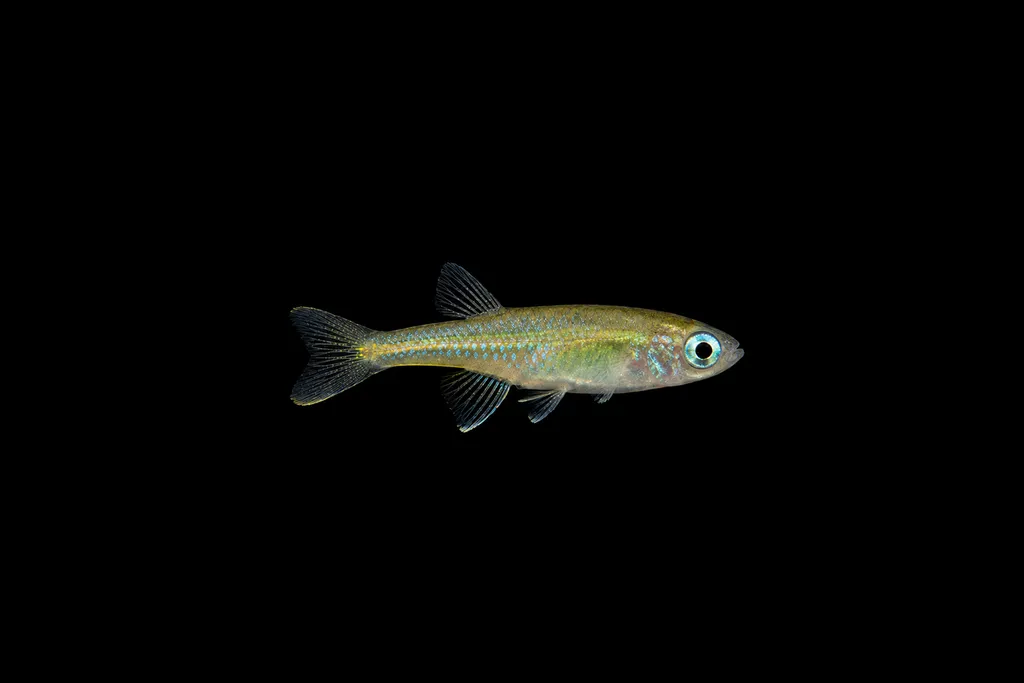 1.6 in (4 cm)14 gal (54 L)72–79°F (22–26°C)
Scheel's lampeye
Poropanchax scheeli
1.6 in (4 cm) · 14 gal (54 L)
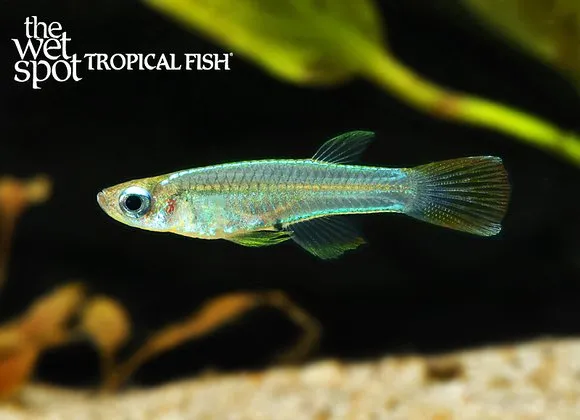 1.2 in (3 cm)11 gal (40 L)72–79°F (22–26°C)
Blackspot lampeye
Poropanchax stigmatopygus
1.2 in (3 cm) · 11 gal (40 L)
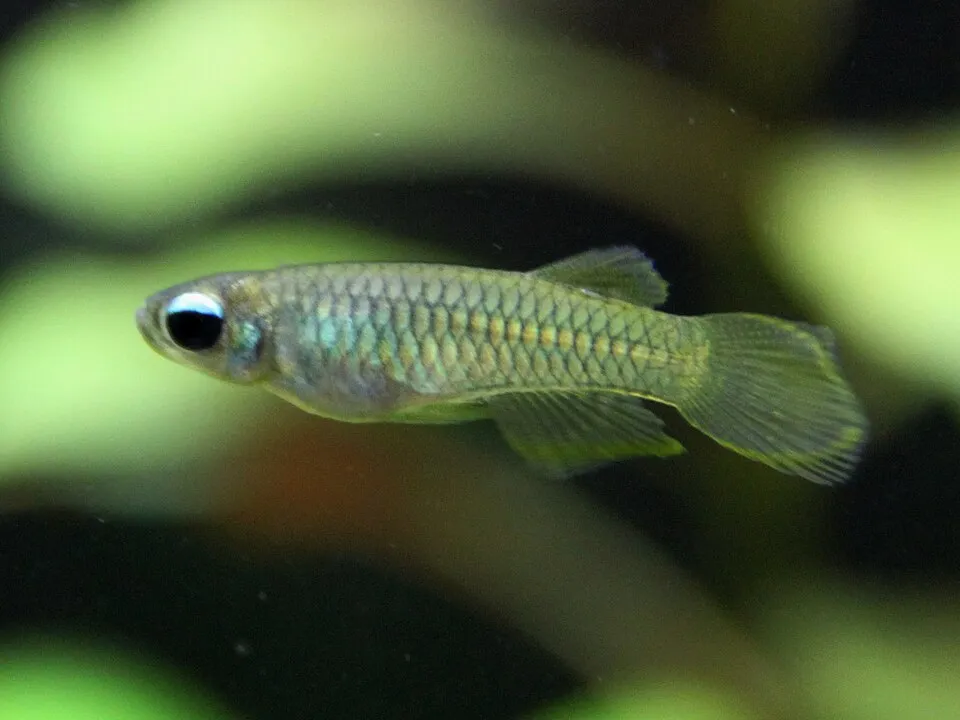 1.6 in (4 cm)20 gal (75 L)72–79°F (22–26°C)
Norman's lampeye
Poropanchax normani
1.6 in (4 cm) · 20 gal (75 L)
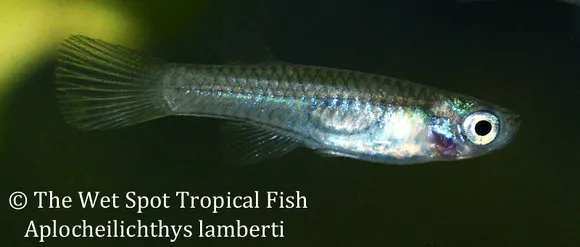 1.8 in (4.5 cm)14 gal (54 L)72–79°F (22–26°C)
Lambert's lampeye
Rhexipanchax lamberti
1.8 in (4.5 cm) · 14 gal (54 L)
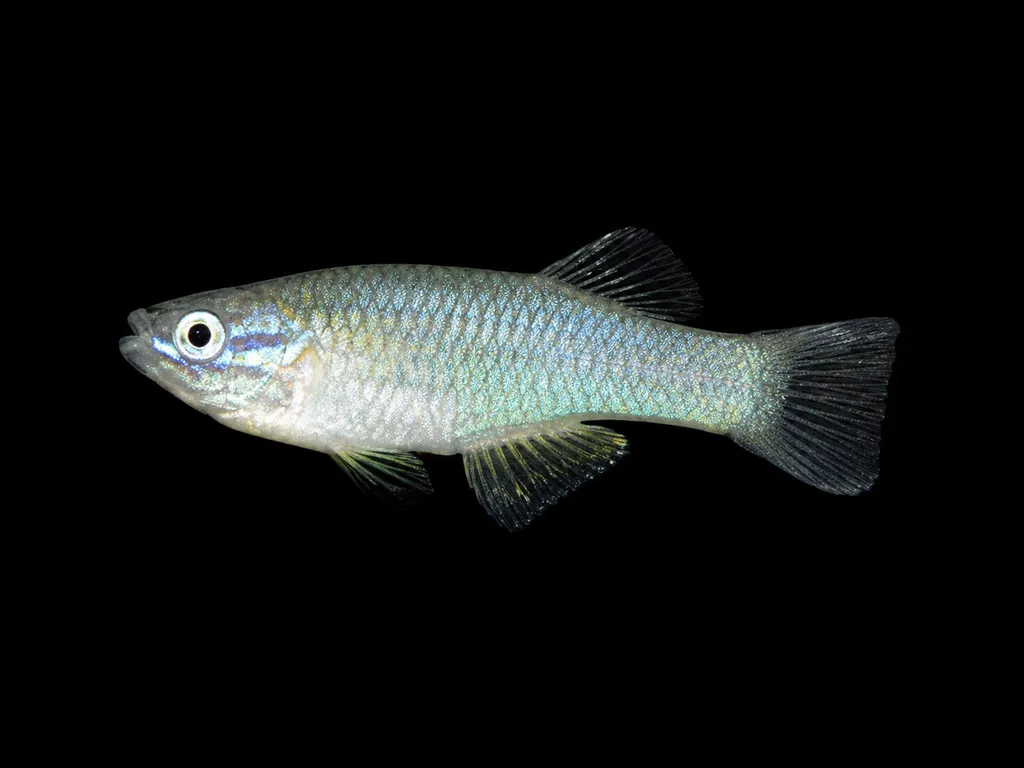 1.8 in (4.5 cm)14 gal (54 L)68–75°F (20–24°C)
Mount Nimba lampeye
Rhexipanchax nimbaensis
1.8 in (4.5 cm) · 14 gal (54 L)
 1.4 in (3.5 cm)11 gal (40 L)72–79°F (22–26°C)
Amber-finned lampeye
Foerschichthys flavipinnis
1.4 in (3.5 cm) · 11 gal (40 L)