Norman's lampeye
Poropanchax normani
Also known as Normani Killi
FreshwaterFish
Care at a glance
- Temperature
- 72–79°F
- 22–26°C
- pH
- 6.5–7.5
- Adult size
- 1.6 in
- 4 cm
- Minimum tank
- 20 gal
- 75 L
- Temperament
- Peaceful
- Social behavior
- Social
- Swim level
- Top
- Difficulty
- Medium
- Breeding
- Hard
- Rarity
- Rare
- Family
- Procatopodidae
- Origin
- West Africa
Overview
This is a shoaling fish best kept in a decent-sized group, ten or more if you can, in a tank around 75 liters. They hold near the top of the water column and are very peaceful, which means boisterous tankmates will outcompete them at feeding. Keep water in the low to mid 20s C, soft, and close to neutral. Feed small foods like fine flake, crushed pellet, micro-worms, and baby brine shrimp.
In the wild
Norman's lampeye lives in slow, shallow waters across West Africa, often shaded pools and stream edges with plant cover. The water tends to be soft and on the acidic to neutral side. A quiet tank with gentle flow, plenty of plants, and some floating cover near the surface suits them well. They spend most of their time just under the waterline.
Good to know
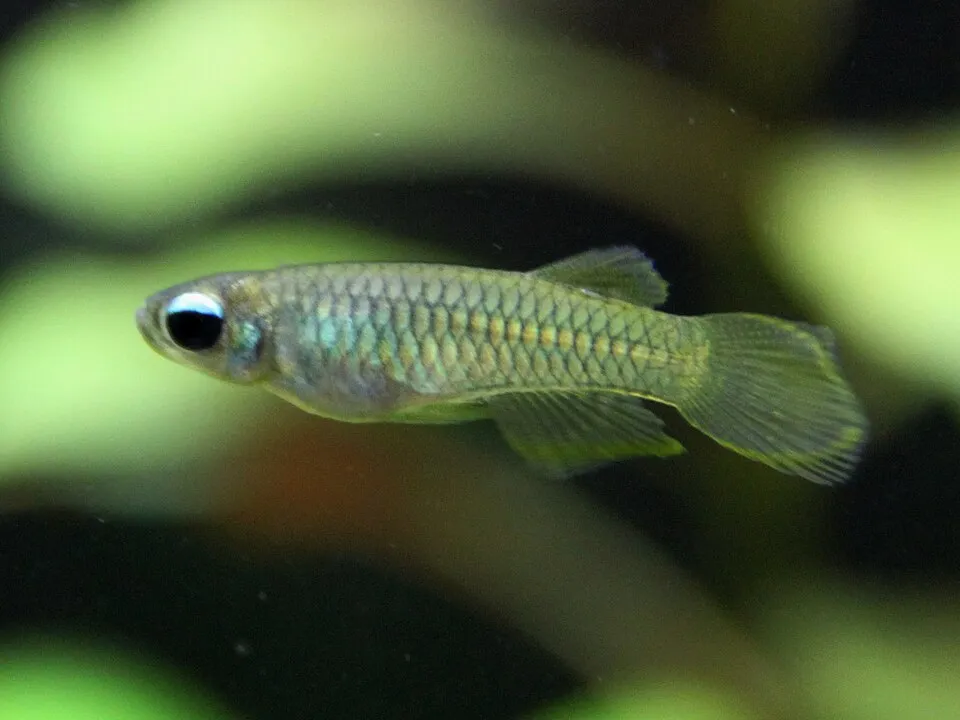
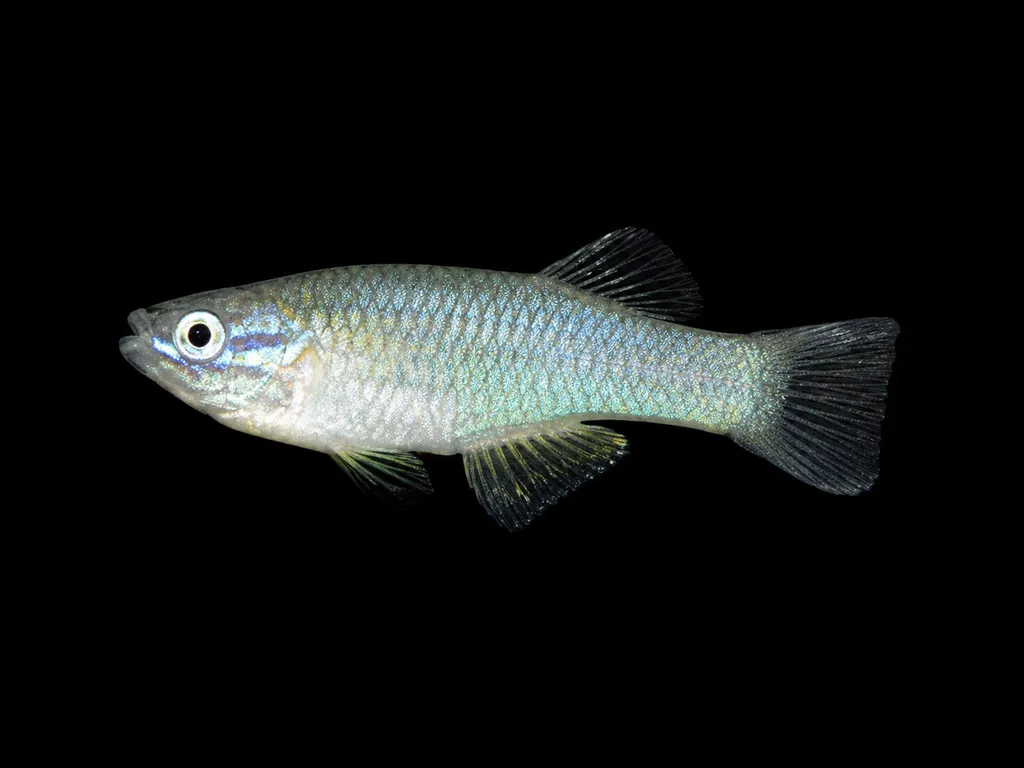
Despite the common name, this is a killifish-type lampeye now placed in the family Procatopodidae, reaching only about 4 cm. The bright blue-green ring over the eye is reflective tissue, which is where the name lampeye comes from. They're egg layers that attach eggs to fine plants, and eggs take a couple of weeks to develop. The IUCN lists the species as Least Concern.
Did you know
Because they feed at the surface, they're built to spot tiny prey against the glare of light coming through the water. The glowing eye-ring isn't just decoration. In a shoal it helps the fish keep track of each other in dim, shaded water.
Weekly picks
Tank mates
Norman's lampeye is a peaceful, social species that keeps to the top. These picks share a community profile with it, are safe together in both directions, and overlap on water type, temperature and pH.
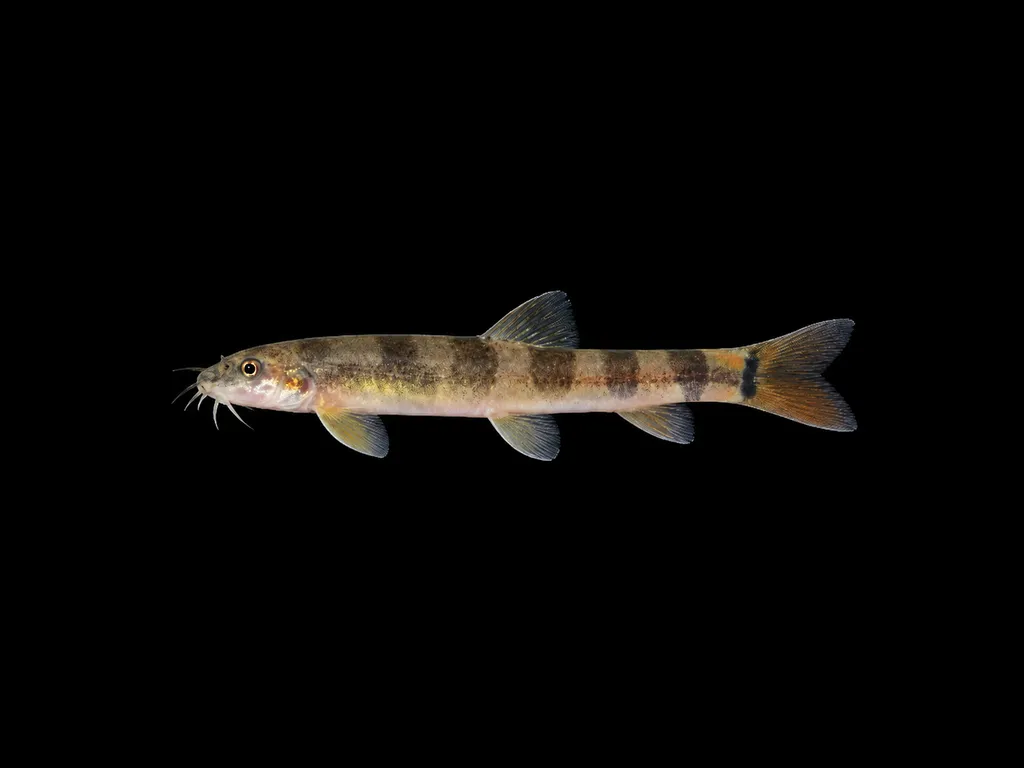
Aizawl loach
Schistura aizawlensis
Freshwater2.4 in (6 cm) · 20 gal (75 L)68–79°F (20–26°C)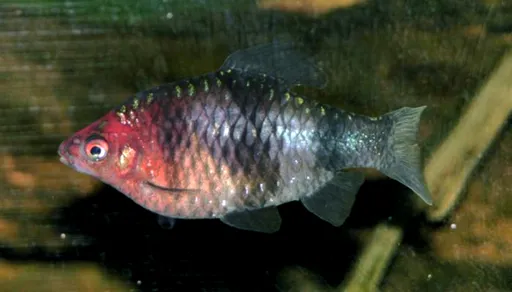
Black ruby barb
Pethia nigrofasciata
Freshwater2.4 in (6 cm) · 20 gal (75 L)72–79°F (22–26°C)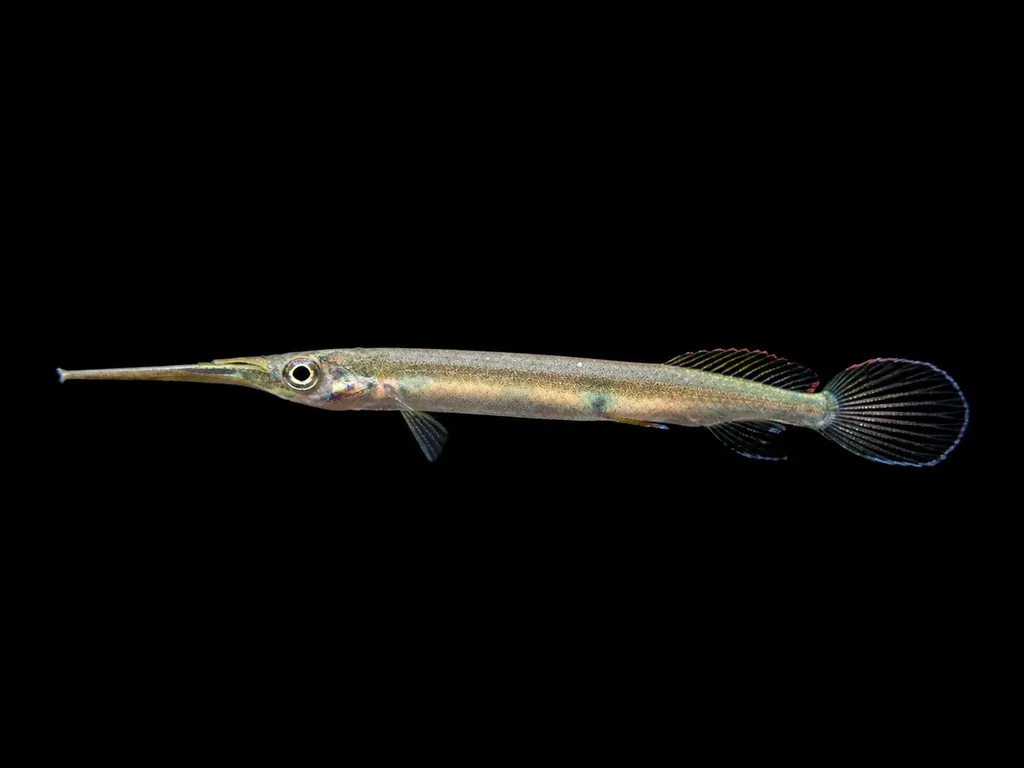
Kuekenthal's halfbeak
Hemirhamphodon kuekenthali
Freshwater3.3 in (8.5 cm) · 20 gal (75 L)73–81°F (23–27°C)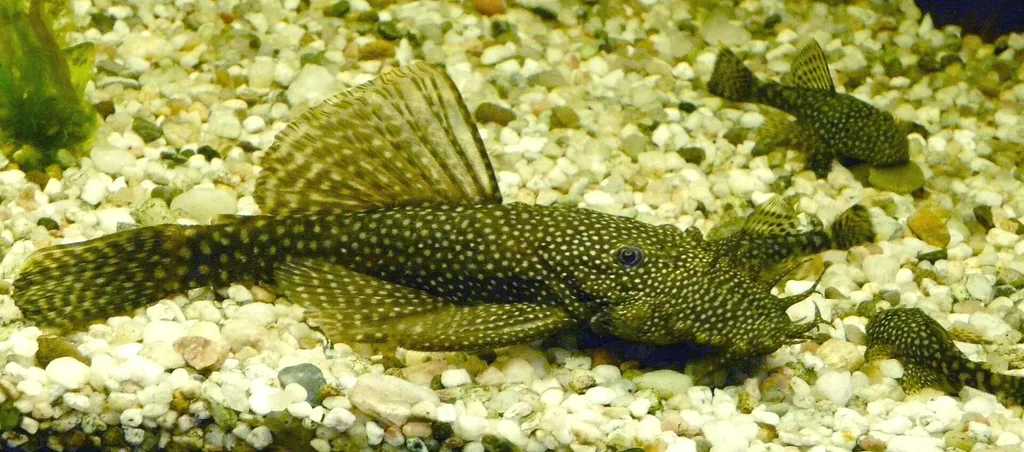
Bristlenose pleco
Ancistrus sp.
Freshwater4.9 in (12.5 cm) · 20 gal (75 L)70–79°F (21–26°C)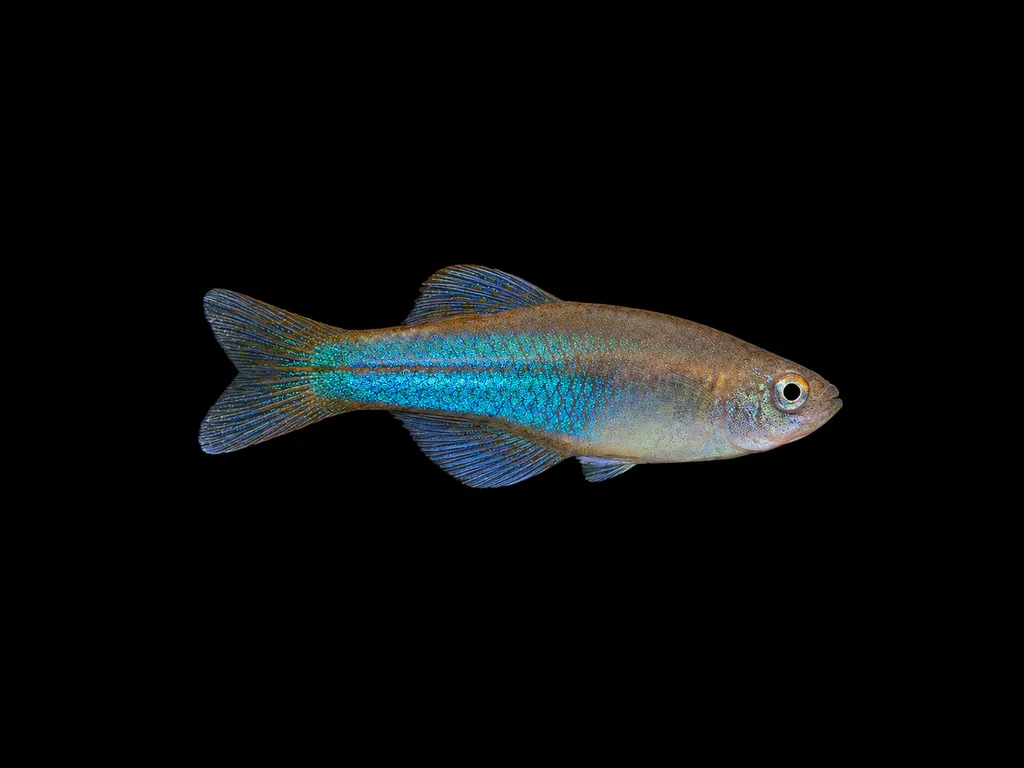
Blue-green lampeye
Procatopus aberrans
Freshwater2.2 in (5.5 cm) · 20 gal (75 L)72–79°F (22–26°C)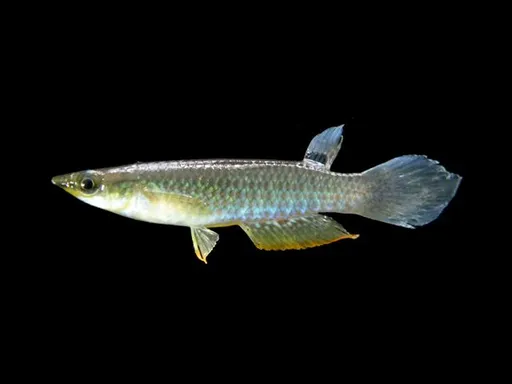
Blue panchax
Aplocheilus panchax
Freshwater3.5 in (9 cm) · 20 gal (75 L)72–82°F (22–28°C)
Common questions
What size tank does a Norman's lampeye need?
A Norman's lampeye needs at least 20 gal (75 L). It spends most of its time in the top.
What temperature and pH does a Norman's lampeye need?
A Norman's lampeye is comfortable at 72–79°F (22–26°C) with a pH of 6.5–7.5.
How big does a Norman's lampeye get?
An adult Norman's lampeye reaches about 1.6 in (4 cm).
Related species
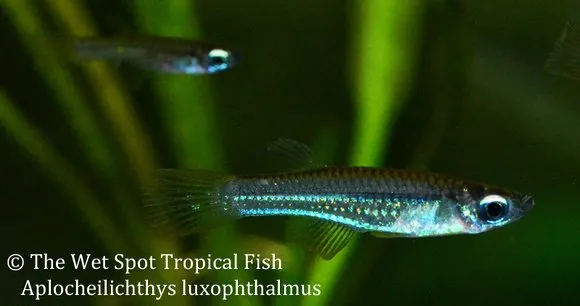 1.6 in (4 cm)14 gal (54 L)72–79°F (22–26°C)
Filamentous lampeye
Poropanchax luxophthalmus
1.6 in (4 cm) · 14 gal (54 L)
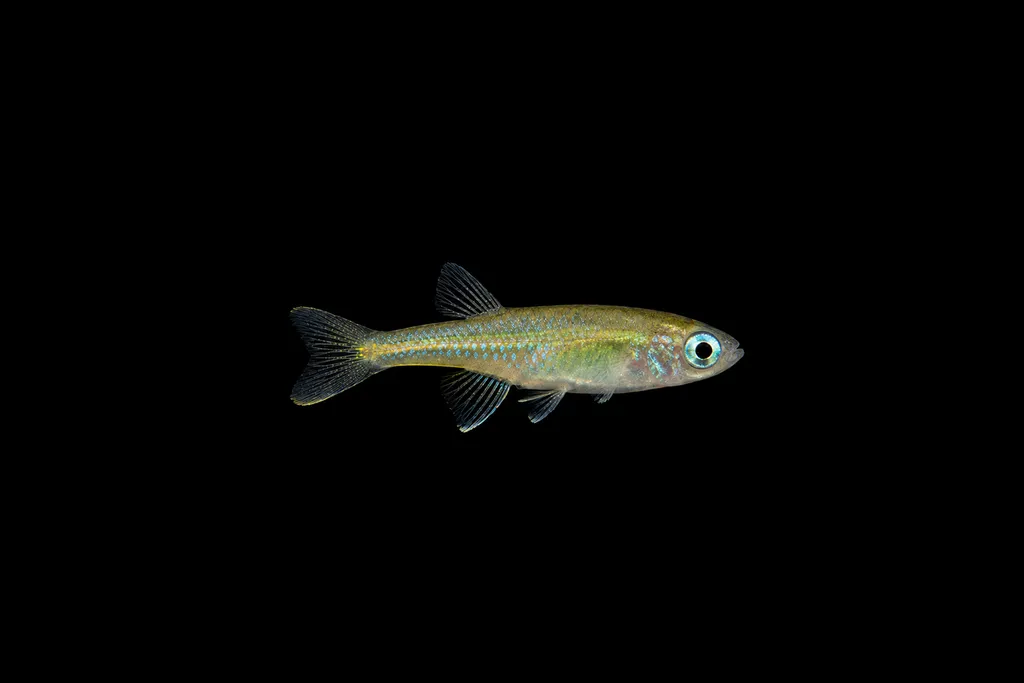 1.6 in (4 cm)14 gal (54 L)72–79°F (22–26°C)
Scheel's lampeye
Poropanchax scheeli
1.6 in (4 cm) · 14 gal (54 L)
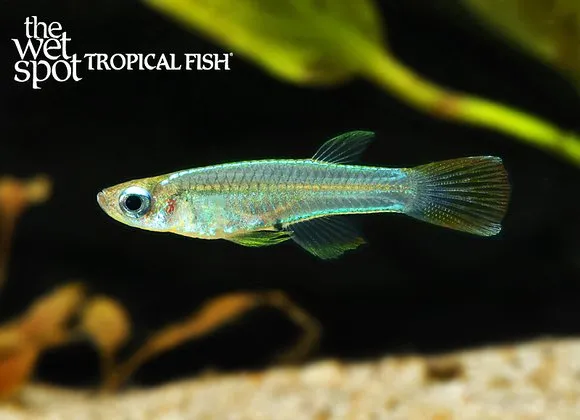 1.2 in (3 cm)11 gal (40 L)72–79°F (22–26°C)
Blackspot lampeye
Poropanchax stigmatopygus
1.2 in (3 cm) · 11 gal (40 L)
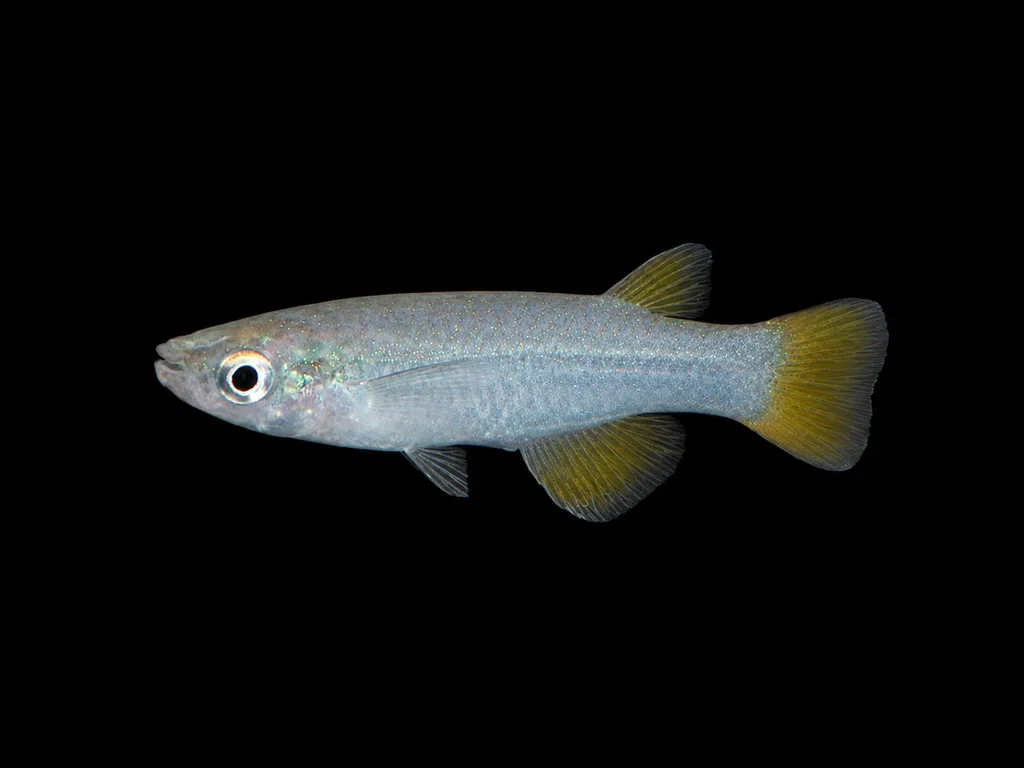 2.8 in (7 cm)21 gal (80 L)73–82°F (23–28°C)
Banded lampeye
Aplocheilichthys spilauchen
2.8 in (7 cm) · 21 gal (80 L)
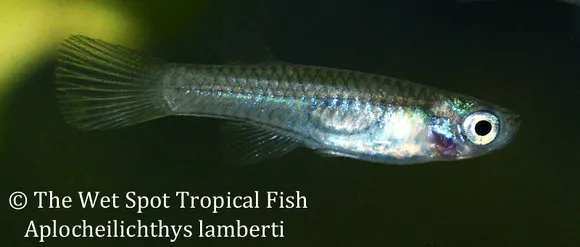 1.8 in (4.5 cm)14 gal (54 L)72–79°F (22–26°C)
Lambert's lampeye
Rhexipanchax lamberti
1.8 in (4.5 cm) · 14 gal (54 L)
 1.8 in (4.5 cm)14 gal (54 L)68–75°F (20–24°C)
Mount Nimba lampeye
Rhexipanchax nimbaensis
1.8 in (4.5 cm) · 14 gal (54 L)