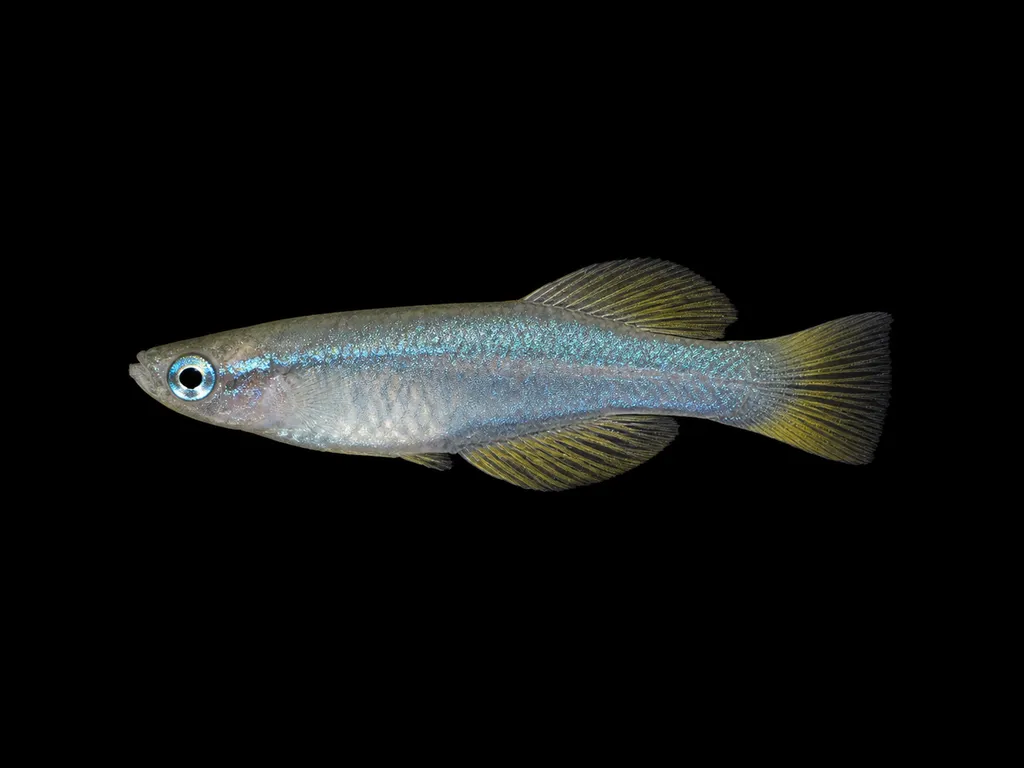
Lambert's lampeye
Rhexipanchax lamberti
Also known as Lamberti lampeye, Lambert's killi
FreshwaterFish
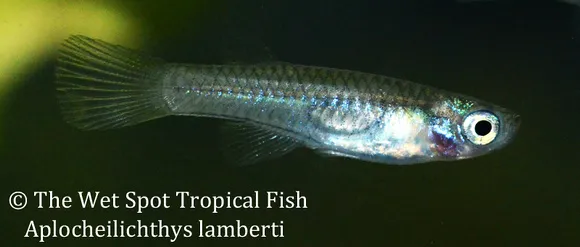
Care at a glance
- Temperature
- 72–79°F
- 22–26°C
- pH
- 6.0–7.5
- Adult size
- 1.8 in
- 4.5 cm
- Minimum tank
- 14 gal
- 54 L
- Temperament
- Peaceful
- Social behavior
- Schooling
- Swim level
- Middle
- Difficulty
- Medium
- Breeding
- Egg depositor · Medium
- Rarity
- Rare
- Family
- Procatopodidae
- Origin
- Upper Guinea streams, Guinea
Overview
Lambert's lampeye is a rarely seen, peaceful schooling fish for the middle water of a calm, planted tank. It suits a keeper who is past the beginner stage.
Did you know
The home waters of Lambert's lampeye rise in the Fouta Djallon highlands of Guinea. The same uplands feed the Gambia and, through the Bafing, the Senegal river. This helps explain why the fish is so seldom exported.
Caring for the Lambert's lampeye
Keep Lambert's lampeyes in a group of eight or more in a calm, planted tank of at least 14 gal (54 L). A dark substrate, fine plants, driftwood and steady, gentle flow match the shaded stream they come from. They stay bolder and better colored with company of their own kind and quiet surroundings. Choose small, gentle tank mates, and avoid anything fast or greedy that will beat them to food.
Give them soft, clean water at 72 to 79°F (22 to 26°C) and a pH of 6.0 to 7.5. Aim for the cooler side of that range. Spread small foods over the day, such as fine flake, micro pellets and live or frozen daphnia, cyclops and baby brine shrimp.
Like its relatives, Lambert's lampeye is a continuous plant spawner, laying small numbers of eggs among fine plants over many days. Breeding is moderately difficult, and the fry are small and slow to grow.
Good to know
Lambert's lampeye is part of Procatopodidae. It sits in the genus Rhexipanchax, a group of West African highland lampeyes. Huber separated the genus in 1999 from the broad old Aplocheilichthys assemblage.
In the wild
Lambert's lampeye lives in clear forest brooks of the upper Gambia, Bafing and Konkoure river systems in Guinea. These shaded streams run through the highlands of Upper Guinea.
Weekly picks
Tank mates
The Lambert's lampeye is a peaceful, schooling species that keeps to the middle. These picks share a community profile with it, are safe together in both directions, and overlap on water type, temperature and pH.
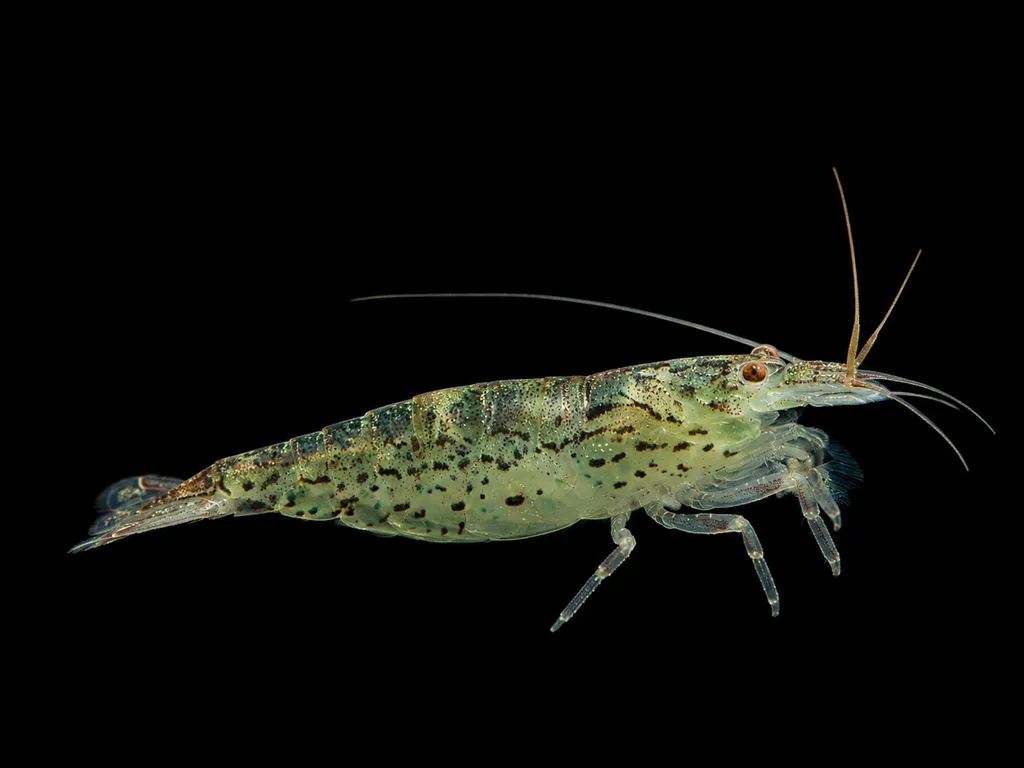
Green lace shrimp
Atyoida pilipes
Freshwater2.8 in (7 cm) · 14 gal (54 L)73–82°F (23–28°C)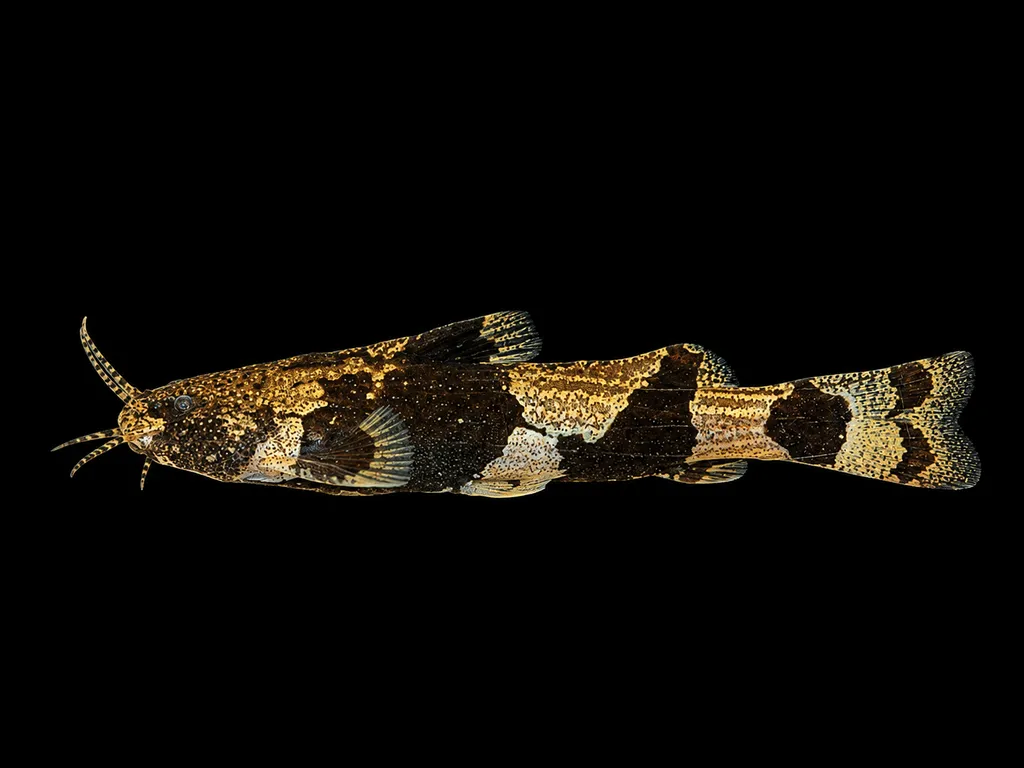
Burmese marble bee catfish
Akysis prashadi
Freshwater2.8 in (7 cm) · 14 gal (54 L)72–79°F (22–26°C)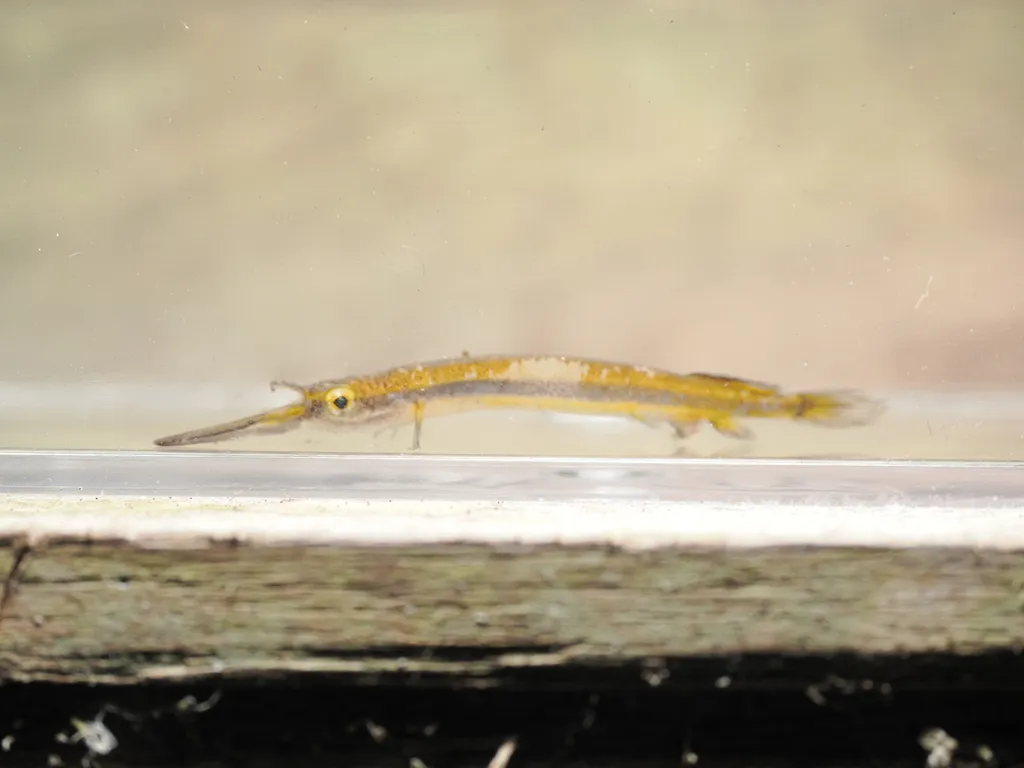
Gold-spotted halfbeak
Hemirhamphodon chrysopunctatus
Freshwater2.6 in (6.5 cm) · 14 gal (54 L)73–81°F (23–27°C)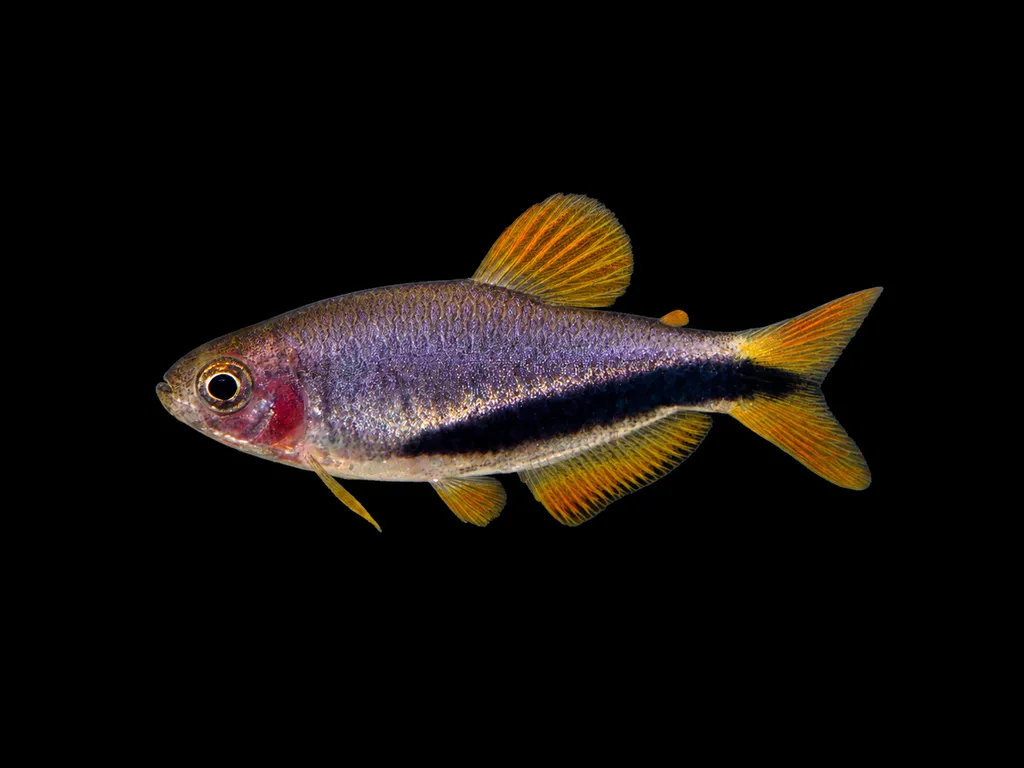
Black arrow tetra
Inpaichthys luizae
Freshwater1.4 in (3.5 cm) · 14 gal (54 L)72–81°F (22–27°C)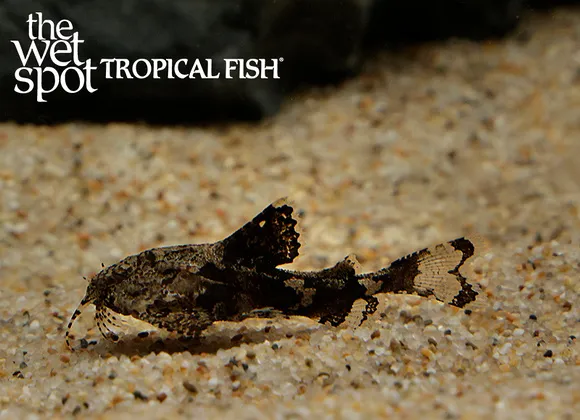
Butterfly hara catfish
Hara hara
Freshwater3.1 in (8 cm) · 14 gal (54 L)68–79°F (20–26°C)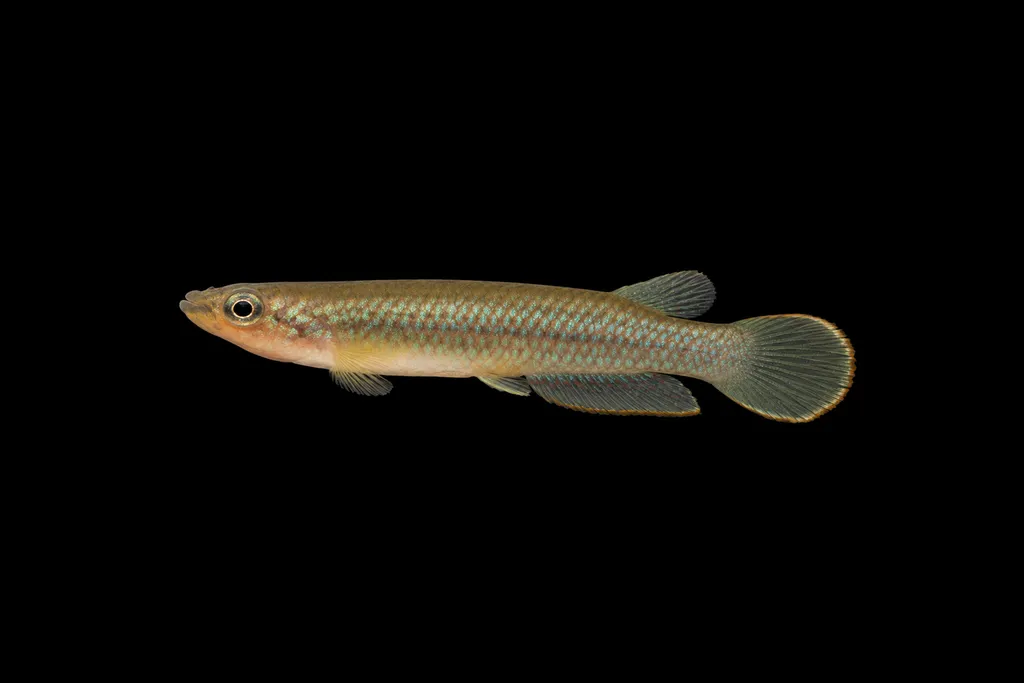
Guinean panchax
Epiplatys guineensis
Freshwater2.8 in (7 cm) · 14 gal (54 L)68–77°F (20–25°C)
Common questions
What size tank does a Lambert's lampeye need?
A Lambert's lampeye needs at least 14 gal (54 L). It spends most of its time in the middle.
What temperature and pH does a Lambert's lampeye need?
A Lambert's lampeye is comfortable at 72–79°F (22–26°C) with a pH of 6.0–7.5.
What does a Lambert's lampeye eat?
A Lambert's lampeye eats small foods spread over the day, such as fine flake and micro pellets. It also takes live or frozen daphnia, cyclops and baby brine shrimp.
How big does a Lambert's lampeye get?
An adult Lambert's lampeye reaches about 1.8 in (4.5 cm).
Does a Lambert's lampeye need a group?
Yes. A Lambert's lampeye is a schooling species and should be kept in a group, not singly.
Related species
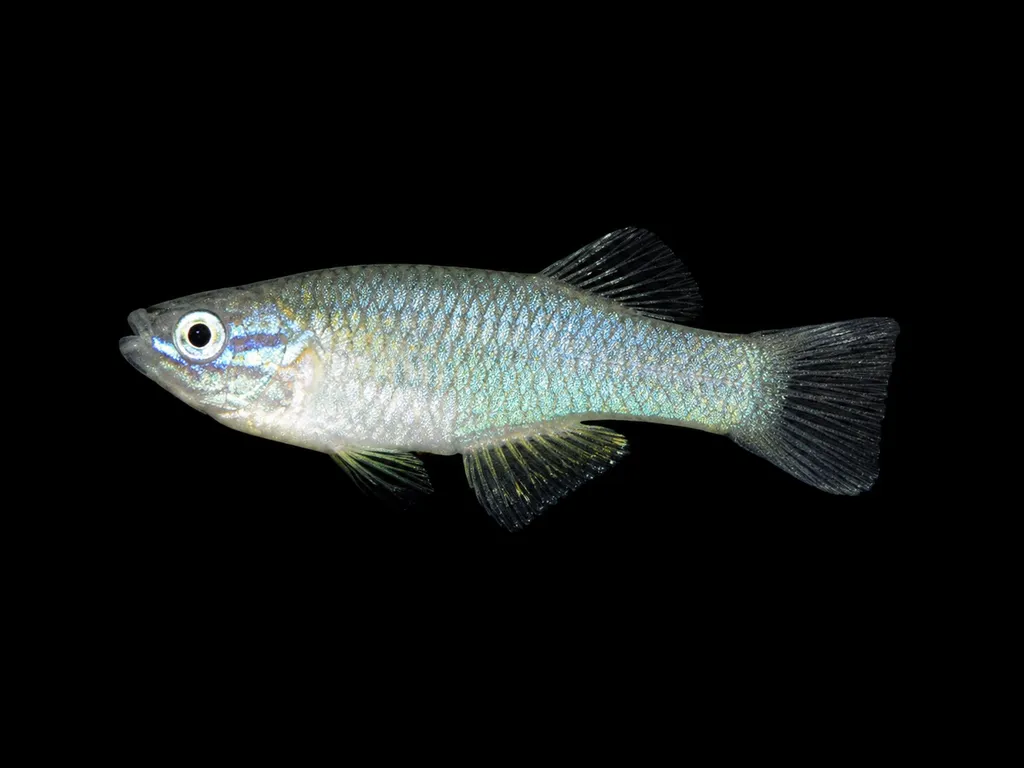 1.8 in (4.5 cm)14 gal (54 L)68–75°F (20–24°C)
Mount Nimba lampeye
Rhexipanchax nimbaensis
1.8 in (4.5 cm) · 14 gal (54 L)
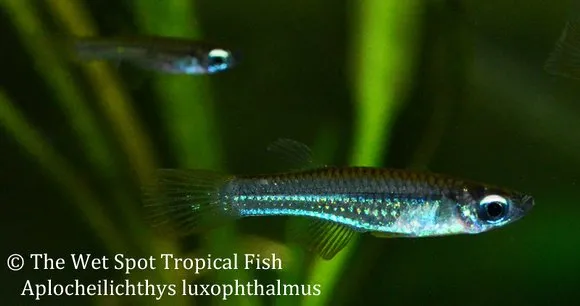 1.6 in (4 cm)14 gal (54 L)72–79°F (22–26°C)
Filamentous lampeye
Poropanchax luxophthalmus
1.6 in (4 cm) · 14 gal (54 L)
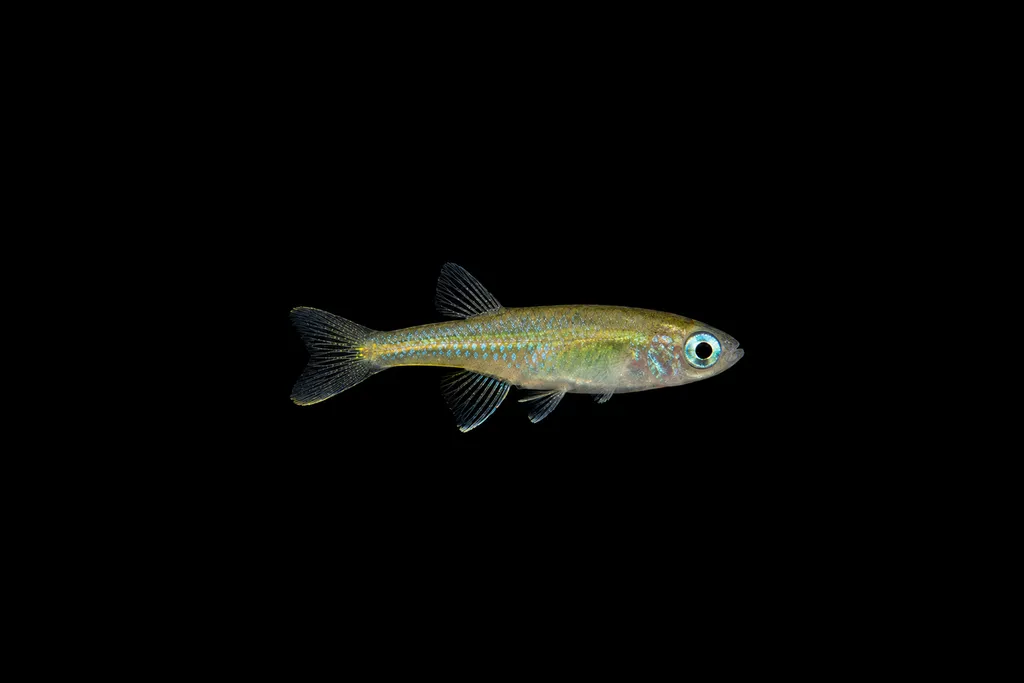 1.6 in (4 cm)14 gal (54 L)72–79°F (22–26°C)
Scheel's lampeye
Poropanchax scheeli
1.6 in (4 cm) · 14 gal (54 L)
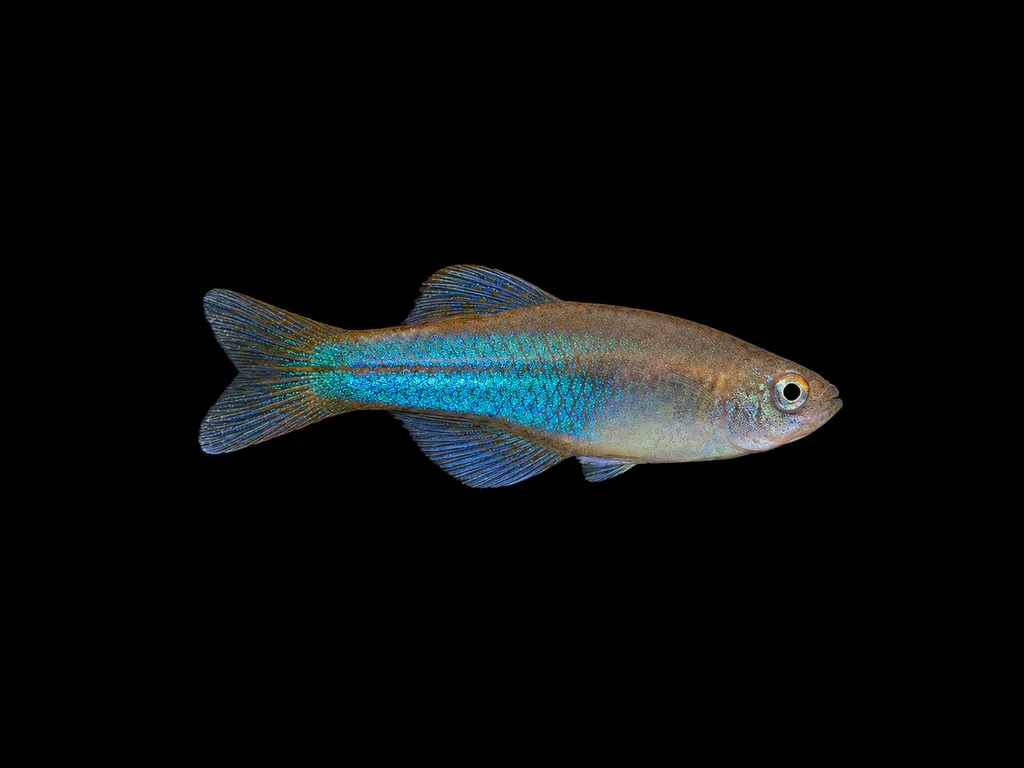 2.2 in (5.5 cm)20 gal (75 L)72–79°F (22–26°C)
Blue-green lampeye
Procatopus aberrans
2.2 in (5.5 cm) · 20 gal (75 L)
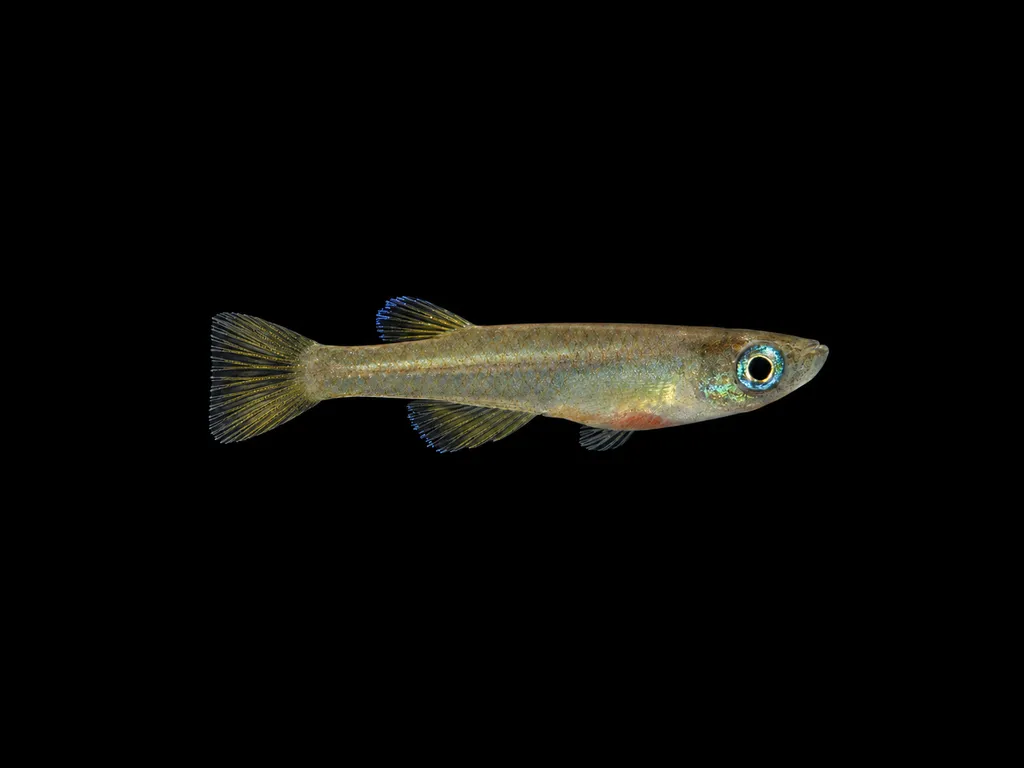 1.4 in (3.5 cm)11 gal (40 L)72–79°F (22–26°C)
Amber-finned lampeye
Foerschichthys flavipinnis
1.4 in (3.5 cm) · 11 gal (40 L)
 2.4 in (6 cm)20 gal (75 L)72–79°F (22–26°C)
Nototaenia lampeye
Procatopus nototaenia
2.4 in (6 cm) · 20 gal (75 L)