Nototaenia lampeye
Procatopus nototaenia
Also known as Yabassi lampeye, Backstripe lampeye
FreshwaterFish
Care at a glance
- Temperature
- 72–79°F
- 22–26°C
- pH
- 6.0–7.5
- Adult size
- 2.4 in
- 6 cm
- Minimum tank
- 20 gal
- 75 L
- Temperament
- Peaceful
- Social behavior
- Schooling
- Swim level
- Middle
- Difficulty
- Medium
- Breeding
- Cave spawner · Medium
- Rarity
- Rare
- Family
- Procatopodidae
- Origin
- Coastal Cameroon streams
Overview
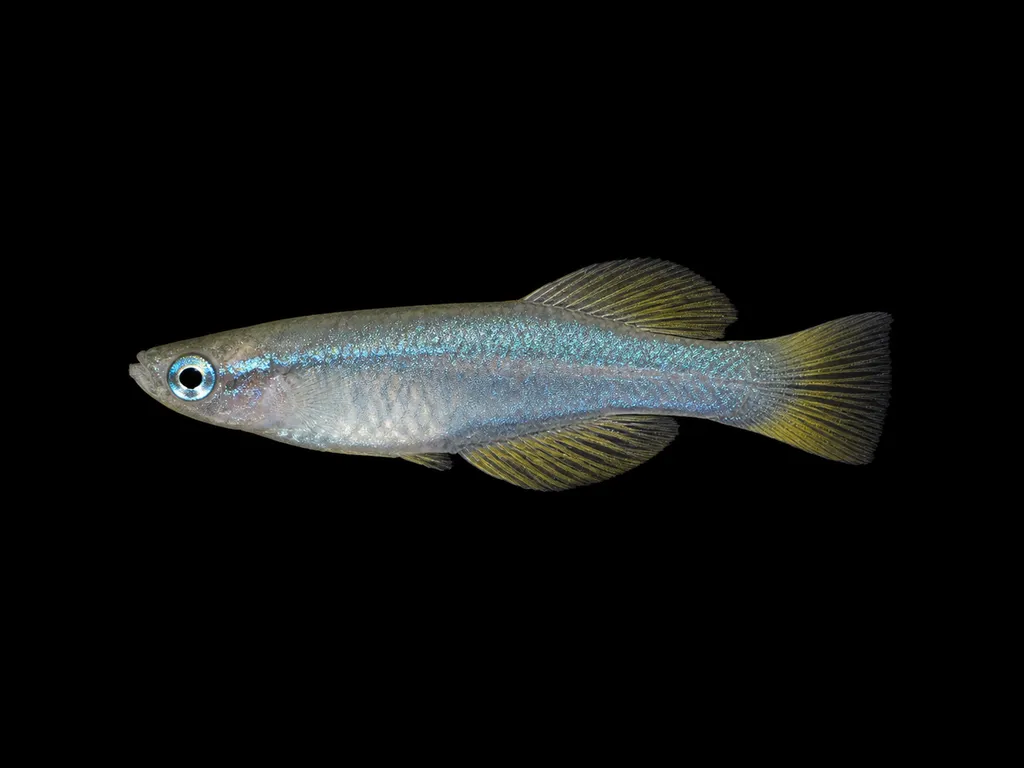
The Nototaenia lampeye is a colorful but peaceful schooling fish for open, moving water. It is best with a little experience.
Did you know
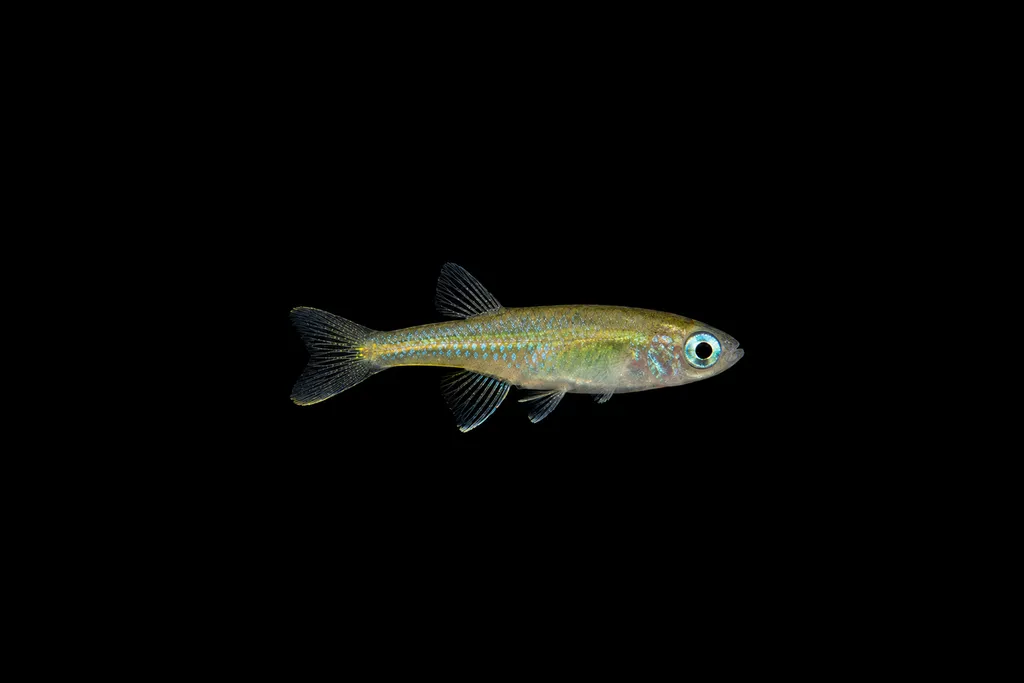
Collectors track the Nototaenia lampeye by where it was caught. Forms from Yabassi, Kribi, Edea and other Cameroon localities differ in the males' fin and body color, while the females look nearly identical.
Caring for the Nototaenia lampeye
Give a group of Nototaenia lampeyes at least 20 gal (75 L) of clean, gently flowing water. Over a dark substrate, place driftwood, rock and marginal plants at the sides for cover. Leave open space to swim down the middle.
Keep the water soft to neutral, at 72 to 79°F (22 to 26°C) and a pH of 6.0 to 7.5. They need steady, well-oxygenated flow to look their best. They take small foods readily, including micro pellets, crushed flake and frozen or live daphnia, cyclops and baby brine shrimp.
Keep a group of eight or more with other calm, current-loving community fish. Avoid slow swimmers and fin nippers.
Males run pale neon blue along the flanks, brightest over a dark bottom. Like other Procatopus, the Nototaenia lampeye lays its eggs deep in crevices rather than in plants. Breeding is moderately difficult, and the small fry are demanding to raise.
Good to know
The Nototaenia lampeye, Procatopus nototaenia, belongs to Procatopodidae. Its name notes the dark stripe along its back.
In the wild
The Nototaenia lampeye lives in shady, clear, moderately flowing forest streams of coastal Cameroon. Thick plant growth lines the banks, with plenty of overhanging cover.
Weekly picks
Tank mates
The Nototaenia lampeye is a peaceful, schooling species that keeps to the middle. These picks share a community profile with it, are safe together in both directions, and overlap on water type, temperature and pH.
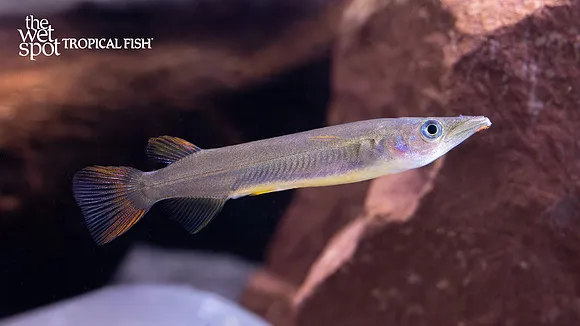
Rex halfbeak
Nomorhamphus rex
Freshwater2.2 in (5.5 cm) · 20 gal (75 L)72–79°F (22–26°C)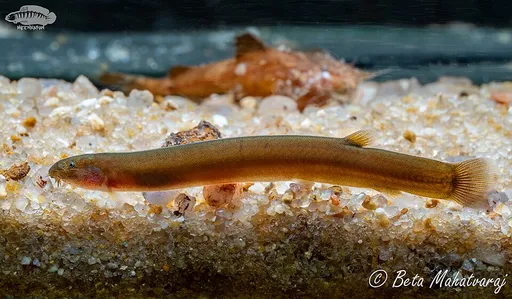
Cinnamon loach
Pangio pangia
Freshwater2.4 in (6 cm) · 20 gal (75 L)72–81°F (22–27°C)
Green dwarf distichodus
Distichodus teugelsi
Freshwater2.4 in (6 cm) · 20 gal (75 L)72–79°F (22–26°C)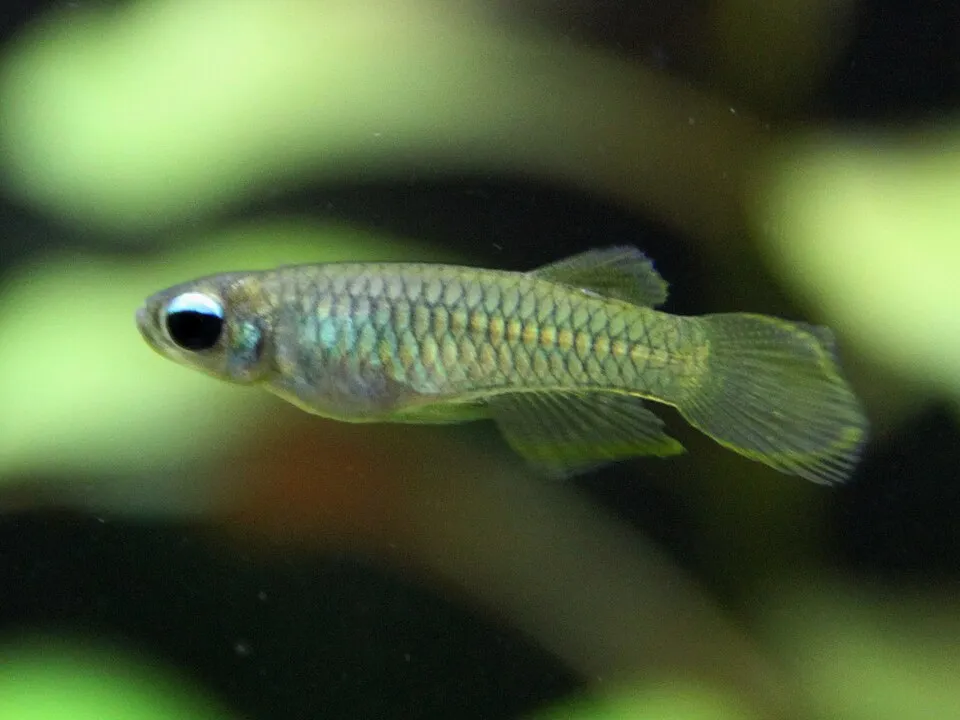
Norman's lampeye
Poropanchax normani
Freshwater1.6 in (4 cm) · 20 gal (75 L)72–79°F (22–26°C)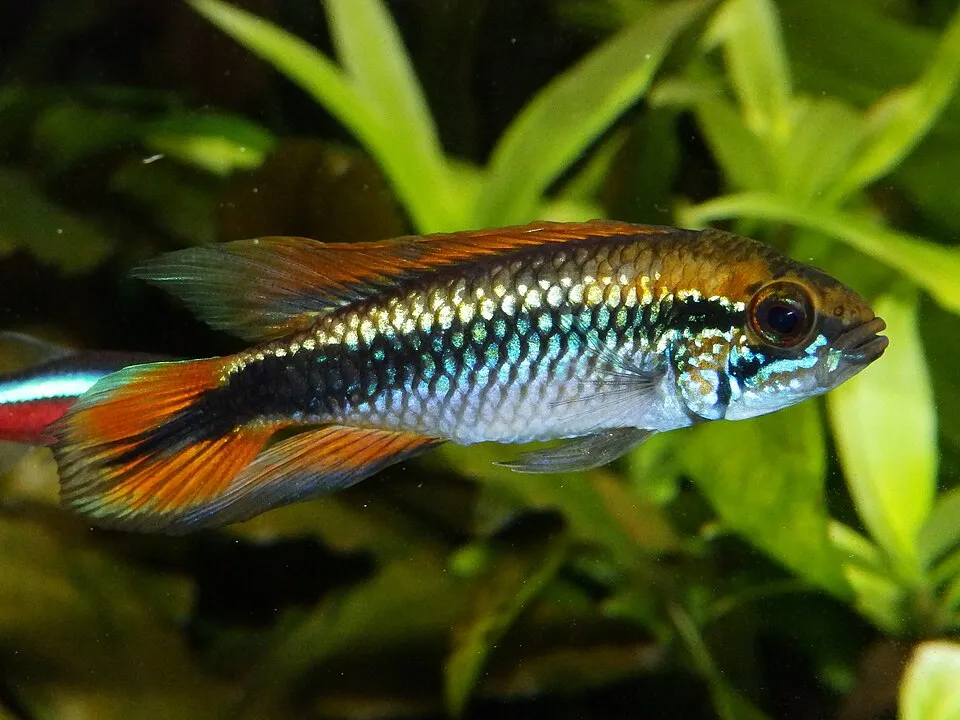
Agassiz's dwarf cichlid
Apistogramma agassizii
Freshwater3.5 in (9 cm) · 20 gal (75 L)72–84°F (22–29°C)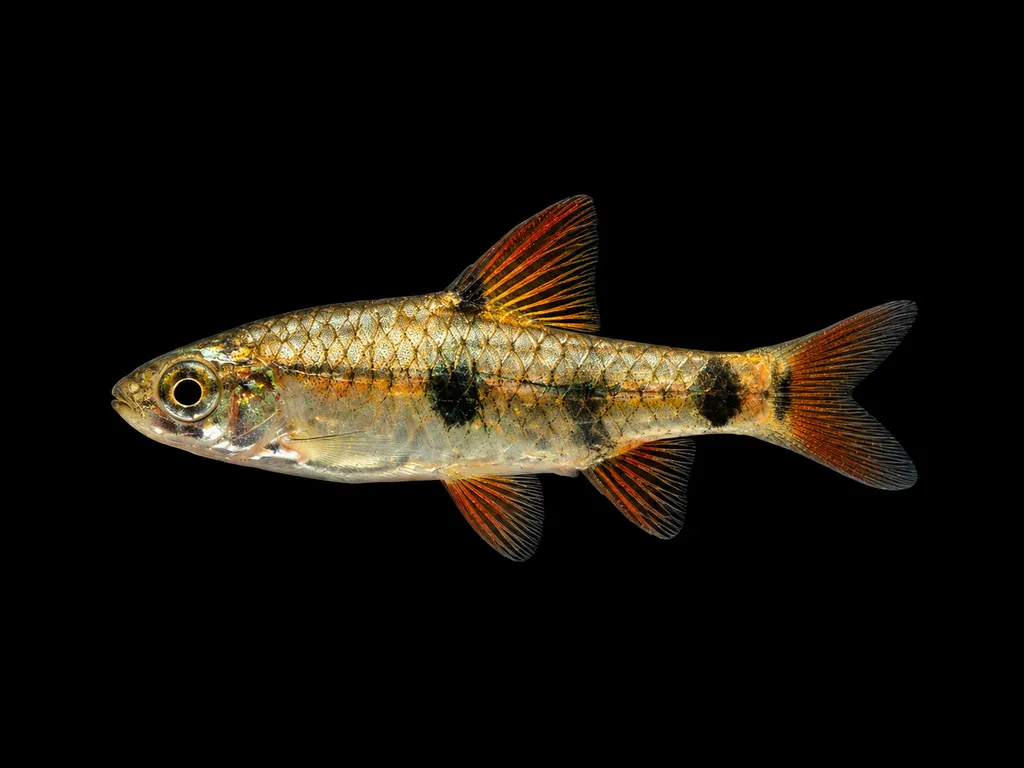
Canius barb
Pethia canius
Freshwater1.6 in (4 cm) · 20 gal (75 L)68–79°F (20–26°C)
Common questions
What size tank does a Nototaenia lampeye need?
A Nototaenia lampeye needs at least 20 gal (75 L). It spends most of its time in the middle.
What temperature and pH does a Nototaenia lampeye need?
A Nototaenia lampeye is comfortable at 72–79°F (22–26°C) with a pH of 6.0–7.5.
What does a Nototaenia lampeye eat?
A Nototaenia lampeye takes small foods readily. Offer micro pellets, crushed flake and frozen or live daphnia, cyclops and baby brine shrimp.
How big does a Nototaenia lampeye get?
An adult Nototaenia lampeye reaches about 2.4 in (6 cm).
Does a Nototaenia lampeye need a group?
Yes. A Nototaenia lampeye is a schooling species and should be kept in a group, not singly.
How can you tell a male Nototaenia lampeye from a female?
Males run pale neon blue along the flanks, and the color is brightest over a dark bottom.
How does a Nototaenia lampeye breed?
Nototaenia lampeyes lay their eggs deep in crevices rather than in plants, like other Procatopus. Breeding is moderately difficult, and the small fry are demanding to raise.
Related species
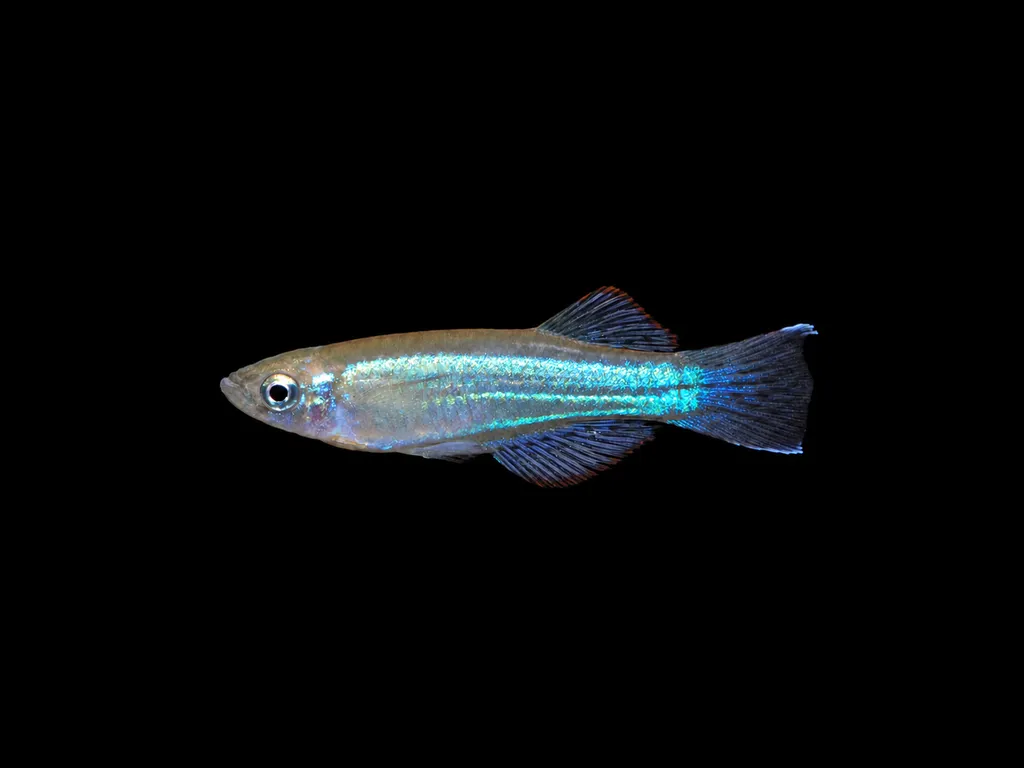 2.4 in (6 cm)20 gal (75 L)72–79°F (22–26°C)
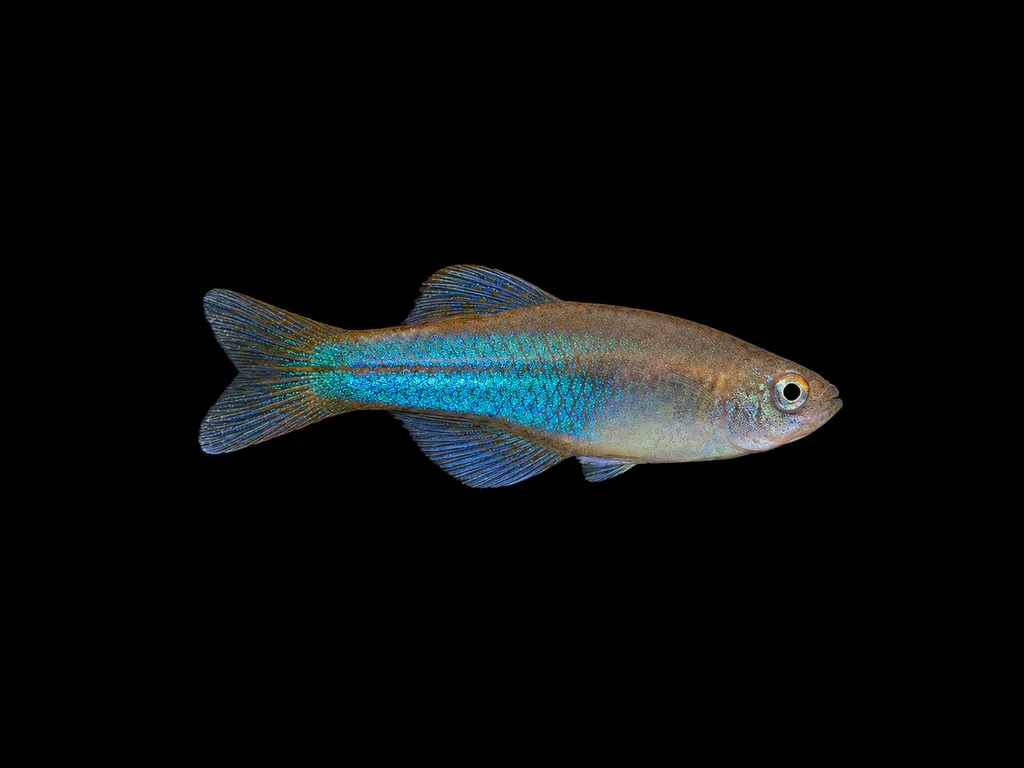
Similis lampeye
Procatopus similis
2.4 in (6 cm) · 20 gal (75 L)
 2.2 in (5.5 cm)20 gal (75 L)72–79°F (22–26°C)
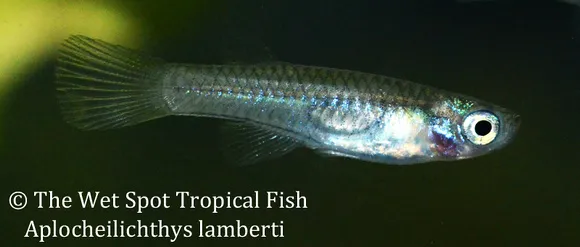
Blue-green lampeye
Procatopus aberrans
2.2 in (5.5 cm) · 20 gal (75 L)
 1.8 in (4.5 cm)14 gal (54 L)72–79°F (22–26°C)
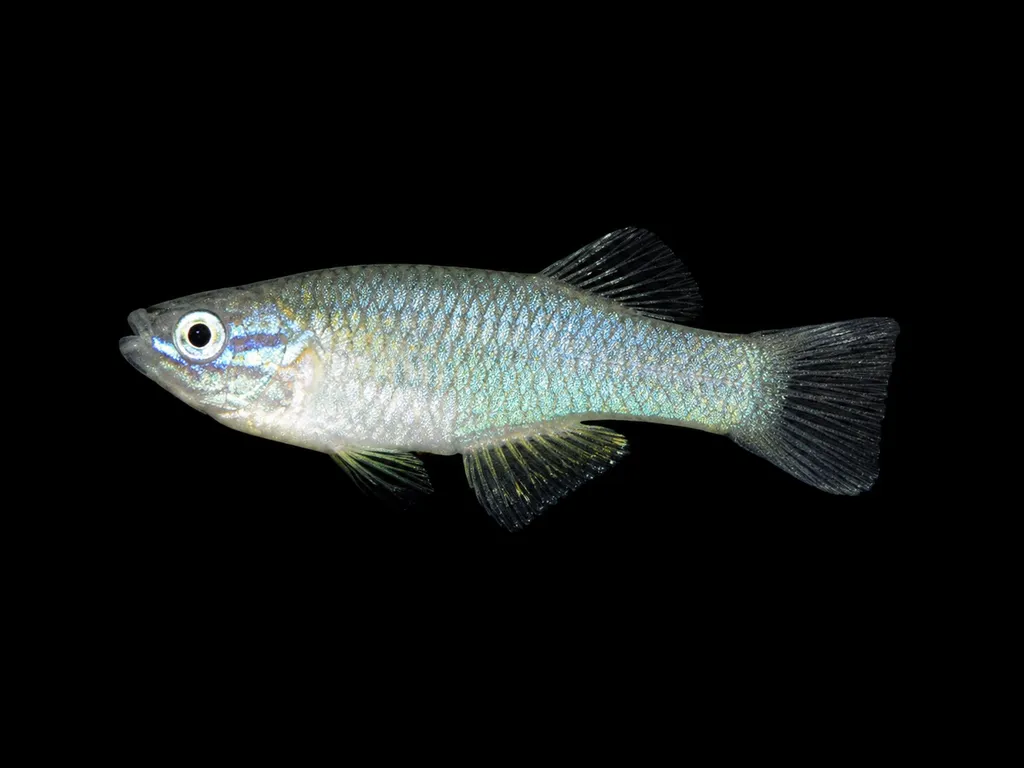
Lambert's lampeye
Rhexipanchax lamberti
1.8 in (4.5 cm) · 14 gal (54 L)
 1.8 in (4.5 cm)14 gal (54 L)68–75°F (20–24°C)
Mount Nimba lampeye
Rhexipanchax nimbaensis
1.8 in (4.5 cm) · 14 gal (54 L)
 1.6 in (4 cm)14 gal (54 L)72–79°F (22–26°C)
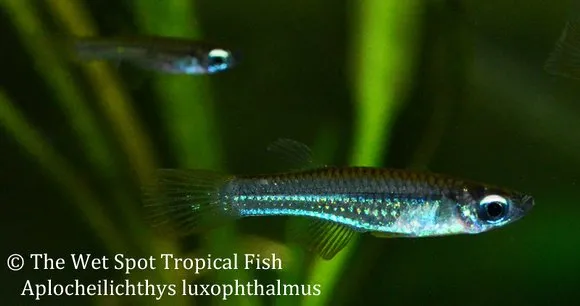
Filamentous lampeye
Poropanchax luxophthalmus
1.6 in (4 cm) · 14 gal (54 L)
 1.6 in (4 cm)14 gal (54 L)72–79°F (22–26°C)
Scheel's lampeye
Poropanchax scheeli
1.6 in (4 cm) · 14 gal (54 L)