Blackline mosquitofish
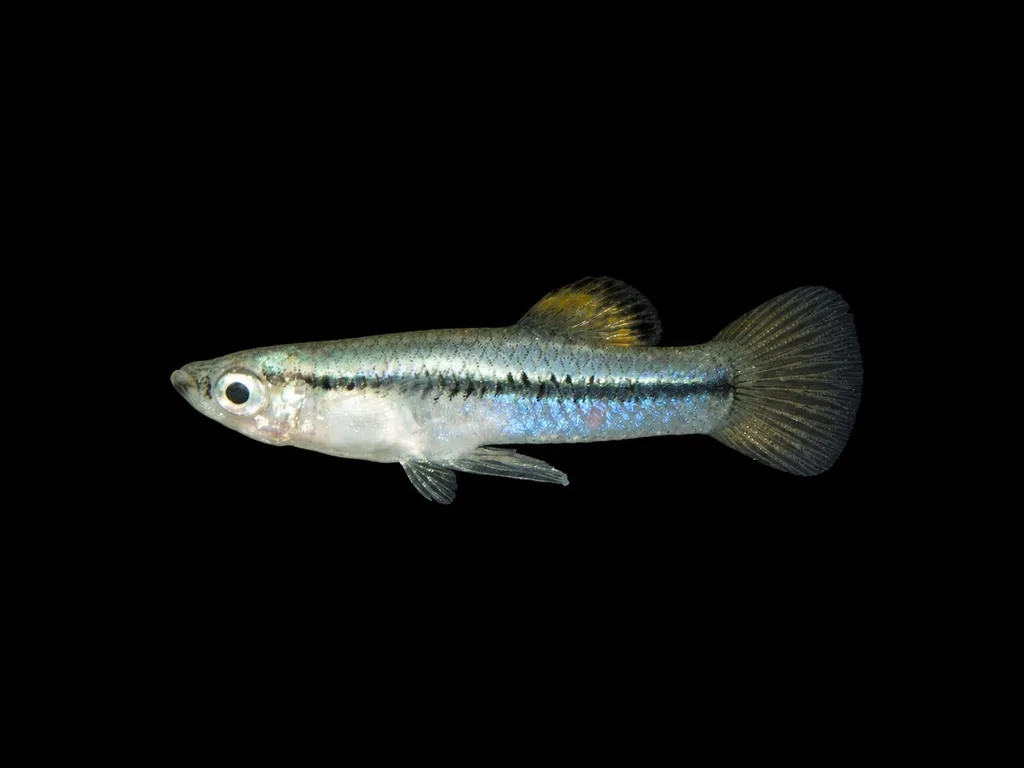
Gambusia vittata
Also known as Vittata gambusia, Black line mosquito fish
FreshwaterFish
Care at a glance
- Temperature
- 72–81°F
- 22–27°C
- pH
- 7.0–8.2
- Adult size
- 1.8 in
- 4.5 cm
- Minimum tank
- 14 gal
- 54 L
- Temperament
- Peaceful
- Social behavior
- Social
- Swim level
- Middle
- Diet
- Omnivore
- Difficulty
- Medium
- Breeding
- Livebearer · Easy
- Rarity
- Rare
- Family
- Poeciliidae
- Origin
- Pánuco basin, Mexico
Overview
The blackline mosquitofish is a busy little livebearer for a planted community tank with hard water. It is a little more demanding than the easiest livebearers.
Did you know
The mosquitofish reputation for bullying and ecological havoc belongs to just two widely introduced species, Gambusia affinis and Gambusia holbrooki. The blackline mosquitofish is a range-restricted Mexican native that never became a global pest. It shares the mosquitofish name without the record.
Caring for the blackline mosquitofish
Give blackline mosquitofish a planted tank of at least 14 gal (54 L), with open swimming space above and a fine substrate. That gives a starter colony room to settle. They hold the middle and upper water as busy, always-moving swimmers, so leave open lanes to cruise.
Steady, well-filtered flow suits them. Their home waters are hard and mineral-rich, so aim for the harder, neutral to alkaline end of the range. Keep the water at 72 to 81°F (22 to 27°C) with a pH of 7.0 to 8.2.
Feed a varied omnivore diet of quality flake, micro pellets and small frozen foods such as daphnia and brine shrimp. Add some algae or vegetable matter.
Keep this active little livebearer as a colony, with more females than males so no one female is chased constantly. It is peaceful for a gambusia and does best with calm, similarly sized community fish or a colony of its own kind. Very slow or long-finned tank mates can be nipped.
Females grow a little larger than males. Blackline mosquitofish bear live young rather than laying eggs. Females drop broods of roughly 15 to 30 fry after a gestation of about six weeks. Breeding is straightforward in a mature tank.
Good to know
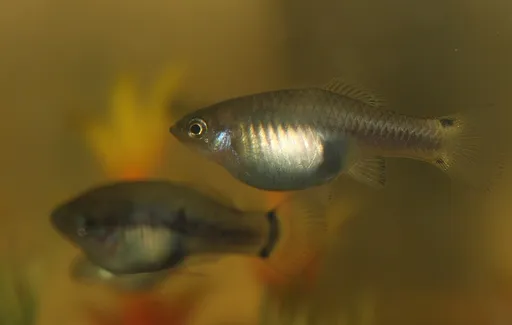
Gambusia vittata belongs to the livebearing family Poeciliidae, and it also goes by the vittata gambusia. Its species name, vittata, means banded or striped. That is a nod to the dark lateral line that gives the blackline mosquitofish its common name.
In the wild
The blackline mosquitofish lives in the Pánuco basin of eastern Mexico. It is found in both flowing rivers and quieter standing waters, often keeping to the deeper channels.
Weekly picks
Tank mates
The blackline mosquitofish is a peaceful, social species that keeps to the middle. These picks share a community profile with it, are safe together in both directions, and overlap on water type, temperature and pH.
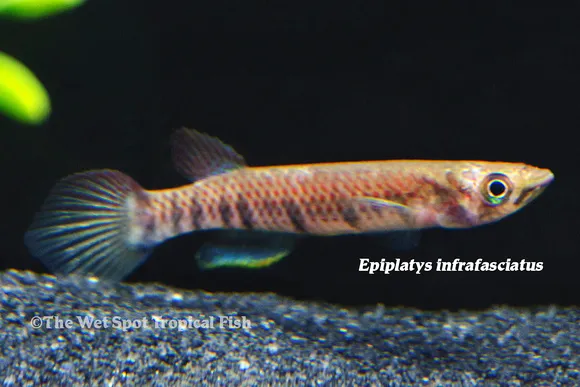
Infrafasciatus killifish
Epiplatys infrafasciatus
Freshwater2.4 in (6 cm) · 14 gal (54 L)68–77°F (20–25°C)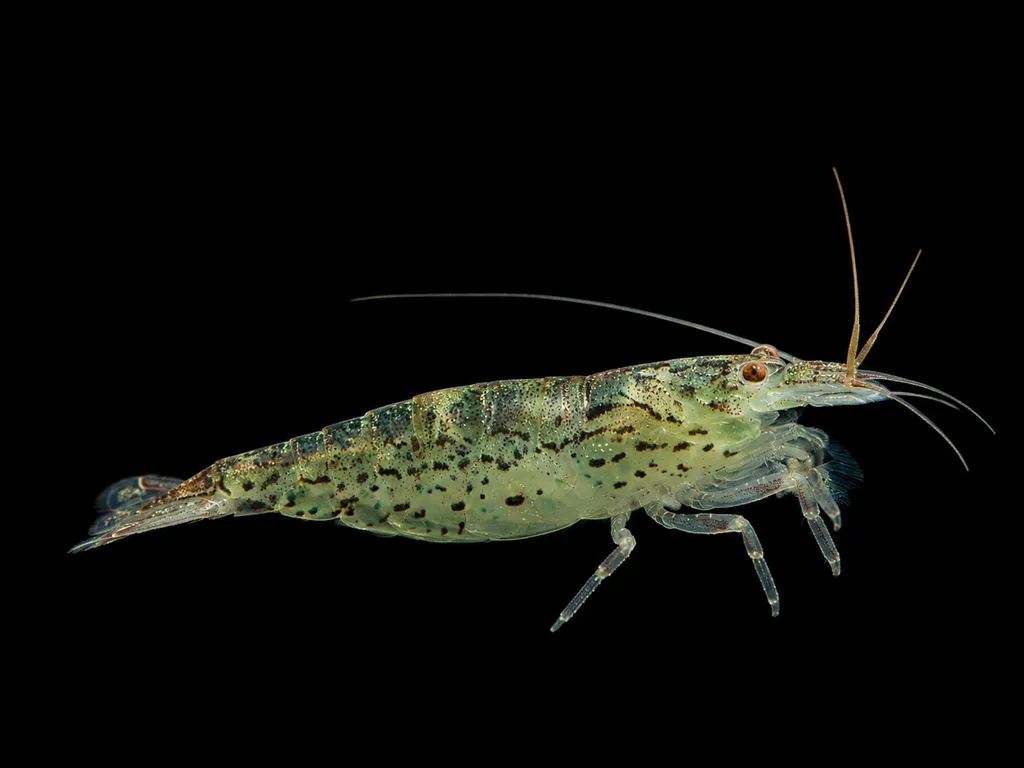
Green lace shrimp
Atyoida pilipes
Freshwater2.8 in (7 cm) · 14 gal (54 L)73–82°F (23–28°C)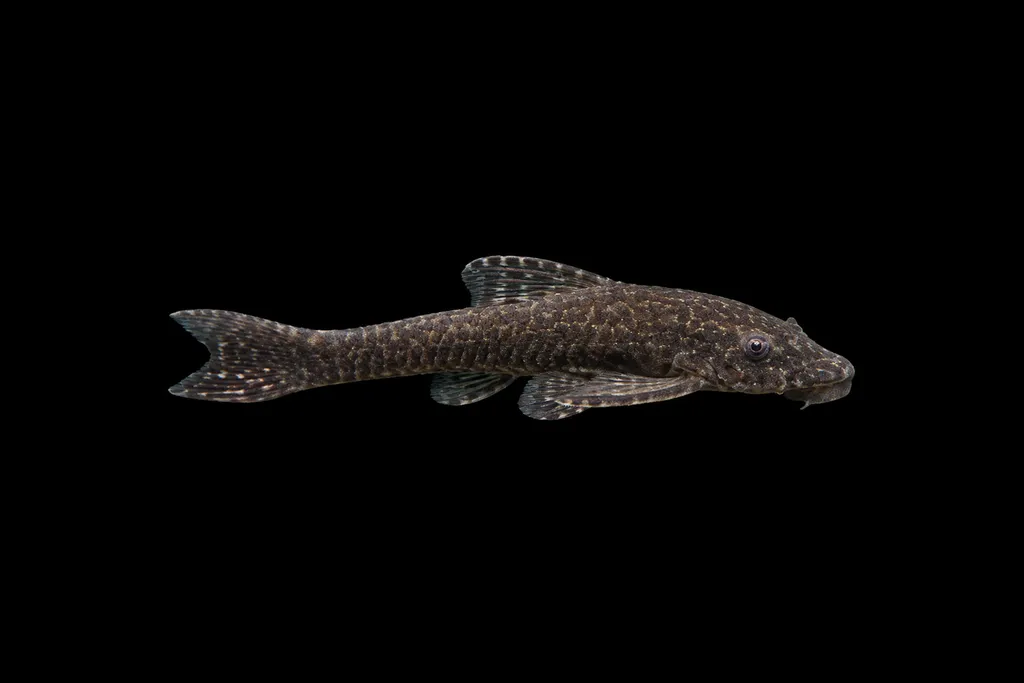
Black otocinclus
Hisonotus notatus
Freshwater2 in (5 cm) · 14 gal (54 L)72–81°F (22–27°C)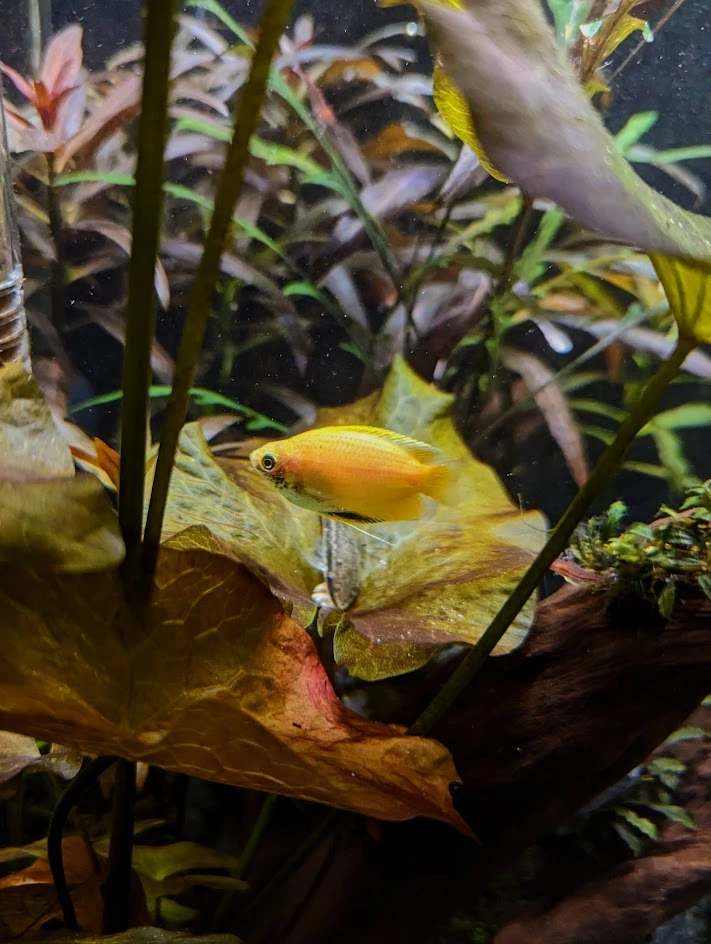
Honey gourami
Trichogaster chuna
Freshwater2 in (5 cm) · 14 gal (54 L)72–82°F (22–28°C)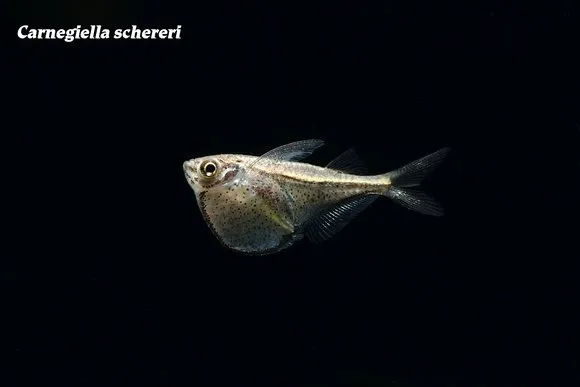
Scherer's hatchetfish
Carnegiella schereri
Freshwater1 in (2.6 cm) · 14 gal (54 L)73–82°F (23–28°C)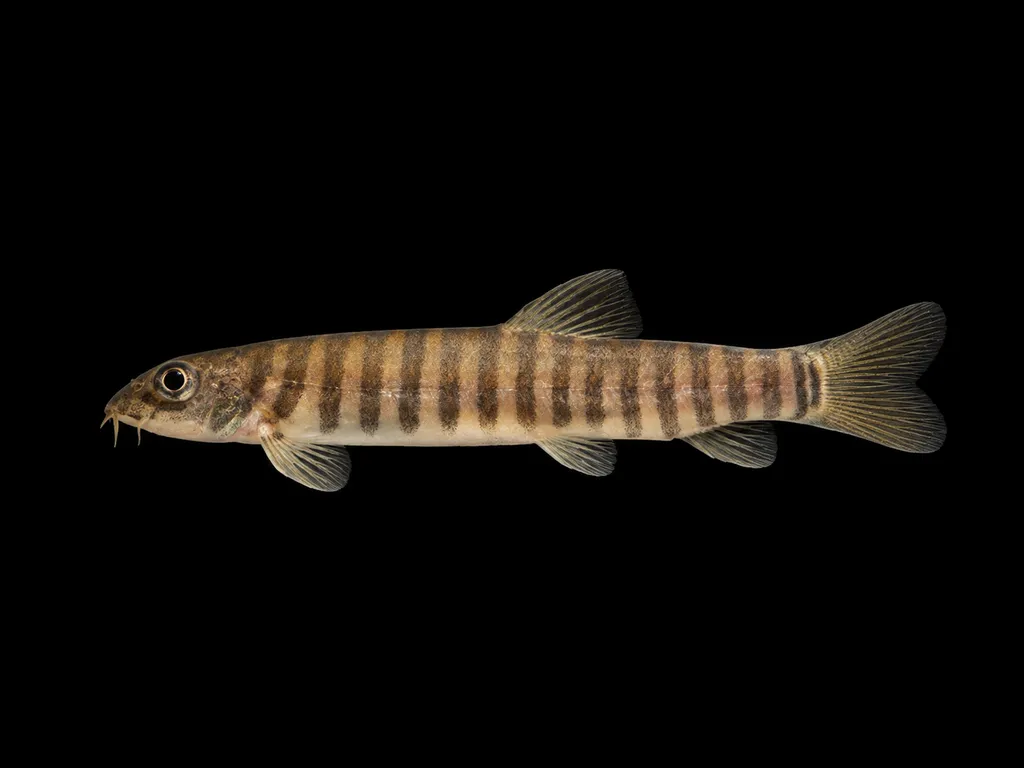
Assam banded loach
Neonoemacheilus assamensis
Freshwater1.8 in (4.5 cm) · 14 gal (54 L)68–79°F (20–26°C)
Common questions
What size tank does a blackline mosquitofish need?
A blackline mosquitofish needs at least 14 gal (54 L). It spends most of its time in the middle.
What temperature and pH does a blackline mosquitofish need?
A blackline mosquitofish is comfortable at 72–81°F (22–27°C) with a pH of 7.0–8.2.
What does a blackline mosquitofish eat?
A blackline mosquitofish eats a varied omnivore diet of quality flake, micro pellets and small frozen foods such as daphnia and brine shrimp. Give it some algae or vegetable matter too.
How big does a blackline mosquitofish get?
An adult blackline mosquitofish reaches about 1.8 in (4.5 cm).
How can you tell a male blackline mosquitofish from a female?
A female blackline mosquitofish grows a little larger than a male.
How does a blackline mosquitofish breed?
A blackline mosquitofish bears live young rather than laying eggs. Females drop broods of roughly 15 to 30 fry after about six weeks, and breeding is straightforward in a mature tank.
Related species
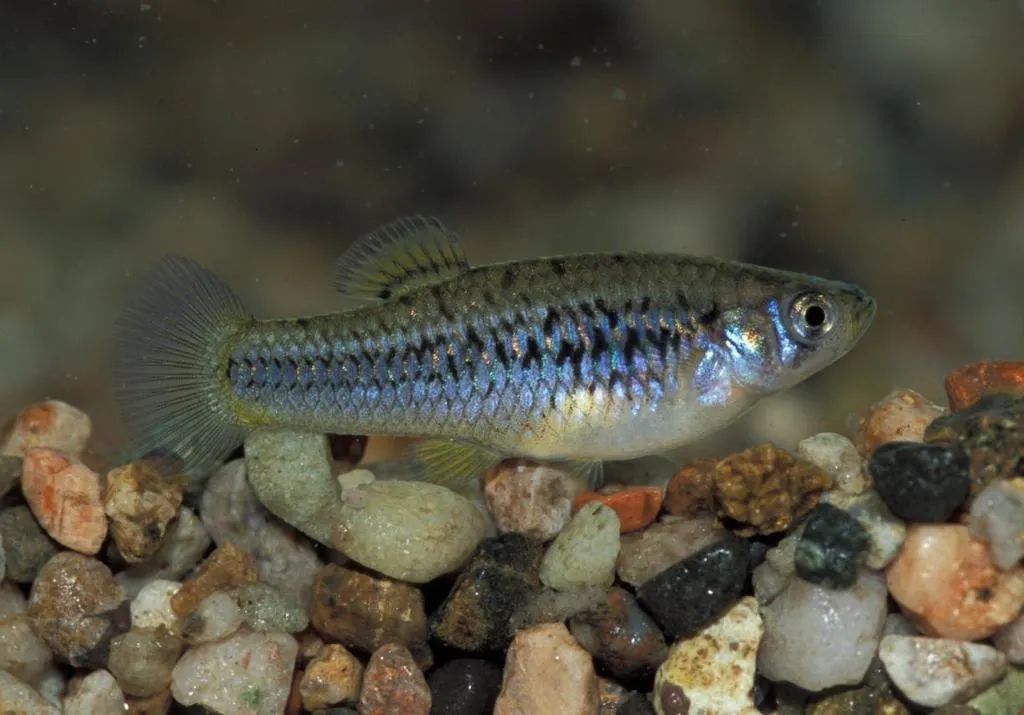 2 in (5 cm)14 gal (54 L)68–79°F (20–26°C)
Crescent gambusia
Gambusia hurtadoi
2 in (5 cm) · 14 gal (54 L)
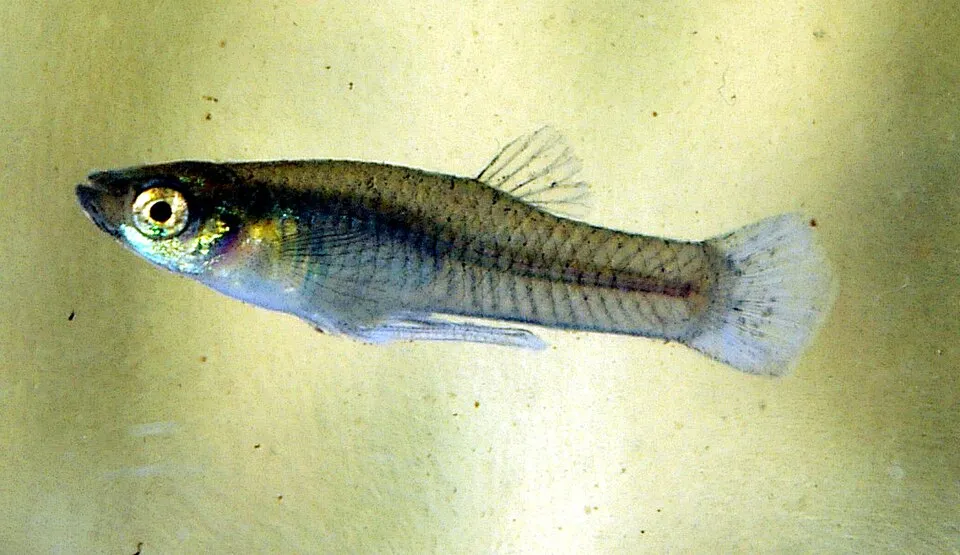 3 in (7.5 cm)7 gal (25 L)64–81°F (18–27°C)
Western mosquitofish
Gambusia affinis
3 in (7.5 cm) · 7 gal (25 L)
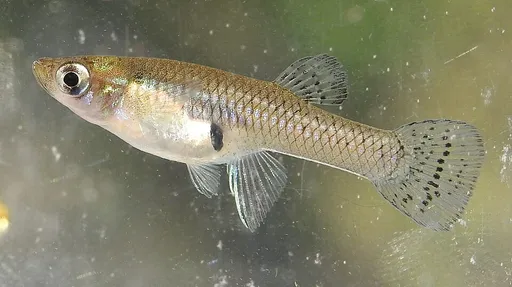 3.1 in (8 cm)11 gal (40 L)59–84°F (15–29°C)
Eastern mosquitofish
Gambusia holbrooki
3.1 in (8 cm) · 11 gal (40 L)
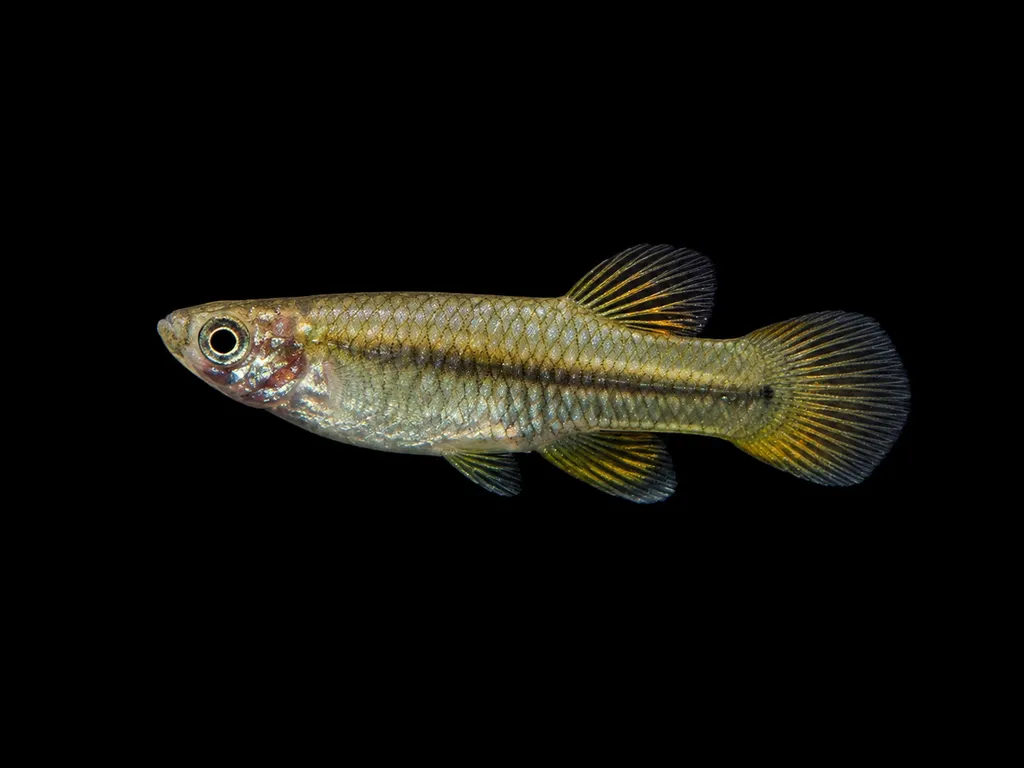 2 in (5 cm)14 gal (54 L)72–81°F (22–27°C)
Kidder's livebearer
Carlhubbsia kidderi
2 in (5 cm) · 14 gal (54 L)
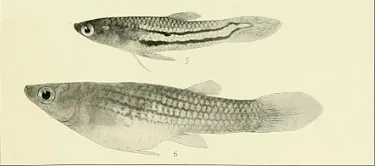 2 in (5 cm)15 gal (55 L)75–82°F (24–28°C)
Melanzona guppy
Poecilia parae
2 in (5 cm) · 15 gal (55 L)
 2 in (5 cm)16 gal (60 L)68–79°F (20–26°C)
Spiketail platy
Xiphophorus xiphidium
2 in (5 cm) · 16 gal (60 L)