Crescent gambusia
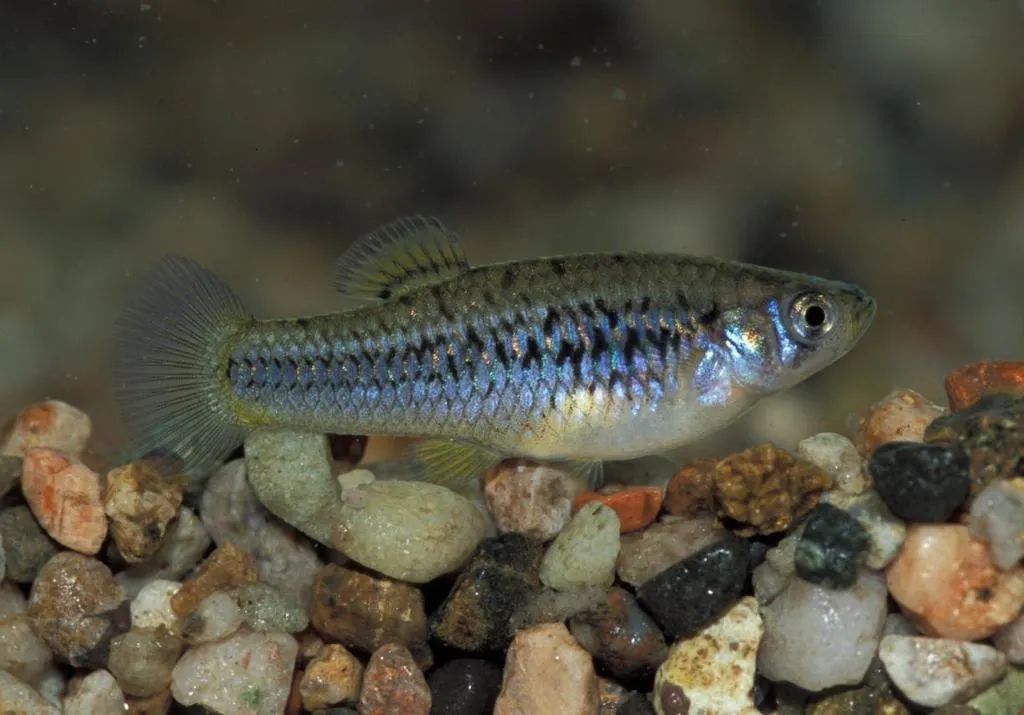
Gambusia hurtadoi
Also known as Hurtado's gambusia
FreshwaterFish
Care at a glance
- Temperature
- 68–79°F
- 20–26°C
- pH
- 7.0–8.2
- Adult size
- 2 in
- 5 cm
- Minimum tank
- 14 gal
- 54 L
- Temperament
- Peaceful
- Social behavior
- Social
- Swim level
- Middle
- Diet
- Omnivore
- Difficulty
- Medium
- Breeding
- Livebearer · Easy
- Rarity
- Rare
- Family
- Poeciliidae
- Origin
- Ojo de la Hacienda Dolores springs, Chihuahua, Mexico
Overview
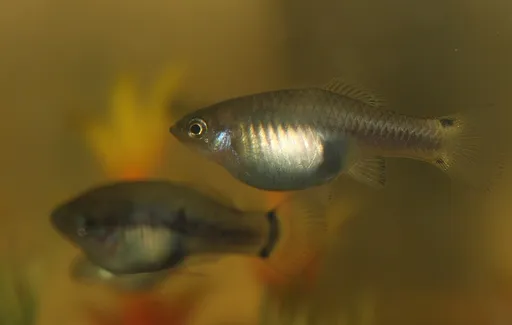
The crescent gambusia is a peaceful, spring-dwelling livebearer that does best as a small colony. It suits a quiet tank and a keeper with a little experience.
Did you know
The crescent gambusia's entire natural range is a small cluster of desert springs in one Mexican state, and it is listed as critically endangered. A home aquarium can easily hold more water than parts of its wild habitat.
Caring for the crescent gambusia
Keep crescent gambusias as a small colony in 14 gal (54 L) or larger, which is enough room for a group to settle. Give them fine gravel or sand, some rock and hardy plants around the edges. They are fairly active and swim mostly in the middle, so leave clear water between the plants.
Keep the water clean, well oxygenated and on the harder side, at 68 to 79°F (20 to 26°C) and a pH of 7.0 to 8.2. Offer a mixed diet of fine flake and small frozen foods such as daphnia and cyclops. Add a little vegetable matter or biofilm as well.
Crescent gambusias are peaceful. They suit a quiet species tank or a community of calm, hardy fish that like the same cool, hard water. Keep several females to each male, so the males' attention is shared around rather than fixed on one fish.
Females are the larger sex, and males stay smaller. Like all gambusias, they give birth to live, free-swimming young, and a settled group breeds readily.
Good to know
Gambusia hurtadoi is a livebearer in the family Poeciliidae, described by Carl Hubbs and Victor Springer in 1957. Its name honors Leopoldo Hurtado, who helped the describers during their 1951 collecting trip through Chihuahua. It is also called Hurtado's gambusia.
In the wild
The crescent gambusia comes from desert spring systems around the Ojo de la Hacienda Dolores in Chihuahua, northern Mexico. The water there is clear, mineral-rich and thermally steady.
Weekly picks
Tank mates
The crescent gambusia is a peaceful, social species that keeps to the middle. These picks share a community profile with it, are safe together in both directions, and overlap on water type, temperature and pH.
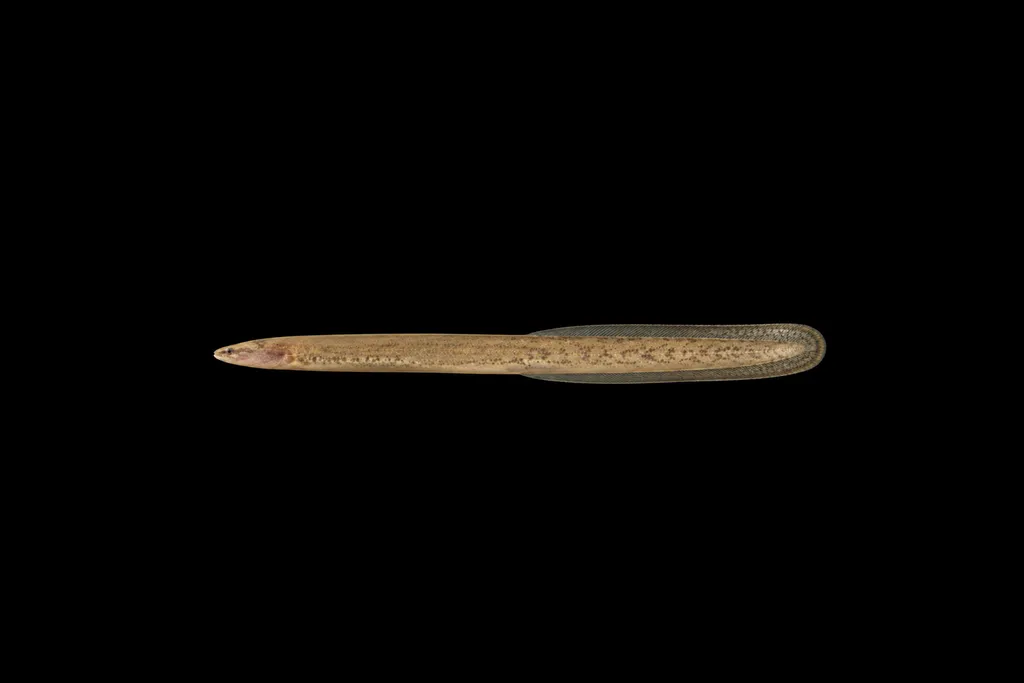
Dwarf spineless eel
Garo khajuriai
Freshwater2.8 in (7 cm) · 14 gal (54 L)68–79°F (20–26°C)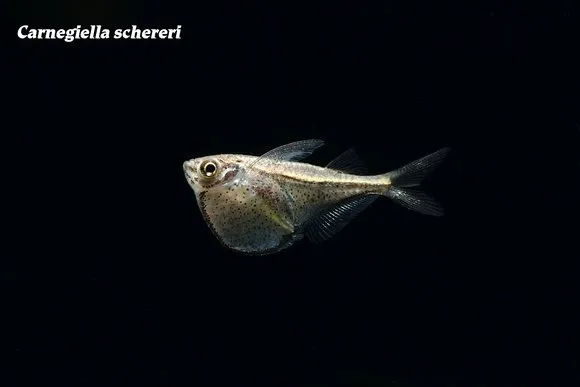
Scherer's hatchetfish
Carnegiella schereri
Freshwater1 in (2.6 cm) · 14 gal (54 L)73–82°F (23–28°C)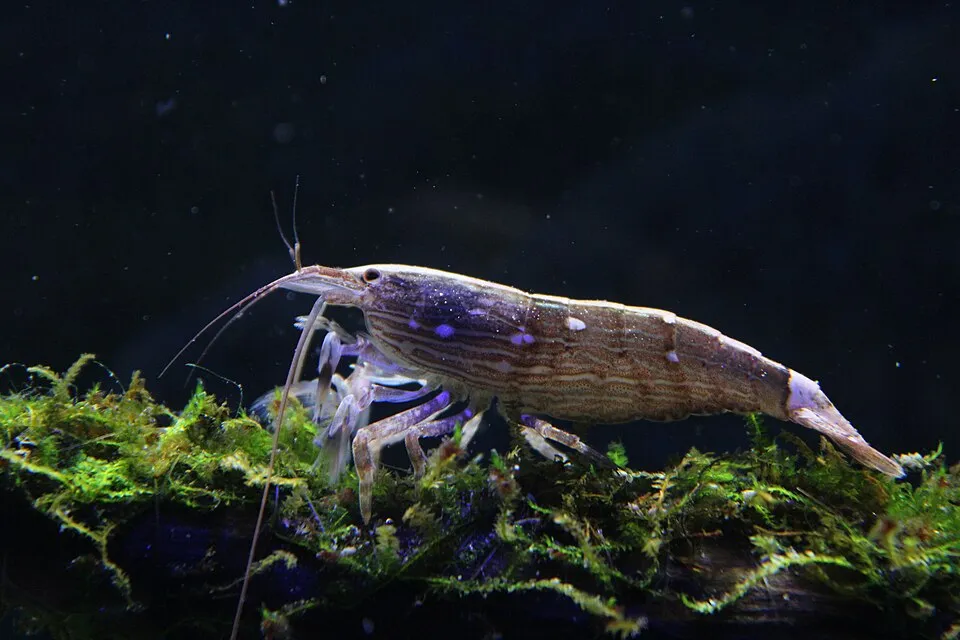
Bamboo shrimp
Atyopsis moluccensis
Freshwater3.9 in (10 cm) · 13 gal (50 L)72–84°F (22–29°C)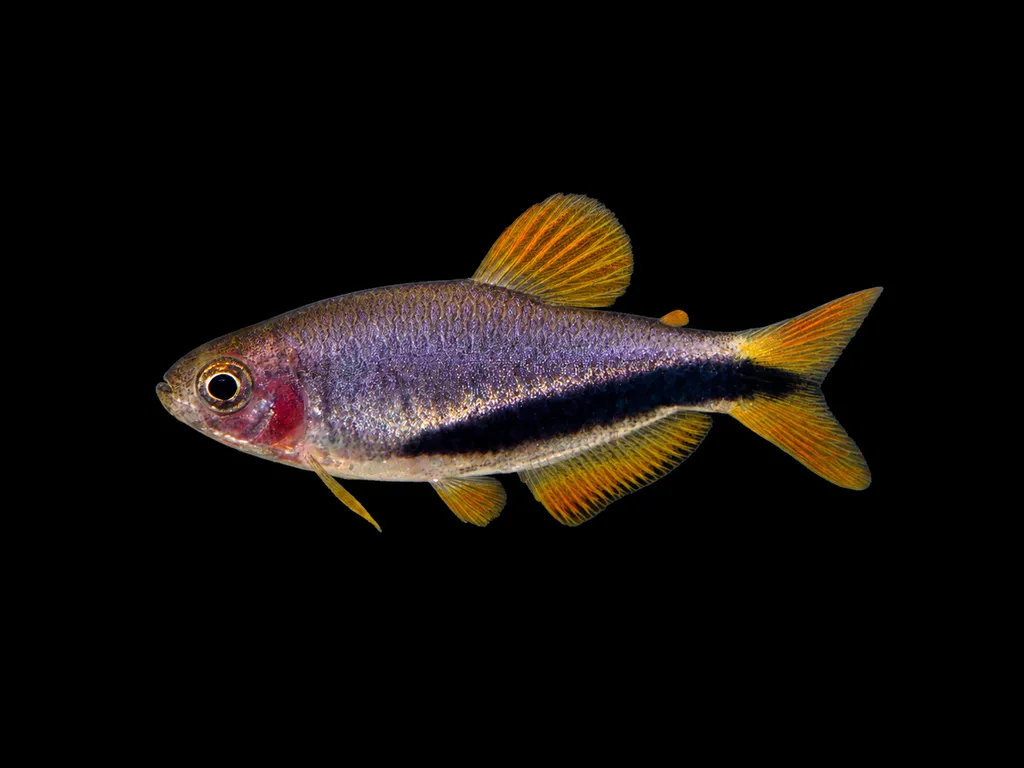
Black arrow tetra
Inpaichthys luizae
Freshwater1.4 in (3.5 cm) · 14 gal (54 L)72–81°F (22–27°C)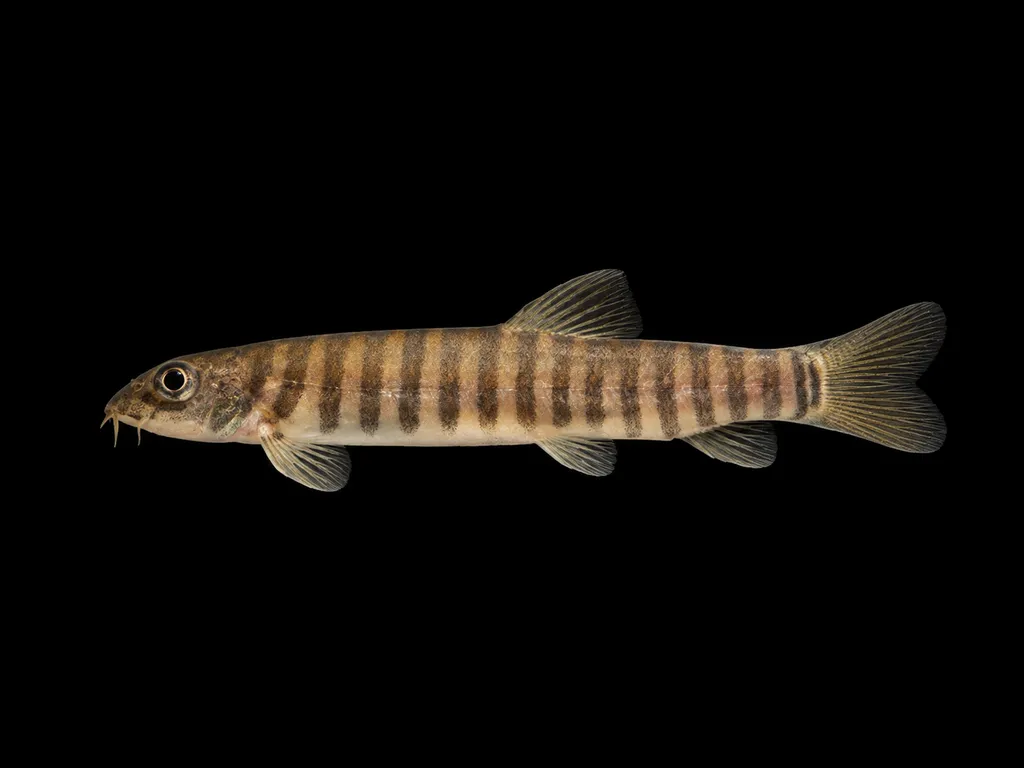
Assam banded loach
Neonoemacheilus assamensis
Freshwater1.8 in (4.5 cm) · 14 gal (54 L)68–79°F (20–26°C)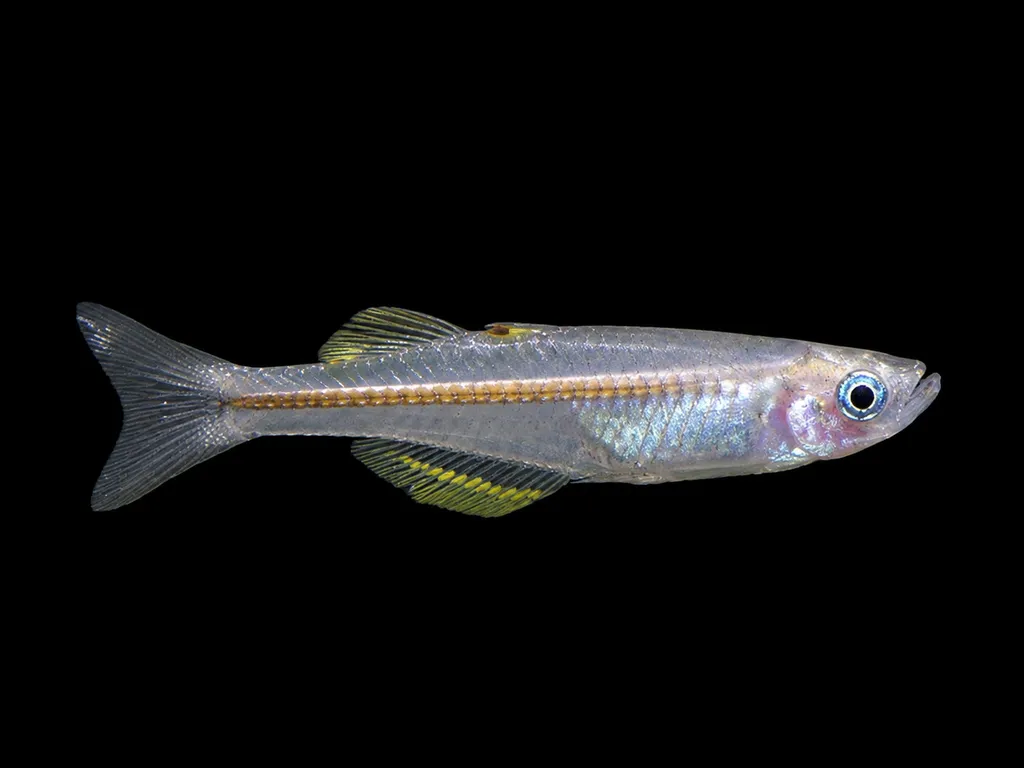
New Guinea blue-eye
Pseudomugil novaeguineae
Freshwater1.8 in (4.5 cm) · 15 gal (55 L)79–86°F (26–30°C)
Common questions
What size tank does a crescent gambusia need?
A crescent gambusia needs at least 14 gal (54 L). It spends most of its time in the middle.
What temperature and pH does a crescent gambusia need?
A crescent gambusia is comfortable at 68–79°F (20–26°C) with a pH of 7.0–8.2.
What does a crescent gambusia eat?
A crescent gambusia eats a mixed diet of fine flake and small frozen foods such as daphnia and cyclops. Give it a little vegetable matter or biofilm as well.
How big does a crescent gambusia get?
An adult crescent gambusia reaches about 2 in (5 cm).
How can you tell a male crescent gambusia from a female?
Males stay smaller than the females.
How does a crescent gambusia breed?
Crescent gambusias give birth to live, free-swimming young. A settled group breeds readily.
Related species
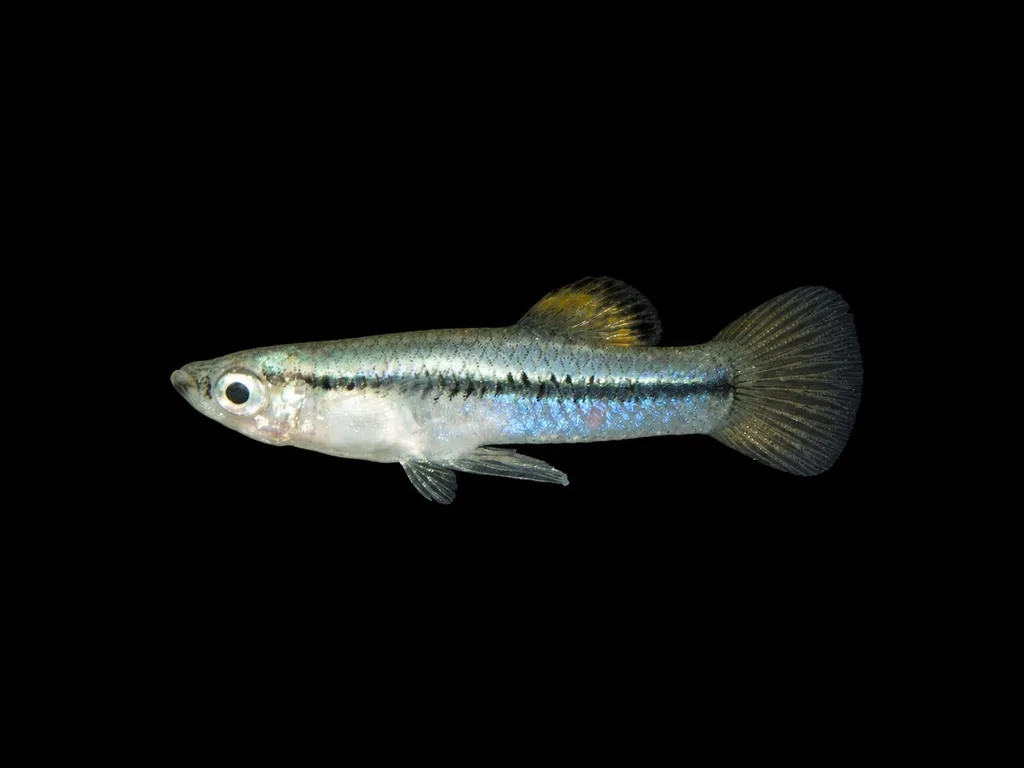 1.8 in (4.5 cm)14 gal (54 L)72–81°F (22–27°C)
Blackline mosquitofish
Gambusia vittata
1.8 in (4.5 cm) · 14 gal (54 L)
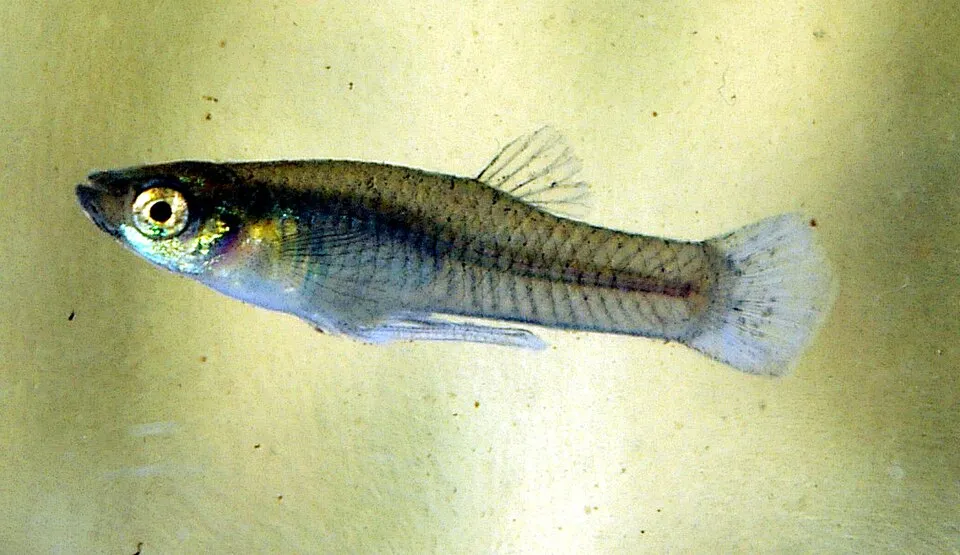 3 in (7.5 cm)7 gal (25 L)64–81°F (18–27°C)
Western mosquitofish
Gambusia affinis
3 in (7.5 cm) · 7 gal (25 L)
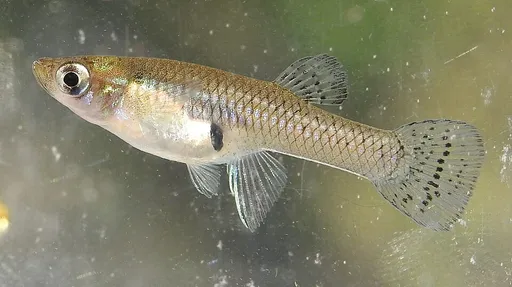 3.1 in (8 cm)11 gal (40 L)59–84°F (15–29°C)
Eastern mosquitofish
Gambusia holbrooki
3.1 in (8 cm) · 11 gal (40 L)
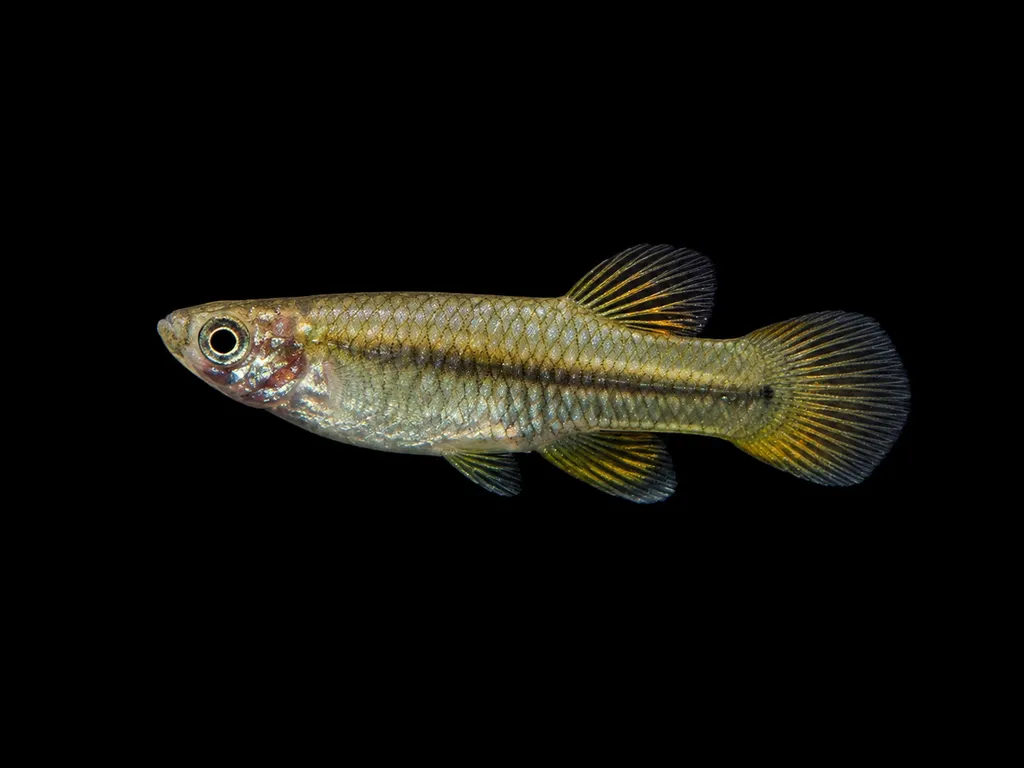 2 in (5 cm)14 gal (54 L)72–81°F (22–27°C)
Kidder's livebearer
Carlhubbsia kidderi
2 in (5 cm) · 14 gal (54 L)
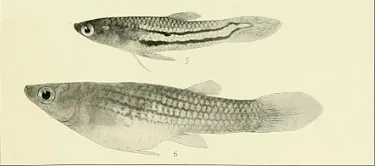 2 in (5 cm)15 gal (55 L)75–82°F (24–28°C)
Melanzona guppy
Poecilia parae
2 in (5 cm) · 15 gal (55 L)
 2 in (5 cm)16 gal (60 L)68–79°F (20–26°C)
Spiketail platy
Xiphophorus xiphidium
2 in (5 cm) · 16 gal (60 L)