Kidder's livebearer
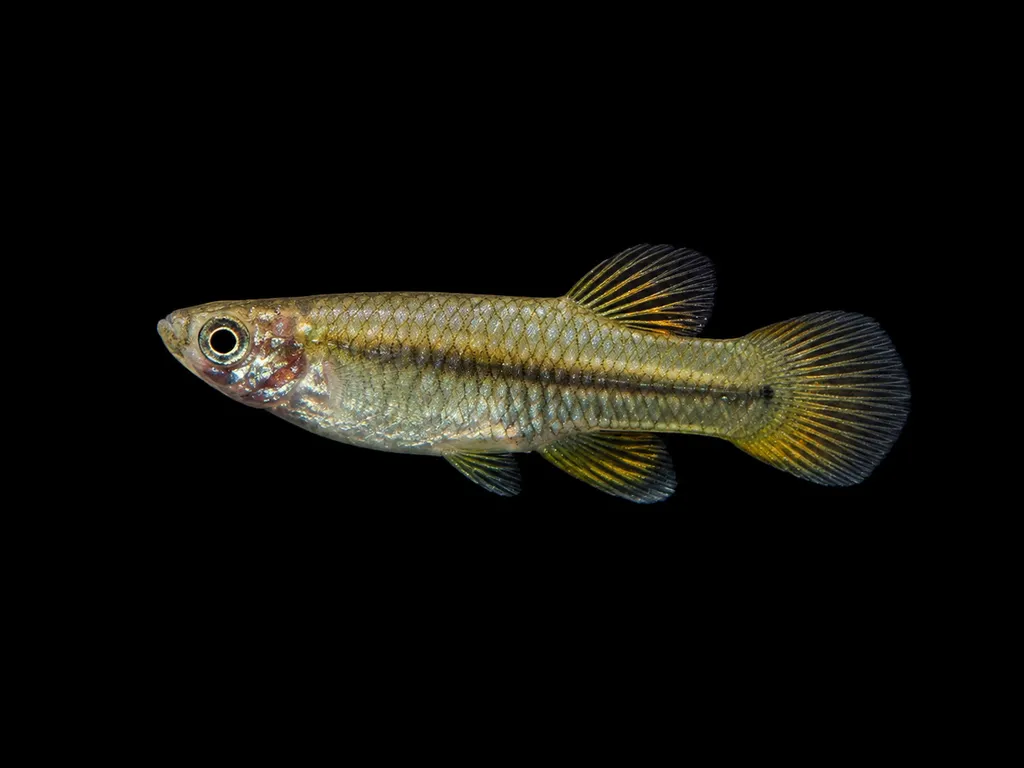
Carlhubbsia kidderi
Also known as Champoton livebearer
FreshwaterFish
Care at a glance
- Temperature
- 72–81°F
- 22–27°C
- pH
- 7.0–8.2
- Adult size
- 2 in
- 5 cm
- Minimum tank
- 14 gal
- 54 L
- Temperament
- Peaceful
- Social behavior
- Social
- Swim level
- Middle
- Diet
- Omnivore
- Difficulty
- Medium
- Breeding
- Livebearer · Easy
- Rarity
- Rare
- Family
- Poeciliidae
- Origin
- Champotón basin, Mexico and Guatemala
Overview
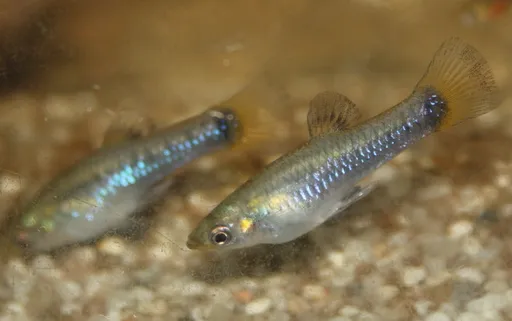
Kidder's livebearer is a small, peaceful livebearer that stays in the middle of a planted tank. It is best with a little experience.
Did you know
Kidder's livebearer was first put in a genus that Carl Hubbs called Allophallus. A group of flies already had that name, so the genus was renamed Carlhubbsia.
Caring for the Kidder's livebearer
Give a colony of Kidder's livebearers a tank of 14 gal (54 L) or more, with space to grow. They spend their time in the middle of the tank, among plants and open water. Plant densely over a soft substrate, and keep the flow gentle with plenty of cover.
Keep the water neutral to alkaline, at 72 to 81°F (22 to 27°C) and a pH of 7.0 to 8.2. Feed small omnivore foods: fine flake, micro pellets, frozen daphnia and bloodworm, and a little green matter.
Kidder's livebearers are peaceful, gentle and easily overshadowed. They do best in a quiet community of small, calm fish, or in a planted species tank where the fry have cover.
Keep more females than males, so the males' courtship does not wear individual females down. Males reach about 2 in (5 cm), and females grow a little larger.
Kidder's livebearer is a true livebearer. Females carry their young for roughly 24 to 28 days, then give birth to broods of 10 to 30. It breeds readily in a settled tank.
Good to know
Kidder's livebearer, Carlhubbsia kidderi, is a livebearer in the family Poeciliidae. Its genus name uses both the given and family names of Carl Hubbs, an American ichthyologist.
In the wild
Kidder's livebearer lives in weedy lowland waters of the Champotón basin, on the Yucatán side of southern Mexico, extending toward Guatemala. These are warm, hard, plant-filled habitats, and the fish prefers their sheltered, vegetated margins.
Weekly picks
Tank mates
The Kidder's livebearer is a peaceful, social species that keeps to the middle. These picks share a community profile with it, are safe together in both directions, and overlap on water type, temperature and pH.
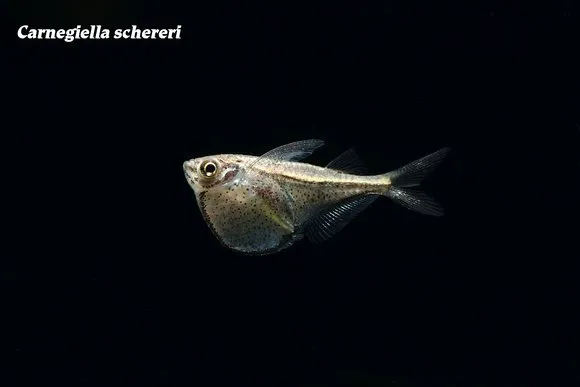
Scherer's hatchetfish
Carnegiella schereri
Freshwater1 in (2.6 cm) · 14 gal (54 L)73–82°F (23–28°C)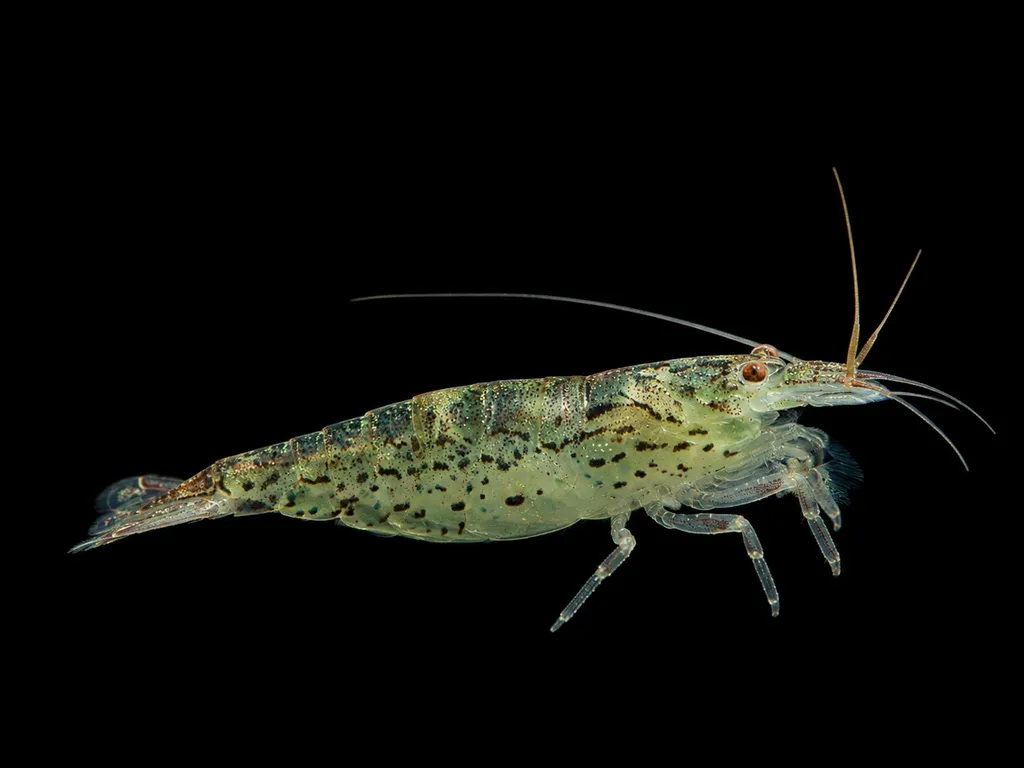
Green lace shrimp
Atyoida pilipes
Freshwater2.8 in (7 cm) · 14 gal (54 L)73–82°F (23–28°C)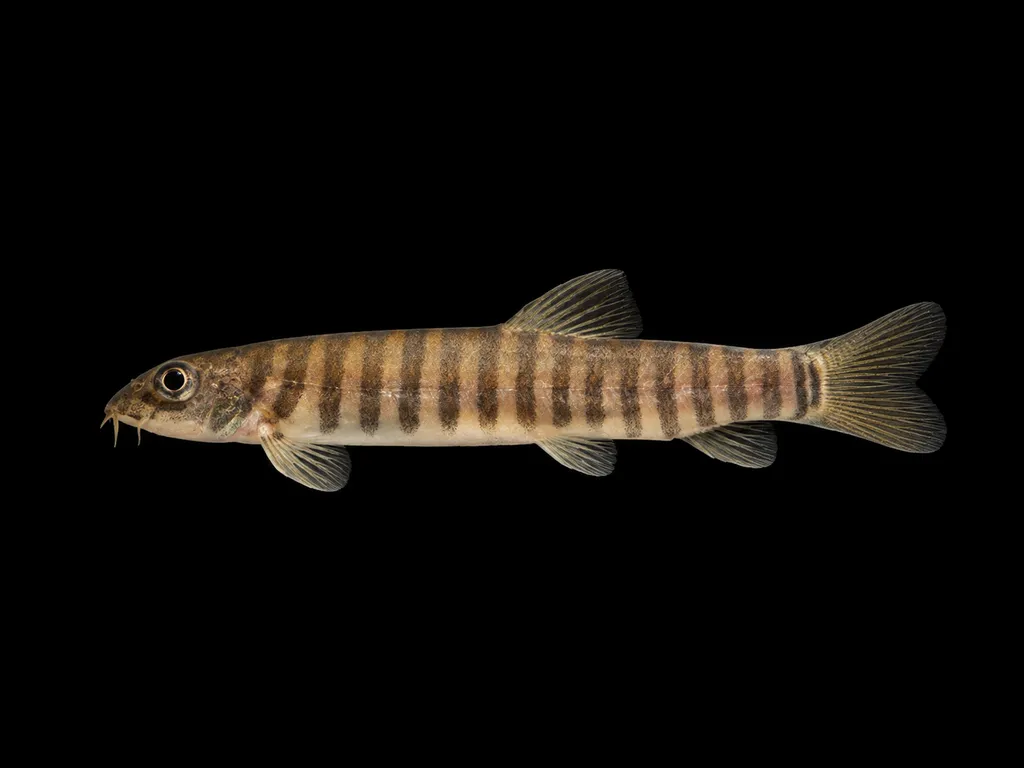
Assam banded loach
Neonoemacheilus assamensis
Freshwater1.8 in (4.5 cm) · 14 gal (54 L)68–79°F (20–26°C)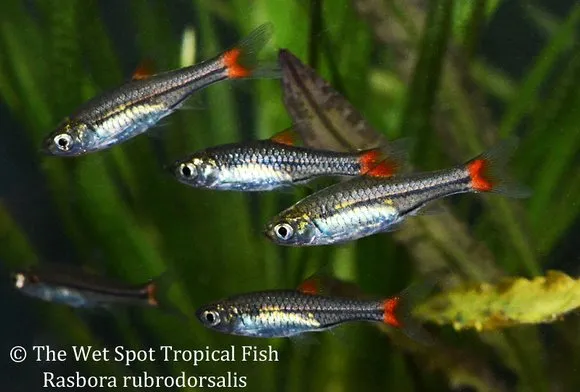
Redback rasbora
Rasbora rubrodorsalis
Freshwater1.6 in (4 cm) · 14 gal (54 L)72–81°F (22–27°C)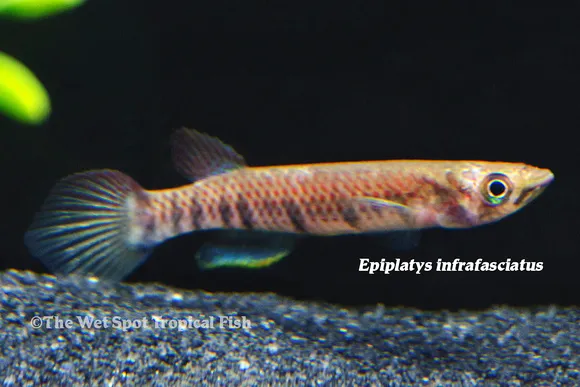
Infrafasciatus killifish
Epiplatys infrafasciatus
Freshwater2.4 in (6 cm) · 14 gal (54 L)68–77°F (20–25°C)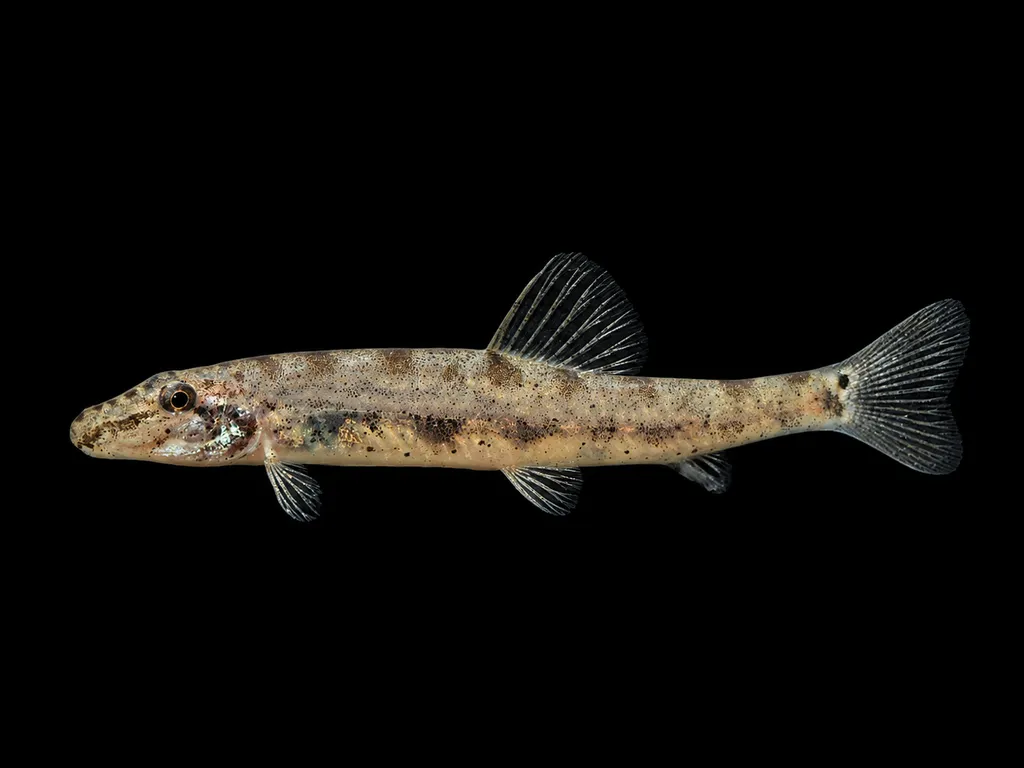
Dwarf white horseface loach
Kottelatlimia hipporhynchos
Freshwater2 in (5 cm) · 14 gal (54 L)72–81°F (22–27°C)
Common questions
What size tank does a Kidder's livebearer need?
A Kidder's livebearer needs at least 14 gal (54 L). It spends most of its time in the middle.
What temperature and pH does a Kidder's livebearer need?
A Kidder's livebearer is comfortable at 72–81°F (22–27°C) with a pH of 7.0–8.2.
What does a Kidder's livebearer eat?
A Kidder's livebearer eats small omnivore foods, such as fine flake, micro pellets, frozen daphnia and bloodworm, and a little green matter.
How big does a Kidder's livebearer get?
An adult Kidder's livebearer reaches about 2 in (5 cm).
How can you tell a male Kidder's livebearer from a female?
Males reach about 2 in (5 cm), and females grow a little larger.
How does a Kidder's livebearer breed?
A Kidder's livebearer is a true livebearer. Females carry their young for roughly 24 to 28 days, then give birth to broods of 10 to 30. It breeds readily in a settled tank.
Related species
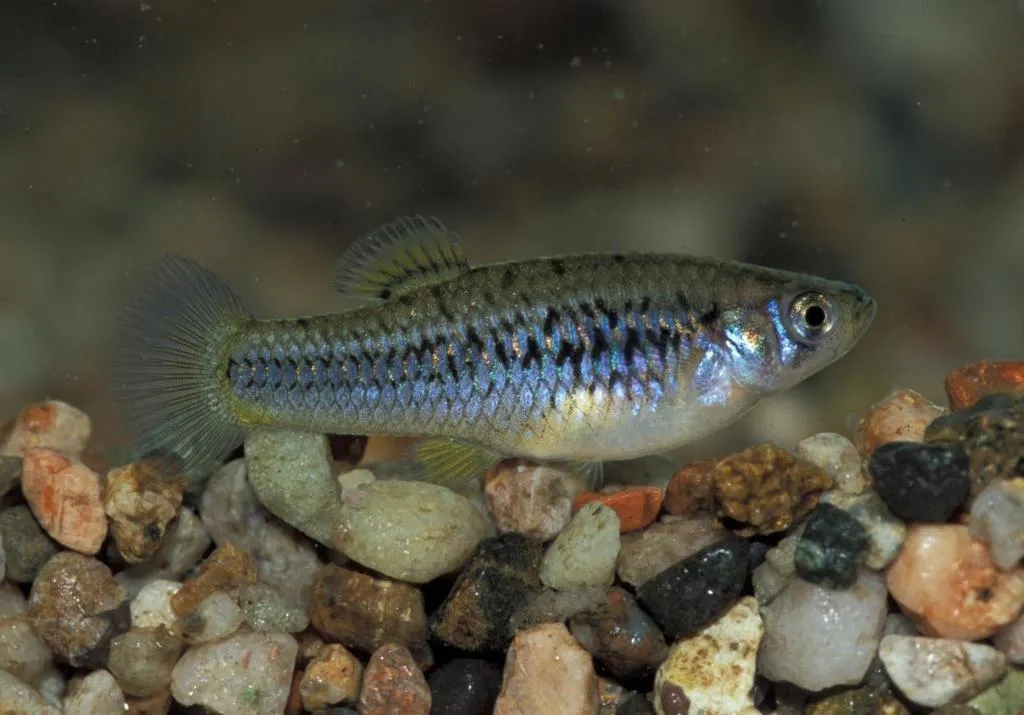 2 in (5 cm)14 gal (54 L)68–79°F (20–26°C)
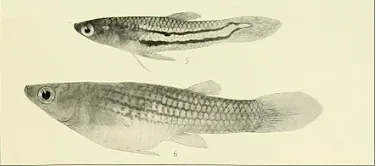
Crescent gambusia
Gambusia hurtadoi
2 in (5 cm) · 14 gal (54 L)
 2 in (5 cm)15 gal (55 L)75–82°F (24–28°C)
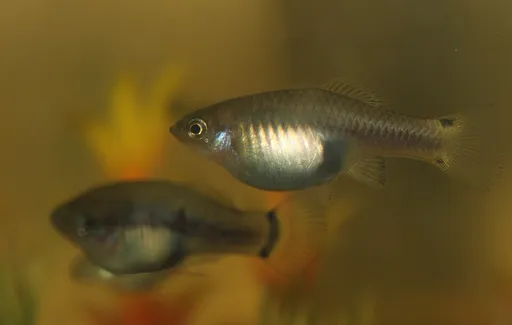
Melanzona guppy
Poecilia parae
2 in (5 cm) · 15 gal (55 L)
 2 in (5 cm)16 gal (60 L)68–79°F (20–26°C)
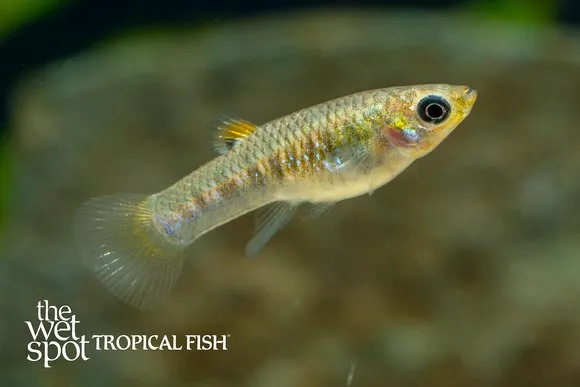
Spiketail platy
Xiphophorus xiphidium
2 in (5 cm) · 16 gal (60 L)
 2 in (5 cm)14 gal (54 L)72–81°F (22–27°C)
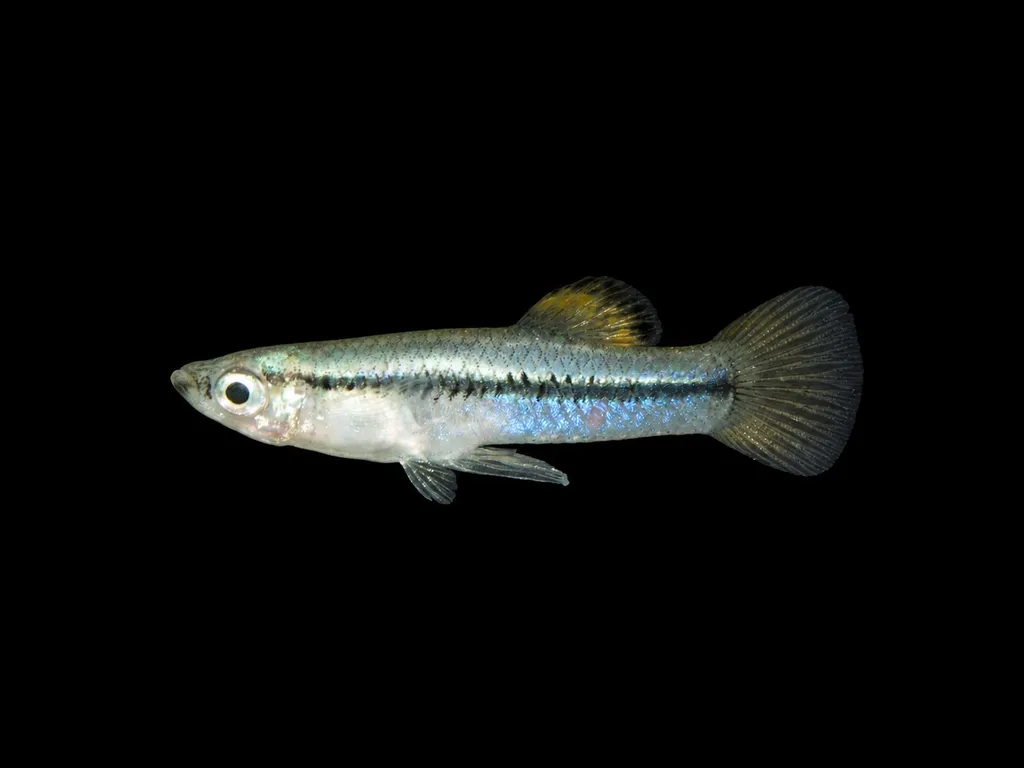
Tiburon limia
Limia tridens
2 in (5 cm) · 14 gal (54 L)
 1.8 in (4.5 cm)14 gal (54 L)72–81°F (22–27°C)
Blackline mosquitofish
Gambusia vittata
1.8 in (4.5 cm) · 14 gal (54 L)
 2.4 in (6 cm)16 gal (60 L)72–82°F (22–28°C)
Blackbelly limia
Limia melanogaster
2.4 in (6 cm) · 16 gal (60 L)