Blackbelly limia
Limia melanogaster
Also known as Black-bellied limia, Blue limia
FreshwaterFish
Care at a glance
- Temperature
- 72–82°F
- 22–28°C
- pH
- 7.5–8.5
- Adult size
- 2.4 in
- 6 cm
- Minimum tank
- 16 gal
- 60 L
- Temperament
- Peaceful
- Social behavior
- Social
- Swim level
- Middle
- Diet
- Omnivore
- Difficulty
- Easy
- Breeding
- Livebearer · Easy
- Rarity
- Rare
- Family
- Poeciliidae
- Origin
- Endemic to Jamaica, in streams, ditches, and ponds with hard, alkaline water.
Overview
The blackbelly limia is a hardy, peaceful livebearer for the middle of a tank with hard water. It is undemanding and easy to keep.
Did you know
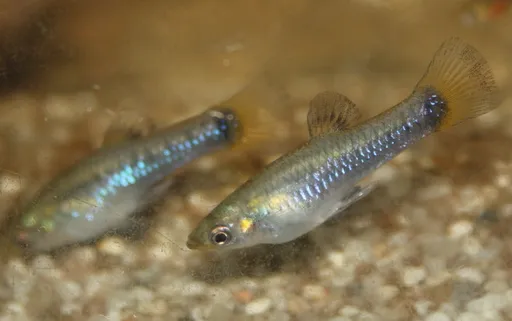
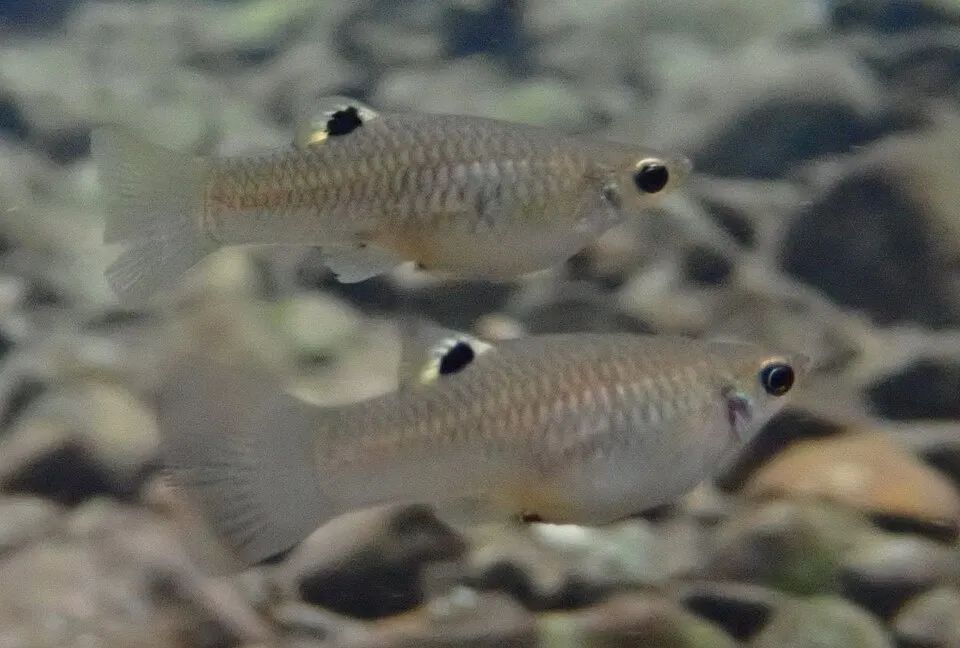
Gravid female blackbelly limias develop the dark belly blotch that gives the species its name. It is a handy sign that fry are on the way.
Caring for the blackbelly limia
Keep blackbelly limias in a tank of at least 16 gal (60 L), with plants and open swimming space. They are fine alone or in a group, and a group should number six or more. Give them hard water at 72 to 82°F (22 to 28°C) and a pH of 7.5 to 8.5. Stable hard water keeps their colors up.
Feed a varied diet of vegetable flake, algae-based foods and frozen daphnia or brine shrimp. They also graze algae and take most foods.
Blackbelly limias are peaceful and make a good community fish with rainbowfish or other livebearers. Keep two females per male to ease the constant courting.
Males reach about 4 cm, while females grow to about 5 to 6 cm. The blackbelly limia is a livebearer and easy to breed. Broods are moderate, and the fry are easy to raise.
Good to know
Limia melanogaster belongs to Poeciliidae, the same family as guppies and mollies. Its fins show black barring, set against blue-tinged flanks in good condition. It is also called the black-bellied limia or the blue limia.
In the wild
The blackbelly limia is native only to Jamaica. It lives in streams, ditches and ponds with hard, alkaline water.
Weekly picks
Tank mates
The blackbelly limia is a peaceful, social species that keeps to the middle. These picks share a community profile with it, are safe together in both directions, and overlap on water type, temperature and pH.
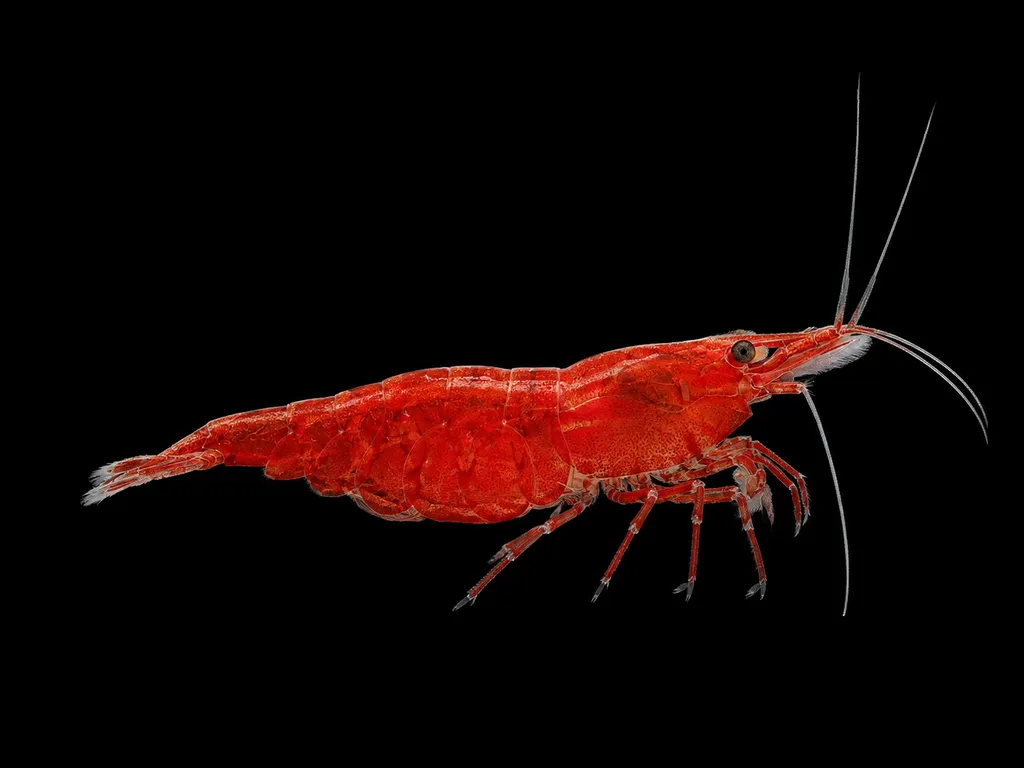
Neocaridina shrimp
Neocaridina davidi
Freshwater1.6 in (4 cm) · 5 gal (19 L)59–84°F (15–29°C)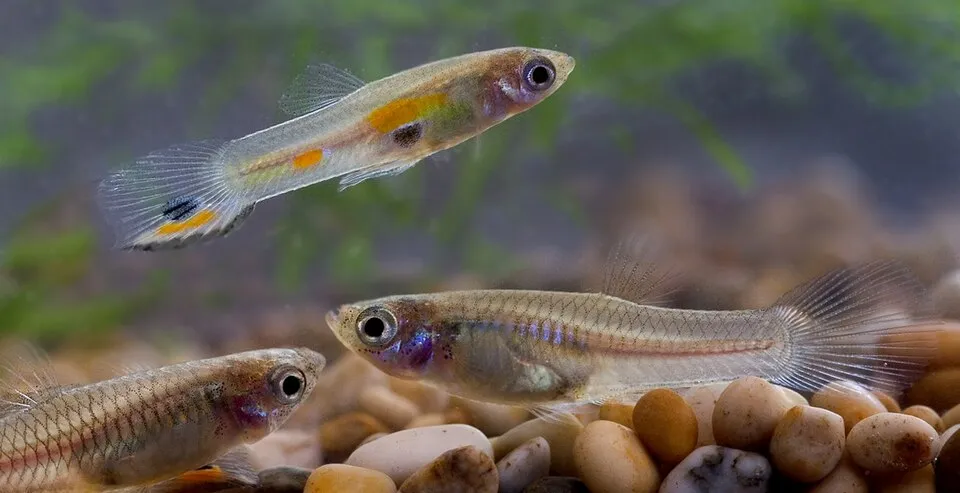
Guppy
Poecilia reticulata
FreshwaterBrackish2.4 in (6 cm) · 10 gal (38 L)64–82°F (18–28°C)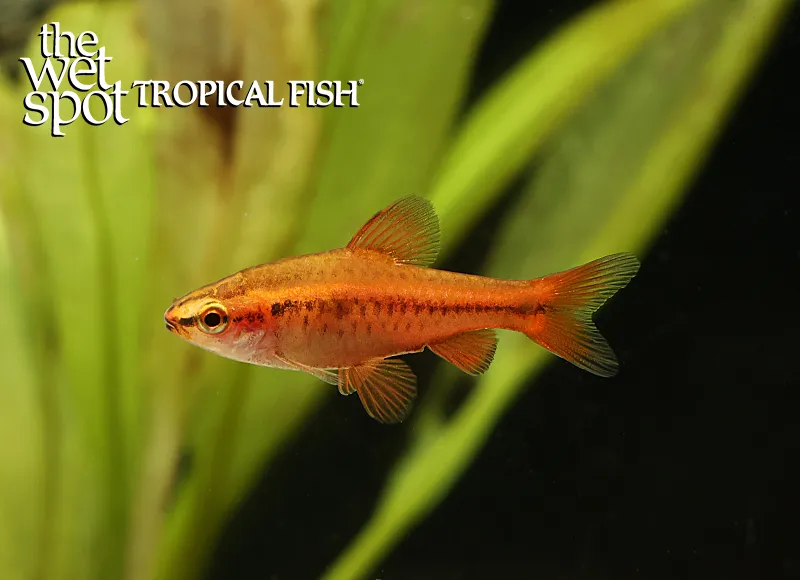
Cherry barb
Rohanella titteya
Freshwater2 in (5 cm) · 14 gal (54 L)72–81°F (22–27°C)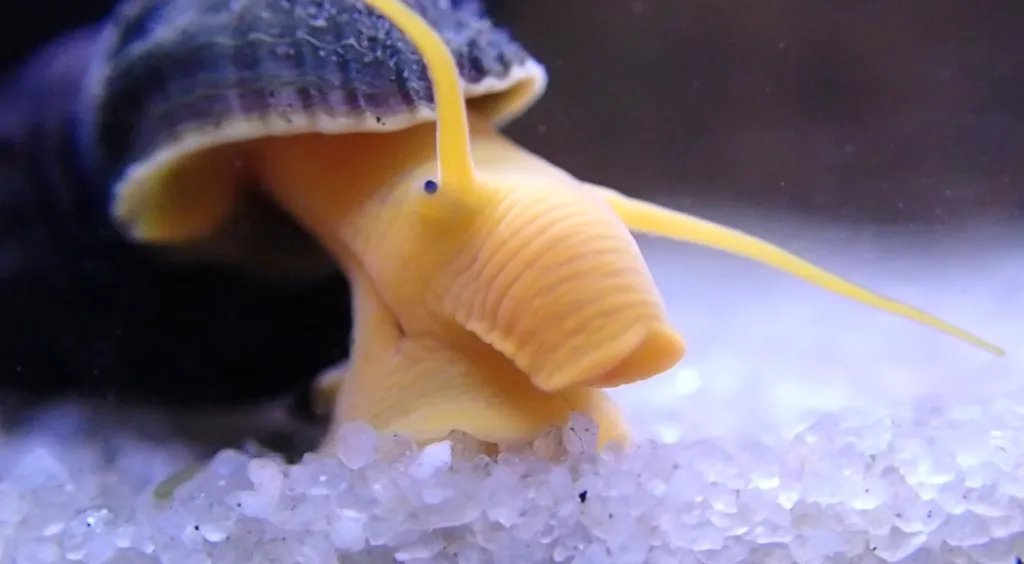
Gold rabbit snail
Tylomelania gemmifera
Freshwater2.8 in (7 cm) · 16 gal (60 L)75–82°F (24–28°C)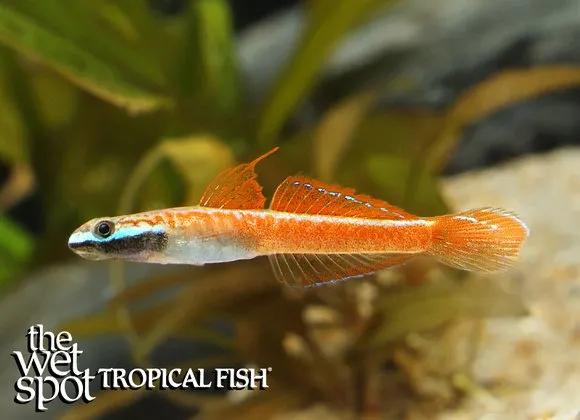
Annie's goby
Stiphodon annieae
Freshwater1.2 in (3 cm) · 14 gal (54 L)73–81°F (23–27°C)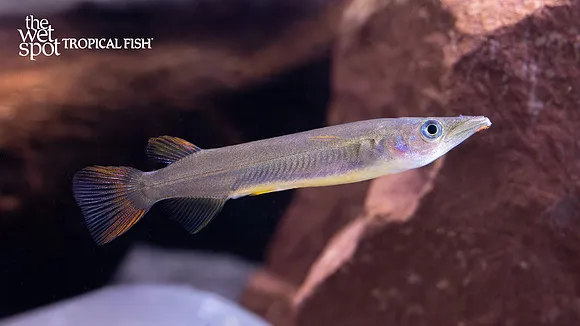
Rex halfbeak
Nomorhamphus rex
Freshwater2.2 in (5.5 cm) · 20 gal (75 L)72–79°F (22–26°C)
Common questions
What size tank does a blackbelly limia need?
A blackbelly limia needs at least 16 gal (60 L). It spends most of its time in the middle.
What temperature and pH does a blackbelly limia need?
A blackbelly limia is comfortable at 72–82°F (22–28°C) with a pH of 7.5–8.5.
What does a blackbelly limia eat?
A blackbelly limia eats a varied diet of vegetable flake, algae-based foods and frozen daphnia or brine shrimp. It also grazes algae and takes most foods.
How big does a blackbelly limia get?
An adult blackbelly limia reaches about 2.4 in (6 cm).
How can you tell a male blackbelly limia from a female?
Males reach about 4 cm, while females grow to about 5 to 6 cm.
How does a blackbelly limia breed?
A blackbelly limia is a livebearer and easy to breed. Broods are moderate, and the fry are easy to raise.
Related species
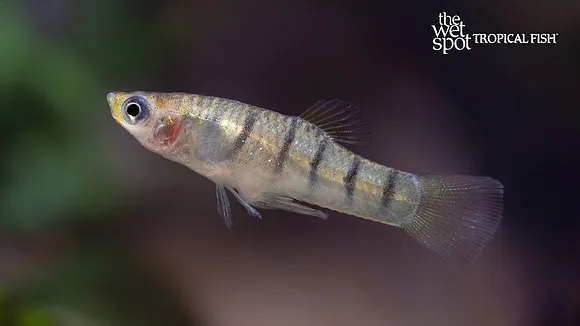 2.6 in (6.5 cm)14 gal (54 L)72–81°F (22–27°C)
Tiger limia
Limia islai
2.6 in (6.5 cm) · 14 gal (54 L)
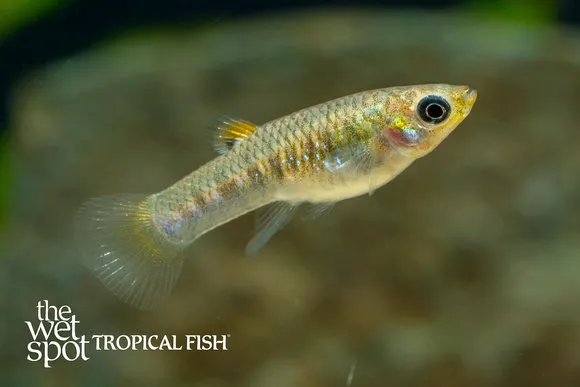 2 in (5 cm)14 gal (54 L)72–81°F (22–27°C)
Tiburon limia
Limia tridens
2 in (5 cm) · 14 gal (54 L)
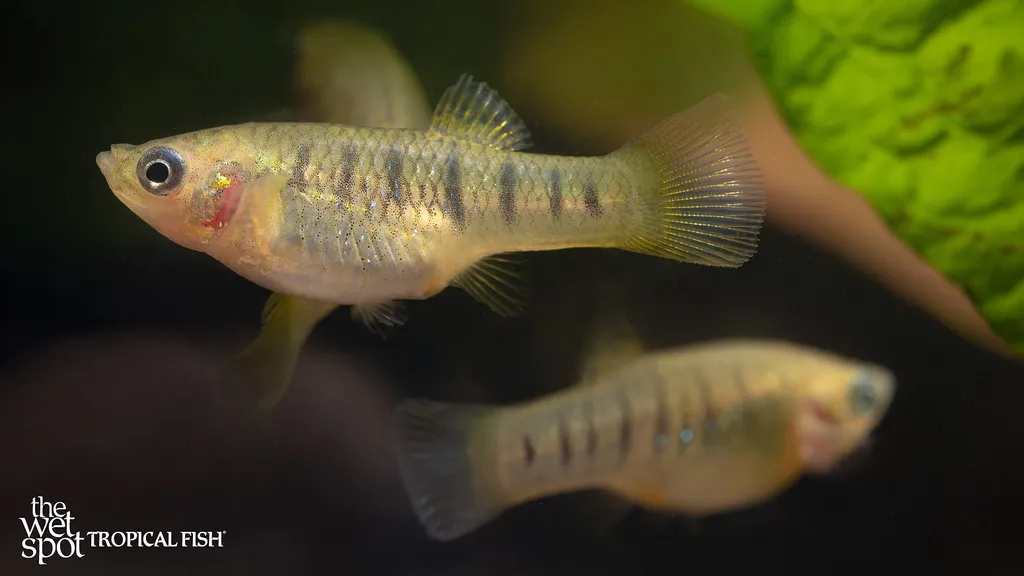 2.4 in (6 cm)20 gal (75 L)72–82°F (22–28°C)
Humpbacked limia
Limia nigrofasciata
2.4 in (6 cm) · 20 gal (75 L)
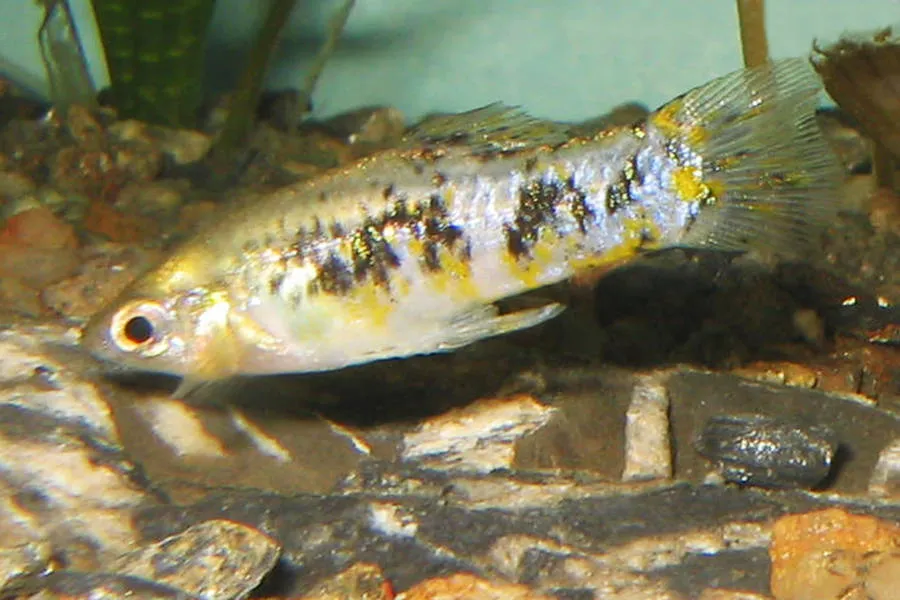 3.9 in (10 cm)18 gal (70 L)73–82°F (23–28°C)
Cuban limia
Limia vittata
3.9 in (10 cm) · 18 gal (70 L)
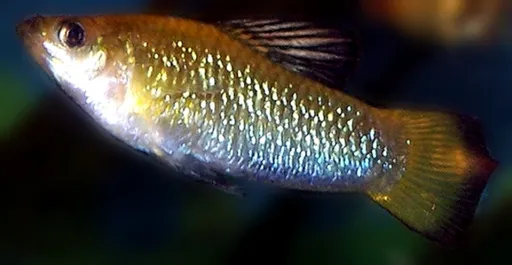 2.8 in (7 cm)20 gal (75 L)72–82°F (22–28°C)
Perugia's limia
Limia perugiae
2.8 in (7 cm) · 20 gal (75 L)
 2.4 in (6 cm)16 gal (60 L)77–86°F (25–30°C)
Cauca molly
Poecilia caucana
2.4 in (6 cm) · 16 gal (60 L)