Goblin sundadanio
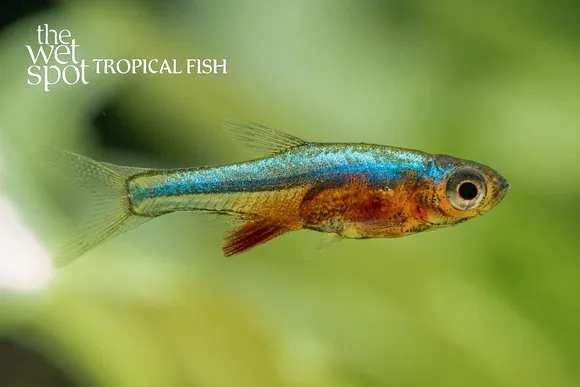
Sundadanio goblinus
Also known as Goblin blue sundadanio, Neon blue rasbora
FreshwaterFish
Care at a glance
- Temperature
- 73–81°F
- 23–27°C
- pH
- 4.5–6.5
- Adult size
- 0.9 in
- 2.3 cm
- Minimum tank
- 11 gal
- 40 L
- Temperament
- Peaceful
- Social behavior
- Schooling
- Swim level
- Middle
- Difficulty
- Difficult
- Breeding
- Hard
- Rarity
- Rare
- Family
- Danionidae
- Origin
- Peat swamps of eastern Sumatra, Indonesia
Overview
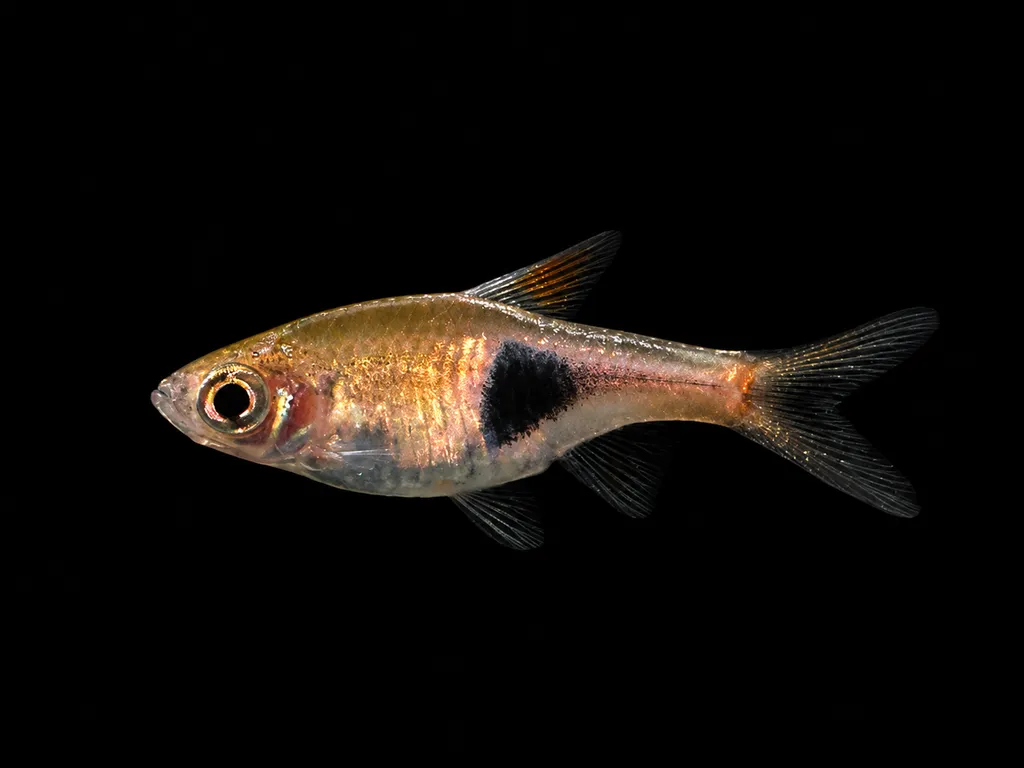
The goblin sundadanio is a peaceful blackwater nano fish that stays in midwater. It is a fish for experienced keepers.
Did you know
Male Sundadanio can croak, using modified muscles and bones around the swim bladder. A displaying group of these tiny fish quietly growls and clicks to itself down in the leaf litter.
Caring for the goblin sundadanio
Goblin sundadanios need a mature blackwater tank of 11 gal (40 L) or larger, with peat, leaf litter and botanicals. Keep the flow gentle and the lighting low, since they show their blue and green best under dim light over dark botanicals.
The real work is water chemistry, so hold the water soft, acidic and very stable. Aim for 73 to 81°F (23 to 27°C) and a pH of 4.5 to 6.5, ideally below 6.0. Feed micro live and frozen foods such as baby brine shrimp, microworm, cyclops and daphnia, along with fine dry foods.
Keep a school of a dozen or more of these peaceful fish. Choose only the smallest, gentlest company, such as chili rasboras, and nothing likely to outcompete or eat them. Breeding them in captivity is hard.
Good to know
Sundadanio goblinus is a miniature member of the danio family, Danionidae. Kottelat named it in a 2011 review that split the old axelrodi into a genus of many species. The name goblinus refers to its small size and slightly gnarled look.
In the wild
The goblin sundadanio comes from coastal peat swamp forests in eastern Sumatra. The water there is dark, soft and strongly acidic.
Weekly picks
Tank mates
The goblin sundadanio is a peaceful, schooling species that keeps to the middle. These picks share a community profile with it, are safe together in both directions, and overlap on water type, temperature and pH.
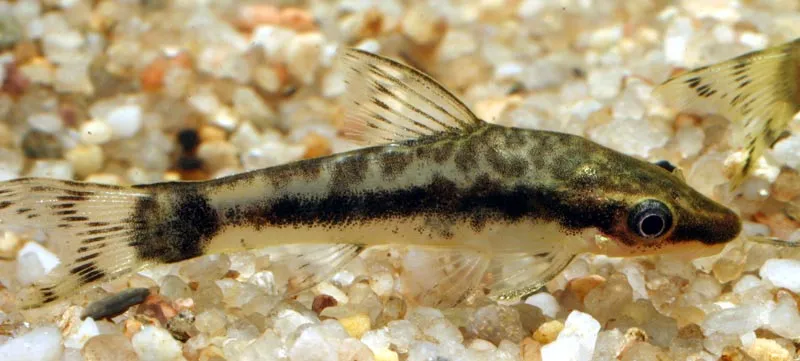
Golden dwarf sucker
Otocinclus macrospilus
Freshwater1.4 in (3.5 cm) · 11 gal (40 L)70–79°F (21–26°C)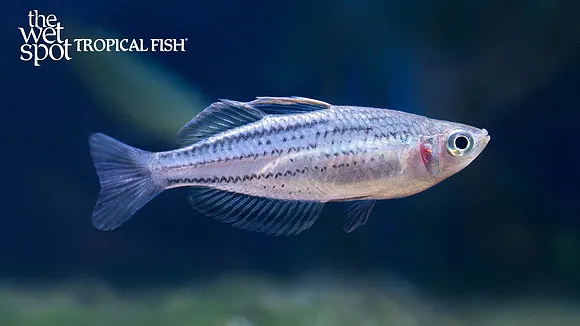
Green panchax
Aplocheilus blockii
Freshwater2 in (5 cm) · 11 gal (40 L)72–82°F (22–28°C)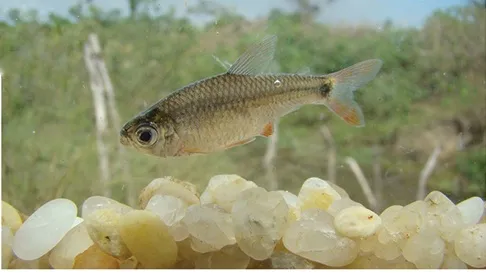
Piaba tetra
Serrapinnus piaba
Freshwater1.6 in (4 cm) · 11 gal (40 L)72–82°F (22–28°C)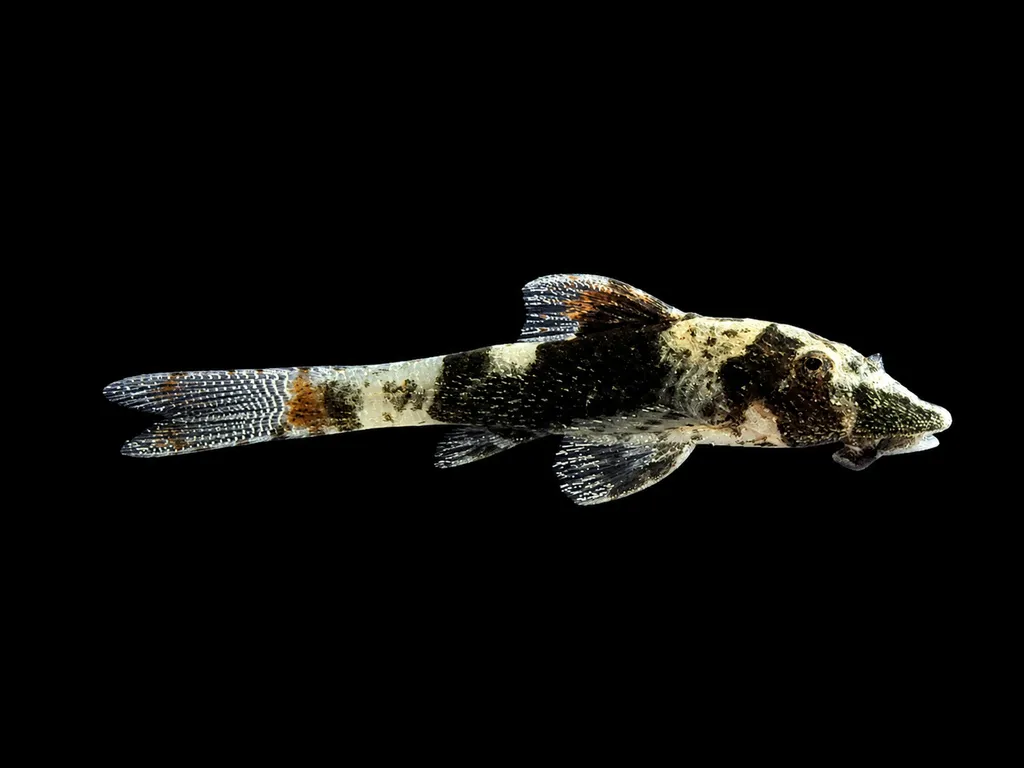
Bumblebee otocinclus
Rhinotocinclus isabelae
Freshwater0.8 in (2 cm) · 11 gal (40 L)73–82°F (23–28°C)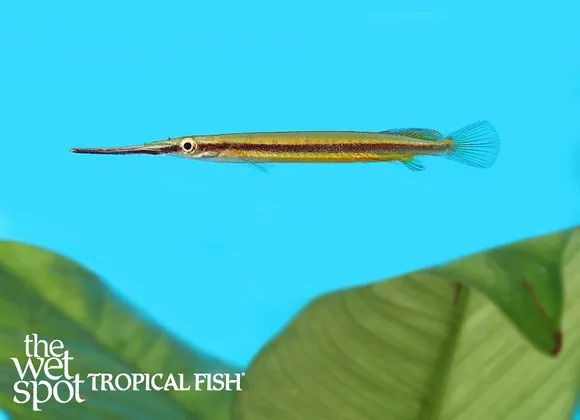
Borneo gold spot halfbeak
Hemirhamphodon tengah
Freshwater1.8 in (4.5 cm) · 11 gal (40 L)73–81°F (23–27°C)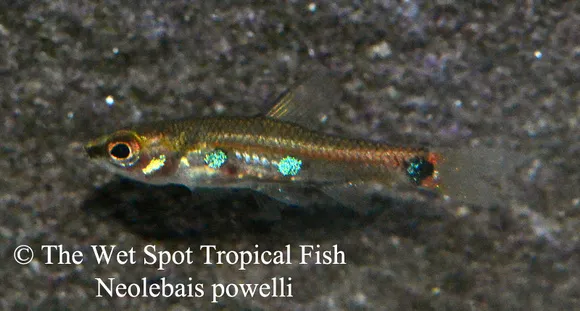
Powell's neolebias
Neolebias powelli
Freshwater0.8 in (2 cm) · 11 gal (40 L)73–81°F (23–27°C)
Common questions
What size tank does a goblin sundadanio need?
A goblin sundadanio needs at least 11 gal (40 L). It spends most of its time in the middle.
What temperature and pH does a goblin sundadanio need?
A goblin sundadanio is comfortable at 73–81°F (23–27°C) with a pH of 4.5–6.5.
What does a goblin sundadanio eat?
A goblin sundadanio eats micro live and frozen foods such as baby brine shrimp, microworm, cyclops and daphnia. Give it fine dry foods as well.
How big does a goblin sundadanio get?
An adult goblin sundadanio reaches about 0.9 in (2.3 cm).
Does a goblin sundadanio need a group?
Yes. A goblin sundadanio is a schooling species and should be kept in a group, not singly.
Related species
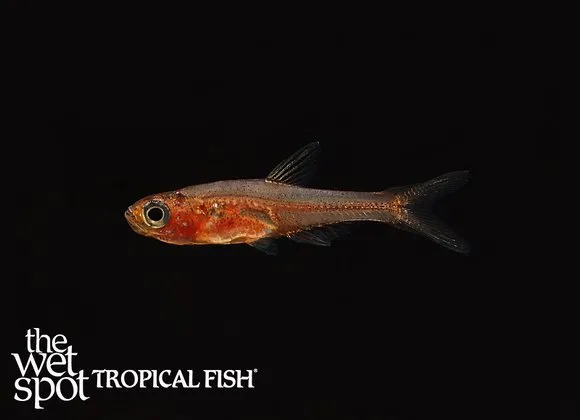 0.9 in (2.3 cm)11 gal (40 L)73–81°F (23–27°C)
Ruby sundadanio
Sundadanio rubellus
0.9 in (2.3 cm) · 11 gal (40 L)
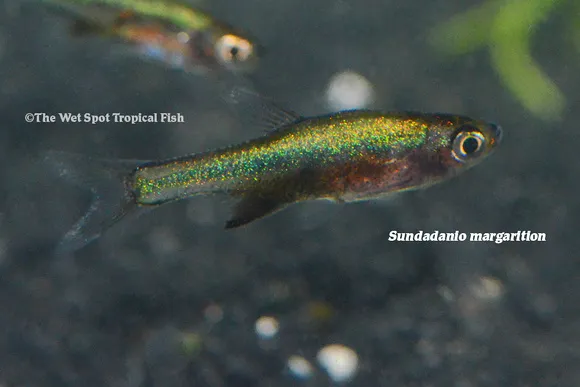 0.9 in (2.4 cm)11 gal (40 L)73–81°F (23–27°C)
Pearl sundadanio
Sundadanio margarition
0.9 in (2.4 cm) · 11 gal (40 L)
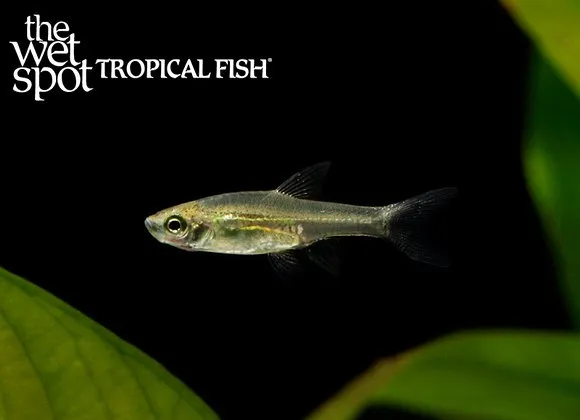 1 in (2.5 cm)11 gal (40 L)75–82°F (24–28°C)
Indian glowlight carplet
Horadandia brittani
1 in (2.5 cm) · 11 gal (40 L)
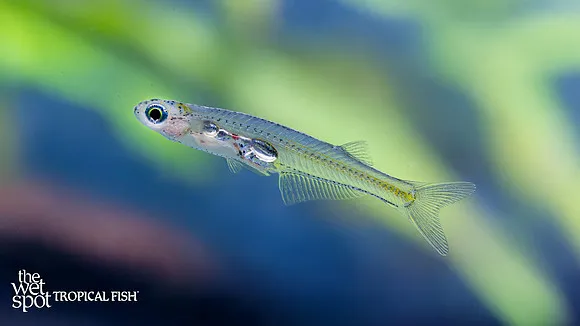 0.7 in (1.9 cm)11 gal (40 L)72–79°F (22–26°C)
Bengal glass danio
Danionella priapus
0.7 in (1.9 cm) · 11 gal (40 L)
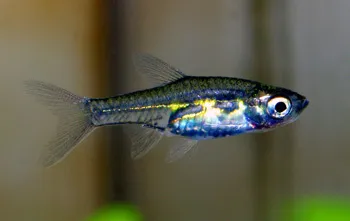 1.2 in (3 cm)11 gal (40 L)75–82°F (24–28°C)
Glowlight carplet
Horadandia atukorali
1.2 in (3 cm) · 11 gal (40 L)
 1.2 in (3 cm)14 gal (54 L)72–81°F (22–27°C)
Malayan harlequin rasbora
Trigonostigma truncata
1.2 in (3 cm) · 14 gal (54 L)