Malayan harlequin rasbora
Trigonostigma truncata
Also known as Truncata harlequin
FreshwaterFish
Care at a glance
- Temperature
- 72–81°F
- 22–27°C
- pH
- 5.0–7.0
- Adult size
- 1.2 in
- 3 cm
- Minimum tank
- 14 gal
- 54 L
- Temperament
- Peaceful
- Social behavior
- Schooling
- Swim level
- Middle
- Difficulty
- Easy
- Breeding
- Egg layer · Medium
- Rarity
- Rare
- Family
- Danionidae
- Origin
- East coast drainages of the Malay Peninsula
Overview
The Malayan harlequin rasbora is a small, peaceful schooling fish for a soft-water community tank. It is easy to keep.
Did you know
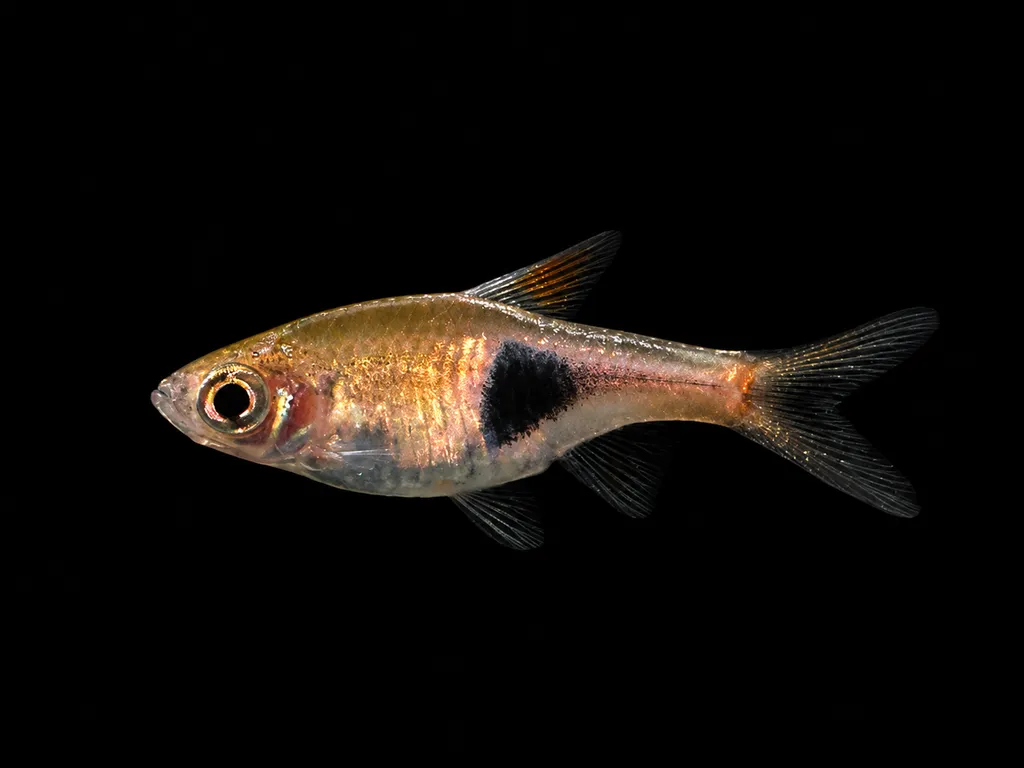
Keepers raised the Malayan harlequin rasbora for decades as the common harlequin. A 2020 study by Tan measured the black wedge and named this second species, which had been hiding in the trade all along.
Caring for the Malayan harlequin rasbora
The Malayan harlequin rasbora is a harlequin in every practical way, so the familiar harlequin care applies. Give a group a planted tank of 14 gal (54 L) or larger. A dark substrate, leaf litter or botanicals to tint the water, and calm filtration suit them.
Keep the water soft and acidic, at 72 to 81°F (22 to 27°C) and a pH of 5.0 to 7.0. Feed readily accepted small foods such as crushed flake and micro pellets, with frozen daphnia, cyclops and baby brine shrimp.
Keep a school of eight or more in a gentle, planted community. They are peaceful, sit in the middle of the tank and pair well with other calm soft-water fish. Like other harlequins they lay adhesive eggs, and breeding them is of moderate difficulty.
Good to know
Trigonostigma truncata is a small harlequin in the danio family, Danionidae. The name truncata refers to its black flank wedge, which is shorter and cut off rather than tapering to a long point. That wedge is how you tell which harlequin you actually own.
In the wild
The Malayan harlequin lives in gentle, often tannin-stained streams along the east coast of the Malay Peninsula. Its home water is soft, acidic and rich in plants.
Weekly picks
Tank mates
The Malayan harlequin rasbora is a peaceful, schooling species that keeps to the middle. These picks share a community profile with it, are safe together in both directions, and overlap on water type, temperature and pH.
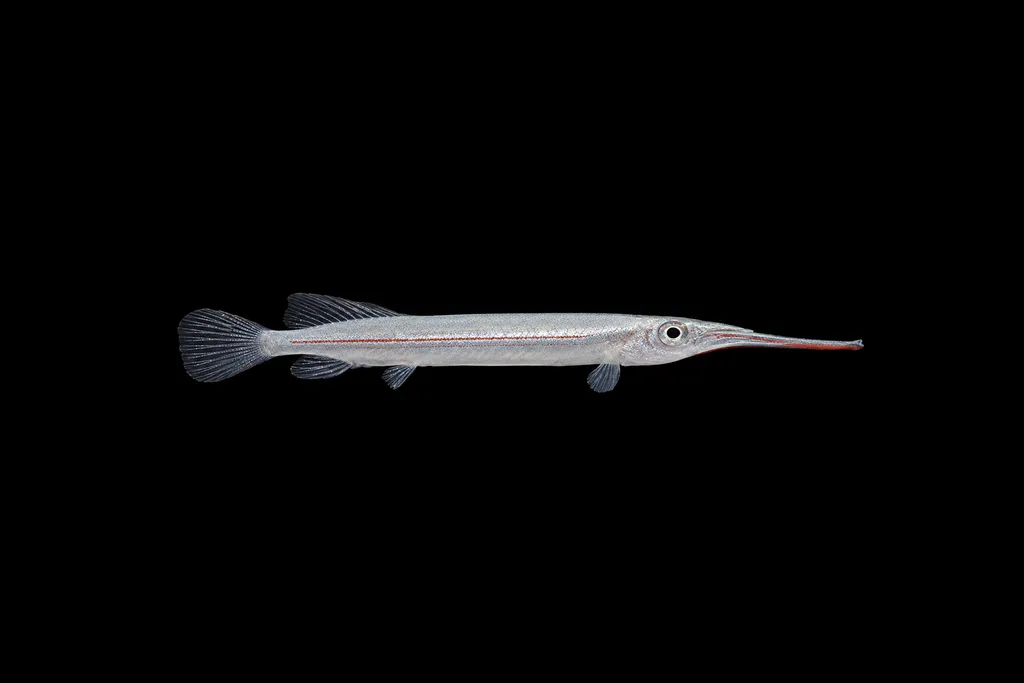
Fire halfbeak
Hemirhamphodon kapuasensis
Freshwater2.4 in (6 cm) · 14 gal (54 L)73–81°F (23–27°C)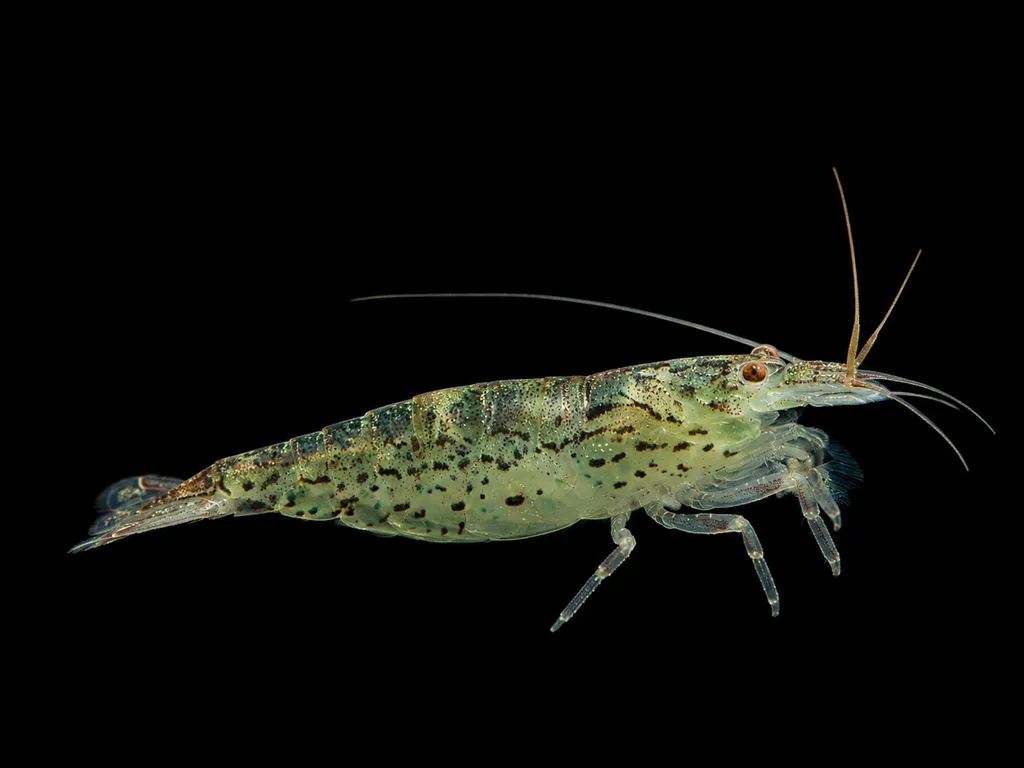
Green lace shrimp
Atyoida pilipes
Freshwater2.8 in (7 cm) · 14 gal (54 L)73–82°F (23–28°C)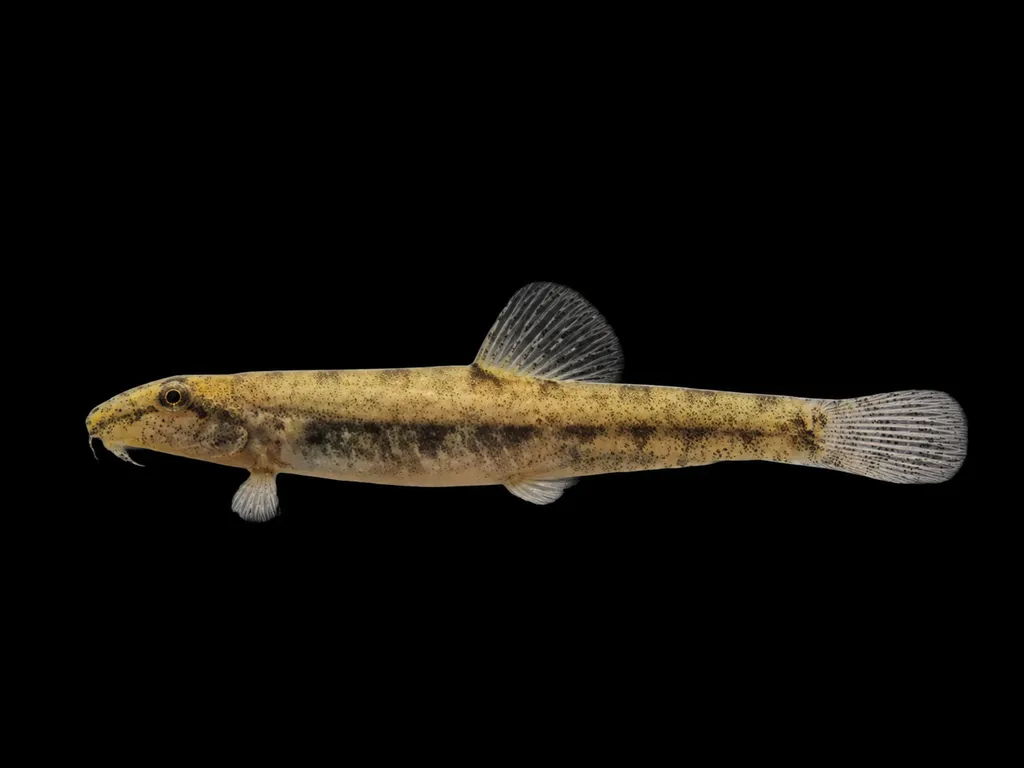
Gold pygmy horseface loach
Kottelatlimia pristes
Freshwater1.6 in (4 cm) · 14 gal (54 L)72–81°F (22–27°C)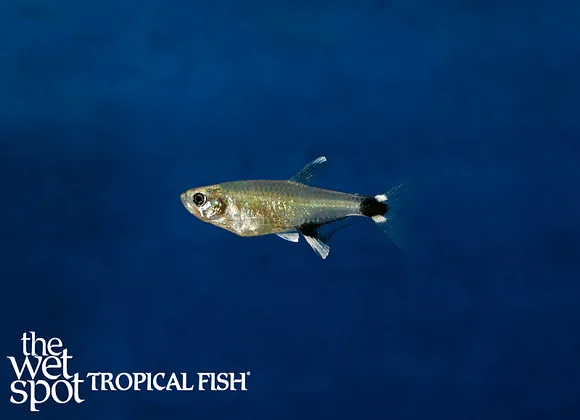
Panda darter tetra
Aphyocharax nattereri
Freshwater1.4 in (3.5 cm) · 14 gal (54 L)72–81°F (22–27°C)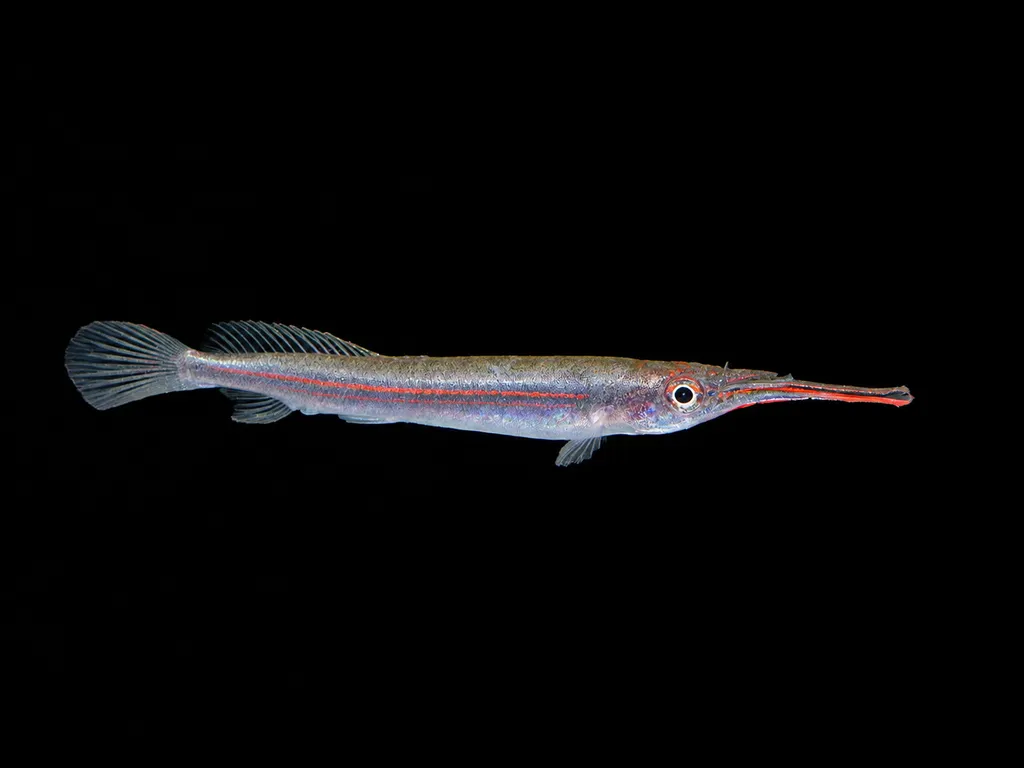
Red line halfbeak
Hemirhamphodon phaiosoma
Freshwater2.6 in (6.5 cm) · 14 gal (54 L)73–81°F (23–27°C)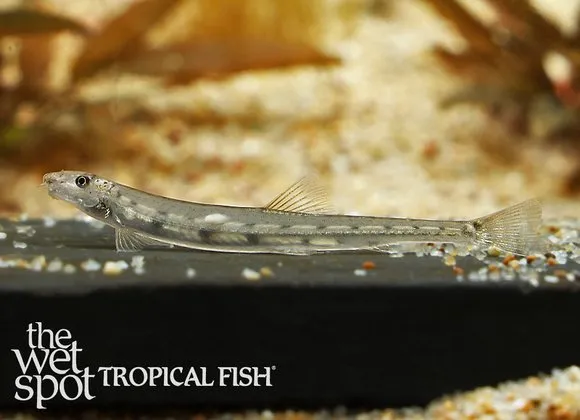
Dwarf horseface loach
Acanthopsoides robertsi
Freshwater2.2 in (5.5 cm) · 14 gal (54 L)72–81°F (22–27°C)
Common questions
What size tank does a Malayan harlequin rasbora need?
A Malayan harlequin rasbora needs at least 14 gal (54 L). It spends most of its time in the middle.
What temperature and pH does a Malayan harlequin rasbora need?
A Malayan harlequin rasbora is comfortable at 72–81°F (22–27°C) with a pH of 5.0–7.0.
What does a Malayan harlequin rasbora eat?
A Malayan harlequin rasbora eats readily accepted small foods such as crushed flake and micro pellets. Frozen daphnia, cyclops and baby brine shrimp suit it too.
How big does a Malayan harlequin rasbora get?
An adult Malayan harlequin rasbora reaches about 1.2 in (3 cm).
Does a Malayan harlequin rasbora need a group?
Yes. A Malayan harlequin rasbora is a schooling species and should be kept in a group, not singly.
How does a Malayan harlequin rasbora breed?
Malayan harlequin rasboras lay adhesive eggs, like other harlequins. Breeding them is of moderate difficulty.
Related species
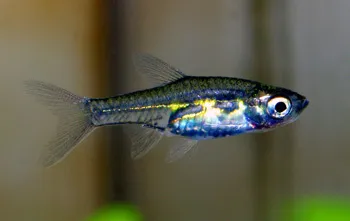 1.2 in (3 cm)11 gal (40 L)75–82°F (24–28°C)
Glowlight carplet
Horadandia atukorali
1.2 in (3 cm) · 11 gal (40 L)
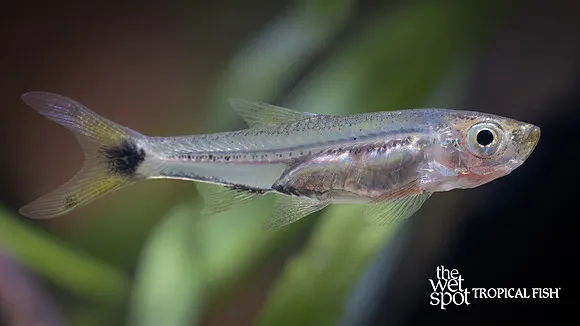 1.3 in (3.2 cm)11 gal (40 L)72–81°F (22–27°C)
Dwarf scissortail rasbora
Rasbosoma spilocerca
1.3 in (3.2 cm) · 11 gal (40 L)
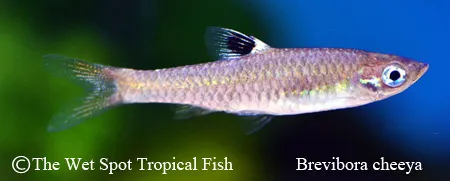 1.3 in (3.4 cm)14 gal (54 L)72–81°F (22–27°C)
Cheeya rasbora
Brevibora cheeya
1.3 in (3.4 cm) · 14 gal (54 L)
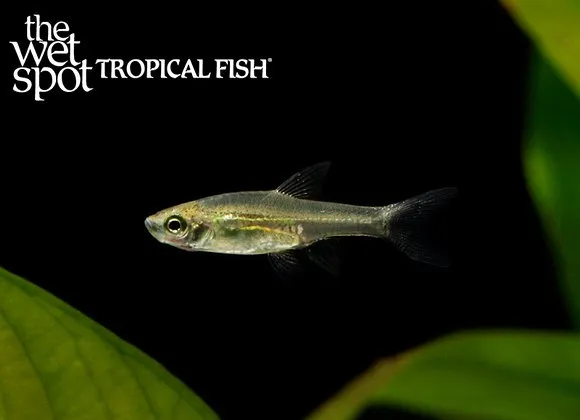 1 in (2.5 cm)11 gal (40 L)75–82°F (24–28°C)
Indian glowlight carplet
Horadandia brittani
1 in (2.5 cm) · 11 gal (40 L)
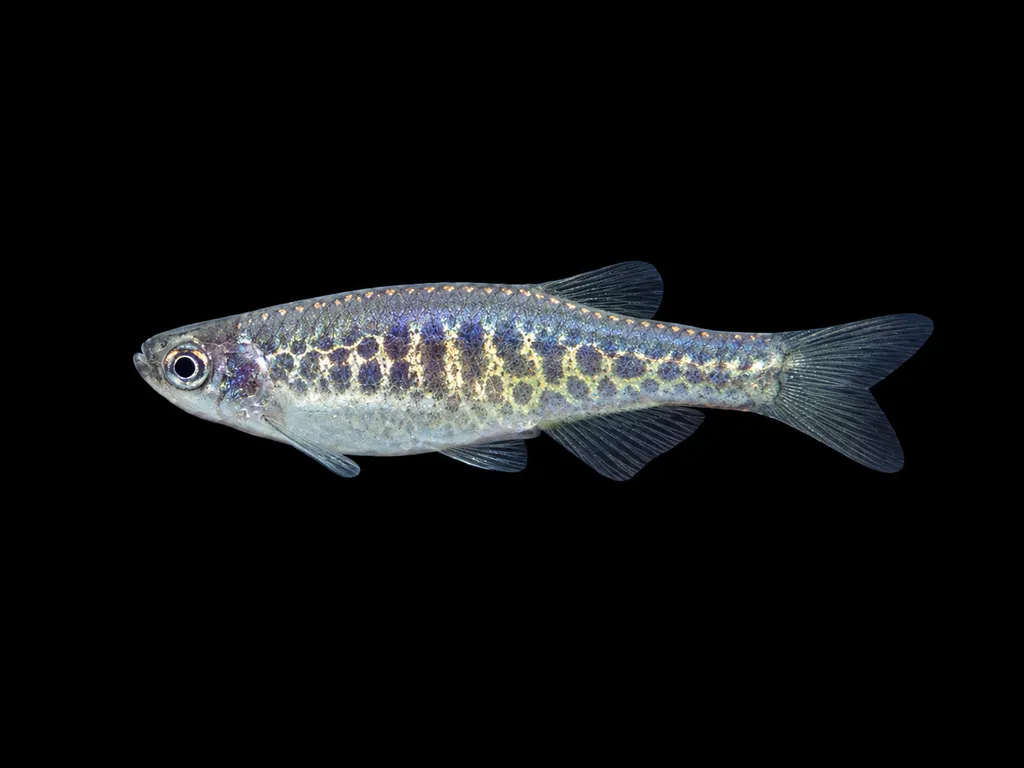 1.4 in (3.6 cm)14 gal (54 L)72–79°F (22–26°C)
Panther danio
Danio aesculapii
1.4 in (3.6 cm) · 14 gal (54 L)
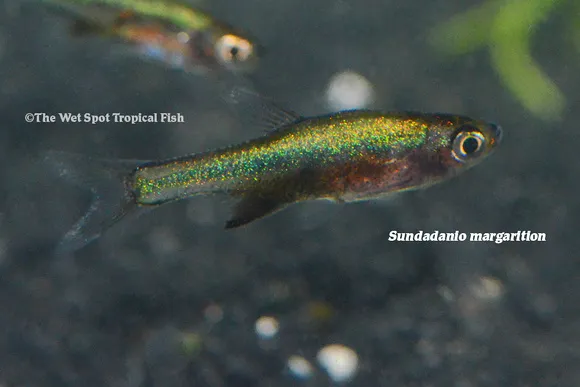 0.9 in (2.4 cm)11 gal (40 L)73–81°F (23–27°C)
Pearl sundadanio
Sundadanio margarition
0.9 in (2.4 cm) · 11 gal (40 L)