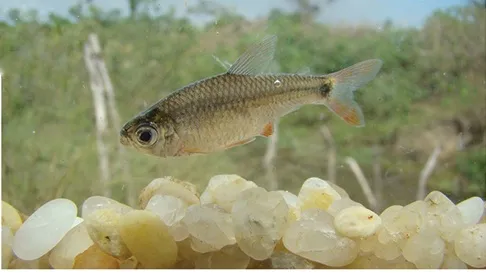
Piaba tetra
Serrapinnus piaba
Also known as Malinowski tetra
FreshwaterFish
Care at a glance
- Temperature
- 72–82°F
- 22–28°C
- pH
- 5.5–7.2
- Adult size
- 1.6 in
- 4 cm
- Minimum tank
- 11 gal
- 40 L
- Temperament
- Peaceful
- Social behavior
- Schooling
- Swim level
- Middle
- Difficulty
- Medium
- Breeding
- Egg layer
- Rarity
- Rare
- Family
- Characidae
- Origin
- São Francisco and eastern Brazilian drainages
Overview
The Piaba tetra is a small silver schooling fish that asks for little except company. It suits a calm community or a planted nano tank, and it is a good next step after beginner fish.
Did you know
Piaba is an everyday Brazilian word for any small river fish. When Lutken described the Piaba tetra in 1875, he simply turned the local slang into its formal Latin name.
Caring for the Piaba tetra
Keep Piaba tetras in a group of at least ten, in 11 gal (40 L) or more. Give them a densely planted tank with some open swimming room and gentle flow. Keep the water clean with regular changes.
Piaba tetras are undemanding about water. They do well at 72 to 82°F (22 to 28°C) and a pH of 5.5 to 7.2, with soft to moderate hardness. Feed small foods such as fine flake, crushed micro pellets, cyclops, microworm and baby brine shrimp.
Piaba tetras are completely peaceful and swim in the middle of the water. They are good company for other small, gentle fish, such as micro rasboras, small tetras and pygmy corydoras.
Males carry tiny hooks on the anal fin that act as holdfasts during pairing. Piaba tetras lay eggs, but aquarium breeding is not on record.
Good to know
The Piaba tetra, Serrapinnus piaba, is a small cheirodontine characin in the family Characidae. It was first described as Chirodon piaba.
In the wild
The Piaba tetra is common in weedy, slow and still waters of the Sao Francisco and other eastern Brazilian drainages. It lives among plants and along quiet margins.
Weekly picks
Tank mates
The Piaba tetra is a peaceful, schooling species that keeps to the middle. These picks share a community profile with it, are safe together in both directions, and overlap on water type, temperature and pH.
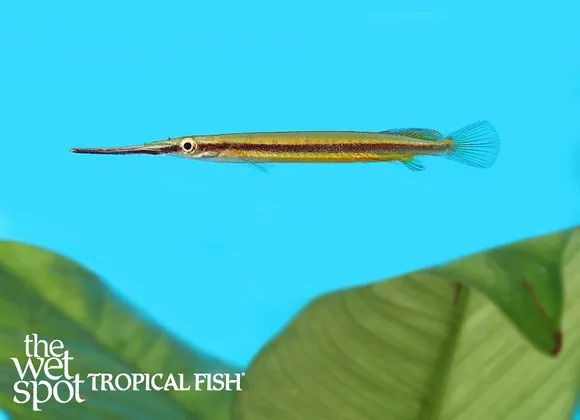
Borneo gold spot halfbeak
Hemirhamphodon tengah
Freshwater1.8 in (4.5 cm) · 11 gal (40 L)73–81°F (23–27°C)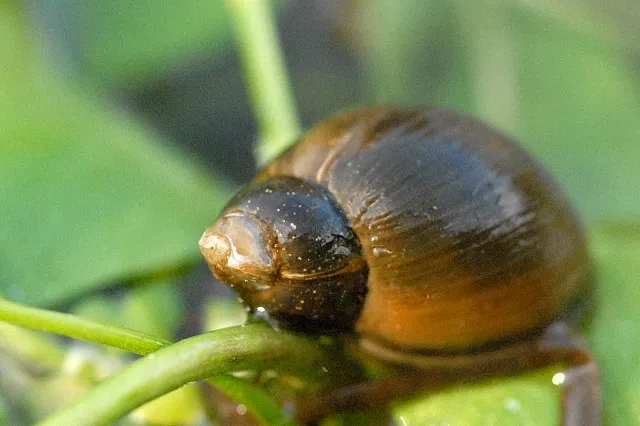
Wandering snail
Ampullaceana balthica
Freshwater0.8 in (2 cm) · 11 gal (40 L)50–84°F (10–29°C)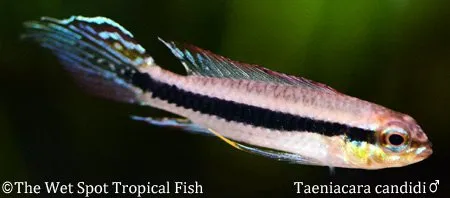
Blackstripe dwarf cichlid
Taeniacara candidi
Freshwater1.6 in (4 cm) · 11 gal (40 L)75–82°F (24–28°C)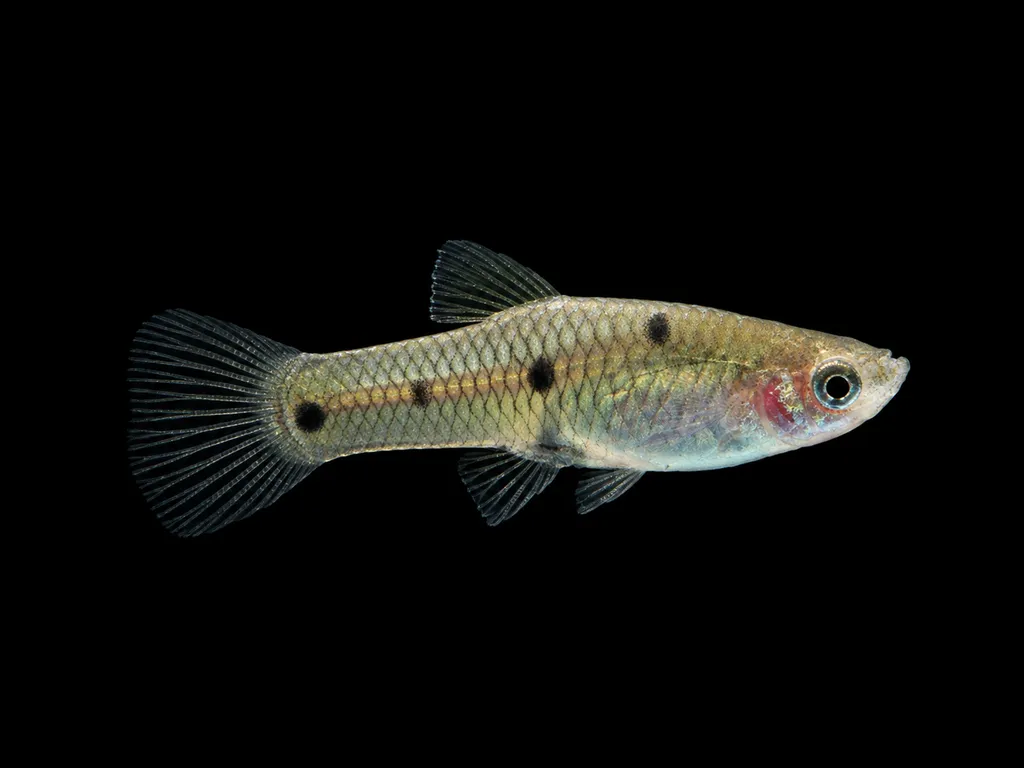
Fourspotted toothcarp
Phallichthys quadripunctatus
Freshwater1.4 in (3.5 cm) · 11 gal (40 L)68–86°F (20–30°C)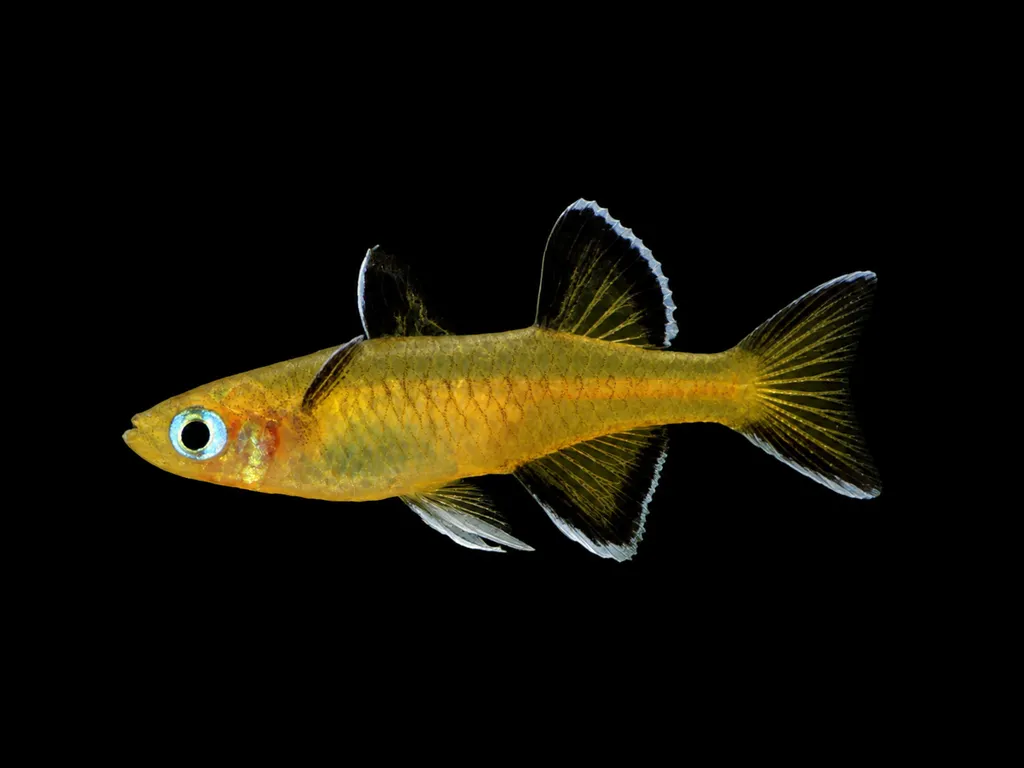
Honey blue-eye
Pseudomugil mellis
Freshwater1.4 in (3.5 cm) · 11 gal (40 L)68–82°F (20–28°C)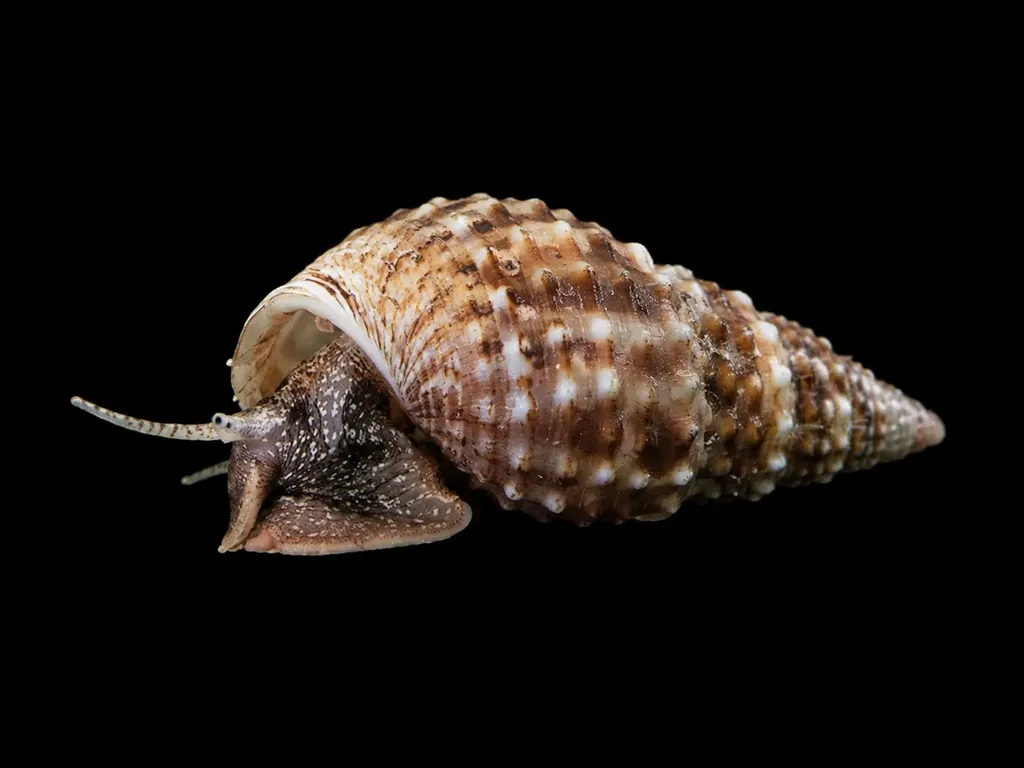
Prambanan snail
Thiara winteri
Freshwater1.6 in (4 cm) · 11 gal (40 L)73–82°F (23–28°C)
Common questions
What size tank does a Piaba tetra need?
A Piaba tetra needs at least 11 gal (40 L). It spends most of its time in the middle.
What temperature and pH does a Piaba tetra need?
A Piaba tetra is comfortable at 72–82°F (22–28°C) with a pH of 5.5–7.2.
What does a Piaba tetra eat?
A Piaba tetra eats small foods, such as fine flake, crushed micro pellets, cyclops, microworm and baby brine shrimp.
How big does a Piaba tetra get?
An adult Piaba tetra reaches about 1.6 in (4 cm).
Does a Piaba tetra need a group?
Yes. A Piaba tetra is a schooling species and should be kept in a group, not singly.
How can you tell a male Piaba tetra from a female?
Males carry tiny hooks on the anal fin, which act as holdfasts during pairing.
How does a Piaba tetra breed?
Piaba tetras lay eggs, and the male's anal-fin hooks act as holdfasts during pairing. Aquarium breeding is not on record.
Related species
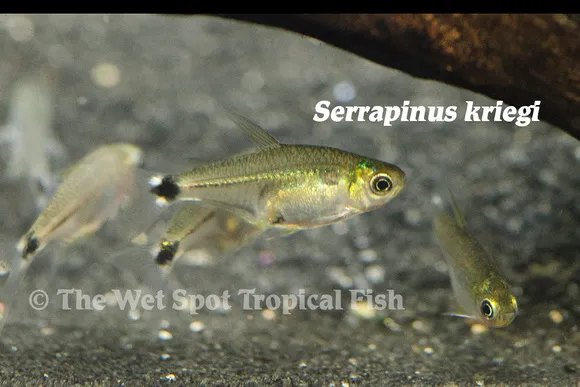 0.9 in (2.4 cm)11 gal (40 L)68–79°F (20–26°C)
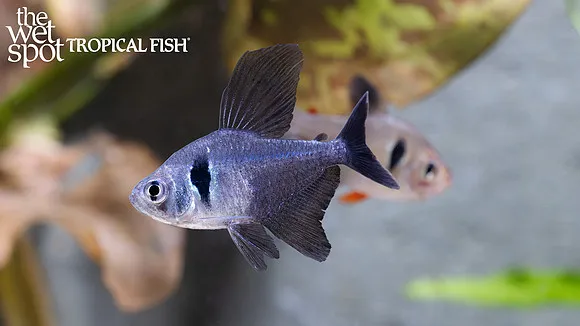
Krieg's tetra
Serrapinnus kriegi
0.9 in (2.4 cm) · 11 gal (40 L)
 1.6 in (4 cm)16 gal (60 L)73–82°F (23–28°C)
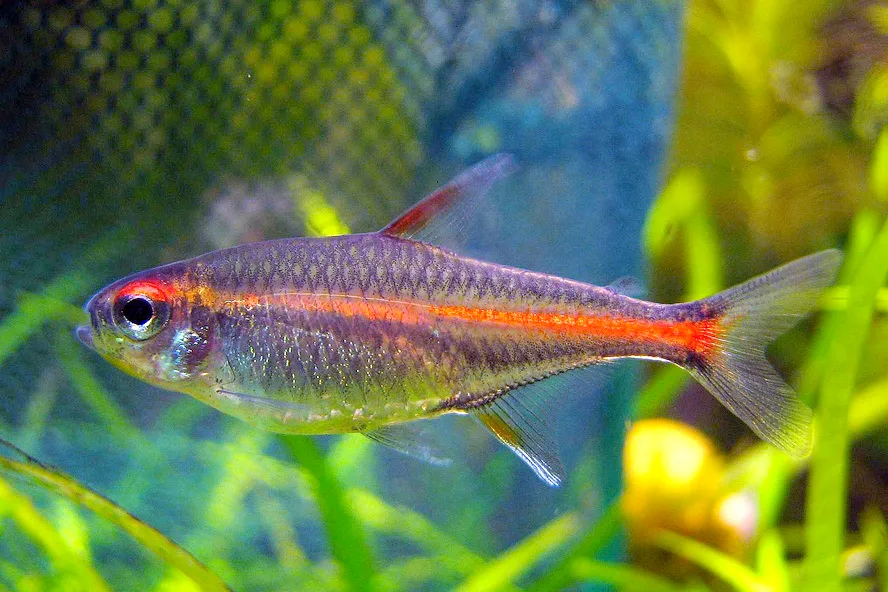
Epicharis tetra
Hyphessobrycon epicharis
1.6 in (4 cm) · 16 gal (60 L)
 1.6 in (4 cm)18 gal (70 L)75–82°F (24–28°C)
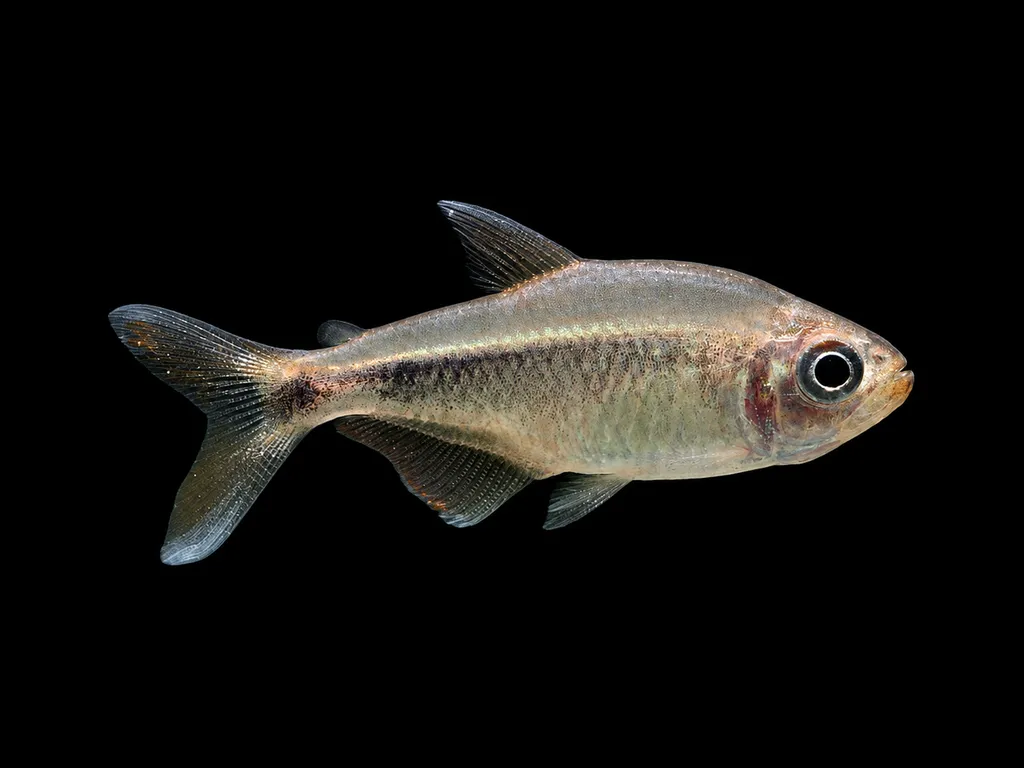
Glowlight tetra
Hemigrammus erythrozonus
1.6 in (4 cm) · 18 gal (70 L)
 1.6 in (4 cm)14 gal (54 L)72–81°F (22–27°C)
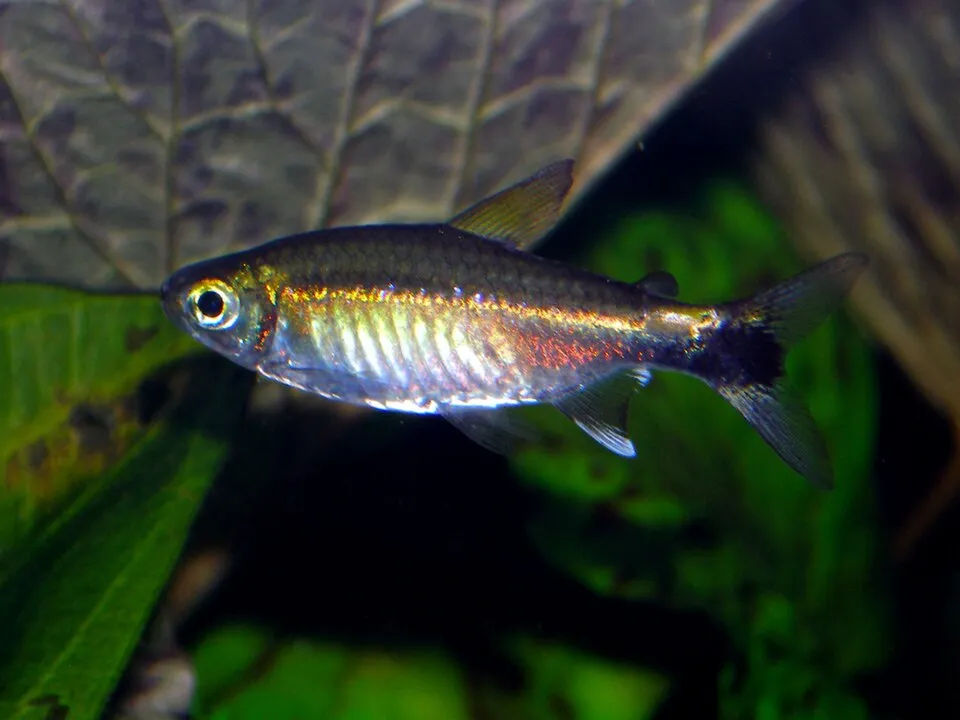
Hansen's hasemania
Hasemania hanseni
1.6 in (4 cm) · 14 gal (54 L)
 1.6 in (4 cm)17 gal (65 L)73–81°F (23–27°C)
January tetra
Hemigrammus hyanuary
1.6 in (4 cm) · 17 gal (65 L)
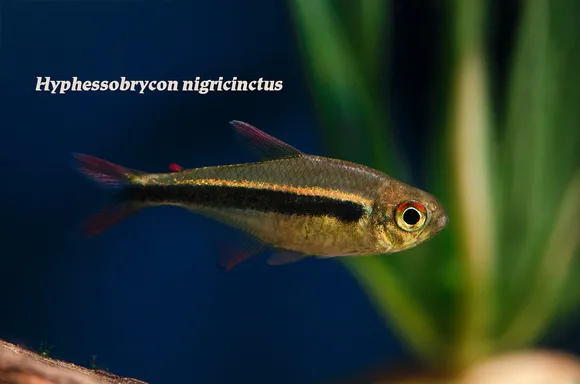 1.6 in (4 cm)15 gal (55 L)72–81°F (22–27°C)
Madre de Dios tetra
Hyphessobrycon nigricinctus
1.6 in (4 cm) · 15 gal (55 L)