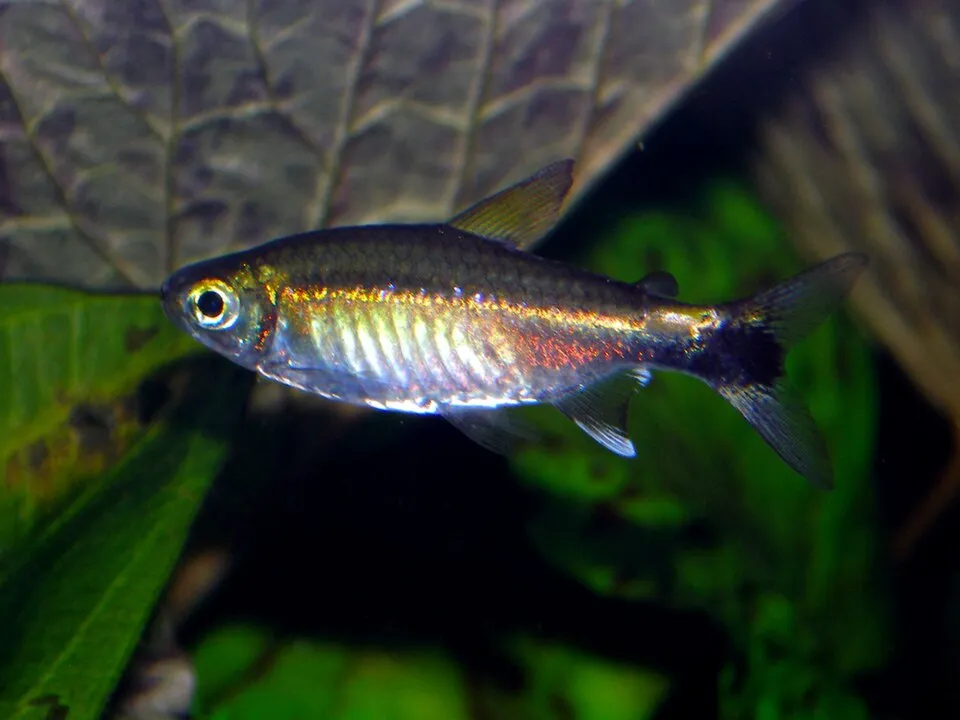
January tetra
Hemigrammus hyanuary
Also known as costello tetra
FreshwaterFish
Care at a glance
- Temperature
- 73–81°F
- 23–27°C
- pH
- 5.5–7.0
- Adult size
- 1.6 in
- 4 cm
- Minimum tank
- 17 gal
- 65 L
- Temperament
- Peaceful
- Social behavior
- Schooling
- Swim level
- Middle
- Difficulty
- Medium
- Breeding
- Hard
- Rarity
- Rare
- Family
- Characidae
- Origin
- Peru, Brazil
Overview
Keep a school of six or more in a tank around 65 liters and they will hold the middle to upper water. They are peaceful and active, and a proper group keeps them calm and colored up. Feed small flake, micro-pellets, and the occasional frozen brine shrimp or daphnia. They suit a planted soft-water community alongside other small, gentle fish.
In the wild
The January tetra comes from calm, shallow Amazon waters in Peru and Brazil, including the Lago do Januari area near Manaus that gives it its name. These are soft, slightly acidic, shaded spots over sand or mud, rich in plants and biofilm. Match that with a dim, well-planted tank, soft water, and a pH from the mid 5s to about 7. Botanicals and a darker substrate help show off the fish.
Good to know
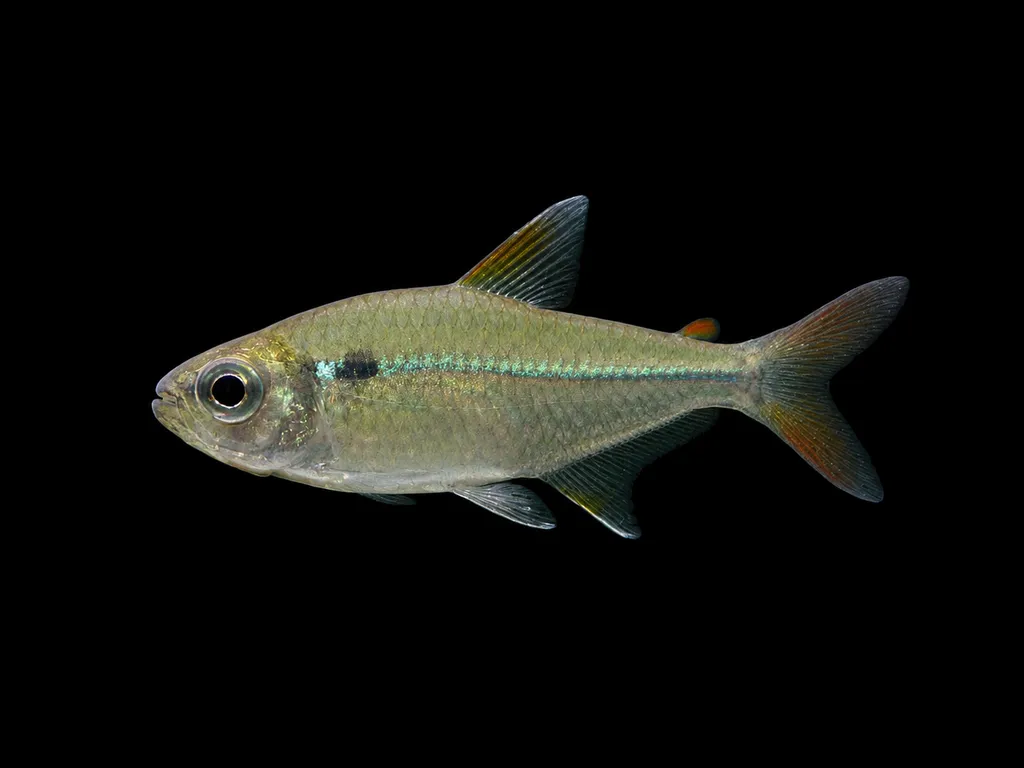
Hemigrammus hyanuary is a characin (family Characidae) reaching roughly 4 cm. It has a slim, silvery body with a dark stripe and a small gold or green mark near the tail. It is an egg scatterer that gives no parental care, with eggs hatching in about a day to a day and a half. It is listed as Least Concern with stable wild numbers.
Did you know
Despite the wintry English name, it has nothing to do with the season. "January" is just an anglicized take on Januari, the Brazilian lake near where the fish was found.
Weekly picks
Tank mates
January tetra is a peaceful, schooling species that keeps to the middle. These picks share a community profile with it, are safe together in both directions, and overlap on water type, temperature and pH.
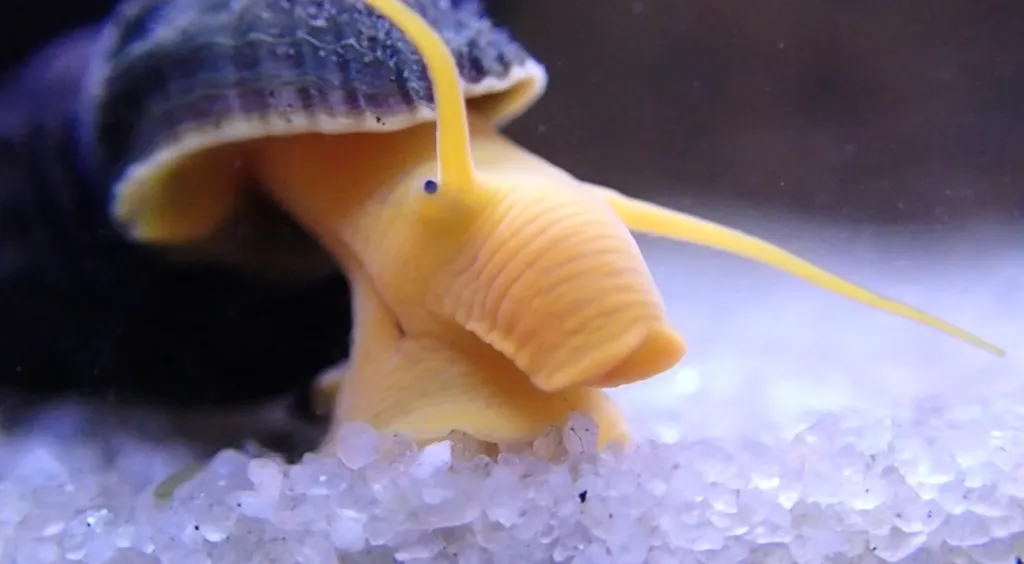
Gold rabbit snail
Tylomelania gemmifera
Freshwater2.8 in (7 cm) · 16 gal (60 L)75–82°F (24–28°C)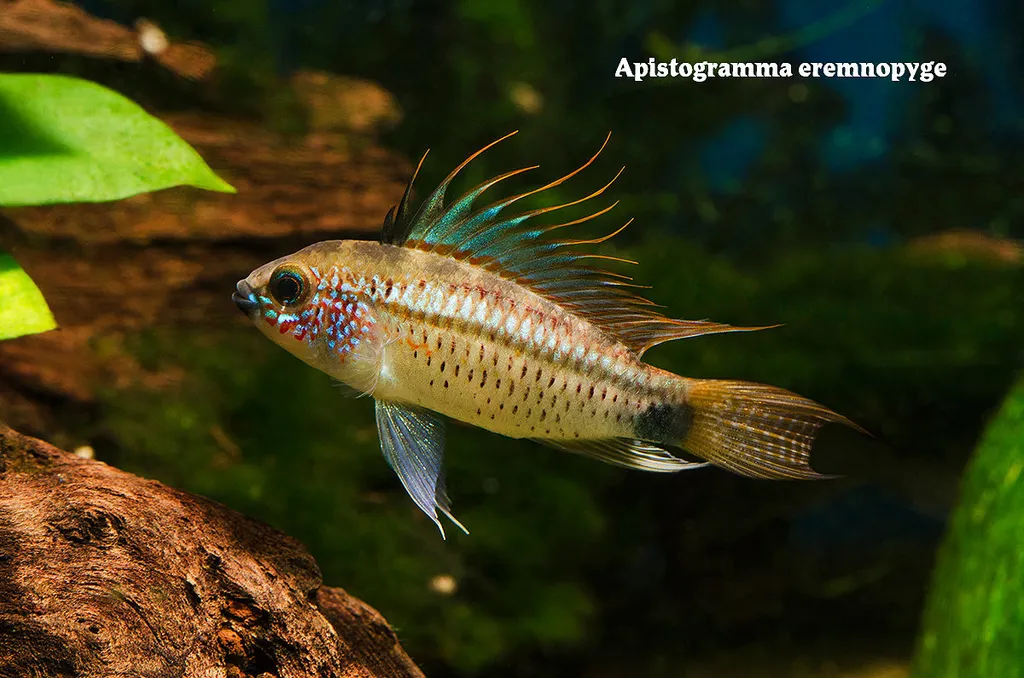
Fire-tail dwarf cichlid
Apistogramma eremnopyge
Freshwater1.8 in (4.5 cm) · 16 gal (60 L)73–81°F (23–27°C)
Fanning characin
Pyrrhulina rachoviana
Freshwater2 in (5 cm) · 16 gal (60 L)68–79°F (20–26°C)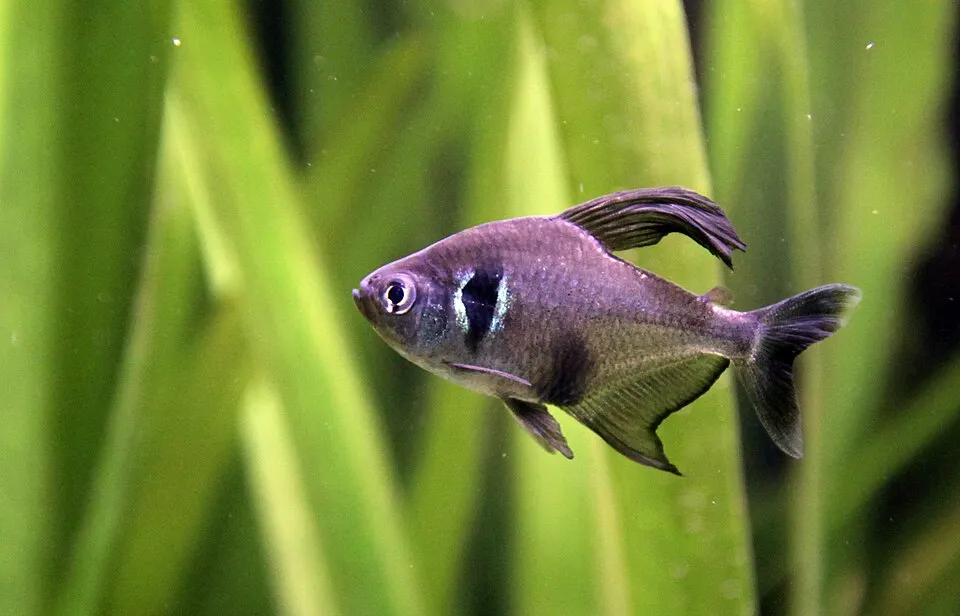
Black phantom tetra
Hyphessobrycon megalopterus
Freshwater1.4 in (3.6 cm) · 17 gal (65 L)70–82°F (21–28°C)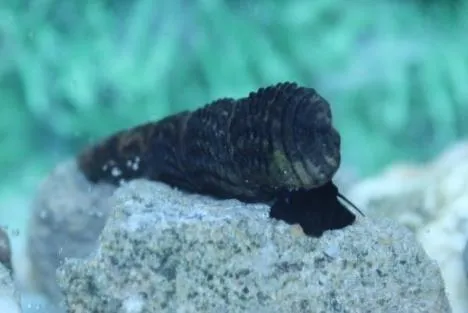
White spotted rabbit snail
Tylomelania towutica
Freshwater4.3 in (11 cm) · 16 gal (60 L)75–84°F (24–29°C)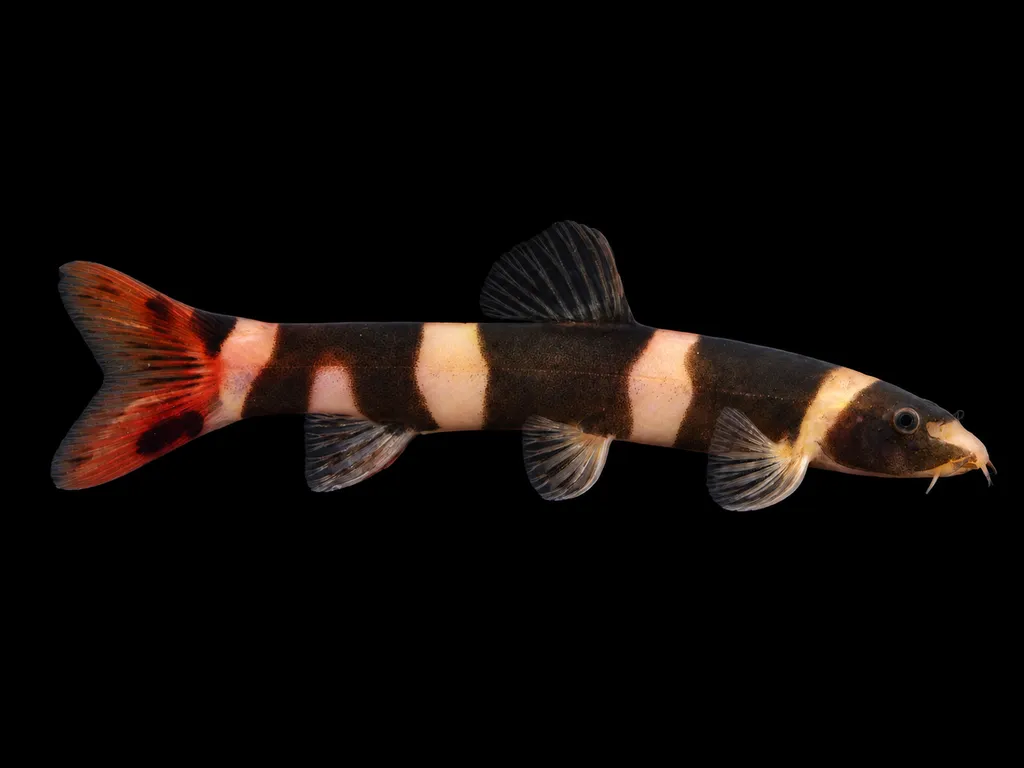
Barito loach
Kapuasia falaris
Freshwater2.6 in (6.5 cm) · 20 gal (75 L)73–81°F (23–27°C)
Common questions
What size tank does a January tetra need?
A January tetra needs at least 17 gal (65 L). It spends most of its time in the middle.
What temperature and pH does a January tetra need?
A January tetra is comfortable at 73–81°F (23–27°C) with a pH of 5.5–7.0.
How big does a January tetra get?
An adult January tetra reaches about 1.6 in (4 cm).
Does a January tetra need a group?
Yes. A January tetra is a schooling species and should be kept in a group, not singly.
Related species
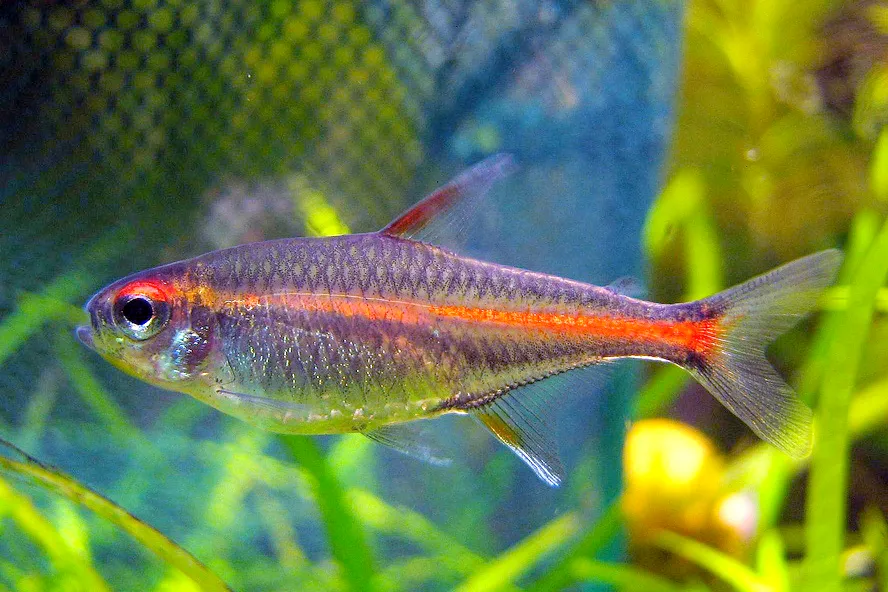 1.6 in (4 cm)18 gal (70 L)75–82°F (24–28°C)
Glowlight tetra
Hemigrammus erythrozonus
1.6 in (4 cm) · 18 gal (70 L)
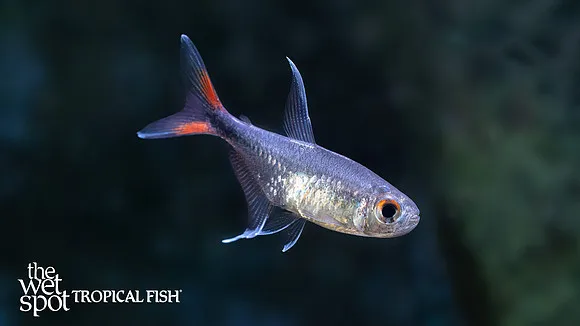 1.7 in (4.3 cm)20 gal (75 L)75–82°F (24–28°C)
Filament tetra
Hemigrammus filamentosus
1.7 in (4.3 cm) · 20 gal (75 L)
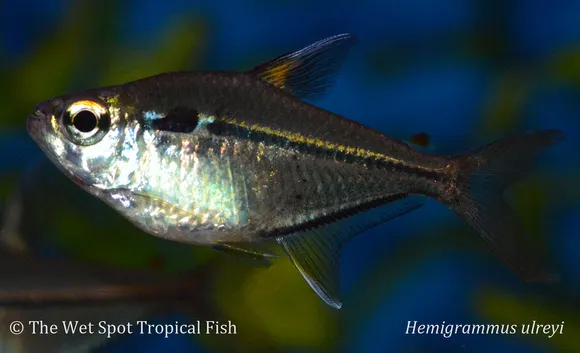 1.7 in (4.4 cm)20 gal (75 L)72–81°F (22–27°C)
Ulrey's tetra
Hemigrammus ulreyi
1.7 in (4.4 cm) · 20 gal (75 L)
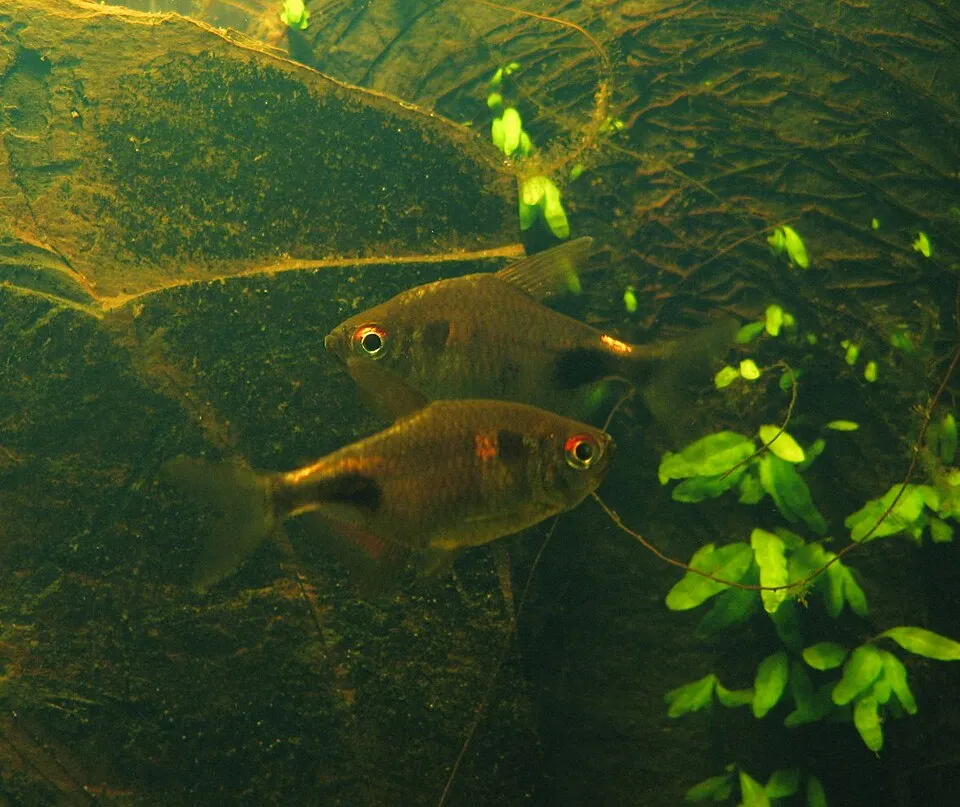 1.8 in (4.5 cm)20 gal (75 L)73–82°F (23–28°C)
Garnet tetra
Hemigrammus pulcher
1.8 in (4.5 cm) · 20 gal (75 L)
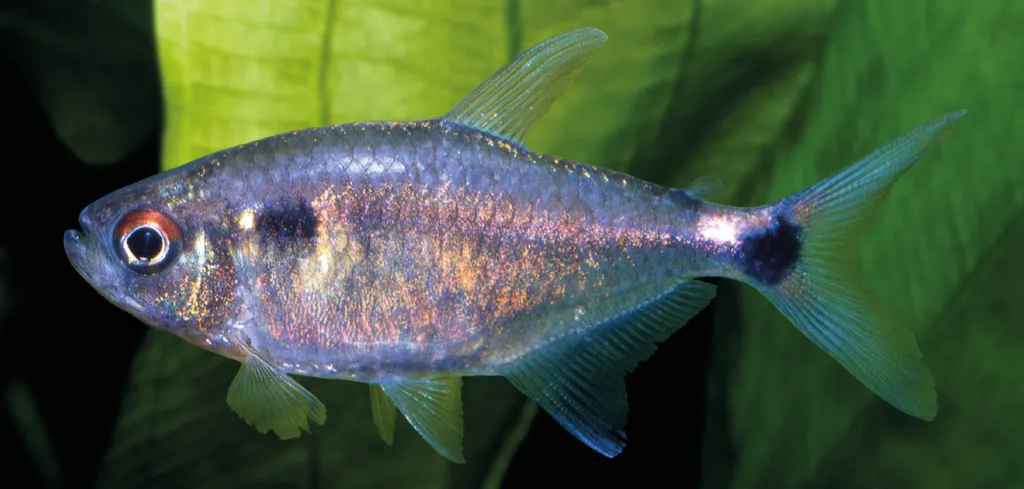 1.8 in (4.5 cm)17 gal (65 L)75–82°F (24–28°C)
Head-and-taillight tetra
Hemigrammus ocellifer
1.8 in (4.5 cm) · 17 gal (65 L)
 2 in (5 cm)20 gal (75 L)73–82°F (23–28°C)
Collett's tetra
Hemigrammus collettii
2 in (5 cm) · 20 gal (75 L)