Filament tetra
Hemigrammus filamentosus
Also known as Phoenix tetra
FreshwaterFish
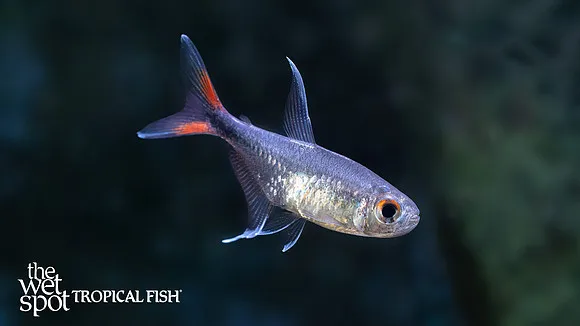
Care at a glance
- Temperature
- 75–82°F
- 24–28°C
- pH
- 5.0–6.8
- Adult size
- 1.7 in
- 4.3 cm
- Minimum tank
- 20 gal
- 75 L
- Temperament
- Peaceful
- Social behavior
- Schooling
- Swim level
- Middle
- Difficulty
- Medium
- Breeding
- Egg scatterer
- Rarity
- Common
- Family
- Characidae
- Origin
- Araguaia floodplain, Brazil
Overview
The filament tetra is a peaceful schooling tetra for a dim blackwater tank. It suits a keeper with some experience.
Did you know
Filament tetras in a group spend most of the day sparring, and the bouts do no harm.
Caring for the filament tetra
Keep ten or more filament tetras so the males have rivals to display against, which keeps their fin extensions on show. Give the group at least 20 gal (75 L), set up as a blackwater tank with leaf litter and dim light.
The water should be soft and acidic, at 75 to 82°F (24 to 28°C) and a pH of 5.0 to 6.8, with gentle flow. Feed small foods they can take in midwater, such as fine flake, micro granules and frozen cyclops or daphnia.
Filament tetras are peaceful, but avoid boisterous tank mates that would damage the trailing fins. They scatter their eggs and do not guard them. Mature males extend the front rays of the dorsal and anal fins into fine filaments, which they raise during display. The filaments are the clearest way to sex the species.
Good to know
Hemigrammus filamentosus is a member of the family Characidae. The trade sells it as the phoenix tetra, for the way displaying males seem to trail flame.
In the wild
The filament tetra lives in the Araguaia floodplain in Brazil. It is found among vegetation and litter, in soft, acidic water that is often stained with tannins.
Weekly picks
Tank mates
The filament tetra is a peaceful, schooling species that keeps to the middle. These picks share a community profile with it, are safe together in both directions, and overlap on water type, temperature and pH.
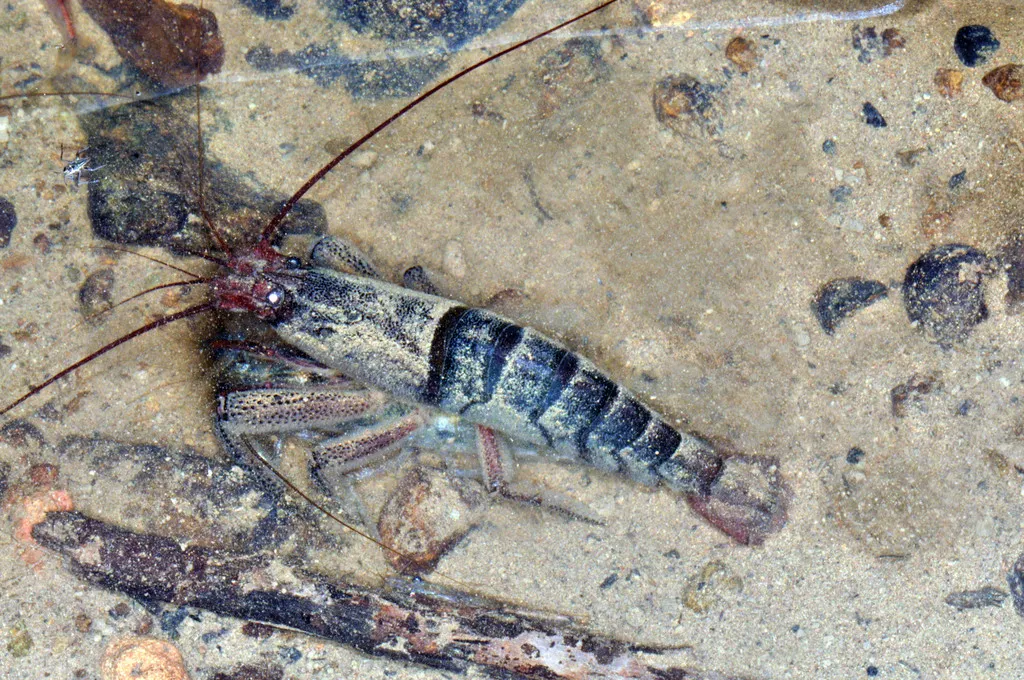
Marble wood shrimp
Atya scabra
Freshwater3.9 in (10 cm) · 20 gal (75 L)73–82°F (23–28°C)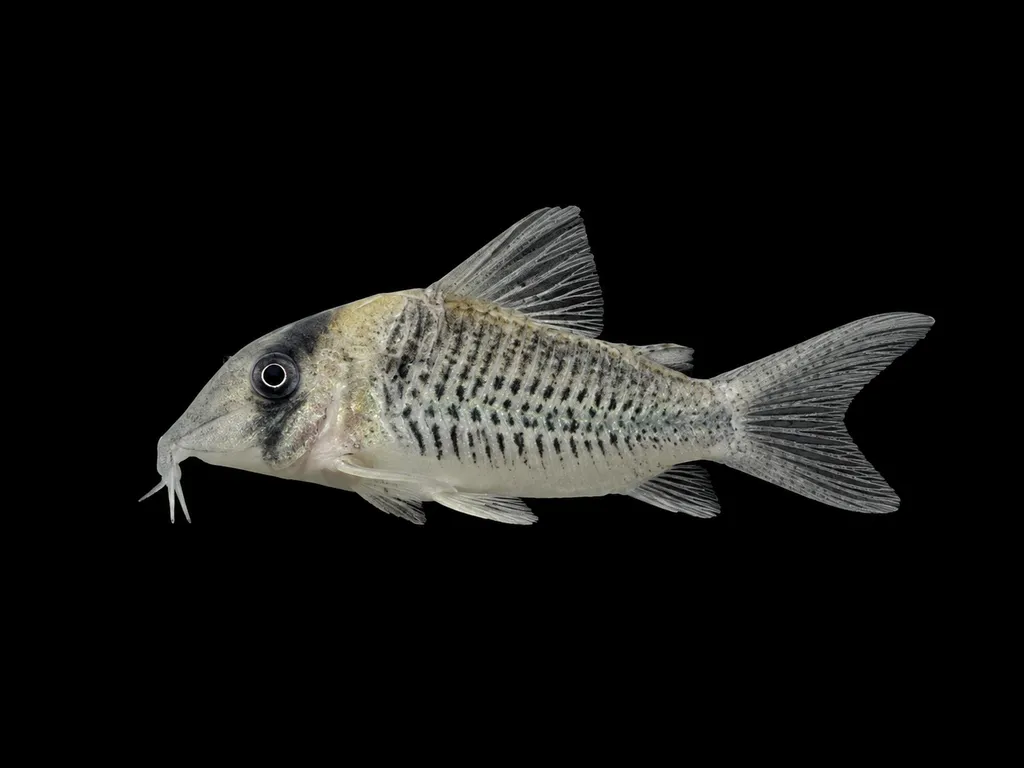
Caramater cory
Corydoras caramater
Freshwater2.2 in (5.5 cm) · 20 gal (75 L)75–82°F (24–28°C)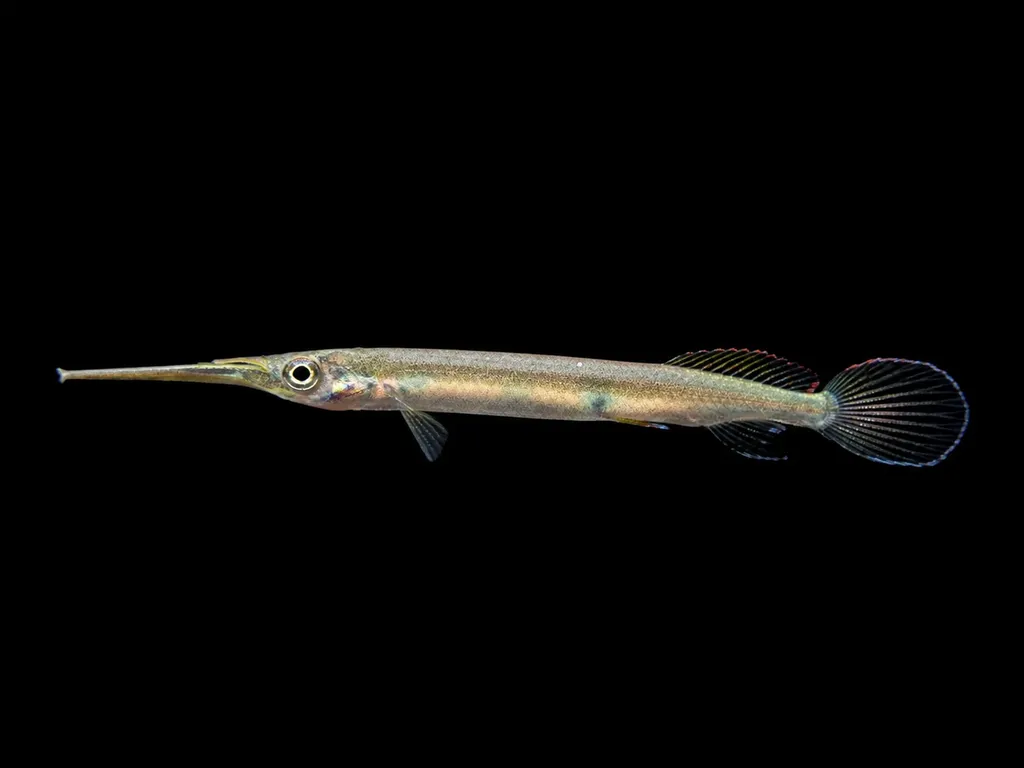
Kuekenthal's halfbeak
Hemirhamphodon kuekenthali
Freshwater3.3 in (8.5 cm) · 20 gal (75 L)73–81°F (23–27°C)
Purple pencilfish
Nannostomus rubrocaudatus
Freshwater1.2 in (3 cm) · 20 gal (75 L)75–82°F (24–28°C)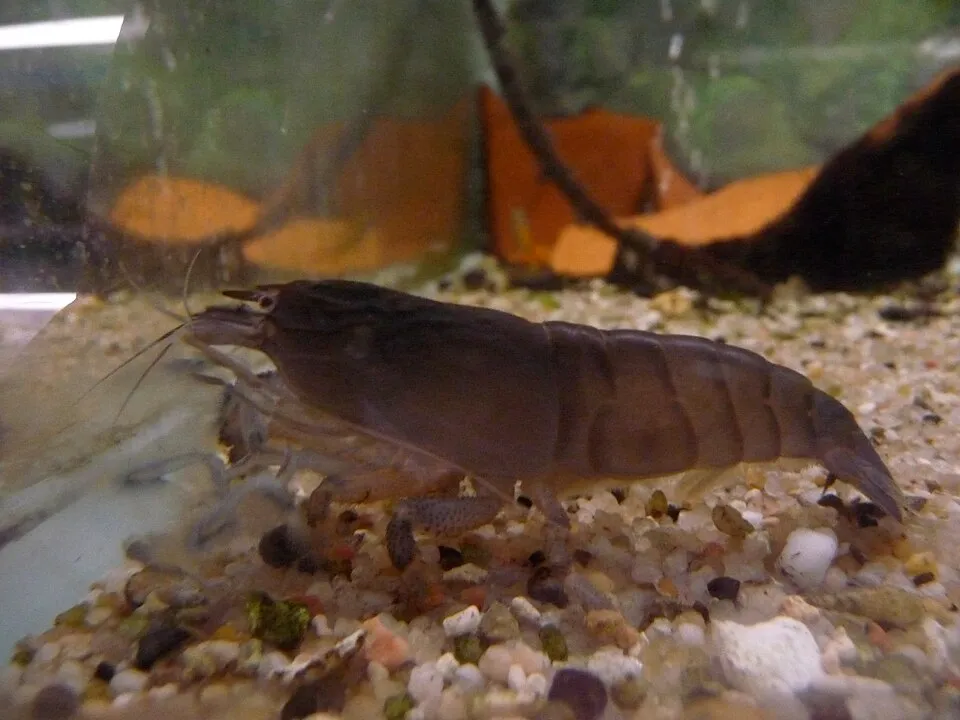
Vampire shrimp
Atya gabonensis
Freshwater5.1 in (13 cm) · 20 gal (75 L)75–82°F (24–28°C)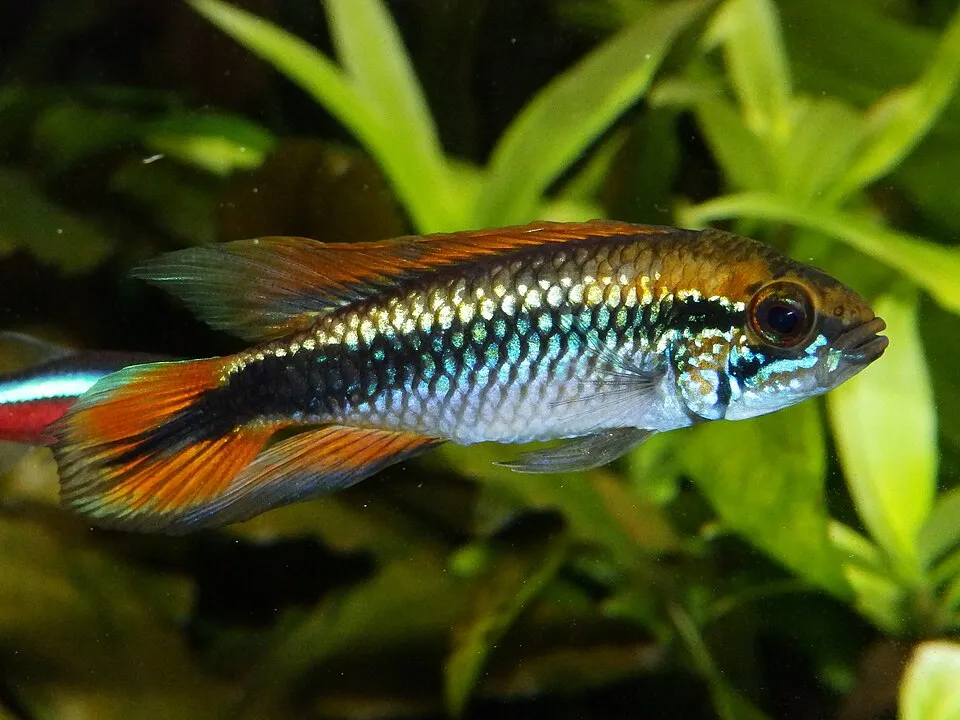
Agassiz's dwarf cichlid
Apistogramma agassizii
Freshwater3.5 in (9 cm) · 20 gal (75 L)72–84°F (22–29°C)
Common questions
What size tank does a filament tetra need?
A filament tetra needs at least 20 gal (75 L). It spends most of its time in the middle.
What temperature and pH does a filament tetra need?
A filament tetra is comfortable at 75–82°F (24–28°C) with a pH of 5.0–6.8.
What does a filament tetra eat?
A filament tetra eats small foods it can take in midwater, such as fine flake, micro granules and frozen cyclops or daphnia.
How big does a filament tetra get?
An adult filament tetra reaches about 1.7 in (4.3 cm).
Does a filament tetra need a group?
Yes. A filament tetra is a schooling species and should be kept in a group, not singly.
How can you tell a male filament tetra from a female?
Males extend the front rays of the dorsal and anal fins into fine filaments as they mature. Those filaments are the clearest way to tell the sexes apart.
How does a filament tetra breed?
A filament tetra scatters its eggs and does not guard them.
Related species
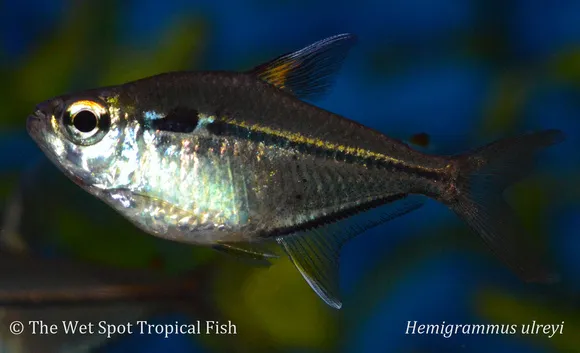 1.7 in (4.4 cm)20 gal (75 L)72–81°F (22–27°C)
Ulrey's tetra
Hemigrammus ulreyi
1.7 in (4.4 cm) · 20 gal (75 L)
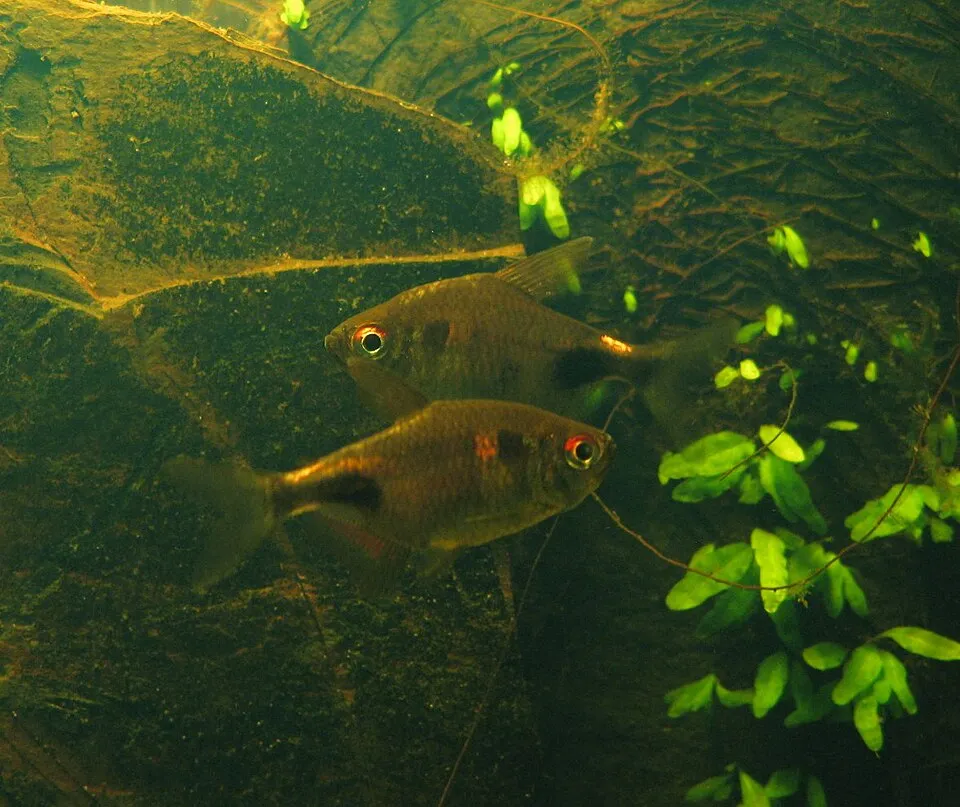 1.8 in (4.5 cm)20 gal (75 L)73–82°F (23–28°C)
Garnet tetra
Hemigrammus pulcher
1.8 in (4.5 cm) · 20 gal (75 L)
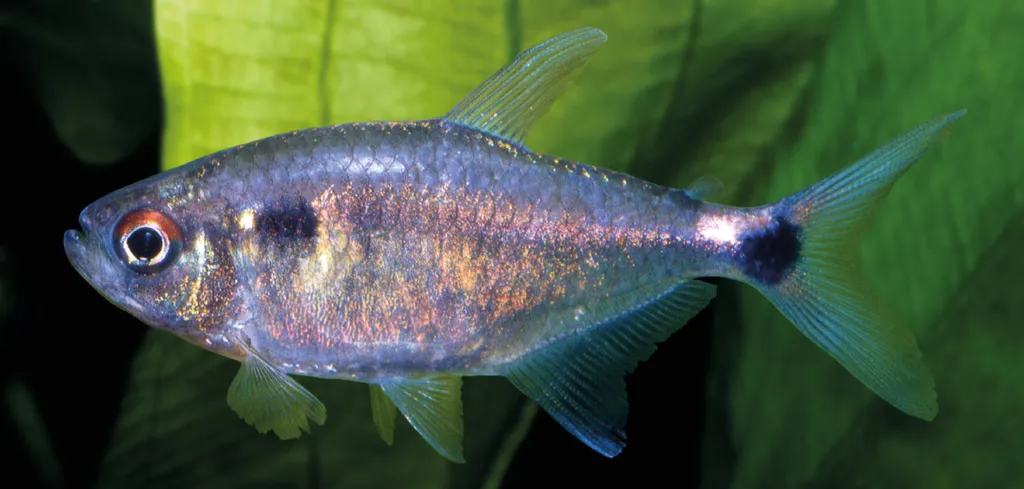 1.8 in (4.5 cm)17 gal (65 L)75–82°F (24–28°C)
Head-and-taillight tetra
Hemigrammus ocellifer
1.8 in (4.5 cm) · 17 gal (65 L)
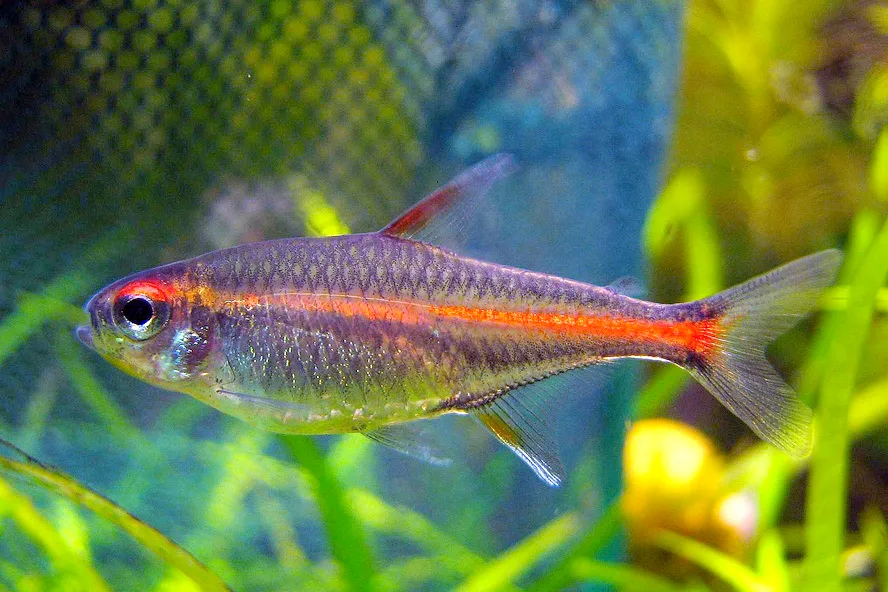 1.6 in (4 cm)18 gal (70 L)75–82°F (24–28°C)
Glowlight tetra
Hemigrammus erythrozonus
1.6 in (4 cm) · 18 gal (70 L)
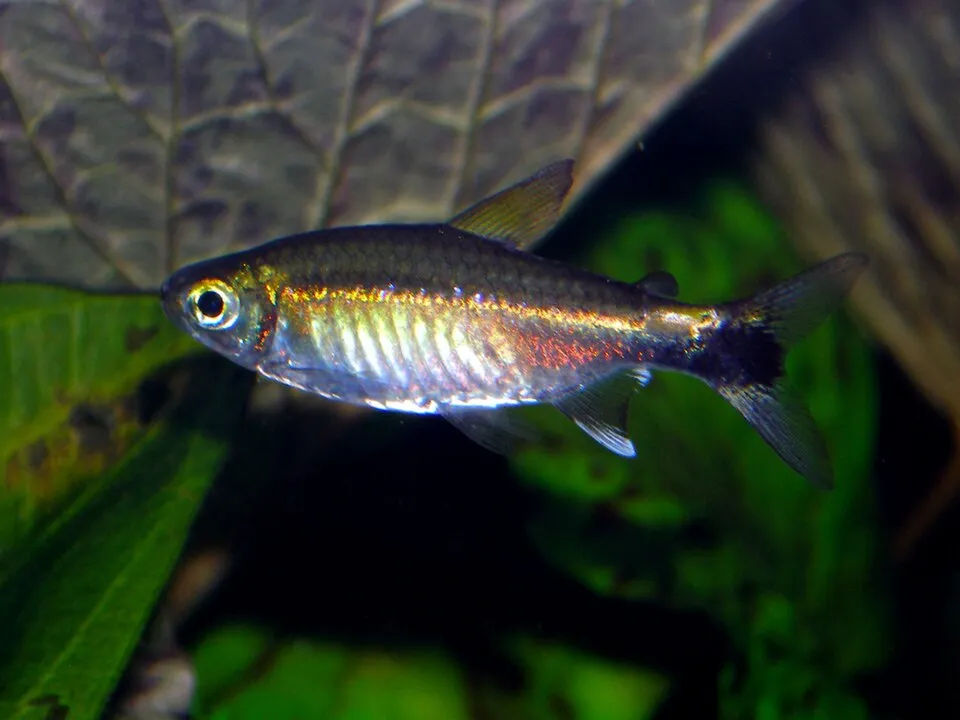 1.6 in (4 cm)17 gal (65 L)73–81°F (23–27°C)
January tetra
Hemigrammus hyanuary
1.6 in (4 cm) · 17 gal (65 L)
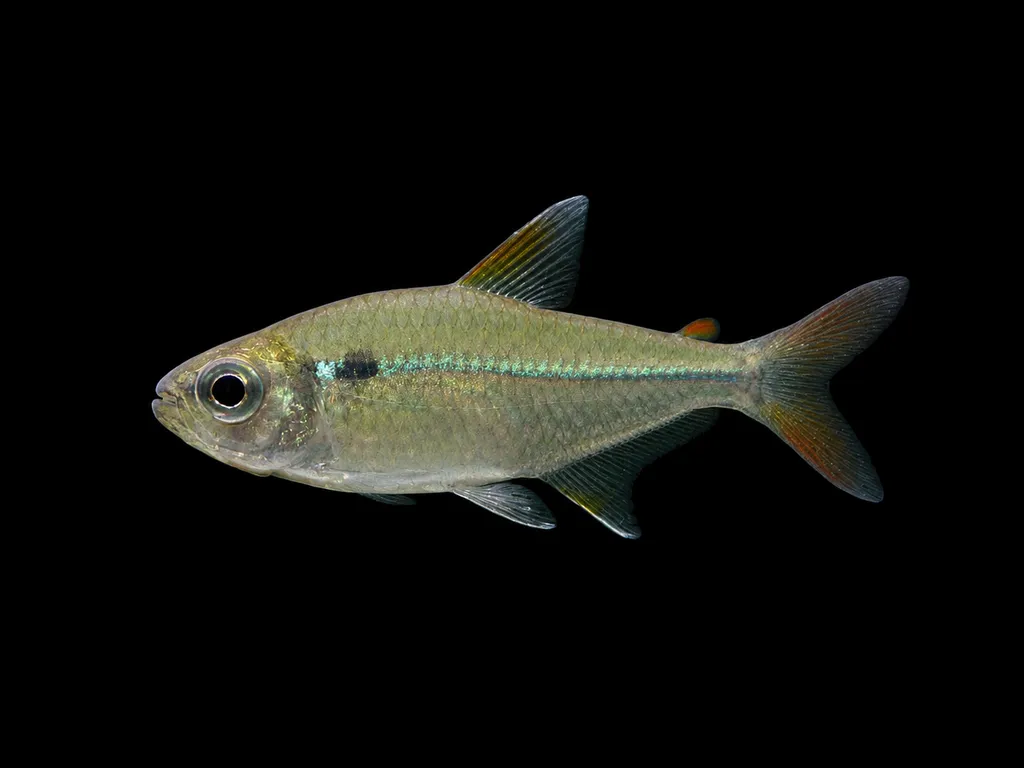 2 in (5 cm)20 gal (75 L)73–82°F (23–28°C)
Collett's tetra
Hemigrammus collettii
2 in (5 cm) · 20 gal (75 L)