Krieg's tetra
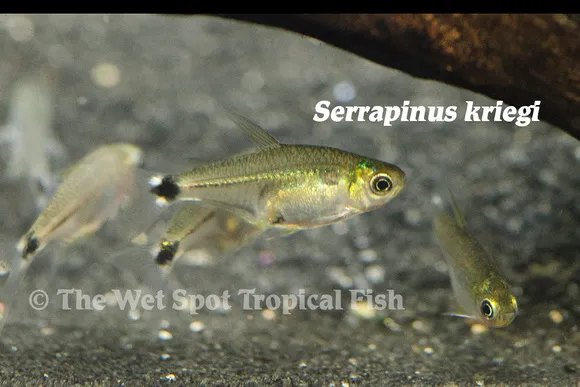
Serrapinnus kriegi
Also known as Kriegi tetra
FreshwaterFish
Care at a glance
- Temperature
- 68–79°F
- 20–26°C
- pH
- 5.5–7.2
- Adult size
- 0.9 in
- 2.4 cm
- Minimum tank
- 11 gal
- 40 L
- Temperament
- Peaceful
- Social behavior
- Schooling
- Swim level
- Middle
- Difficulty
- Medium
- Breeding
- Egg layer
- Rarity
- Rare
- Family
- Characidae
- Origin
- Paraguay basin, Paraguay and Brazil
Overview
Krieg's tetra is a tiny subtropical schooling fish for a calm nano or planted community. Keeping it well calls for some experience.
Did you know
A single Krieg's tetra looks modest, but a group of twenty or more becomes a moving display.
Caring for the Krieg's tetra
Keep a group of Krieg's tetras in 11 gal (40 L) or more, with dense planting. Fine-leaved plants, gentle flow and clean, stable water suit them.
They come from cooler subtropical water, so in many climates they can be kept in an unheated room with no heater at all. That makes them one of the cheapest ways into keeping South American micro fish. Keep the water at 68 to 79°F (20 to 26°C), with a pH of 5.5 to 7.2 and soft to moderate hardness.
Feed very small foods, such as fine flake, crushed micro pellets, cyclops, microworm and baby brine shrimp. Krieg's tetras are completely peaceful. Good tank mates are other small, gentle fish such as micro rasboras, small tetras and pygmy corydoras.
As in the rest of the Cheirodontinae, male Krieg's tetras carry small hooks on the anal fin. These serve as contact organs when pairing. Krieg's tetras lay eggs, but home breeding is not formally recorded.
Good to know
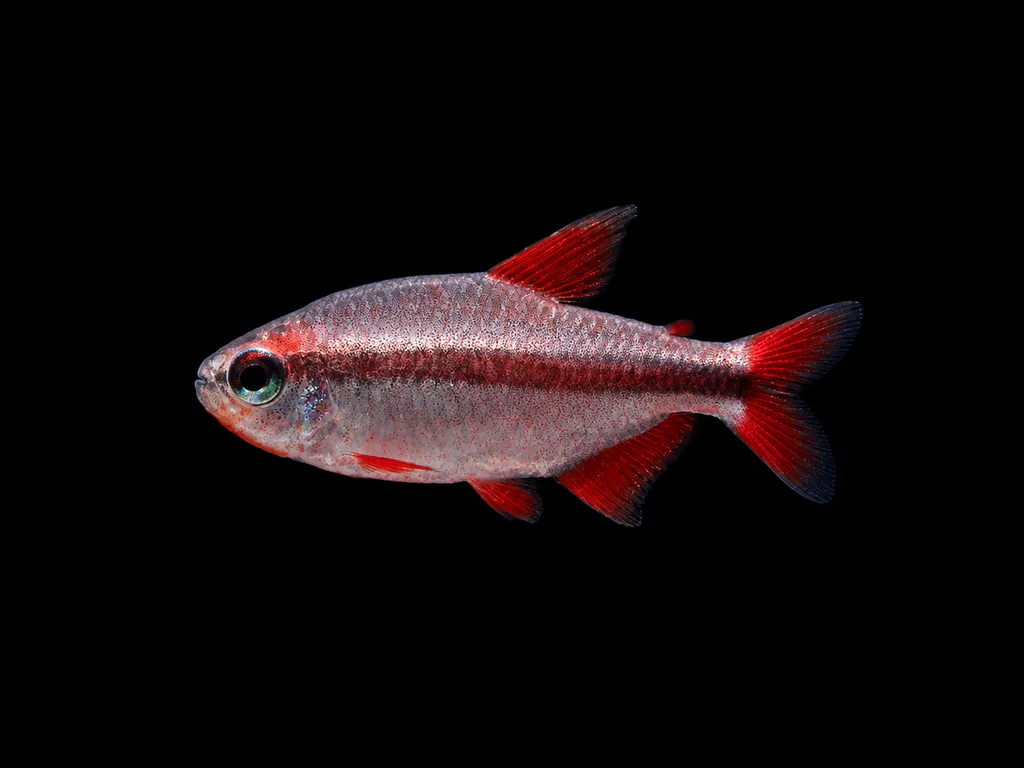
Serrapinnus kriegi is a miniature member of the Cheirodontinae, within the characin family Characidae. Schindler described it in 1937, and it shows a wedge of gold at the base of the tail.
In the wild
Krieg's tetra lives in the Paraguay River basin, in Paraguay and Brazil. Its home is weedy, slow-moving or still water, among dense vegetation, leaf litter and submerged wood. These subtropical waters cool in winter.
Weekly picks
Tank mates
The Krieg's tetra is a peaceful, schooling species that keeps to the middle. These picks share a community profile with it, are safe together in both directions, and overlap on water type, temperature and pH.
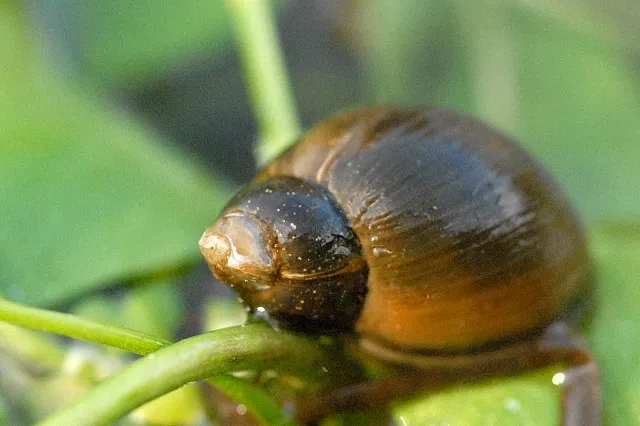
Wandering snail
Ampullaceana balthica
Freshwater0.8 in (2 cm) · 11 gal (40 L)50–84°F (10–29°C)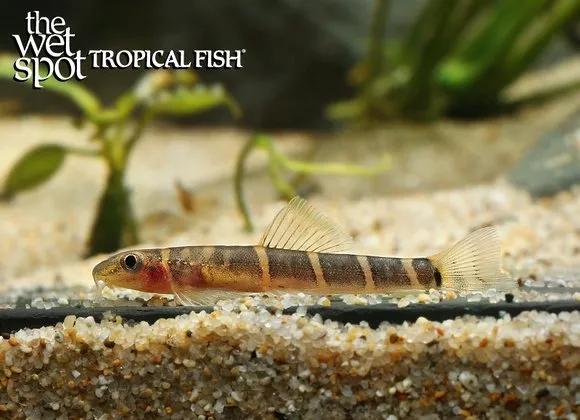
Fire-eyed loach
Barbucca diabolica
Freshwater1.2 in (3 cm) · 11 gal (40 L)72–79°F (22–26°C)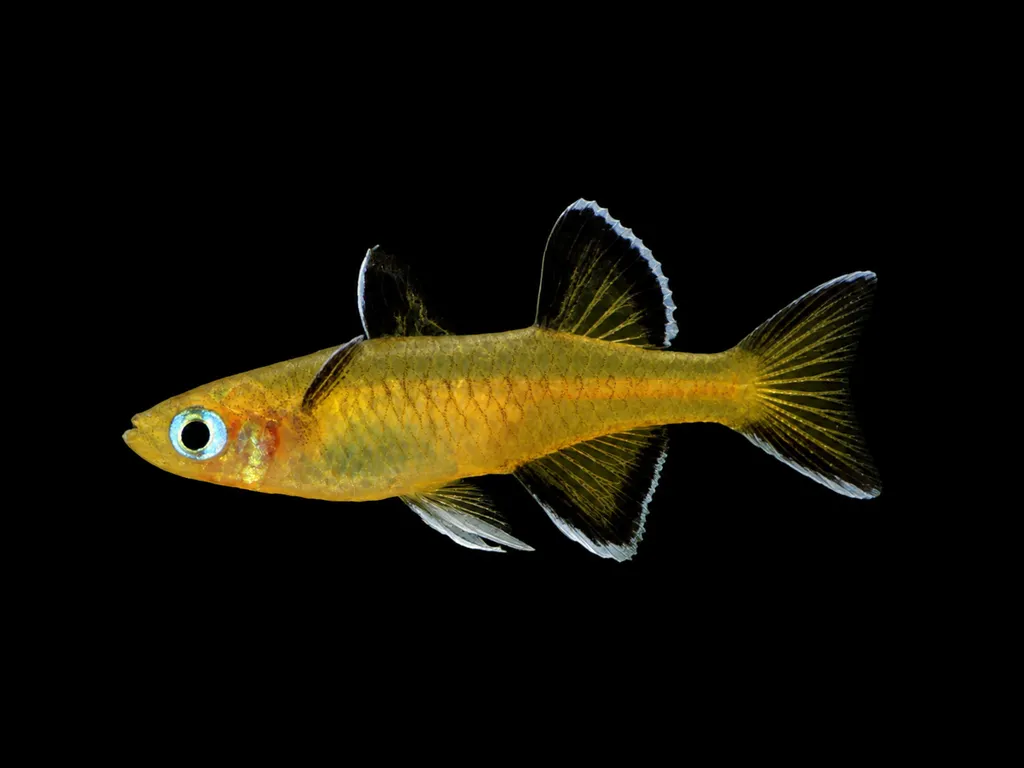
Honey blue-eye
Pseudomugil mellis
Freshwater1.4 in (3.5 cm) · 11 gal (40 L)68–82°F (20–28°C)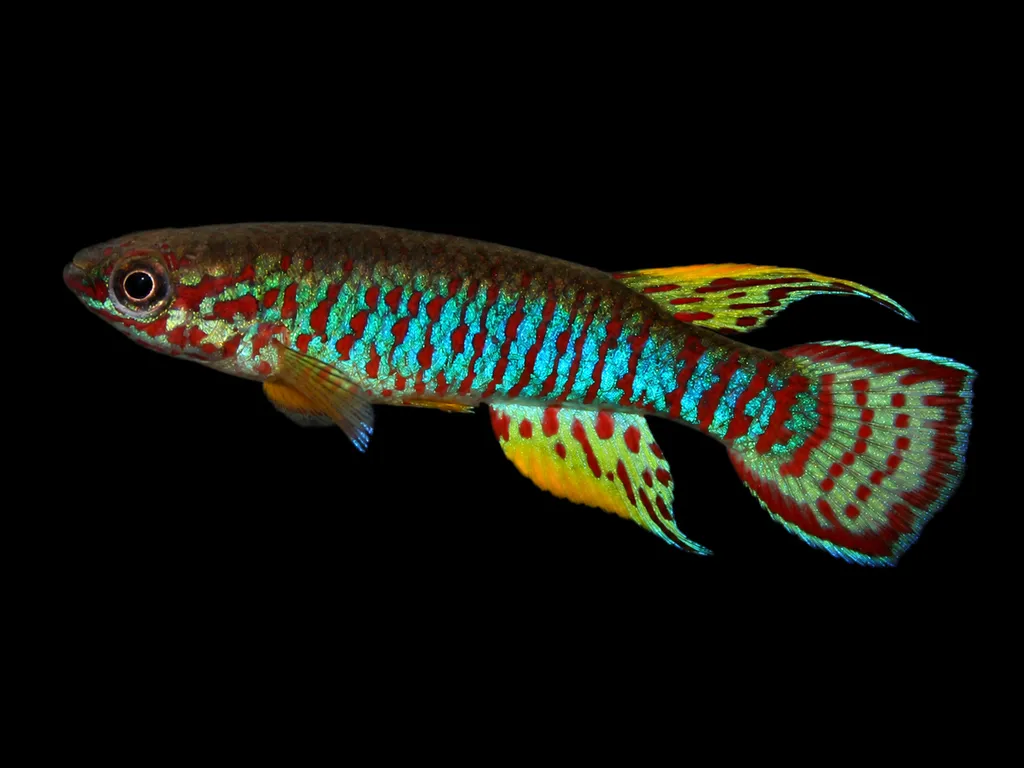
Jewel killifish
Aphyosemion exiguum
Freshwater1.6 in (4 cm) · 11 gal (40 L)68–77°F (20–25°C)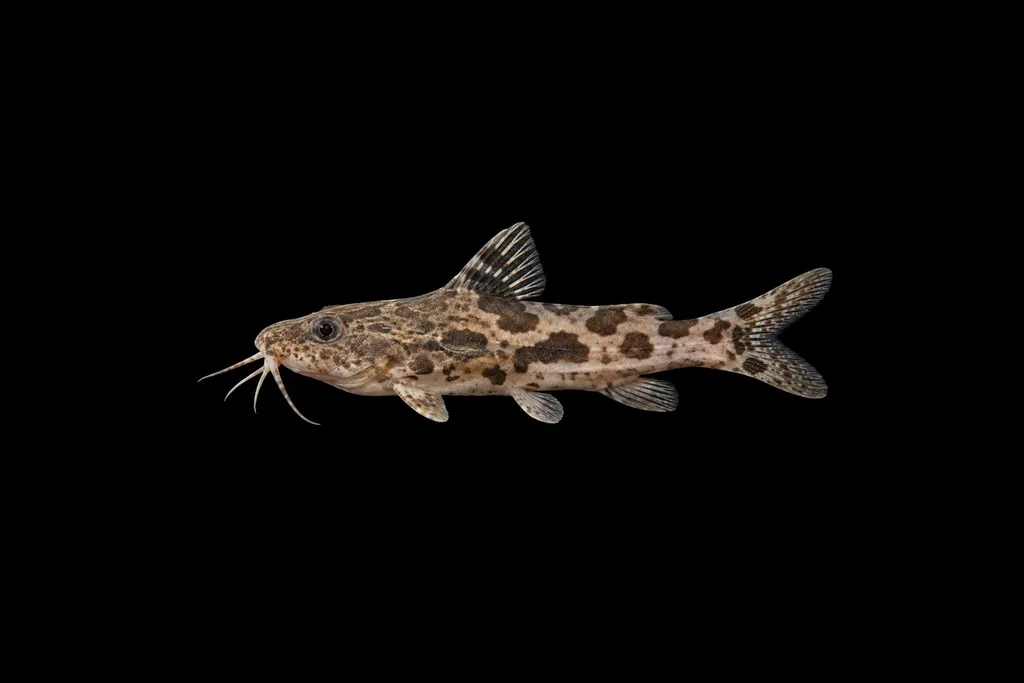
Harlequin moth catfish
Pseudolaguvia ribeiroi
Freshwater1.6 in (4 cm) · 11 gal (40 L)68–79°F (20–26°C)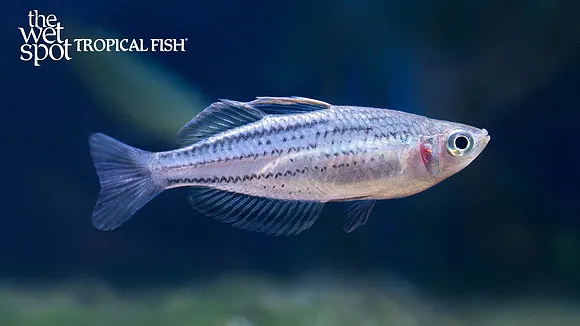
Green panchax
Aplocheilus blockii
Freshwater2 in (5 cm) · 11 gal (40 L)72–82°F (22–28°C)
Common questions
What size tank does a Krieg's tetra need?
A Krieg's tetra needs at least 11 gal (40 L). It spends most of its time in the middle.
What temperature and pH does a Krieg's tetra need?
A Krieg's tetra is comfortable at 68–79°F (20–26°C) with a pH of 5.5–7.2.
What does a Krieg's tetra eat?
A Krieg's tetra needs very small foods. Offer fine flake, crushed micro pellets, cyclops, microworm and baby brine shrimp.
How big does a Krieg's tetra get?
An adult Krieg's tetra reaches about 0.9 in (2.4 cm).
Does a Krieg's tetra need a group?
Yes. A Krieg's tetra is a schooling species and should be kept in a group, not singly.
How can you tell a male Krieg's tetra from a female?
Males carry small hooks on the anal fin, as in the rest of their group. They use them as contact organs when pairing.
How does a Krieg's tetra breed?
Krieg's tetras lay eggs, but breeding them at home is not formally recorded.
Related species
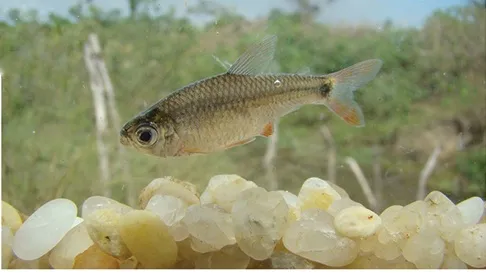 1.6 in (4 cm)11 gal (40 L)72–82°F (22–28°C)
Piaba tetra
Serrapinnus piaba
1.6 in (4 cm) · 11 gal (40 L)
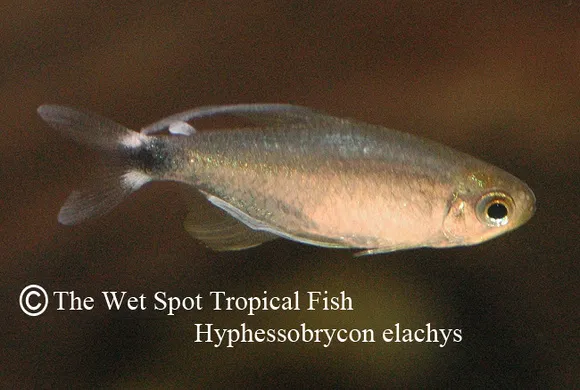 0.9 in (2.4 cm)10 gal (38 L)68–79°F (20–26°C)
Veiltail tetra
Hyphessobrycon elachys
0.9 in (2.4 cm) · 10 gal (38 L)
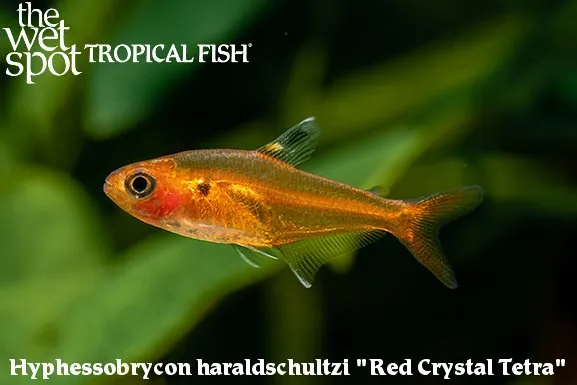 1 in (2.5 cm)10 gal (38 L)73–82°F (23–28°C)
Crystal red tetra
Hyphessobrycon haraldschultzi
1 in (2.5 cm) · 10 gal (38 L)
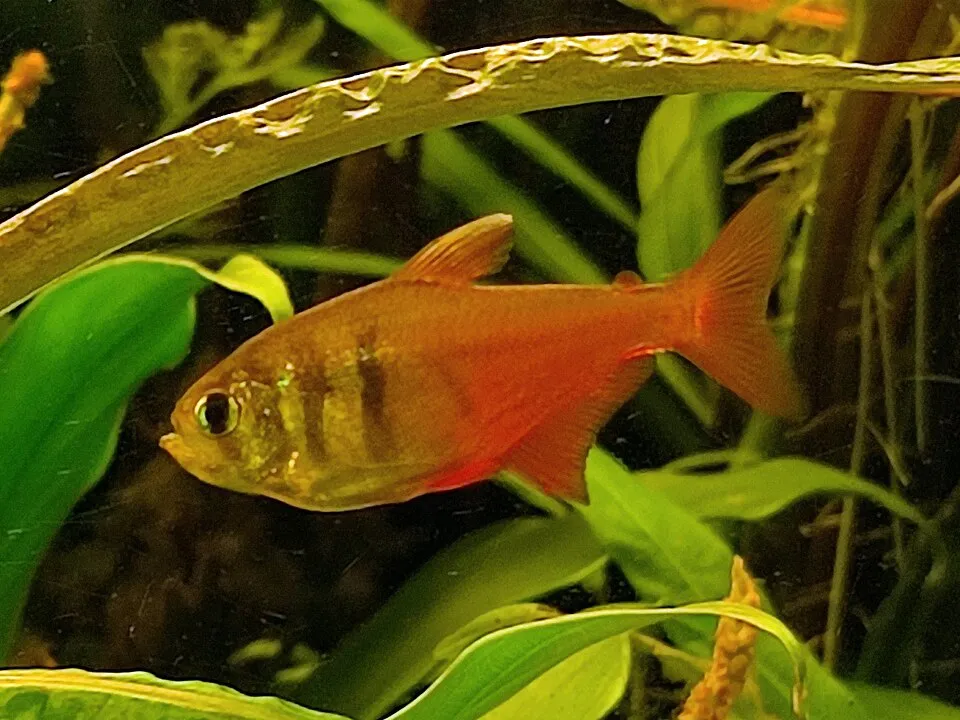 1 in (2.5 cm)10 gal (38 L)68–79°F (20–26°C)
Flame tetra
Hyphessobrycon flammeus
1 in (2.5 cm) · 10 gal (38 L)
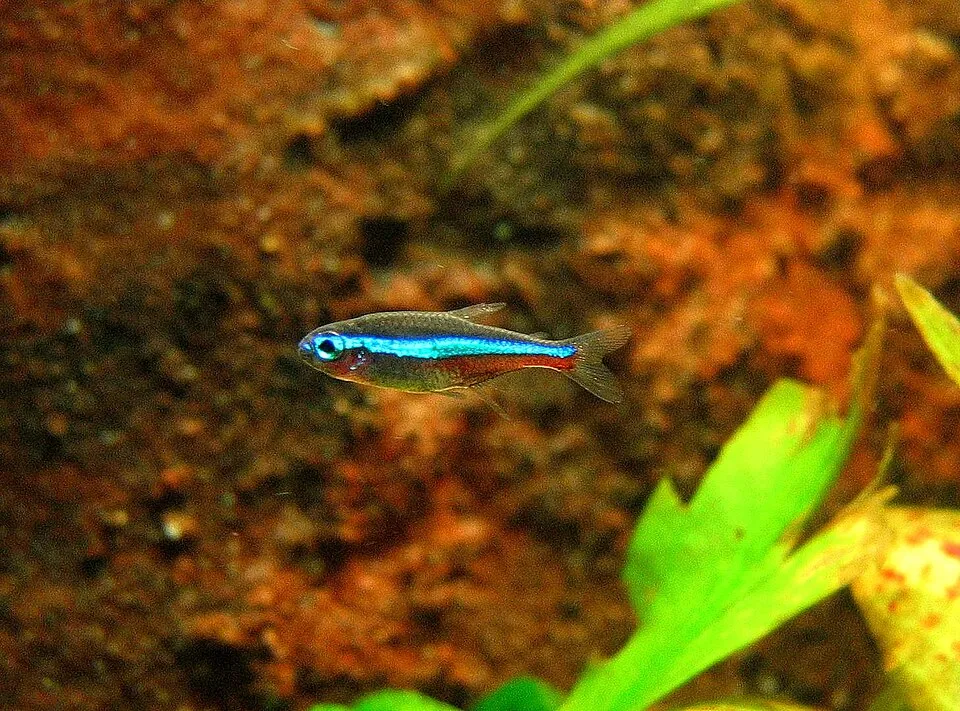 1 in (2.5 cm)15 gal (55 L)72–86°F (22–30°C)
Green neon tetra
Paracheirodon simulans
1 in (2.5 cm) · 15 gal (55 L)
 1 in (2.5 cm)10 gal (38 L)73–82°F (23–28°C)
Red devil tetra
Hyphessobrycon piranga
1 in (2.5 cm) · 10 gal (38 L)