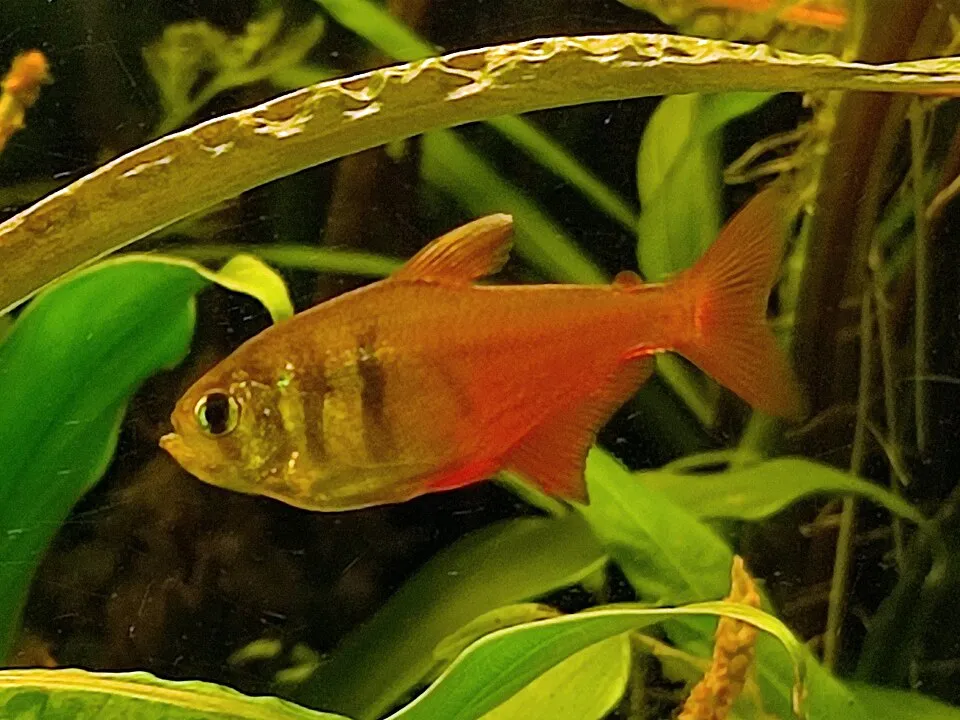
Flame tetra
Hyphessobrycon flammeus
Also known as Von Rio tetra
FreshwaterFish
Care at a glance
- Temperature
- 68–79°F
- 20–26°C
- pH
- 5.5–7.5
- Adult size
- 1 in
- 2.5 cm
- Minimum tank
- 10 gal
- 38 L
- Temperament
- Peaceful
- Social behavior
- Schooling
- Swim level
- Middle
- Difficulty
- Easy
- Breeding
- Medium
- Rarity
- Rare
- Family
- Characidae
- Origin
- Brazil
Overview
Keep them in a group of at least six. They are peaceful mid-water swimmers that color up better and act more naturally in numbers. A 38 liter tank suits a small school, with temperatures in the low to mid 20s C. Feed a mix of quality flake, micro-pellets, and the odd serving of frozen bloodworms or brine shrimp. They get along well with other calm community fish.
In the wild
Flame tetras come from the coastal rivers near Rio de Janeiro in southeastern Brazil. They live in slow, shaded streams over fine sand and leaf litter, where the water runs soft and slightly acidic. Aim for that at home: a planted tank with some shade, a sandy bottom, and pH on the lower end of their 5.5 to 7.5 range. A bit of botanical material like leaves or wood helps recreate the conditions they know.
Good to know
This is a small characin in the family Characidae, reaching about 2.5 cm as an adult. They are egg scatterers that give no parental care, and breeding is moderately tricky to pull off in a tank. Their wild range near Rio has shrunk under urban development and pollution, so wild stock is under pressure, though the species is common in the hobby and easy to find captive-bred.
Did you know
Males turn a deeper, hotter red during courtship to win over females, and they also use small fin-flaring displays against rival males. A settled, well-fed group looks noticeably different from a few stressed loners.
Weekly picks
Tank mates
Flame tetra is a peaceful, schooling species that keeps to the middle. These picks share a community profile with it, are safe together in both directions, and overlap on water type, temperature and pH.
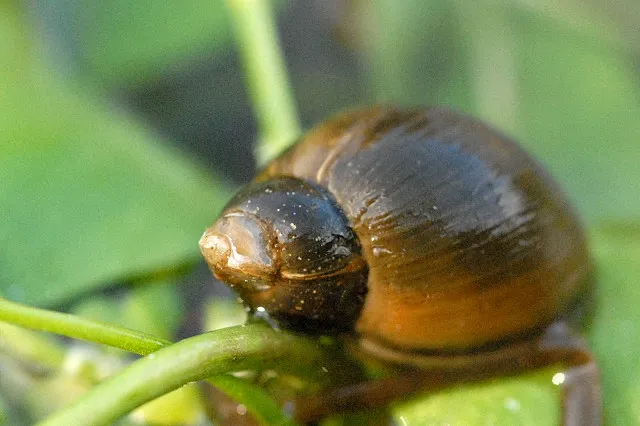
Wandering snail
Ampullaceana balthica
Freshwater0.8 in (2 cm) · 11 gal (40 L)50–84°F (10–29°C)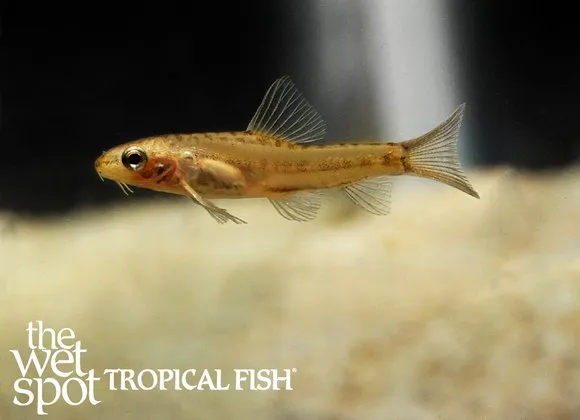
Mango loach
Physoschistura mango
Freshwater1 in (2.5 cm) · 11 gal (40 L)68–77°F (20–25°C)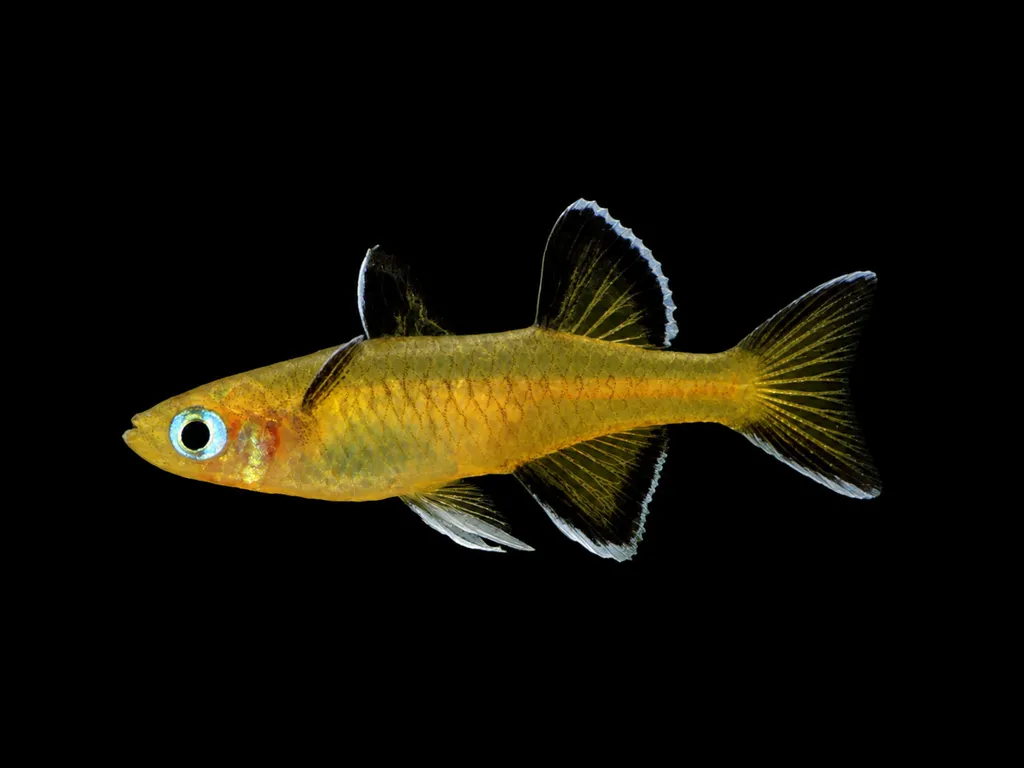
Honey blue-eye
Pseudomugil mellis
Freshwater1.4 in (3.5 cm) · 11 gal (40 L)68–82°F (20–28°C)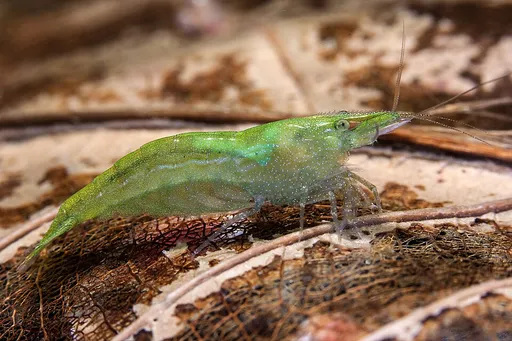
Green babaulti shrimp
Caridina babaulti
Freshwater1.2 in (3 cm) · 10 gal (38 L)72–82°F (22–28°C)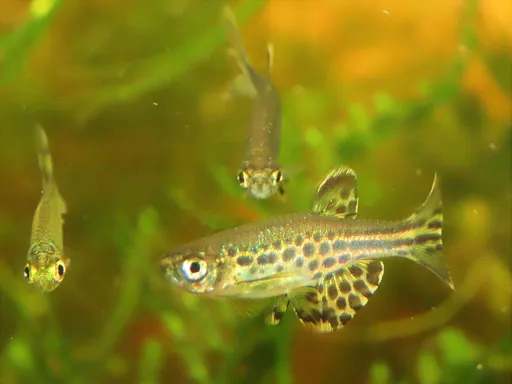
Gold ring danio
Danio tinwini
Freshwater1.2 in (3 cm) · 11 gal (40 L)64–79°F (18–26°C)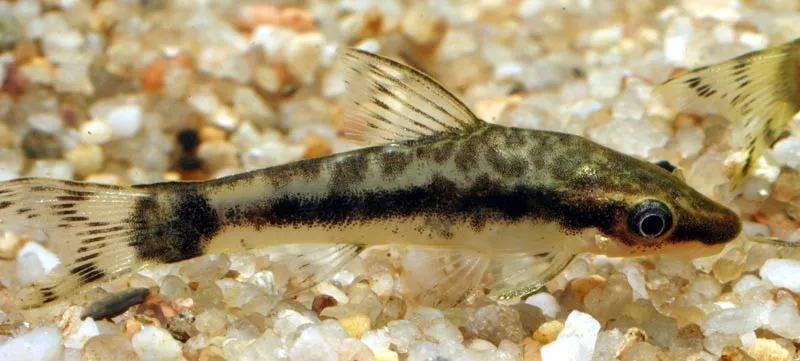
Golden dwarf sucker
Otocinclus macrospilus
Freshwater1.4 in (3.5 cm) · 11 gal (40 L)70–79°F (21–26°C)
Common questions
What size tank does a Flame tetra need?
A Flame tetra needs at least 10 gal (38 L). It spends most of its time in the middle.
What temperature and pH does a Flame tetra need?
A Flame tetra is comfortable at 68–79°F (20–26°C) with a pH of 5.5–7.5.
How big does a Flame tetra get?
An adult Flame tetra reaches about 1 in (2.5 cm).
Does a Flame tetra need a group?
Yes. A Flame tetra is a schooling species and should be kept in a group, not singly.
Related species
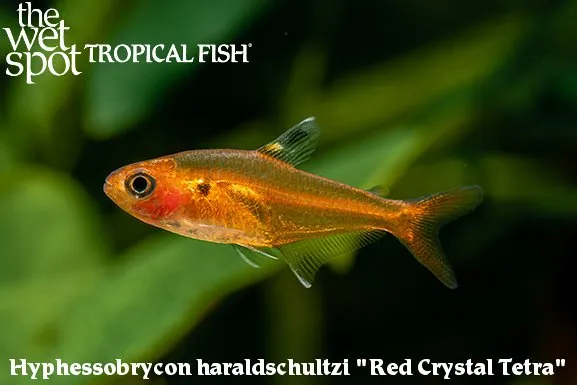 1 in (2.5 cm)10 gal (38 L)73–82°F (23–28°C)
Crystal red tetra
Hyphessobrycon haraldschultzi
1 in (2.5 cm) · 10 gal (38 L)
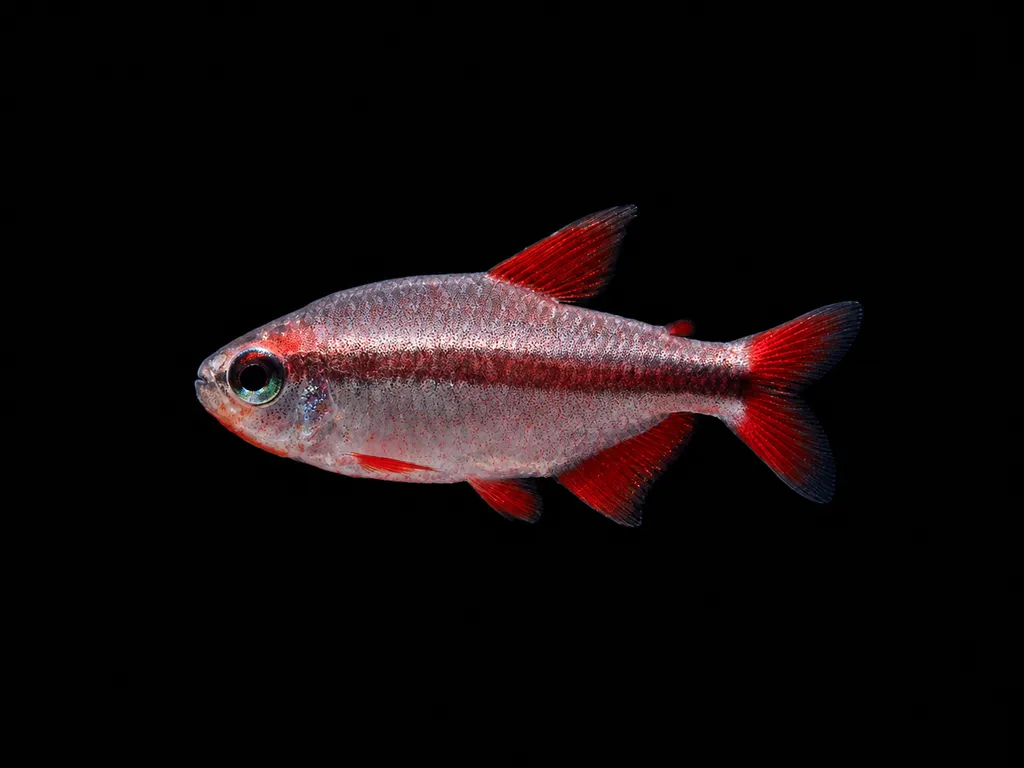 1 in (2.5 cm)10 gal (38 L)73–82°F (23–28°C)
Red devil tetra
Hyphessobrycon piranga
1 in (2.5 cm) · 10 gal (38 L)
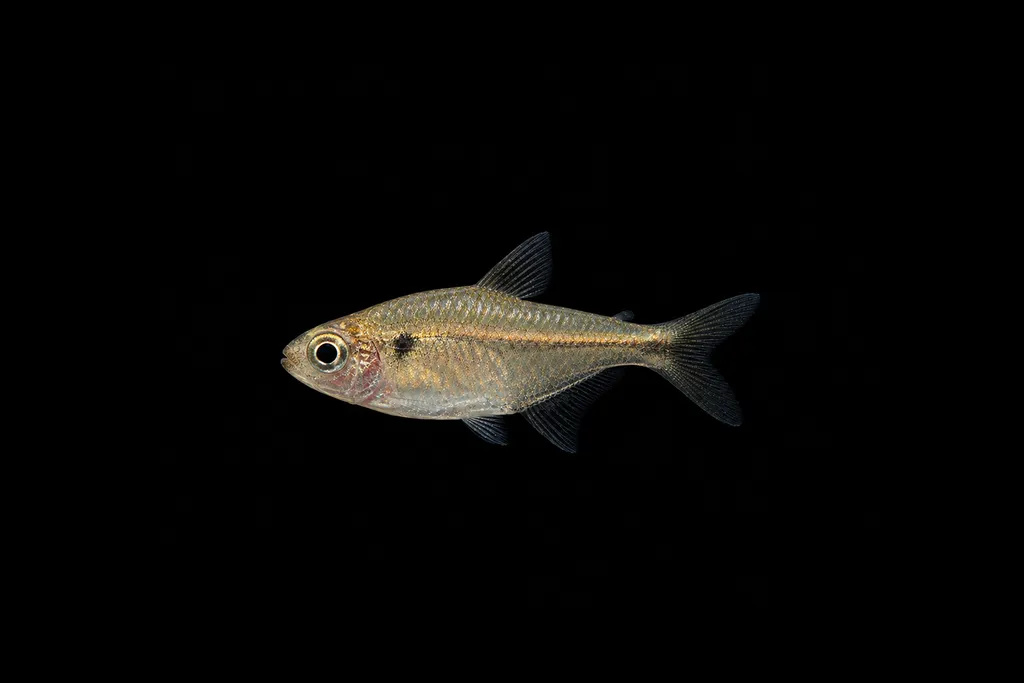 1 in (2.6 cm)10 gal (38 L)72–82°F (22–28°C)
Parvellus tetra
Hyphessobrycon parvellus
1 in (2.6 cm) · 10 gal (38 L)
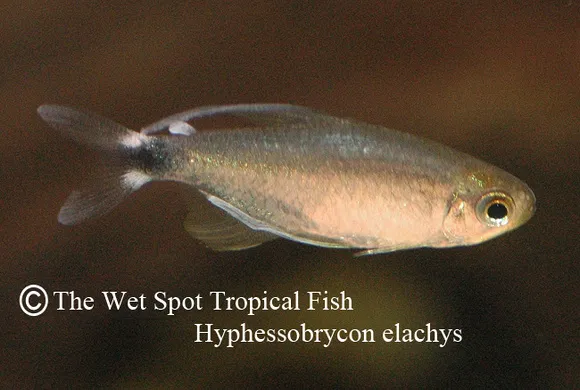 0.9 in (2.4 cm)10 gal (38 L)68–79°F (20–26°C)
Veiltail tetra
Hyphessobrycon elachys
0.9 in (2.4 cm) · 10 gal (38 L)
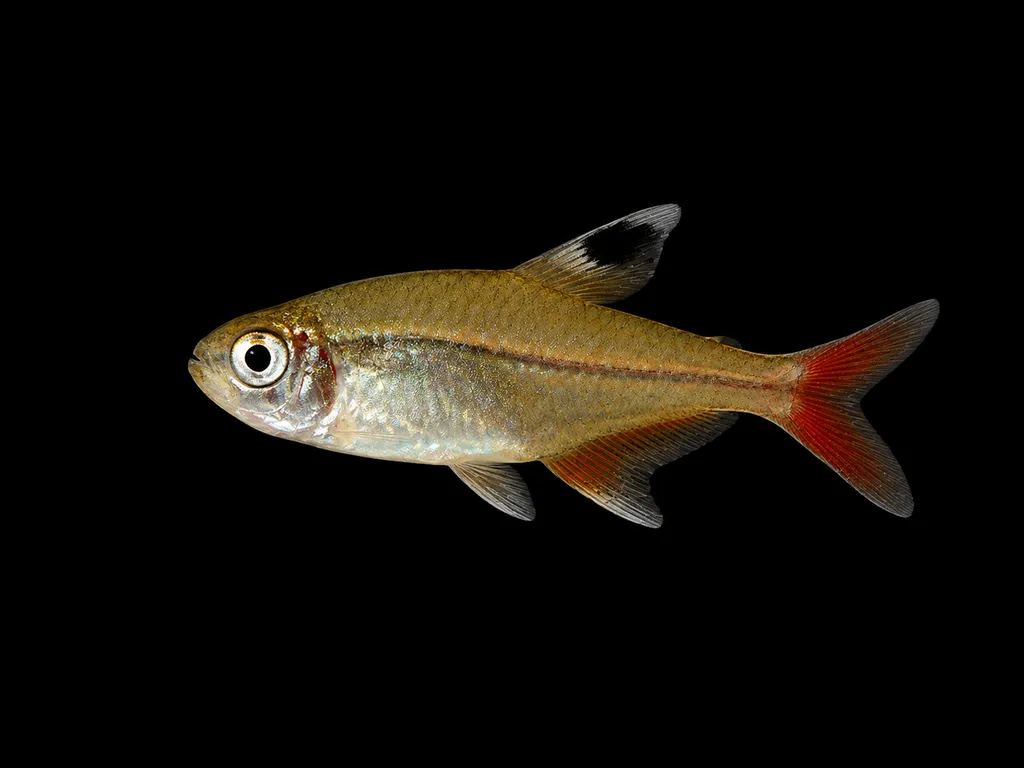 1.1 in (2.8 cm)10 gal (38 L)72–82°F (22–28°C)
Calypso tetra
Hyphessobrycon axelrodi
1.1 in (2.8 cm) · 10 gal (38 L)
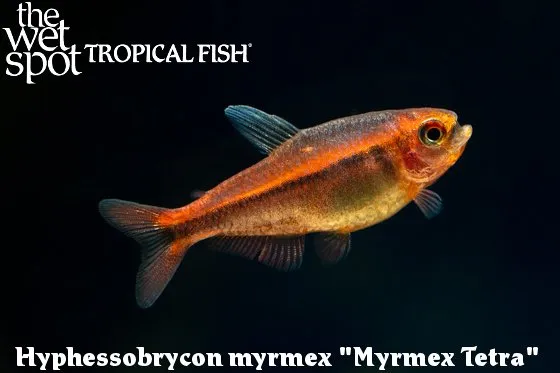 1.1 in (2.9 cm)10 gal (38 L)72–81°F (22–27°C)
Ant tetra
Hyphessobrycon myrmex
1.1 in (2.9 cm) · 10 gal (38 L)