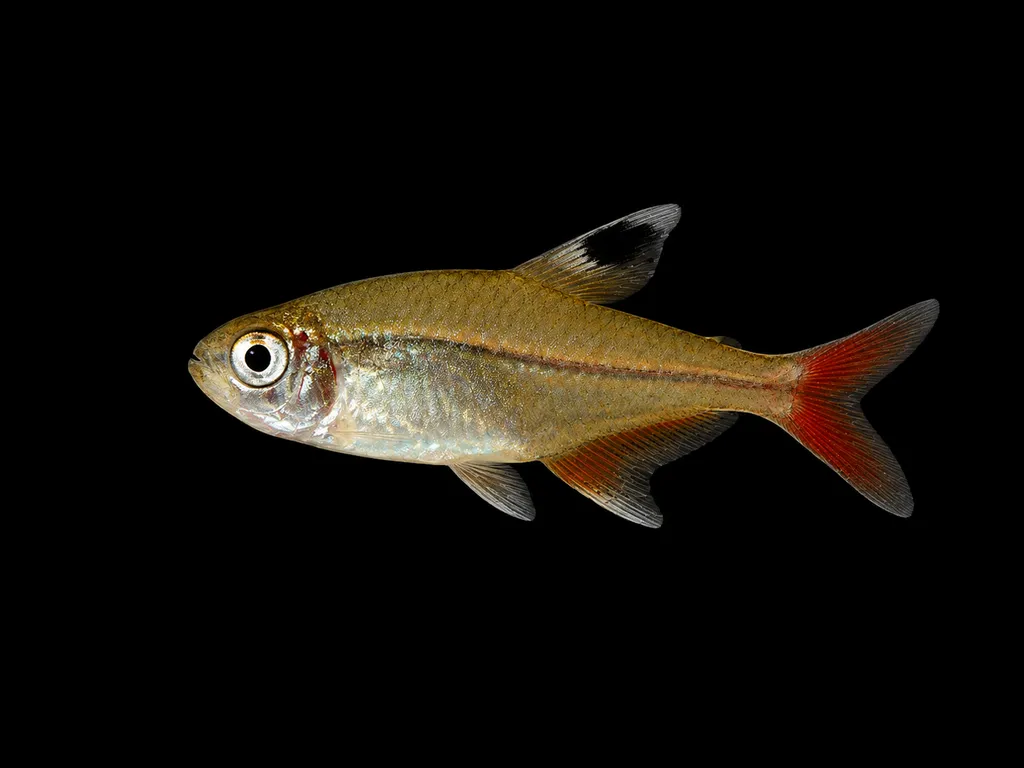
Calypso tetra
Hyphessobrycon axelrodi
Also known as Axelrod's tetra
FreshwaterFish
Care at a glance
- Temperature
- 72–82°F
- 22–28°C
- pH
- 5.5–7.2
- Adult size
- 1.1 in
- 2.8 cm
- Minimum tank
- 10 gal
- 38 L
- Temperament
- Peaceful
- Social behavior
- Schooling
- Swim level
- Middle
- Difficulty
- Medium
- Breeding
- Medium
- Rarity
- Rare
- Family
- Characidae
- Origin
- Trinidad
Overview
The calypso tetra is a true nano tetra, an understated schooling fish for a calm community. It is best kept by someone with a little experience.
Did you know
The calypso tetra's common name honors calypso, the music of its home island of Trinidad. That makes it one of the few aquarium tetras named after a musical genre.
Caring for the calypso tetra
Keep calypso tetras in a group of at least six, in a nano or larger tank of 10 gal (38 L) or more. A planted tank with dark gravel and quiet flow suits them. A tight school over the dark bottom shows them at their best.
They settle well at 72 to 82°F (22 to 28°C) and a pH of 5.5 to 7.2. They feed readily on crushed flake, micro pellets and baby brine shrimp.
Calypso tetras are peaceful but too small to share water with anything boisterous, so keep them with other gentle fish. Breeding them takes some effort.
Good to know
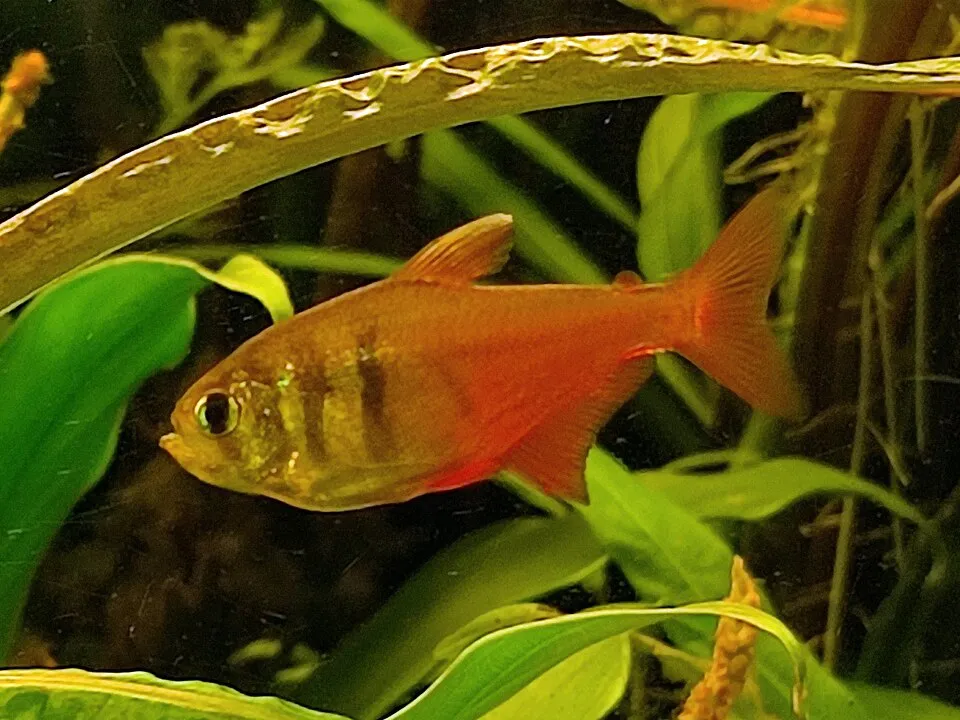
The calypso tetra was described by Travassos in 1959 and named for Herbert Axelrod. It is one of the few Hyphessobrycon found off the South American mainland. It has a silvery body and a subtle shoulder mark, and its fins pick up a soft amber tint in good condition.
In the wild
The calypso tetra comes from lowland streams and swampy ditches on Trinidad. The water there is warm, shallow and full of vegetation.
Weekly picks
Tank mates
The calypso tetra is a peaceful, schooling species that keeps to the middle. These picks share a community profile with it, are safe together in both directions, and overlap on water type, temperature and pH.
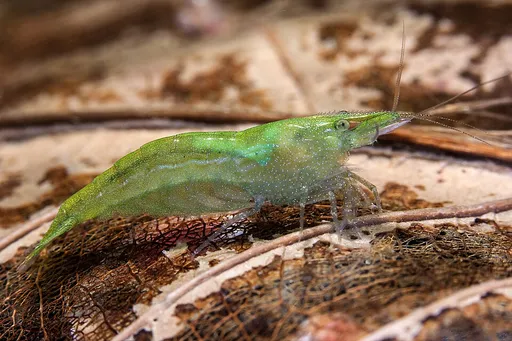
Green babaulti shrimp
Caridina babaulti
Freshwater1.2 in (3 cm) · 10 gal (38 L)72–82°F (22–28°C)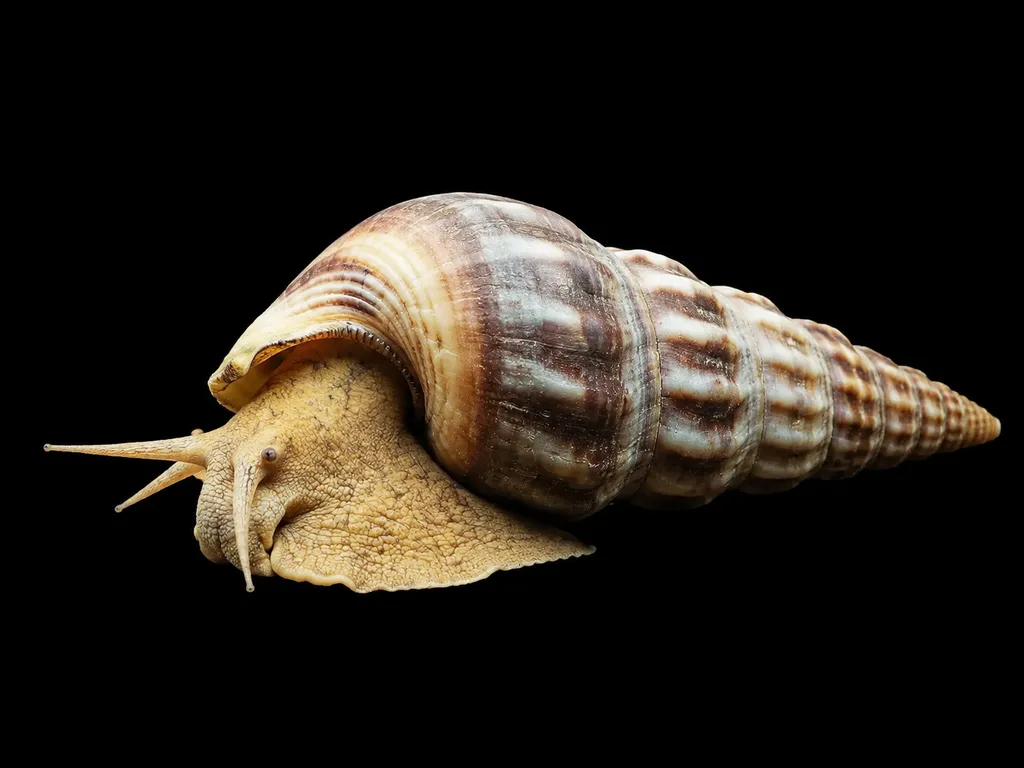
Hercules snail
Brotia herculea
Freshwater3.1 in (8 cm) · 11 gal (40 L)73–82°F (23–28°C)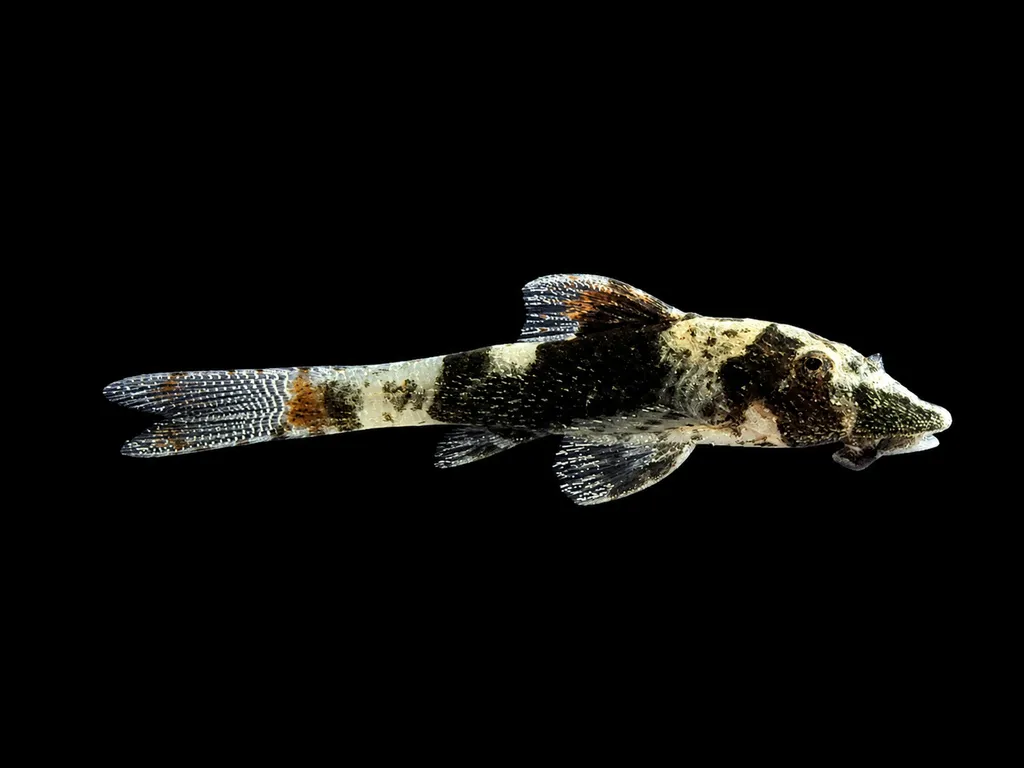
Bumblebee otocinclus
Rhinotocinclus isabelae
Freshwater0.8 in (2 cm) · 11 gal (40 L)73–82°F (23–28°C)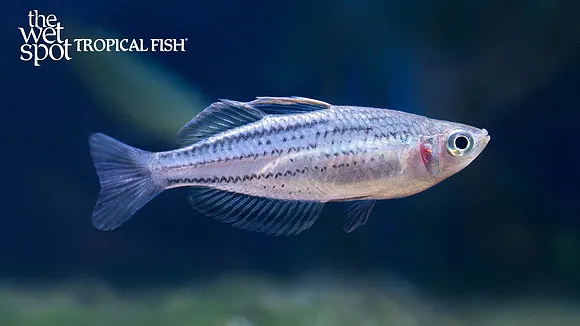
Green panchax
Aplocheilus blockii
Freshwater2 in (5 cm) · 11 gal (40 L)72–82°F (22–28°C)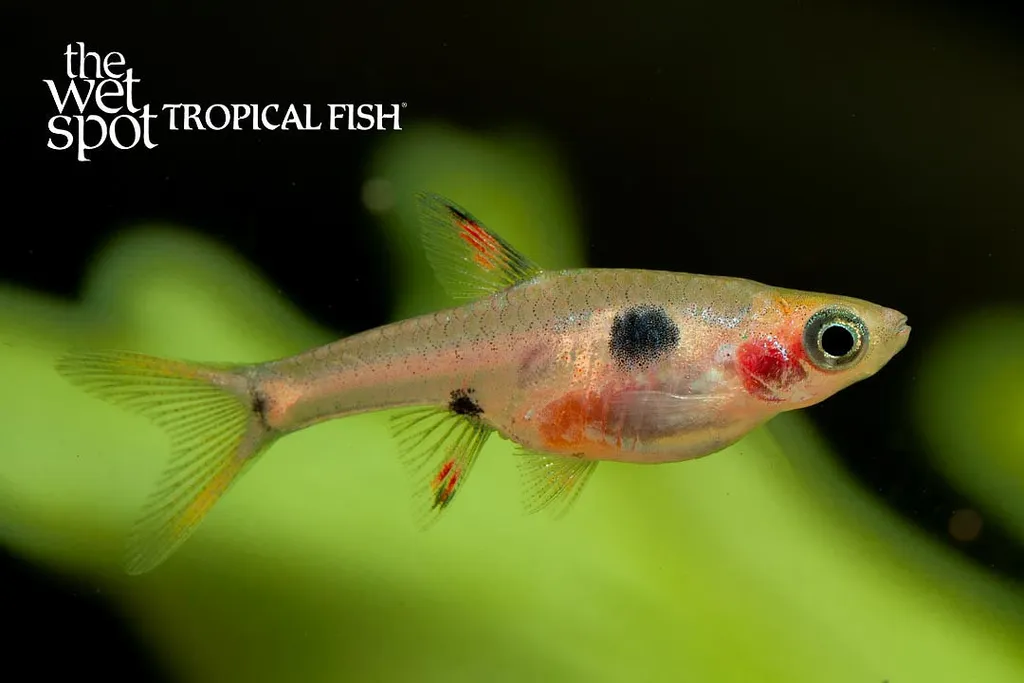
Dwarf rasbora
Boraras maculatus
Freshwater1 in (2.5 cm) · 11 gal (40 L)72–82°F (22–28°C)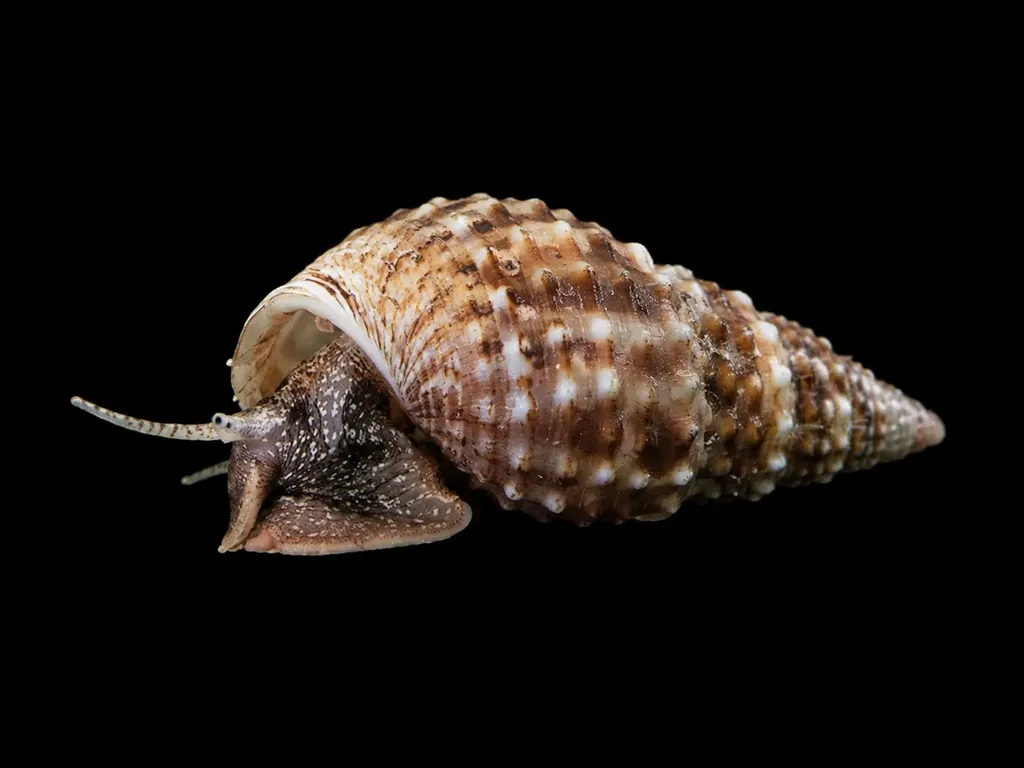
Prambanan snail
Thiara winteri
Freshwater1.6 in (4 cm) · 11 gal (40 L)73–82°F (23–28°C)
Common questions
What size tank does a calypso tetra need?
A calypso tetra needs at least 10 gal (38 L). It spends most of its time in the middle.
What temperature and pH does a calypso tetra need?
A calypso tetra is comfortable at 72–82°F (22–28°C) with a pH of 5.5–7.2.
What does a calypso tetra eat?
A calypso tetra feeds readily on crushed flake, micro pellets and baby brine shrimp.
How big does a calypso tetra get?
An adult calypso tetra reaches about 1.1 in (2.8 cm).
Does a calypso tetra need a group?
Yes. A calypso tetra is a schooling species and should be kept in a group, not singly.
Related species
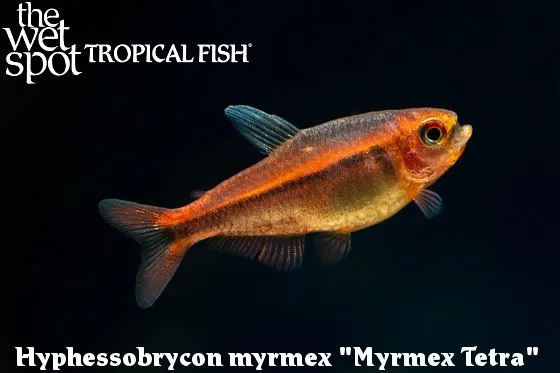 1.1 in (2.9 cm)10 gal (38 L)72–81°F (22–27°C)
Ant tetra
Hyphessobrycon myrmex
1.1 in (2.9 cm) · 10 gal (38 L)
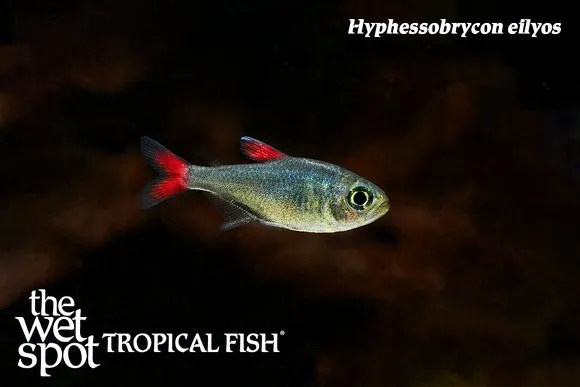 1.2 in (3 cm)12 gal (45 L)72–81°F (22–27°C)
Eilyos tetra
Hyphessobrycon eilyos
1.2 in (3 cm) · 12 gal (45 L)
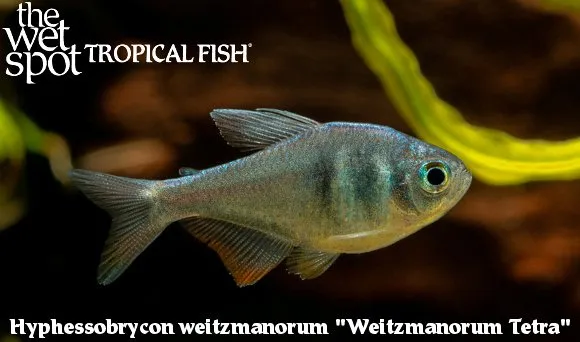 1.2 in (3 cm)12 gal (45 L)72–81°F (22–27°C)
Weitzman's tetra
Hyphessobrycon weitzmanorum
1.2 in (3 cm) · 12 gal (45 L)
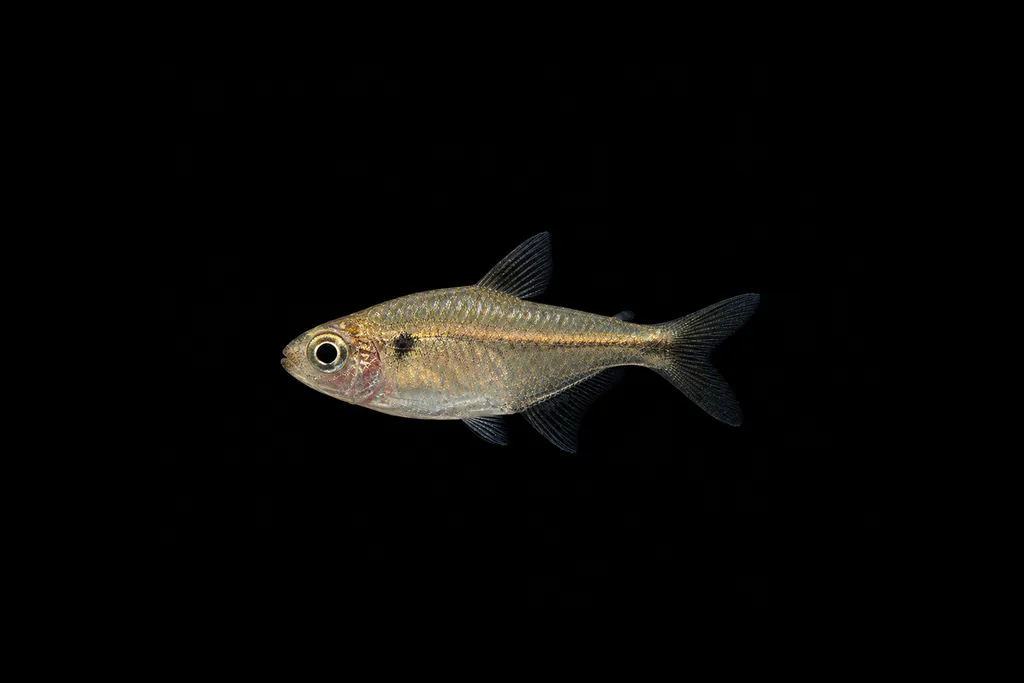 1 in (2.6 cm)10 gal (38 L)72–82°F (22–28°C)
Parvellus tetra
Hyphessobrycon parvellus
1 in (2.6 cm) · 10 gal (38 L)
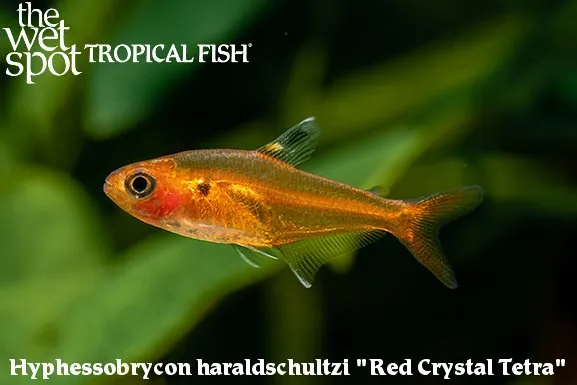 1 in (2.5 cm)10 gal (38 L)73–82°F (23–28°C)
Crystal red tetra
Hyphessobrycon haraldschultzi
1 in (2.5 cm) · 10 gal (38 L)
 1 in (2.5 cm)10 gal (38 L)68–79°F (20–26°C)
Flame tetra
Hyphessobrycon flammeus
1 in (2.5 cm) · 10 gal (38 L)