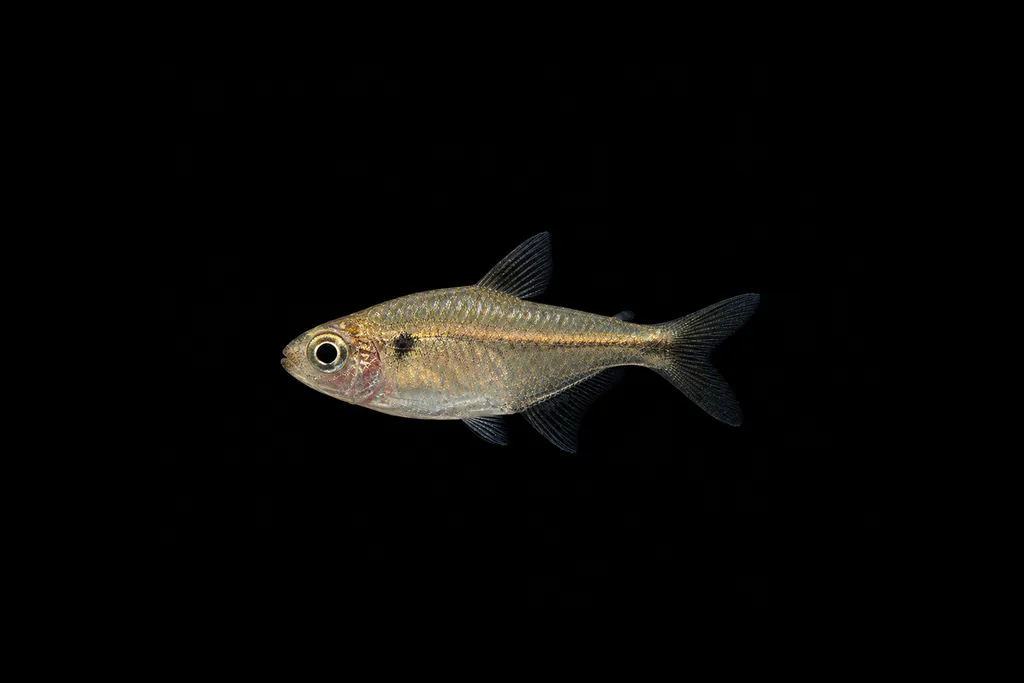
Parvellus tetra
Hyphessobrycon parvellus
Also known as Bahia dwarf tetra
FreshwaterFish
Care at a glance
- Temperature
- 72–82°F
- 22–28°C
- pH
- 6.0–7.5
- Adult size
- 1 in
- 2.6 cm
- Minimum tank
- 10 gal
- 38 L
- Temperament
- Peaceful
- Social behavior
- Schooling
- Swim level
- Middle
- Difficulty
- Medium
- Breeding
- No record
- Rarity
- Rare
- Family
- Characidae
- Origin
- Catu and Itapicuru rivers, Bahia, Brazil
Overview
The Parvellus tetra is a miniature, peaceful schooling fish for a nano or small community tank. It behaves like a smaller, quieter cousin of the common shop tetras. It is a step up from beginner tetras.
Did you know
The Parvellus tetra's name means very small, and it got that name in 1908, back when the genus was young. More than a century later, dozens of even smaller relatives have joined it without taking the name.
Caring for the Parvellus tetra
Give Parvellus tetras 10 gal (38 L) or more, with plants and quiet flow. Keep the water at 72 to 82°F (22 to 28°C) and a pH of 6.0 to 7.5. Feed crushed flake, micro granules and baby brine shrimp.
Keep eight or more, since this miniature is best appreciated in numbers. They are peaceful and swim in the middle of the tank. Choose their tank mates for gentleness and small mouths.
Good to know
The Parvellus tetra, Hyphessobrycon parvellus, belongs to the family Characidae. Northeastern coastal tetras like this one sit far from the hobby's usual collection routes, which keeps it scarce.
In the wild
The Parvellus tetra comes from the Catu and Itapicuru rivers in northeastern Bahia, Brazil. These are coastal drainages, independent of the Amazon.
Weekly picks
Tank mates
The Parvellus tetra is a peaceful, schooling species that keeps to the middle. These picks share a community profile with it, are safe together in both directions, and overlap on water type, temperature and pH.
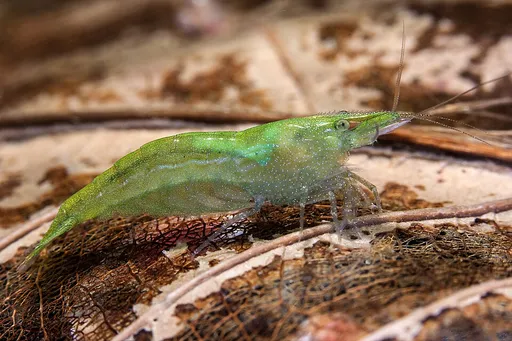
Green babaulti shrimp
Caridina babaulti
Freshwater1.2 in (3 cm) · 10 gal (38 L)72–82°F (22–28°C)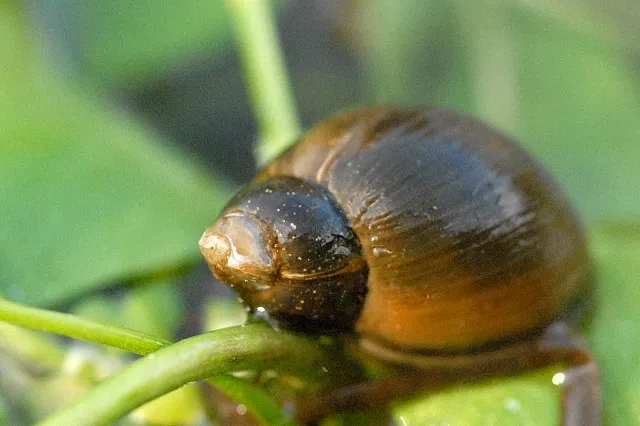
Wandering snail
Ampullaceana balthica
Freshwater0.8 in (2 cm) · 11 gal (40 L)50–84°F (10–29°C)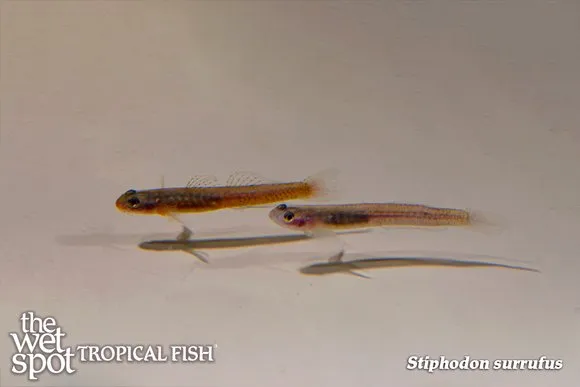
Birdsong goby
Stiphodon surrufus
Freshwater1 in (2.5 cm) · 11 gal (40 L)73–81°F (23–27°C)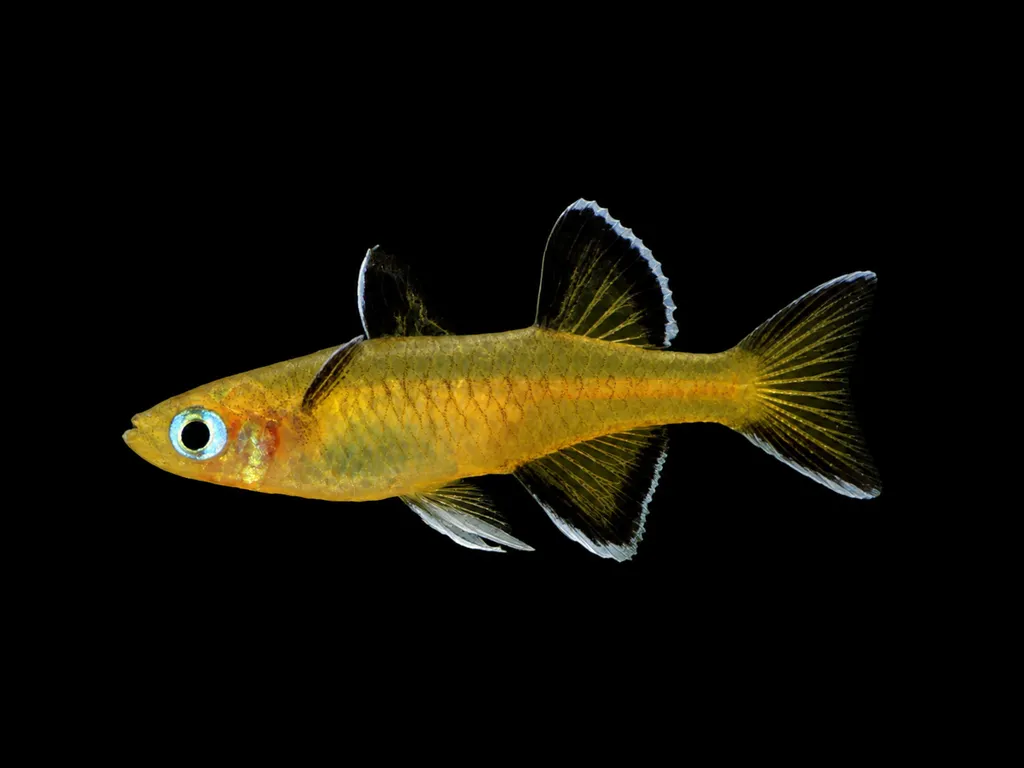
Honey blue-eye
Pseudomugil mellis
Freshwater1.4 in (3.5 cm) · 11 gal (40 L)68–82°F (20–28°C)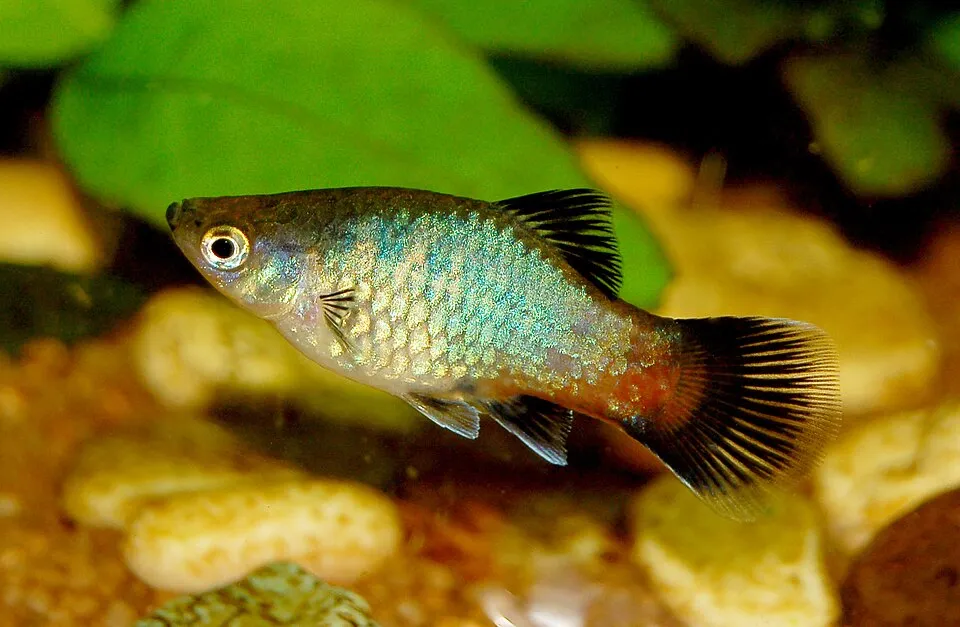
Southern platy
Xiphophorus maculatus
Freshwater2.8 in (7 cm) · 10 gal (38 L)68–79°F (20–26°C)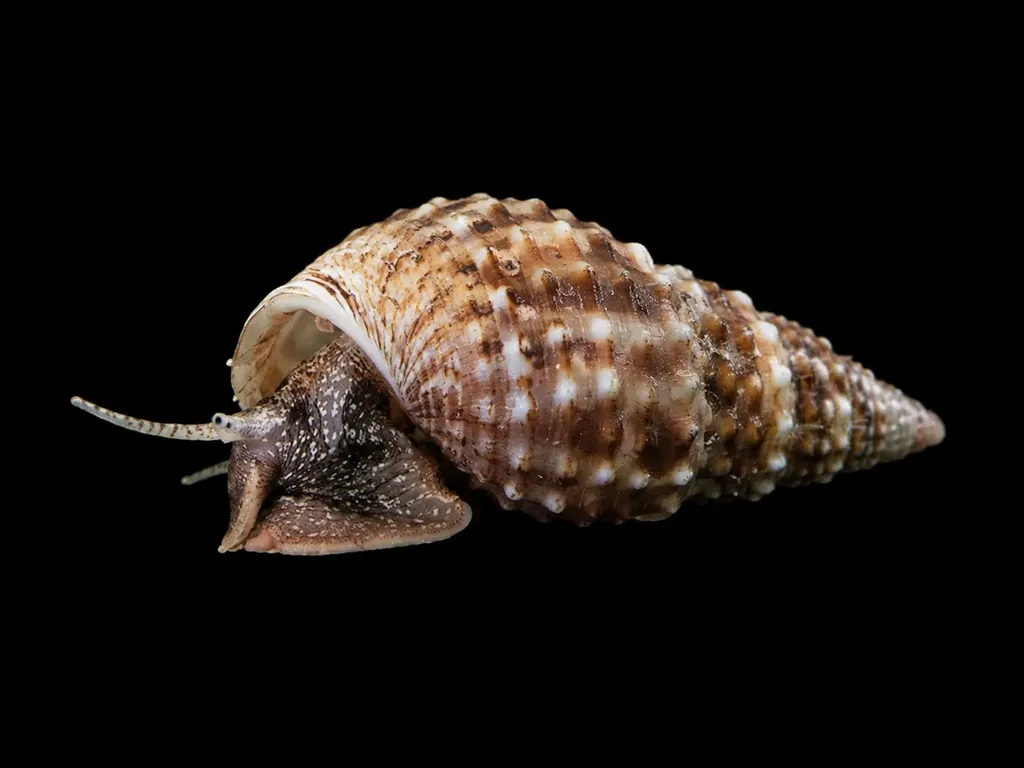
Prambanan snail
Thiara winteri
Freshwater1.6 in (4 cm) · 11 gal (40 L)73–82°F (23–28°C)
Common questions
What size tank does a Parvellus tetra need?
A Parvellus tetra needs at least 10 gal (38 L). It spends most of its time in the middle.
What temperature and pH does a Parvellus tetra need?
A Parvellus tetra is comfortable at 72–82°F (22–28°C) with a pH of 6.0–7.5.
What does a Parvellus tetra eat?
A Parvellus tetra eats crushed flake, micro granules and baby brine shrimp.
How big does a Parvellus tetra get?
An adult Parvellus tetra reaches about 1 in (2.6 cm).
Does a Parvellus tetra need a group?
Yes. A Parvellus tetra is a schooling species and should be kept in a group, not singly.
Related species
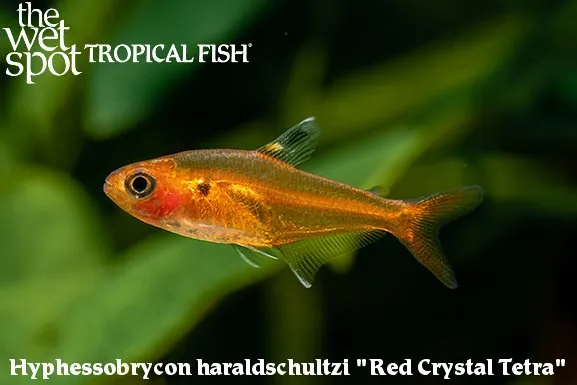 1 in (2.5 cm)10 gal (38 L)73–82°F (23–28°C)
Crystal red tetra
Hyphessobrycon haraldschultzi
1 in (2.5 cm) · 10 gal (38 L)
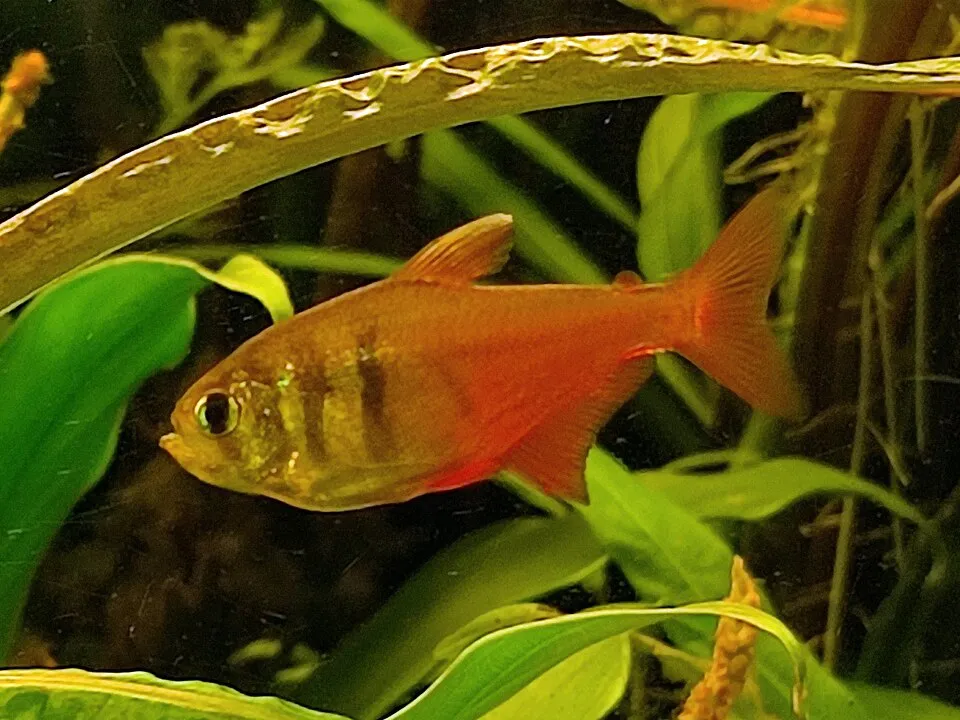 1 in (2.5 cm)10 gal (38 L)68–79°F (20–26°C)
Flame tetra
Hyphessobrycon flammeus
1 in (2.5 cm) · 10 gal (38 L)
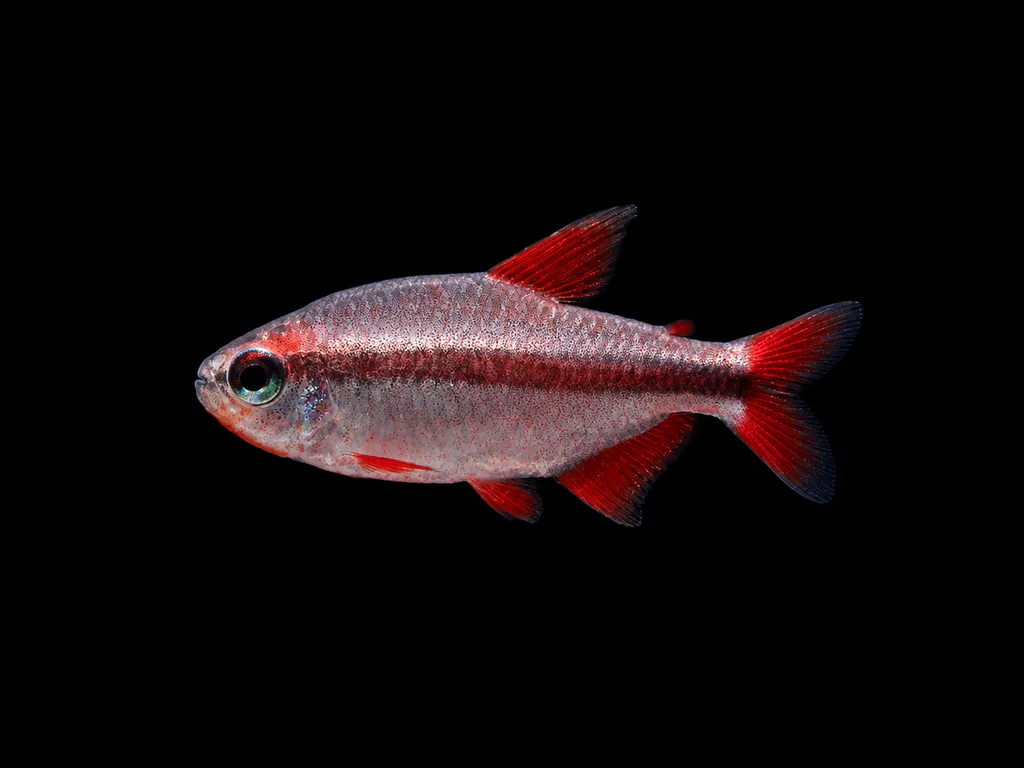 1 in (2.5 cm)10 gal (38 L)73–82°F (23–28°C)
Red devil tetra
Hyphessobrycon piranga
1 in (2.5 cm) · 10 gal (38 L)
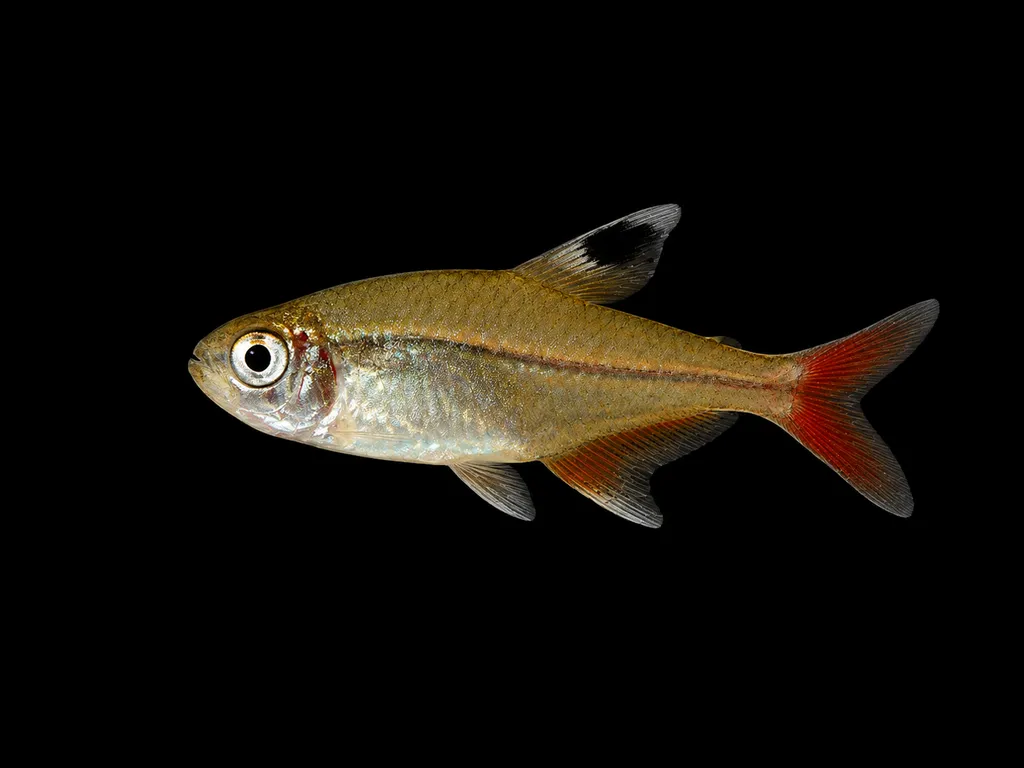 1.1 in (2.8 cm)10 gal (38 L)72–82°F (22–28°C)
Calypso tetra
Hyphessobrycon axelrodi
1.1 in (2.8 cm) · 10 gal (38 L)
 0.9 in (2.4 cm)10 gal (38 L)68–79°F (20–26°C)
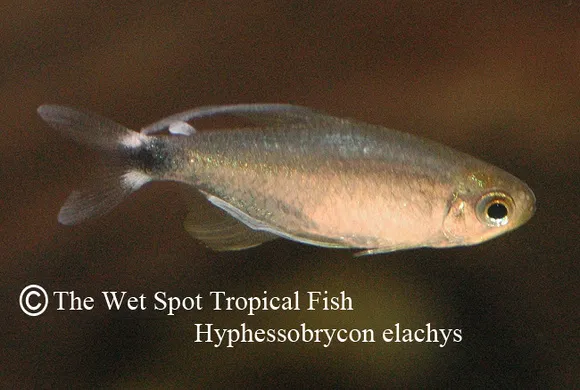
Veiltail tetra
Hyphessobrycon elachys
0.9 in (2.4 cm) · 10 gal (38 L)
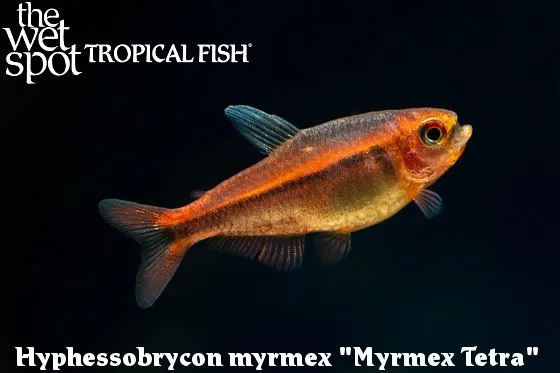 1.1 in (2.9 cm)10 gal (38 L)72–81°F (22–27°C)
Ant tetra
Hyphessobrycon myrmex
1.1 in (2.9 cm) · 10 gal (38 L)