Veiltail tetra
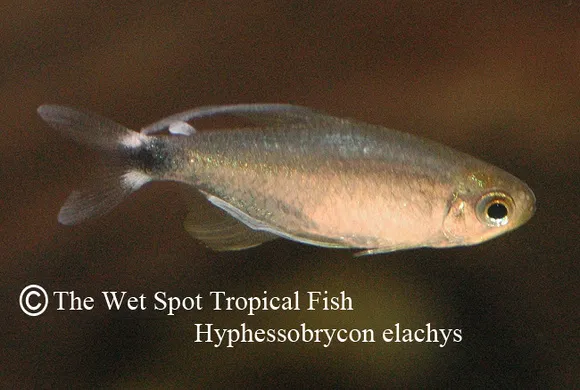
Hyphessobrycon elachys
Also known as Reed tetra
FreshwaterFish
Care at a glance
- Temperature
- 68–79°F
- 20–26°C
- pH
- 6.0–7.2
- Adult size
- 0.9 in
- 2.4 cm
- Minimum tank
- 10 gal
- 38 L
- Temperament
- Peaceful
- Social behavior
- Schooling
- Swim level
- Middle
- Difficulty
- Medium
- Breeding
- Medium
- Rarity
- Rare
- Family
- Characidae
- Origin
- Paraguay River basin
Overview
The veiltail tetra is a tiny, peaceful schooling fish for a heavily planted nano tank. It is a good choice once you have a little experience.
Did you know
A male veiltail tetra in display mode carries fins nearly as tall as his body is deep. That is a lot of sail for a fish shorter than a paperclip.
Caring for the veiltail tetra
Keep a dozen veiltail tetras if you can, in a heavily planted tank of 10 gal (38 L) or more. Males display constantly in a good-sized group, and that fin show is the whole point of keeping them. Give them plants thick enough to weave through.
They prefer slightly cooler water than Amazon tetras, at 68 to 79°F (20 to 26°C) and a pH of 6.0 to 7.2. Feed small foods such as crushed flake, micro granules and brine shrimp nauplii.
Veiltail tetras are peaceful and swim in the middle of the tank. House them with equally tiny, calm fish, or keep them on their own.
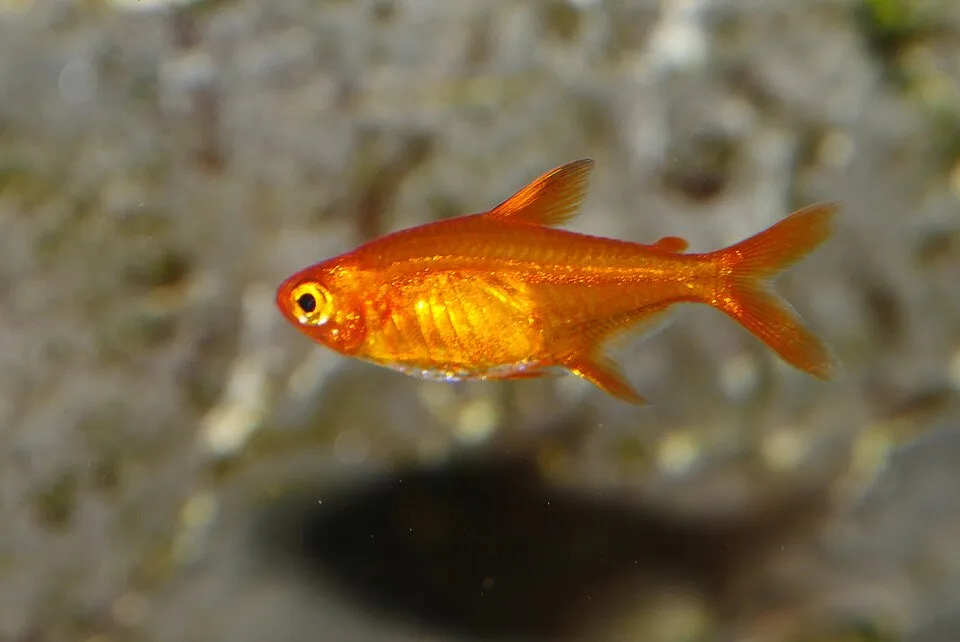
Mature males grow extended dorsal and anal fins that trail like pennants, while females stay short-finned. Breeding them is moderately difficult.
Good to know
The veiltail tetra is a characin of the family Characidae. Its species name, elachys, comes from the Greek for small, and the veiltail name comes from the male's trailing fins.
In the wild
The veiltail tetra lives among dense vegetation in quiet backwaters of the Paraguay basin, often in reedy shallows.
Weekly picks
Tank mates
The veiltail tetra is a peaceful, schooling species that keeps to the middle. These picks share a community profile with it, are safe together in both directions, and overlap on water type, temperature and pH.
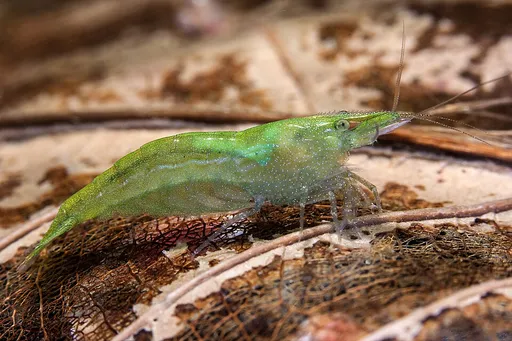
Green babaulti shrimp
Caridina babaulti
Freshwater1.2 in (3 cm) · 10 gal (38 L)72–82°F (22–28°C)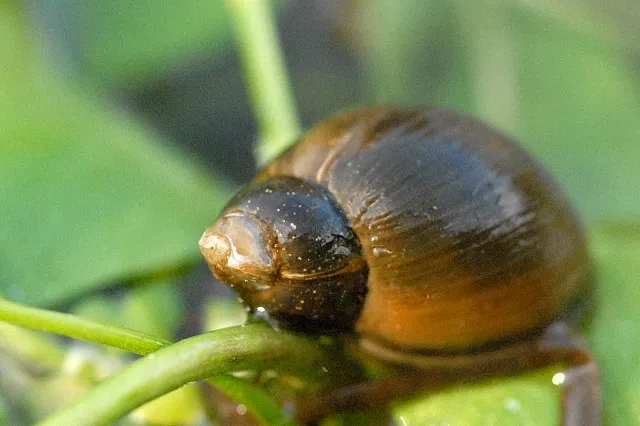
Wandering snail
Ampullaceana balthica
Freshwater0.8 in (2 cm) · 11 gal (40 L)50–84°F (10–29°C)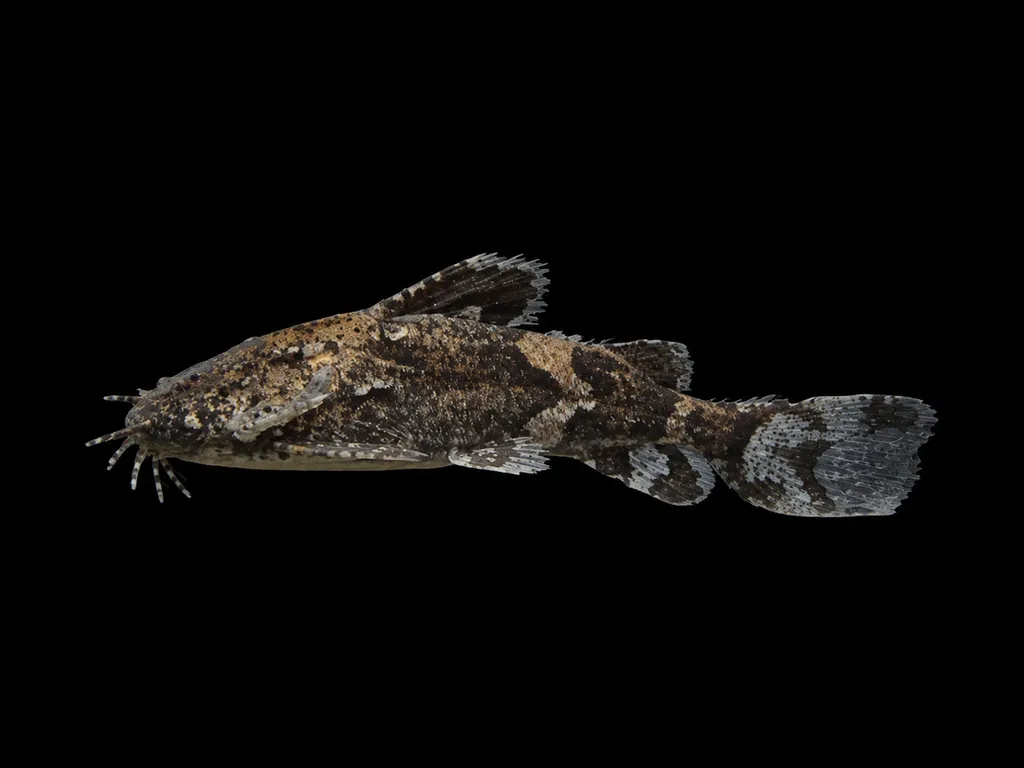
Burmese mini moth catfish
Hara minuscula
Freshwater1.2 in (3 cm) · 11 gal (40 L)68–79°F (20–26°C)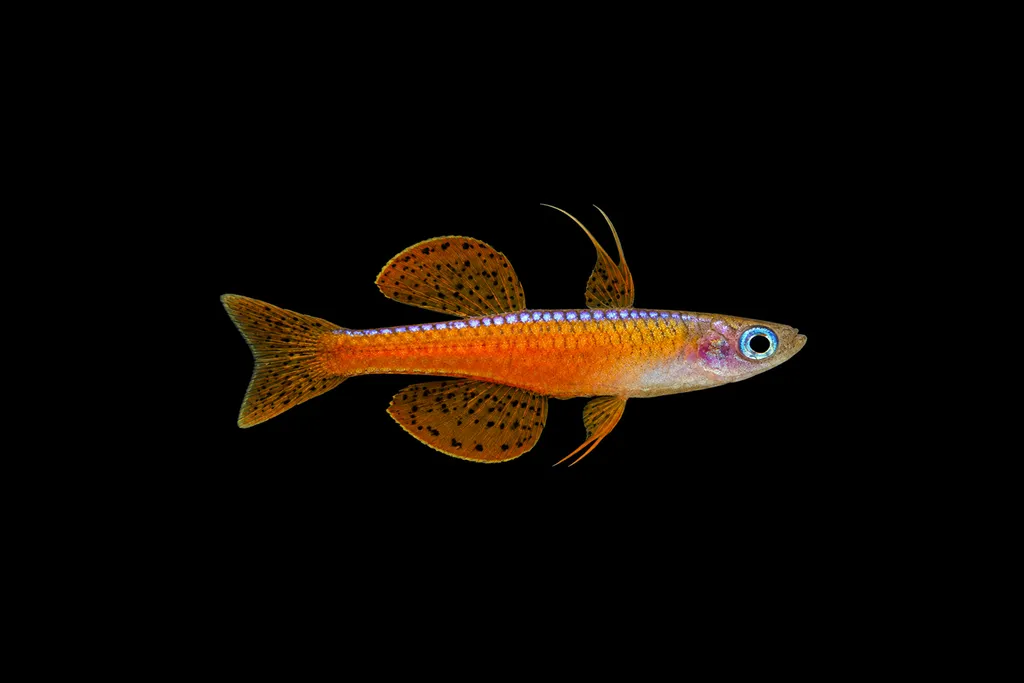
Paska's blue-eye
Pseudomugil paskai
Freshwater1.4 in (3.5 cm) · 11 gal (40 L)72–79°F (22–26°C)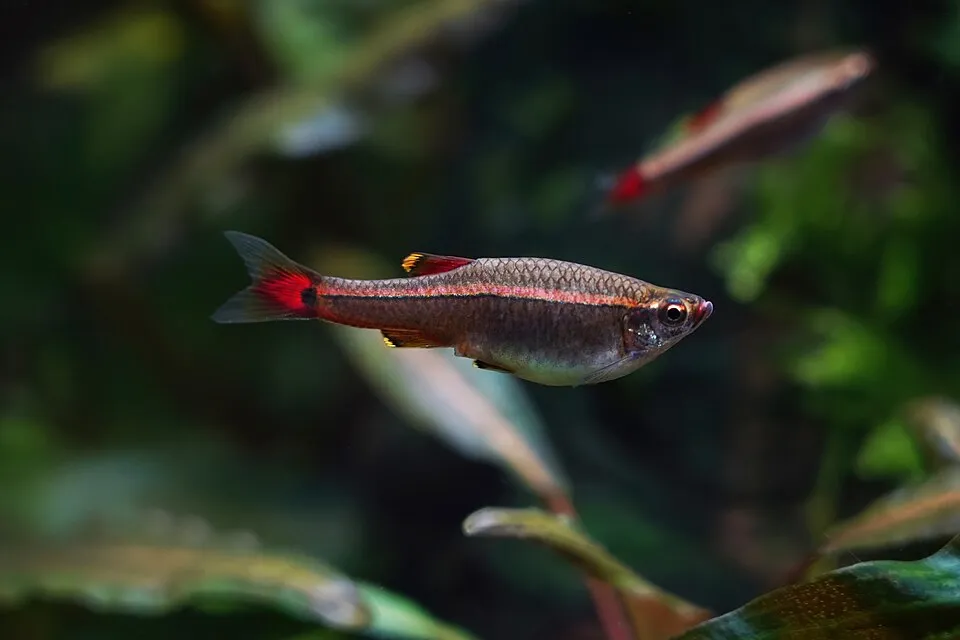
White Cloud Mountain minnow
Tanichthys albonubes
Freshwater1.6 in (4 cm) · 10 gal (38 L)57–72°F (14–22°C)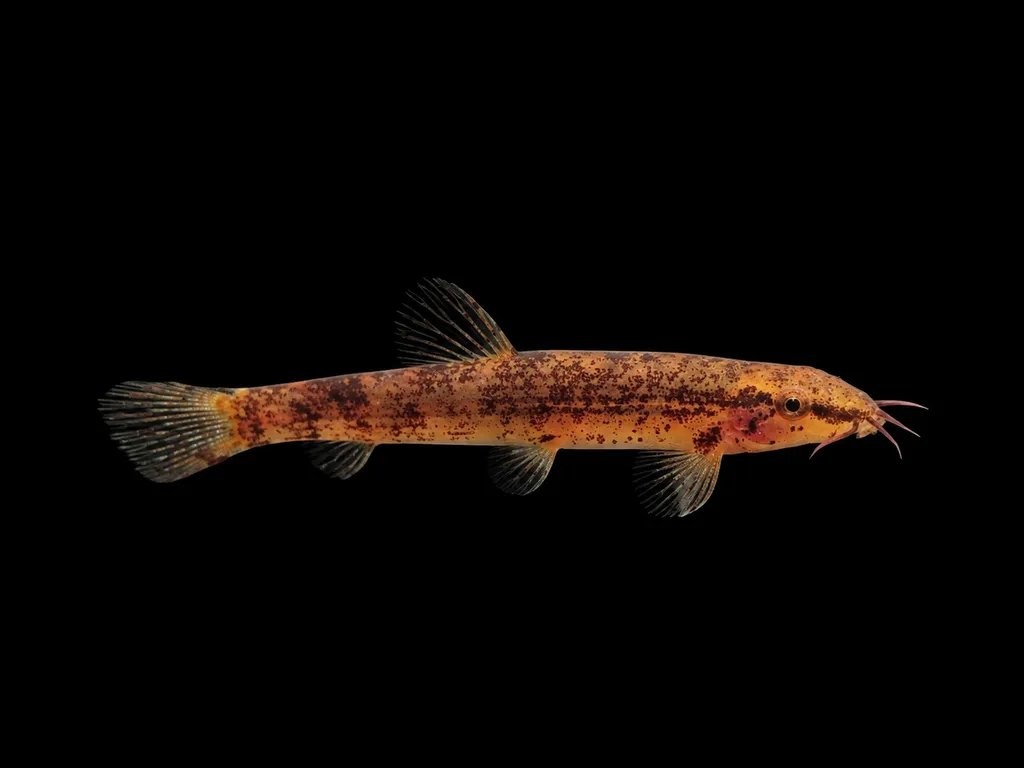
Dwarf lizard loach
Neohomaloptera johorensis
Freshwater1 in (2.5 cm) · 11 gal (40 L)72–79°F (22–26°C)
Common questions
What size tank does a veiltail tetra need?
A veiltail tetra needs at least 10 gal (38 L). It spends most of its time in the middle.
What temperature and pH does a veiltail tetra need?
A veiltail tetra is comfortable at 68–79°F (20–26°C) with a pH of 6.0–7.2.
What does a veiltail tetra eat?
A veiltail tetra eats small foods, such as crushed flake, micro granules and brine shrimp nauplii.
How big does a veiltail tetra get?
An adult veiltail tetra reaches about 0.9 in (2.4 cm).
Does a veiltail tetra need a group?
Yes. A veiltail tetra is a schooling species and should be kept in a group, not singly.
Related species
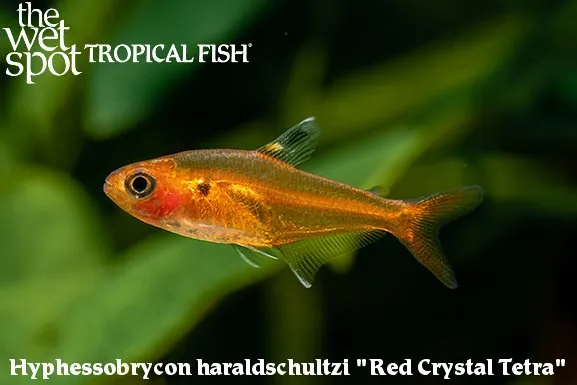 1 in (2.5 cm)10 gal (38 L)73–82°F (23–28°C)
Crystal red tetra
Hyphessobrycon haraldschultzi
1 in (2.5 cm) · 10 gal (38 L)
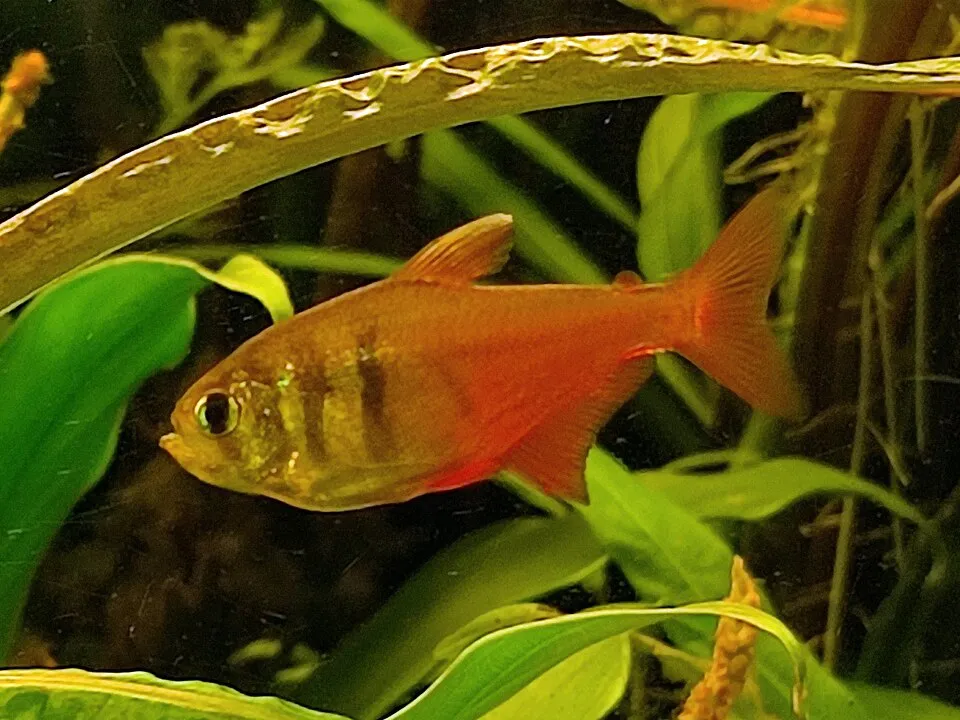 1 in (2.5 cm)10 gal (38 L)68–79°F (20–26°C)
Flame tetra
Hyphessobrycon flammeus
1 in (2.5 cm) · 10 gal (38 L)
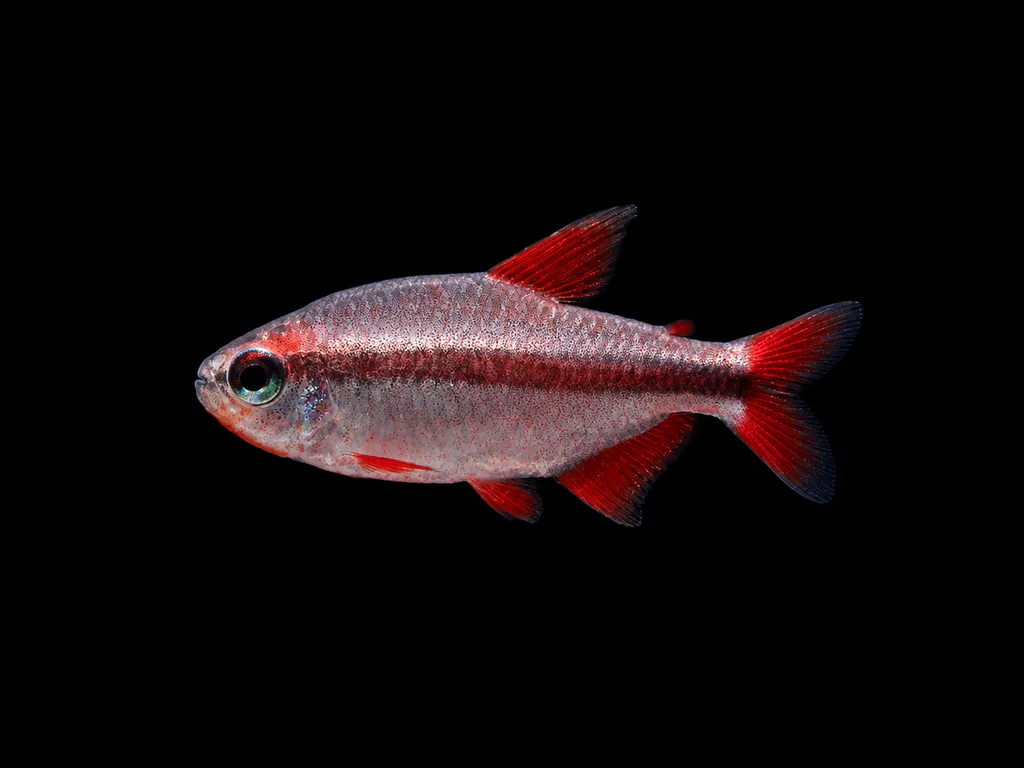 1 in (2.5 cm)10 gal (38 L)73–82°F (23–28°C)
Red devil tetra
Hyphessobrycon piranga
1 in (2.5 cm) · 10 gal (38 L)
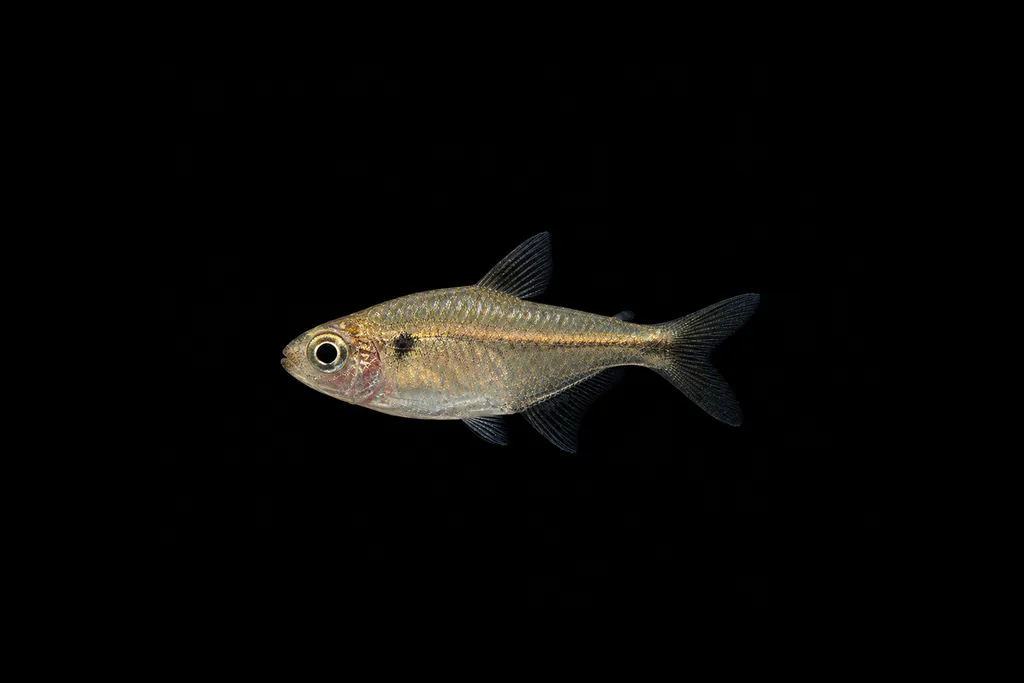 1 in (2.6 cm)10 gal (38 L)72–82°F (22–28°C)
Parvellus tetra
Hyphessobrycon parvellus
1 in (2.6 cm) · 10 gal (38 L)
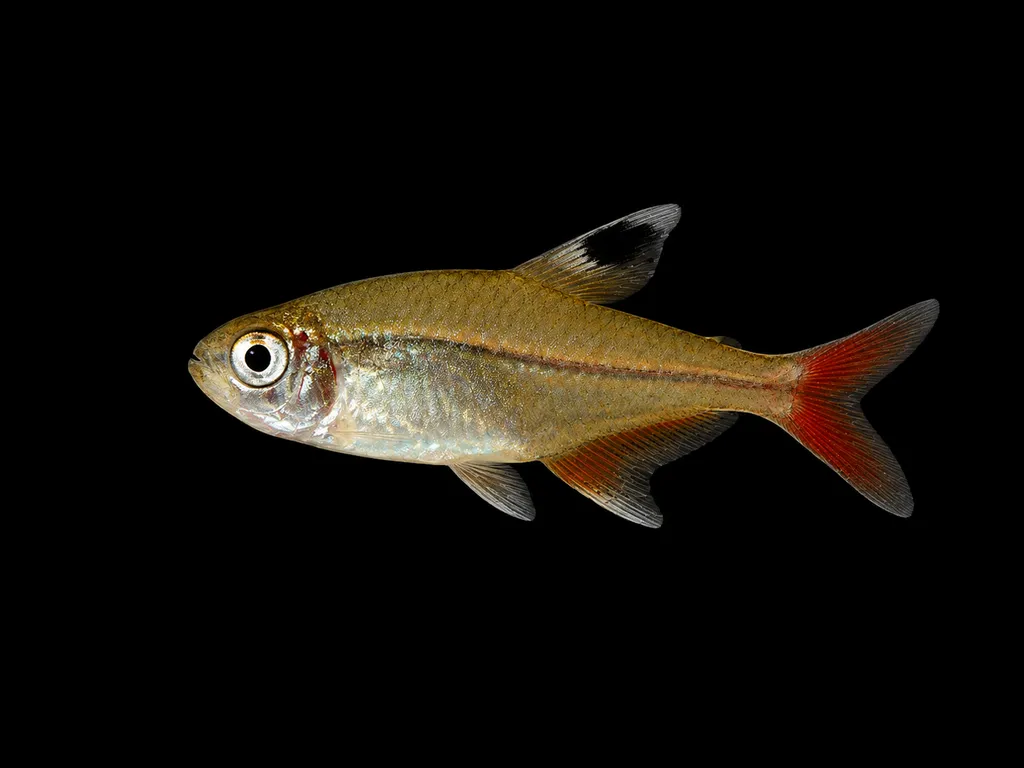 1.1 in (2.8 cm)10 gal (38 L)72–82°F (22–28°C)
Calypso tetra
Hyphessobrycon axelrodi
1.1 in (2.8 cm) · 10 gal (38 L)
 0.8 in (2 cm)9 gal (35 L)72–82°F (22–28°C)
Ember tetra
Hyphessobrycon amandae
0.8 in (2 cm) · 9 gal (35 L)