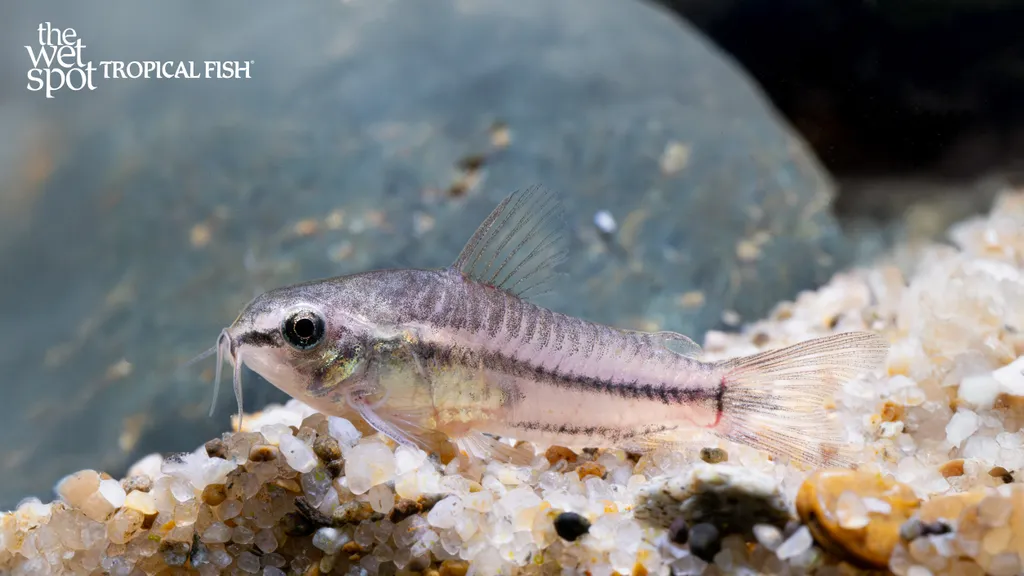
Pygmy cory
Gastrodermus pygmaeus
Also known as Corydoras pygmaeus
FreshwaterFish
Care at a glance
- Temperature
- 72–79°F
- 22–26°C
- pH
- 6.0–7.5
- Adult size
- 1.3 in
- 3.3 cm
- Minimum tank
- 13 gal
- 50 L
- Temperament
- Peaceful
- Social behavior
- Schooling
- Swim level
- Bottom
- Difficulty
- Medium
- Breeding
- Hard
- Rarity
- Rare
- Family
- Callichthyidae
- Origin
- Brazil
Overview
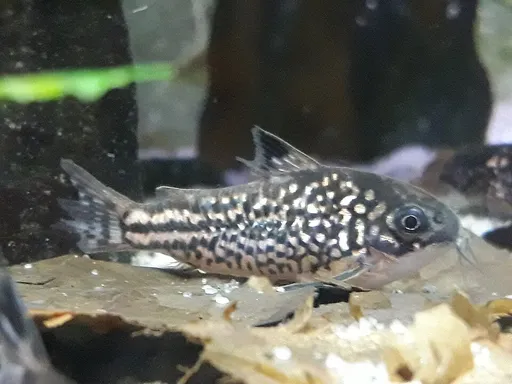
Peaceful and very social, so keep a sizeable group, ideally ten or more, in a tank of about 50 liters or larger. They shoal in the mid water as much as on the bottom. Keep them in low to mid 20s C with a pH of 6 to 7.5, and a soft substrate with gentle flow. Feed tiny foods such as micro pellets, crushed flake, and small live or frozen items like baby brine shrimp. Best kept with other small, gentle fish.
In the wild
Pygmy corys come from slow, clear tributaries in Brazil, often over sand or mud among plants and leaf litter. Recreate that with a soft bottom, gentle flow, and plenty of cover. Because they are tiny, keep them away from anything large enough to eat them.
Good to know
A member of the Callichthyidae, the armored catfish, this is one of the smallest corys at around 3.3 cm. Unlike most of its relatives, it spends much of its time up in the water column rather than on the bottom. Spawning is on the tricky side. It is not listed as endangered, though wild habitat loss is a concern.
Did you know
Pygmy corys hover and dart through open water in a tight little group, which is unusual for a cory. That mid-water shoaling is why they read more like a tiny schooling fish than a typical bottom catfish.
Weekly picks
Tank mates
Pygmy cory is a peaceful, schooling species that keeps to the bottom. These picks share a community profile with it, are safe together in both directions, and overlap on water type, temperature and pH.
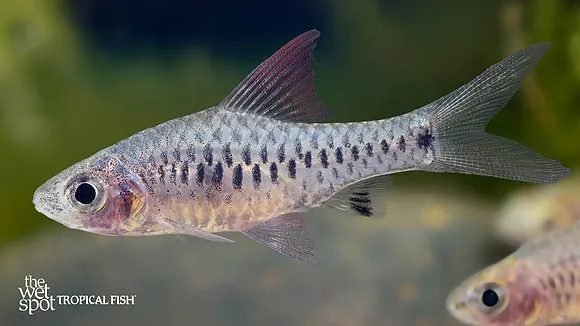
Dwarf hi-fin barb
Oreichthys parvus
Freshwater1.4 in (3.6 cm) · 14 gal (54 L)72–79°F (22–26°C)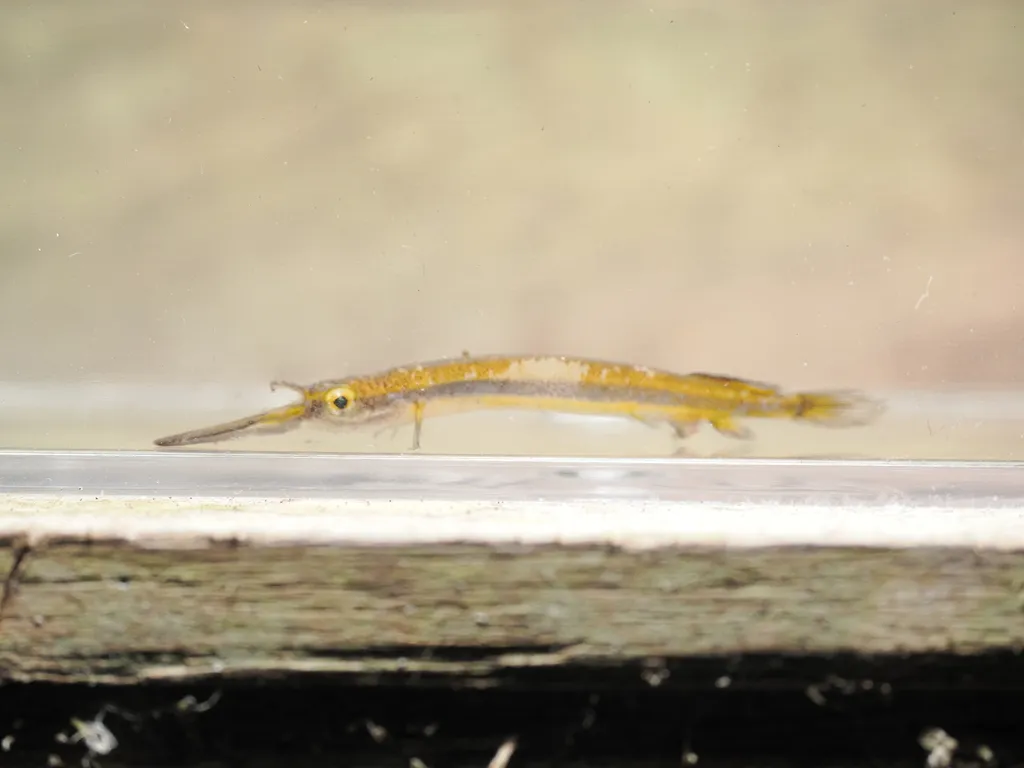
Gold-spotted halfbeak
Hemirhamphodon chrysopunctatus
Freshwater2.6 in (6.5 cm) · 14 gal (54 L)73–81°F (23–27°C)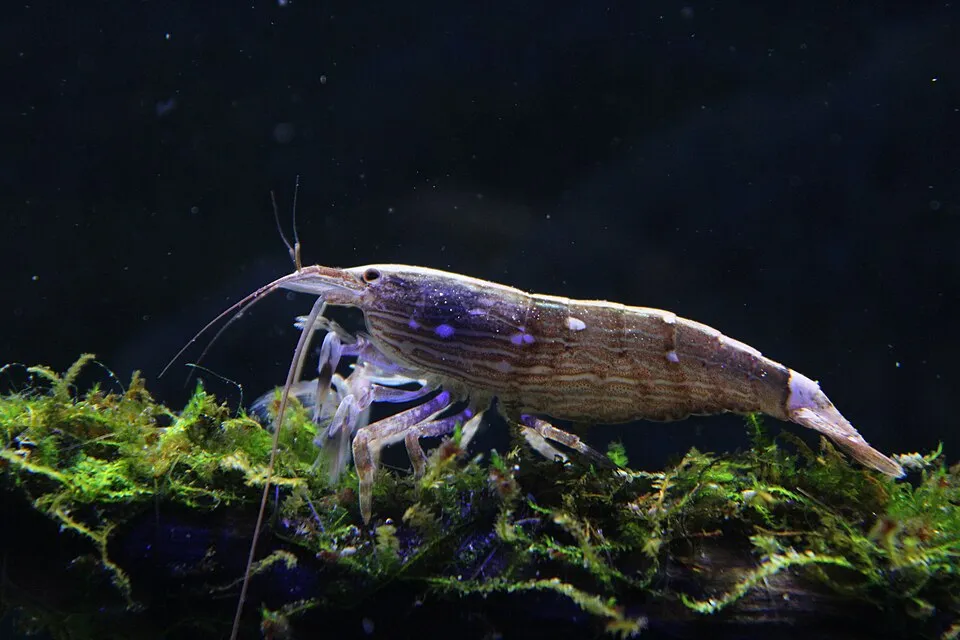
Bamboo shrimp
Atyopsis moluccensis
Freshwater3.9 in (10 cm) · 13 gal (50 L)72–84°F (22–29°C)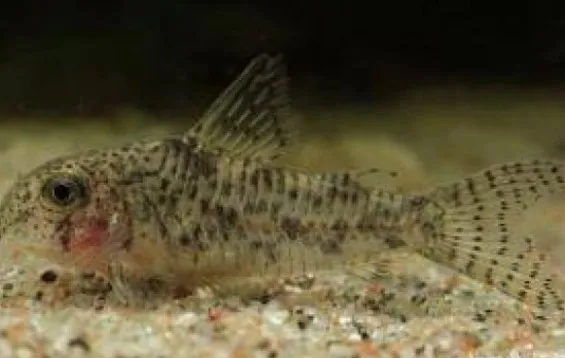
Barred-tail cory
Hoplisoma cochui
Freshwater1.4 in (3.5 cm) · 13 gal (50 L)70–82°F (21–28°C)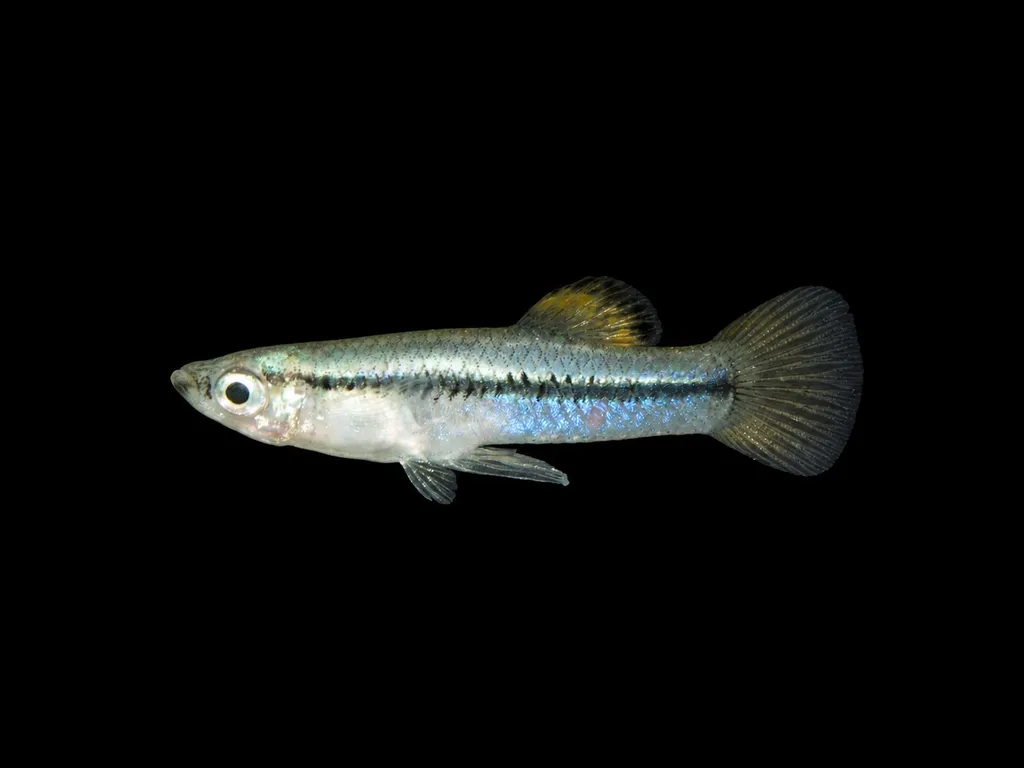
Blackline mosquitofish
Gambusia vittata
Freshwater1.8 in (4.5 cm) · 14 gal (54 L)72–81°F (22–27°C)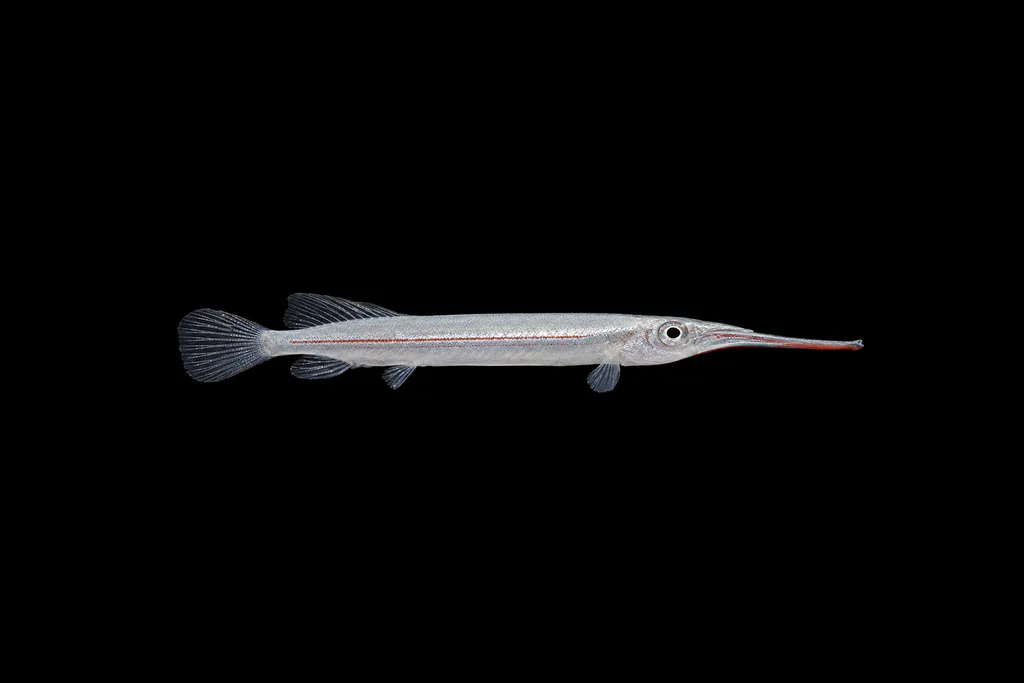
Fire halfbeak
Hemirhamphodon kapuasensis
Freshwater2.4 in (6 cm) · 14 gal (54 L)73–81°F (23–27°C)
Common questions
What size tank does a Pygmy cory need?
A Pygmy cory needs at least 13 gal (50 L). It spends most of its time in the bottom.
What temperature and pH does a Pygmy cory need?
A Pygmy cory is comfortable at 72–79°F (22–26°C) with a pH of 6.0–7.5.
How big does a Pygmy cory get?
An adult Pygmy cory reaches about 1.3 in (3.3 cm).
Does a Pygmy cory need a group?
Yes. A Pygmy cory is a schooling species and should be kept in a group, not singly.
Related species
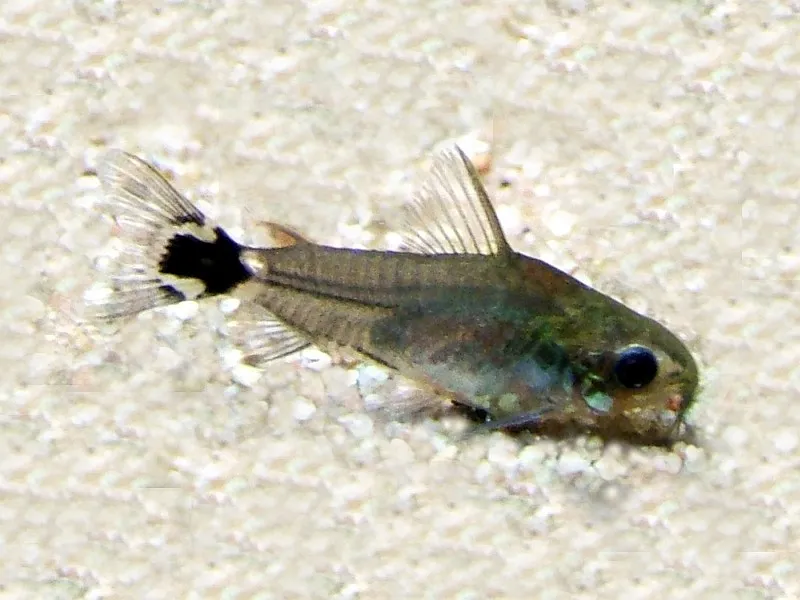 1.3 in (3.2 cm)12 gal (45 L)68–79°F (20–26°C)
Dwarf cory
Gastrodermus hastatus
1.3 in (3.2 cm) · 12 gal (45 L)
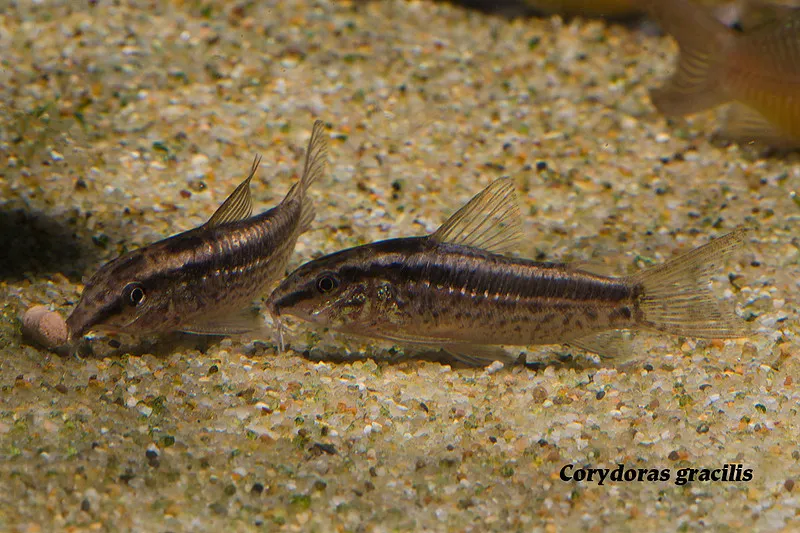 1.4 in (3.5 cm)12 gal (45 L)72–79°F (22–26°C)
Nano cory
Gastrodermus gracilis
1.4 in (3.5 cm) · 12 gal (45 L)
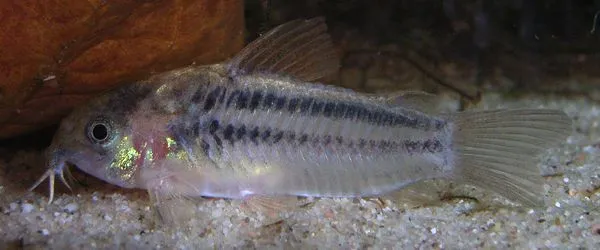 1.8 in (4.5 cm)16 gal (60 L)72–79°F (22–26°C)
Nain dwarf cory
Gastrodermus nanus
1.8 in (4.5 cm) · 16 gal (60 L)
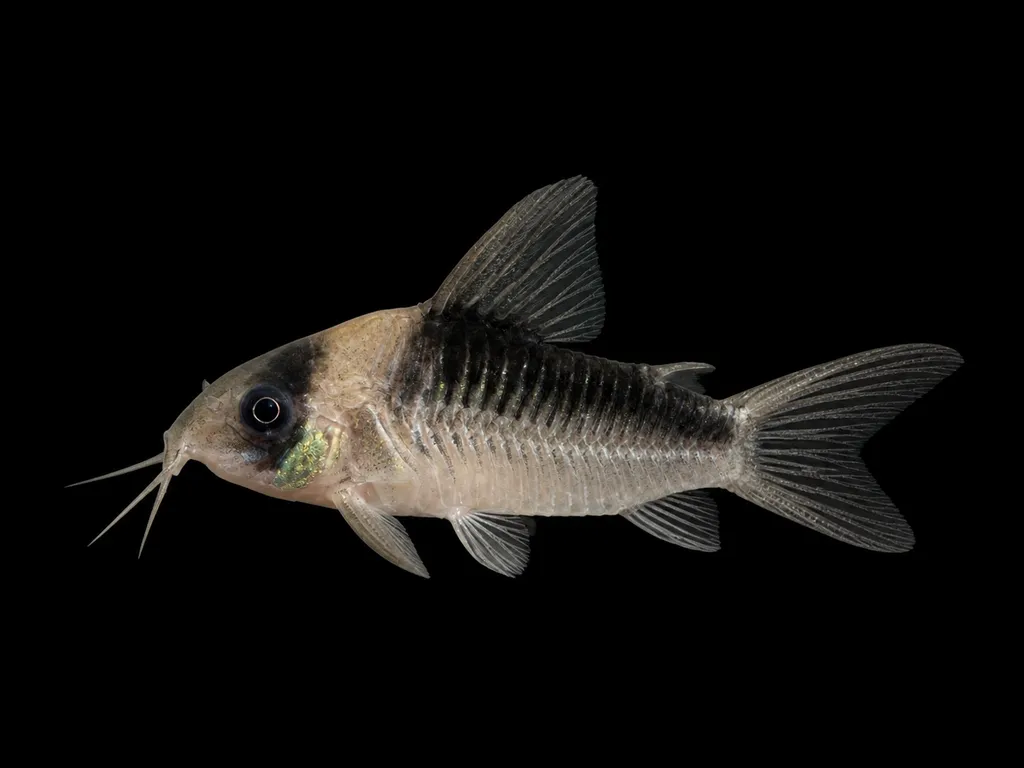 1.8 in (4.5 cm)16 gal (60 L)72–79°F (22–26°C)
Nijssen's cory
Gastrodermus nijsseni
1.8 in (4.5 cm) · 16 gal (60 L)
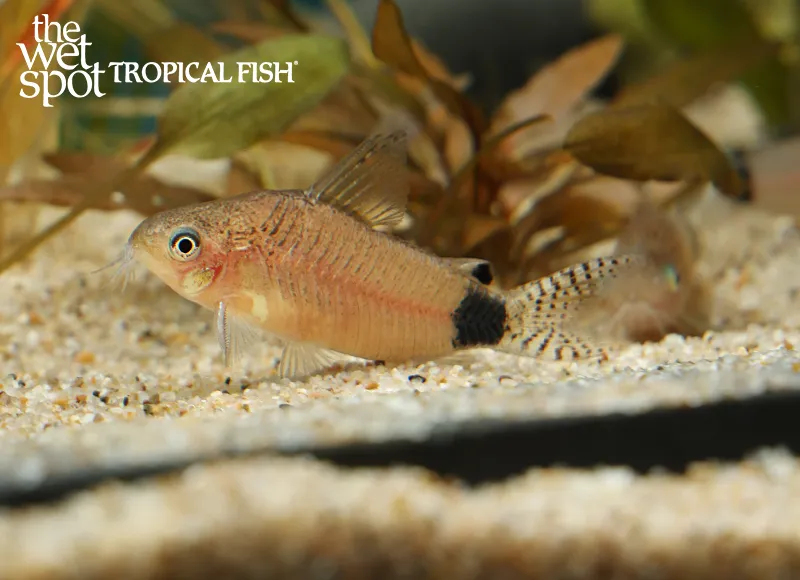 2 in (5 cm)16 gal (60 L)72–82°F (22–28°C)
Guapore cory
Gastrodermus guapore
2 in (5 cm) · 16 gal (60 L)
 2 in (5 cm)16 gal (60 L)72–79°F (22–26°C)
Napo cory
Gastrodermus napoensis
2 in (5 cm) · 16 gal (60 L)