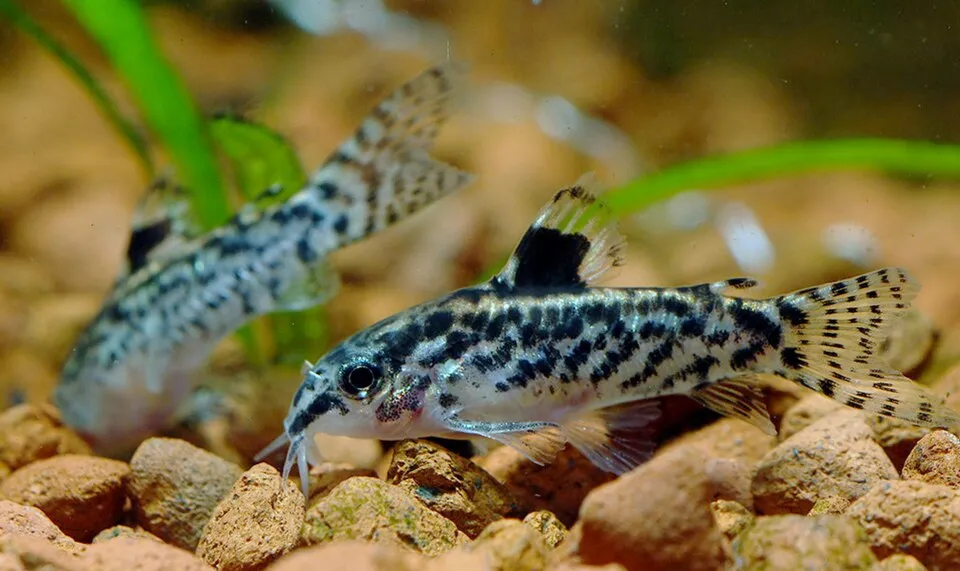
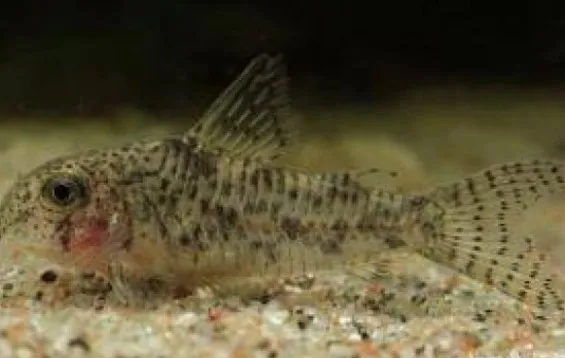
Sixray cory
Aspidoras pauciradiatus
Also known as Six ray cory
FreshwaterFish
Care at a glance
- Temperature
- 70–81°F
- 21–27°C
- pH
- 5.5–7.2
- Adult size
- 1.4 in
- 3.5 cm
- Minimum tank
- 13 gal
- 50 L
- Temperament
- Peaceful
- Social behavior
- Shoaling
- Swim level
- Bottom
- Difficulty
- Medium
- Breeding
- Hard
- Rarity
- Very rare
- Family
- Callichthyidae
- Origin
- Brazil
Overview
This is a peaceful, social bottom dweller that should be kept in a group of six or more, and its small size makes it a good fit for nano tanks of around 50 liters. It spends its time foraging across the sand. Feed sinking pellets, wafers, and small frozen foods like brine shrimp or bloodworms, and make sure food reaches the bottom. A soft substrate, gentle flow, and soft acidic water keep it healthy.
In the wild
The sixray cory comes from soft, slightly acidic streams in Brazil, often in slow, shallow water over sand with plant cover and leaf litter. Recreate that with a soft sand bottom, gentle flow, some shade, and a temperature in the low to mid-20s C. A planted tank with hiding spots helps these shy fish settle in. Keep the water on the soft, acidic side, around pH 5.5 to 7.
Good to know
Aspidoras pauciradiatus is a small armored catfish in the family Callichthyidae, closely related to Corydoras. It is tiny, topping out around 3.5 cm, which makes it one of the smallest of the group. It scatters eggs onto plants and surfaces, with eggs hatching in a few days, and breeding it is difficult. Like its relatives, it carries bony plates instead of scales.
Did you know
Like other corys, the sixray can take a quick gulp of air at the surface and absorb oxygen through its gut, a backup system that lets it cope when oxygen in the water runs low.
Weekly picks
Tank mates
Sixray cory is a peaceful, shoaling species that keeps to the bottom. These picks share a community profile with it, are safe together in both directions, and overlap on water type, temperature and pH.
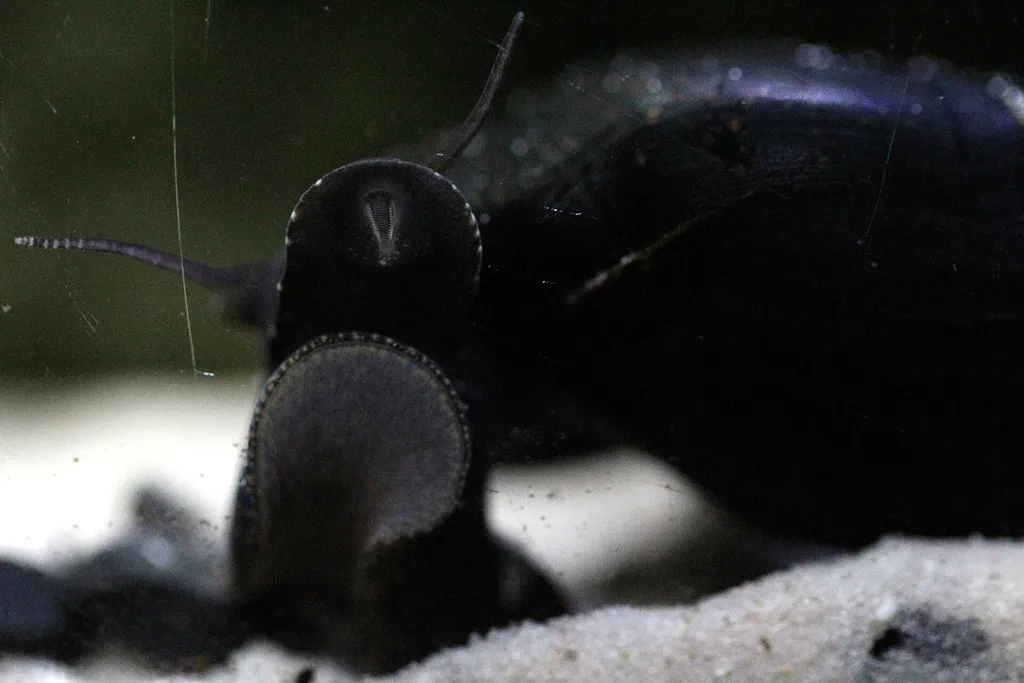
Black devil snail
Faunus ater
Freshwater3.9 in (10 cm) · 13 gal (50 L)72–86°F (22–30°C)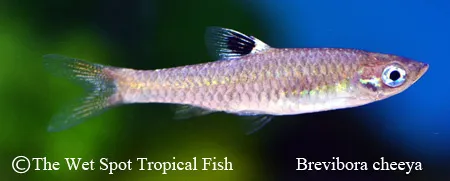
Cheeya rasbora
Brevibora cheeya
Freshwater1.3 in (3.4 cm) · 14 gal (54 L)72–81°F (22–27°C)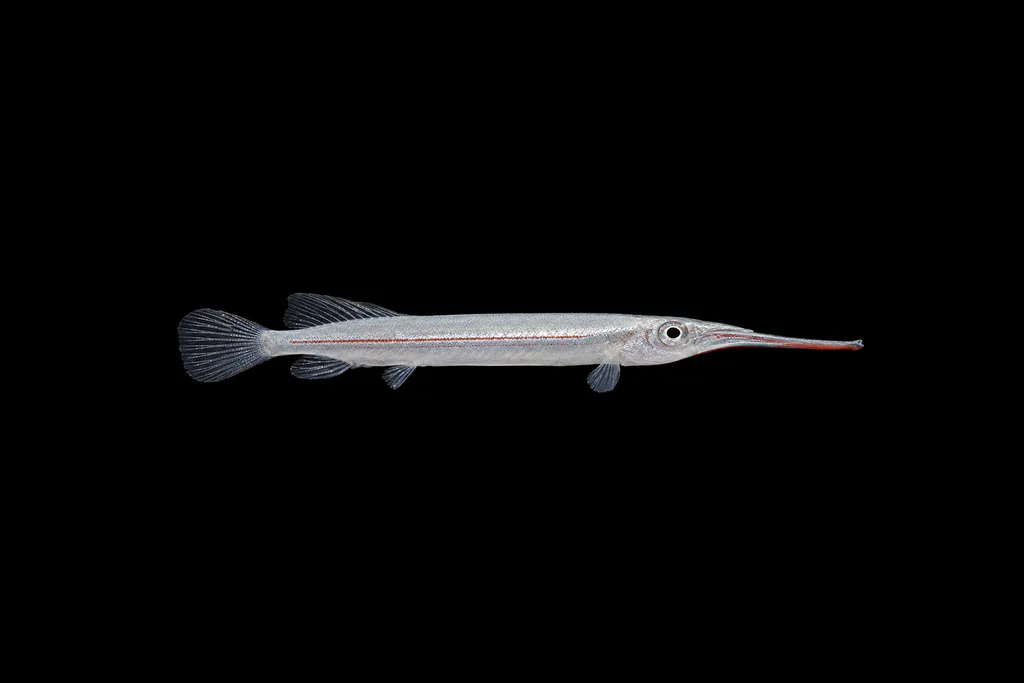
Fire halfbeak
Hemirhamphodon kapuasensis
Freshwater2.4 in (6 cm) · 14 gal (54 L)73–81°F (23–27°C)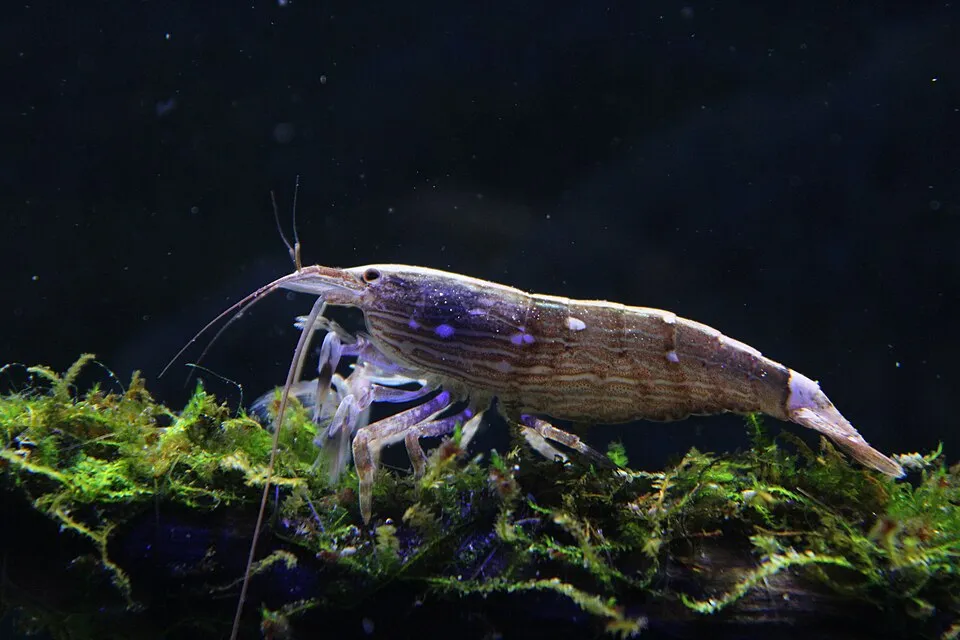
Bamboo shrimp
Atyopsis moluccensis
Freshwater3.9 in (10 cm) · 13 gal (50 L)72–84°F (22–29°C)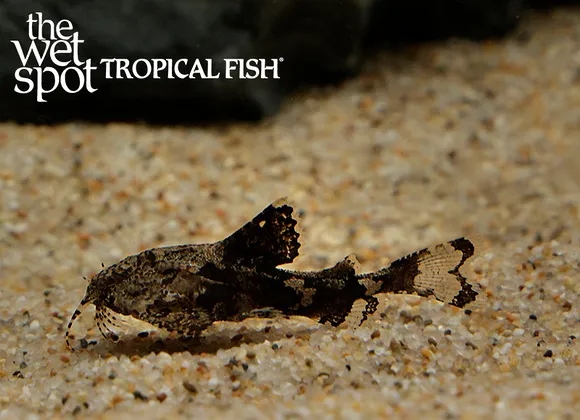
Butterfly hara catfish
Hara hara
Freshwater3.1 in (8 cm) · 14 gal (54 L)68–79°F (20–26°C)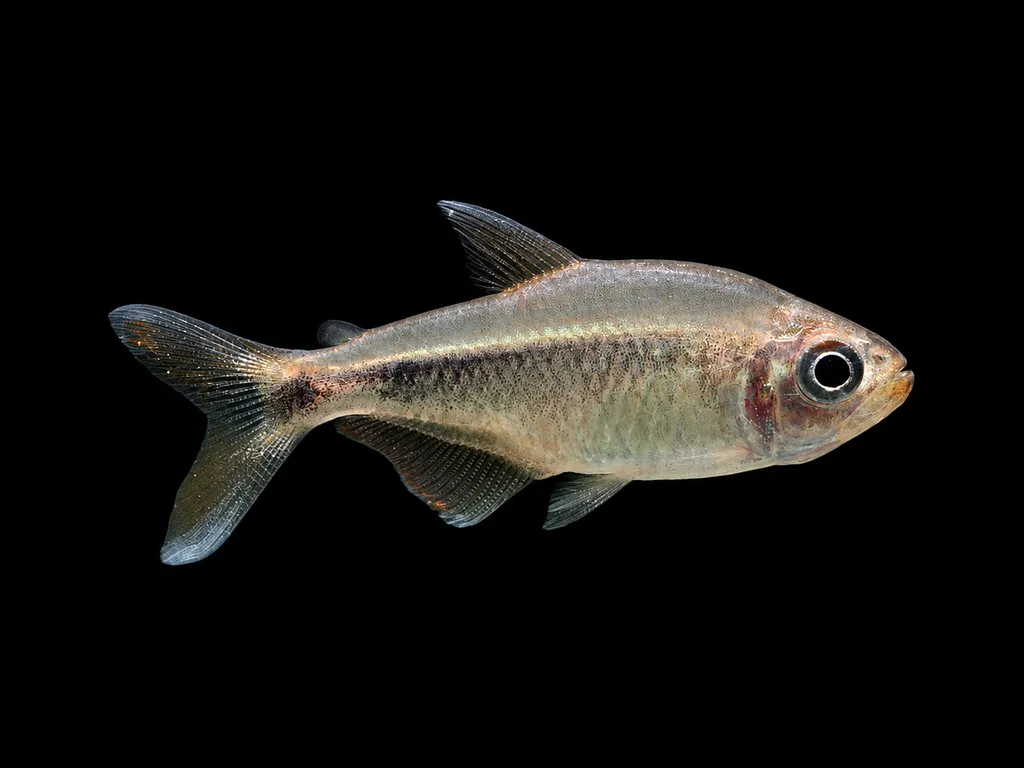
Hansen's hasemania
Hasemania hanseni
Freshwater1.6 in (4 cm) · 14 gal (54 L)72–81°F (22–27°C)
Common questions
What size tank does a Sixray cory need?
A Sixray cory needs at least 13 gal (50 L). It spends most of its time in the bottom.
What temperature and pH does a Sixray cory need?
A Sixray cory is comfortable at 70–81°F (21–27°C) with a pH of 5.5–7.2.
How big does a Sixray cory get?
An adult Sixray cory reaches about 1.4 in (3.5 cm).
Does a Sixray cory need a group?
Yes. A Sixray cory is a shoaling species and should be kept in a group, not singly.
Related species
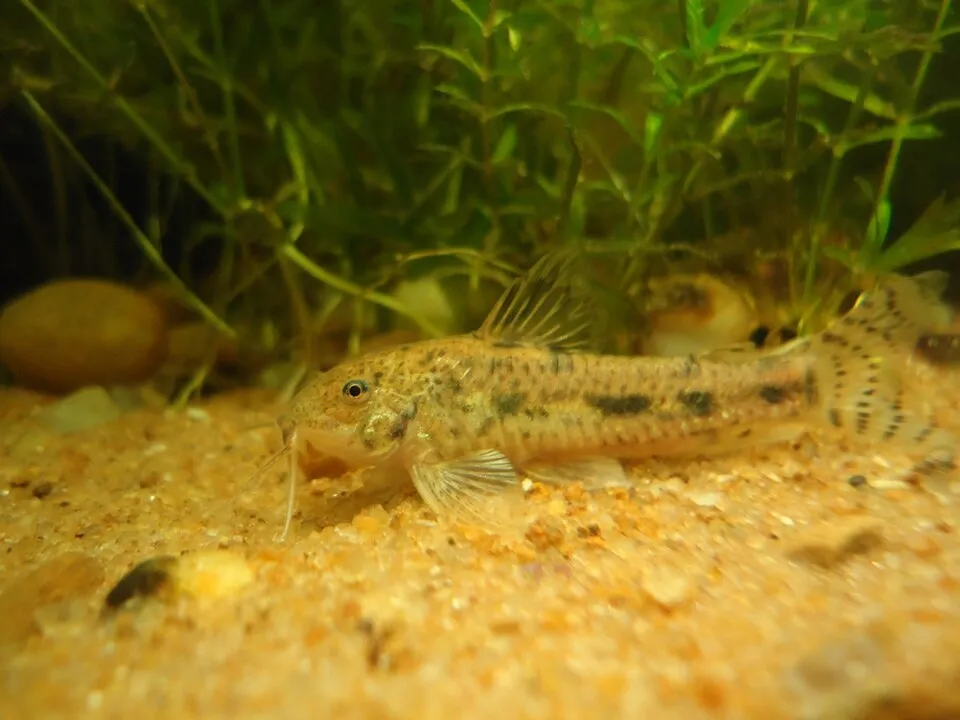 1.5 in (3.8 cm)13 gal (50 L)72–77°F (22–25°C)
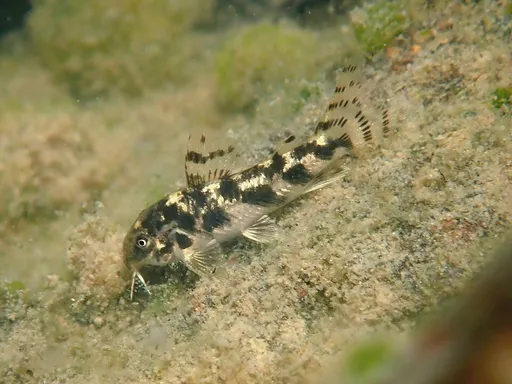
Brown-point shield skin
Aspidoras fuscoguttatus
1.5 in (3.8 cm) · 13 gal (50 L)
 1.6 in (4 cm)16 gal (60 L)72–77°F (22–25°C)
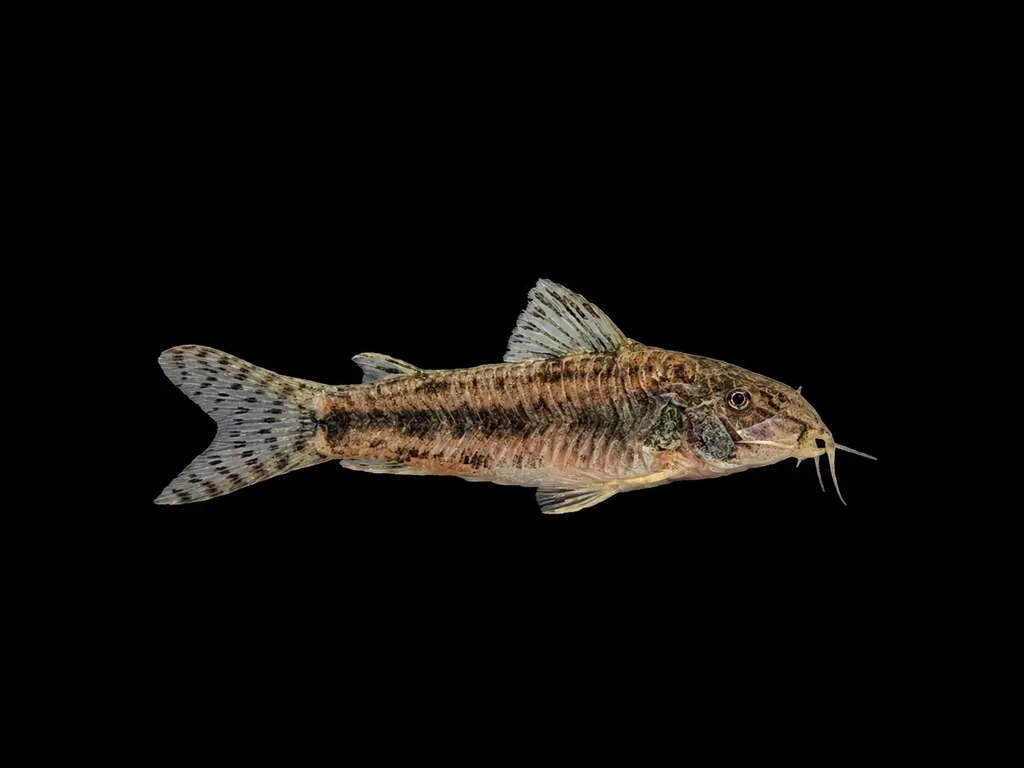
Albater cory
Aspidoras albater
1.6 in (4 cm) · 16 gal (60 L)
 1.6 in (4 cm)14 gal (54 L)72–79°F (22–26°C)
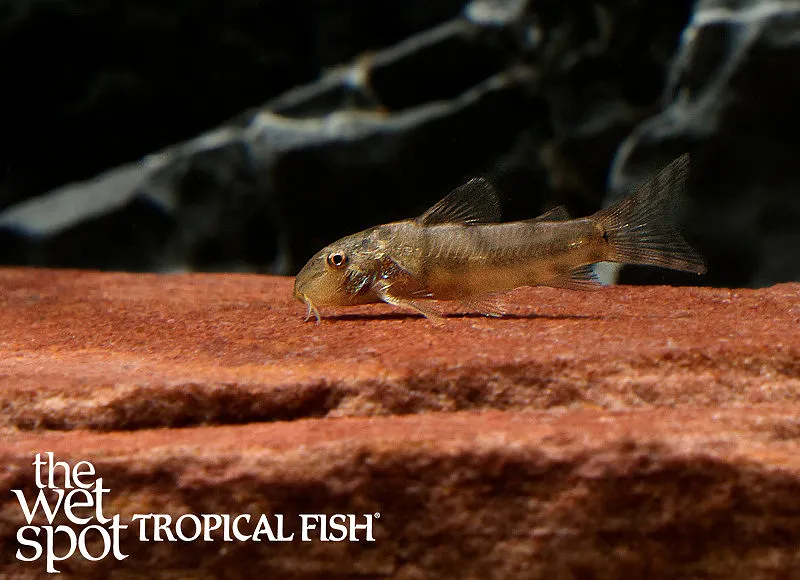
Poecilus shield skin
Aspidoras poecilus
1.6 in (4 cm) · 14 gal (54 L)
 1.7 in (4.4 cm)15 gal (55 L)70–77°F (21–25°C)
Loach catfish
Aspidoras rochai
1.7 in (4.4 cm) · 15 gal (55 L)
 1.8 in (4.5 cm)15 gal (55 L)68–77°F (20–25°C)
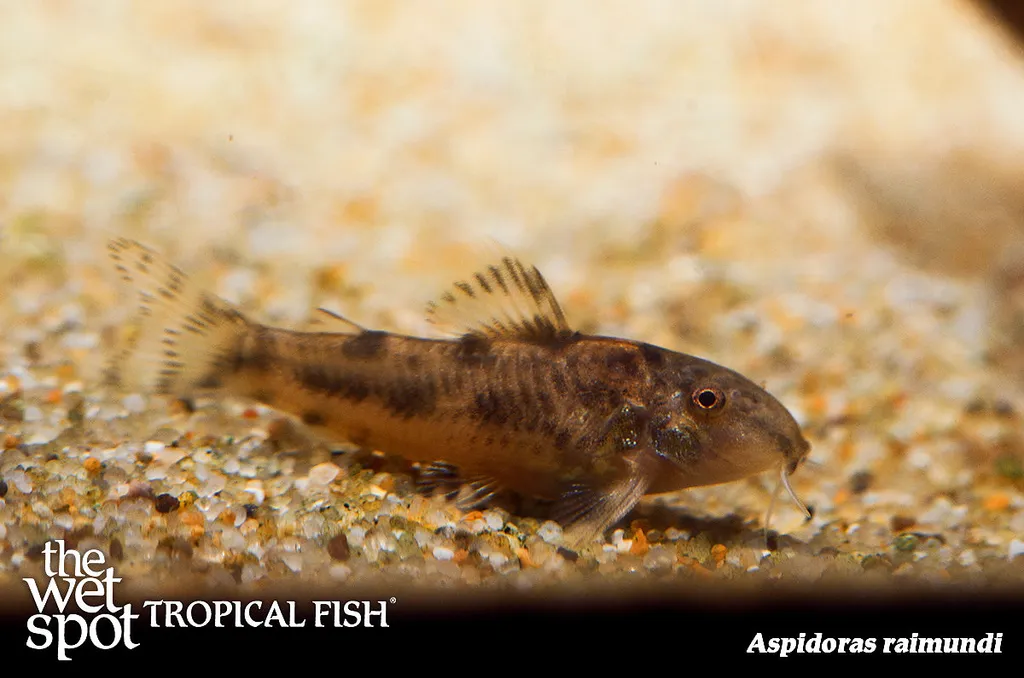
Aspidoras cory-cat
Aspidoras raimundi
1.8 in (4.5 cm) · 15 gal (55 L)
 1.4 in (3.5 cm)13 gal (50 L)70–82°F (21–28°C)
Barred-tail cory
Hoplisoma cochui
1.4 in (3.5 cm) · 13 gal (50 L)