Nano cory
Gastrodermus gracilis
Also known as Corydoras gracilis, Shy cory, Gracile cory
FreshwaterFish
Care at a glance
- Temperature
- 72–79°F
- 22–26°C
- pH
- 5.5–7.5
- Adult size
- 1.4 in
- 3.5 cm
- Minimum tank
- 12 gal
- 45 L
- Temperament
- Peaceful
- Social behavior
- Shoaling
- Swim level
- Bottom
- Difficulty
- Medium
- Breeding
- Medium
- Rarity
- Rare
- Family
- Callichthyidae
- Origin
- Central Amazon in northwestern Brazil, in tributaries of the rio Madeira.
Overview
Keep nano cories in a group of eight or more over smooth, fine sand in soft, acidic water around 22 to 26 C. They suit a small, calm tank with tiny tankmates and gentle filtration. Feed small sinking foods such as micro pellets, crushed flake and frozen cyclops.
In the wild
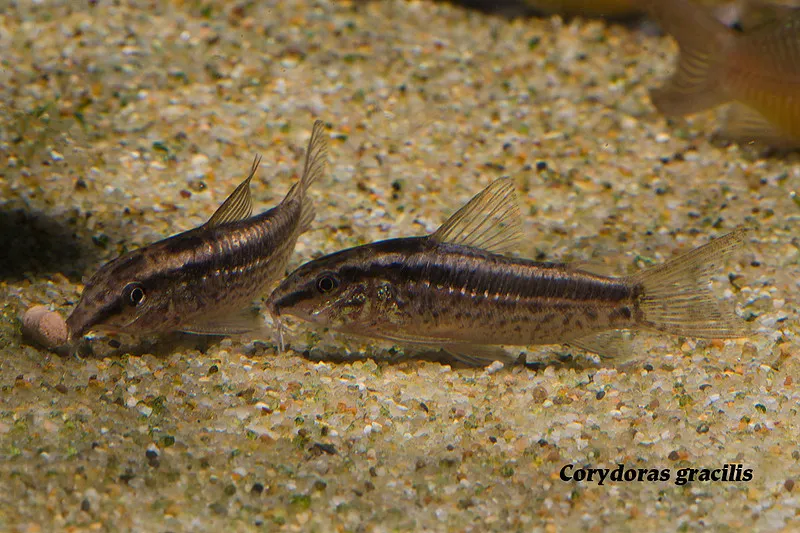
The nano cory lives in small, soft, slightly acidic streams of the central Amazon. It forages over fine sand and leaf litter in slow, shaded water. Being tiny, it stays close to cover in groups.
Good to know
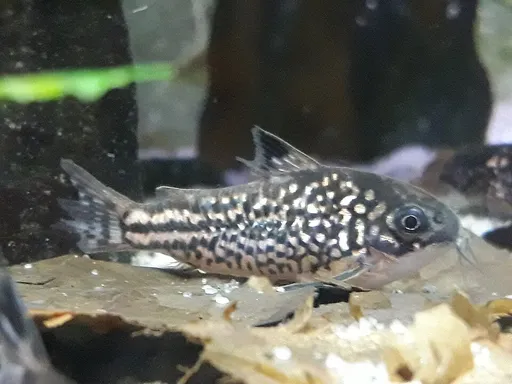
This is one of the smallest cories, reaching only around 3.5 cm. A single arched dark stripe runs along the upper flank, and unlike some lookalikes it does not pass through the eye. The 2024 revision placed it in the genus Gastrodermus as Gastrodermus gracilis.
Did you know
At around 3.5 cm, the nano cory is one of the smallest members of the whole group and stays well hidden without a proper school.
Weekly picks
Tank mates
Nano cory is a peaceful, shoaling species that keeps to the bottom. These picks share a community profile with it, are safe together in both directions, and overlap on water type, temperature and pH.
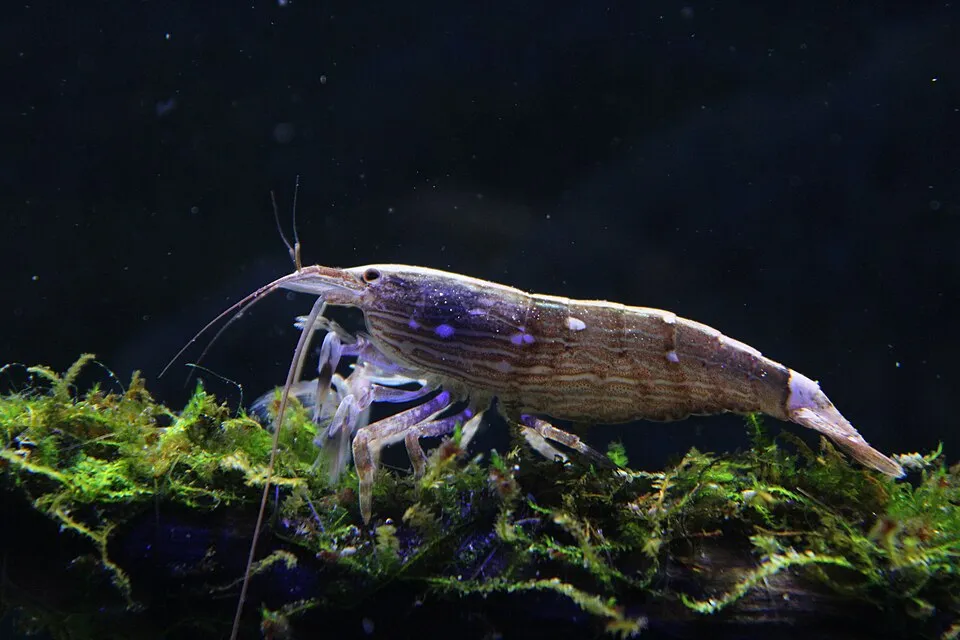
Bamboo shrimp
Atyopsis moluccensis
Freshwater3.9 in (10 cm) · 13 gal (50 L)72–84°F (22–29°C)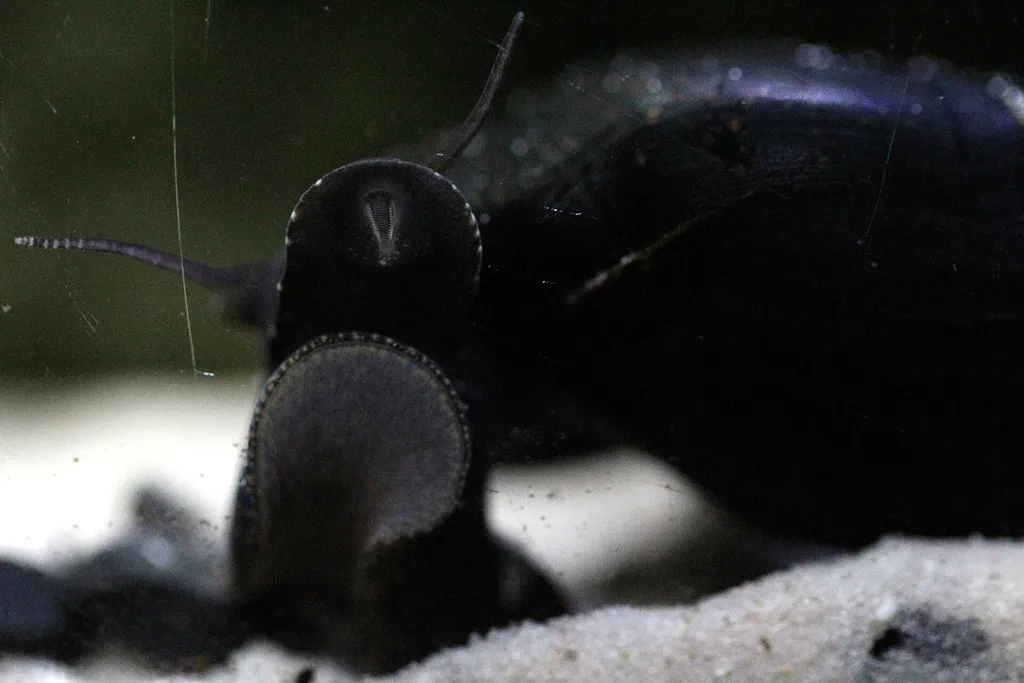
Black devil snail
Faunus ater
Freshwater3.9 in (10 cm) · 13 gal (50 L)72–86°F (22–30°C)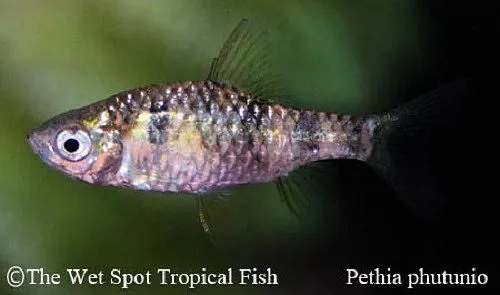
Dwarf barb
Pethia phutunio
Freshwater1.4 in (3.5 cm) · 12 gal (45 L)72–79°F (22–26°C)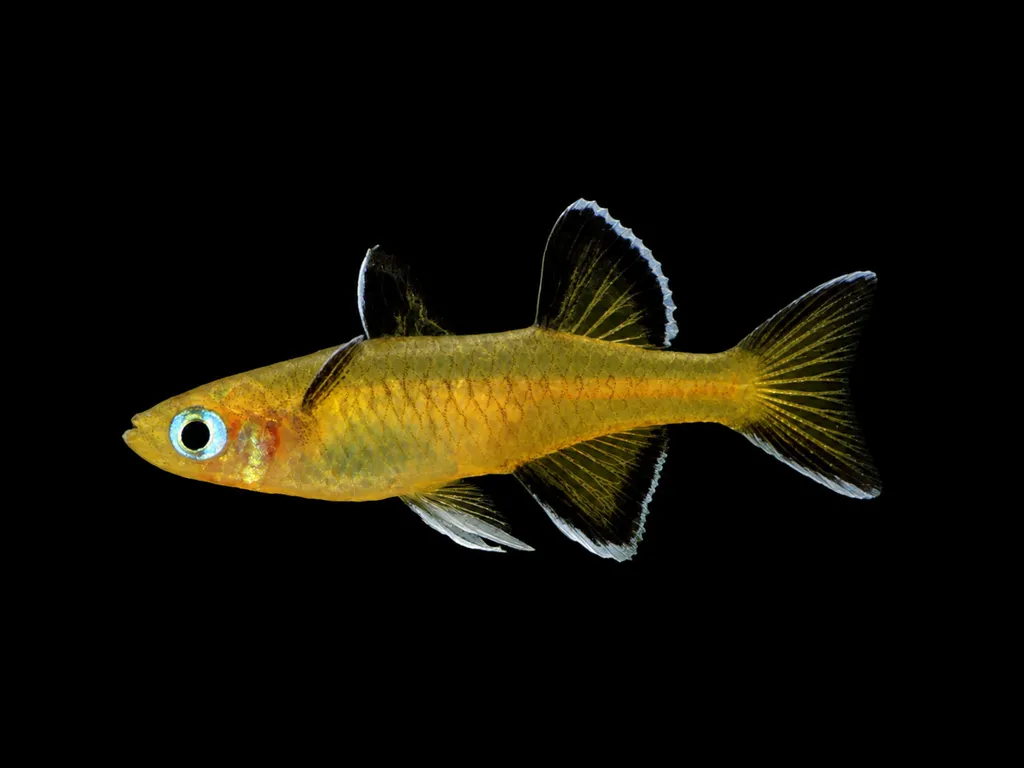
Honey blue-eye
Pseudomugil mellis
Freshwater1.4 in (3.5 cm) · 11 gal (40 L)68–82°F (20–28°C)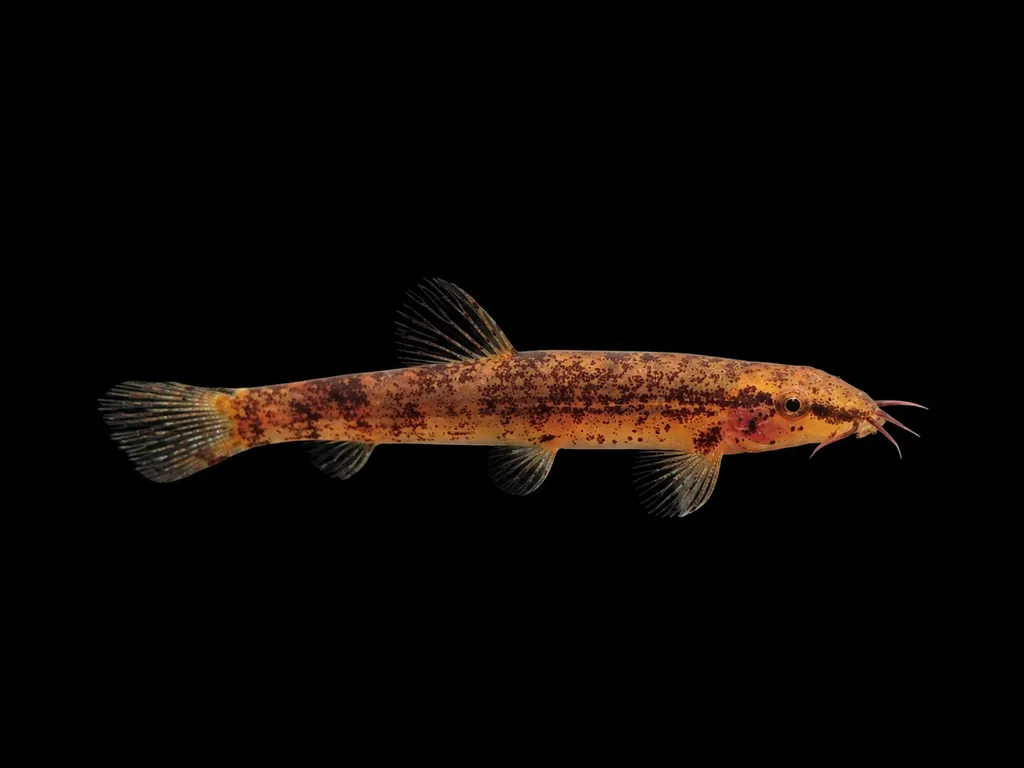
Dwarf lizard loach
Neohomaloptera johorensis
Freshwater1 in (2.5 cm) · 11 gal (40 L)72–79°F (22–26°C)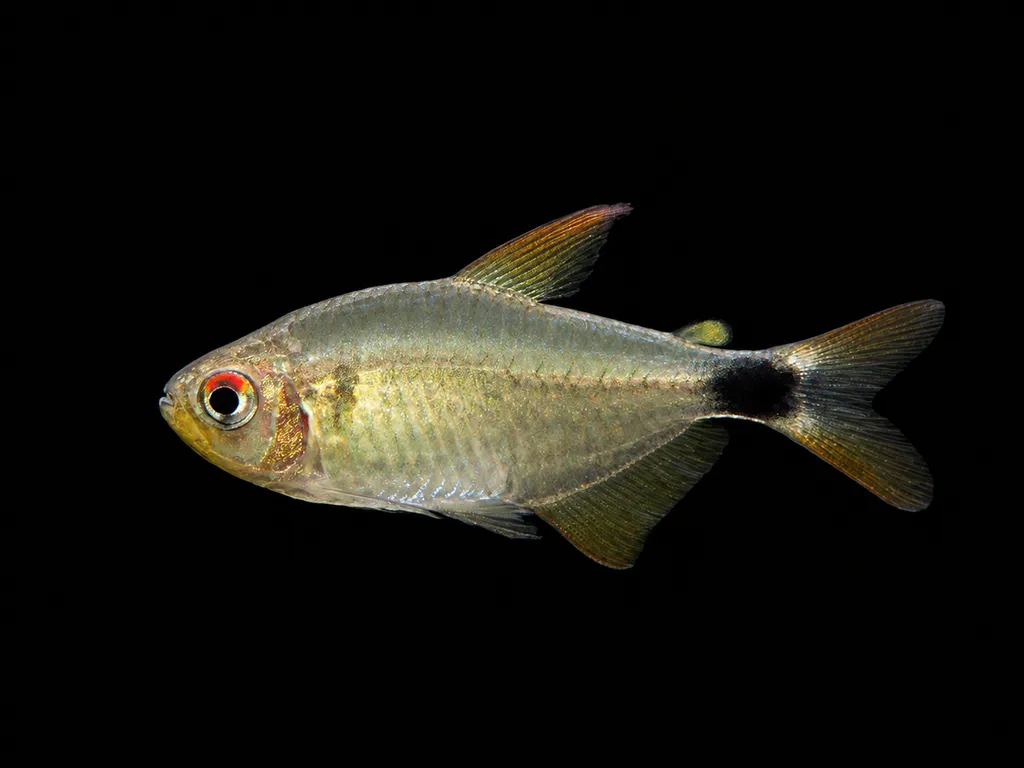
Kitty tetra
Hyphessobrycon heliacus
Freshwater1.3 in (3.4 cm) · 12 gal (45 L)72–82°F (22–28°C)
Common questions
What size tank does a Nano cory need?
A Nano cory needs at least 12 gal (45 L). It spends most of its time in the bottom.
What temperature and pH does a Nano cory need?
A Nano cory is comfortable at 72–79°F (22–26°C) with a pH of 5.5–7.5.
How big does a Nano cory get?
An adult Nano cory reaches about 1.4 in (3.5 cm).
Does a Nano cory need a group?
Yes. A Nano cory is a shoaling species and should be kept in a group, not singly.
Related species
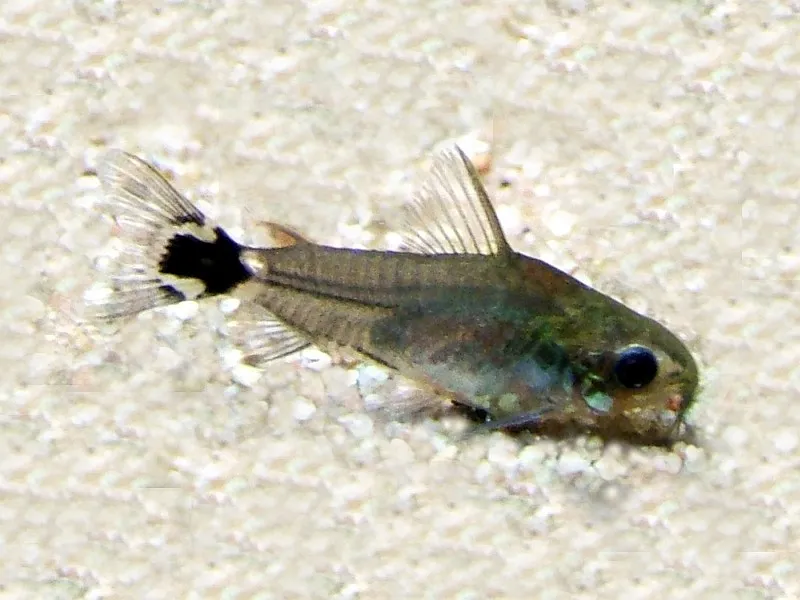
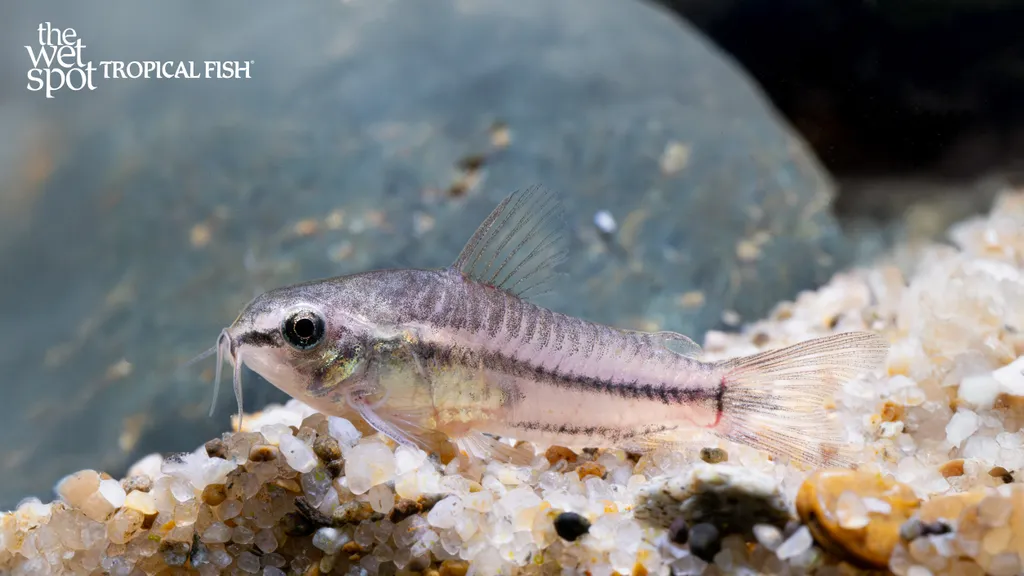 1.3 in (3.3 cm)13 gal (50 L)72–79°F (22–26°C)
Pygmy cory
Gastrodermus pygmaeus
1.3 in (3.3 cm) · 13 gal (50 L)
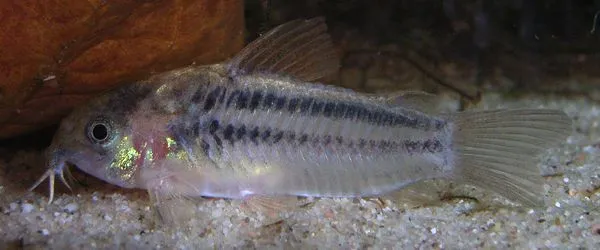
 1.3 in (3.2 cm)12 gal (45 L)68–79°F (20–26°C)
Dwarf cory
Gastrodermus hastatus
1.3 in (3.2 cm) · 12 gal (45 L)
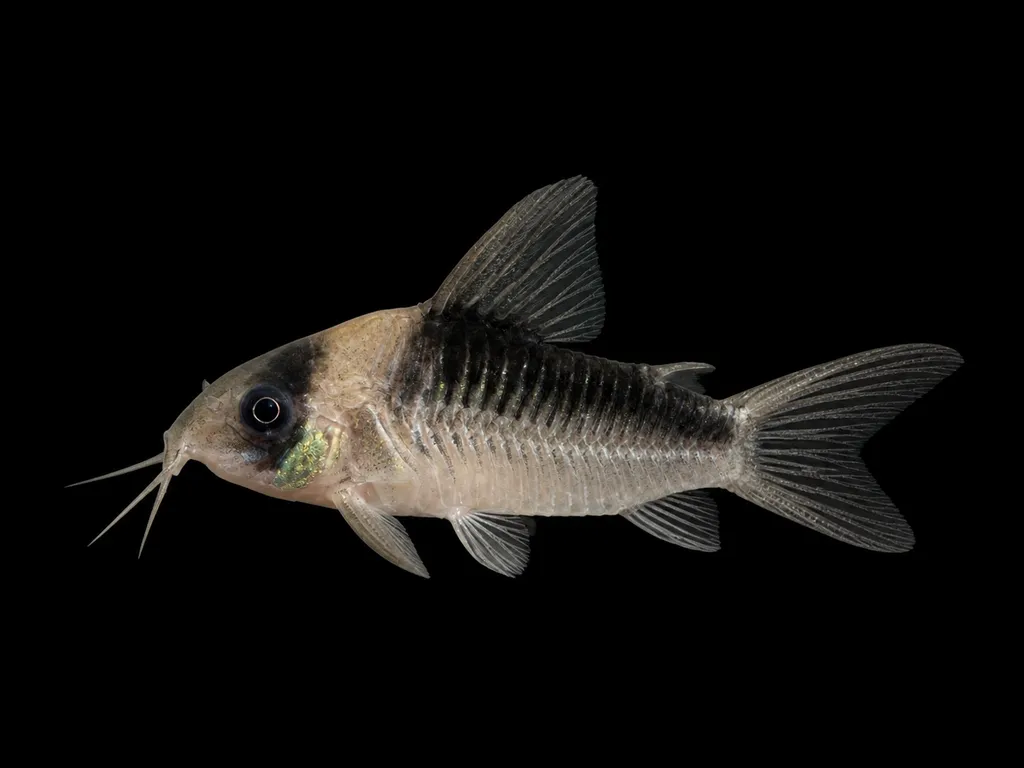
 1.8 in (4.5 cm)16 gal (60 L)72–79°F (22–26°C)
Nain dwarf cory
Gastrodermus nanus
1.8 in (4.5 cm) · 16 gal (60 L)
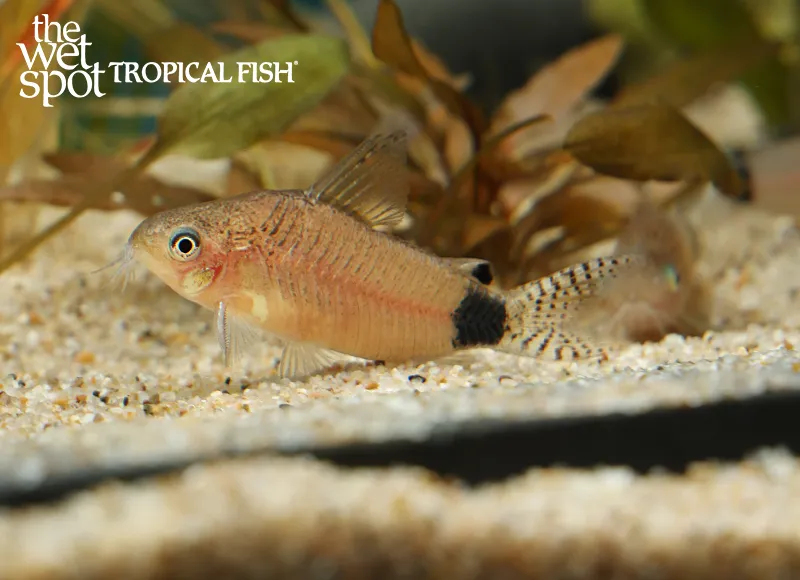
 1.8 in (4.5 cm)16 gal (60 L)72–79°F (22–26°C)
Nijssen's cory
Gastrodermus nijsseni
1.8 in (4.5 cm) · 16 gal (60 L)
 2 in (5 cm)16 gal (60 L)72–82°F (22–28°C)
Guapore cory
Gastrodermus guapore
2 in (5 cm) · 16 gal (60 L)
 2 in (5 cm)16 gal (60 L)72–79°F (22–26°C)
Napo cory
Gastrodermus napoensis
2 in (5 cm) · 16 gal (60 L)