Green neon tetra
Paracheirodon simulans
FreshwaterFish
Care at a glance
- Temperature
- 72–86°F
- 22–30°C
- pH
- 5.5–7.5
- Adult size
- 1 in
- 2.5 cm
- Minimum tank
- 11 gal
- 41 L
- Temperament
- Peaceful
- Social behavior
- Schooling
- Swim level
- Middle
- Difficulty
- Easy
- Breeding
- Egg scatterer · Hard
- Rarity
- Common
- Family
- Characidae
- Origin
- Brazil, Venezuela, Colombia
Overview
The green neon tetra is a tiny, peaceful schooling fish for a blackwater tank. It is easy to keep.
Did you know
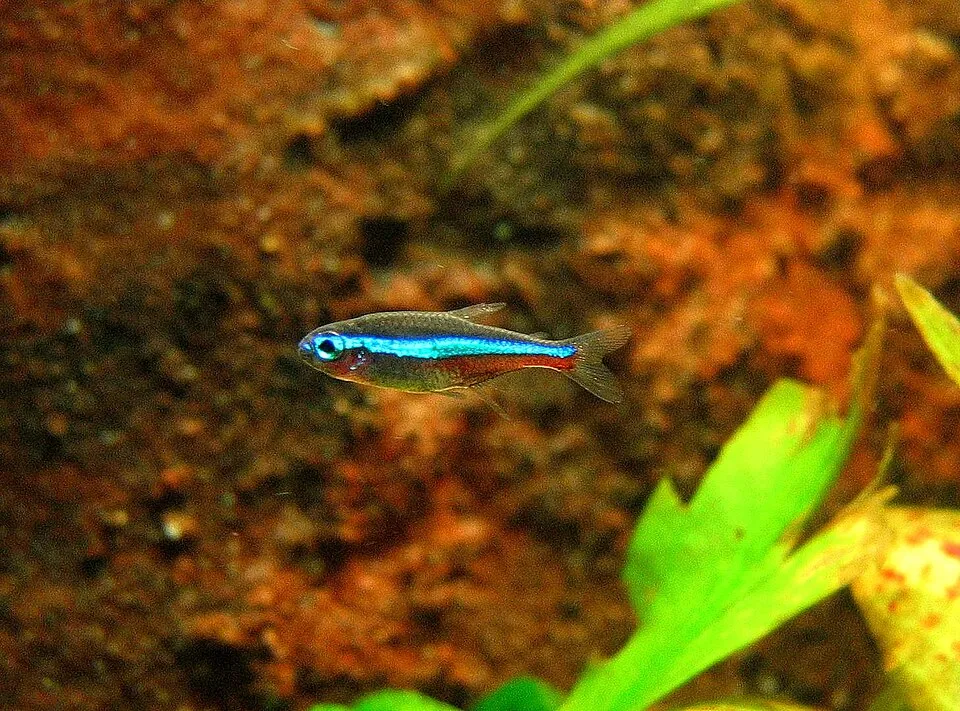
The green neon tetra is often confused with the regular neon tetra. It carries its blue-green stripe almost the full length of the body, with much less red.
Caring for the green neon tetra
Green neon tetras are schooling fish that need numbers, so keep at least eight to ten, and more if you can. A blackwater-style tank of at least 11 gal (41 L) fits them best, with dim light, plants, leaf litter and driftwood.
They take warm water well, at 72 to 86°F (22 to 30°C). Keep the water soft and acidic, toward the lower end of their pH range of 5.5 to 7.5. They handle warmer, softer blackwater better than the common neon, which makes them a favorite for true Amazon biotope tanks.
Feed small foods such as fine flake, micro pellets and tiny frozen items like cyclops and baby brine shrimp. Green neons are entirely peaceful, but their small size means tank mates should be small and gentle too.
They are egg scatterers, and breeding them is difficult. It takes very soft, acidic water to get viable eggs.
Good to know
Paracheirodon simulans is a small characin in the family Characidae, and a close relative of the common neon tetra. Most fish in the trade are wild caught.
In the wild
Green neon tetras live in the Rio Negro and Orinoco basins across Brazil, Venezuela and Colombia. They sit in slow blackwater streams shaded by forest, where the water is very soft, acidic and stained dark with tannins.
Weekly picks
Tank mates
The green neon tetra is a peaceful, schooling species that keeps to the middle. These picks share a community profile with it, are safe together in both directions, and overlap on water type, temperature and pH.
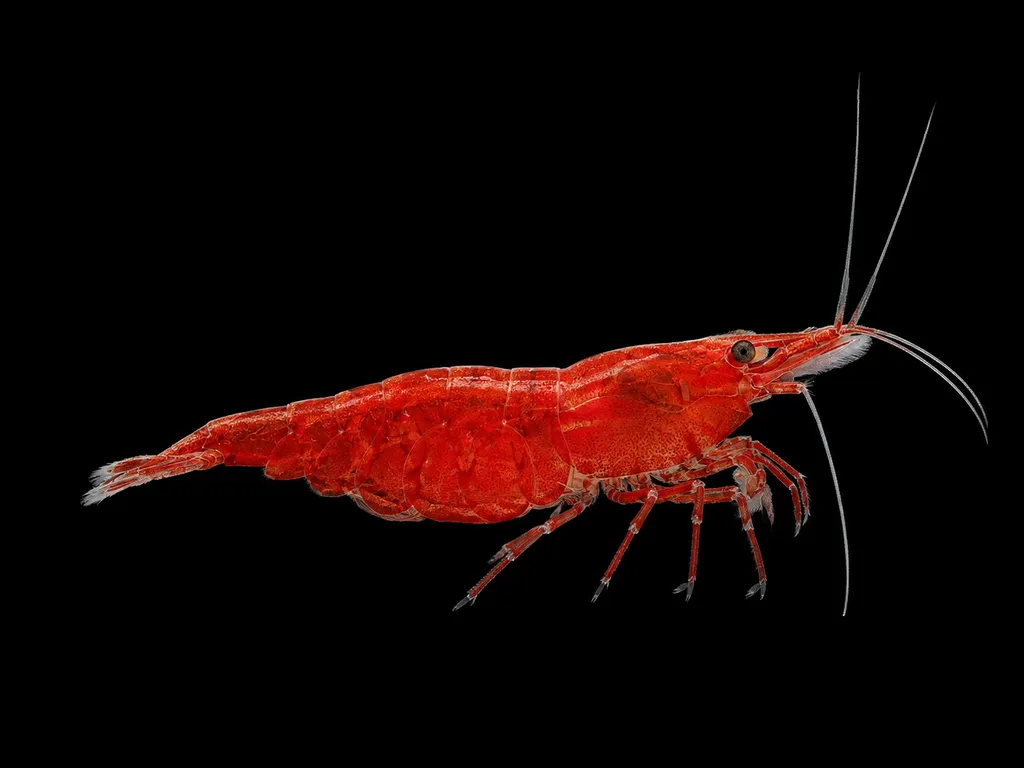
Neocaridina shrimp
Neocaridina davidi
Freshwater1.6 in (4 cm) · 5 gal (19 L)59–84°F (15–29°C)
Guppy
Poecilia reticulata
FreshwaterBrackish2.4 in (6 cm) · 10 gal (38 L)64–82°F (18–28°C)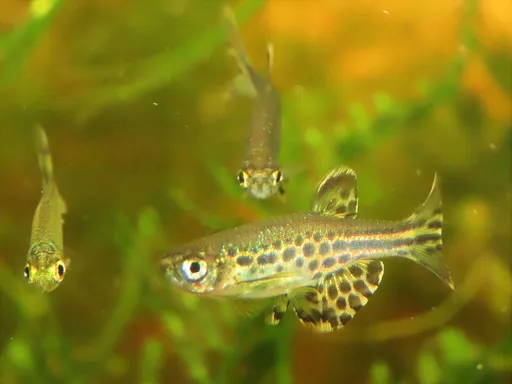
Gold ring danio
Danio tinwini
Freshwater1.2 in (3 cm) · 11 gal (40 L)64–79°F (18–26°C)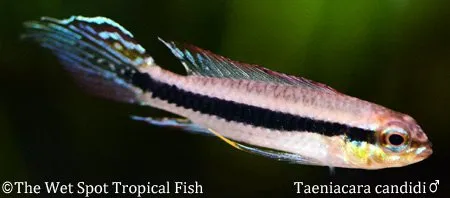
Blackstripe dwarf cichlid
Taeniacara candidi
Freshwater1.6 in (4 cm) · 11 gal (40 L)75–82°F (24–28°C)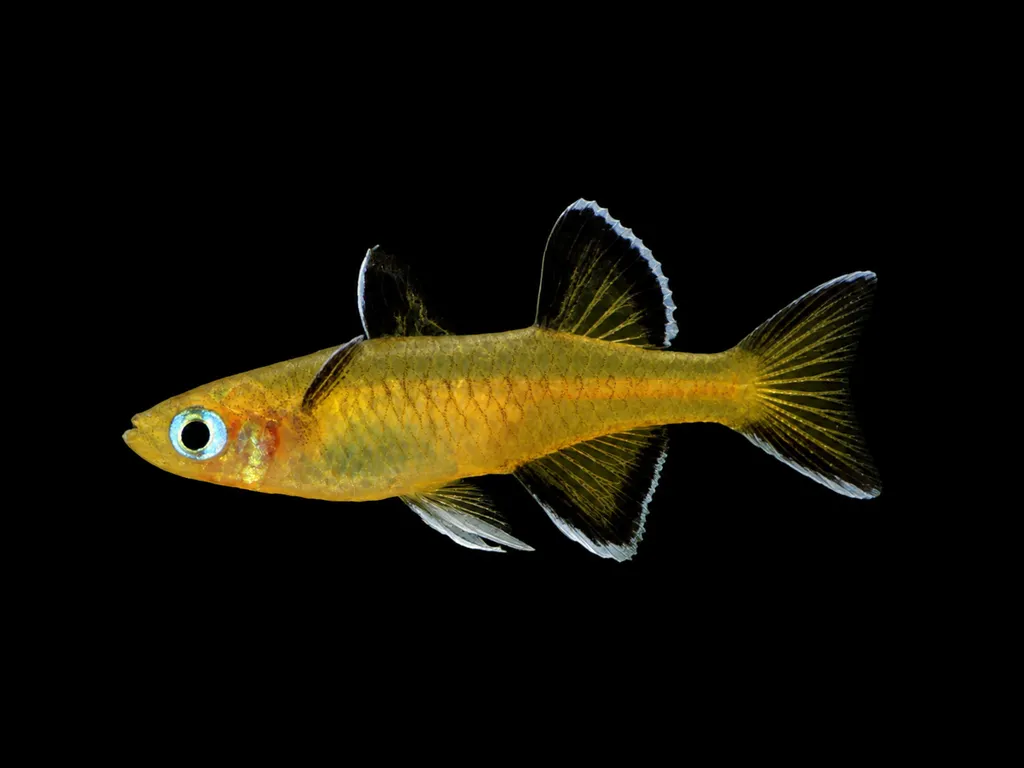
Honey blue-eye
Pseudomugil mellis
Freshwater1.4 in (3.5 cm) · 11 gal (40 L)68–82°F (20–28°C)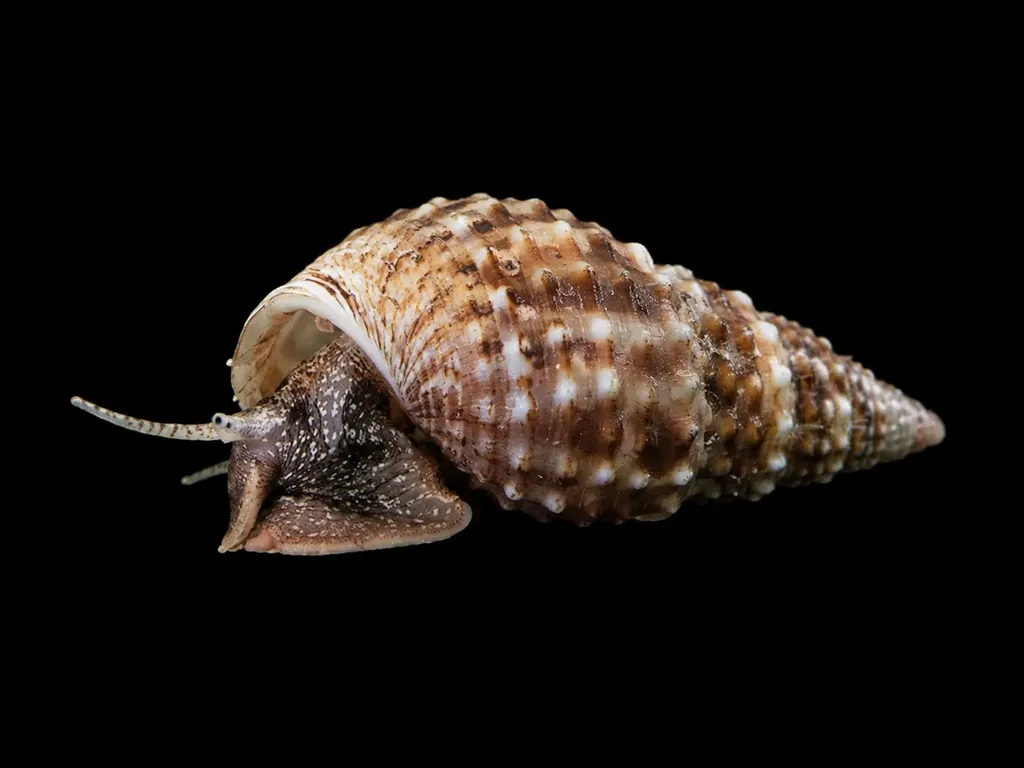
Prambanan snail
Thiara winteri
Freshwater1.6 in (4 cm) · 11 gal (40 L)73–82°F (23–28°C)
Common questions
What size tank does a green neon tetra need?
A green neon tetra needs at least 11 gal (41 L). It spends most of its time in the middle.
What temperature and pH does a green neon tetra need?
A green neon tetra is comfortable at 72–86°F (22–30°C) with a pH of 5.5–7.5.
What does a green neon tetra eat?
A green neon tetra eats small foods, such as fine flake, micro pellets and tiny frozen items like cyclops and baby brine shrimp.
How big does a green neon tetra get?
An adult green neon tetra reaches about 1 in (2.5 cm).
Does a green neon tetra need a group?
Yes. A green neon tetra is a schooling species and should be kept in a group, not singly.
How does a green neon tetra breed?
Green neon tetras are egg scatterers, and breeding them is difficult. They need very soft, acidic water to produce viable eggs.
Related species
 1.5 in (3.8 cm)11 gal (40 L)70–77°F (21–25°C)
Neon tetra
Paracheirodon innesi
1.5 in (3.8 cm) · 11 gal (40 L)
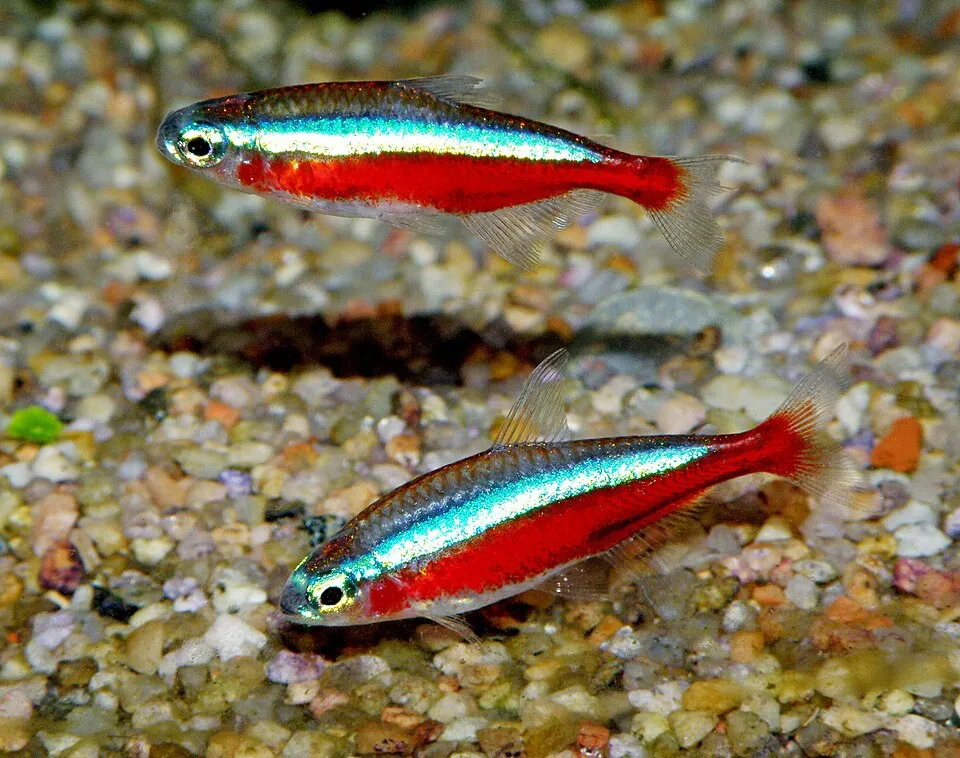 1.8 in (4.5 cm)16 gal (60 L)73–84°F (23–29°C)
Cardinal tetra
Paracheirodon axelrodi
1.8 in (4.5 cm) · 16 gal (60 L)
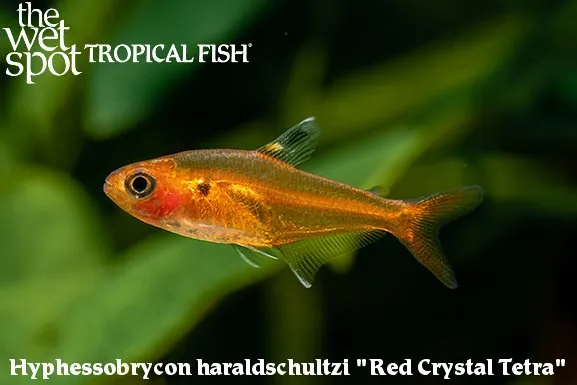 1 in (2.5 cm)10 gal (38 L)73–82°F (23–28°C)
Crystal red tetra
Hyphessobrycon haraldschultzi
1 in (2.5 cm) · 10 gal (38 L)
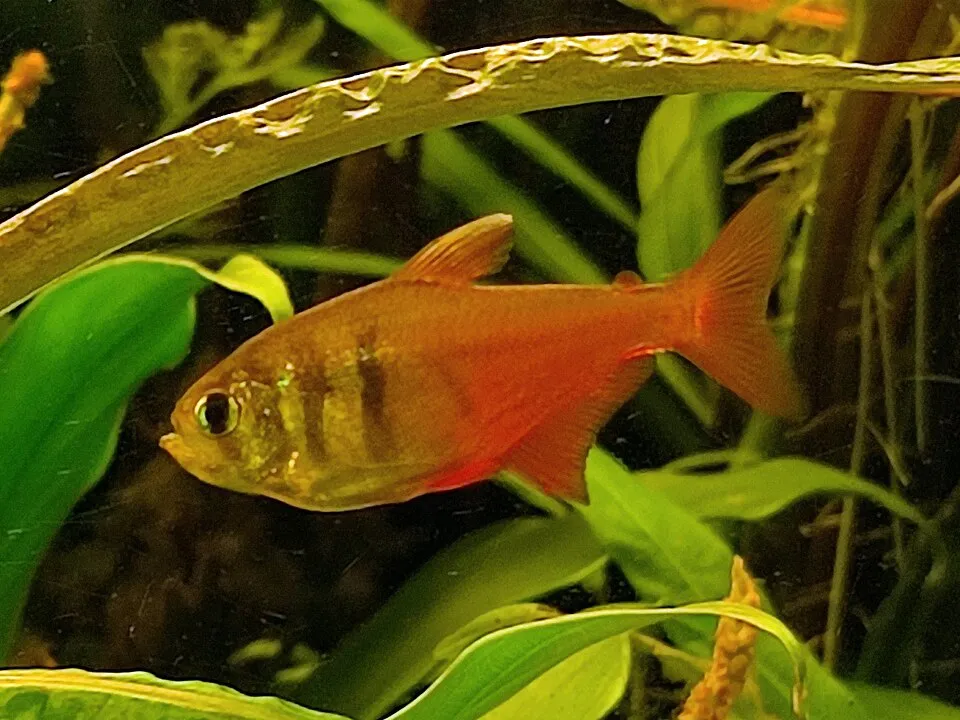 1 in (2.5 cm)10 gal (38 L)68–79°F (20–26°C)
Flame tetra
Hyphessobrycon flammeus
1 in (2.5 cm) · 10 gal (38 L)
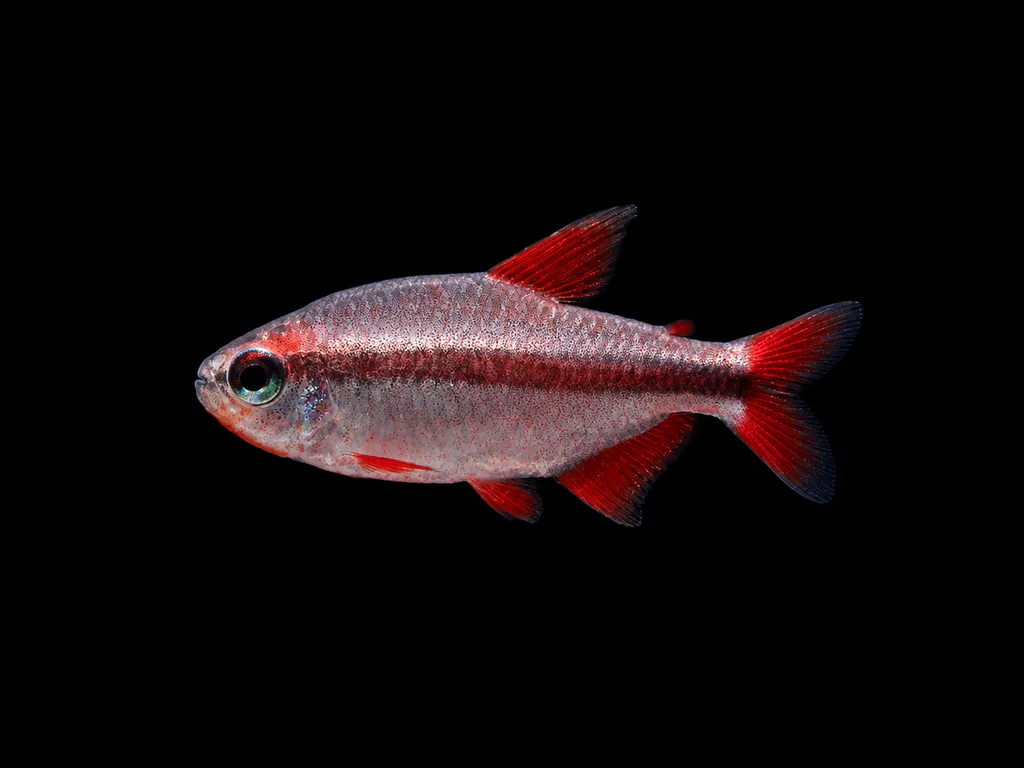 1 in (2.5 cm)10 gal (38 L)73–82°F (23–28°C)
Red devil tetra
Hyphessobrycon piranga
1 in (2.5 cm) · 10 gal (38 L)
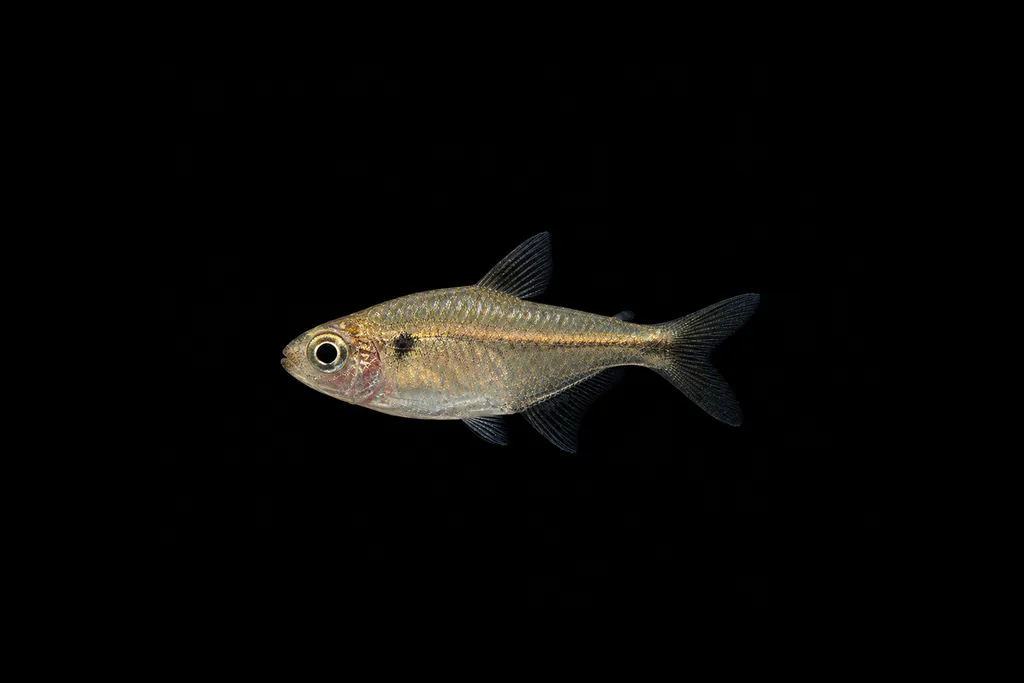 1 in (2.6 cm)10 gal (38 L)72–82°F (22–28°C)
Parvellus tetra
Hyphessobrycon parvellus
1 in (2.6 cm) · 10 gal (38 L)