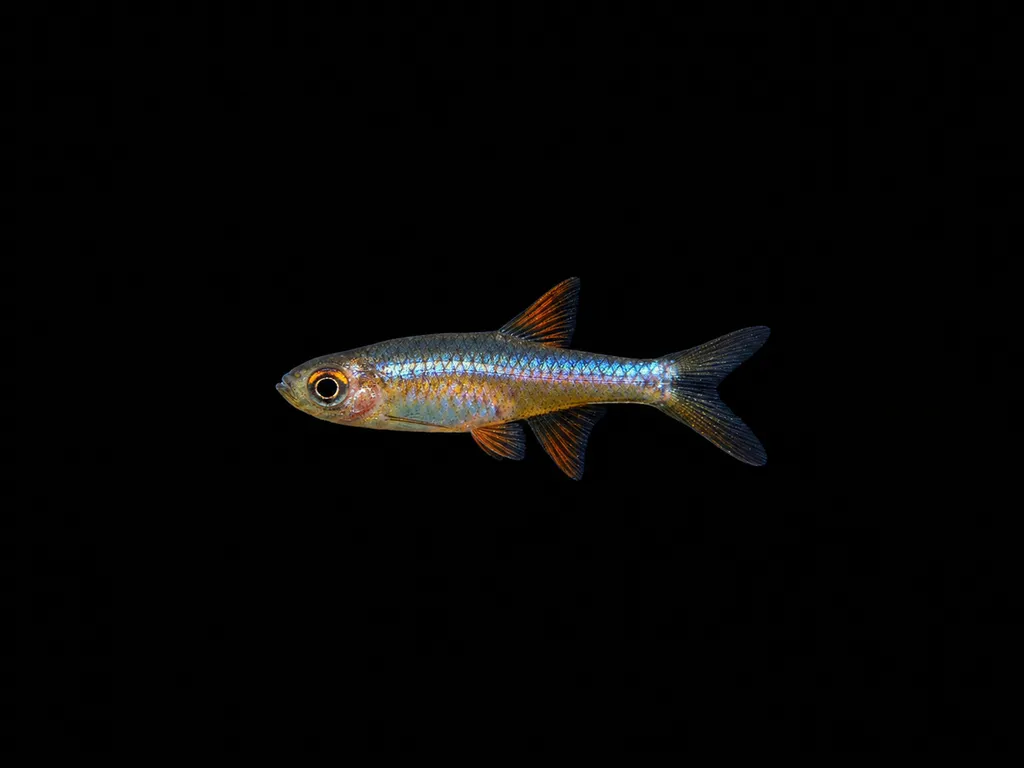
Pearly rasbora
Rasboroides vaterifloris
Also known as Fire rasbora, Vateria flower rasbora
FreshwaterFish
Care at a glance
- Temperature
- 75–82°F
- 24–28°C
- pH
- 5.5–7.0
- Adult size
- 1.6 in
- 4 cm
- Minimum tank
- 14 gal
- 54 L
- Temperament
- Peaceful
- Social behavior
- Schooling
- Swim level
- Middle
- Difficulty
- Medium
- Breeding
- Egg scatterer · Medium
- Rarity
- Rare
- Family
- Danionidae
- Origin
- Kalu River basin, southwestern Sri Lanka
Overview
The pearly rasbora is a shy, softly colored schooling fish for a quiet, planted tank. It holds to the middle of the tank and is best with a little experience.
Did you know
The pearly rasbora lives in the same shrinking wet-zone forest as the tree it is named after.
Caring for the pearly rasbora
Give a group of pearly rasboras a planted, shaded tank of 14 gal (54 L) or larger, with quiet water. Dim light, plenty of plants and some botanicals for cover suit them. Avoid strong current.
Keep the water soft and gently filtered, at 75 to 82°F (24 to 28°C) and a pH of 5.5 to 7.0. Hold conditions stable, since this species reacts badly to sudden change. Feed small foods they can manage, such as fine flake and small frozen daphnia and bloodworm. Occasional live foods bring on color.
Keep at least eight, and preferably ten or more, since they settle only in a proper group. Pearly rasboras are shy and gentle to a fault, and pushier fish easily out-compete them at feeding time. Give them calm, similarly small companions rather than pushy tank mates.
Females are noticeably larger and deeper-bodied than the slimmer, brighter males. Pearly rasboras are egg scatterers, and breeding them is of moderate difficulty.
Good to know
Rasboroides vaterifloris is a member of the family Danionidae. The species name means Vateria-flowered, comparing its warm orange-pink glow to the blossom of a Sri Lankan rainforest tree. The IUCN lists it as endangered, and forest clearance threatens its wild populations.
In the wild
The pearly rasbora is endemic to shaded, slow-flowing clear streams in the wet-zone forests of the Kalu basin in southwestern Sri Lanka. These streams run over silt and thick leaf litter.
Weekly picks
Tank mates
The pearly rasbora is a peaceful, schooling species that keeps to the middle. These picks share a community profile with it, are safe together in both directions, and overlap on water type, temperature and pH.
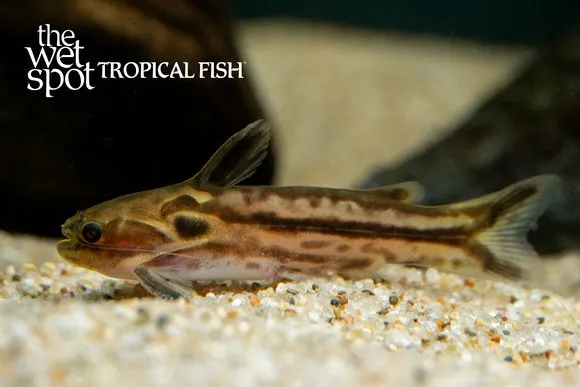
Dwarf driftwood catfish
Tatia gyrina
Freshwater1.8 in (4.5 cm) · 14 gal (54 L)73–82°F (23–28°C)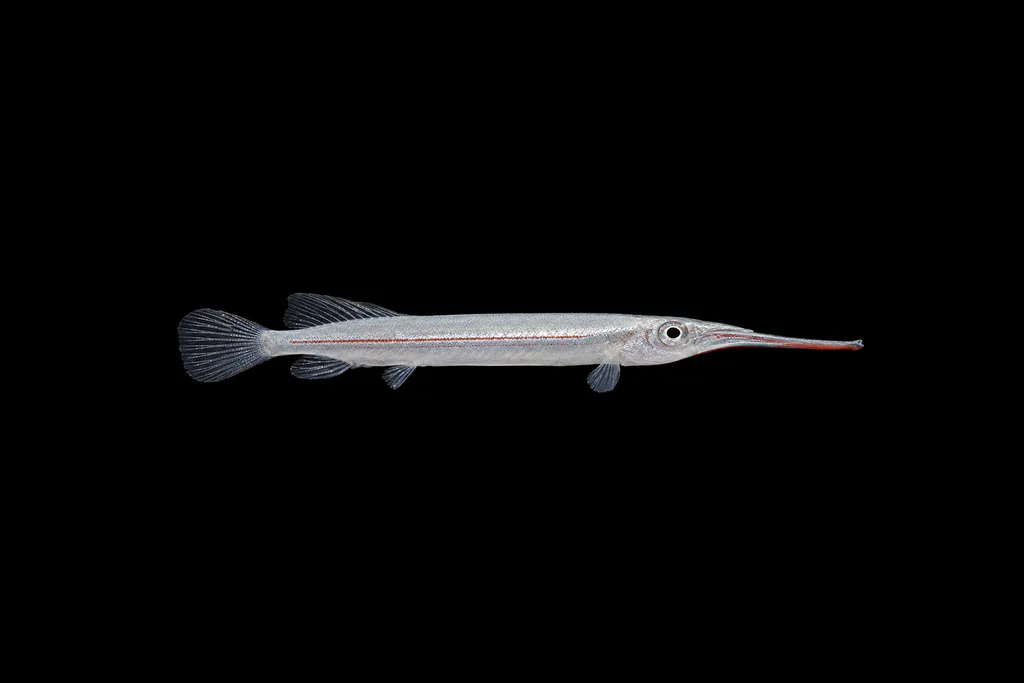
Fire halfbeak
Hemirhamphodon kapuasensis
Freshwater2.4 in (6 cm) · 14 gal (54 L)73–81°F (23–27°C)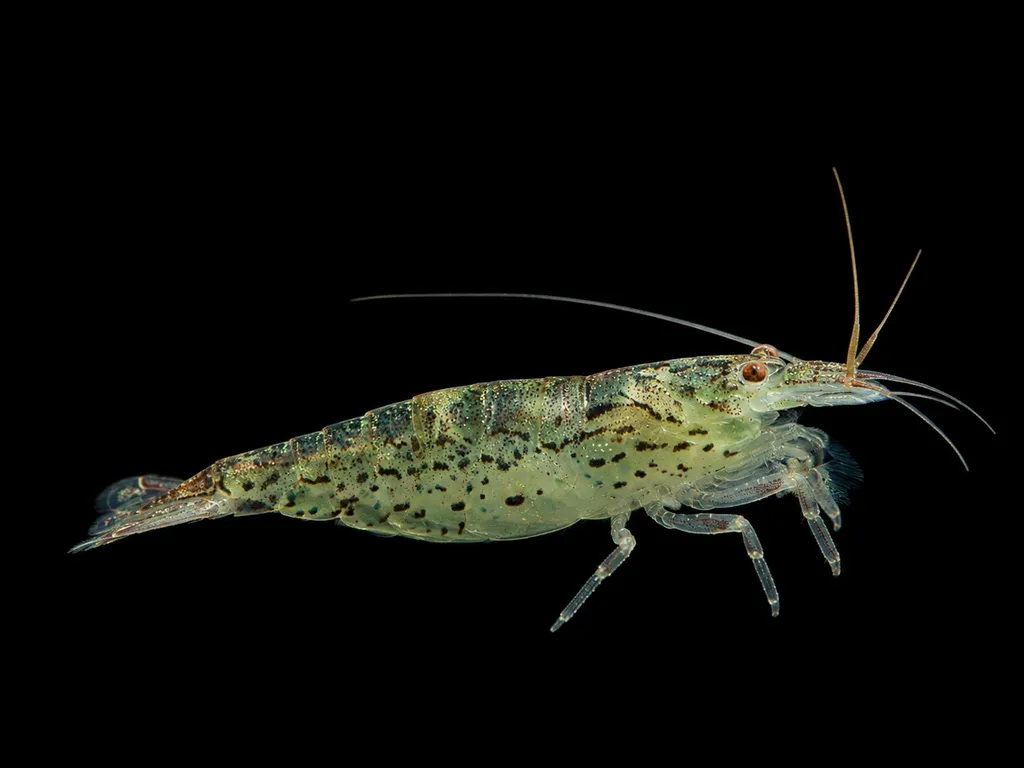
Green lace shrimp
Atyoida pilipes
Freshwater2.8 in (7 cm) · 14 gal (54 L)73–82°F (23–28°C)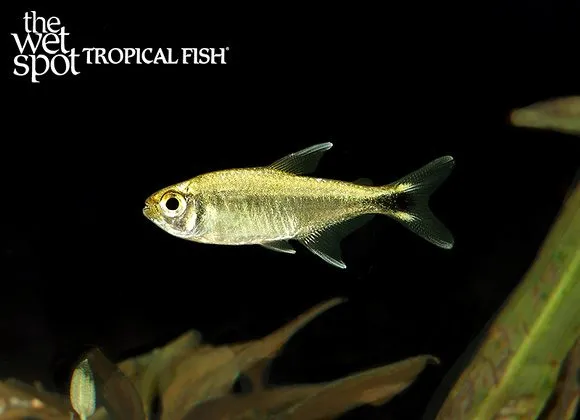
Colombian gold tetra
Hyphessobrycon saizi
Freshwater1.4 in (3.5 cm) · 14 gal (54 L)73–82°F (23–28°C)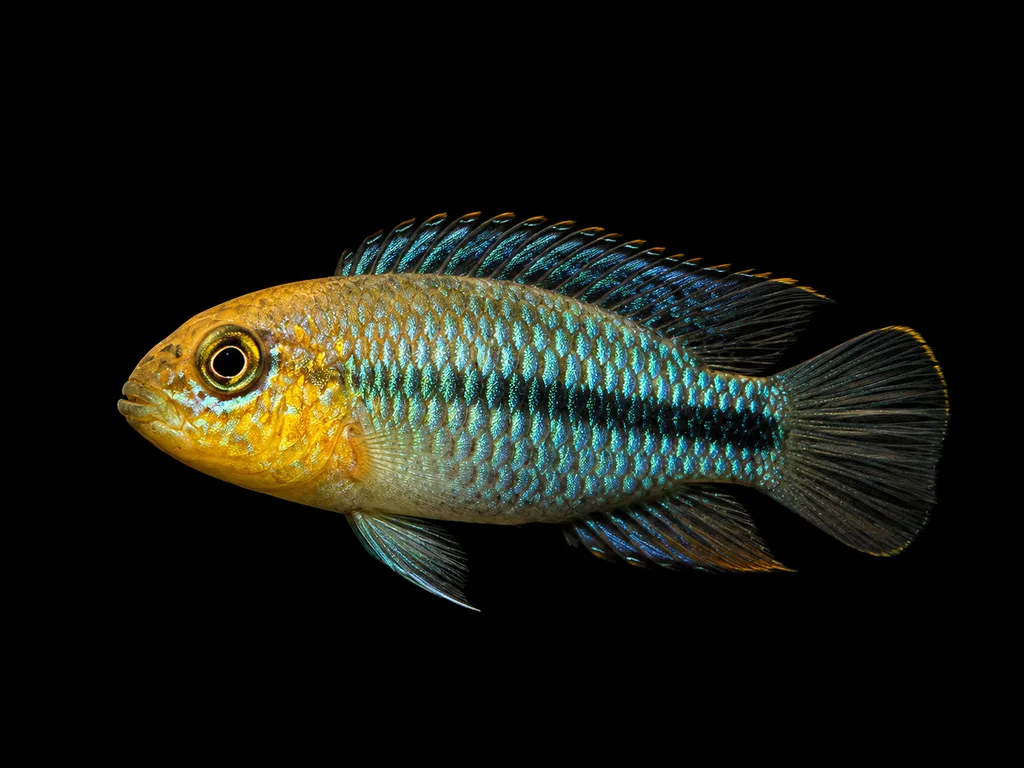
Goldhead nannacara
Nannacara aureocephalus
Freshwater3.1 in (8 cm) · 14 gal (54 L)75–82°F (24–28°C)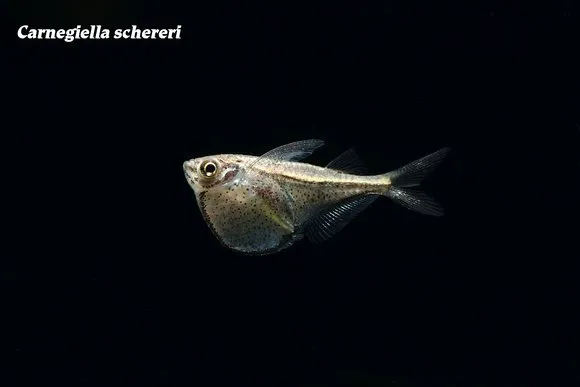
Scherer's hatchetfish
Carnegiella schereri
Freshwater1 in (2.6 cm) · 14 gal (54 L)73–82°F (23–28°C)
Common questions
What size tank does a pearly rasbora need?
A pearly rasbora needs at least 14 gal (54 L). It spends most of its time in the middle.
What temperature and pH does a pearly rasbora need?
A pearly rasbora is comfortable at 75–82°F (24–28°C) with a pH of 5.5–7.0.
What does a pearly rasbora eat?
A pearly rasbora eats small foods it can manage, such as fine flake and small frozen daphnia and bloodworm. Occasional live foods help bring on its color.
How big does a pearly rasbora get?
An adult pearly rasbora reaches about 1.6 in (4 cm).
Does a pearly rasbora need a group?
Yes. A pearly rasbora is a schooling species and should be kept in a group, not singly.
How can you tell a male pearly rasbora from a female?
Males are slimmer and brighter than females, which are noticeably larger and deeper-bodied.
How does a pearly rasbora breed?
Pearly rasboras are egg scatterers. Breeding them is of moderate difficulty.
Related species
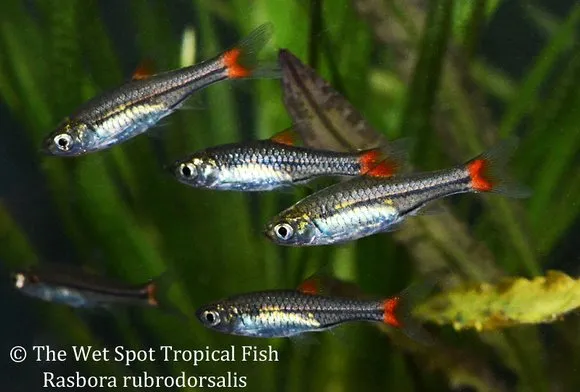 1.6 in (4 cm)14 gal (54 L)72–81°F (22–27°C)
Redback rasbora
Rasbora rubrodorsalis
1.6 in (4 cm) · 14 gal (54 L)
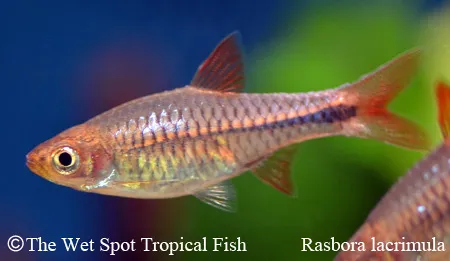 1.6 in (4 cm)14 gal (54 L)73–81°F (23–27°C)
Teardrop rasbora
Rasbora lacrimula
1.6 in (4 cm) · 14 gal (54 L)
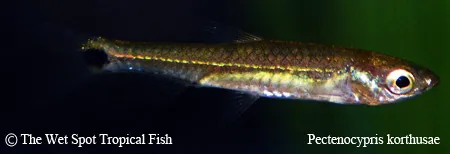 1.7 in (4.2 cm)14 gal (54 L)73–82°F (23–28°C)
Korthaus rasbora
Pectenocypris korthausae
1.7 in (4.2 cm) · 14 gal (54 L)
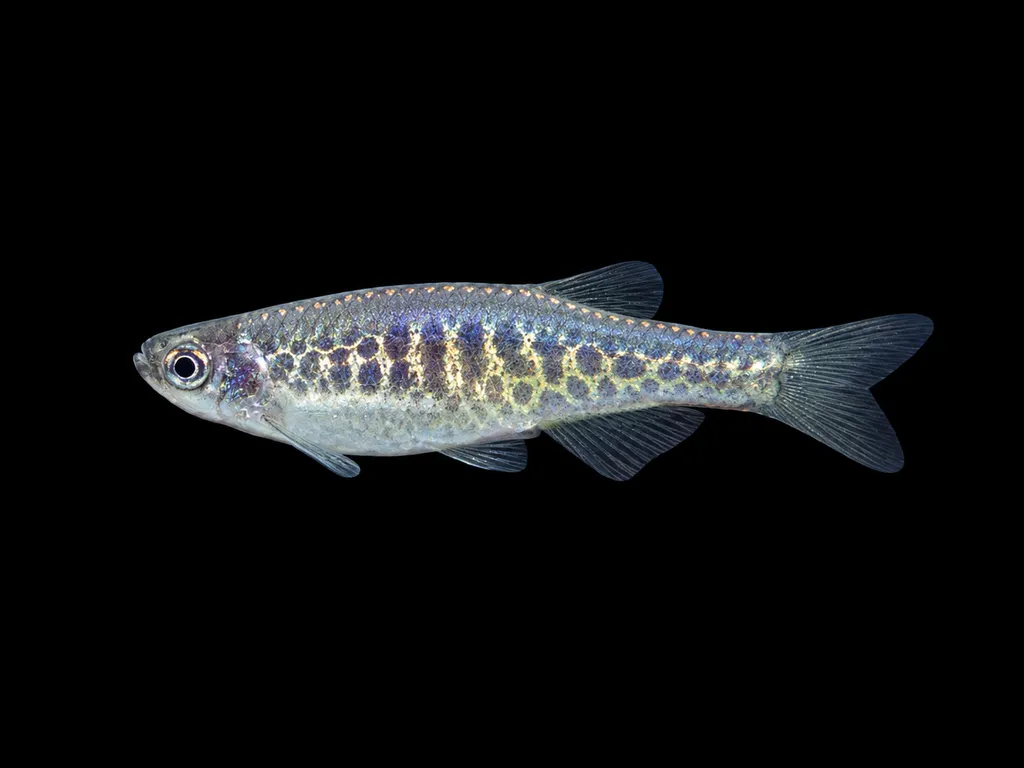 1.4 in (3.6 cm)14 gal (54 L)72–79°F (22–26°C)
Panther danio
Danio aesculapii
1.4 in (3.6 cm) · 14 gal (54 L)
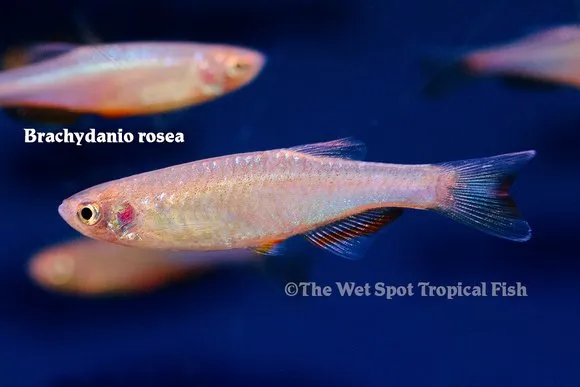 1.8 in (4.6 cm)20 gal (75 L)70–79°F (21–26°C)
Rose danio
Danio roseus
1.8 in (4.6 cm) · 20 gal (75 L)
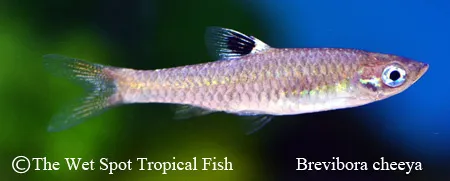 1.3 in (3.4 cm)14 gal (54 L)72–81°F (22–27°C)
Cheeya rasbora
Brevibora cheeya
1.3 in (3.4 cm) · 14 gal (54 L)