Rose danio
Danio roseus
Also known as Purple passion danio, Brachydanio rosea, Rosy danio
FreshwaterFish
Care at a glance
- Temperature
- 70–79°F
- 21–26°C
- pH
- 6.5–7.5
- Adult size
- 1.8 in
- 4.6 cm
- Minimum tank
- 20 gal
- 75 L
- Temperament
- Peaceful
- Social behavior
- Schooling
- Swim level
- Middle
- Difficulty
- Easy
- Breeding
- Egg scatterer · Medium
- Rarity
- Rare
- Family
- Danionidae
- Origin
- Upper Mekong basin, Thailand, Laos and Myanmar
Overview
The rose danio is a good-natured, active schooling fish for the middle of a community tank. It is easy to keep, even for a beginner.
Did you know
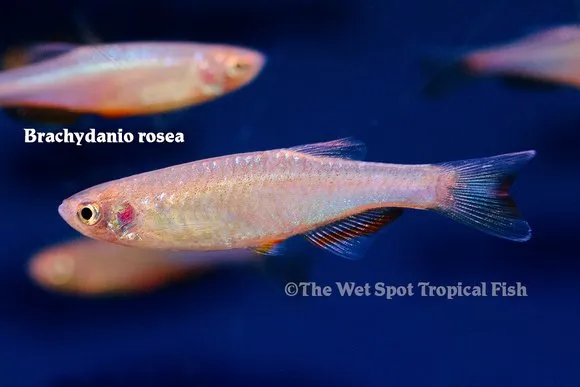
In a shop tank, a rose danio often looks like a plain silver fish. A week or two of good food and quiet light brings up the pink flush, rather like a photograph slowly developing.
Caring for the rose danio
Give a group of rose danios a planted tank of 20 gal (75 L) or more, with driftwood and open lanes to swim. Hardy Anubias, Bolbitis or ferns attached to the wood do well under the light these danios prefer. Like other danios, they can jump, so keep a well-fitting lid on the tank.
Rose danios prefer water that is cooler than average tropical. Keep it at 70 to 79°F (21 to 26°C) and a pH of 6.5 to 7.5, with a gentle current. They eat almost anything small, from flake and micro pellets to frozen and live foods.
Keep at least eight, since they look their best in a group. They are peaceful and active, and they mix well with rasboras, small loaches and other calm community fish of similar size. Breeding them takes moderate effort. They scatter their eggs and spawn readily, but they eat their own eggs given the chance.
Good to know
The rose danio, Danio roseus, belongs to the family Danionidae and was described in 2000 from northern Thailand. It is pearl-blue, with a rose-pink wash along the belly and fins. It is now sometimes placed in the genus Brachydanio.
In the wild
The rose danio comes from streams of the upper Mekong basin in Thailand, Laos and Myanmar. These are flowing streams with plants and wood.
Weekly picks
Tank mates
The rose danio is a peaceful, schooling species that keeps to the middle. These picks share a community profile with it, are safe together in both directions, and overlap on water type, temperature and pH.
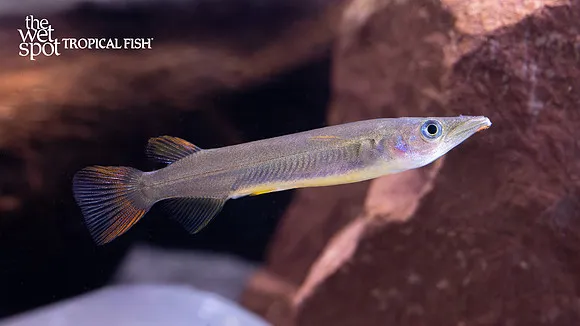
Rex halfbeak
Nomorhamphus rex
Freshwater2.2 in (5.5 cm) · 20 gal (75 L)72–79°F (22–26°C)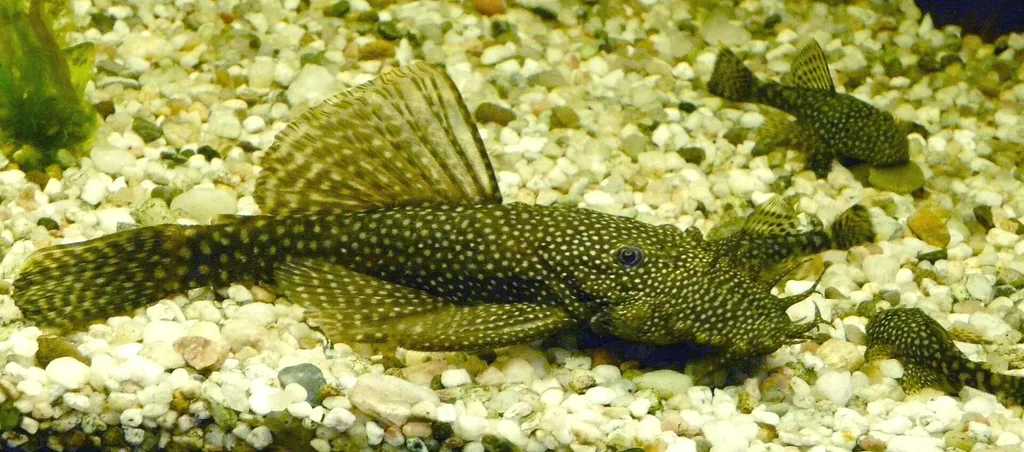
Bristlenose pleco
Ancistrus sp.
Freshwater4.9 in (12.5 cm) · 20 gal (75 L)70–79°F (21–26°C)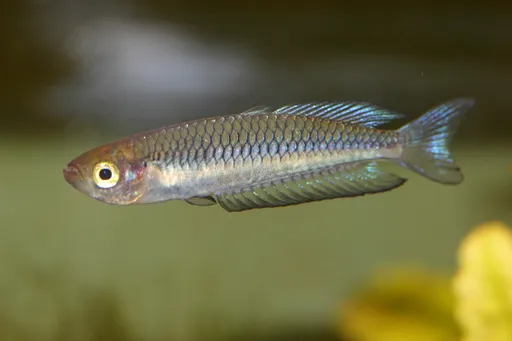
Ornate rainbowfish
Rhadinocentrus ornatus
Freshwater2.4 in (6 cm) · 20 gal (75 L)64–82°F (18–28°C)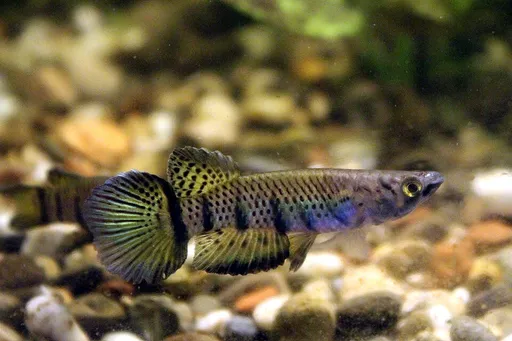
Six-barred panchax
Epiplatys sexfasciatus
Freshwater3.9 in (10 cm) · 20 gal (75 L)72–81°F (22–27°C)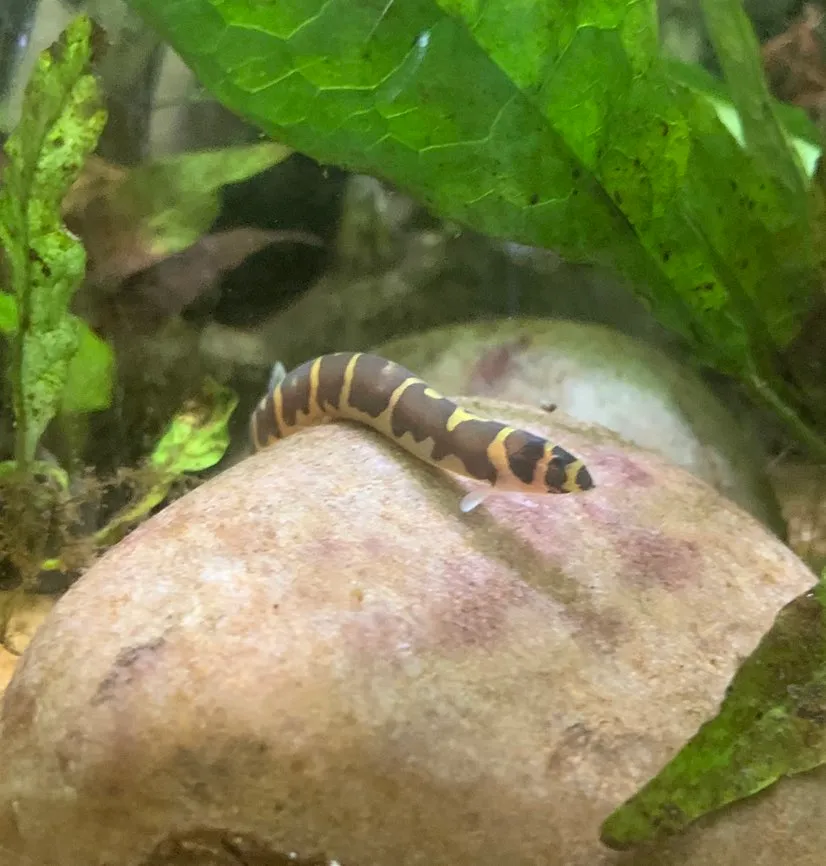
Half-banded kuhli loach
Pangio semicincta
Freshwater3.9 in (10 cm) · 20 gal (75 L)70–79°F (21–26°C)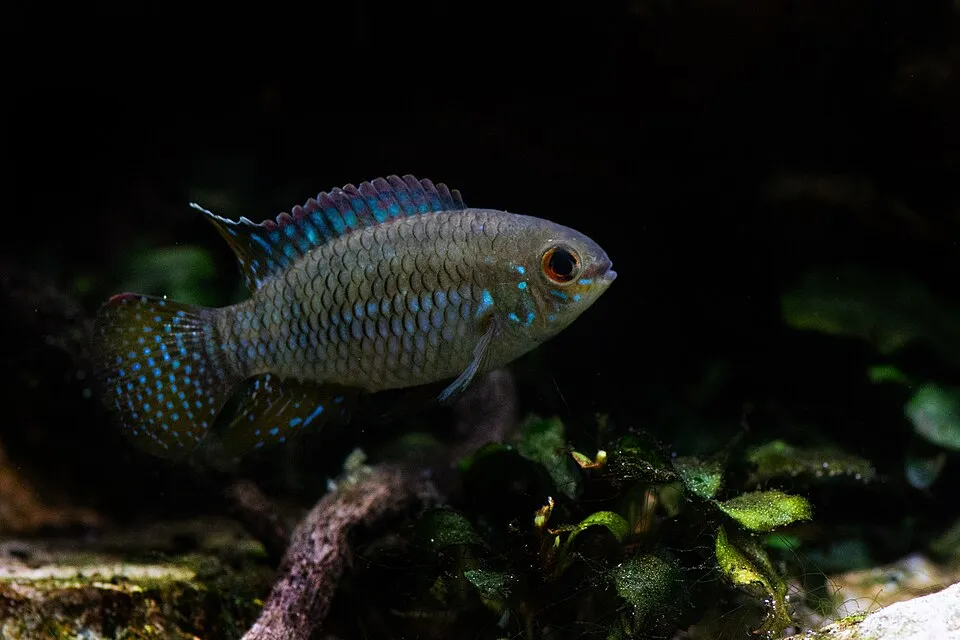
Dwarf flag cichlid
Laetacara curviceps
Freshwater2.2 in (5.5 cm) · 20 gal (75 L)68–82°F (20–28°C)
Common questions
What size tank does a rose danio need?
A rose danio needs at least 20 gal (75 L). It spends most of its time in the middle.
What temperature and pH does a rose danio need?
A rose danio is comfortable at 70–79°F (21–26°C) with a pH of 6.5–7.5.
What does a rose danio eat?
A rose danio eats almost anything small, from flake and micro pellets to frozen and live foods.
How big does a rose danio get?
An adult rose danio reaches about 1.8 in (4.6 cm).
Does a rose danio need a group?
Yes. A rose danio is a schooling species and should be kept in a group, not singly.
How does a rose danio breed?
A rose danio is an egg scatterer that spawns readily, but it eats its own eggs given the chance. Breeding it takes moderate effort.
Related species
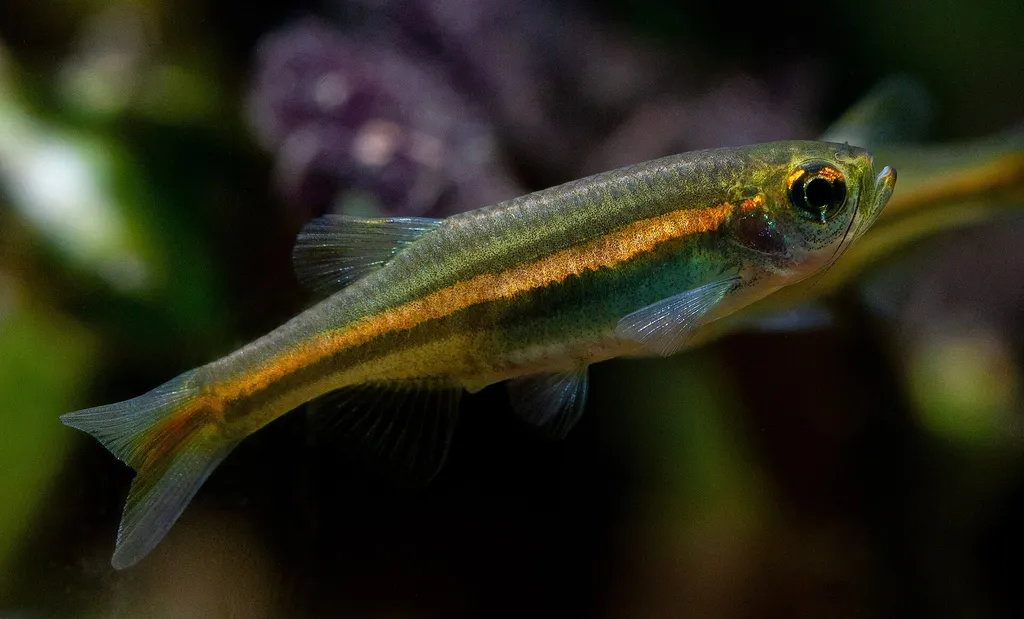 2 in (5 cm)20 gal (75 L)64–75°F (18–24°C)
Jaintia danio
Danio jaintianensis
2 in (5 cm) · 20 gal (75 L)
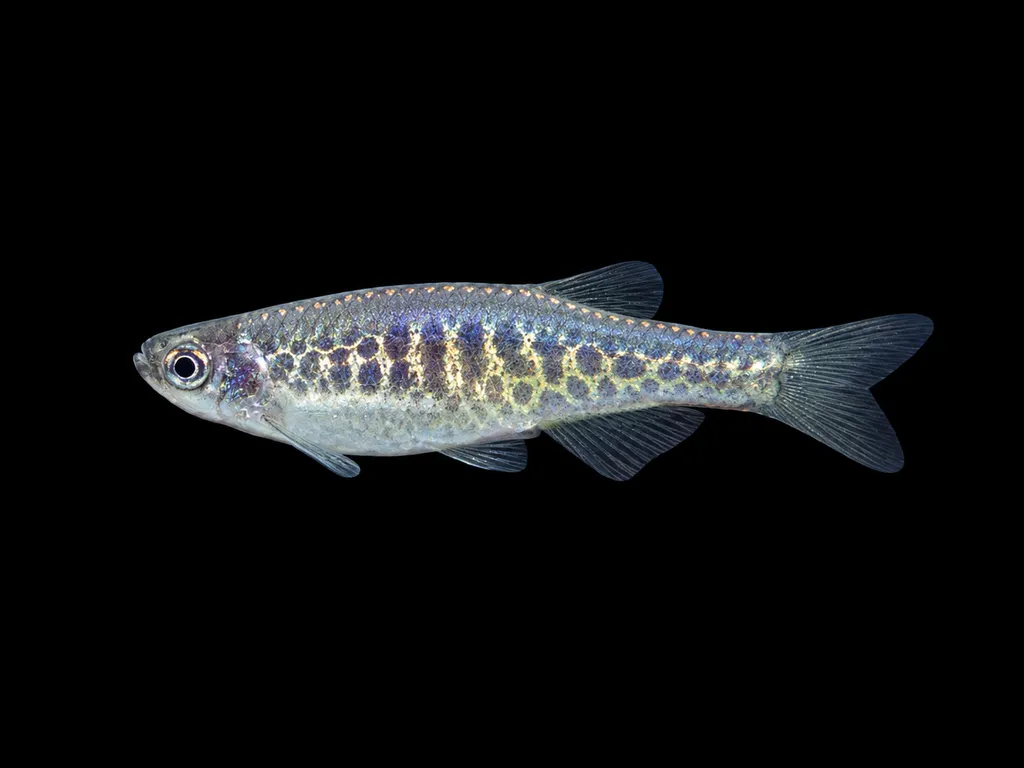 1.4 in (3.6 cm)14 gal (54 L)72–79°F (22–26°C)
Panther danio
Danio aesculapii
1.4 in (3.6 cm) · 14 gal (54 L)
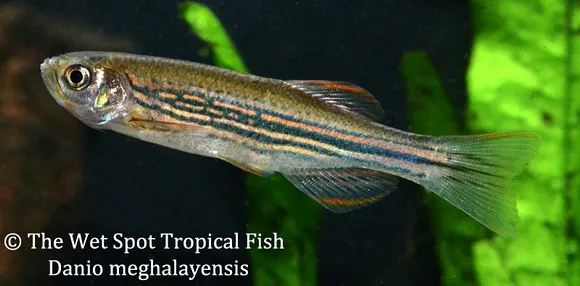 2.4 in (6 cm)24 gal (90 L)64–75°F (18–24°C)
Meghalaya danio
Danio meghalayensis
2.4 in (6 cm) · 24 gal (90 L)
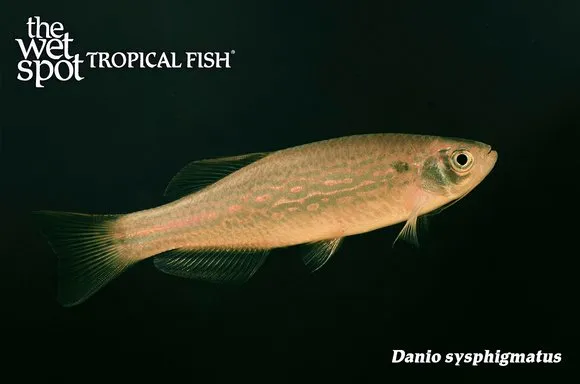 3.3 in (8.5 cm)29 gal (110 L)72–81°F (22–27°C)
Sittaung danio
Danio sysphigmatus
3.3 in (8.5 cm) · 29 gal (110 L)
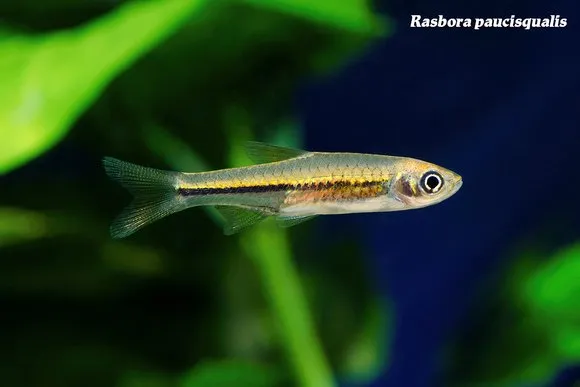 2 in (5 cm)20 gal (75 L)72–81°F (22–27°C)
Largescale rasbora
Rasbora paucisqualis
2 in (5 cm) · 20 gal (75 L)
 1.7 in (4.2 cm)14 gal (54 L)73–82°F (23–28°C)
Korthaus rasbora
Pectenocypris korthausae
1.7 in (4.2 cm) · 14 gal (54 L)