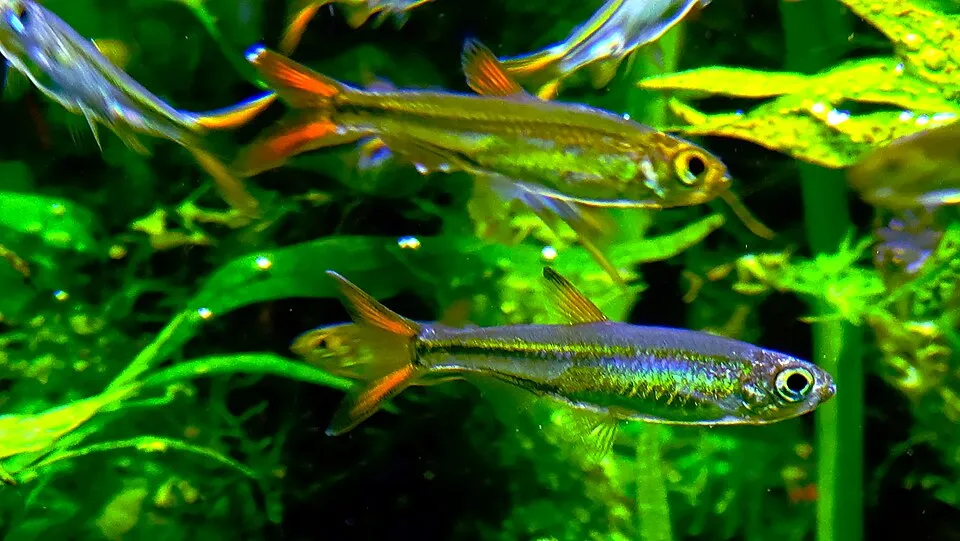
Jellybean tetra
Ladigesia roloffi
Also known as Jelly bean tetra
FreshwaterFish
Care at a glance
- Temperature
- 72–81°F
- 22–27°C
- pH
- 6.0–7.5
- Adult size
- 1.2 in
- 3 cm
- Minimum tank
- 10 gal
- 37 L
- Temperament
- Peaceful
- Social behavior
- Schooling
- Swim level
- Middle
- Difficulty
- Easy
- Breeding
- No record
- Rarity
- Rare
- Family
- Alestidae
- Origin
- Sierra Leone
Overview
This is an easy, peaceful fish best kept in a school of six or more, in a tank as small as about 37 liters. They swim in the middle of the water and show their best shimmer in a planted tank with soft lighting. Feed small foods like fine flake, micro-pellets, and the occasional frozen daphnia or baby brine shrimp. Their small size makes them good nano-tank fish, but keep tankmates equally small and calm.
In the wild
The jellybean tetra comes from clear, slow forest streams and small rivers in Sierra Leone, shaded by trees and full of leaf litter. The water is soft and slightly acidic with a calm, dim feel. A planted nano tank with soft light, some botanicals, and gentle flow matches it well. Keep the pH from 6 to 7.5 and the temperature in the low to mid 20s C.
Good to know
Ladigesia roloffi is a small African tetra in the family Alestidae, growing to about 3 cm. It has a translucent body with a pearly shine and a dark spot near the tail base. It is a peaceful schooling species, and home breeding is not well documented. Wild populations face habitat loss but it is not formally listed as endangered.
Did you know
Its near-see-through body picks up the surrounding light, so the fish looks like it shifts shade as it moves through different parts of a planted tank.
Weekly picks
Tank mates
Jellybean tetra is a peaceful, schooling species that keeps to the middle. These picks share a community profile with it, are safe together in both directions, and overlap on water type, temperature and pH.
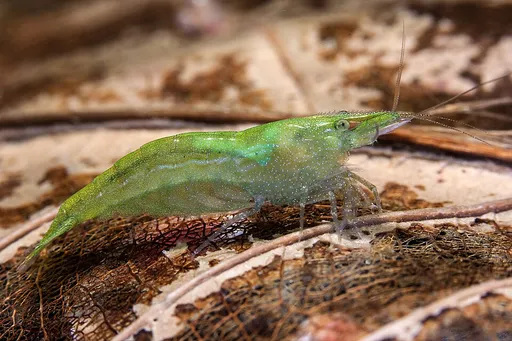
Green babaulti shrimp
Caridina babaulti
Freshwater1.2 in (3 cm) · 10 gal (38 L)72–82°F (22–28°C)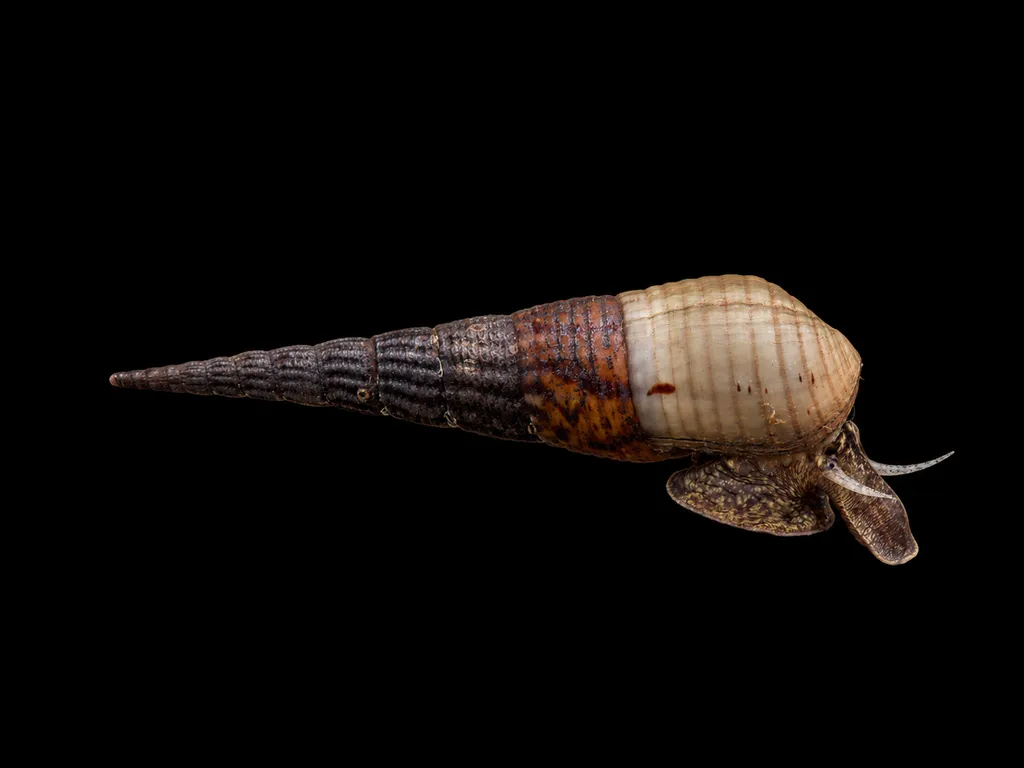
Chopstick snail
Stenomelania torulosa
Freshwater2 in (5 cm) · 11 gal (40 L)73–82°F (23–28°C)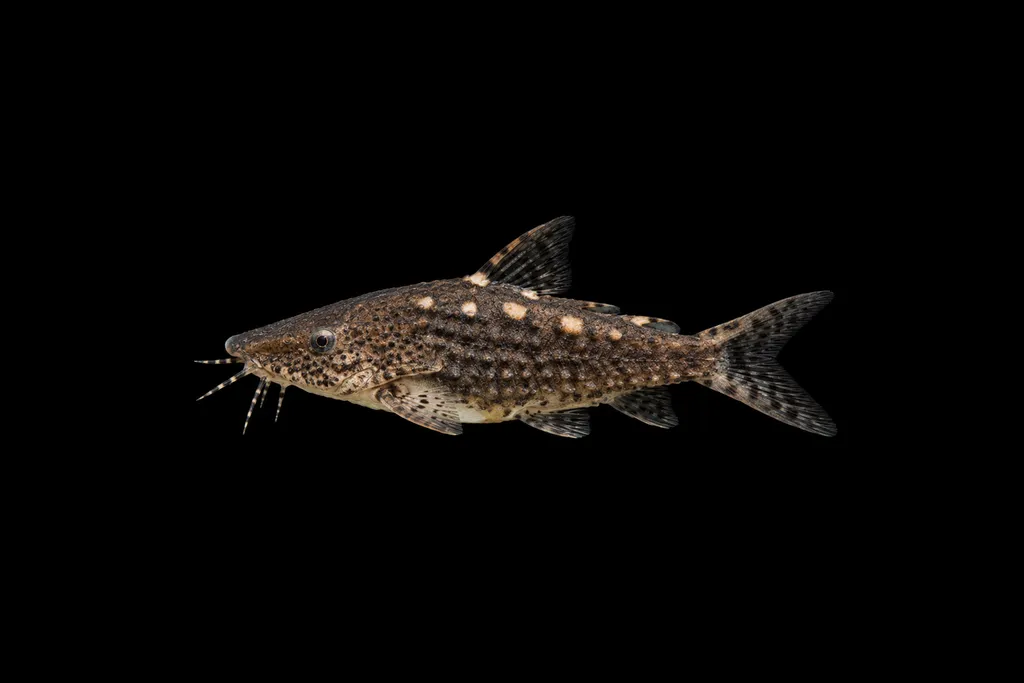
Dwarf warty catfish
Parakysis notialis
Freshwater1 in (2.5 cm) · 11 gal (40 L)73–82°F (23–28°C)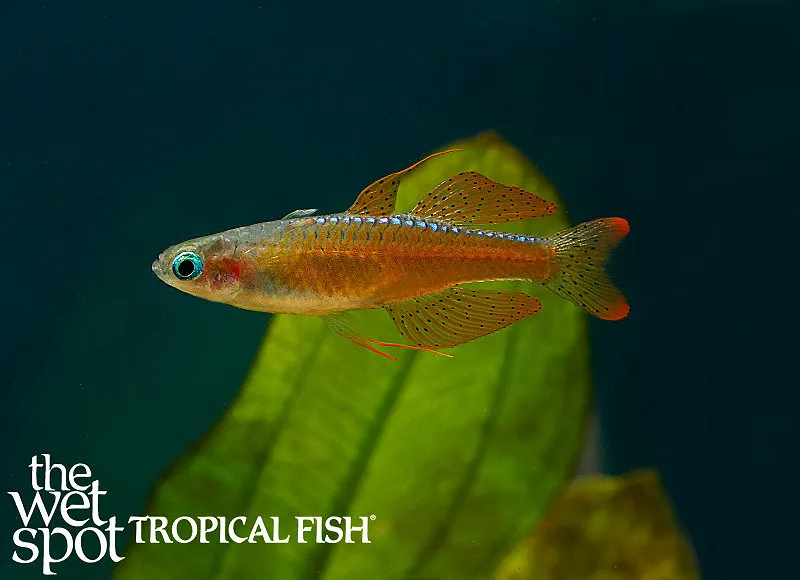
Red neon blue-eye
Pseudomugil luminatus
Freshwater1.4 in (3.5 cm) · 11 gal (40 L)72–81°F (22–27°C)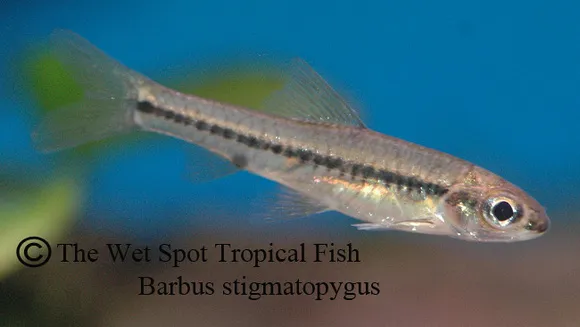
Blackspot dwarf barb
Enteromius stigmatopygus
Freshwater1.4 in (3.5 cm) · 11 gal (40 L)72–81°F (22–27°C)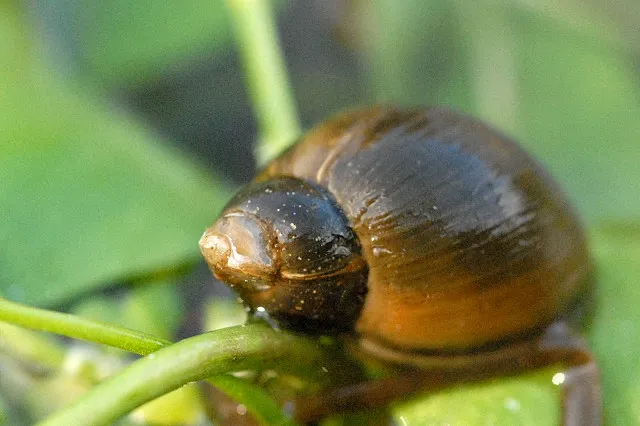
Wandering snail
Ampullaceana balthica
Freshwater0.8 in (2 cm) · 11 gal (40 L)50–84°F (10–29°C)
Common questions
What size tank does a Jellybean tetra need?
A Jellybean tetra needs at least 10 gal (37 L). It spends most of its time in the middle.
What temperature and pH does a Jellybean tetra need?
A Jellybean tetra is comfortable at 72–81°F (22–27°C) with a pH of 6.0–7.5.
How big does a Jellybean tetra get?
An adult Jellybean tetra reaches about 1.2 in (3 cm).
Does a Jellybean tetra need a group?
Yes. A Jellybean tetra is a schooling species and should be kept in a group, not singly.
Related species
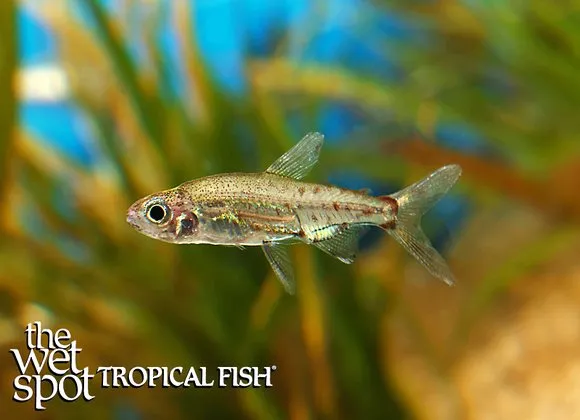 1 in (2.5 cm)11 gal (40 L)72–79°F (22–26°C)
Adonis tetra
Lepidarchus adonis
1 in (2.5 cm) · 11 gal (40 L)
- 2 in (5 cm)24 gal (90 L)73–81°F (23–27°C)
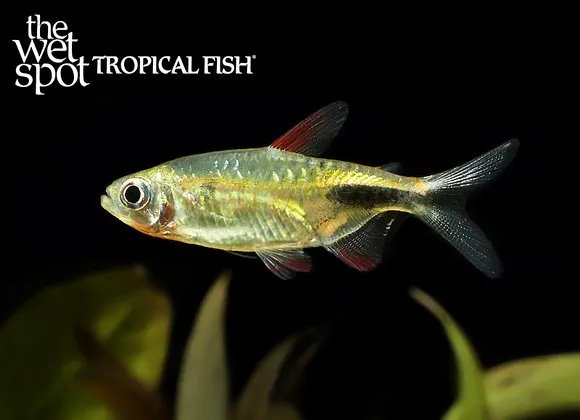
Red-back moon tetra
Bathyaethiops flammeus
2 in (5 cm) · 24 gal (90 L)
 2.4 in (6 cm)24 gal (90 L)73–81°F (23–27°C)
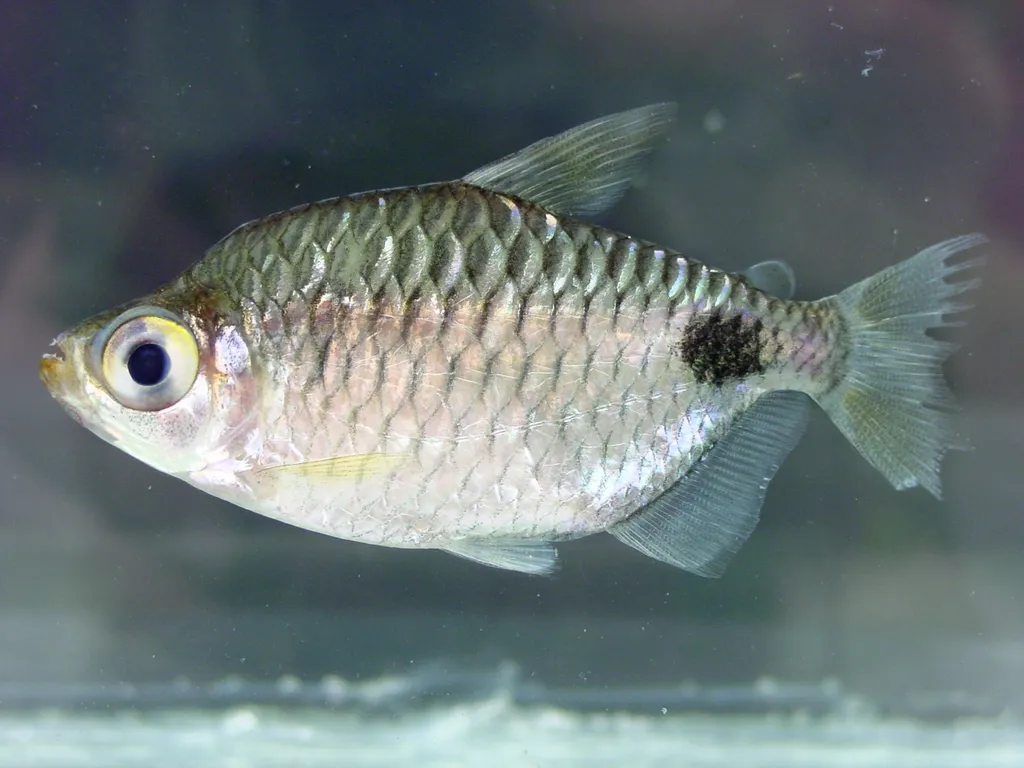
Copper Congo tetra
Hemigrammopetersius pulcher
2.4 in (6 cm) · 24 gal (90 L)
 2.6 in (6.5 cm)30 gal (112 L)73–82°F (23–28°C)
Altus tetra
Brachypetersius altus
2.6 in (6.5 cm) · 30 gal (112 L)
 2.8 in (7 cm)29 gal (110 L)73–81°F (23–27°C)
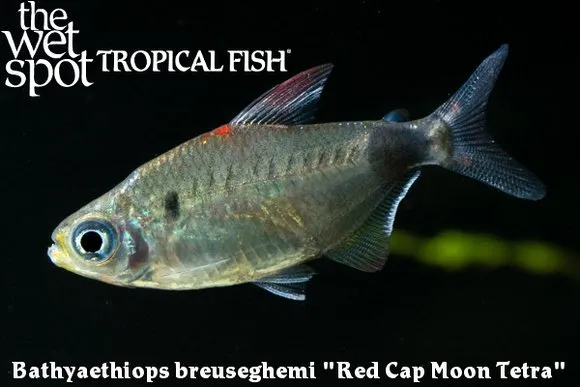
Breuseghem's moon tetra
Bathyaethiops breuseghemi
2.8 in (7 cm) · 29 gal (110 L)
 2.8 in (7 cm)29 gal (110 L)73–81°F (23–27°C)
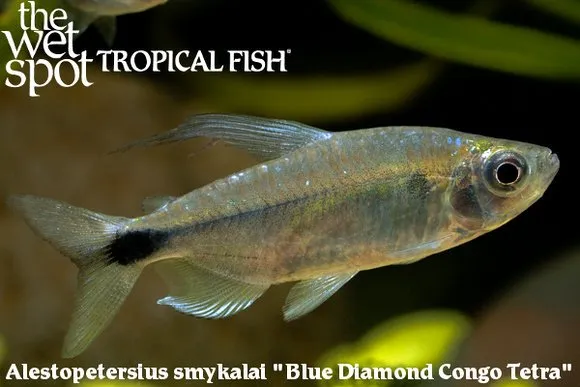
Niger yellow Congo tetra
Alestopetersius smykalai
2.8 in (7 cm) · 29 gal (110 L)