Red-back moon tetra
Bathyaethiops flammeus
FreshwaterFish
Care at a glance
- Temperature
- 73–81°F
- 23–27°C
- pH
- 6.0–7.0
- Adult size
- 2 in
- 5 cm
- Minimum tank
- 24 gal
- 90 L
- Temperament
- Peaceful
- Social behavior
- Schooling
- Swim level
- Middle
- Difficulty
- Medium
- Breeding
- No record
- Rarity
- Rare
- Family
- Alestidae
- Origin
- Middle Congo basin, DR Congo
Overview
The red-back moon tetra is a small, peaceful schooling fish for the middle of a softly lit community tank. It is a step up from the easiest fish.
Did you know
The red-back moon tetra's bright red spot looks lit from within. That flame-red mark fades to plain white once a specimen is preserved in alcohol.
Caring for the red-back moon tetra
Keep red-back moon tetras in a group of at least six to eight, where they relax and color up. A tank of 24 gal (90 L) or more gives a small school room to move. Give them open swimming space over a dark substrate, with driftwood, leaf litter, some planted cover and dim lighting.
Keep the water soft and acidic to neutral, at 73 to 81°F (23 to 27°C) and a pH of 6.0 to 7.0. It should be clean and stable, with gentle filtration. Feed small foods, with a fine flake or micropellet staple and frequent frozen or live daphnia, baby brine shrimp and cyclops.
The red-back moon tetra is peaceful and suits a quiet community of other gentle fish that will not compete hard for food. There is no aquarium breeding record yet, though it is presumed to scatter eggs like its close relatives.
Good to know
Bathyaethiops flammeus is a small African moon tetra in the family Alestidae, described only in 2016. Its name flammeus is Latin for flame-colored, for the red spot on its nape just in front of the dorsal fin. It is one of the more recently named alestids.
In the wild
The red-back moon tetra comes from the shaded forest streams of the Congo River basin. It is known from small tributaries such as the Bakéré and Ruki. These soft, gently acidic waters move slowly to moderately over sand, wood and fallen leaves.
Weekly picks
Tank mates
The red-back moon tetra is a peaceful, schooling species that keeps to the middle. These picks share a community profile with it, are safe together in both directions, and overlap on water type, temperature and pH.
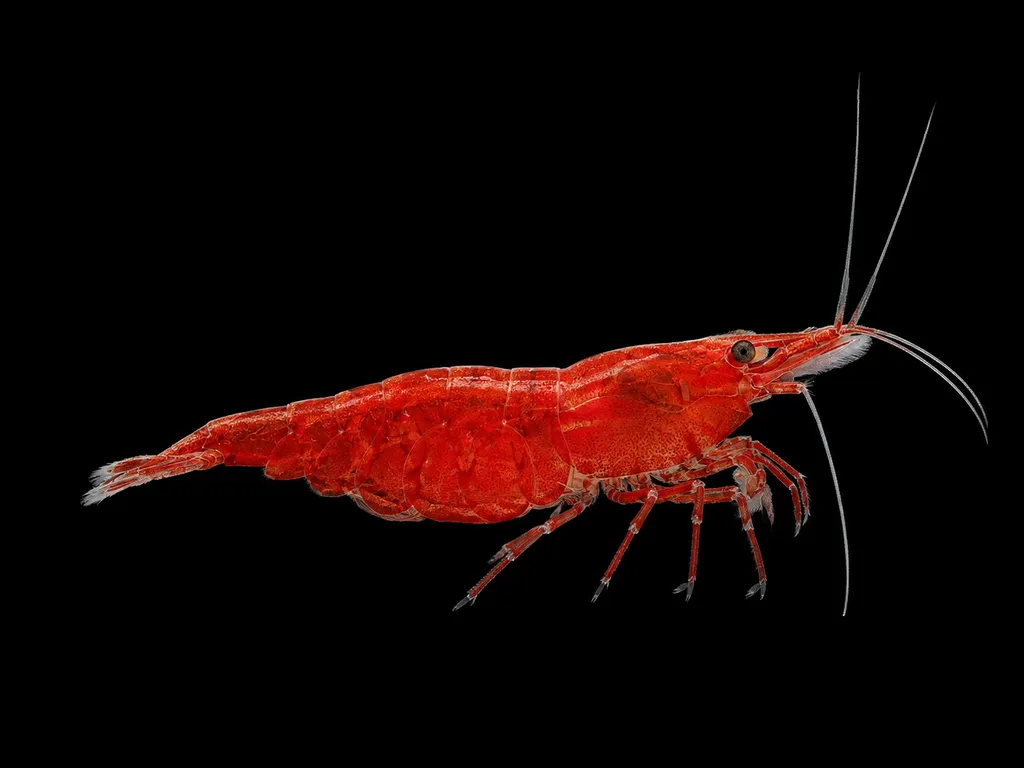
Neocaridina shrimp
Neocaridina davidi
Freshwater1.6 in (4 cm) · 5 gal (19 L)59–84°F (15–29°C)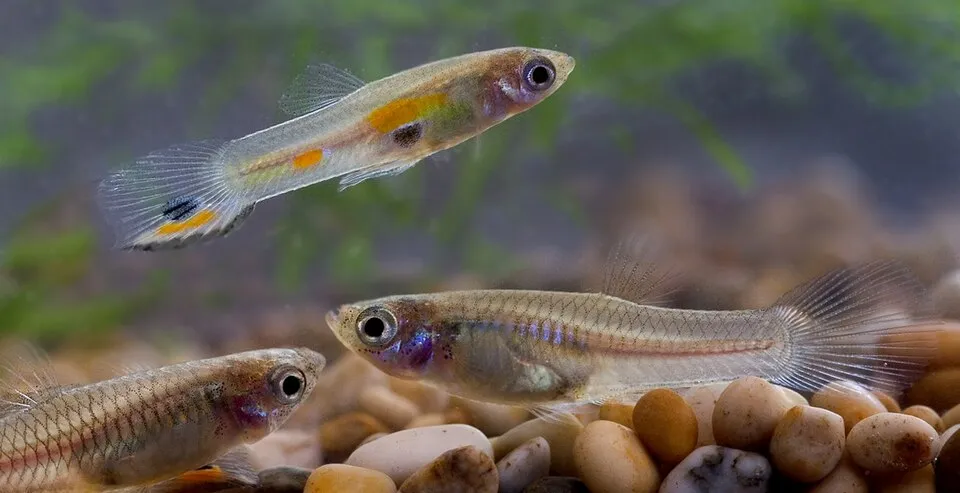
Guppy
Poecilia reticulata
FreshwaterBrackish2.4 in (6 cm) · 10 gal (38 L)64–82°F (18–28°C)
Neon tetra
Paracheirodon innesi
Freshwater1.5 in (3.8 cm) · 11 gal (40 L)70–77°F (21–25°C)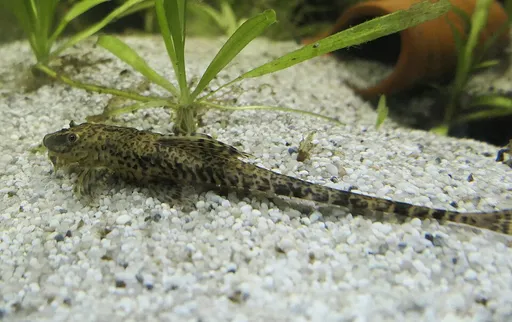
Red lizard whiptail
Rineloricaria lanceolata
Freshwater3.9 in (10 cm) · 24 gal (90 L)77–82°F (25–28°C)Siamese flying barb
Laubuka siamensis
Freshwater2.6 in (6.5 cm) · 24 gal (90 L)72–81°F (22–27°C)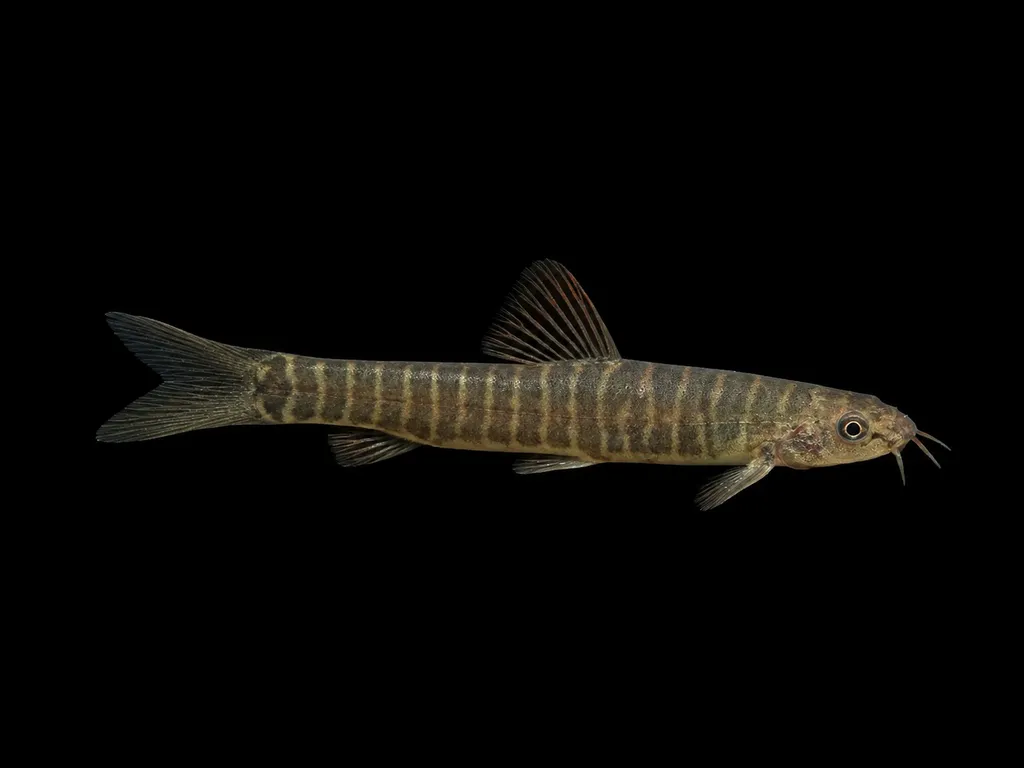
Flathead loach
Nemacheilus platiceps
Freshwater2.9 in (7.3 cm) · 24 gal (90 L)72–81°F (22–27°C)
Common questions
What size tank does a red-back moon tetra need?
A red-back moon tetra needs at least 24 gal (90 L). It spends most of its time in the middle.
What temperature and pH does a red-back moon tetra need?
A red-back moon tetra is comfortable at 73–81°F (23–27°C) with a pH of 6.0–7.0.
What does a red-back moon tetra eat?
A red-back moon tetra eats small foods, such as a fine flake or micropellet. Give it frequent frozen or live daphnia, baby brine shrimp and cyclops as well.
How big does a red-back moon tetra get?
An adult red-back moon tetra reaches about 2 in (5 cm).
Does a red-back moon tetra need a group?
Yes. A red-back moon tetra is a schooling species and should be kept in a group, not singly.
How does a red-back moon tetra breed?
The red-back moon tetra is presumed to scatter its eggs like its close relatives. There is no aquarium breeding record yet.
Related species
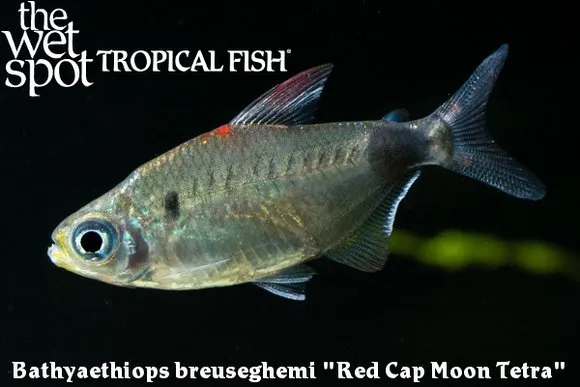 2.8 in (7 cm)29 gal (110 L)73–81°F (23–27°C)
Breuseghem's moon tetra
Bathyaethiops breuseghemi
2.8 in (7 cm) · 29 gal (110 L)
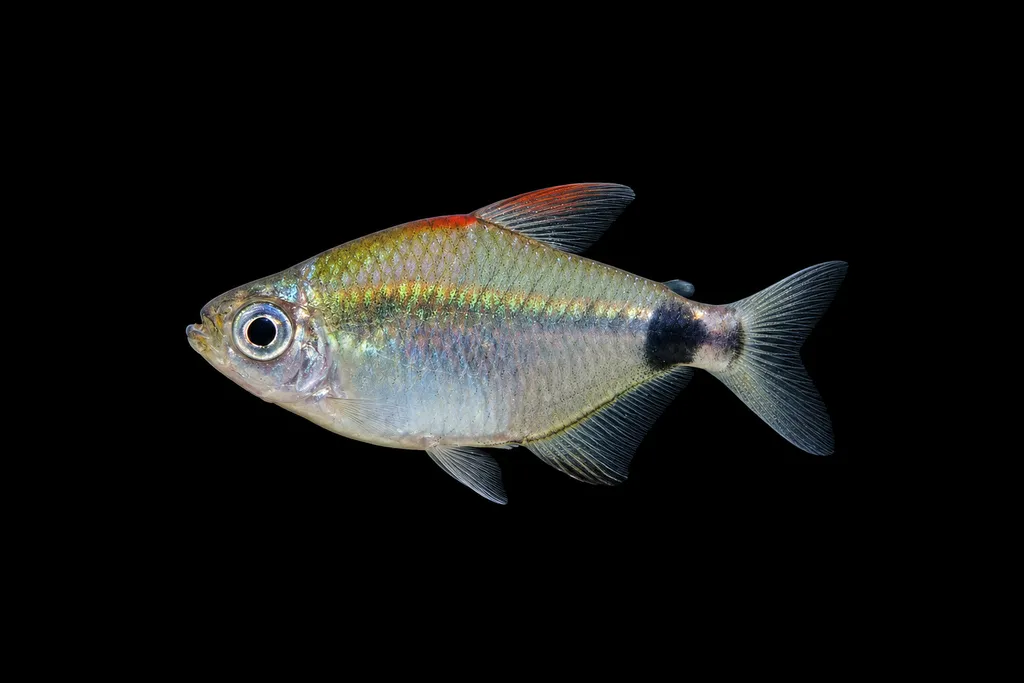 3.1 in (8 cm)22 gal (85 L)72–77°F (22–25°C)
African moon tetra
Bathyaethiops caudomaculatus
3.1 in (8 cm) · 22 gal (85 L)
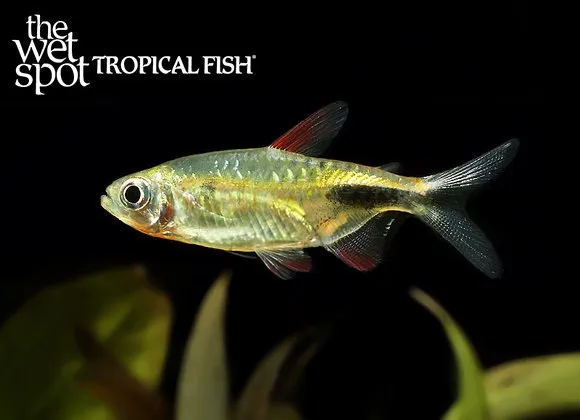 2.4 in (6 cm)24 gal (90 L)73–81°F (23–27°C)
Copper Congo tetra
Hemigrammopetersius pulcher
2.4 in (6 cm) · 24 gal (90 L)
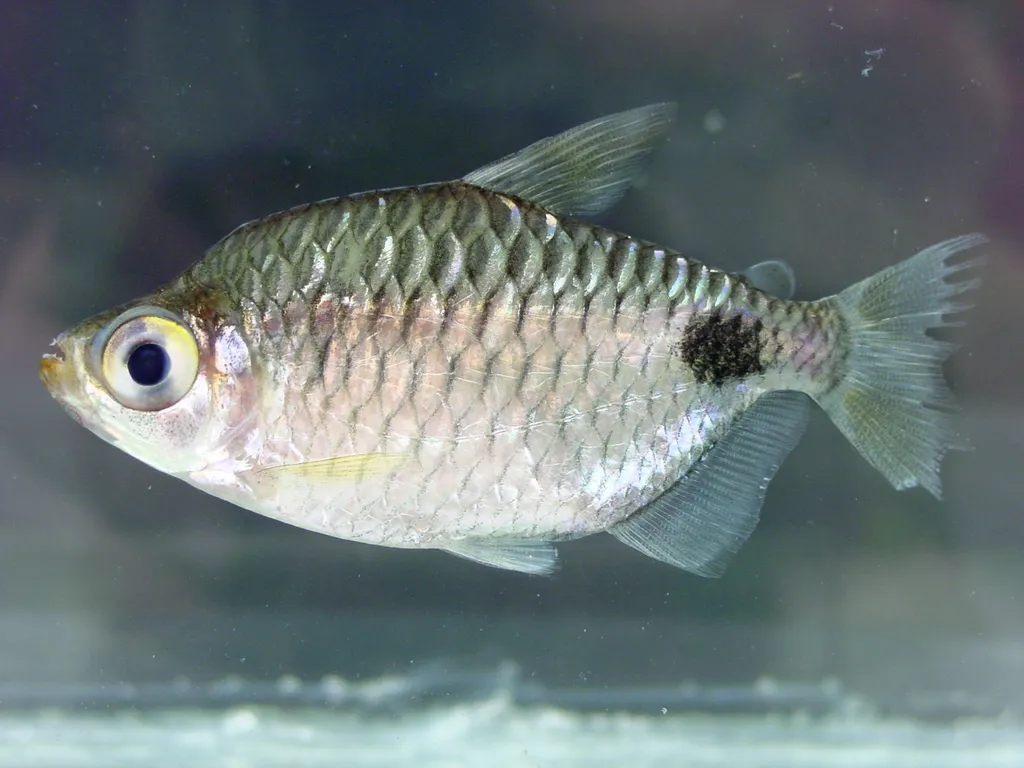 2.6 in (6.5 cm)30 gal (112 L)73–82°F (23–28°C)
Altus tetra
Brachypetersius altus
2.6 in (6.5 cm) · 30 gal (112 L)
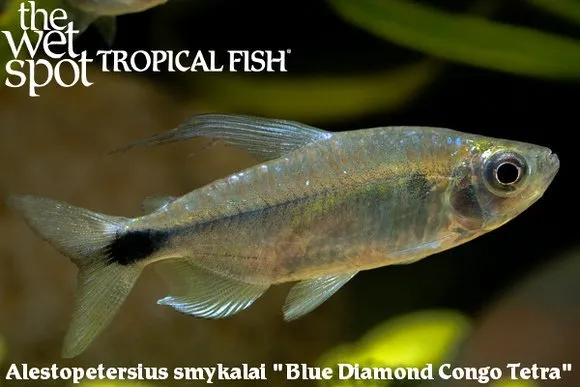 2.8 in (7 cm)29 gal (110 L)73–81°F (23–27°C)
Niger yellow Congo tetra
Alestopetersius smykalai
2.8 in (7 cm) · 29 gal (110 L)
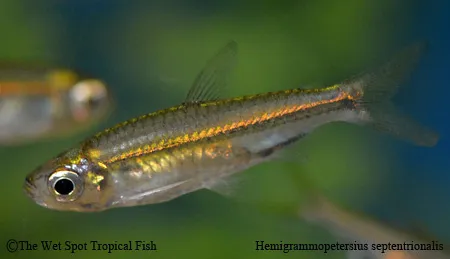 2.8 in (7 cm)21 gal (80 L)73–82°F (23–28°C)
Nigerian yellow line tetra
Rhabdalestes septentrionalis
2.8 in (7 cm) · 21 gal (80 L)