Sailfin tetra
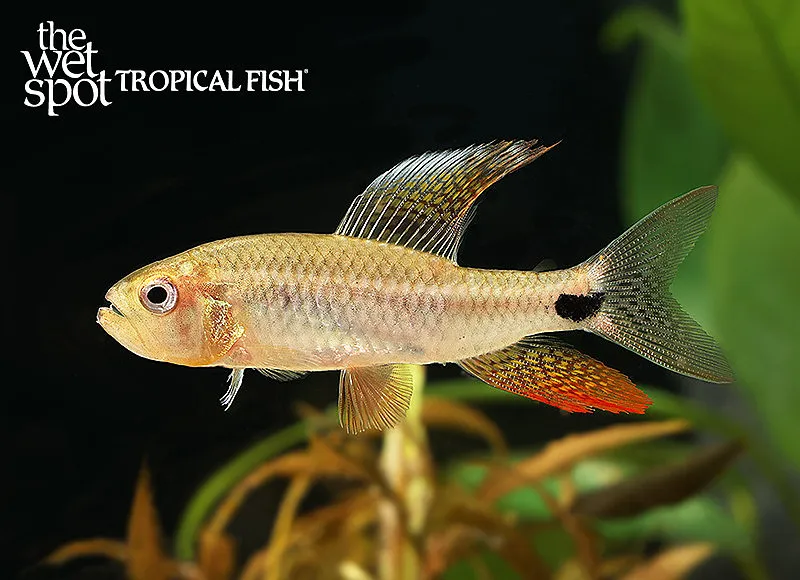
Crenuchus spilurus
Also known as Sailfin characin
FreshwaterFish
Care at a glance
- Temperature
- 73–82°F
- 23–28°C
- pH
- 5.0–6.5
- Adult size
- 2.4 in
- 6 cm
- Minimum tank
- 20 gal
- 75 L
- Temperament
- Mostly peaceful
- Social behavior
- Social
- Swim level
- Middle
- Difficulty
- Medium
- Breeding
- Medium
- Rarity
- Common
- Family
- Crenuchidae
- Origin
- Northern South America: Amazon and Orinoco basins plus coastal rivers of the Guianas (Guyana, Suriname, French Guiana)
Overview
Keep a small group of about six with more females than males, or just a pair, in a tank of 75 liters or up. They live in loose groups rather than tight schools, and males set up small territories, so an excess of females cuts down on sparring. They are mostly peaceful but timid, and they hover in open water among roots and leaf litter in the middle of the column. The water should run warm, 23 to 28 C, soft, and acidic at a pH of 5 to 6.5. This is a micropredator, so feed small live or frozen foods like baby brine, daphnia, moina, and grindal or microworms, since it often refuses dry food. Keep them with calm tankmates of similar size, and skip nano fish, fry, and dwarf shrimp, which they will eat. They are sensitive to organic waste, so run a well established tank with good water quality.
In the wild
Sailfin tetras come from soft, acidic blackwater in northern South America, across the Amazon and Orinoco basins and the coastal rivers of the Guianas. These are dim, slow stretches stained brown with tannins from leaf litter and fallen wood. To match that, give them a mature, dimly lit tank of 75 liters or more with sand, plenty of driftwood, and a layer of dried leaves on the bottom. Keep the water warm at 23 to 28 C, soft, and acidic at a pH of 5 to 6.5.
Good to know
Despite the name, this is not a true tetra. It sits in the family Crenuchidae, the South American darters, and tops out around 6 cm, with some northern fish reaching about 7 cm. It is a cave and substrate spawner with parental care: the male guards the eggs, which hatch in roughly 36 to 48 hours, and the fry are free swimming after another four to six days.
Did you know
Males earn the common name with a tall, flowing dorsal fin they flare during displays. When two males face off over a patch of territory, they spread those sails at each other and lock jaws in a short shoving match instead of doing real damage. Females stay plainer, with shorter fins.
Weekly picks
Tank mates
Sailfin tetra is a mostly peaceful, social species that keeps to the middle. These picks share a community profile with it, are safe together in both directions, and overlap on water type, temperature and pH.
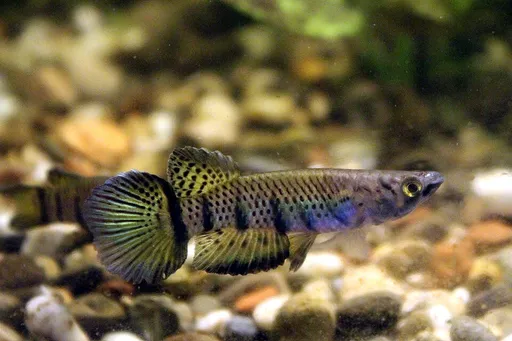
Six-barred panchax
Epiplatys sexfasciatus
Freshwater3.9 in (10 cm) · 20 gal (75 L)72–81°F (22–27°C)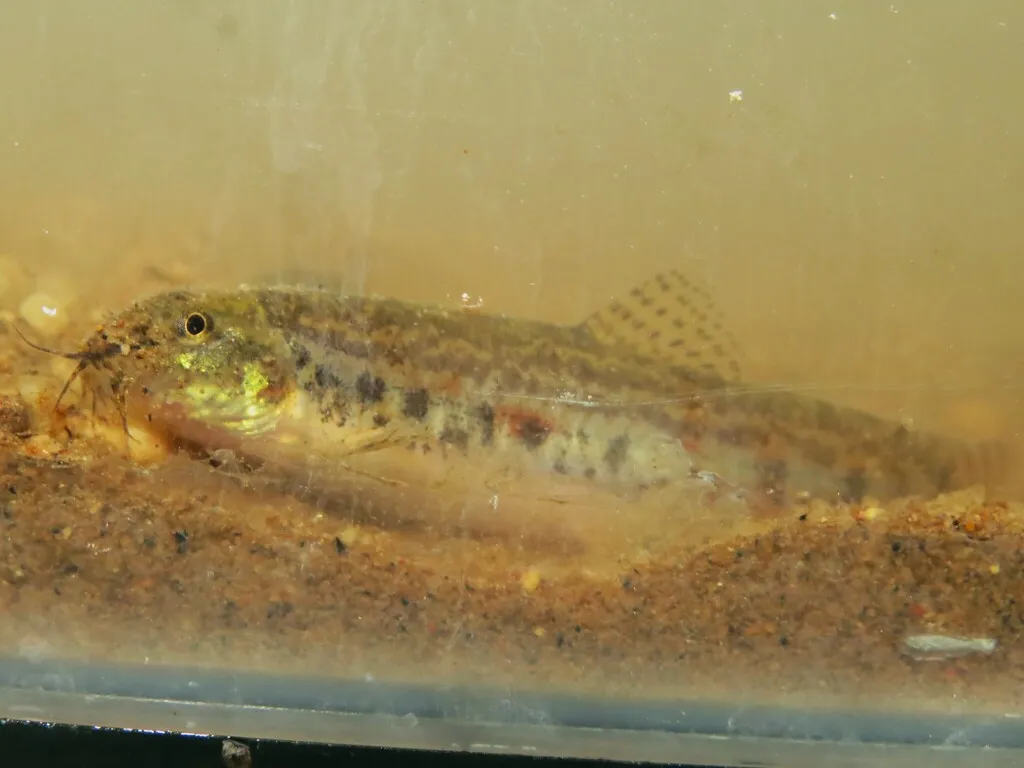
Common spiny loach
Lepidocephalichthys thermalis
Freshwater3.1 in (8 cm) · 20 gal (75 L)72–82°F (22–28°C)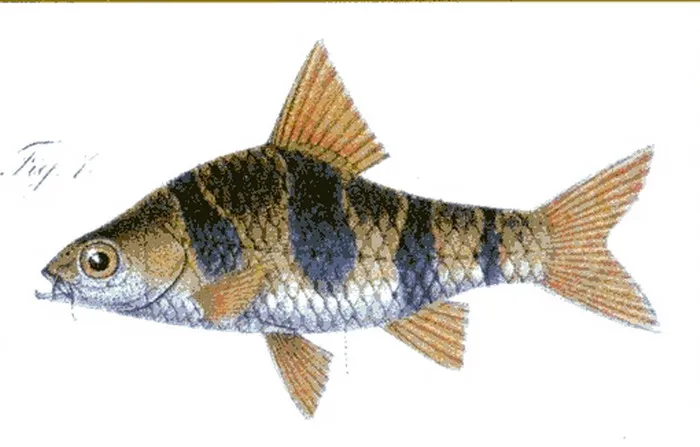
Snakeskin barb
Desmopuntius rhomboocellatus
Freshwater2.2 in (5.5 cm) · 20 gal (75 L)72–82°F (22–28°C)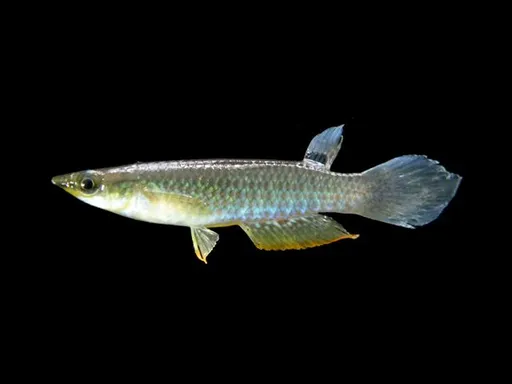
Blue panchax
Aplocheilus panchax
Freshwater3.5 in (9 cm) · 20 gal (75 L)72–82°F (22–28°C)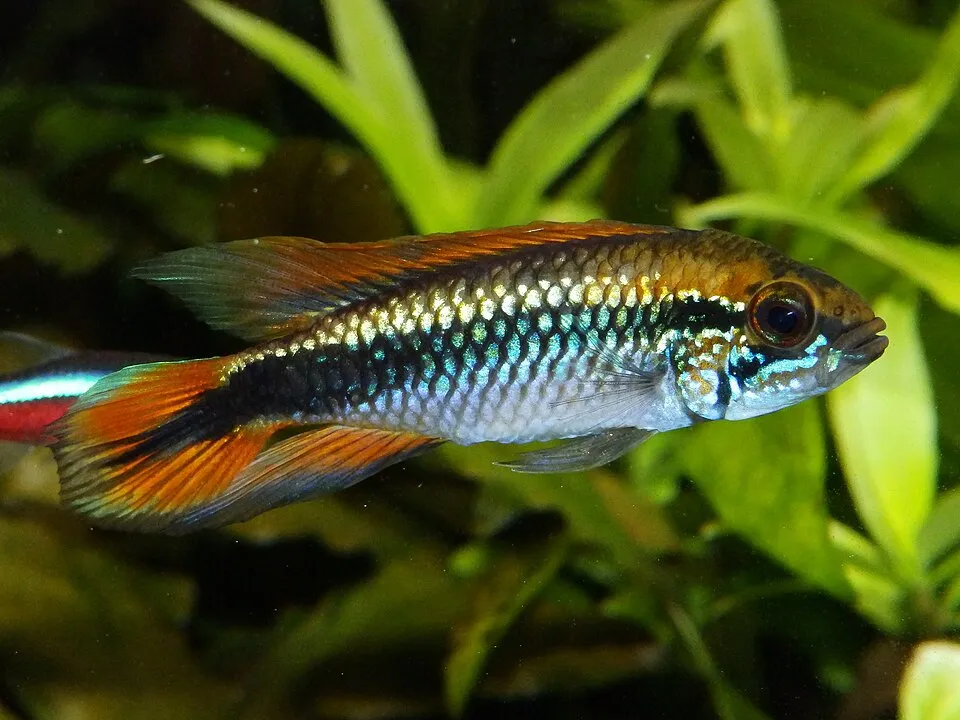
Agassiz's dwarf cichlid
Apistogramma agassizii
Freshwater3.5 in (9 cm) · 20 gal (75 L)72–84°F (22–29°C)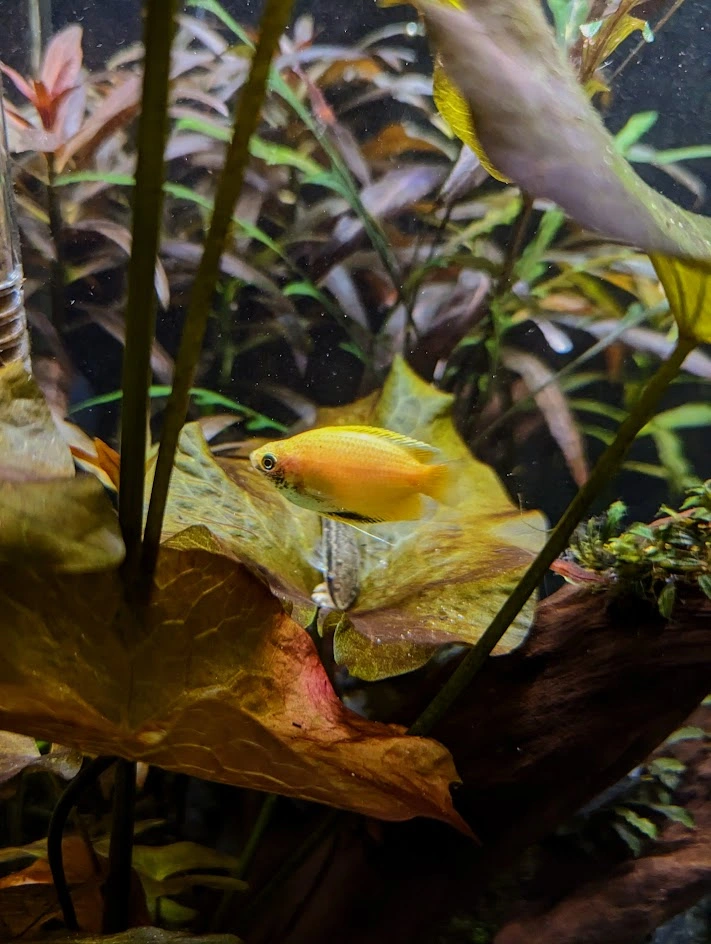
Honey gourami
Trichogaster chuna
Freshwater2 in (5 cm) · 20 gal (75 L)72–82°F (22–28°C)
Common questions
What size tank does a Sailfin tetra need?
A Sailfin tetra needs at least 20 gal (75 L). It spends most of its time in the middle.
What temperature and pH does a Sailfin tetra need?
A Sailfin tetra is comfortable at 73–82°F (23–28°C) with a pH of 5.0–6.5.
How big does a Sailfin tetra get?
An adult Sailfin tetra reaches about 2.4 in (6 cm).
Related species
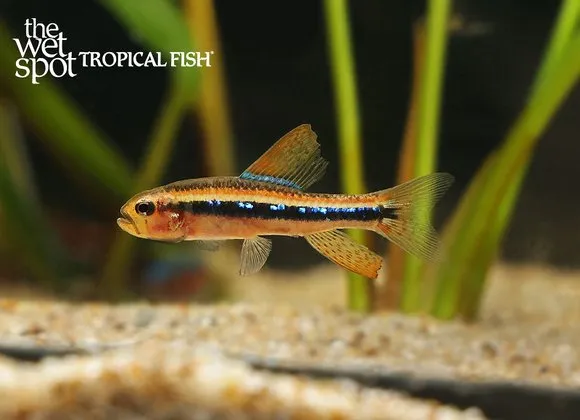 1.9 in (4.7 cm)14 gal (54 L)75–82°F (24–28°C)
Black darter tetra
Poecilocharax weitzmani
1.9 in (4.7 cm) · 14 gal (54 L)
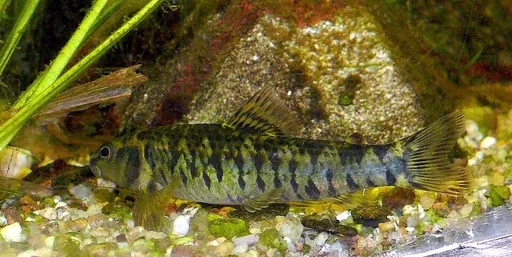 2.8 in (7 cm)16 gal (60 L)68–79°F (20–26°C)
Darter tetra
Characidium fasciatum
2.8 in (7 cm) · 16 gal (60 L)
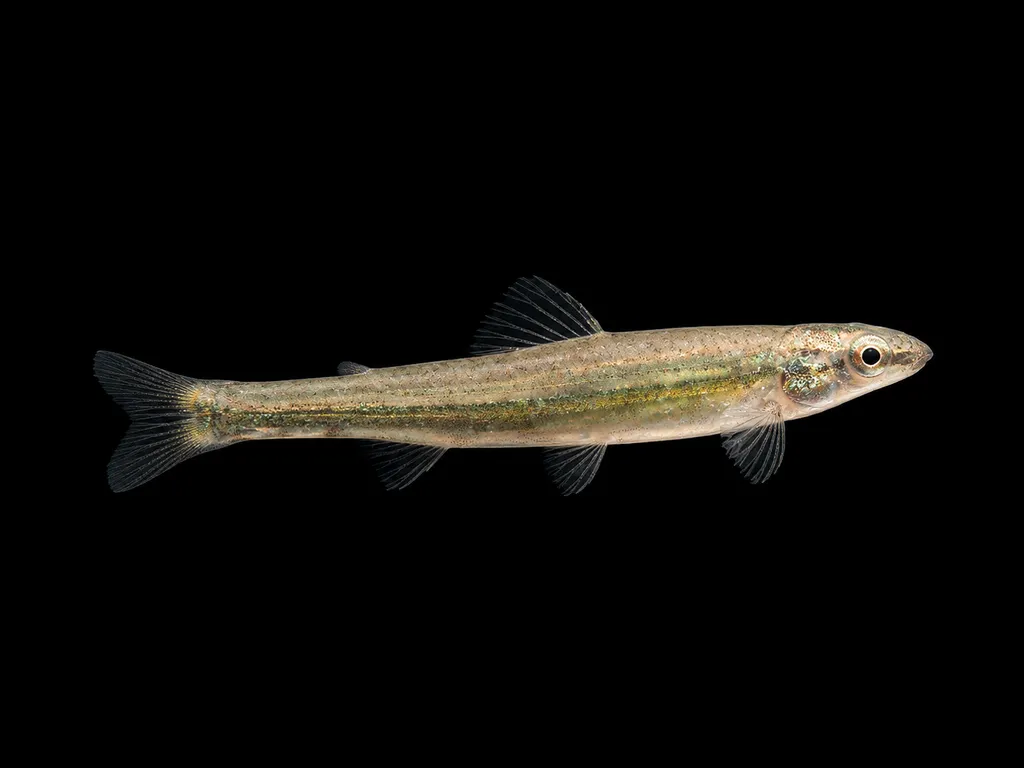 1.6 in (4 cm)14 gal (54 L)73–81°F (23–27°C)
Elegant darter characin
Ammocryptocharax elegans
1.6 in (4 cm) · 14 gal (54 L)
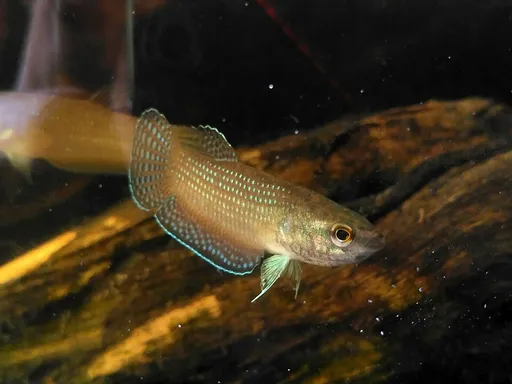 2.4 in (6 cm)20 gal (75 L)72–81°F (22–27°C)
Edith's betta
Betta edithae
2.4 in (6 cm) · 20 gal (75 L)
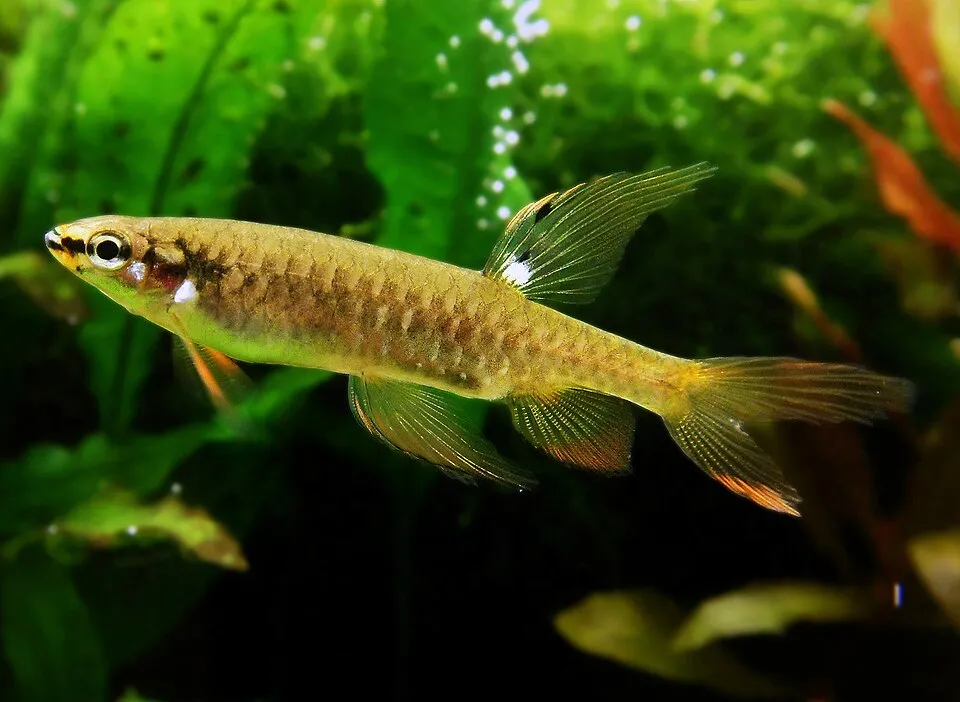 2.2 in (5.5 cm)18 gal (70 L)68–82°F (20–28°C)
Splash tetra
Copella arnoldi
2.2 in (5.5 cm) · 18 gal (70 L)
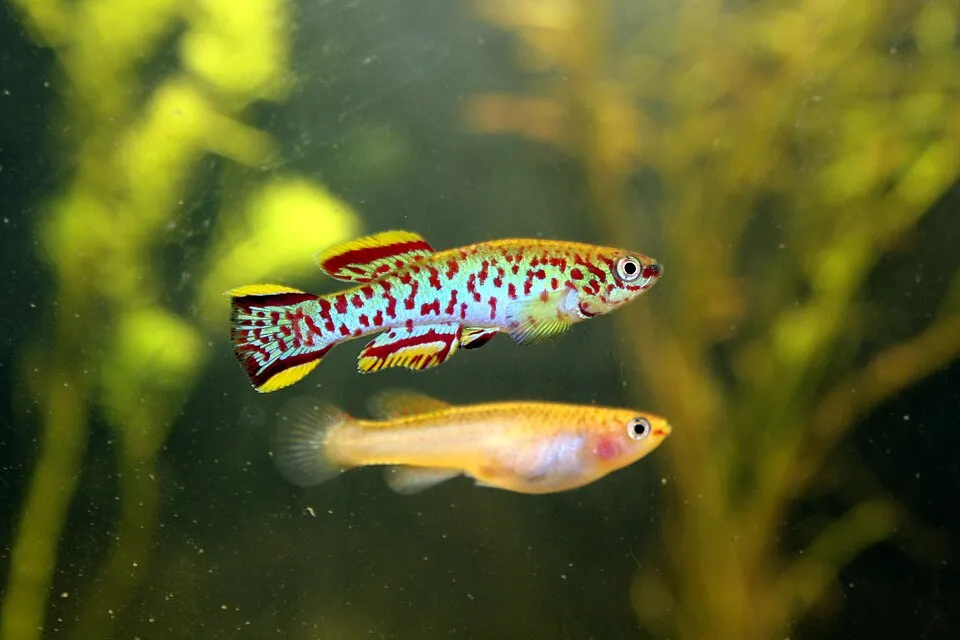 2.2 in (5.5 cm)21 gal (80 L)70–79°F (21–26°C)
Steel blue killifish
Fundulopanchax gardneri
2.2 in (5.5 cm) · 21 gal (80 L)