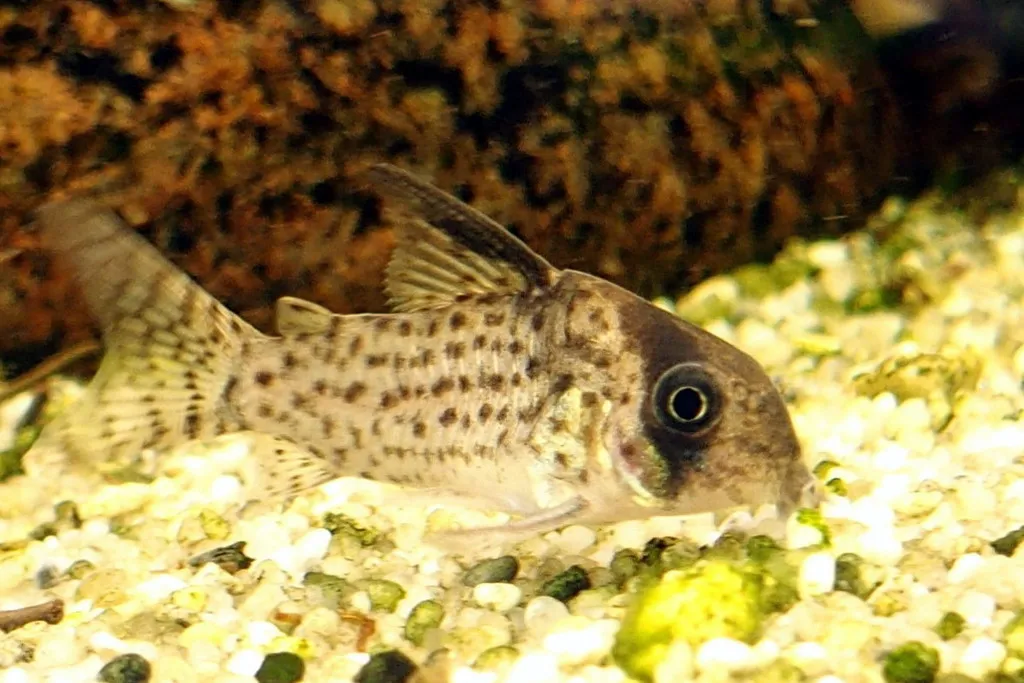
Kane's cory
Hoplisoma kanei
Also known as Corydoras kanei
FreshwaterFish
Care at a glance
- Temperature
- 75–82°F
- 24–28°C
- pH
- 5.5–7.0
- Adult size
- 1.8 in
- 4.5 cm
- Minimum tank
- 15 gal
- 55 L
- Temperament
- Peaceful
- Social behavior
- Shoaling
- Swim level
- Bottom
- Difficulty
- Medium
- Breeding
- Medium
- Rarity
- Rare
- Family
- Callichthyidae
- Origin
- Upper Rio Negro basin, Brazil
Overview
Kane's cory is a small, peaceful Rio Negro cory for a soft water tank. It asks for a little more care than a beginner fish.
Did you know
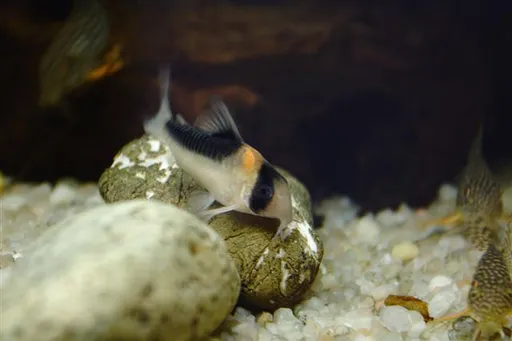
Kane's cory has an orange nape patch that works like a hazard light in dim blackwater tanks. It is often the only part of the fish you spot among the leaves.
Caring for the Kane's cory
Keep Kane's cories in a tank of at least 15 gal (55 L). A group of six or more over smooth, fine sand keeps this small cory confident. Add leaf cover and keep the flow gentle.
Kane's cories suit soft water at 75 to 82°F (24 to 28°C) and a pH of 5.5 to 7.0. They accept fine sinking foods and frozen daphnia and bloodworm.
They are peaceful and fit well into a community tank. Captive breeding follows the usual cory pattern, and hobbyists have repeated it. That makes Kane's cory one of the more attainable Rio Negro rarities to breed.
Good to know
Kane's cory was described by Steven Grant in 1998 and named for the aquarist Gerald Kane. The 2024 revision lists it as Hoplisoma kanei, in the family Callichthyidae. It has a peppered body and is a smaller, softer-marked neighbor of the region's masked cories.
In the wild
Kane's cory comes from tributaries of the upper Rio Negro in Brazil. It forages in shoals over sand and litter in warm blackwater.
Weekly picks
Tank mates
The Kane's cory is a peaceful, shoaling species that keeps to the bottom. These picks share a community profile with it, are safe together in both directions, and overlap on water type, temperature and pH.
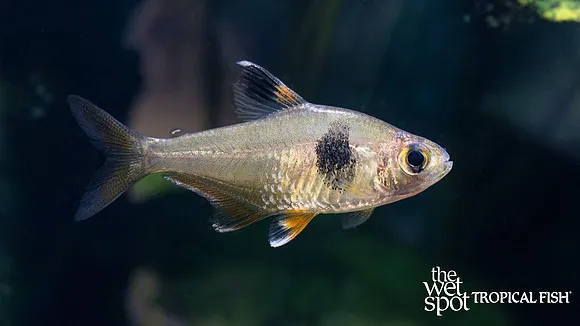
Coffee bean tetra
Hyphessobrycon takasei
Freshwater1.4 in (3.6 cm) · 15 gal (55 L)73–82°F (23–28°C)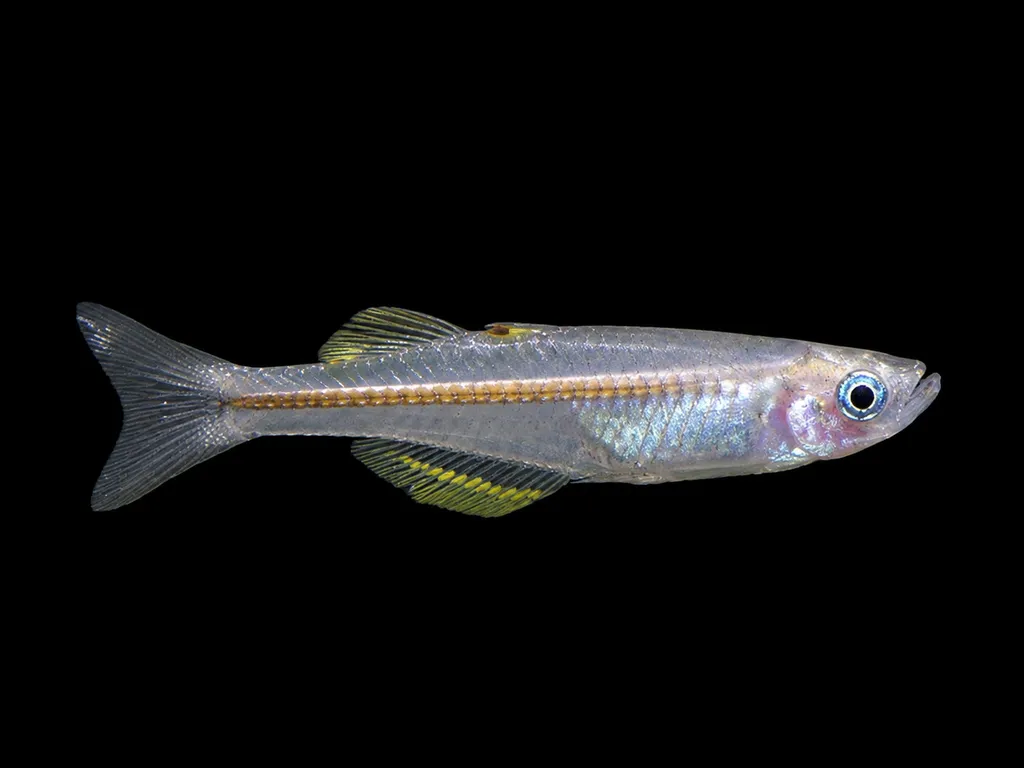
New Guinea blue-eye
Pseudomugil novaeguineae
Freshwater1.8 in (4.5 cm) · 15 gal (55 L)79–86°F (26–30°C)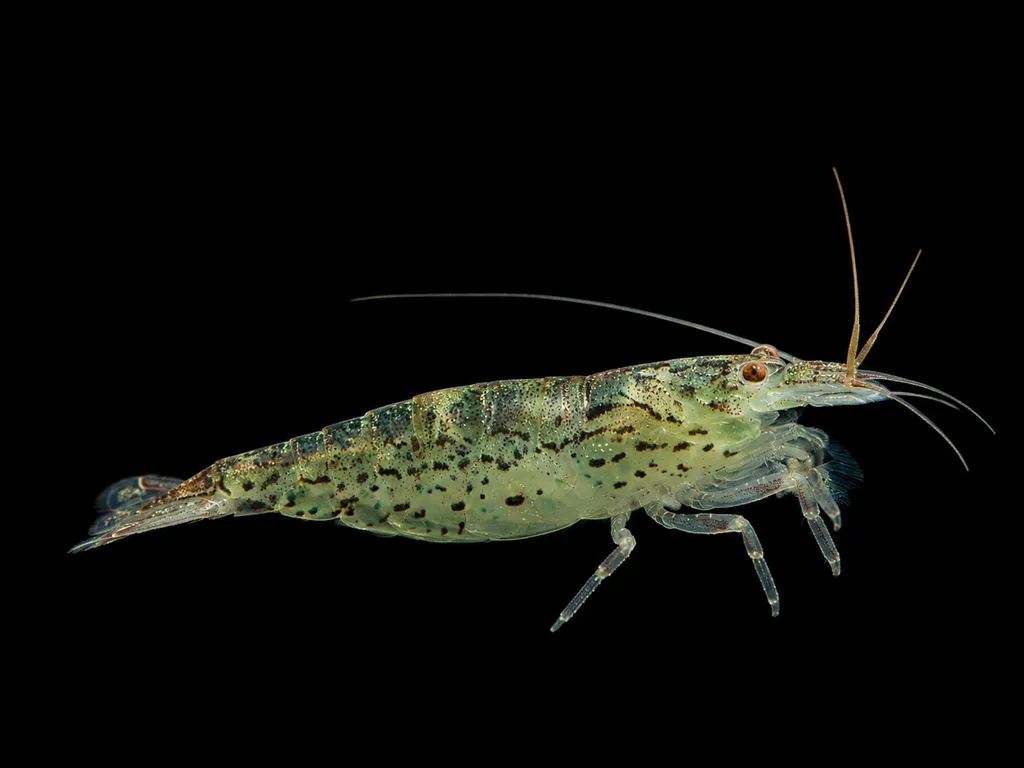
Green lace shrimp
Atyoida pilipes
Freshwater2.8 in (7 cm) · 14 gal (54 L)73–82°F (23–28°C)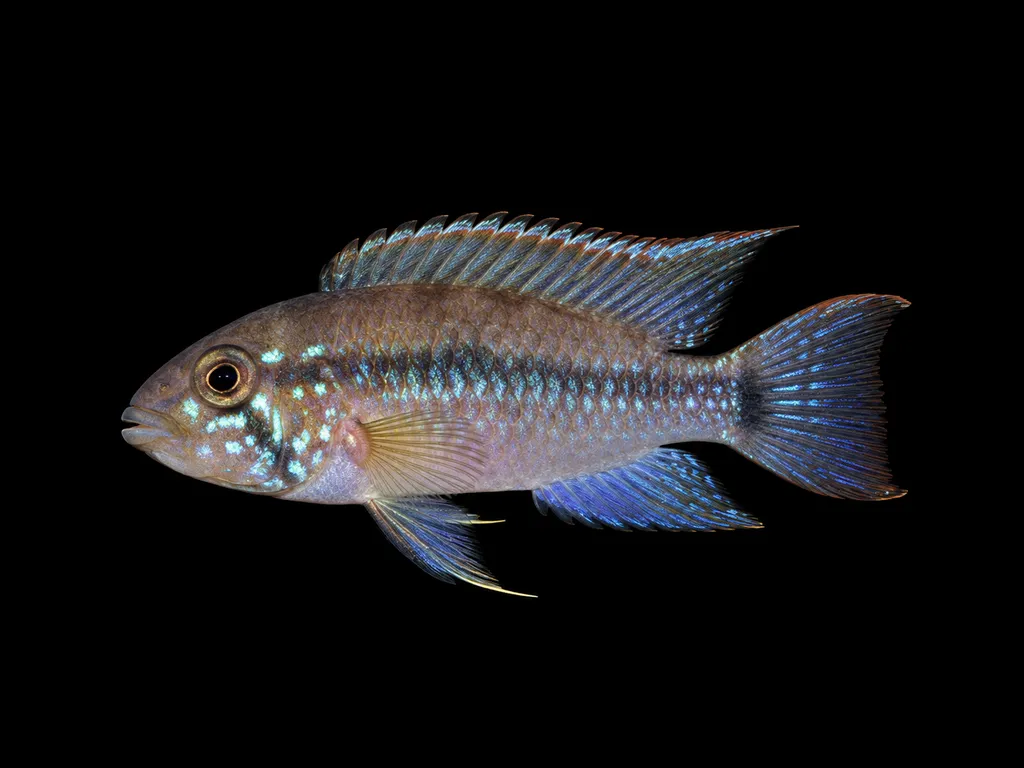
Martin's dwarf cichlid
Apistogramma martini
Freshwater1.6 in (4 cm) · 15 gal (55 L)73–81°F (23–27°C)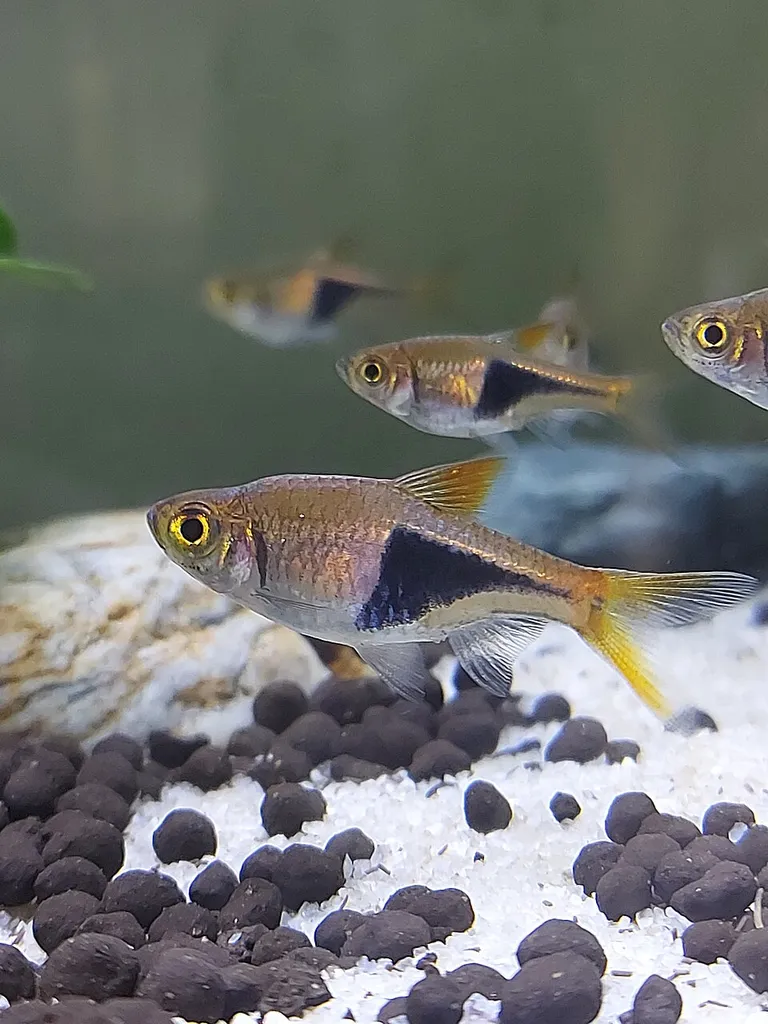
Harlequin rasbora
Trigonostigma heteromorpha
Freshwater2 in (5 cm) · 15 gal (55 L)72–82°F (22–28°C)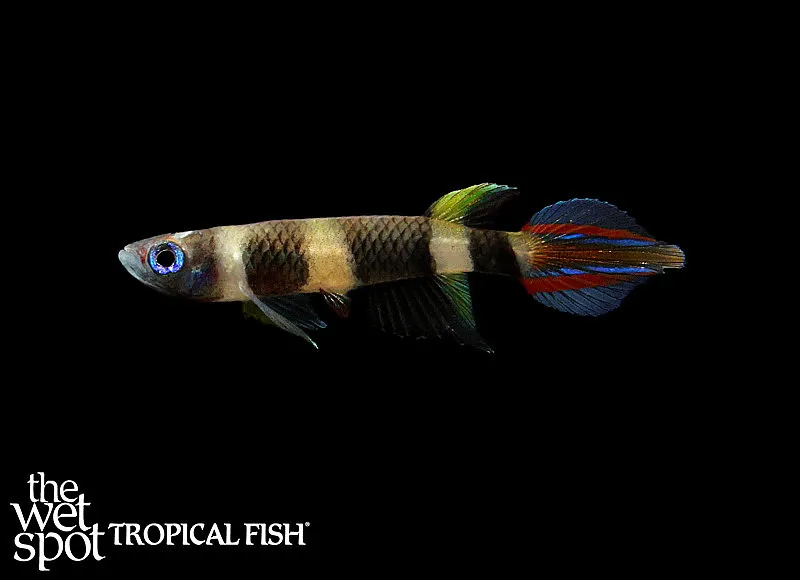
Clown killifish
Epiplatys annulatus
Freshwater1.4 in (3.5 cm) · 15 gal (55 L)68–79°F (20–26°C)
Common questions
What size tank does a Kane's cory need?
A Kane's cory needs at least 15 gal (55 L). It spends most of its time in the bottom.
What temperature and pH does a Kane's cory need?
A Kane's cory is comfortable at 75–82°F (24–28°C) with a pH of 5.5–7.0.
What does a Kane's cory eat?
A Kane's cory accepts fine sinking foods and frozen daphnia and bloodworm.
How big does a Kane's cory get?
An adult Kane's cory reaches about 1.8 in (4.5 cm).
Does a Kane's cory need a group?
Yes. A Kane's cory is a shoaling species and should be kept in a group, not singly.
How does a Kane's cory breed?
Kane's cories breed in the usual cory pattern, and hobbyists have repeated it. They are one of the more attainable Rio Negro rarities to breed.
Related species
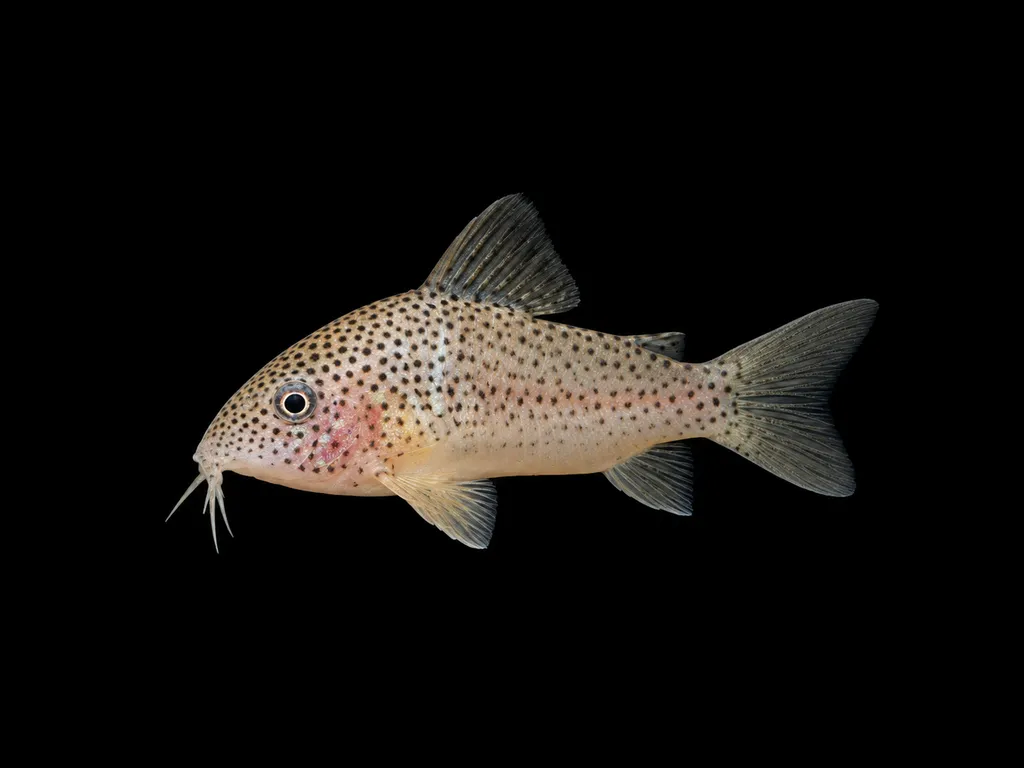 1.8 in (4.5 cm)15 gal (55 L)75–82°F (24–28°C)
Apiaka cory
Hoplisoma apiaka
1.8 in (4.5 cm) · 15 gal (55 L)
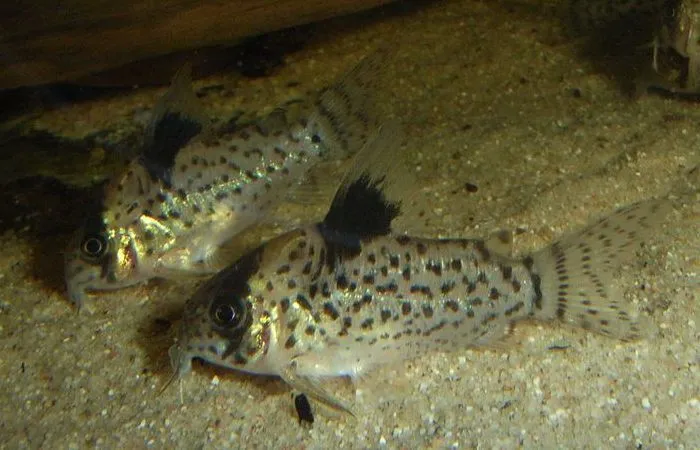 1.8 in (4.5 cm)16 gal (60 L)73–79°F (23–26°C)
Blackfin cory
Hoplisoma leucomelas
1.8 in (4.5 cm) · 16 gal (60 L)
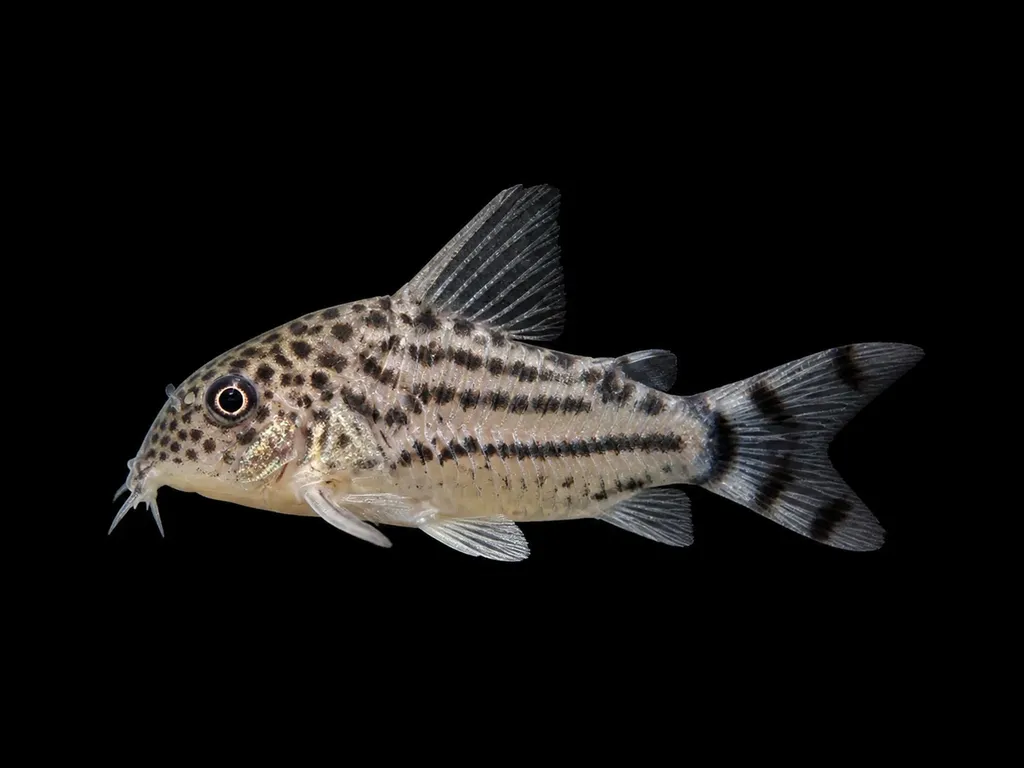 1.8 in (4.5 cm)16 gal (60 L)73–81°F (23–27°C)
Knaack's cory
Hoplisoma knaacki
1.8 in (4.5 cm) · 16 gal (60 L)
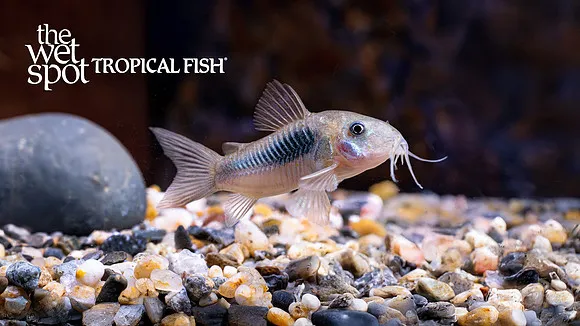 2 in (5 cm)15 gal (55 L)70–79°F (21–26°C)
Blackstripe cory
Hoplisoma bondi
2 in (5 cm) · 15 gal (55 L)
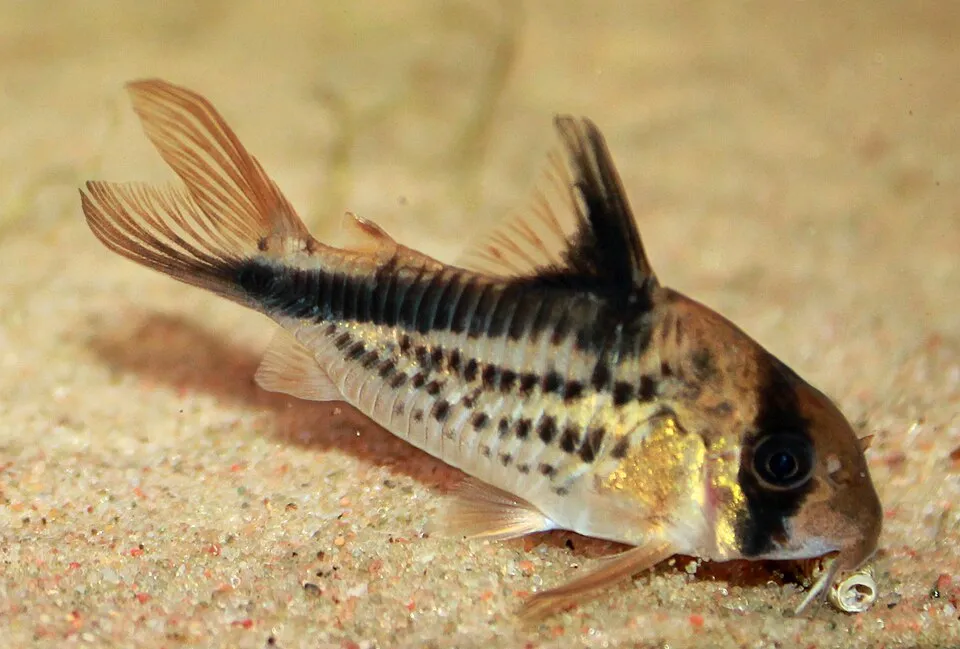 2 in (5 cm)16 gal (60 L)70–75°F (21–24°C)
Dirty bandit cory
Hoplisoma loxozonum
2 in (5 cm) · 16 gal (60 L)
 2 in (5 cm)20 gal (75 L)72–79°F (22–26°C)
Duplicate cory
Hoplisoma duplicareum
2 in (5 cm) · 20 gal (75 L)