Fowler's cory
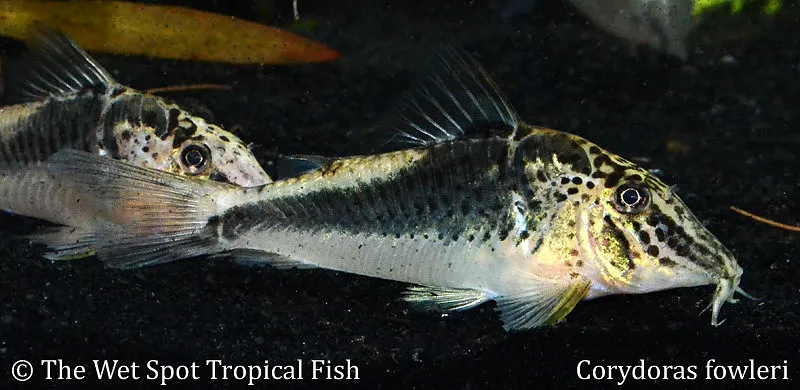
Corydoras fowleri
Also known as Huanta cory, Milagros cory, Fowler cory
FreshwaterFish
Care at a glance
- Temperature
- 72–79°F
- 22–26°C
- pH
- 5.5–7.5
- Adult size
- 2.8 in
- 7 cm
- Minimum tank
- 26 gal
- 100 L
- Temperament
- Peaceful
- Social behavior
- Shoaling
- Swim level
- Bottom
- Difficulty
- Medium
- Breeding
- Hard
- Rarity
- Rare
- Family
- Callichthyidae
- Origin
- Upper Amazon in Peru, including the rios Napo, Nanay and Ampiyacu near Iquitos.
Overview
Keep Fowler's cories in a group of six or more over smooth sand in soft, acidic water around 22 to 26 C. They need good water quality and a varied menu, since they can be picky. Feed frozen bloodworm, small live foods and sinking pellets once they accept them.
In the wild
Fowler's cory lives in soft, slightly acidic tributaries of the upper Amazon near Iquitos. It forages over sand and leaf litter in slow, shaded water. Coloration varies quite a bit between different river populations.
Good to know
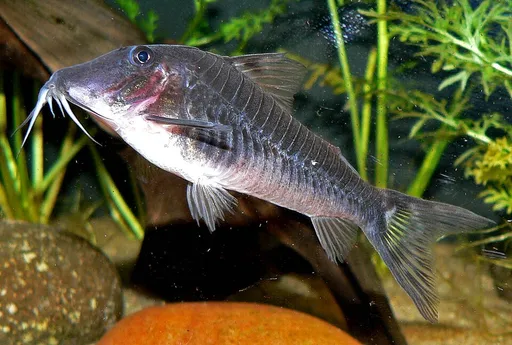
This is a long snouted species that kept its place in the genus Corydoras after the 2024 revision. It has a silvery to olive body with a variable dark side blotch and fine speckling. It is a fussy feeder that often refuses dried foods, and males can be pushy toward each other.
Did you know
Fowler's cory is a picky eater that often turns down dried food and prefers frozen and live foods.
Weekly picks
Tank mates
Fowler's cory is a peaceful, shoaling species that keeps to the bottom. These picks share a community profile with it, are safe together in both directions, and overlap on water type, temperature and pH.
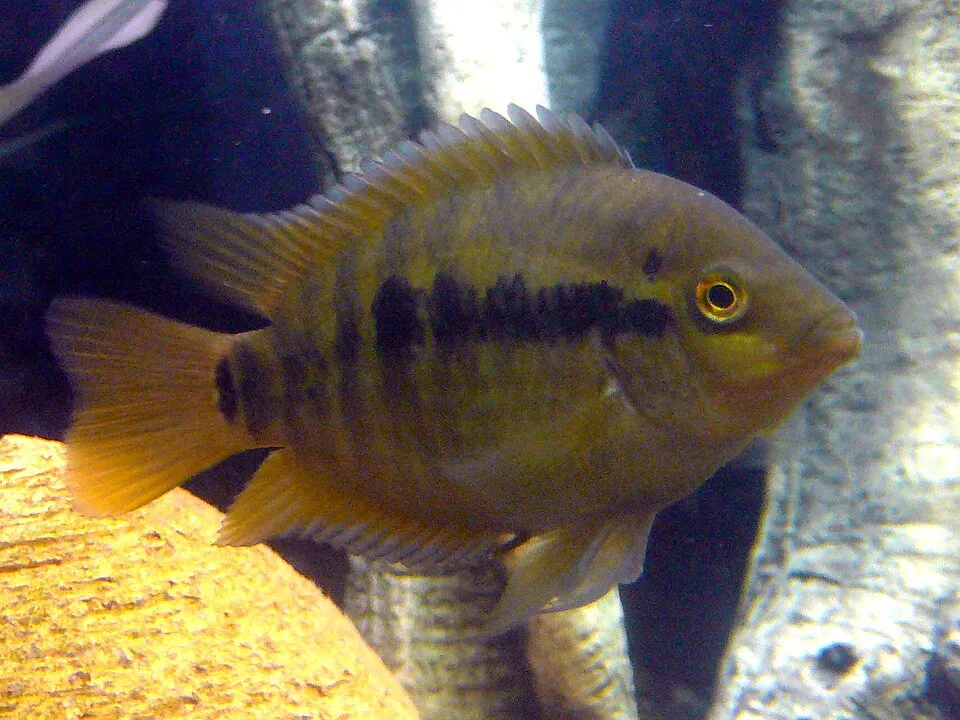
Rainbow cichlid
Herotilapia multispinosa
Freshwater6.3 in (16 cm) · 26 gal (100 L)72–82°F (22–28°C)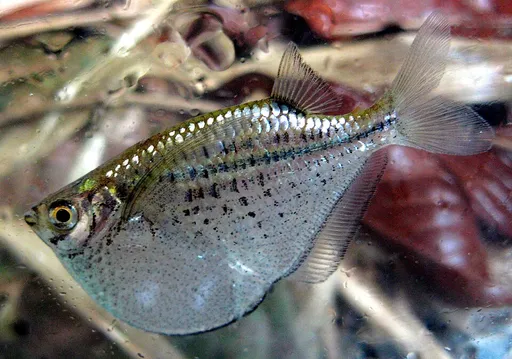
Spotted hatchetfish
Gasteropelecus maculatus
Freshwater3.5 in (9 cm) · 26 gal (100 L)73–82°F (23–28°C)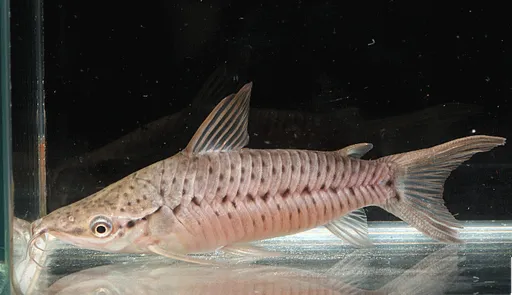
Porthole catfish
Dianema longibarbis
Freshwater3.9 in (10 cm) · 26 gal (100 L)75–82°F (24–28°C)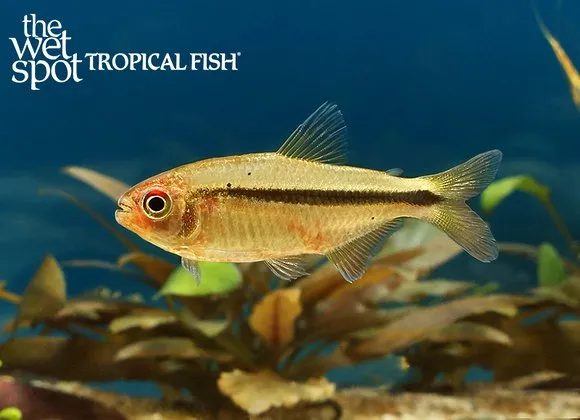
Cachimbo tetra
Hyphessobrycon cachimbensis
Freshwater2.7 in (6.8 cm) · 26 gal (100 L)72–81°F (22–27°C)
Wrestling halfbeak
Dermogenys pusilla
FreshwaterBrackish2.8 in (7 cm) · 25 gal (95 L)75–82°F (24–28°C)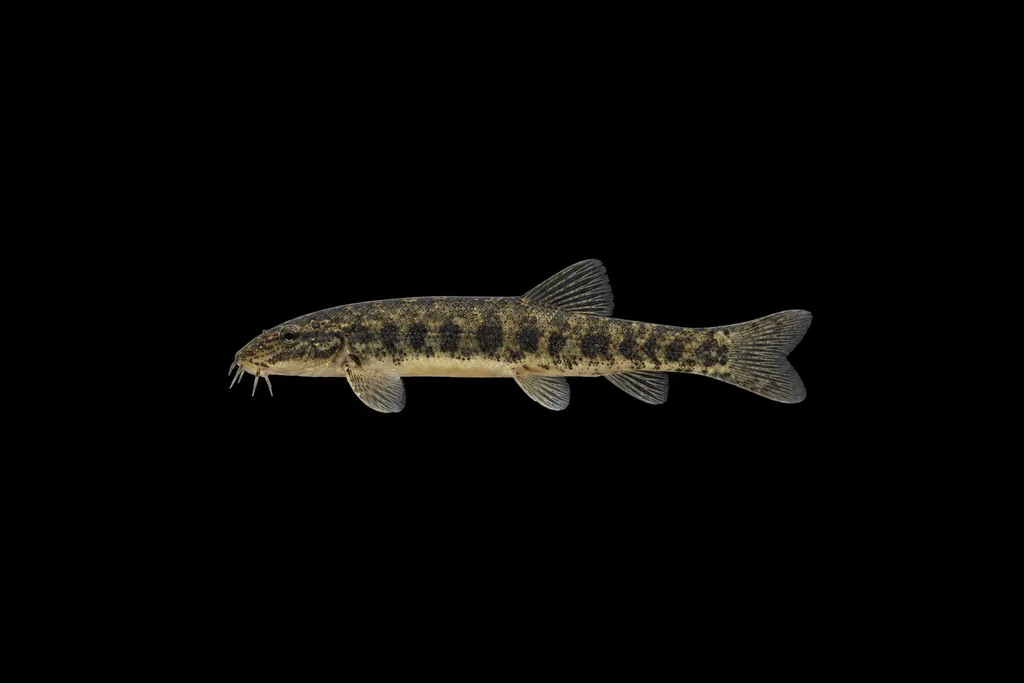
Torrent loach
Psilorhynchus robustus
Freshwater2.8 in (7 cm) · 26 gal (100 L)64–75°F (18–24°C)
Common questions
What size tank does a Fowler's cory need?
A Fowler's cory needs at least 26 gal (100 L). It spends most of its time in the bottom.
What temperature and pH does a Fowler's cory need?
A Fowler's cory is comfortable at 72–79°F (22–26°C) with a pH of 5.5–7.5.
How big does a Fowler's cory get?
An adult Fowler's cory reaches about 2.8 in (7 cm).
Does a Fowler's cory need a group?
Yes. A Fowler's cory is a shoaling species and should be kept in a group, not singly.
Related species
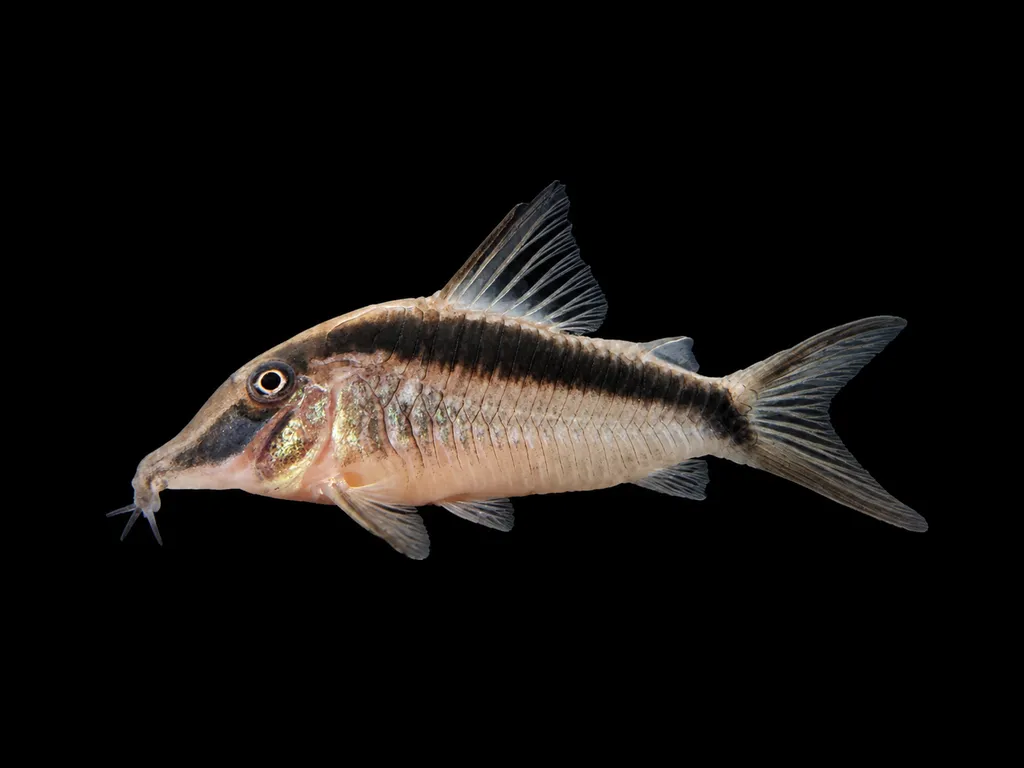 2.8 in (7 cm)30 gal (115 L)73–77°F (23–25°C)
Long nosed arched cory
Corydoras narcissus
2.8 in (7 cm) · 30 gal (115 L)
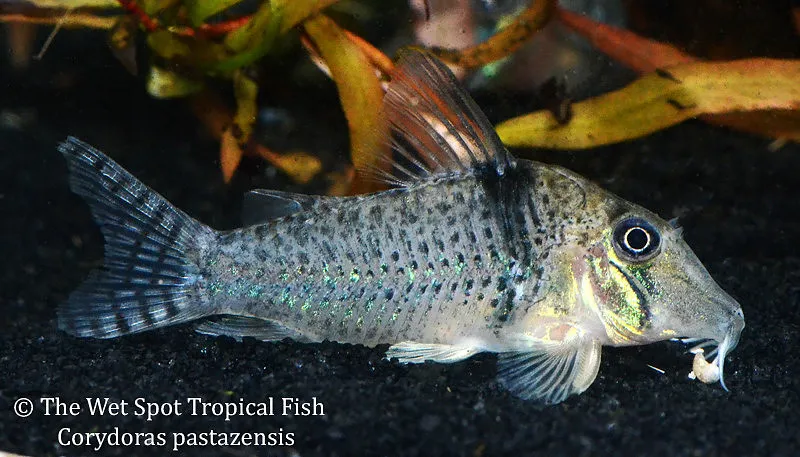 2.8 in (7 cm)22 gal (85 L)72–82°F (22–28°C)
Pastaza cory
Corydoras pastazensis
2.8 in (7 cm) · 22 gal (85 L)
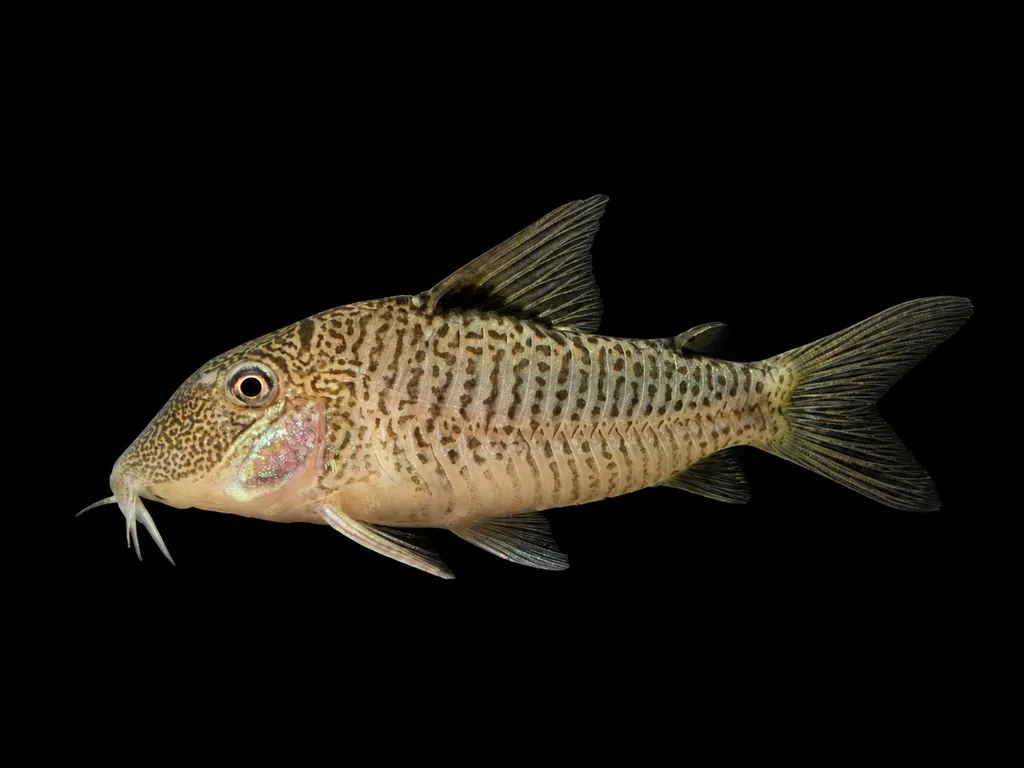 3 in (7.5 cm)26 gal (100 L)73–81°F (23–27°C)
Geoffroy's cory
Corydoras geoffroy
3 in (7.5 cm) · 26 gal (100 L)
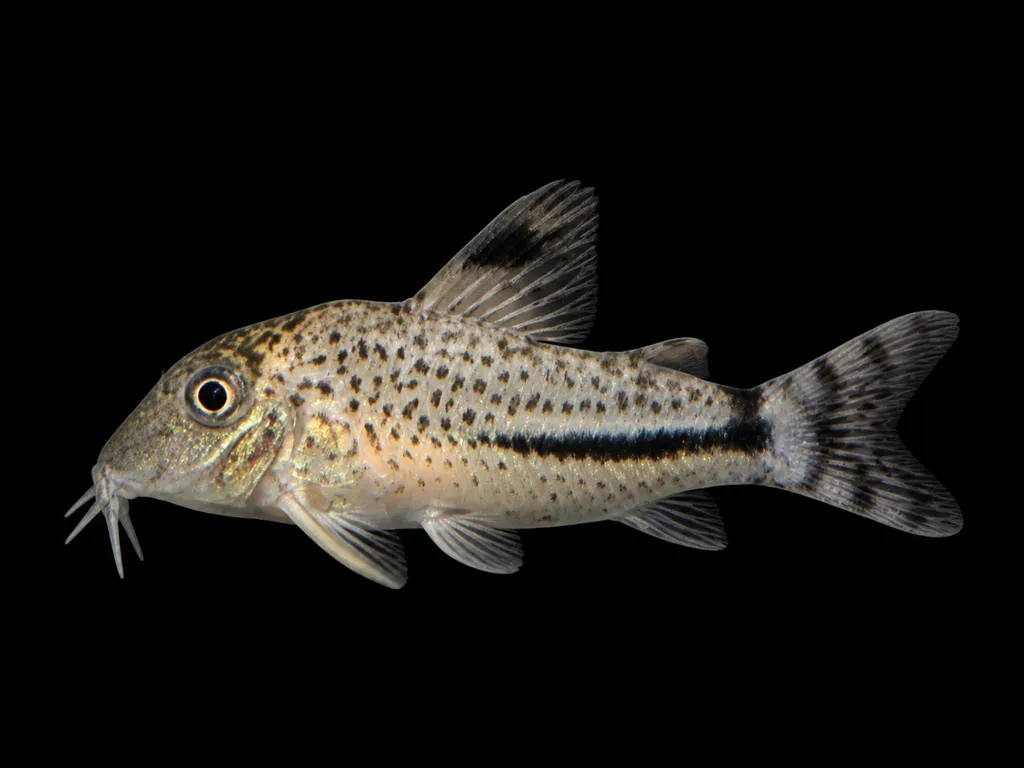 2.6 in (6.5 cm)20 gal (75 L)73–81°F (23–27°C)
Fuller's cory
Corydoras fulleri
2.6 in (6.5 cm) · 20 gal (75 L)
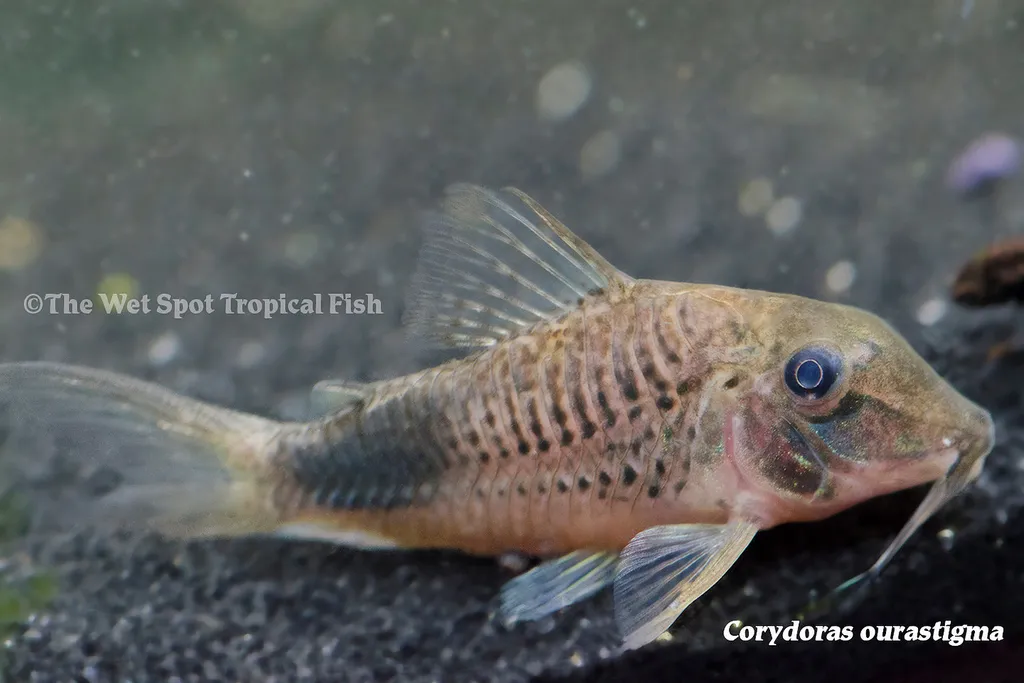 2.6 in (6.5 cm)20 gal (75 L)75–82°F (24–28°C)
Ourastigma cory
Corydoras ourastigma
2.6 in (6.5 cm) · 20 gal (75 L)
 2.6 in (6.5 cm)24 gal (90 L)72–79°F (22–26°C)
Peru black cory
Corydoras semiaquilus
2.6 in (6.5 cm) · 24 gal (90 L)