Porthole catfish
Dianema longibarbis
FreshwaterFish
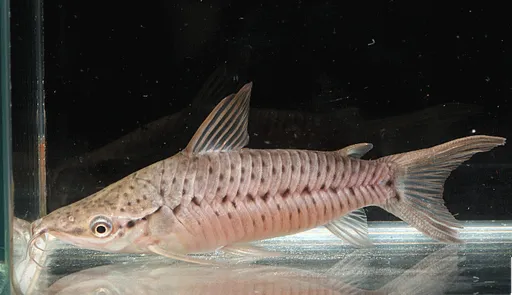
Care at a glance
- Temperature
- 75–82°F
- 24–28°C
- pH
- 5.5–7.5
- Adult size
- 3.9 in
- 10 cm
- Minimum tank
- 26 gal
- 100 L
- Temperament
- Peaceful
- Social behavior
- Social
- Swim level
- Bottom
- Difficulty
- Easy
- Breeding
- Hard
- Rarity
- Common
- Family
- Callichthyidae
- Origin
- Amazon basin (Peru, Brazil)
Overview
Keep them in a group of at least four in a tank of 100 liters or more, since they are far more active and outgoing in a shoal. They are peaceful bottom dwellers that will not harm even tiny tankmates, so they suit a community of small, gentle fish. Hold the temperature between 24 and 28 C with soft, slightly acidic water from pH 5.5 to 7.5. Feed sinking pellets, frozen foods like bloodworms, and the odd bit of vegetable matter. They gulp air at the surface and will jump, so leave a gap of air under a tight lid.
In the wild
Porthole catfish come from the Amazon basin in Peru and Brazil, where they move along the soft bottoms of slow rivers and flooded forest pools. The water there is soft and slightly acidic, so aim for a pH between 5.5 and 7.5 and keep the temperature in the 24 to 28 C range. Give them a soft sand substrate, since coarse gravel wears down the long, sensitive barbels they use to feel for food. Add some driftwood and shaded cover to match the dim, tannin-stained water they live in.
Good to know
This is a member of the family Callichthyidae, the armored catfishes, growing to about 10 cm as an adult. It builds a bubble nest at the surface, but it is rarely bred in captivity, so most fish in the trade are wild caught. With good care it is long-lived and can stay with you for many years.
Did you know
Like other catfish in this family, the porthole catfish breathes air. It darts up to the surface, gulps a mouthful, and absorbs oxygen through the lining of its gut, which lets it cope with the low-oxygen pools it lives in. That habit is also why it needs both a snug lid and a gap of air beneath it.
Weekly picks
Tank mates
Porthole catfish is a peaceful, social species that keeps to the bottom. These picks share a community profile with it, are safe together in both directions, and overlap on water type, temperature and pH.
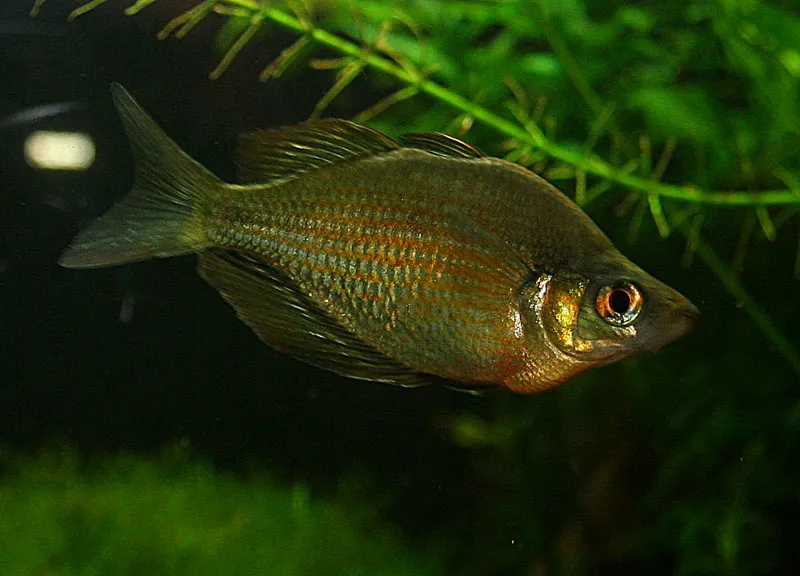
Lake Wanam rainbowfish
Glossolepis wanamensis
Freshwater3.9 in (10 cm) · 25 gal (95 L)77–86°F (25–30°C)
Wrestling halfbeak
Dermogenys pusilla
FreshwaterBrackish2.8 in (7 cm) · 25 gal (95 L)75–82°F (24–28°C)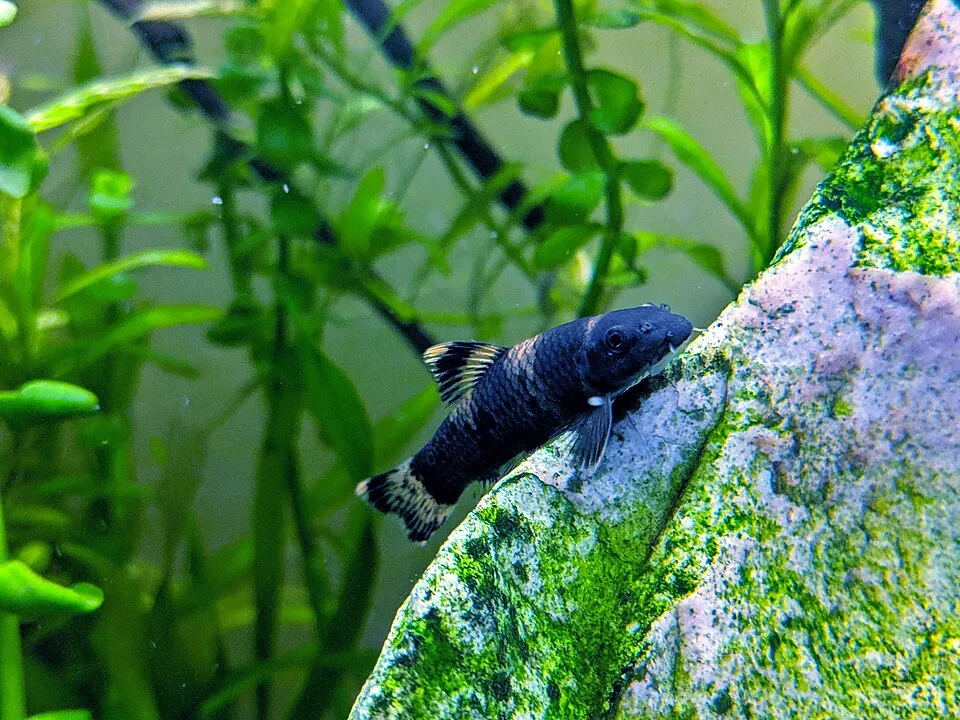
Panda garra
Garra flavatra
Freshwater3.5 in (9 cm) · 26 gal (100 L)72–81°F (22–27°C)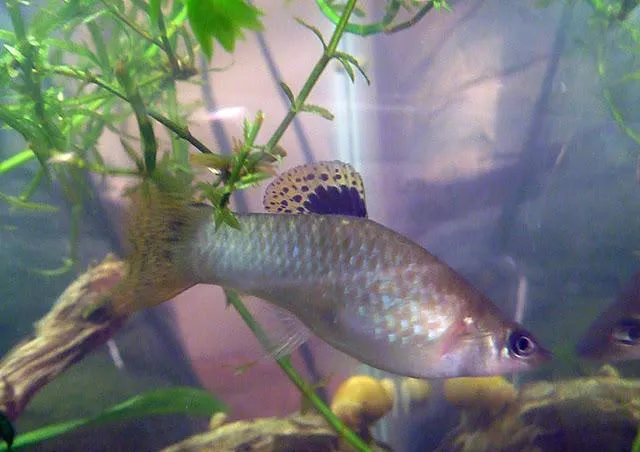
Gill's molly
Poecilia gillii
FreshwaterBrackish3.9 in (10 cm) · 26 gal (100 L)72–86°F (22–30°C)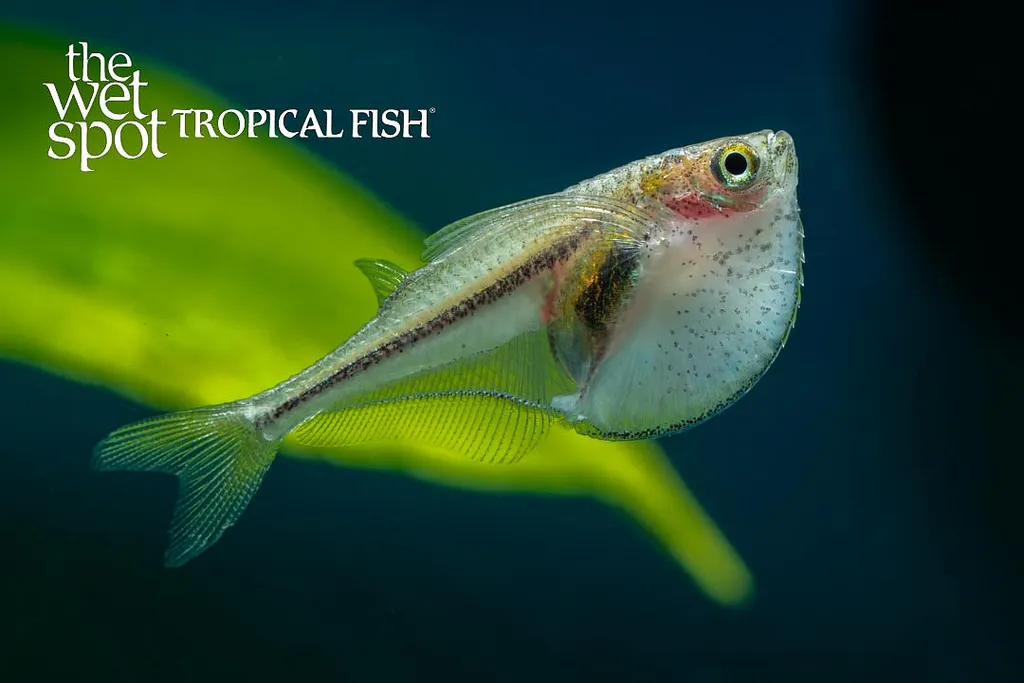
Pygmy hatchetfish
Carnegiella myersi
Freshwater1 in (2.5 cm) · 26 gal (100 L)73–79°F (23–26°C)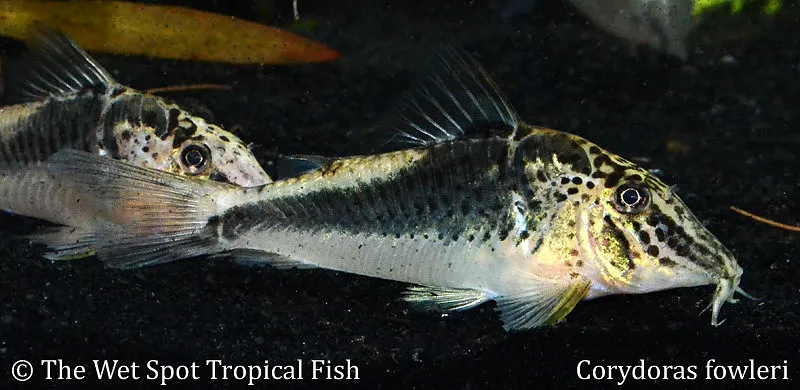
Fowler's cory
Corydoras fowleri
Freshwater2.8 in (7 cm) · 26 gal (100 L)72–79°F (22–26°C)
Common questions
What size tank does a Porthole catfish need?
A Porthole catfish needs at least 26 gal (100 L). It spends most of its time in the bottom.
What temperature and pH does a Porthole catfish need?
A Porthole catfish is comfortable at 75–82°F (24–28°C) with a pH of 5.5–7.5.
How big does a Porthole catfish get?
An adult Porthole catfish reaches about 3.9 in (10 cm).
Related species
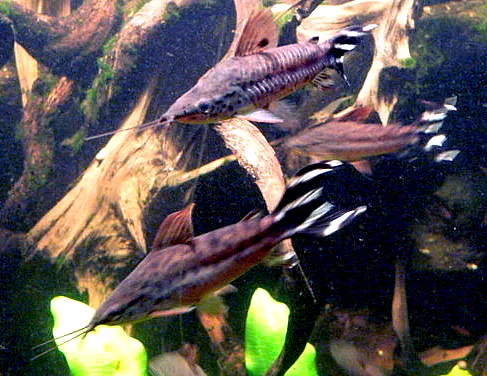 4.9 in (12.5 cm)40 gal (150 L)77–82°F (25–28°C)
Flagtail catfish
Dianema urostriatum
4.9 in (12.5 cm) · 40 gal (150 L)
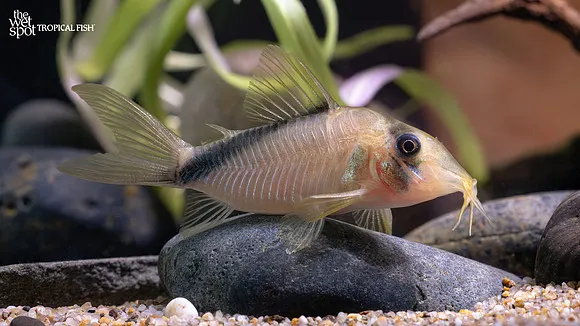 3.5 in (9 cm)40 gal (150 L)70–79°F (21–26°C)
Giant brochis
Brochis britskii
3.5 in (9 cm) · 40 gal (150 L)
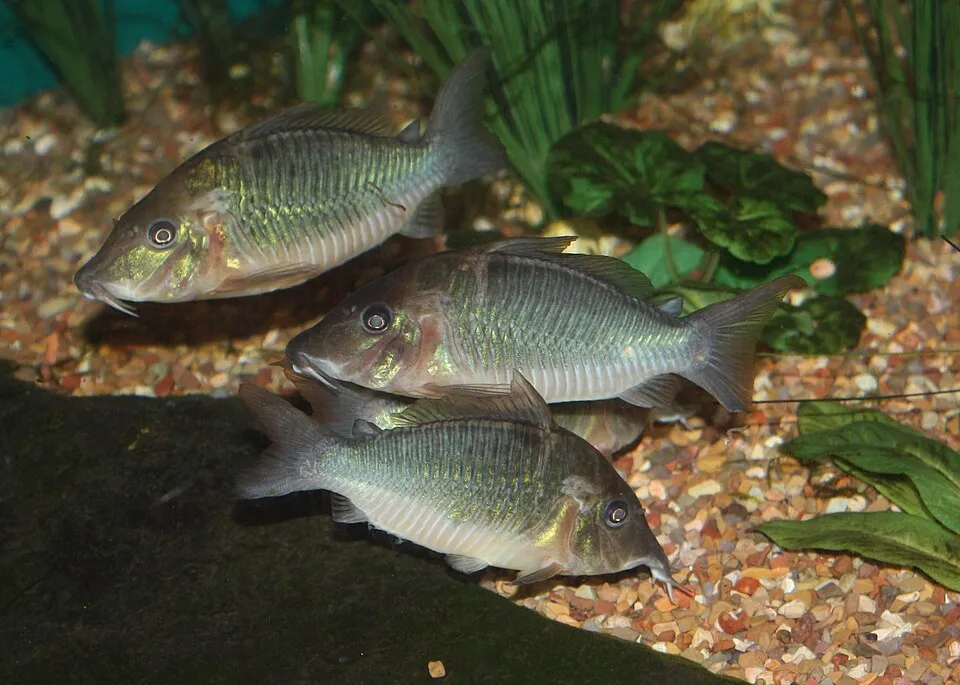 3.5 in (9 cm)40 gal (150 L)70–79°F (21–26°C)
Hognosed brochis
Brochis multiradiatus
3.5 in (9 cm) · 40 gal (150 L)
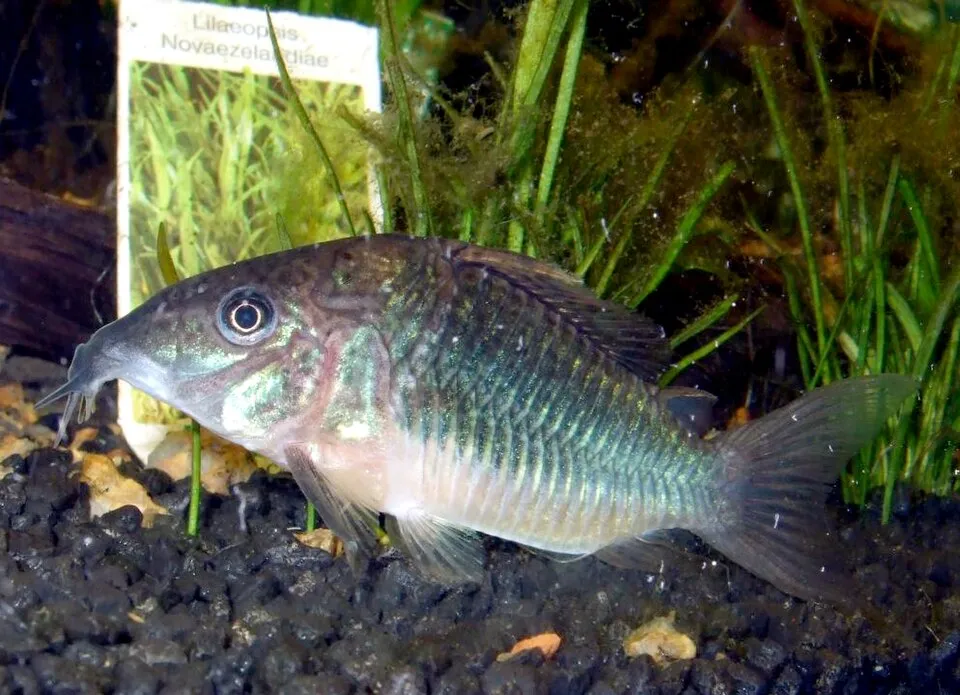 3.1 in (8 cm)40 gal (150 L)70–82°F (21–28°C)
Emerald catfish
Brochis splendens
3.1 in (8 cm) · 40 gal (150 L)
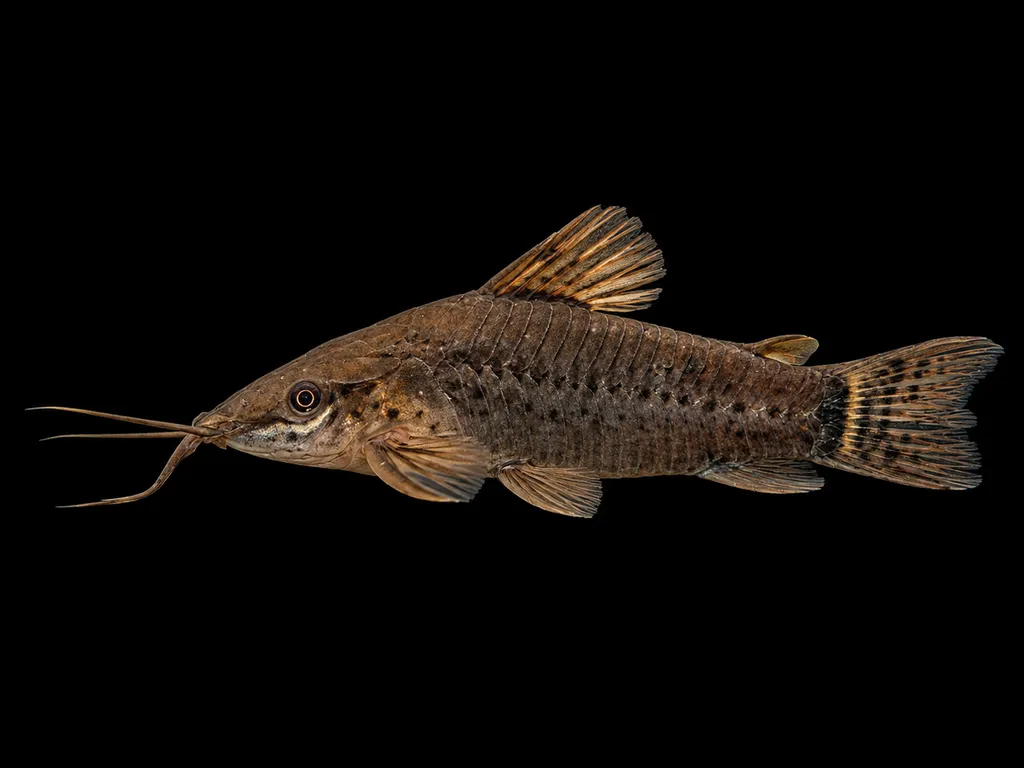 3.1 in (8 cm)30 gal (115 L)72–79°F (22–26°C)
Panama hoplo
Hoplosternum punctatum
3.1 in (8 cm) · 30 gal (115 L)
 3.1 in (8 cm)40 gal (150 L)72–79°F (22–26°C)
Robust cory
Brochis robusta
3.1 in (8 cm) · 40 gal (150 L)