Flagtail catfish
Dianema urostriatum
Also known as Flagtail Porthole Cat
FreshwaterFish
Care at a glance
- Temperature
- 77–82°F
- 25–28°C
- pH
- 6.0–8.0
- Adult size
- 4.9 in
- 12.5 cm
- Minimum tank
- 40 gal
- 150 L
- Temperament
- Peaceful
- Social behavior
- Social
- Swim level
- Bottom
- Difficulty
- Medium
- Breeding
- No record
- Rarity
- Rare
- Family
- Callichthyidae
- Origin
- Brazil
Overview
The flagtail catfish is a peaceful, active fish that likes company, so keep a group of four to six or more. Although it forages along the bottom, it is a lively swimmer that often rises into open water during the day, which makes it a pleasure to watch. Pair it with other calm, medium sized community fish. Feed sinking pellets, frozen and live foods such as bloodworm and earthworm pieces, and prepared sinking fare. Its size and activity call for a tank of around 150 liters or larger.
In the wild
Dianema urostriatum comes from the warm, soft, slow waters of the central Amazon around Manaus in Brazil. Give it a soft substrate, driftwood, and planted or shaded areas, along with open swimming space and gentle flow. It likes warmth, from about 25 to 28 C, and tolerates a broad pH of roughly 6.0 to 8.0. Clean, well oxygenated water and a secure lid suit this active catfish.
Good to know
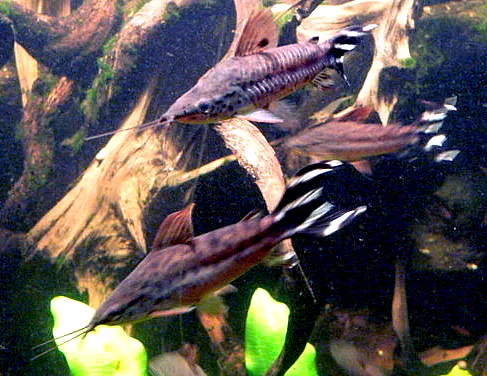
This elongated armored catfish of the family Callichthyidae reaches around 12.5 cm and is best known for its boldly striped tail. Its name urostriatum means striped tail, after the black and white bars across the caudal fin. Reports of home spawning are limited and varied, with some describing a bubble nest and others eggs laid on cover, so a firm difficulty rating is not established.
Did you know
The flagtail's signature is its tail: alternating black and white horizontal stripes that wave like a flag as the fish cruises, and the source of both the common name and the scientific name urostriatum, meaning striped tail.
Weekly picks
Tank mates
Flagtail catfish is a peaceful, social species that keeps to the bottom. These picks share a community profile with it, are safe together in both directions, and overlap on water type, temperature and pH.
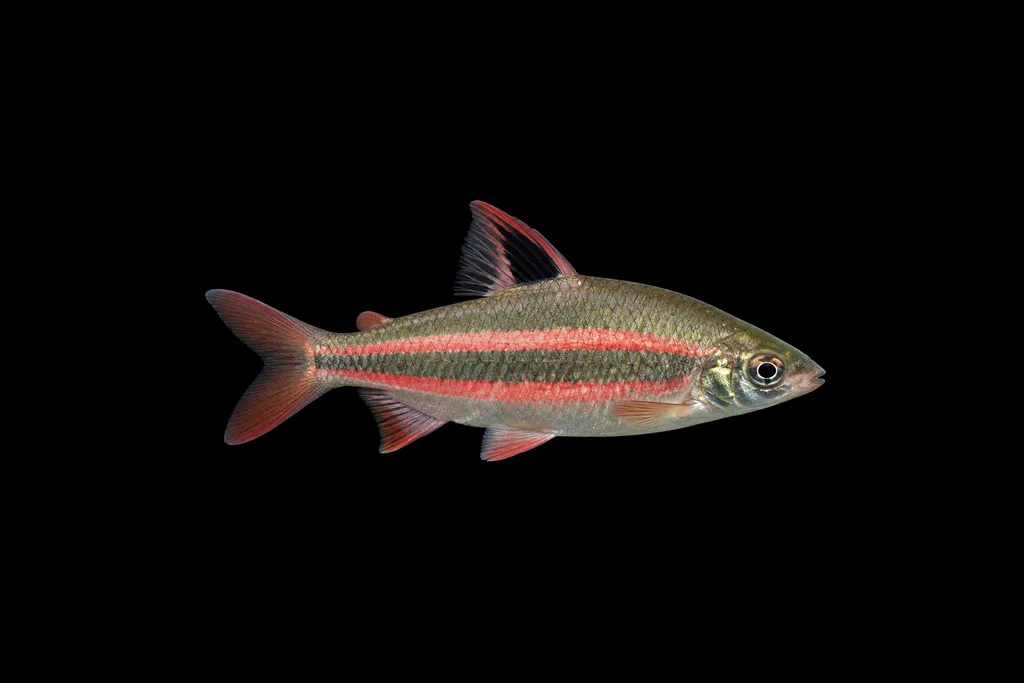
Noboli distichodus
Distichodus noboli
Freshwater7.5 in (19 cm) · 40 gal (150 L)73–82°F (23–28°C)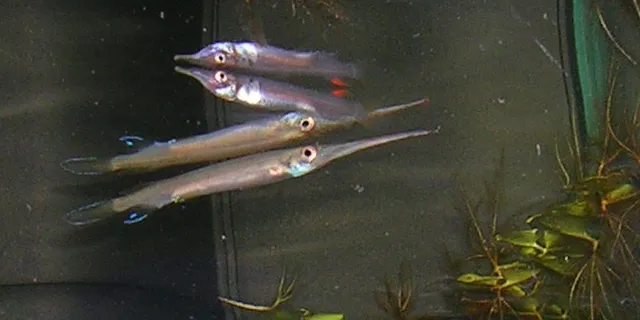
Forest halfbeak
Hemirhamphodon pogonognathus
Freshwater3.5 in (9 cm) · 34 gal (130 L)75–82°F (24–28°C)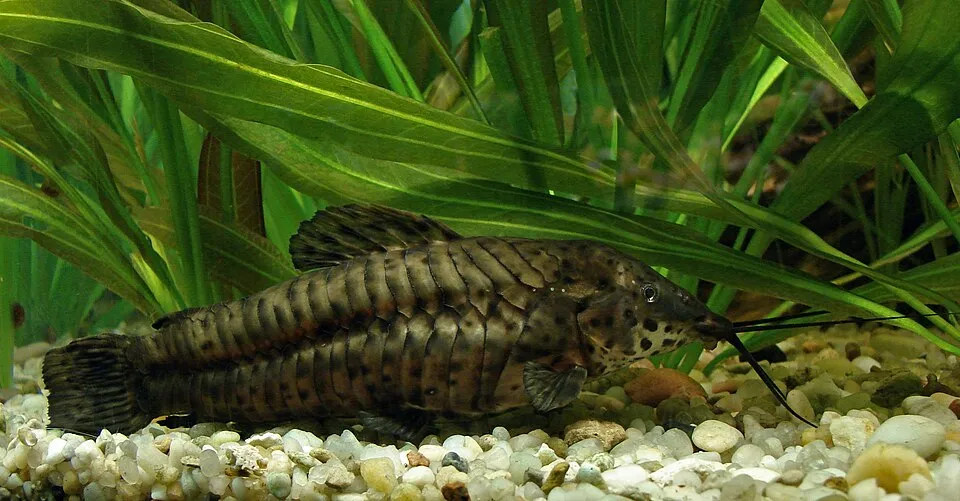
Spotted hoplo
Megalechis thoracata
Freshwater5.9 in (15 cm) · 40 gal (150 L)64–82°F (18–28°C)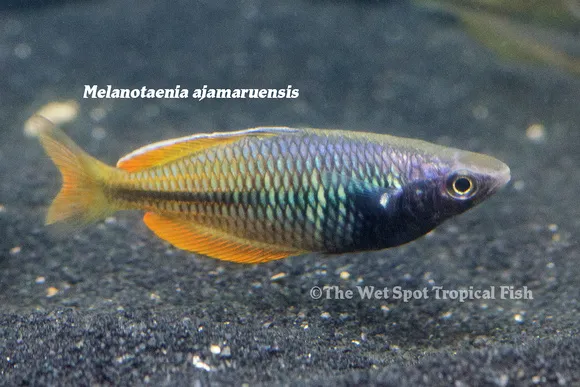
Ajamaru Lakes rainbowfish
Melanotaenia ajamaruensis
Freshwater4.3 in (11 cm) · 42 gal (160 L)75–84°F (24–29°C)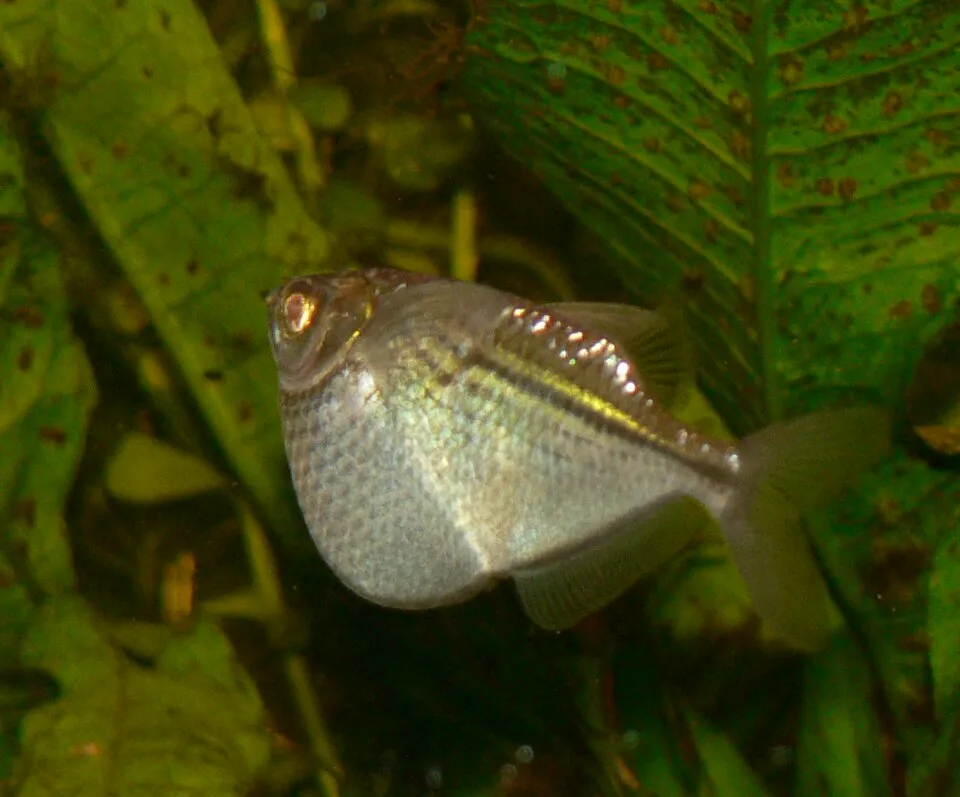
Common hatchetfish
Gasteropelecus sternicla
Freshwater1.6 in (4 cm) · 33 gal (125 L)68–82°F (20–28°C)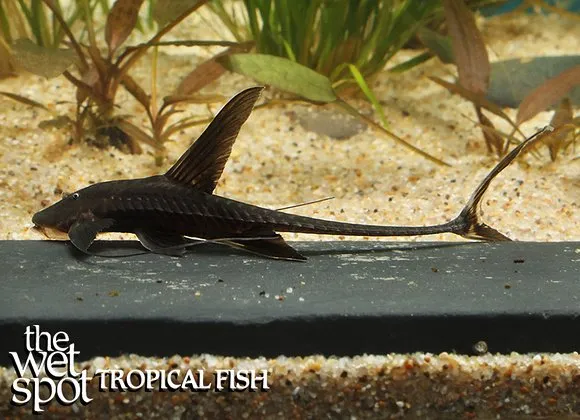
Antenna whiptail
Pterosturisoma microps
Freshwater6.3 in (16 cm) · 40 gal (150 L)73–82°F (23–28°C)
Common questions
What size tank does a Flagtail catfish need?
A Flagtail catfish needs at least 40 gal (150 L). It spends most of its time in the bottom.
What temperature and pH does a Flagtail catfish need?
A Flagtail catfish is comfortable at 77–82°F (25–28°C) with a pH of 6.0–8.0.
How big does a Flagtail catfish get?
An adult Flagtail catfish reaches about 4.9 in (12.5 cm).
Related species
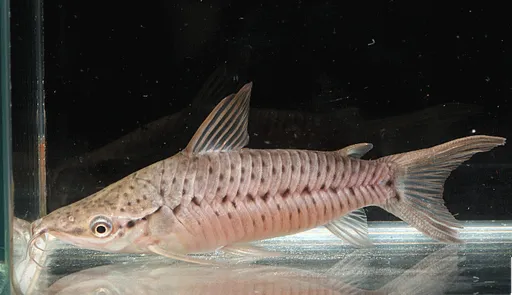 3.9 in (10 cm)26 gal (100 L)75–82°F (24–28°C)
Porthole catfish
Dianema longibarbis
3.9 in (10 cm) · 26 gal (100 L)
- 5.9 in (15 cm)40 gal (150 L)64–82°F (18–28°C)
Spotted hoplo
Megalechis thoracata
5.9 in (15 cm) · 40 gal (150 L)
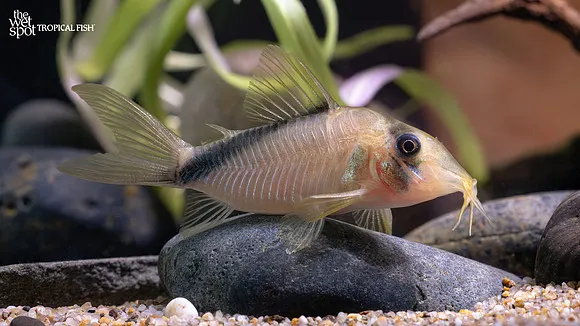 3.5 in (9 cm)40 gal (150 L)70–79°F (21–26°C)
Giant brochis
Brochis britskii
3.5 in (9 cm) · 40 gal (150 L)
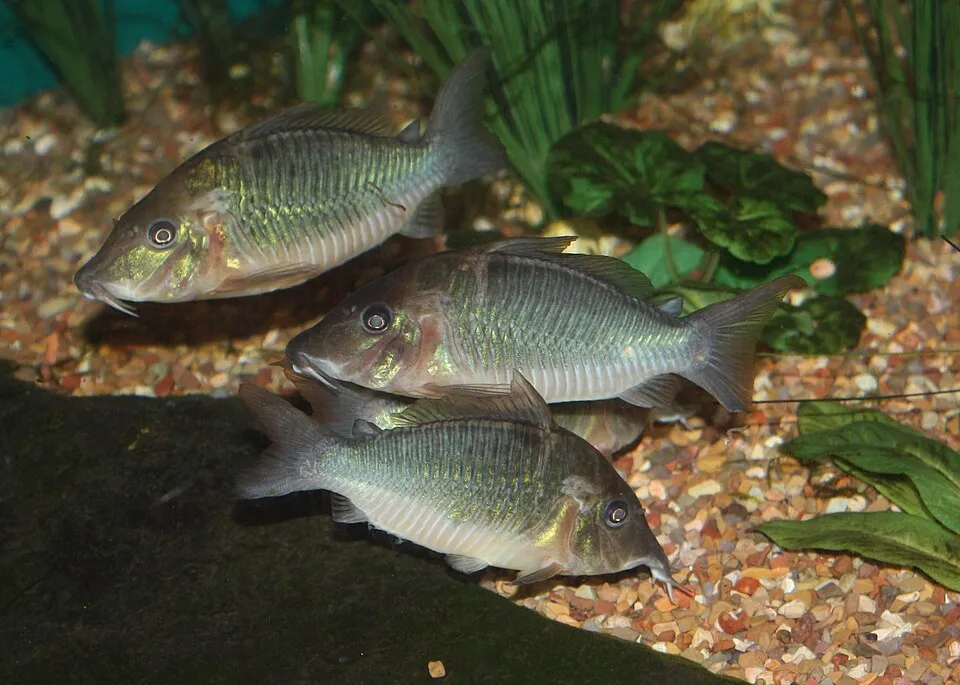 3.5 in (9 cm)40 gal (150 L)70–79°F (21–26°C)
Hognosed brochis
Brochis multiradiatus
3.5 in (9 cm) · 40 gal (150 L)
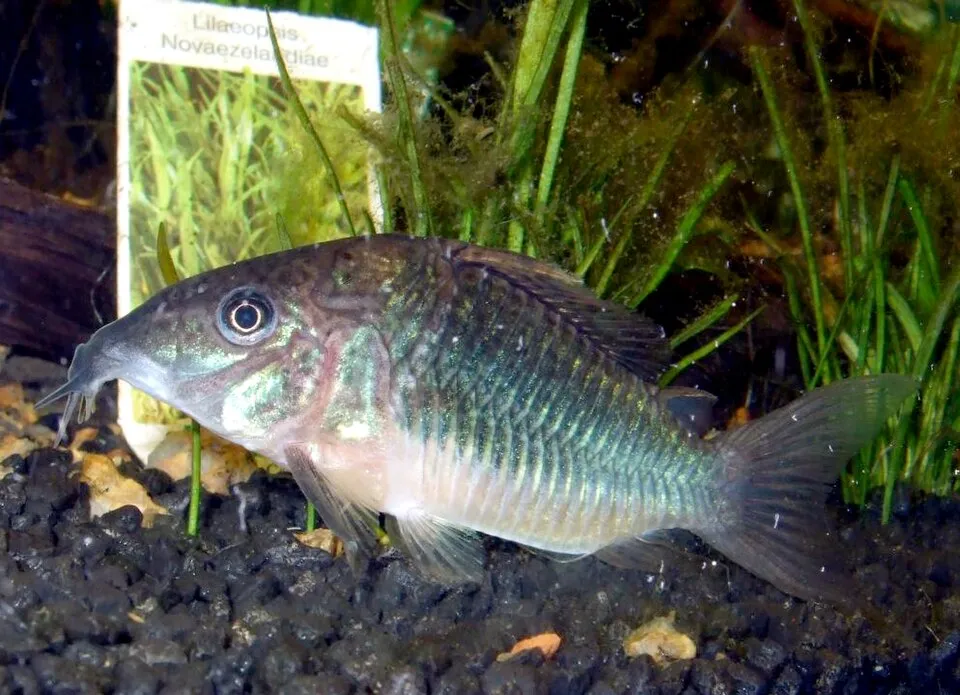 3.1 in (8 cm)40 gal (150 L)70–82°F (21–28°C)
Emerald catfish
Brochis splendens
3.1 in (8 cm) · 40 gal (150 L)
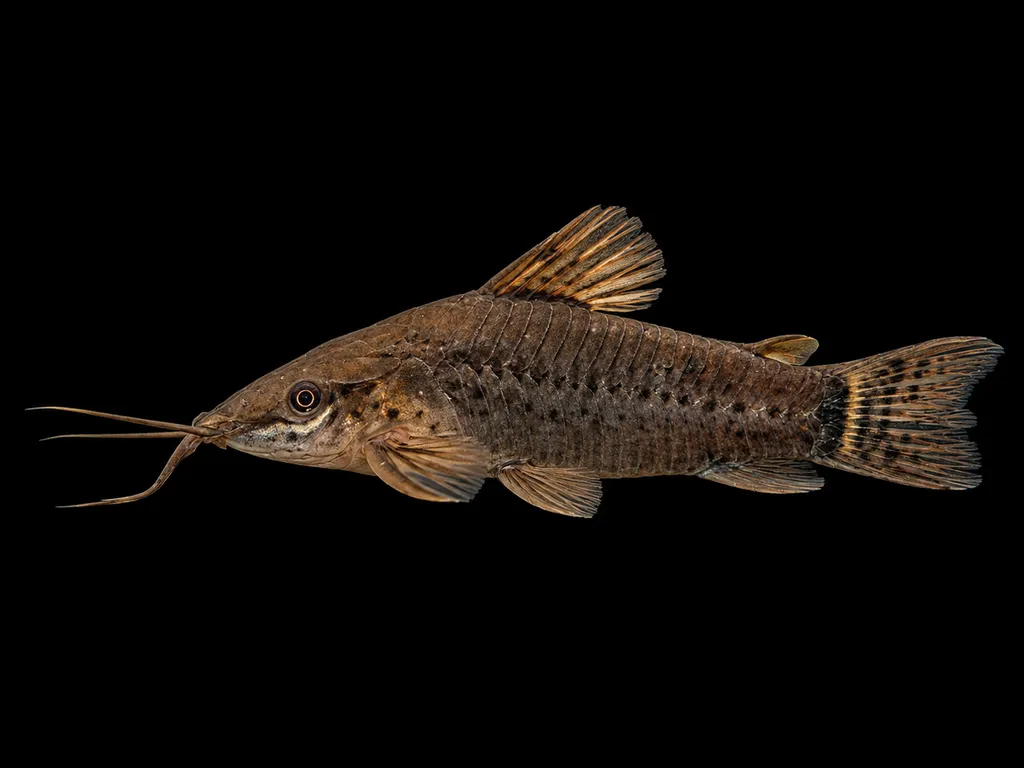 3.1 in (8 cm)30 gal (115 L)72–79°F (22–26°C)
Panama hoplo
Hoplosternum punctatum
3.1 in (8 cm) · 30 gal (115 L)