Hoplo catfish
Hoplosternum littorale
Also known as Atipa, Cascadu, Common Hoplo Cat
FreshwaterFish
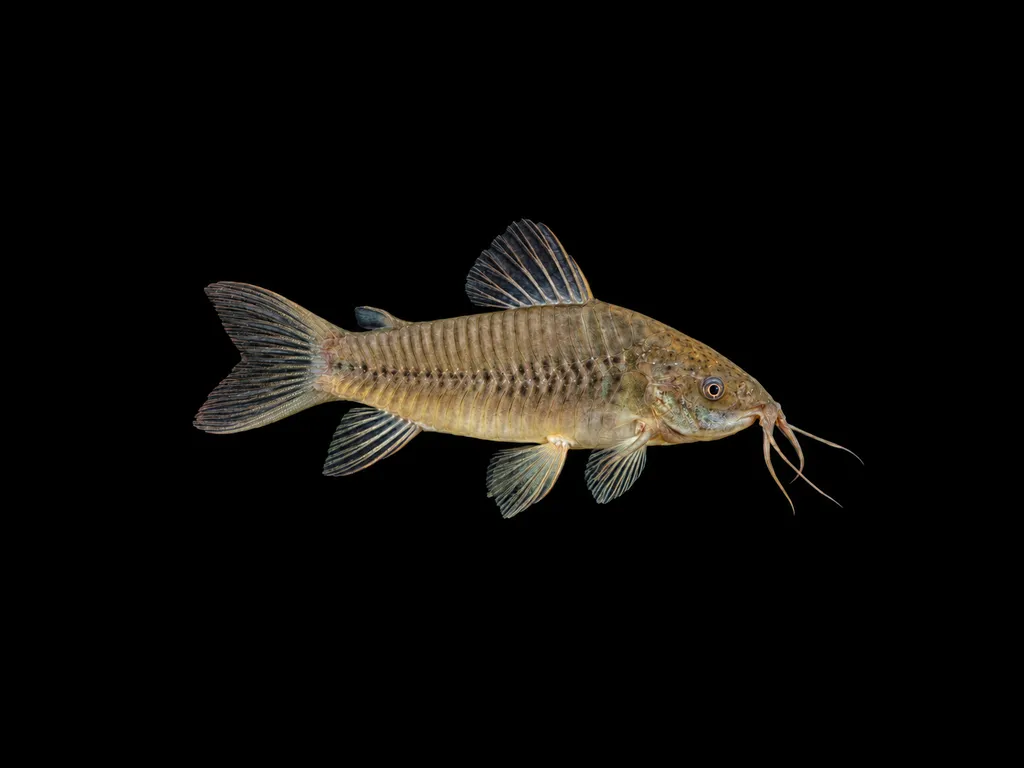
Care at a glance
- Temperature
- 72–81°F
- 22–27°C
- pH
- 6.5–7.5
- Adult size
- 7.9 in
- 20 cm
- Minimum tank
- 40 gal
- 150 L
- Temperament
- Mostly peaceful
- Social behavior
- Social
- Swim level
- Bottom
- Difficulty
- Easy
- Breeding
- Medium
- Rarity
- Common
- Family
- Callichthyidae
- Origin
- South America (Venezuela to Argentina, also Trinidad)
Overview
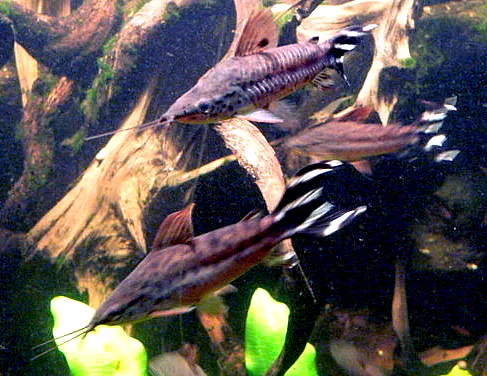
Keep them as a small group in a tank of 150 liters or larger, since they are social and do better with their own kind. They are mostly peaceful with similar-sized tankmates and spend their time along the bottom, but they are nocturnal opportunists that will eat anything small enough to swallow overnight, so skip tiny fish and shrimp. Hold the water at 22 to 27 C with a pH from 6.5 to 7.5, and feed sinking pellets, frozen foods, and the occasional meaty treat. They gulp air at the surface and are strong jumpers, so keep a tight, well-fitted lid at all times. Pair them with sturdy mid and upper level fish that are too big to be a midnight meal.
In the wild
Hoplo catfish range widely across South America, from Venezuela down to Argentina, and also live on Trinidad. They settle into slow, soft-bottomed waters like ponds, ditches, and flooded margins that warm up and run low on oxygen. To match that, give them a tank of soft sand or fine smooth substrate so they can sift without tearing their barbels, plus driftwood and a few caves to shelter in. Keep the water at 22 to 27 C with a pH from 6.5 to 7.5, and leave a little open surface since they come up to breathe.
Good to know
This is a callichthyid catfish in the family Callichthyidae, related to the armored corys, and it reaches about 20 cm as an adult. Breeding is moderately involved, with males building and guarding a floating bubble nest where the eggs are laid. Most fish you find are wild caught from their broad native range. A healthy adult is long lived and can stick around for several years.
Did you know
This is an air-breather. It swallows air at the surface and pulls oxygen from it through its gut, which lets it survive in warm, stagnant water that would suffocate most fish. That same gut-breathing trick lets hoplos wriggle short distances over wet ground to reach new pools when their water dries up.
Weekly picks
Tank mates
Hoplo catfish is a mostly peaceful, social species that keeps to the bottom. These picks share a community profile with it, are safe together in both directions, and overlap on water type, temperature and pH.
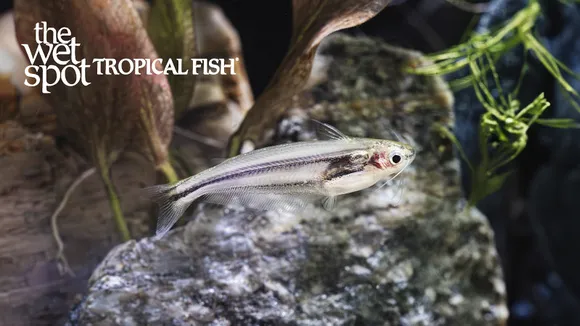
Debauwi cat
Pareutropius debauwi
Freshwater5.1 in (13 cm) · 40 gal (150 L)73–82°F (23–28°C)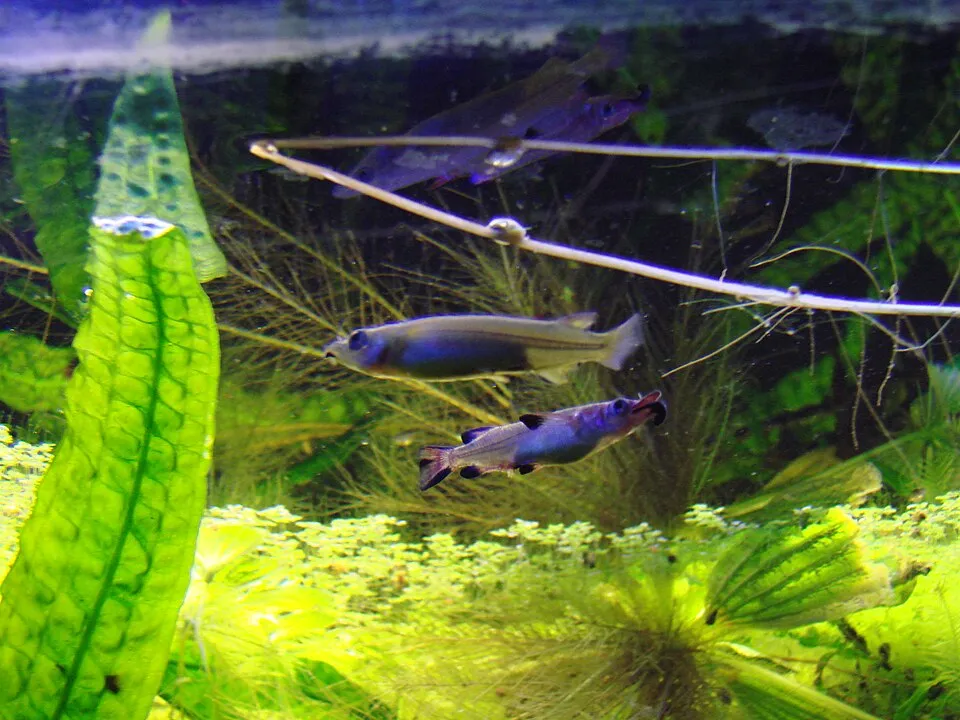
Celebes halfbeak
Nomorhamphus liemi
Freshwater3.5 in (9 cm) · 40 gal (150 L)68–77°F (20–25°C)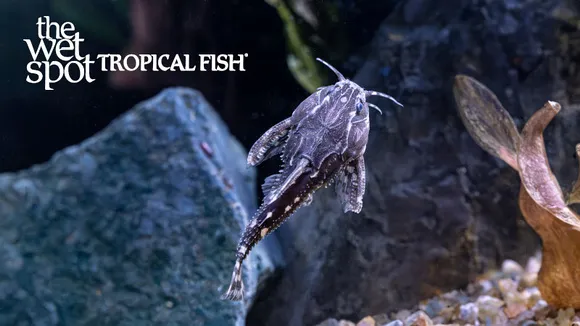
Orinoco spotted raphael
Agamyxis albomaculatus
Freshwater5.9 in (15 cm) · 40 gal (150 L)73–82°F (23–28°C)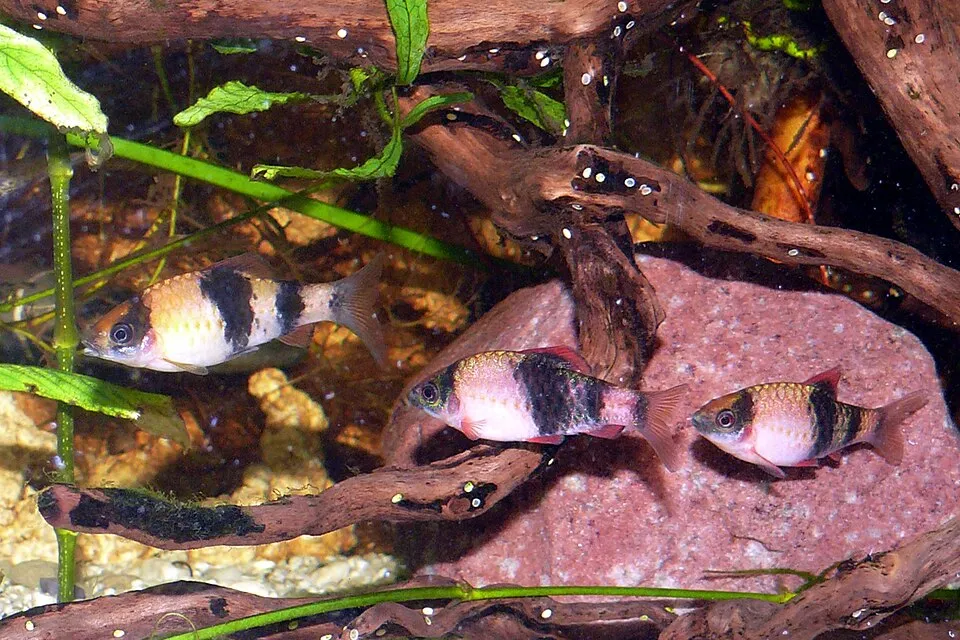
Melon barb
Haludaria fasciata
Freshwater2.8 in (7 cm) · 40 gal (150 L)72–79°F (22–26°C)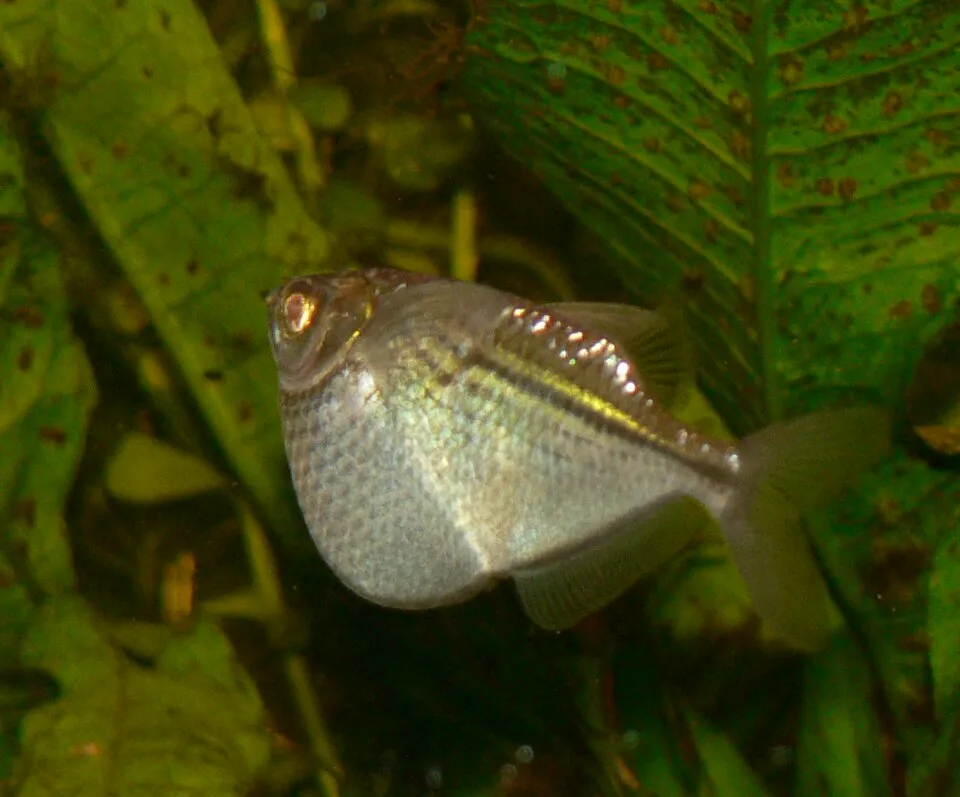
Common hatchetfish
Gasteropelecus sternicla
Freshwater1.6 in (4 cm) · 33 gal (125 L)68–82°F (20–28°C)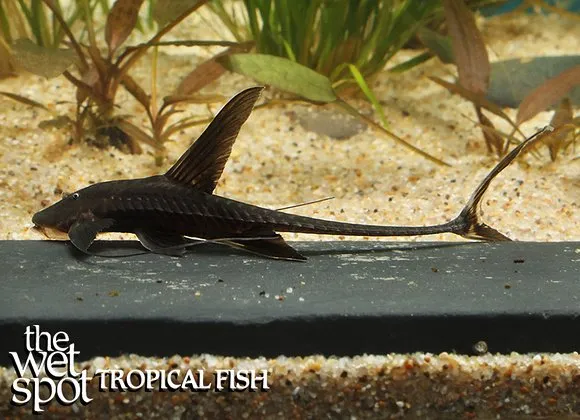
Antenna whiptail
Pterosturisoma microps
Freshwater6.3 in (16 cm) · 40 gal (150 L)73–82°F (23–28°C)
Common questions
What size tank does a Hoplo catfish need?
A Hoplo catfish needs at least 40 gal (150 L). It spends most of its time in the bottom.
What temperature and pH does a Hoplo catfish need?
A Hoplo catfish is comfortable at 72–81°F (22–27°C) with a pH of 6.5–7.5.
How big does a Hoplo catfish get?
An adult Hoplo catfish reaches about 7.9 in (20 cm).
Related species
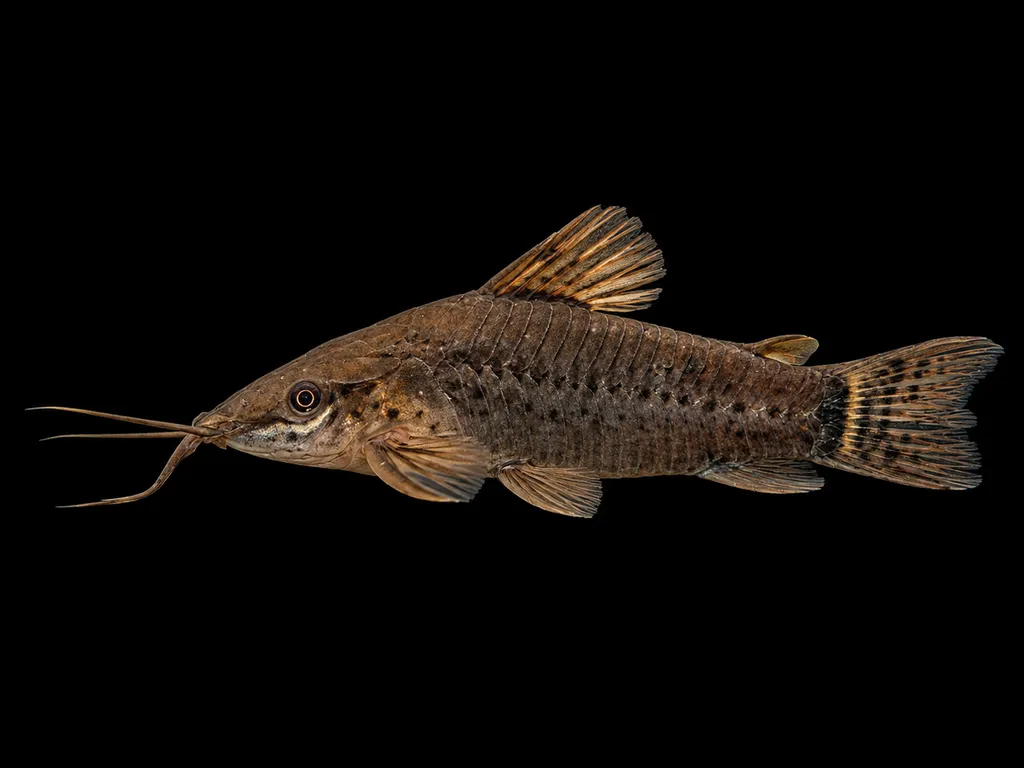 3.1 in (8 cm)30 gal (115 L)72–79°F (22–26°C)
Panama hoplo
Hoplosternum punctatum
3.1 in (8 cm) · 30 gal (115 L)
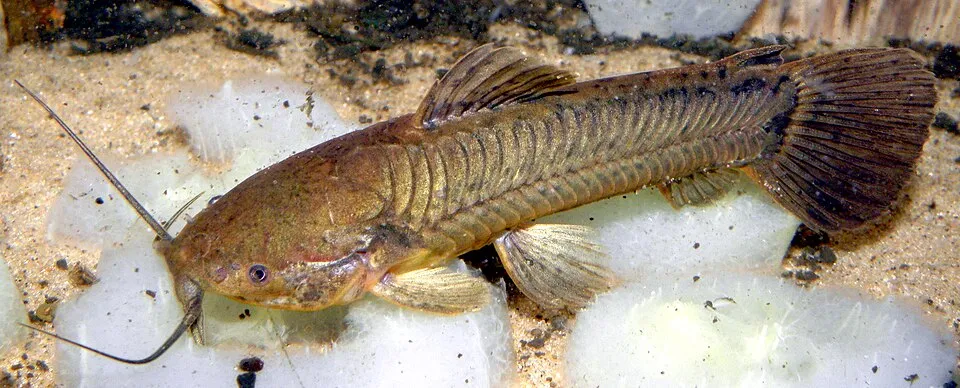 7.9 in (20 cm)63 gal (240 L)66–81°F (19–27°C)
Cascarudo
Callichthys callichthys
7.9 in (20 cm) · 63 gal (240 L)
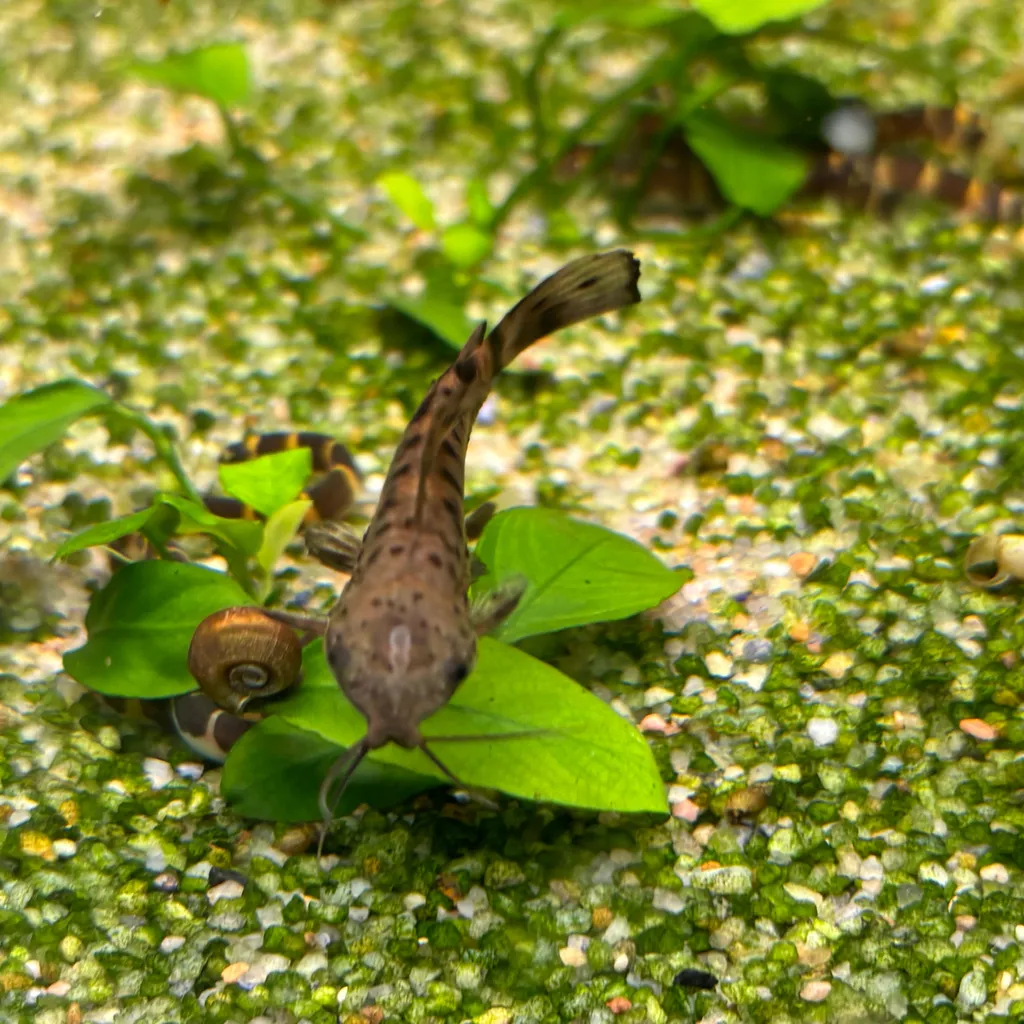 5.9 in (15 cm)53 gal (200 L)72–79°F (22–26°C)
Bar-tailed hoplo
Megalechis picta
5.9 in (15 cm) · 53 gal (200 L)
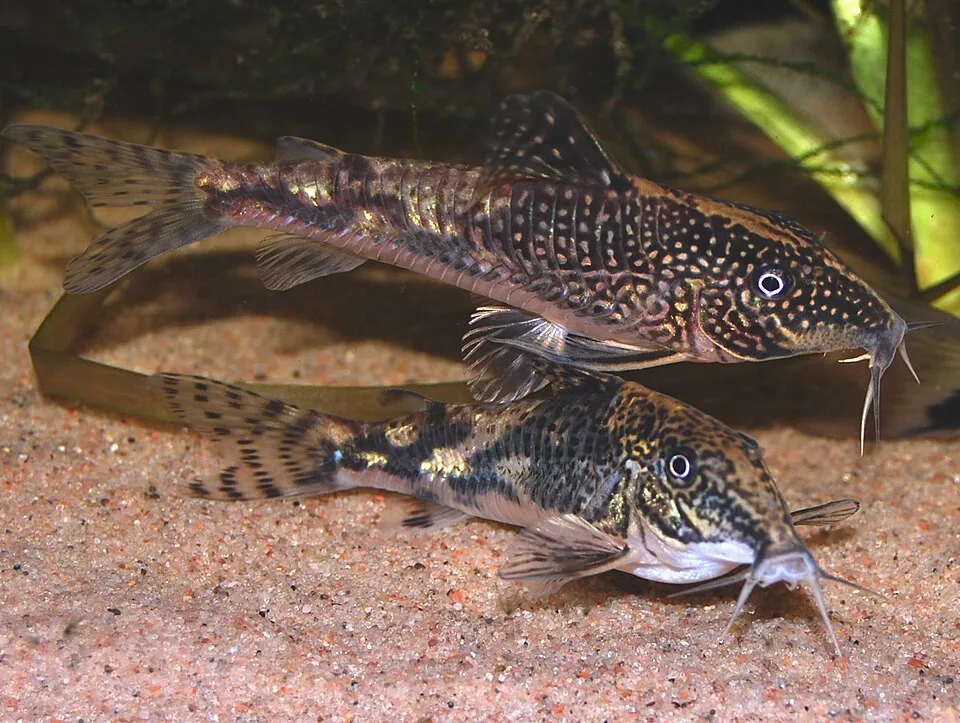 3.9 in (10 cm)40 gal (150 L)66–75°F (19–24°C)
Banded cory
Scleromystax barbatus
3.9 in (10 cm) · 40 gal (150 L)
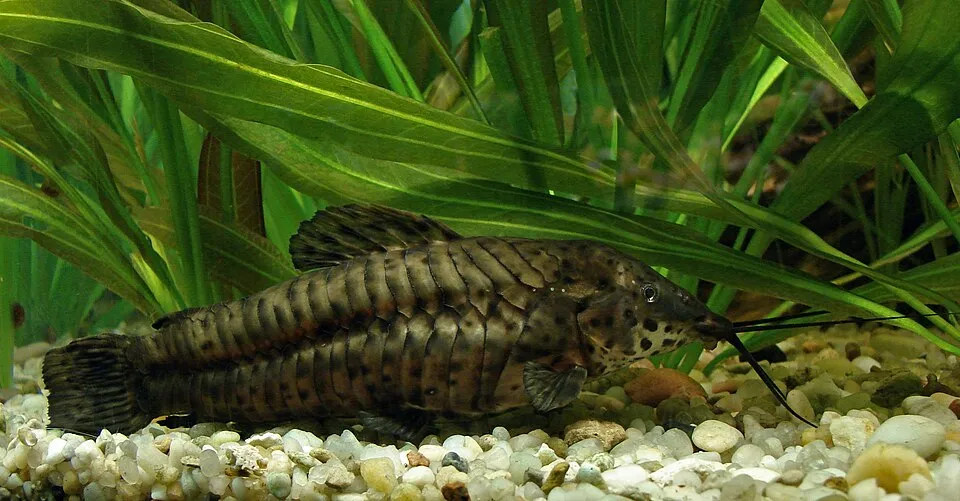 5.9 in (15 cm)40 gal (150 L)64–82°F (18–28°C)
Spotted hoplo
Megalechis thoracata
5.9 in (15 cm) · 40 gal (150 L)
 4.9 in (12.5 cm)40 gal (150 L)77–82°F (25–28°C)
Flagtail catfish
Dianema urostriatum
4.9 in (12.5 cm) · 40 gal (150 L)