Bar-tailed hoplo
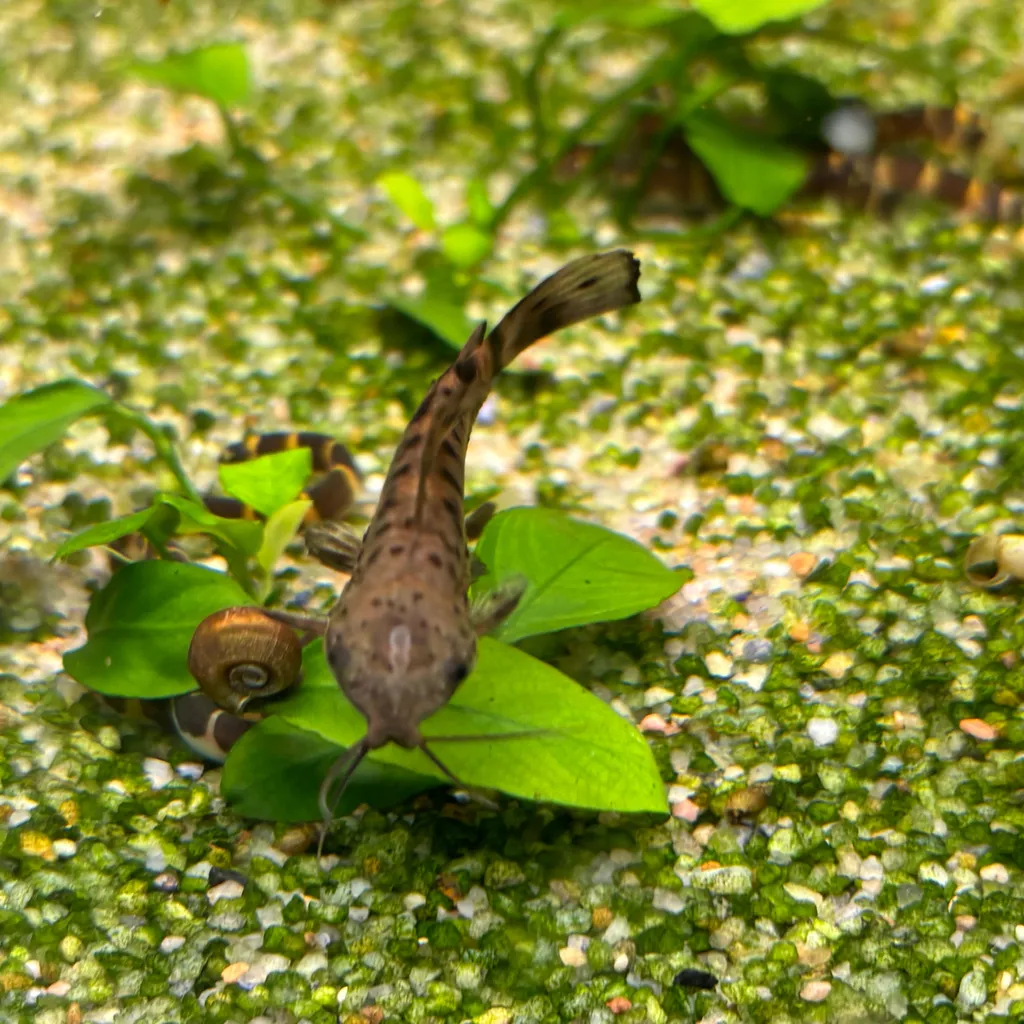
Megalechis picta
Also known as Spotted hoplo, Tail Bar Hoplo Cat
FreshwaterFish
Care at a glance
- Temperature
- 72–79°F
- 22–26°C
- pH
- 6.0–7.5
- Adult size
- 5.9 in
- 15 cm
- Minimum tank
- 53 gal
- 200 L
- Temperament
- Mostly peaceful
- Social behavior
- Social
- Swim level
- Bottom
- Difficulty
- Easy
- Breeding
- Medium
- Rarity
- Common
- Family
- Callichthyidae
- Origin
- South America: Amazon and Orinoco basins, coastal rivers of the Guianas and northern Brazil
Overview
Keep them in a group of their own kind in a tank of 200 liters or larger, with medium to large robust tankmates rather than small or delicate fish. They are mostly peaceful bottom dwellers that spend their time rooting through the substrate for food, though they turn boisterous at feeding time and can out-compete or unsettle anything small and slow. Hold the water at 22 to 26 C with a pH between 6 and 7.5. Because they breathe air, leave a gap above the waterline and never seal the lid tight. Feed sinking pellets, frozen foods, and the occasional vegetable, and watch that faster surface feeders do not get to it all first. These are big, hardy catfish that should never be released into local waters, so check your local rules and rehome any you cannot keep.
In the wild
Bar-tailed hoplos come from the Amazon and Orinoco basins, along with the coastal rivers of the Guianas and northern Brazil. They forage along the bottom of slow, soft, often murky waters. Give them a tank of at least 200 liters with a long footprint so an adult has room to patrol. Use a fine soft sand substrate, which is much kinder on their long barbels than gravel, and anchor your hardscape with robust or floating plants since these fish dig and shift things around. Keep the water tropical at 22 to 26 C and a pH from 6 to 7.5.
Good to know
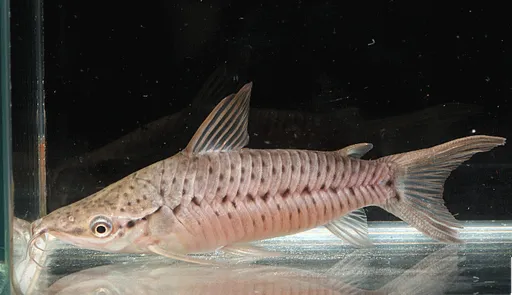
This is Megalechis picta, an armored catfish in the family Callichthyidae. Adults reach about 15 cm in the hobby. Like others in the group, it is a facultative air-breather, gulping atmospheric air at the surface and processing it in the gut. Males build a bubble nest and guard the eggs once they are laid.
Did you know
When the air above a stagnant pool runs low on oxygen, this fish just breathes the air above it instead. It darts to the surface, gulps a mouthful, and absorbs oxygen through the lining of its gut, which lets it survive in water that would suffocate most other catfish.
Weekly picks
Tank mates
Bar-tailed hoplo is a mostly peaceful, social species that keeps to the bottom. These picks share a community profile with it, are safe together in both directions, and overlap on water type, temperature and pH.
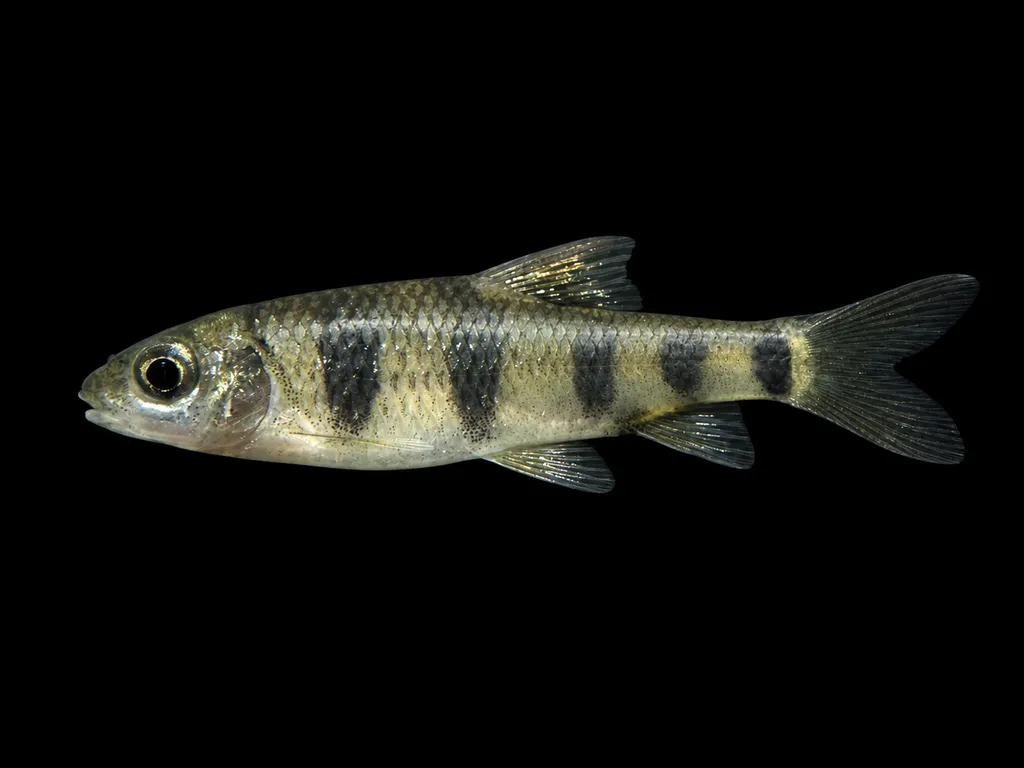
Beijiang barb
Acrossocheilus beijiangensis
Freshwater5.1 in (13 cm) · 53 gal (200 L)64–79°F (18–26°C)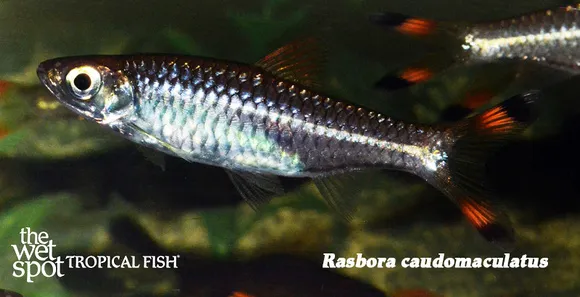
Greater scissortail
Rasbora caudimaculata
Freshwater5.1 in (13 cm) · 53 gal (200 L)68–79°F (20–26°C)
Ocellated squeaker
Synodontis ocellifer
Freshwater7.9 in (20 cm) · 53 gal (200 L)73–81°F (23–27°C)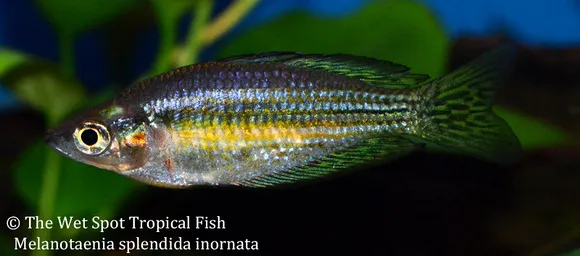
Checkered rainbowfish
Melanotaenia splendida inornata
Freshwater4.7 in (12 cm) · 53 gal (200 L)72–86°F (22–30°C)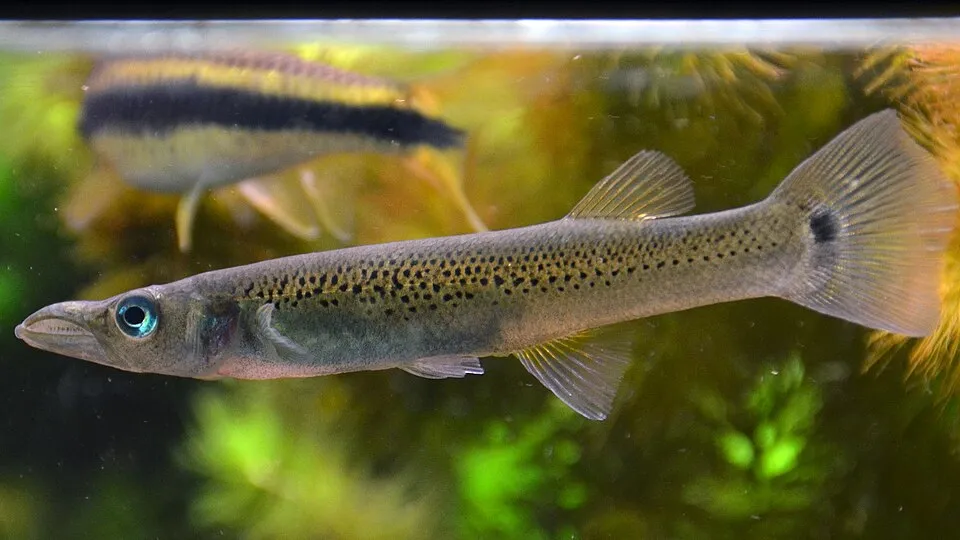
Pike topminnow
Belonesox belizanus
Freshwater7.9 in (20 cm) · 44 gal (165 L)73–82°F (23–28°C)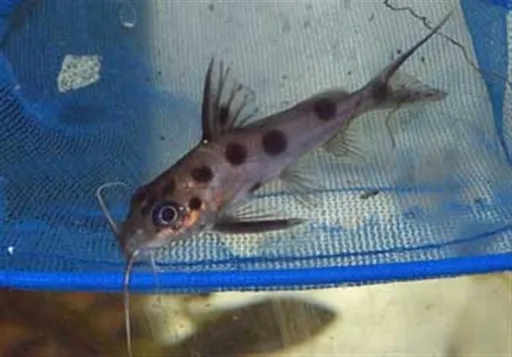
One-spot synodontis
Synodontis notatus
Freshwater9.8 in (25 cm) · 53 gal (200 L)72–81°F (22–27°C)
Common questions
What size tank does a Bar-tailed hoplo need?
A Bar-tailed hoplo needs at least 53 gal (200 L). It spends most of its time in the bottom.
What temperature and pH does a Bar-tailed hoplo need?
A Bar-tailed hoplo is comfortable at 72–79°F (22–26°C) with a pH of 6.0–7.5.
How big does a Bar-tailed hoplo get?
An adult Bar-tailed hoplo reaches about 5.9 in (15 cm).
Related species
 5.9 in (15 cm)40 gal (150 L)64–82°F (18–28°C)
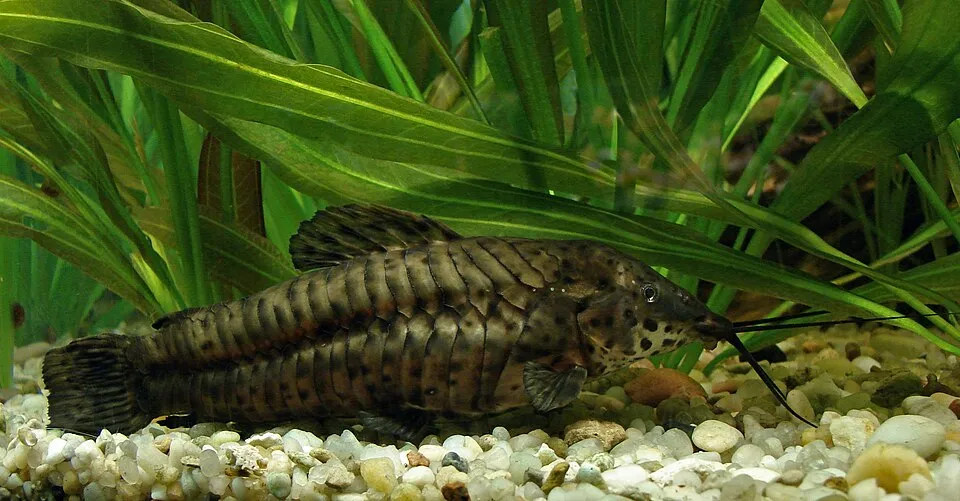
Spotted hoplo
Megalechis thoracata
5.9 in (15 cm) · 40 gal (150 L)
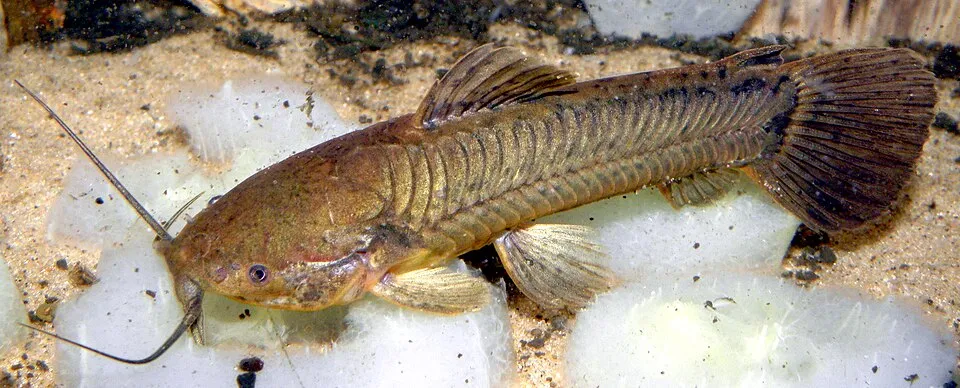 7.9 in (20 cm)63 gal (240 L)66–81°F (19–27°C)
Cascarudo
Callichthys callichthys
7.9 in (20 cm) · 63 gal (240 L)
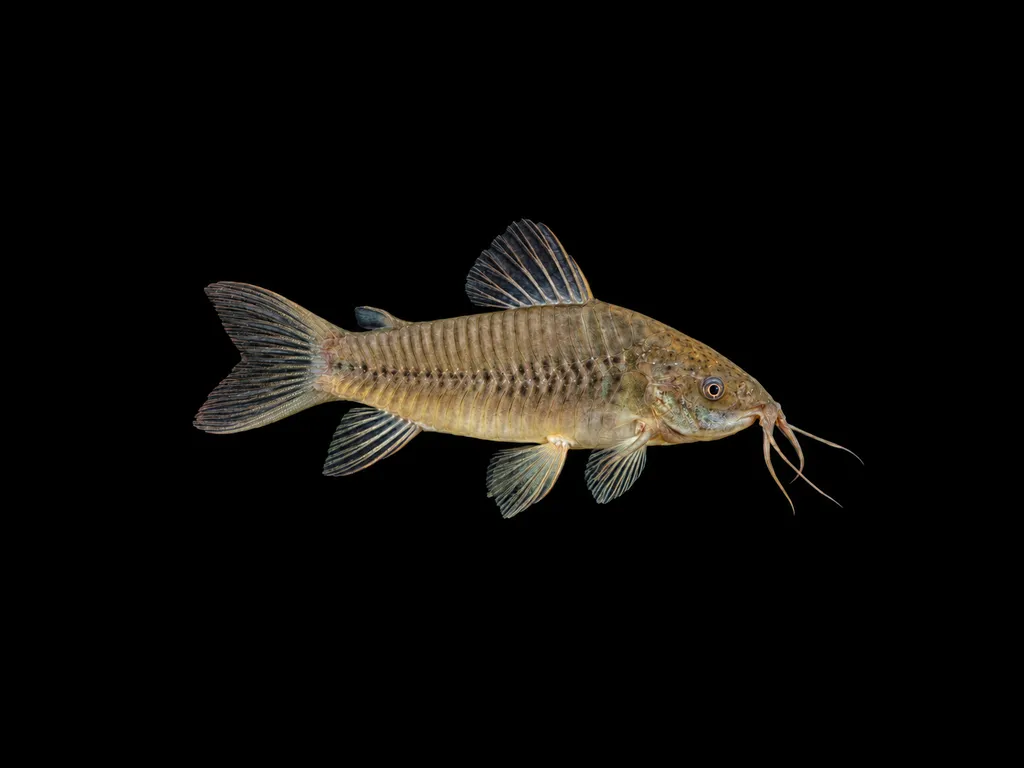 7.9 in (20 cm)40 gal (150 L)72–81°F (22–27°C)
Hoplo catfish
Hoplosternum littorale
7.9 in (20 cm) · 40 gal (150 L)
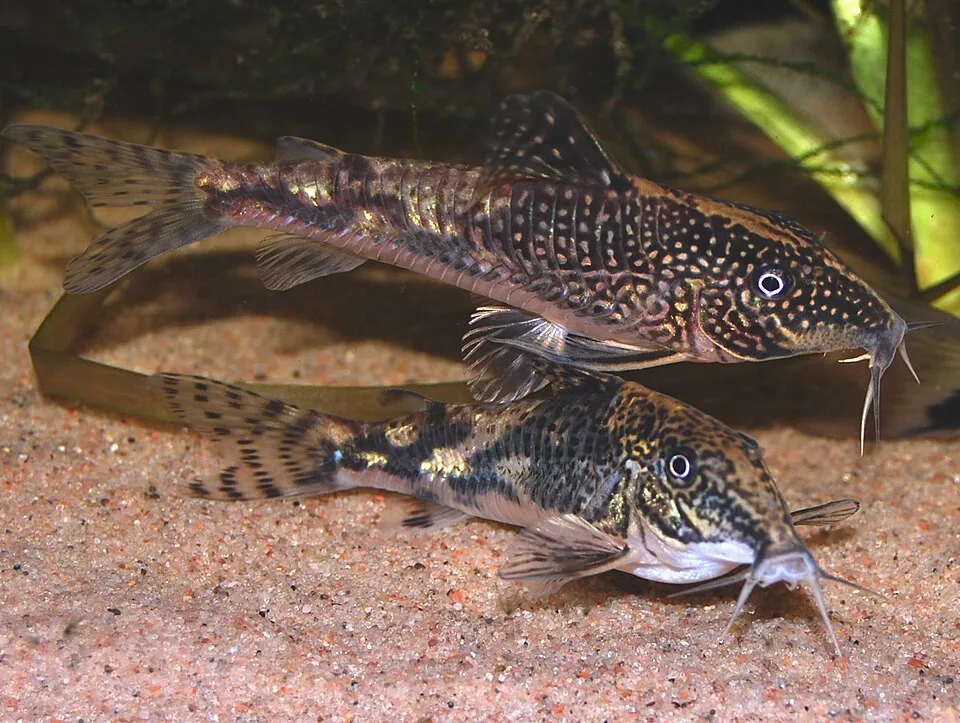 3.9 in (10 cm)40 gal (150 L)66–75°F (19–24°C)
Banded cory
Scleromystax barbatus
3.9 in (10 cm) · 40 gal (150 L)
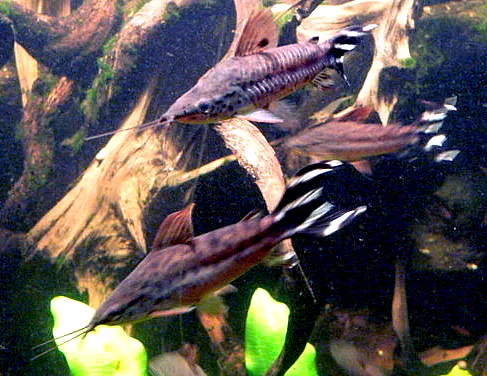 4.9 in (12.5 cm)40 gal (150 L)77–82°F (25–28°C)
Flagtail catfish
Dianema urostriatum
4.9 in (12.5 cm) · 40 gal (150 L)
 3.9 in (10 cm)26 gal (100 L)75–82°F (24–28°C)
Porthole catfish
Dianema longibarbis
3.9 in (10 cm) · 26 gal (100 L)