Banded cory
Scleromystax barbatus
FreshwaterFish
Care at a glance
- Temperature
- 66–75°F
- 19–24°C
- pH
- 6.5–7.8
- Adult size
- 3.9 in
- 10 cm
- Minimum tank
- 40 gal
- 150 L
- Temperament
- Mostly peaceful
- Social behavior
- Shoaling
- Swim level
- Bottom
- Difficulty
- Medium
- Breeding
- Hard
- Rarity
- Rare
- Family
- Callichthyidae
- Origin
- Brazil
Overview
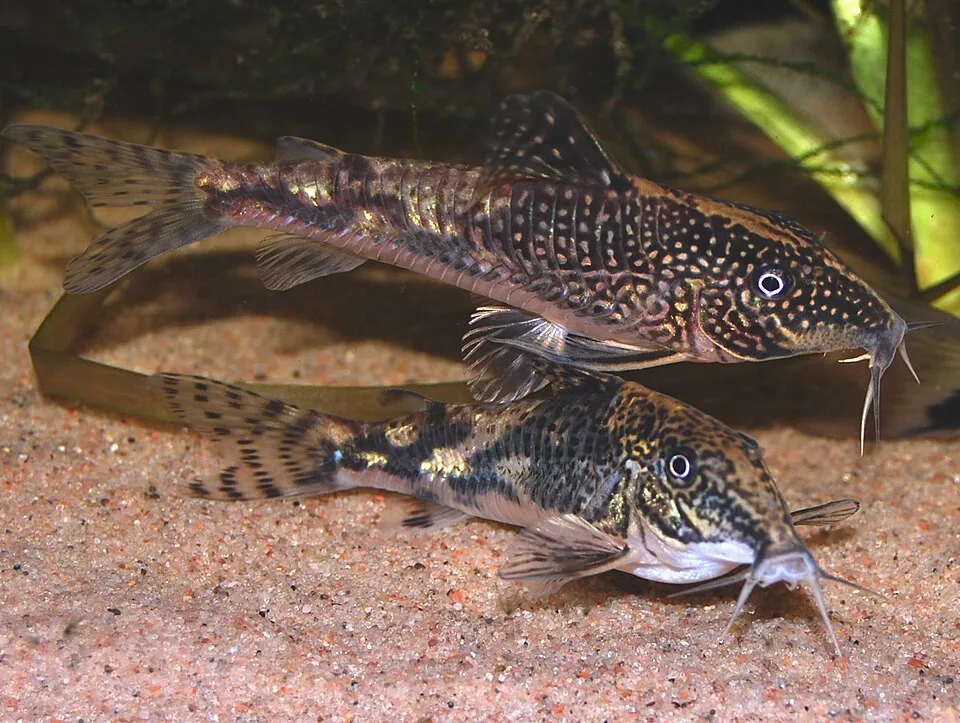
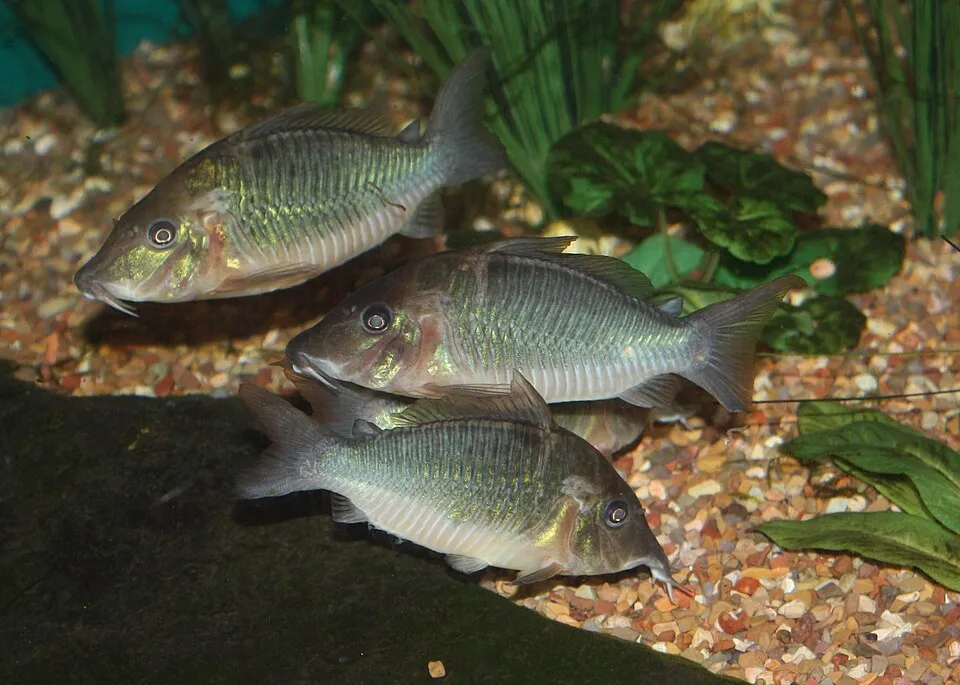
The banded cory is a big, heavy bodied catfish for the group, so give it room and keep it in a shoal of six or more that stays near the bottom. Adult males can squabble and posture with each other, though they are not a threat to other fish, so it mixes well with peaceful, similarly cool loving tankmates. It grubs through open sand for food and takes sinking pellets, frozen bloodworm, and the occasional wafer. Cooler water suits it best. Plan on a tank of around 150 liters or larger for a proper group.
In the wild
Scleromystax barbatus lives in cool, fast, well oxygenated coastal streams of southeastern Brazil, between Rio de Janeiro and Santa Catarina. It wants clean, brisk water rather than the warm, still tank many cories tolerate. Provide a sand or fine gravel bed, smooth rocks, and driftwood, with strong filtration and steady current. Aim for pH 6.5 to 7.8 and a cool 19 to 24 C, dropping toward the low end in summer if you can.
Good to know
This is one of the largest members of the armored catfish subfamily Corydoradinae, reaching around 10 cm. It sits in Scleromystax, a genus split off from Corydoras for a handful of robust, sexually distinct southern species. Mature males grow bristly odontodes across the cheeks and snout, and the sexes differ sharply in color and finnage. It has been bred in aquaria but is considered challenging, needing cool water and conditioning to trigger spawning.
Did you know
Mature males earn the name bearded cory: they sprout rows of golden, bristle like odontodes along the cheeks that give them a lion like look unlike any other small catfish. Females and young stay comparatively plain, which makes a breeding group easy to sex.
Weekly picks
Tank mates
Banded cory is a mostly peaceful, shoaling species that keeps to the bottom. These picks share a community profile with it, are safe together in both directions, and overlap on water type, temperature and pH.
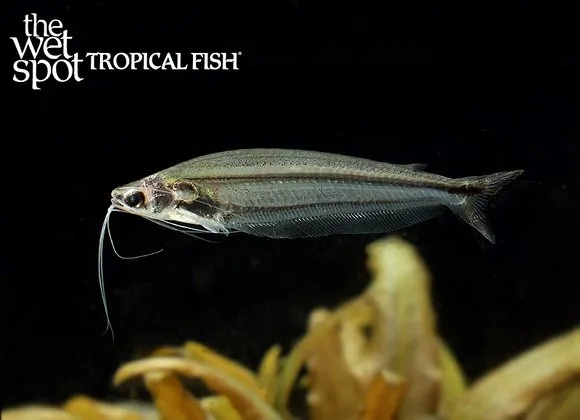
African glass cat
Parailia pellucida
Freshwater4.7 in (12 cm) · 40 gal (150 L)73–82°F (23–28°C)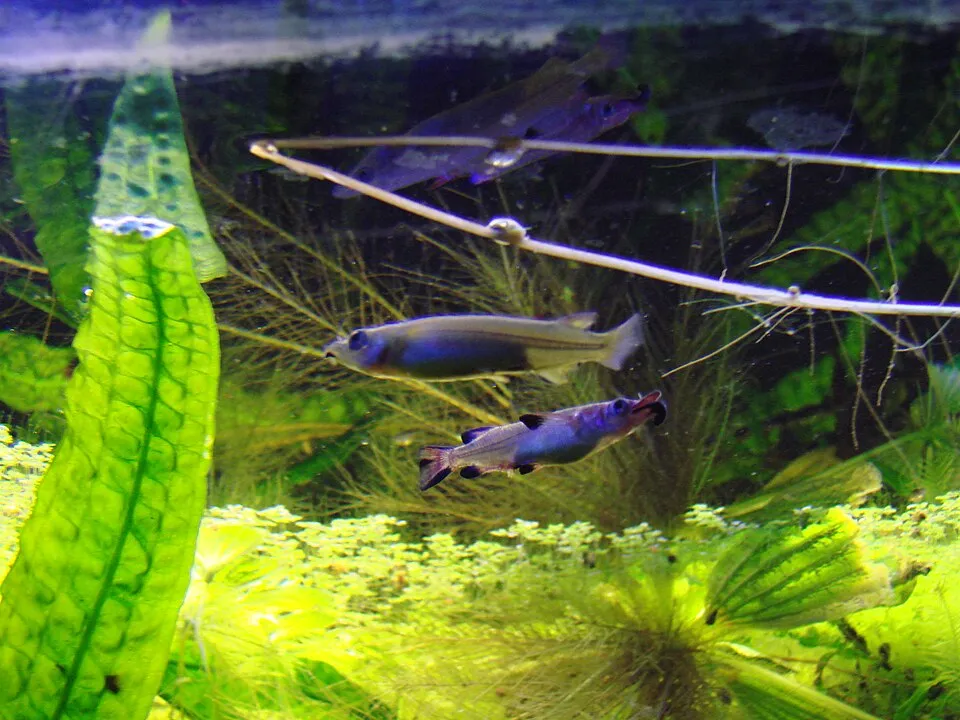
Celebes halfbeak
Nomorhamphus liemi
Freshwater3.5 in (9 cm) · 40 gal (150 L)68–77°F (20–25°C)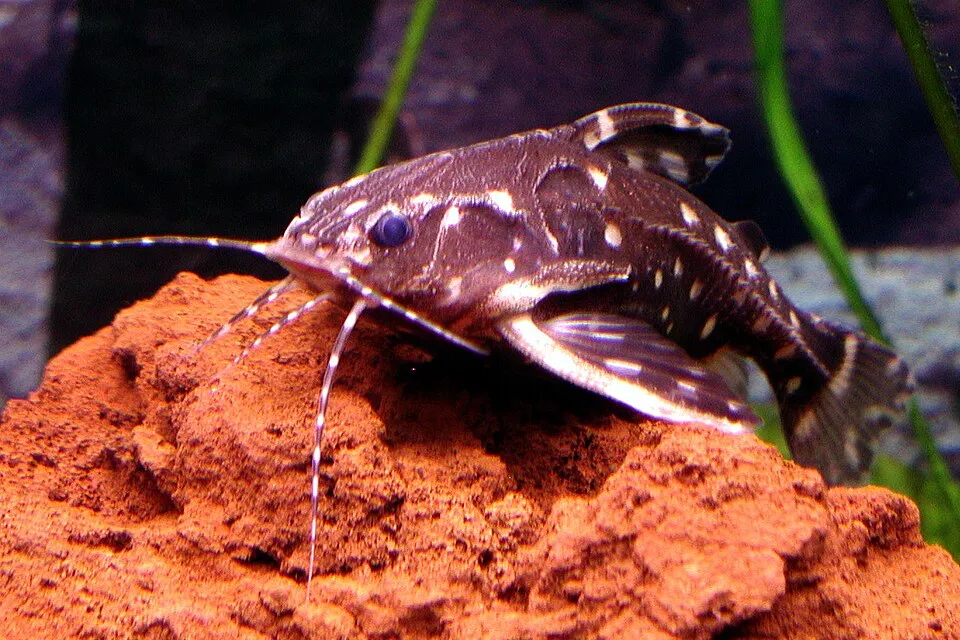
Spotted raphael catfish
Agamyxis pectinifrons
Freshwater5.9 in (15 cm) · 40 gal (150 L)72–79°F (22–26°C)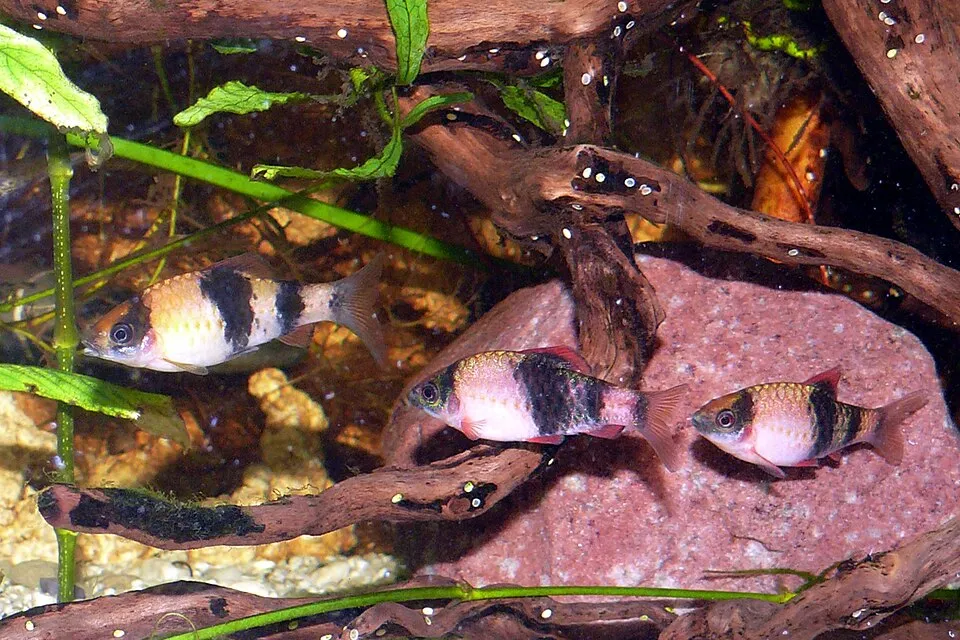
Melon barb
Haludaria fasciata
Freshwater2.8 in (7 cm) · 40 gal (150 L)72–79°F (22–26°C)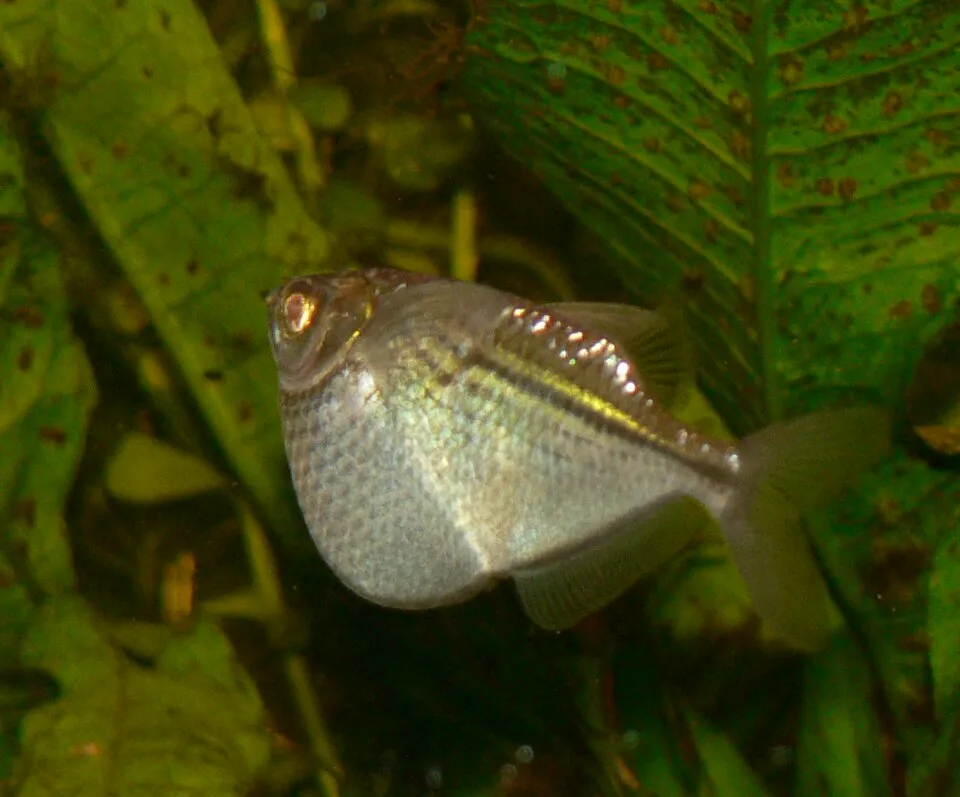
Common hatchetfish
Gasteropelecus sternicla
Freshwater1.6 in (4 cm) · 33 gal (125 L)68–82°F (20–28°C)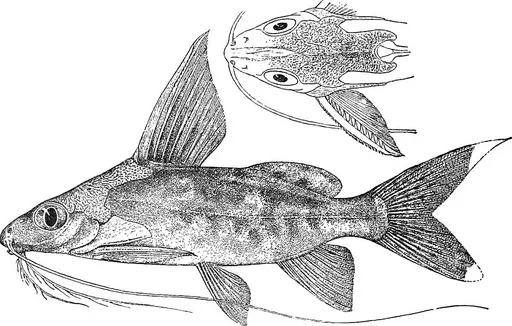
Bigeye squeaker
Synodontis alberti
Freshwater7.9 in (20 cm) · 40 gal (150 L)72–79°F (22–26°C)
Common questions
What size tank does a Banded cory need?
A Banded cory needs at least 40 gal (150 L). It spends most of its time in the bottom.
What temperature and pH does a Banded cory need?
A Banded cory is comfortable at 66–75°F (19–24°C) with a pH of 6.5–7.8.
How big does a Banded cory get?
An adult Banded cory reaches about 3.9 in (10 cm).
Does a Banded cory need a group?
Yes. A Banded cory is a shoaling species and should be kept in a group, not singly.
Related species
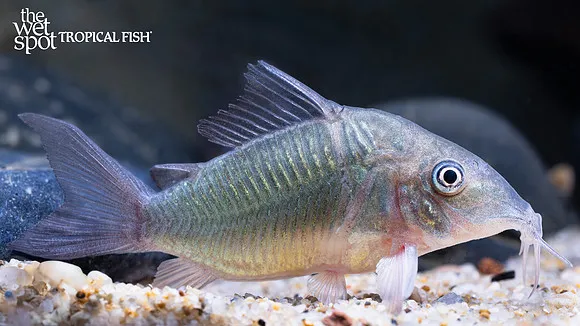 3.5 in (9 cm)44 gal (165 L)64–70°F (18–21°C)
Sailfin cory
Scleromystax macropterus
3.5 in (9 cm) · 44 gal (165 L)
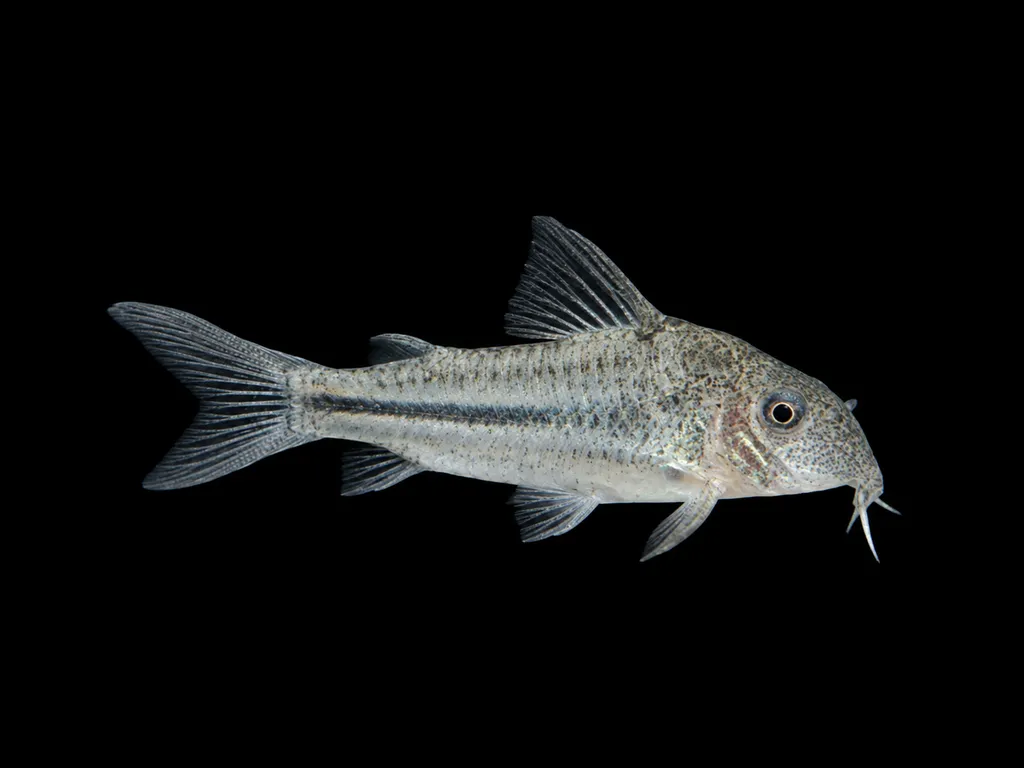 2.4 in (6 cm)29 gal (110 L)68–77°F (20–25°C)
Prionotos cory
Scleromystax prionotos
2.4 in (6 cm) · 29 gal (110 L)
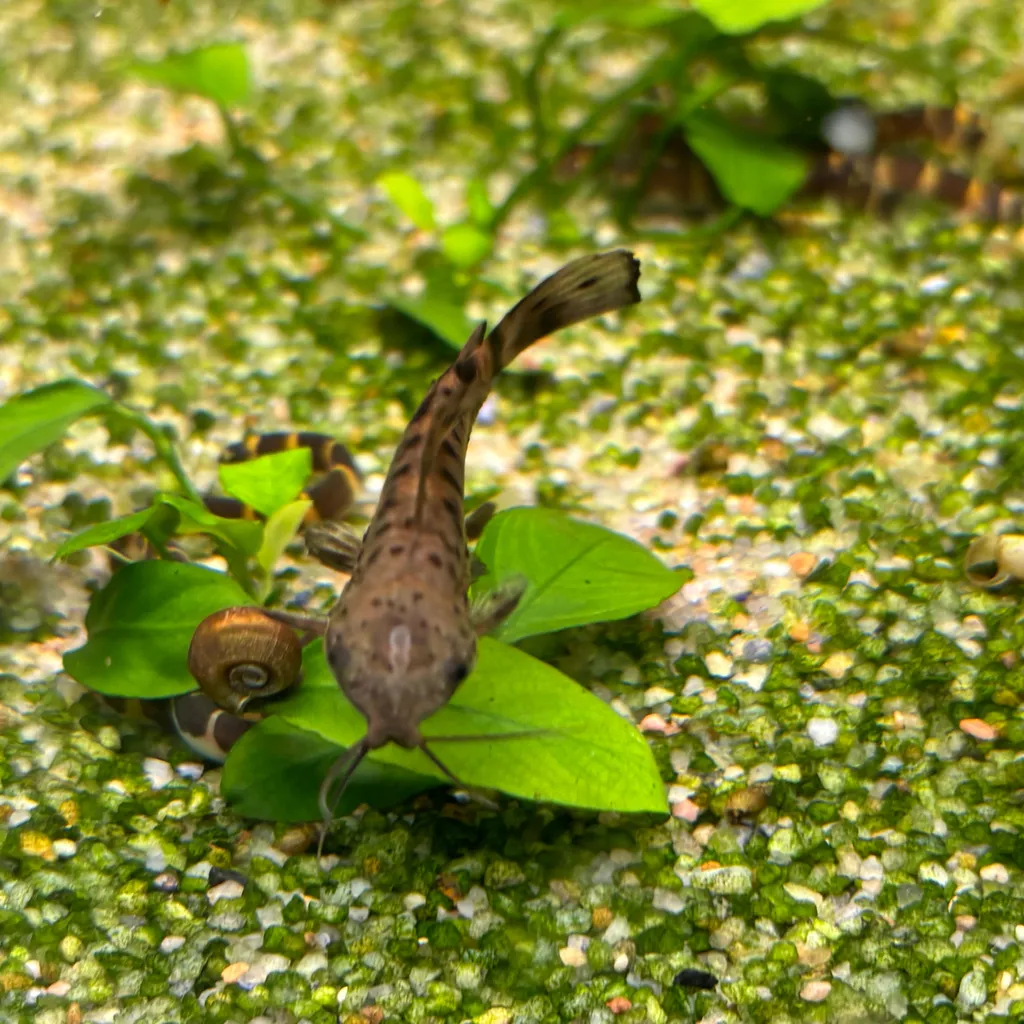 5.9 in (15 cm)53 gal (200 L)72–79°F (22–26°C)
Bar-tailed hoplo
Megalechis picta
5.9 in (15 cm) · 53 gal (200 L)
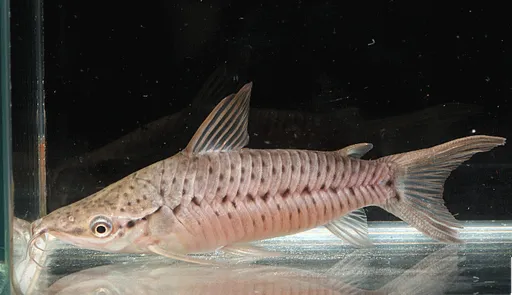 3.9 in (10 cm)26 gal (100 L)75–82°F (24–28°C)
Porthole catfish
Dianema longibarbis
3.9 in (10 cm) · 26 gal (100 L)
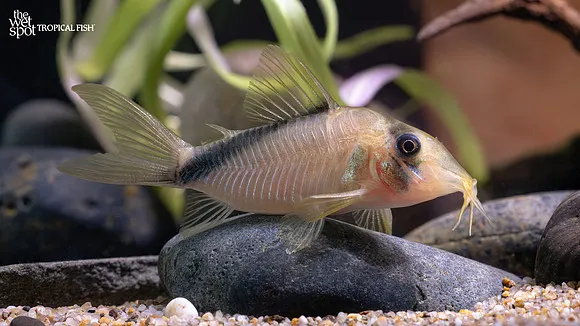 3.5 in (9 cm)40 gal (150 L)70–79°F (21–26°C)
Giant brochis
Brochis britskii
3.5 in (9 cm) · 40 gal (150 L)
 3.5 in (9 cm)40 gal (150 L)70–79°F (21–26°C)
Hognosed brochis
Brochis multiradiatus
3.5 in (9 cm) · 40 gal (150 L)