Cascarudo
Callichthys callichthys
FreshwaterFish
Care at a glance
- Temperature
- 66–81°F
- 19–27°C
- pH
- 6.0–8.0
- Adult size
- 7.9 in
- 20 cm
- Minimum tank
- 63 gal
- 240 L
- Temperament
- Mostly peaceful
- Social behavior
- Social
- Swim level
- Bottom
- Difficulty
- Medium
- Breeding
- No record
- Rarity
- Very rare
- Family
- Callichthyidae
- Origin
- South America
Overview
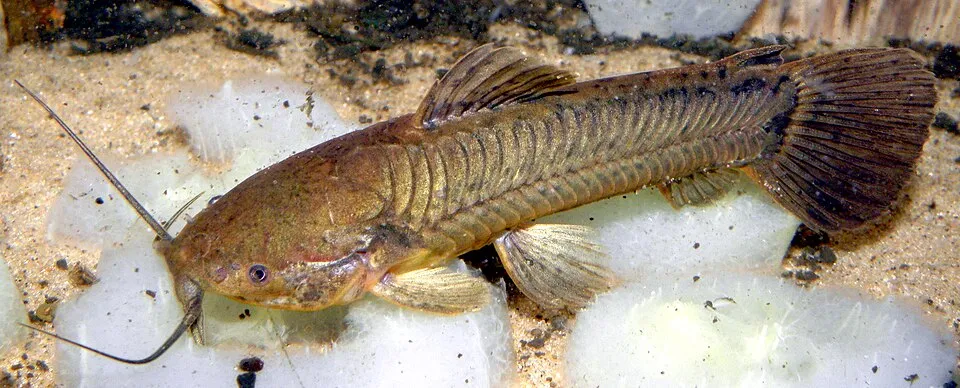
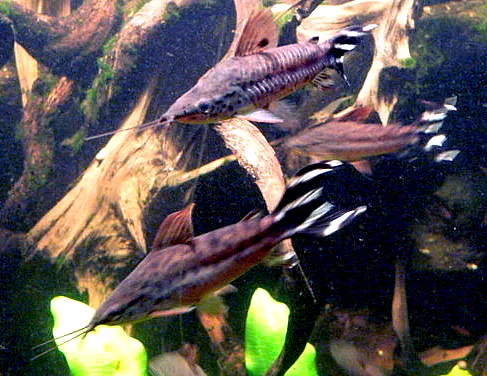
The cascarudo is a large, peaceful but robust catfish that needs serious floor space and a secure lid. It is gregarious and can be kept singly or in a small group, and it mixes calmly with other sizeable, non aggressive fish, though very small fish or shrimp may be eaten. It roots along the bottom at dusk and after dark, taking sinking pellets, frozen and live foods, and most prepared sinking fare. Give it a big tank, around 240 liters or larger, with open bottom to patrol.
In the wild
Callichthys callichthys ranges across much of tropical South America, from Trinidad down to Argentina, in warm, sluggish, often low oxygen waters such as swamps, ditches, and river margins. It is unfussy, handling pH from about 6.0 to 8.0 and a wide temperature band of 19 to 27 C. Provide a soft substrate, plenty of wood and plant cover, and calm flow. A tight fitting cover is essential.
Good to know
This heavily armored catfish of the family Callichthyidae is a giant among its relatives, reaching about 20 cm. Two rows of overlapping bony plates sheath the body, and the fish can gulp air at the surface and take up oxygen through its gut, which lets it survive stagnant water. Like others in its subfamily the male builds a floating bubble nest and guards the eggs, though a difficulty rating for home spawning is not established here.
Did you know
The cascarudo carries a living survival kit: it swallows air and absorbs oxygen through the wall of its intestine, so it can outlast drought in a drying pool and even wriggle overland for short distances to reach fresh water.
Weekly picks
Tank mates
Cascarudo is a mostly peaceful, social species that keeps to the bottom. These picks share a community profile with it, are safe together in both directions, and overlap on water type, temperature and pH.
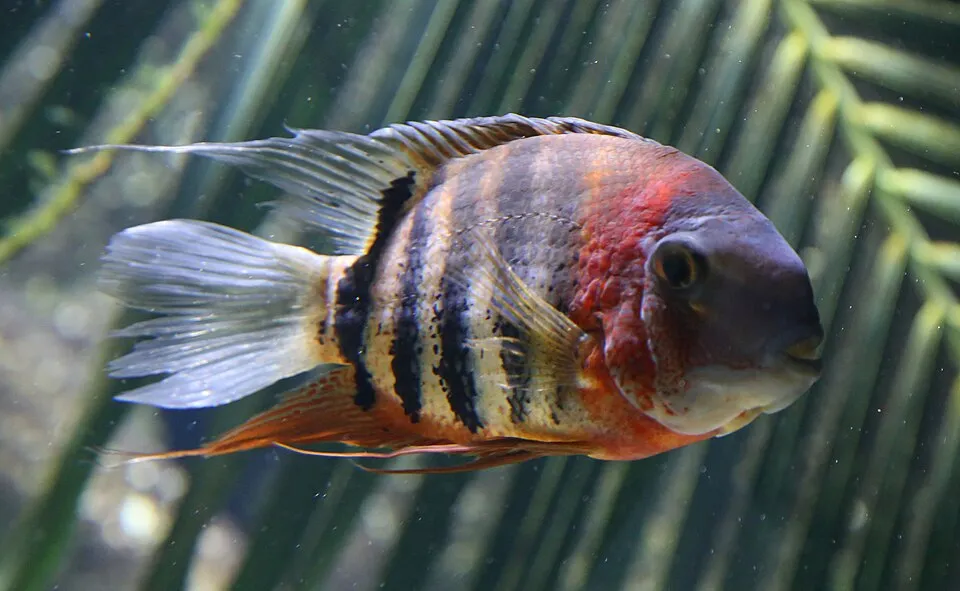
Severum
Heros efasciatus
Freshwater11.8 in (30 cm) · 65 gal (245 L)72–84°F (22–29°C)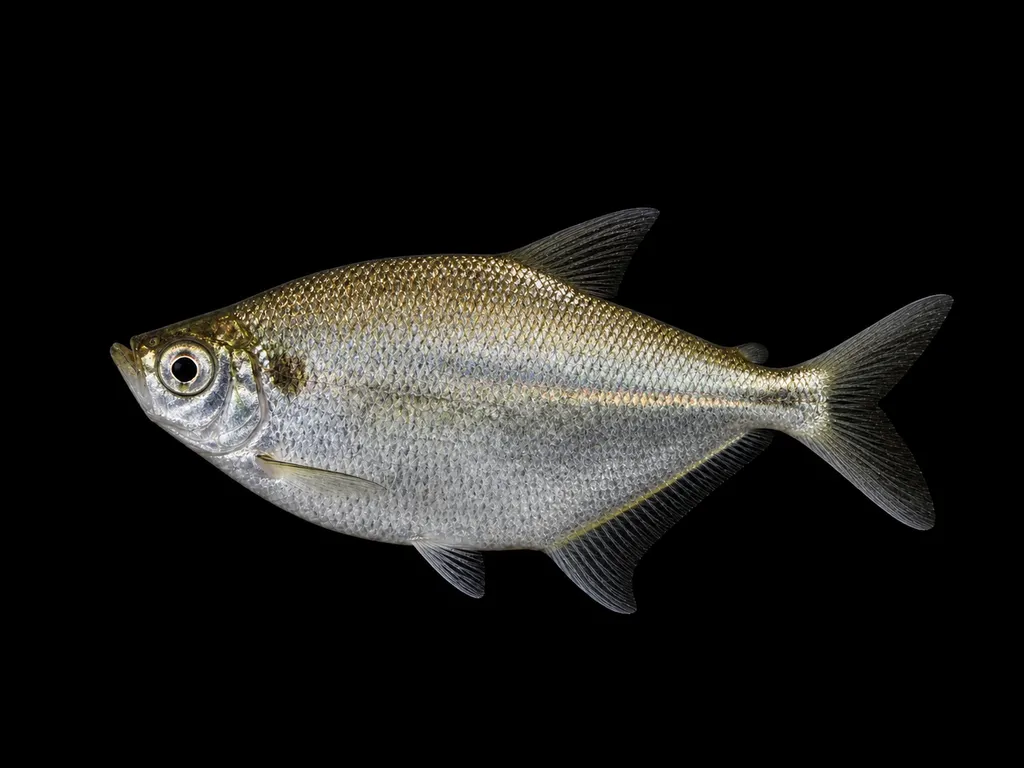
Giant river hatchetfish
Triportheus rotundatus
Freshwater9.8 in (25 cm) · 79 gal (300 L)73–82°F (23–28°C)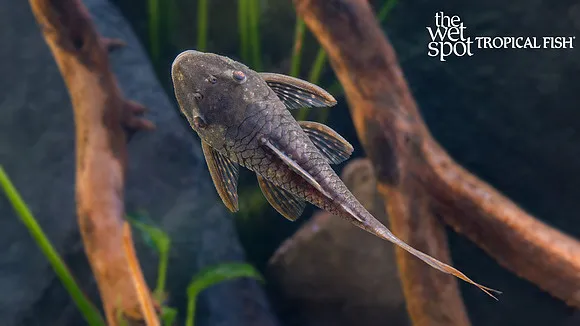
Red tail lasiancistrus
Lasiancistrus heteracanthus
Freshwater7.1 in (18 cm) · 66 gal (250 L)73–81°F (23–27°C)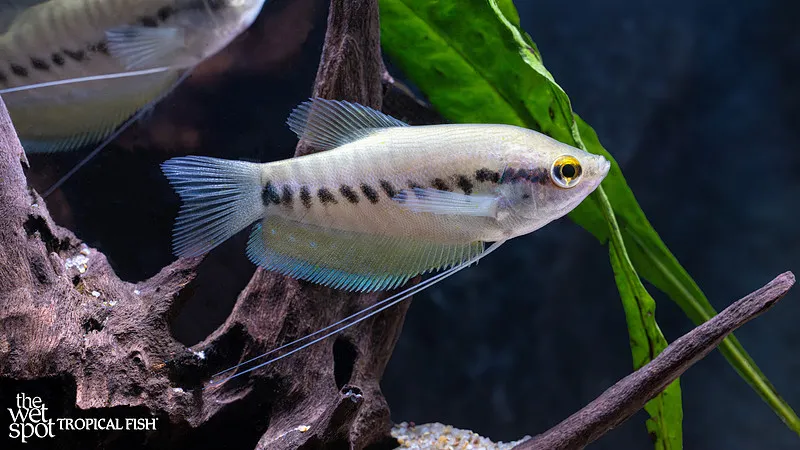
Snakeskin gourami
Trichopodus pectoralis
Freshwater9.8 in (25 cm) · 61 gal (230 L)72–86°F (22–30°C)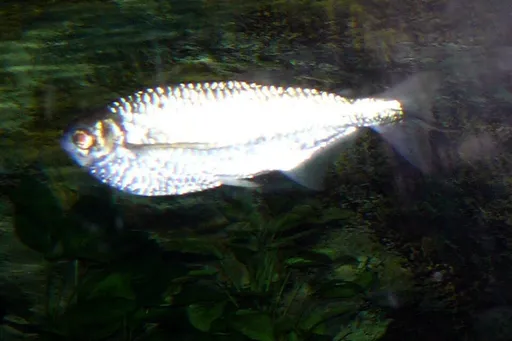
Narrow hatchetfish
Triportheus angulatus
Freshwater9.8 in (25 cm) · 79 gal (300 L)73–82°F (23–28°C)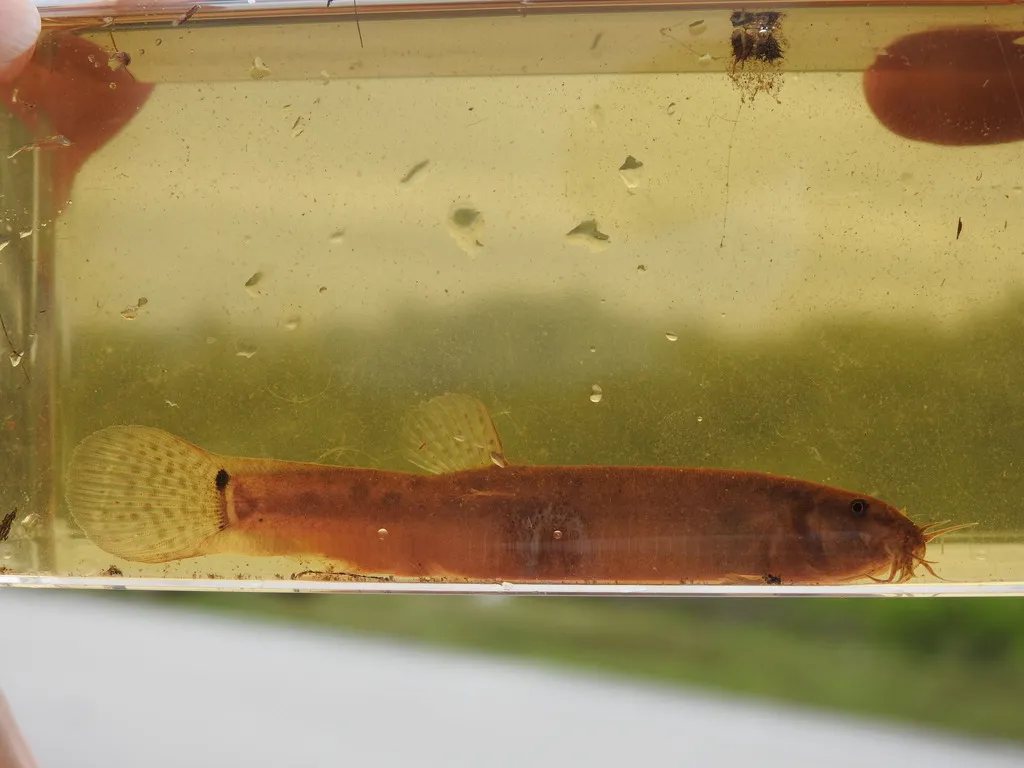
Weather loach
Misgurnus anguillicaudatus
Freshwater11 in (28 cm) · 55 gal (210 L)50–73°F (10–23°C)
Common questions
What size tank does a Cascarudo need?
A Cascarudo needs at least 63 gal (240 L). It spends most of its time in the bottom.
What temperature and pH does a Cascarudo need?
A Cascarudo is comfortable at 66–81°F (19–27°C) with a pH of 6.0–8.0.
How big does a Cascarudo get?
An adult Cascarudo reaches about 7.9 in (20 cm).
Related species
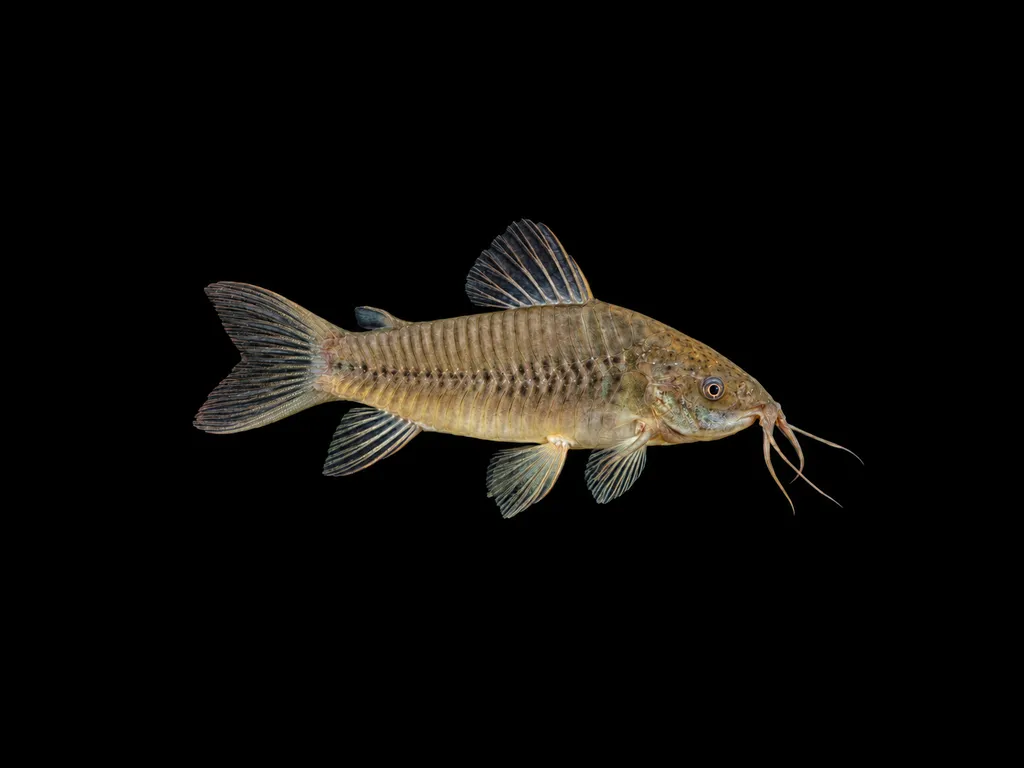 7.9 in (20 cm)40 gal (150 L)72–81°F (22–27°C)
Hoplo catfish
Hoplosternum littorale
7.9 in (20 cm) · 40 gal (150 L)
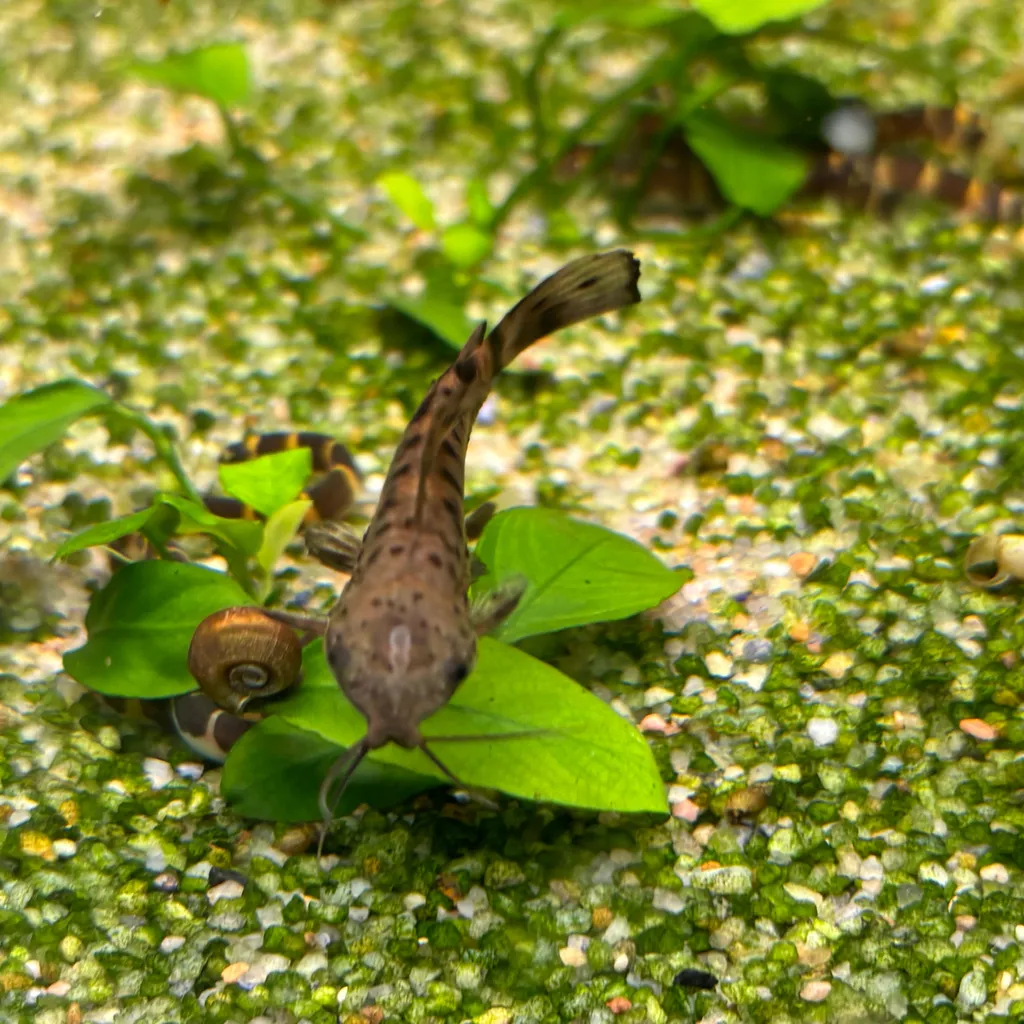 5.9 in (15 cm)53 gal (200 L)72–79°F (22–26°C)
Bar-tailed hoplo
Megalechis picta
5.9 in (15 cm) · 53 gal (200 L)
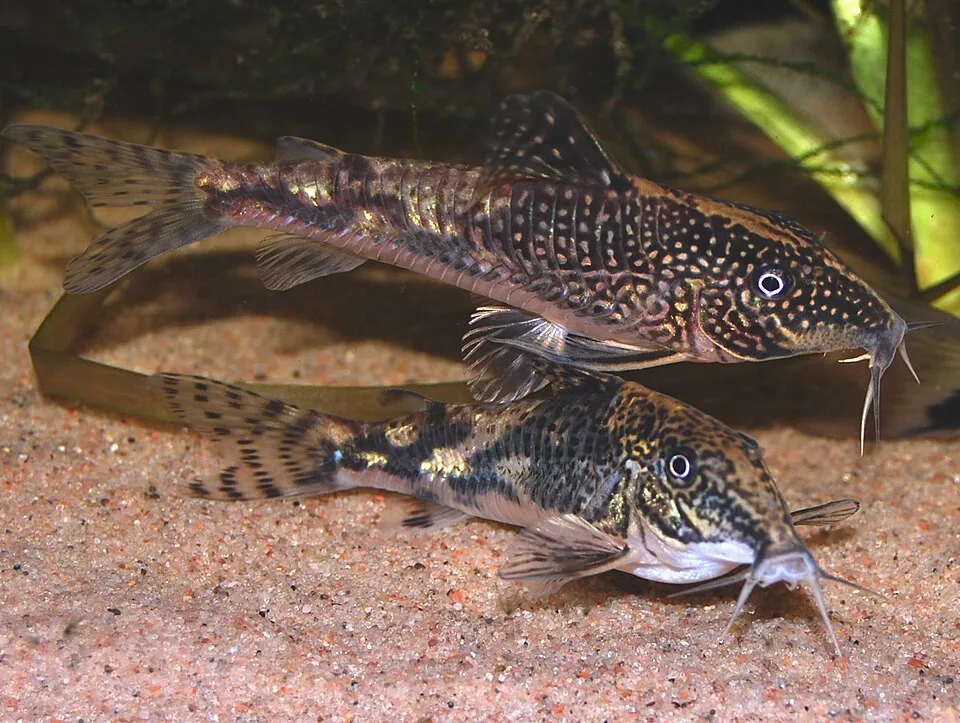 3.9 in (10 cm)40 gal (150 L)66–75°F (19–24°C)
Banded cory
Scleromystax barbatus
3.9 in (10 cm) · 40 gal (150 L)
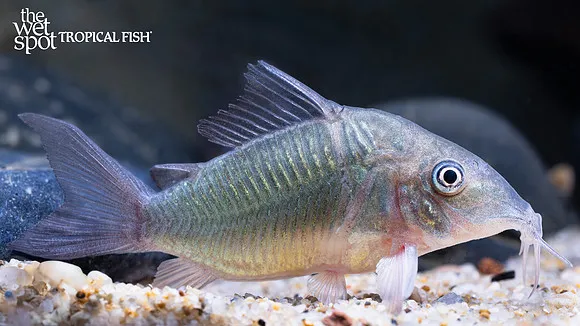 3.5 in (9 cm)44 gal (165 L)64–70°F (18–21°C)
Sailfin cory
Scleromystax macropterus
3.5 in (9 cm) · 44 gal (165 L)
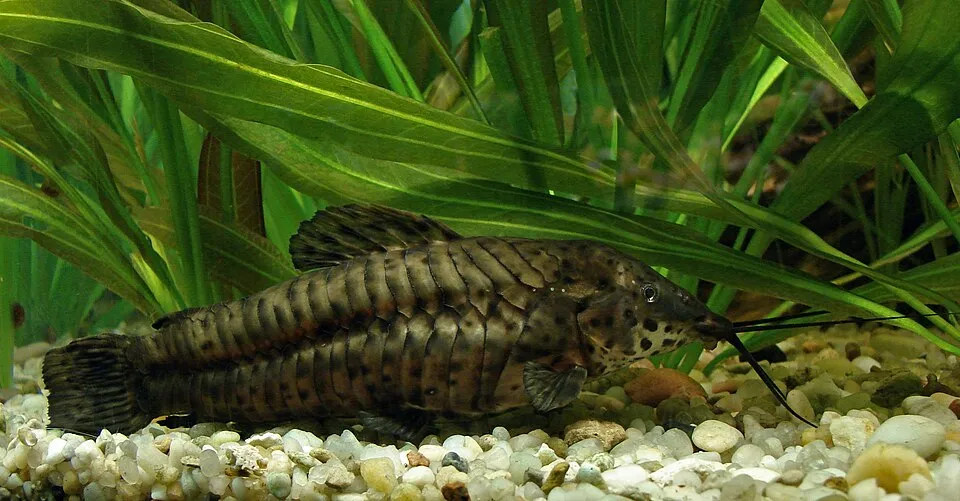 5.9 in (15 cm)40 gal (150 L)64–82°F (18–28°C)
Spotted hoplo
Megalechis thoracata
5.9 in (15 cm) · 40 gal (150 L)
 4.9 in (12.5 cm)40 gal (150 L)77–82°F (25–28°C)
Flagtail catfish
Dianema urostriatum
4.9 in (12.5 cm) · 40 gal (150 L)