Tunga garra
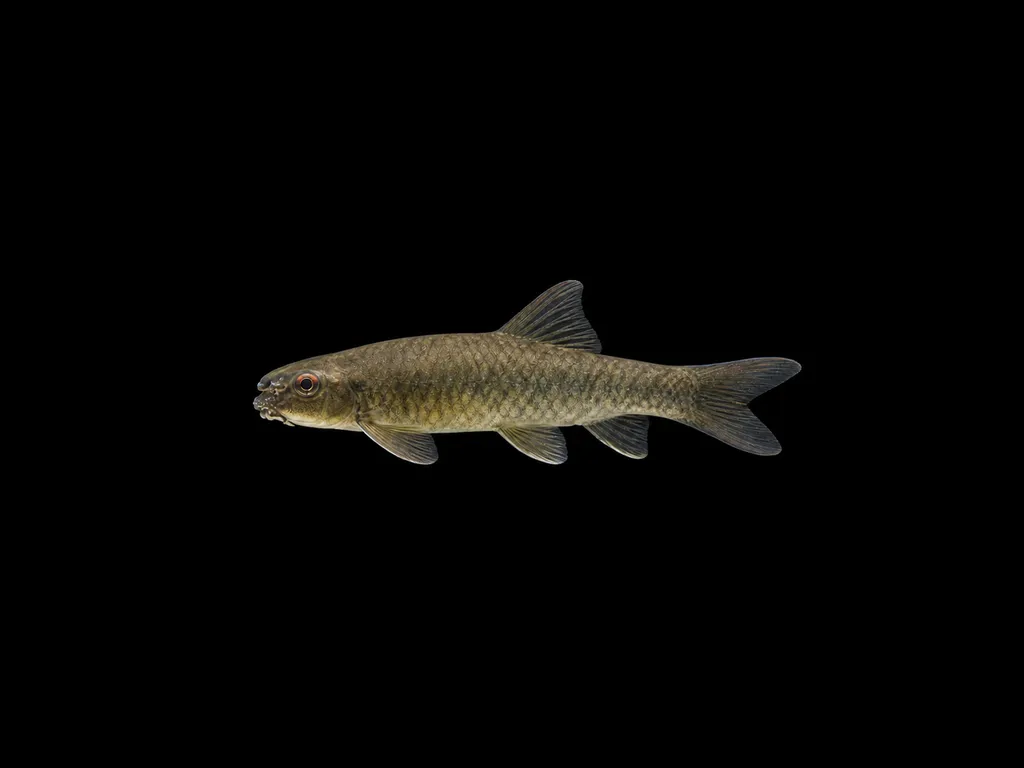
Garra bicornuta
Also known as Two-horned garra, Rhino garra
FreshwaterFish
Care at a glance
- Temperature
- 68–79°F
- 20–26°C
- pH
- 6.5–7.5
- Adult size
- 4.7 in
- 12 cm
- Minimum tank
- 63 gal
- 240 L
- Temperament
- Mostly peaceful
- Social behavior
- Social
- Swim level
- Bottom
- Diet
- Omnivore
- Difficulty
- Medium
- Breeding
- No record
- Rarity
- Rare
- Family
- Cyprinidae
- Origin
- Tunga River, Western Ghats, India
Overview
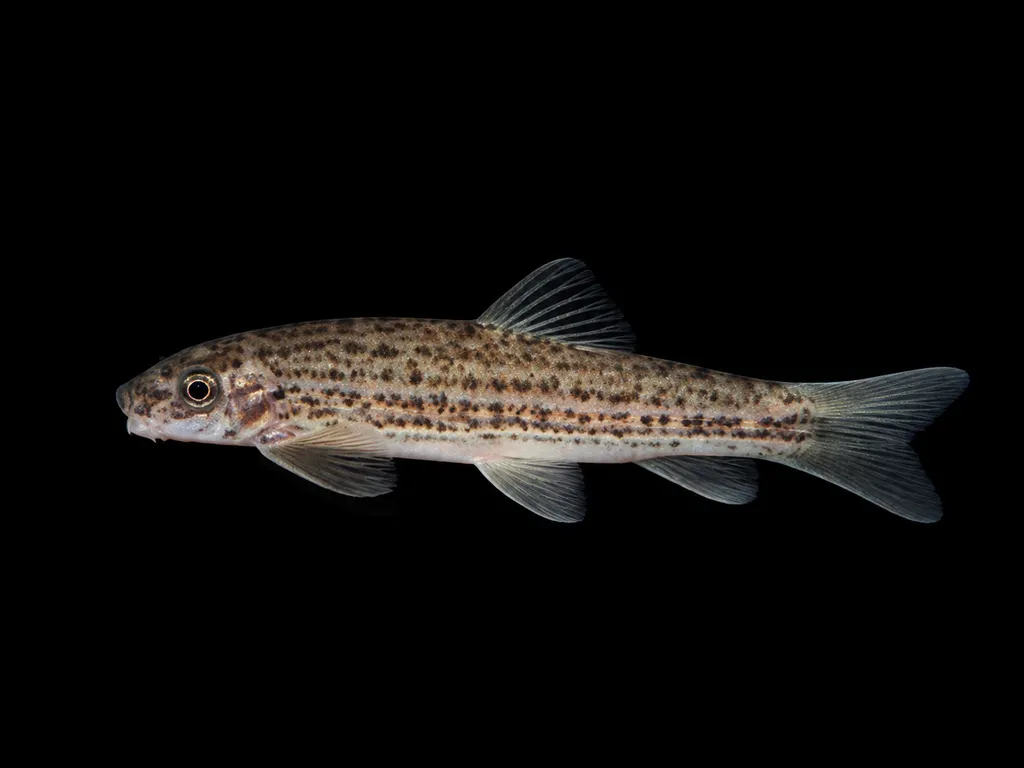
The Tunga garra is a mostly peaceful, stone-grazing river fish for the bottom of a fast-flowing tank. It is a step up from the easiest fish.
Did you know
Many male garras grow raised, tubercled bumps on the snout in the breeding season. The Tunga garra is named for having two of them, since bicornuta means two-horned.
Caring for the Tunga garra
Give a small group of Tunga garras a tank of at least 63 gal (240 L), with brisk current. Build a river layout of smooth boulders and cobbles, with plenty of grazable stone. Add a well-lit surface to grow the biofilm they graze.
Keep the water clean and rich in oxygen, at 68 to 79°F (20 to 26°C) and a pH of 6.5 to 7.5. The Tunga garra works the bottom, gripping rock to rasp algae and biofilm. Feed both grazing and prepared foods, such as algae wafers, sinking pellets, and frozen bloodworm or brine shrimp.
The Tunga garra is mostly peaceful and is fine alone or in a small group. It does best with current-loving tank mates such as hill-stream barbs and loaches. Mature males develop a pair of raised knobs on the snout and spar face-to-face with them lowered, a shoving match that does little harm. Aquarium breeding is not recorded.
Good to know
The Tunga garra, Garra bicornuta, belongs to the carp family, Cyprinidae. It has the sucker lip and flattened belly that the genus uses to hold station in current. It has a small native range and is listed as Near Threatened.
In the wild
The Tunga garra lives in the Tunga (Thunga) river system of Karnataka and nearby waters in the northern Western Ghats of India. It grips rock in clear, fast mountain streams.
Weekly picks
Tank mates
The Tunga garra is a mostly peaceful, social species that keeps to the bottom. These picks share a community profile with it, are safe together in both directions, and overlap on water type, temperature and pH.
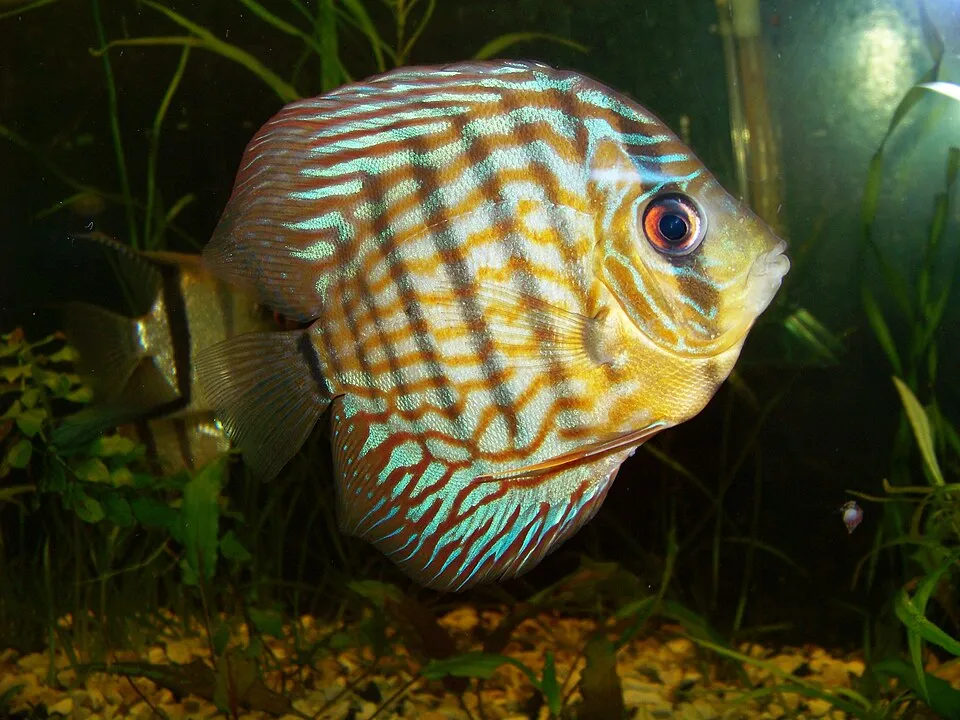
Discus
Symphysodon aequifasciatus
Freshwater5.9 in (15 cm) · 65 gal (245 L)79–90°F (26–32°C)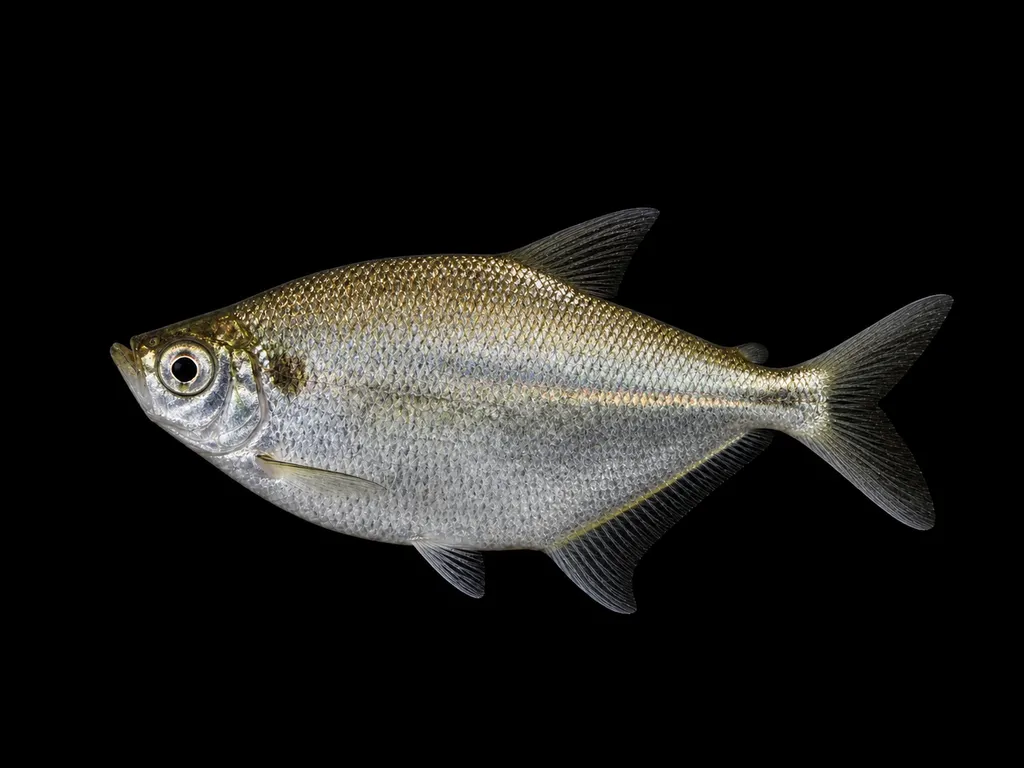
Giant river hatchetfish
Triportheus rotundatus
Freshwater9.8 in (25 cm) · 79 gal (300 L)73–82°F (23–28°C)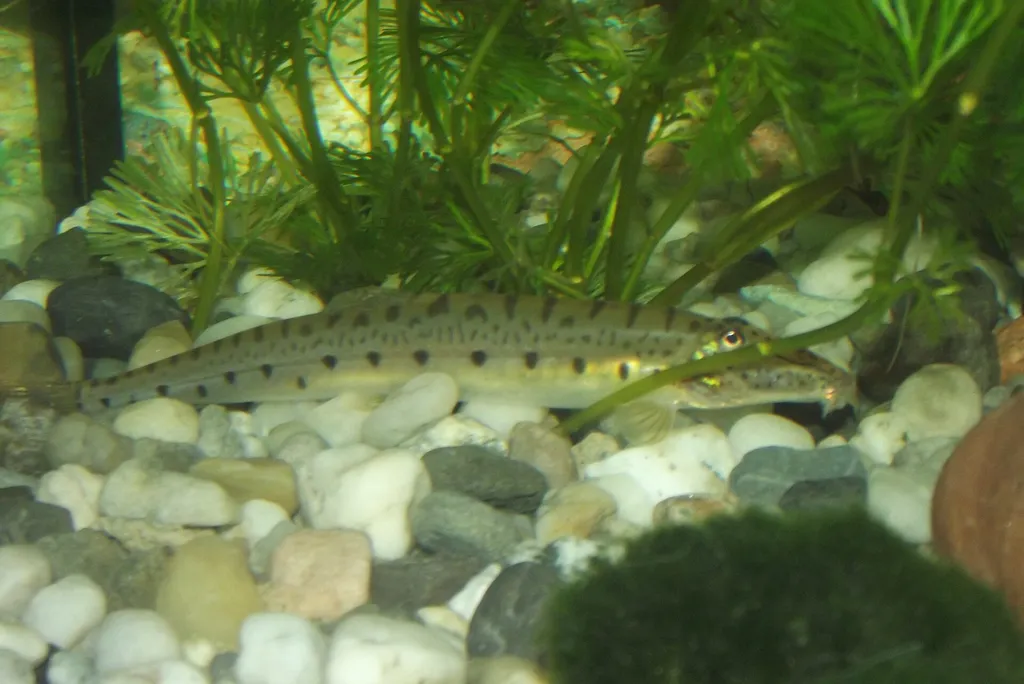
Horseface loach
Acantopsis dialuzona
Freshwater7.9 in (20 cm) · 55 gal (210 L)61–75°F (16–24°C)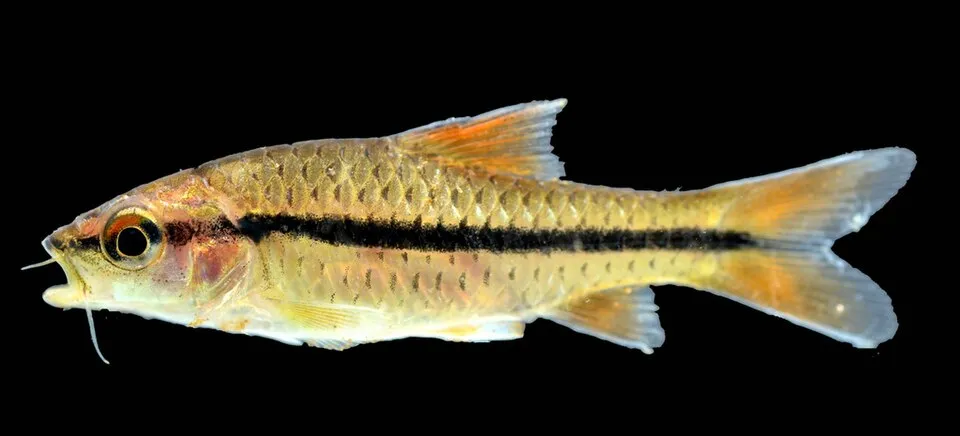
Spotscale barb
Barbus holotaenia
Freshwater4.7 in (12 cm) · 63 gal (240 L)75–86°F (24–30°C)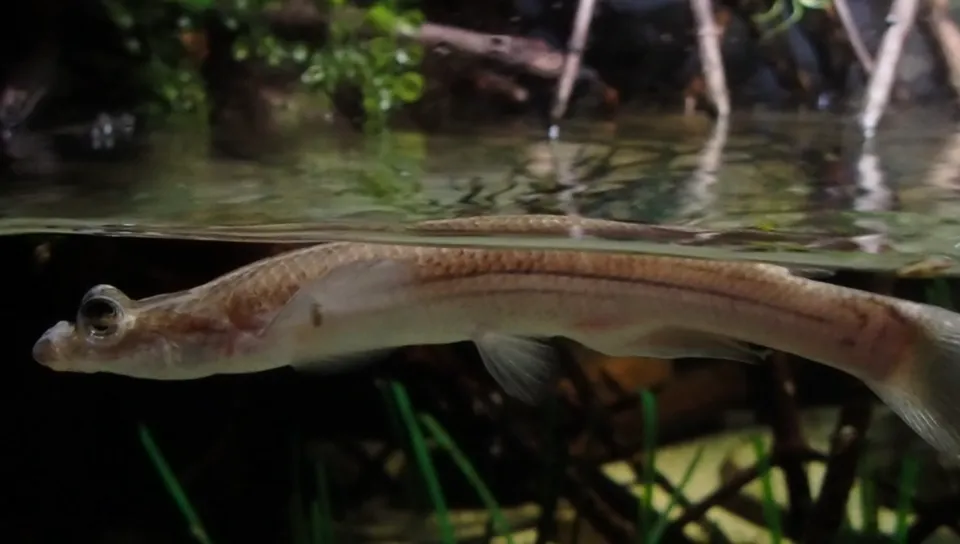
Largescale four-eyed fish
Anableps anableps
FreshwaterBrackish11.8 in (30 cm) · 70 gal (265 L)77–88°F (25–31°C)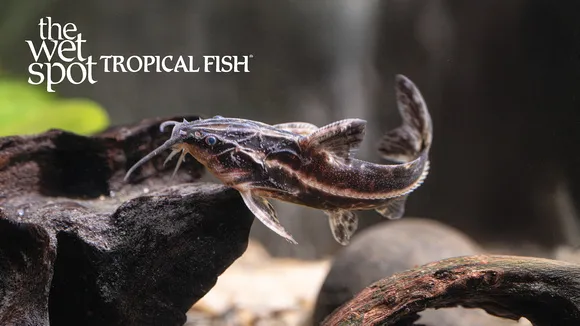
Orinoco talking catfish
Orinocodoras eigenmanni
Freshwater7.9 in (20 cm) · 70 gal (265 L)73–82°F (23–28°C)
Common questions
What size tank does a Tunga garra need?
A Tunga garra needs at least 63 gal (240 L). It spends most of its time in the bottom.
What temperature and pH does a Tunga garra need?
A Tunga garra is comfortable at 68–79°F (20–26°C) with a pH of 6.5–7.5.
What does a Tunga garra eat?
A Tunga garra rasps algae and biofilm from rock. Feed it both grazing and prepared foods, such as algae wafers, sinking pellets, and frozen bloodworm or brine shrimp.
How big does a Tunga garra get?
An adult Tunga garra reaches about 4.7 in (12 cm).
How can you tell a male Tunga garra from a female?
Males develop a pair of raised knobs on the snout as they mature. They lower the knobs when they spar face-to-face.
Related species
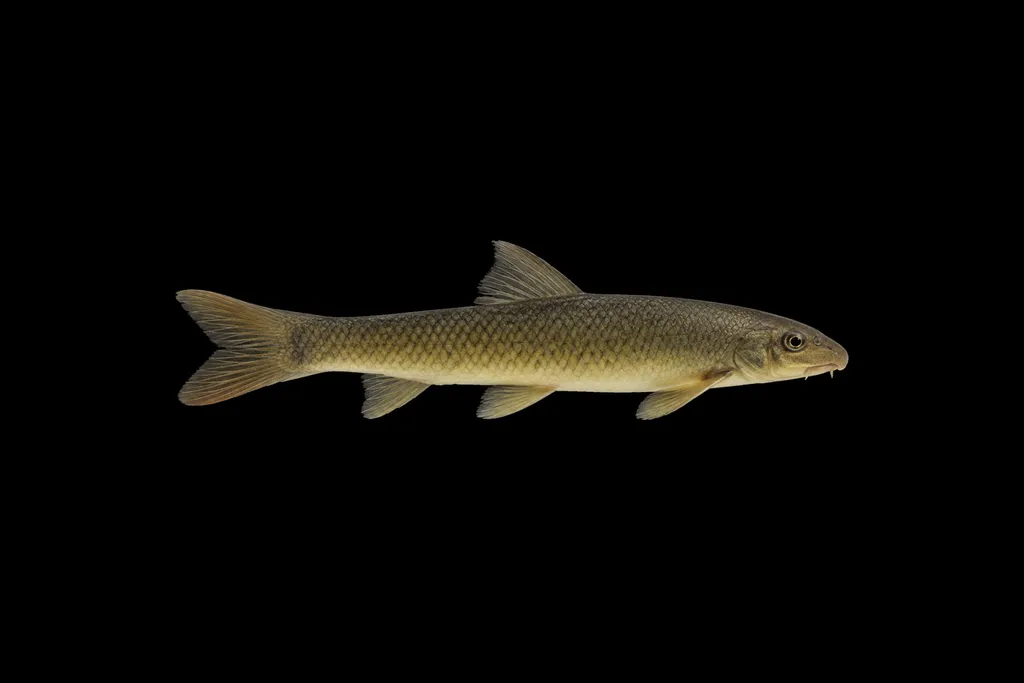 4.7 in (12 cm)29 gal (110 L)64–77°F (18–25°C)
Lamta garra
Garra lamta
4.7 in (12 cm) · 29 gal (110 L)
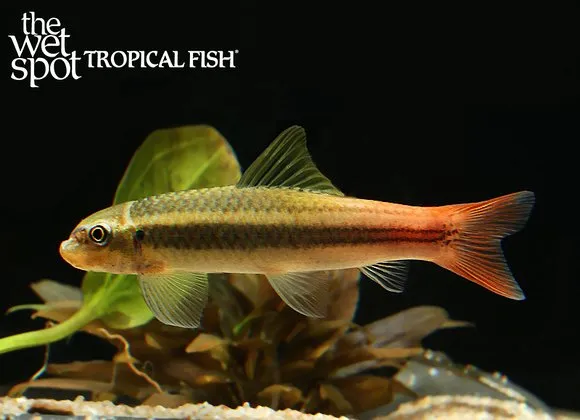 5.1 in (13 cm)42 gal (160 L)72–81°F (22–27°C)
Redtail garra
Garra panitvongi
5.1 in (13 cm) · 42 gal (160 L)
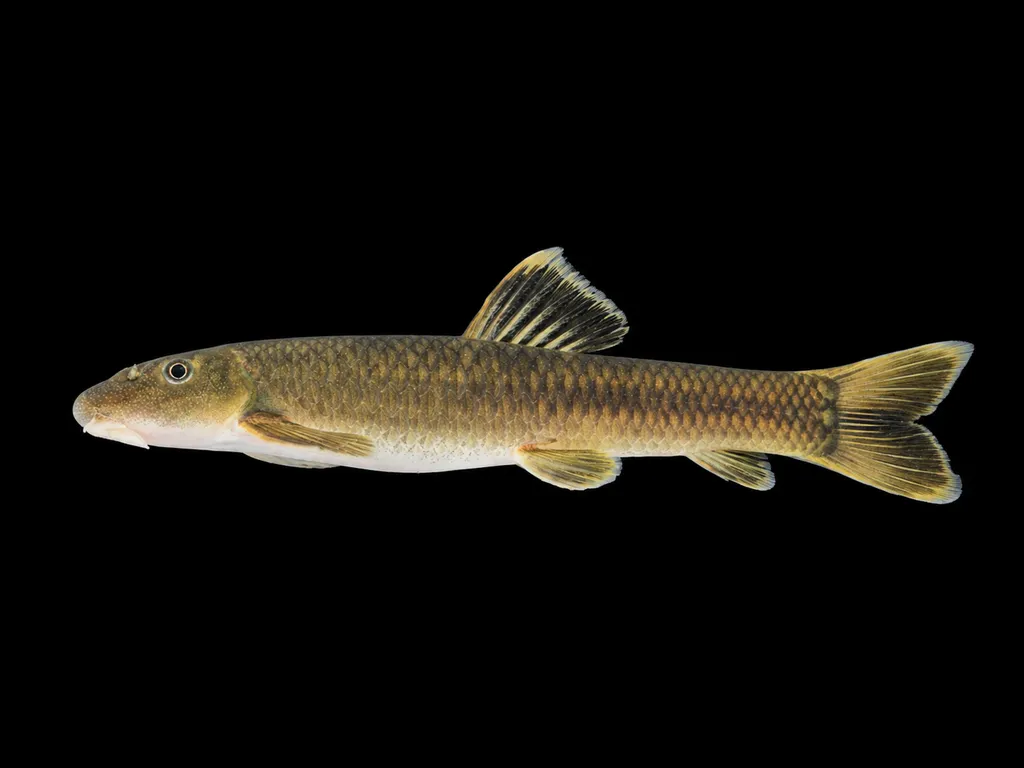 4.3 in (11 cm)29 gal (110 L)72–81°F (22–27°C)
Ornate garra
Garra ornata
4.3 in (11 cm) · 29 gal (110 L)
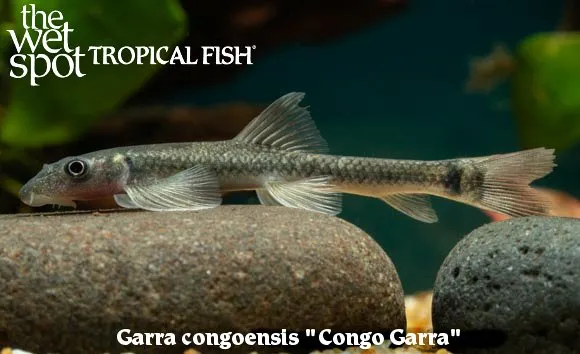 3.9 in (10 cm)29 gal (110 L)72–81°F (22–27°C)
Congo garra
Garra congoensis
3.9 in (10 cm) · 29 gal (110 L)
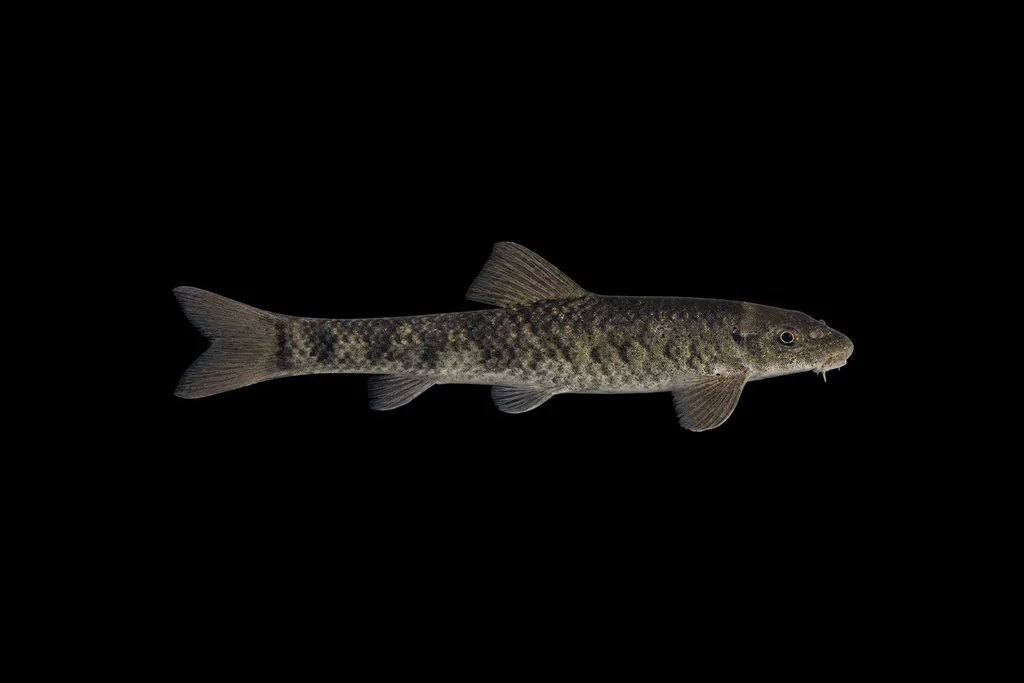 3.9 in (10 cm)29 gal (110 L)72–81°F (22–27°C)
Kwai garra
Garra fluviatilis
3.9 in (10 cm) · 29 gal (110 L)
 5.9 in (15 cm)42 gal (160 L)68–79°F (20–26°C)
Kerala garra
Garra surendranathanii
5.9 in (15 cm) · 42 gal (160 L)