Lamta garra
Garra lamta
Also known as Lamta log sucker
FreshwaterFish
Care at a glance
- Temperature
- 64–77°F
- 18–25°C
- pH
- 6.5–7.8
- Adult size
- 4.7 in
- 12 cm
- Minimum tank
- 29 gal
- 110 L
- Temperament
- Mostly peaceful
- Social behavior
- Social
- Swim level
- Bottom
- Difficulty
- Medium
- Breeding
- No record
- Rarity
- Rare
- Family
- Cyprinidae
- Origin
- Himalayan foothills of Nepal and northern India
Overview
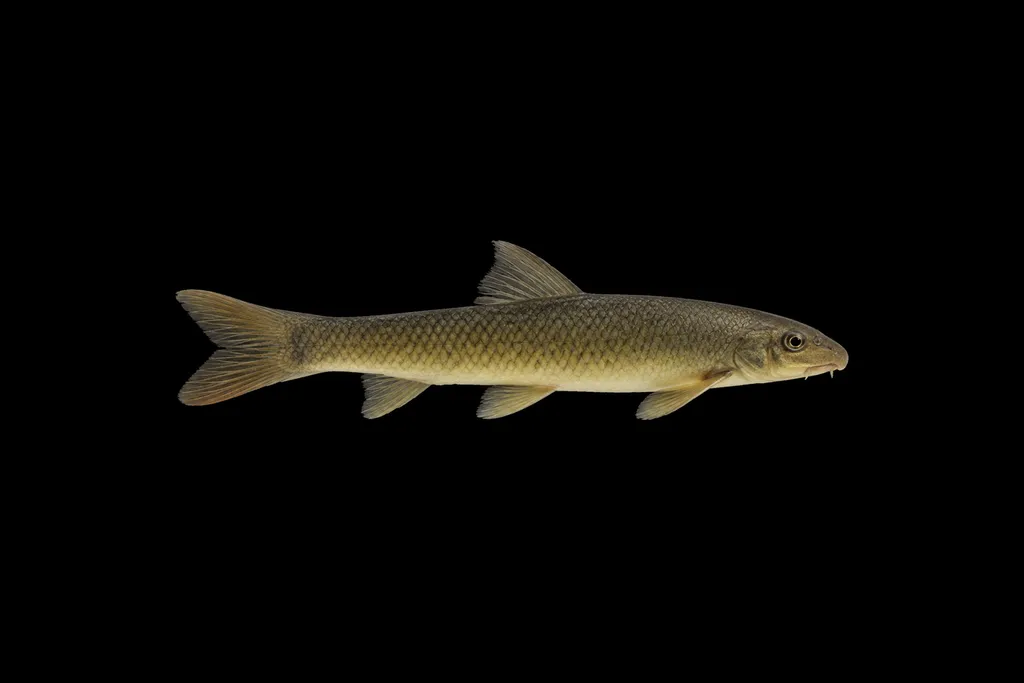
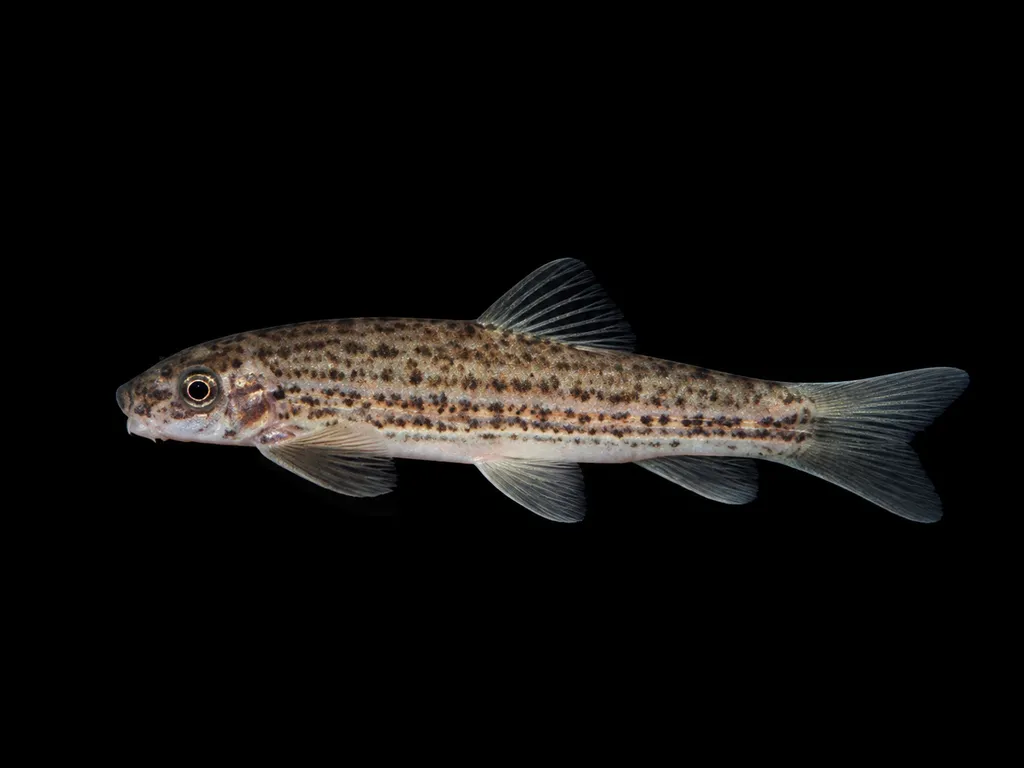
The Lamta garra is a cool-water bottom grazer from the Himalayan foothills. It fits a hillstream tank and is best with a little experience.
Did you know
The word lamta is not Latin or Greek. It is an old local hill name that Hamilton wrote down two centuries ago and carried straight into the scientific name. People along the same rivers still call the fish lamta today.
Caring for the Lamta garra
Give a Lamta garra at least 29 gal (110 L), with plenty of rock and cool, moving water. Lay a substrate of sand, gravel and cobbles, with smooth rocks for it to work. It patrols stone and wood all day, scraping algae.
Run strong flow and keep the water well oxygenated. It prefers cooler water than most tropicals, at 64 to 77°F (18 to 25°C) and a pH of 6.5 to 7.8. It takes all sinking foods, including algae wafers, pellets and frozen items.
A Lamta garra does fine alone, but a small group of three to five suits it best. It is mostly peaceful but can nudge and chase its own kind, so give it open floor and grazing surfaces to spread out. It fits a subtropical hillstream community with hardy danios and other cool-tolerant fish. Its breeding in aquariums is not documented.
Good to know
Garra lamta belongs to the carp family, Cyprinidae. It was among the many fishes Francis Hamilton described in his 1822 account of the Ganges fishes. It holds station against the current on the adhesive pad under its mouth.
In the wild
The Lamta garra grazes the clear foothill streams of the Himalayan drainages across northern India and eastern Nepal. It lives over stony beds in cool, brisk current.
Weekly picks
Tank mates
The Lamta garra is a mostly peaceful, social species that keeps to the bottom. These picks share a community profile with it, are safe together in both directions, and overlap on water type, temperature and pH.
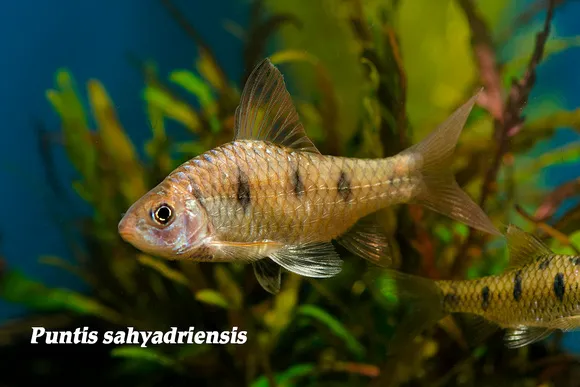
Maharaja barb
Puntius sahyadriensis
Freshwater3.5 in (9 cm) · 29 gal (110 L)68–79°F (20–26°C)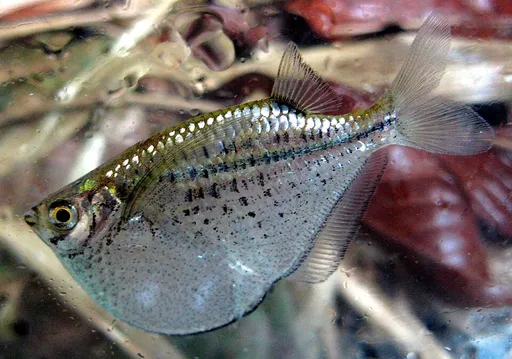
Spotted hatchetfish
Gasteropelecus maculatus
Freshwater3.5 in (9 cm) · 26 gal (100 L)73–82°F (23–28°C)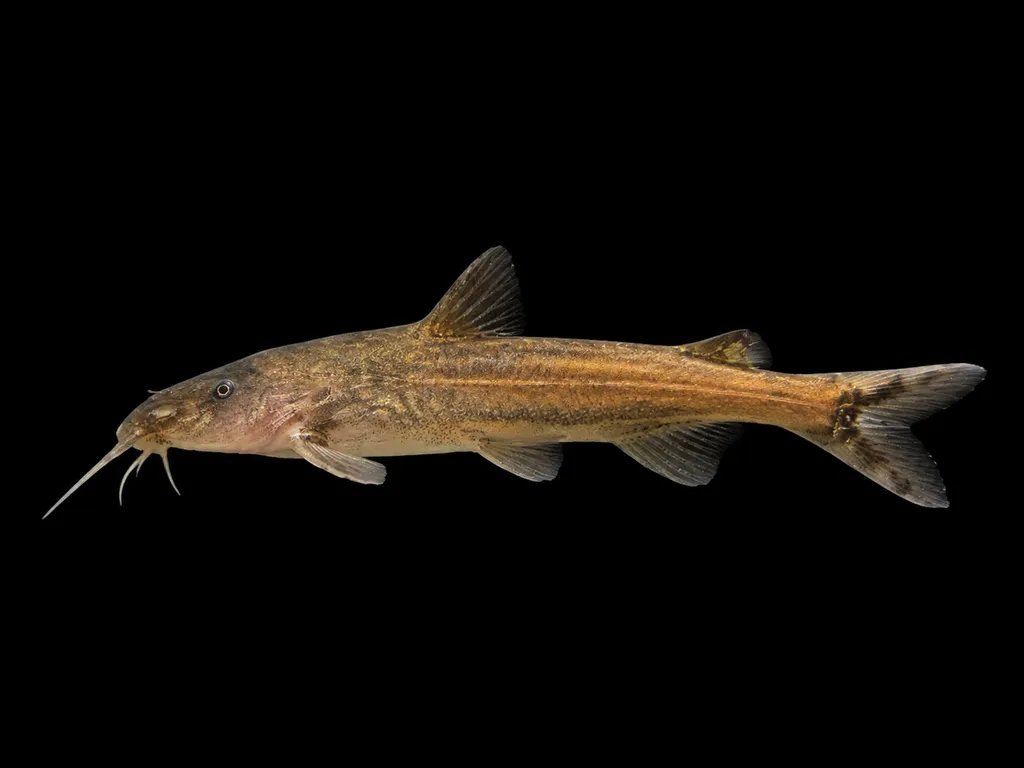
Indian copper catfish
Glyptothorax telchitta
Freshwater5.9 in (15 cm) · 29 gal (110 L)68–79°F (20–26°C)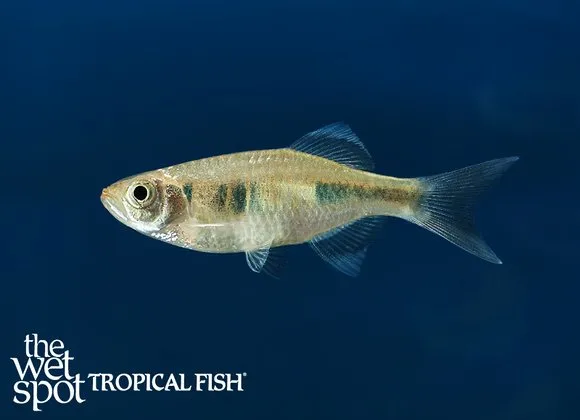
Rakhine danio
Devario xyrops
Freshwater3.7 in (9.5 cm) · 29 gal (110 L)68–79°F (20–26°C)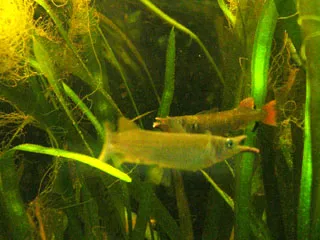
Redfin halfbeak
Nomorhamphus ebrardtii
Freshwater3.5 in (9 cm) · 29 gal (110 L)75–81°F (24–27°C)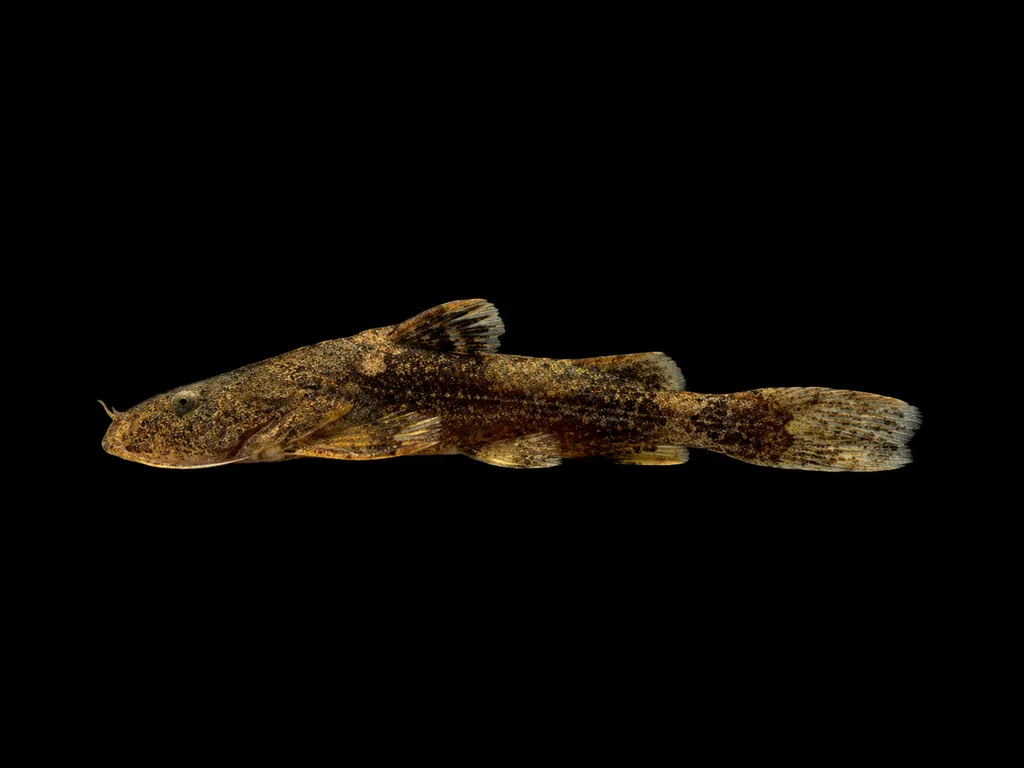
Hillstream torrent catfish
Glyptothorax lampris
Freshwater4.7 in (12 cm) · 29 gal (110 L)68–79°F (20–26°C)
Common questions
What size tank does a Lamta garra need?
A Lamta garra needs at least 29 gal (110 L). It spends most of its time in the bottom.
What temperature and pH does a Lamta garra need?
A Lamta garra is comfortable at 64–77°F (18–25°C) with a pH of 6.5–7.8.
What does a Lamta garra eat?
A Lamta garra takes all sinking foods, including algae wafers, pellets and frozen items. It also scrapes algae from stone and wood all day.
How big does a Lamta garra get?
An adult Lamta garra reaches about 4.7 in (12 cm).
Related species
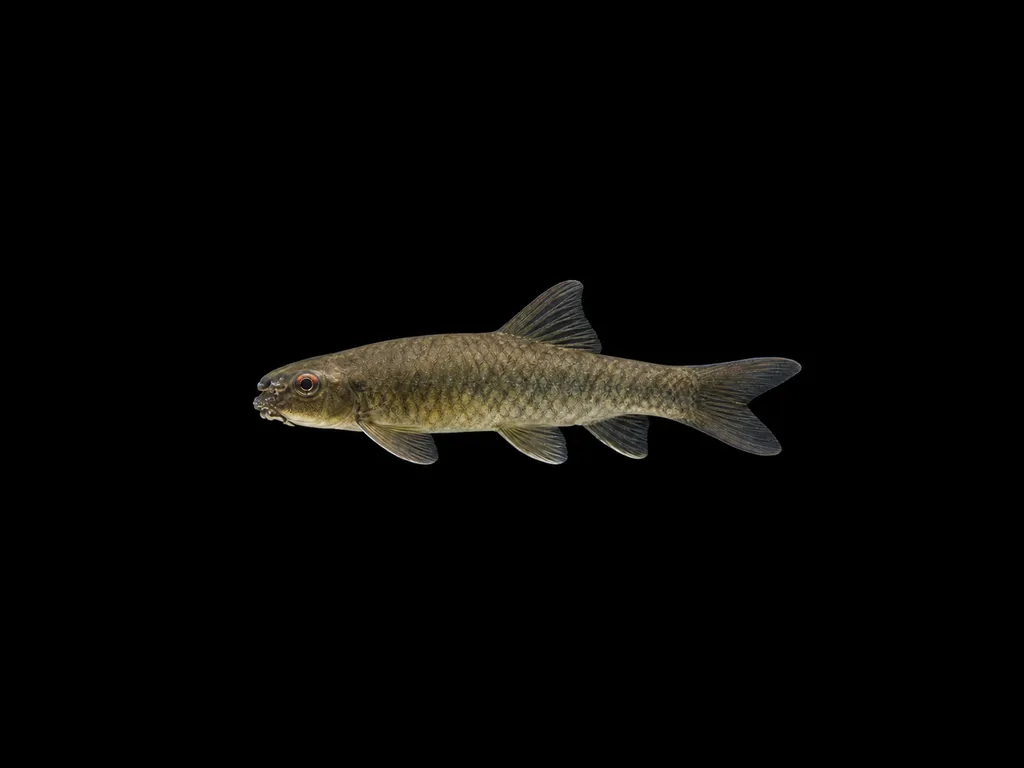 4.7 in (12 cm)63 gal (240 L)68–79°F (20–26°C)
Tunga garra
Garra bicornuta
4.7 in (12 cm) · 63 gal (240 L)
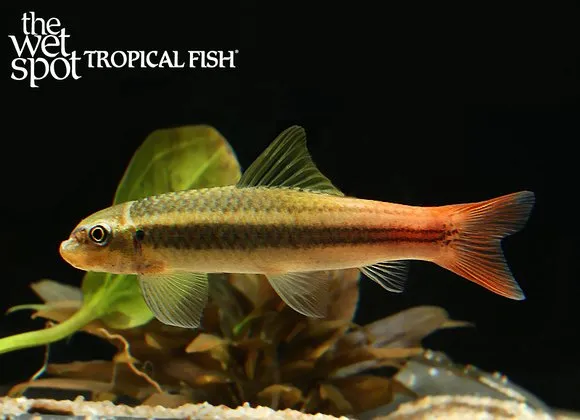 5.1 in (13 cm)42 gal (160 L)72–81°F (22–27°C)
Redtail garra
Garra panitvongi
5.1 in (13 cm) · 42 gal (160 L)
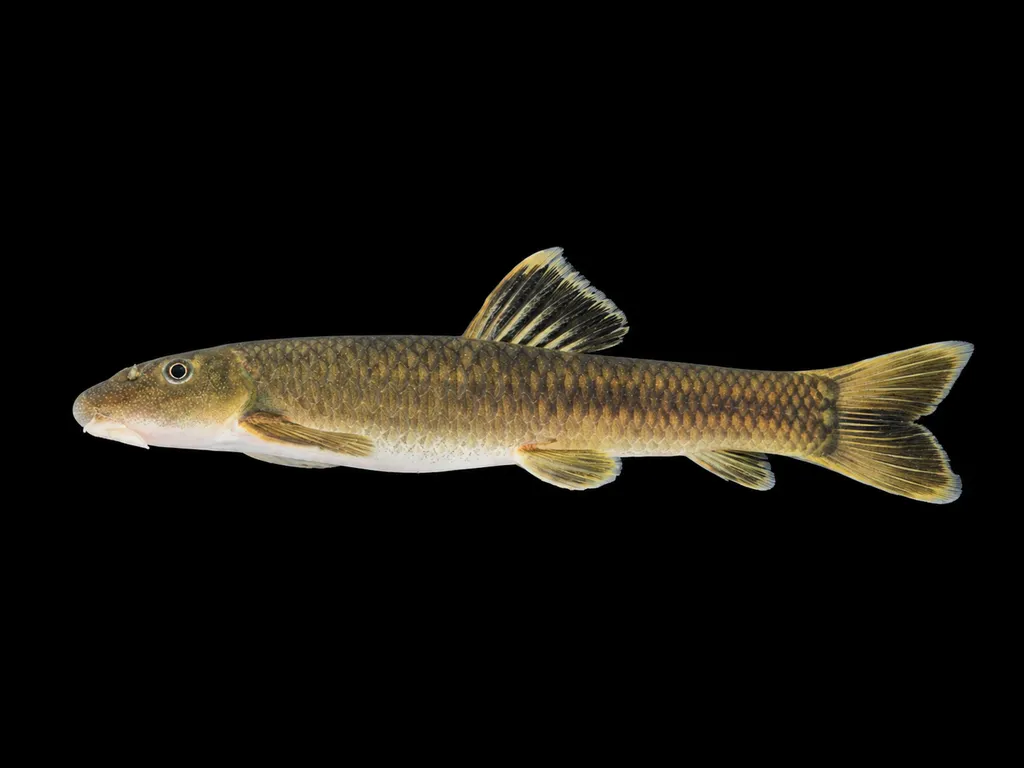 4.3 in (11 cm)29 gal (110 L)72–81°F (22–27°C)
Ornate garra
Garra ornata
4.3 in (11 cm) · 29 gal (110 L)
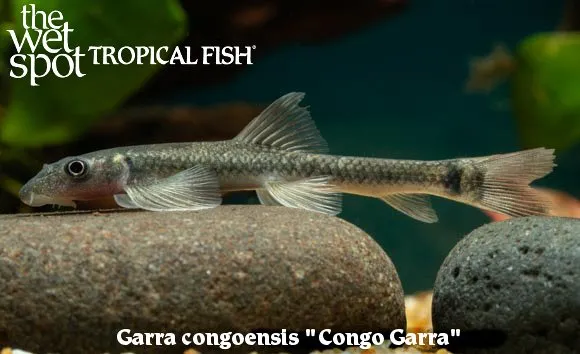 3.9 in (10 cm)29 gal (110 L)72–81°F (22–27°C)
Congo garra
Garra congoensis
3.9 in (10 cm) · 29 gal (110 L)
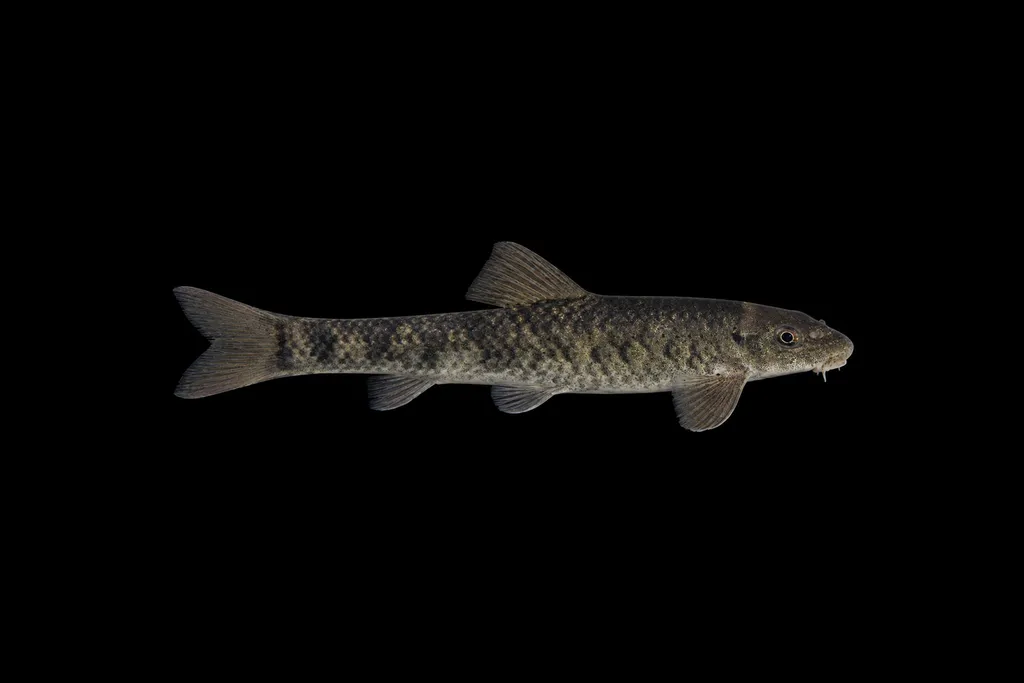 3.9 in (10 cm)29 gal (110 L)72–81°F (22–27°C)
Kwai garra
Garra fluviatilis
3.9 in (10 cm) · 29 gal (110 L)
 5.9 in (15 cm)42 gal (160 L)68–79°F (20–26°C)
Kerala garra
Garra surendranathanii
5.9 in (15 cm) · 42 gal (160 L)