Rakhine danio
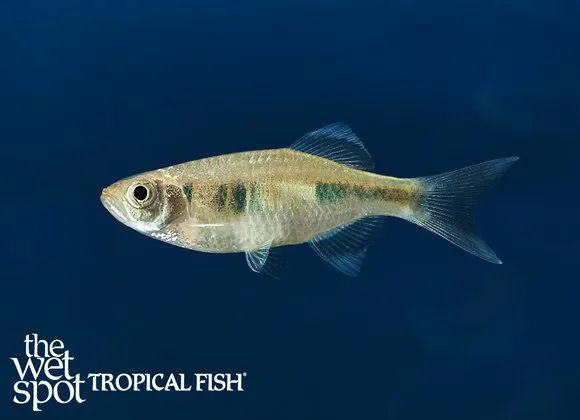
Devario xyrops
Also known as Razor-eye devario, Blue moon danio
FreshwaterFish
Care at a glance
- Temperature
- 68–79°F
- 20–26°C
- pH
- 6.5–7.5
- Adult size
- 3.7 in
- 9.5 cm
- Minimum tank
- 29 gal
- 110 L
- Temperament
- Peaceful
- Social behavior
- Schooling
- Swim level
- Middle
- Difficulty
- Easy
- Breeding
- No record
- Rarity
- Rare
- Family
- Danionidae
- Origin
- Rakhine Yoma streams, southwestern Myanmar
Overview
The Rakhine danio is a hardy, mid-sized devario for a long tank, and an easy one to keep.
Did you know
The name xyrops means razor-eye. It points to a sharp-edged bony margin around the eye. In the living fish, that margin shows as a bright blue blade of color across the face.
Caring for the Rakhine danio
House a group of Rakhine danios in a long tank of 29 gal (110 L) or larger. Their size and pace need room to move. Give them brisk, well-oxygenated water with some current. Leave open water, and use dark decor to show off their markings.
They tolerate a wide temperature band, from 68 to 79°F (20 to 26°C), with a pH of 6.5 to 7.5. They eat almost anything offered, including flake, pellets and frozen or live foods.
Keep at least six, since they swim in tight, restless shoals. They spend the day patrolling the middle of the tank and remain peaceful. They are fast and always hungry, so they suit other active, similarly sized fish better than slow or timid ones. Home breeding is not recorded, though as egg-scattering danionins they would likely spawn in the usual way given the chance.
Good to know
Devario xyrops is a member of the family Danionidae, described in 2009. It is also traded under the name blue moon danio.
In the wild
The Rakhine danio lives in small, clear streams on the western slope of the Rakhine Yoma in southwestern Myanmar. This cooler foothill water shrinks in the dry season to a chain of connected pools.
Weekly picks
Tank mates
The Rakhine danio is a peaceful, schooling species that keeps to the middle. These picks share a community profile with it, are safe together in both directions, and overlap on water type, temperature and pH.
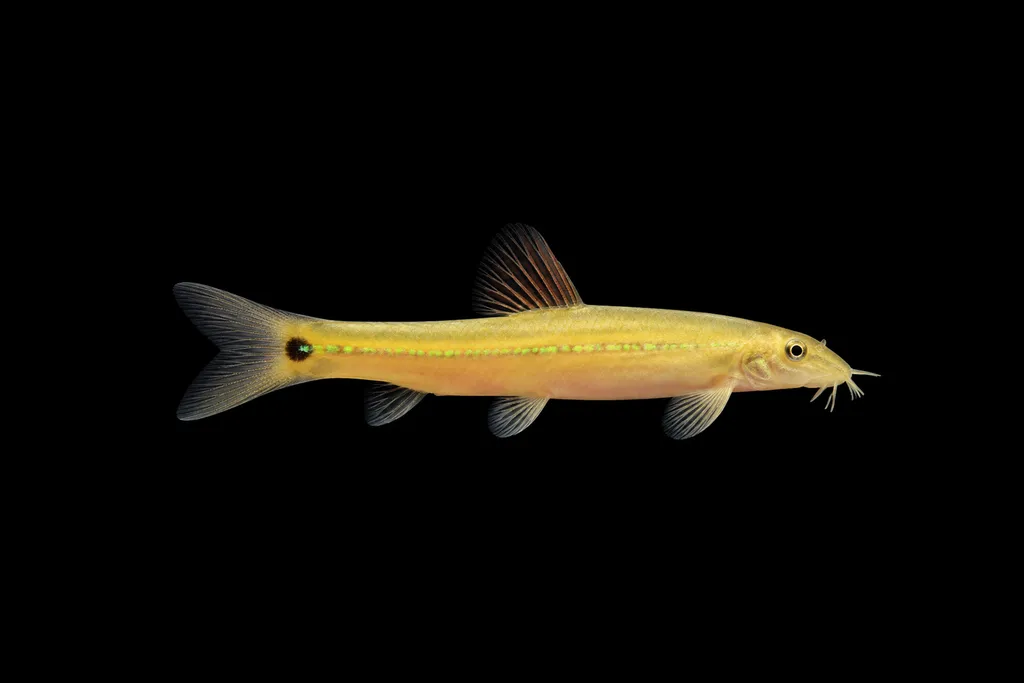
Tubercled flower loach
Traccatichthys tuberculum
Freshwater4.2 in (10.6 cm) · 29 gal (110 L)64–77°F (18–25°C)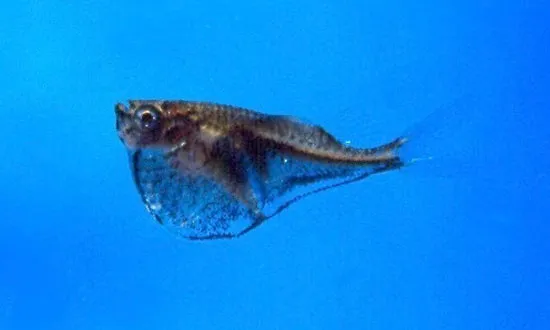
Blackwing hatchetfish
Carnegiella marthae
Freshwater1.4 in (3.5 cm) · 30 gal (115 L)68–82°F (20–28°C)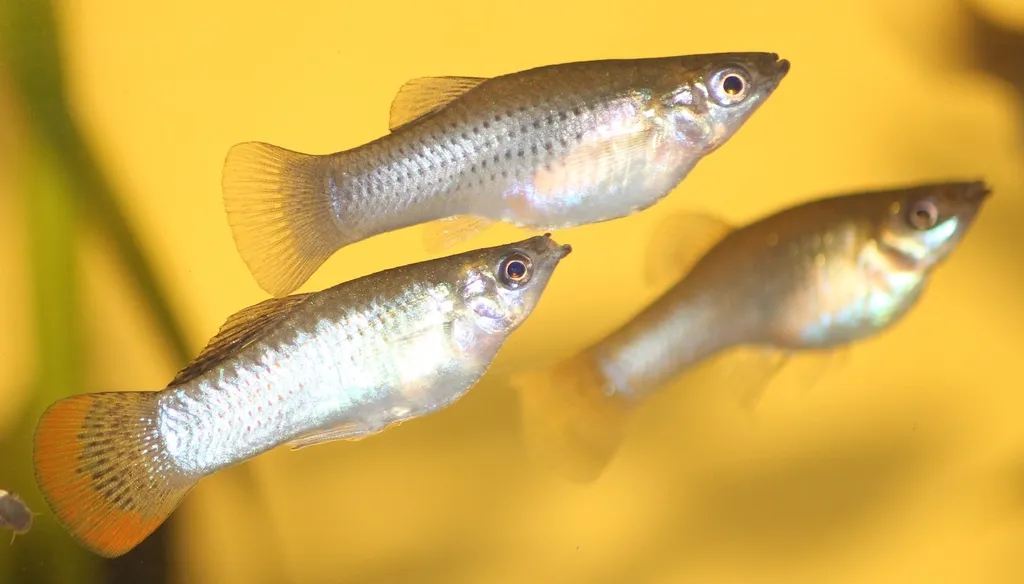
Pacific molly
Poecilia butleri
Freshwater2.8 in (7 cm) · 29 gal (110 L)72–81°F (22–27°C)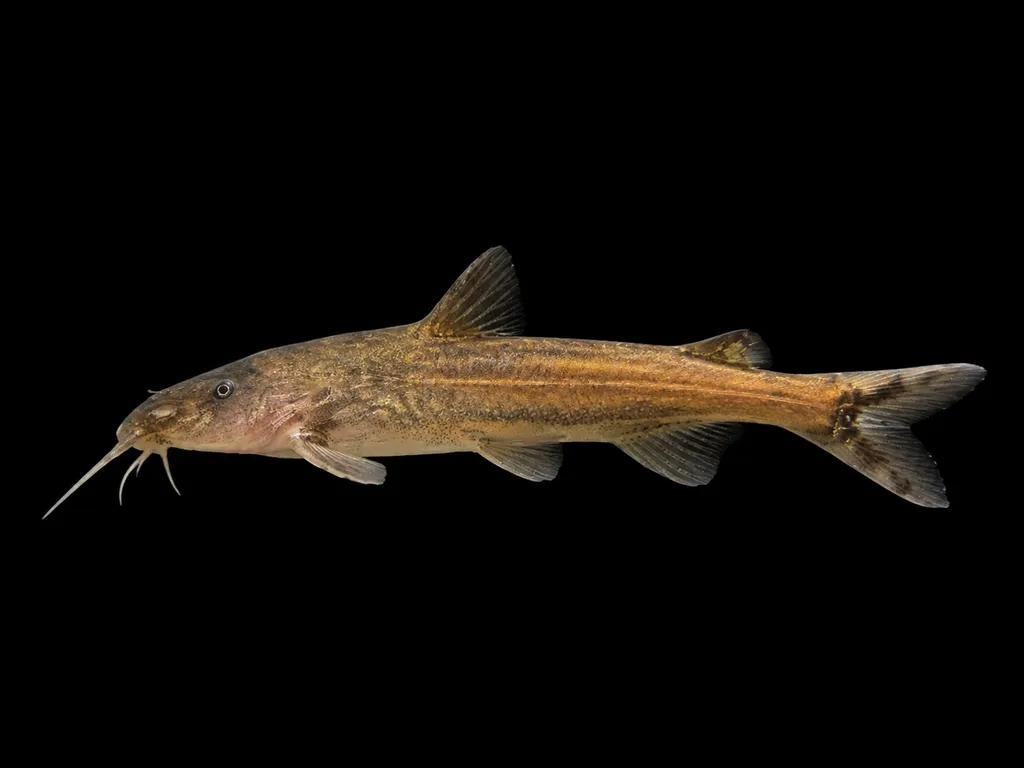
Indian copper catfish
Glyptothorax telchitta
Freshwater5.9 in (15 cm) · 29 gal (110 L)68–79°F (20–26°C)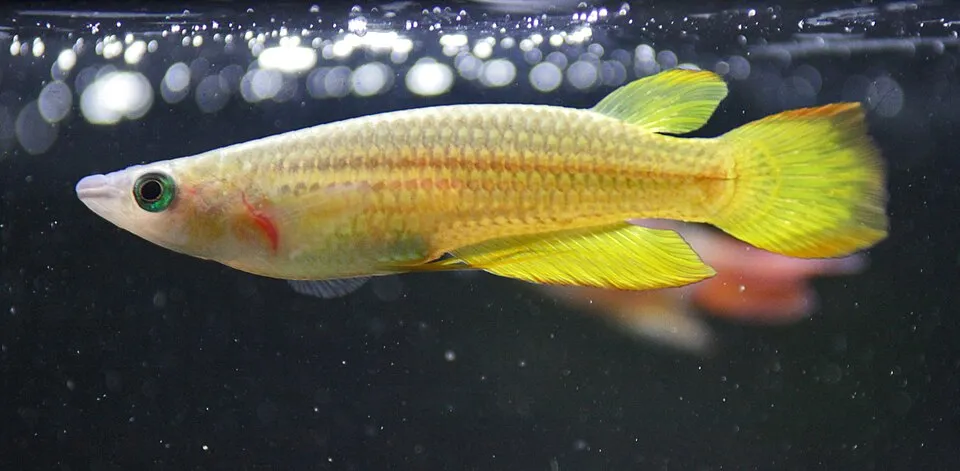
Striped panchax
Aplocheilus lineatus
Freshwater4.3 in (11 cm) · 30 gal (115 L)72–77°F (22–25°C)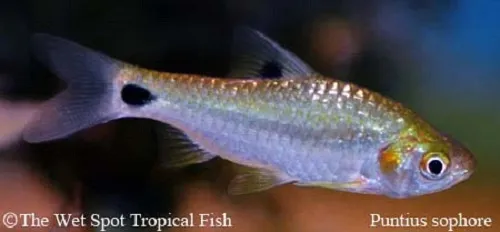
Pool barb
Puntius sophore
Freshwater3.9 in (10 cm) · 29 gal (110 L)68–81°F (20–27°C)
Common questions
What size tank does a Rakhine danio need?
A Rakhine danio needs at least 29 gal (110 L). It spends most of its time in the middle.
What temperature and pH does a Rakhine danio need?
A Rakhine danio is comfortable at 68–79°F (20–26°C) with a pH of 6.5–7.5.
What does a Rakhine danio eat?
A Rakhine danio eats almost anything offered, including flake, pellets and frozen or live foods. It is fast and always hungry.
How big does a Rakhine danio get?
An adult Rakhine danio reaches about 3.7 in (9.5 cm).
Does a Rakhine danio need a group?
Yes. A Rakhine danio is a schooling species and should be kept in a group, not singly.
How does a Rakhine danio breed?
Rakhine danios have no recorded home breeding. As egg-scattering danionins, they would likely spawn in the usual way given the chance.
Related species
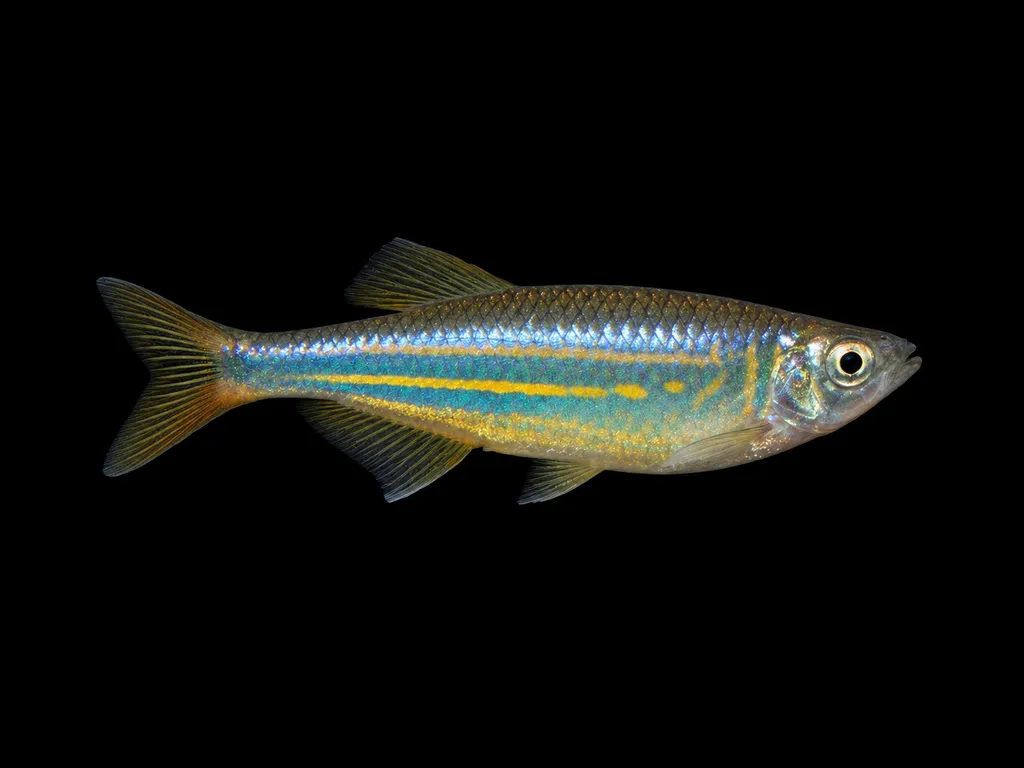 4.3 in (11 cm)42 gal (160 L)68–79°F (20–26°C)
Annandale danio
Devario annandalei
4.3 in (11 cm) · 42 gal (160 L)
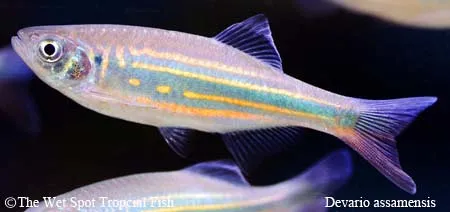 4.3 in (11 cm)42 gal (160 L)68–79°F (20–26°C)
Assam giant danio
Devario assamensis
4.3 in (11 cm) · 42 gal (160 L)
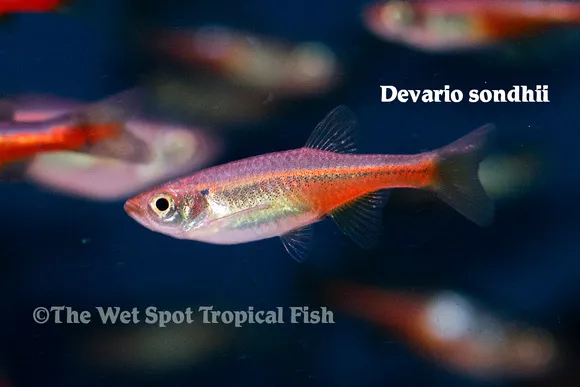 3.1 in (8 cm)24 gal (90 L)68–79°F (20–26°C)
Sondhi danio
Devario sondhii
3.1 in (8 cm) · 24 gal (90 L)
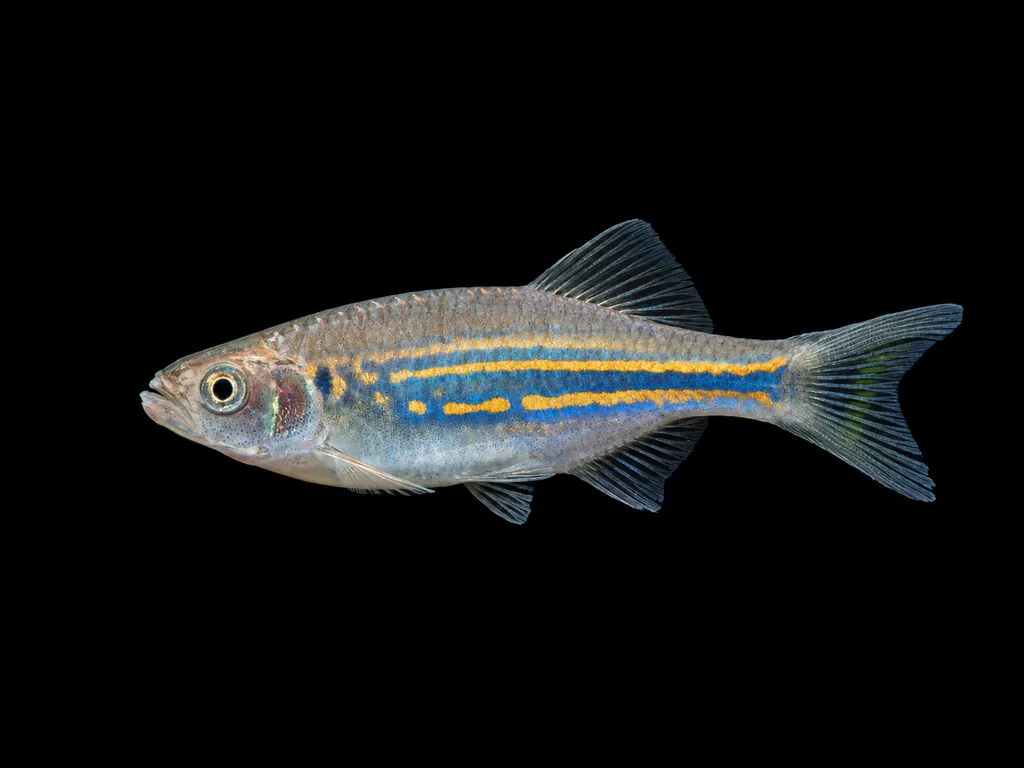 4.4 in (11.3 cm)42 gal (160 L)72–81°F (22–27°C)
Laos giant danio
Devario acrostomus
4.4 in (11.3 cm) · 42 gal (160 L)
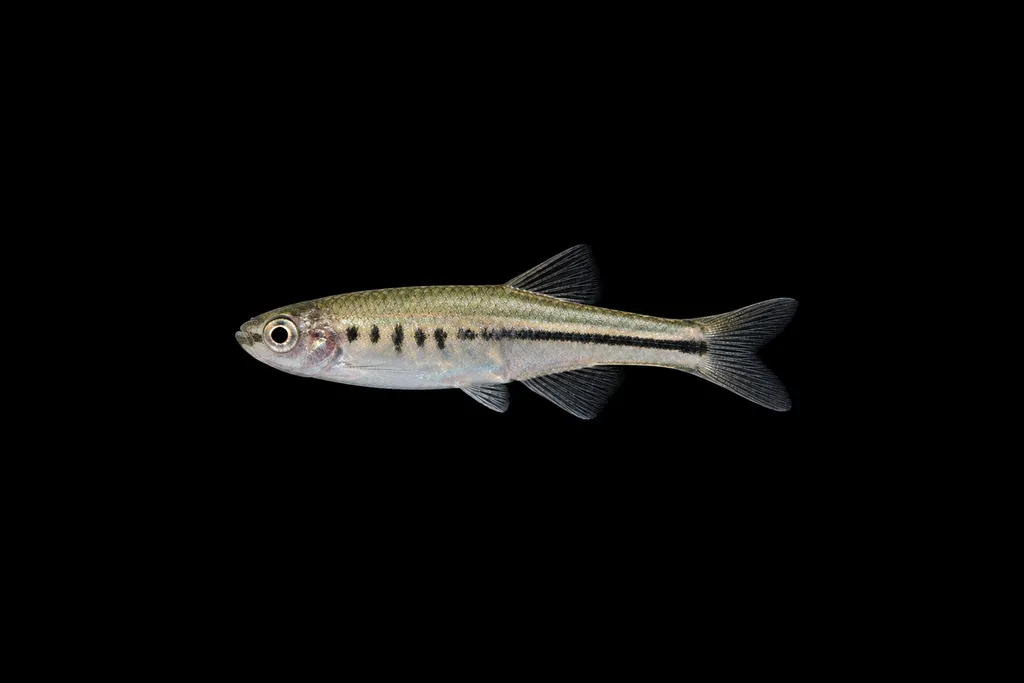 2.8 in (7 cm)24 gal (90 L)64–77°F (18–25°C)
Interrupted danio
Devario interruptus
2.8 in (7 cm) · 24 gal (90 L)
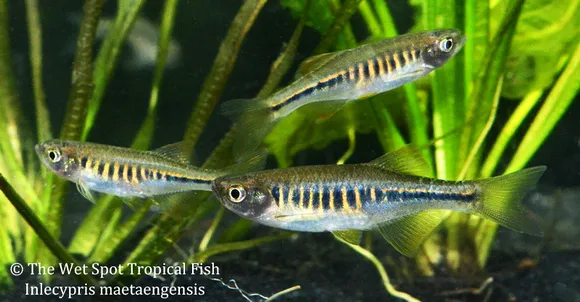 2.4 in (6 cm)20 gal (75 L)64–77°F (18–25°C)
Fire bar danio
Devario maetaengensis
2.4 in (6 cm) · 20 gal (75 L)