Annandale danio
Devario annandalei
Also known as Annandale's giant danio, Burmese blood tail giant danio
FreshwaterFish
Care at a glance
- Temperature
- 68–79°F
- 20–26°C
- pH
- 6.5–7.5
- Adult size
- 4.3 in
- 11 cm
- Minimum tank
- 42 gal
- 160 L
- Temperament
- Peaceful
- Social behavior
- Schooling
- Swim level
- Middle
- Diet
- Omnivore
- Difficulty
- Easy
- Breeding
- Egg scatterer
- Rarity
- Rare
- Family
- Danionidae
- Origin
- Chao Phraya, Salween and Mekong basins
Overview
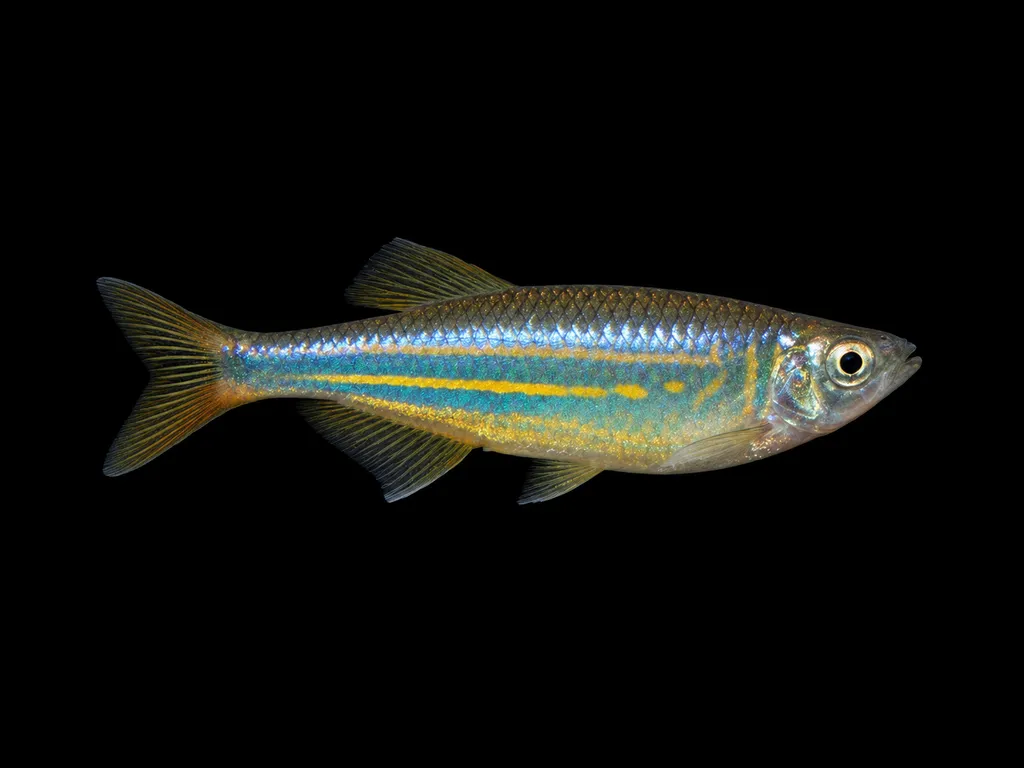
The Annandale danio is one of the larger, more active danios, a peaceful schooler for a long community tank. It is an easy fish to keep.
Did you know
The Annandale danio is the Devario that carries the name of Thomas Nelson Annandale. He collected so widely across India that taxonomists attached his name to fishes, frogs and more throughout the region.
Caring for the Annandale danio
Keep Annandale danios as a school of six or more. A long tank of 42 gal (160 L) or larger gives a group the length it needs. They swim hard along the midwater, so leave open swimming length rather than heavy planting. A substrate of sand and rounded gravel suits them, and a tight lid is essential, since they are strong jumpers.
Give them well-oxygenated, moving water at 68 to 79°F (20 to 26°C) and a pH of 6.5 to 7.5. Feed a varied omnivore diet of quality flake and micro pellets, with regular frozen bloodworm, daphnia and the occasional small insect.
Annandale danios are peaceful, but they are fast, boisterous fish. Choose robust companions such as barbs, loaches and other river cyprinids, rather than shy or slow tank mates. Like other danios, they are egg-scattering spawners, though captive breeding is not well documented.
Good to know
Devario annandalei belongs to the danio family, Danionidae, and is one of the true giant danios. Chaudhuri described it in 1908 from the first specimens, which Thomas Nelson Annandale collected. Annandale was the zoologist and anthropologist who founded the Zoological Survey of India.
In the wild
The Annandale danio ranges across mainland Southeast Asia, in the Salween, Chao Phraya and Mekong basins. It lives in streams and foothill reaches with steady flow.
Weekly picks
Tank mates
The Annandale danio is a peaceful, schooling species that keeps to the middle. These picks share a community profile with it, are safe together in both directions, and overlap on water type, temperature and pH.
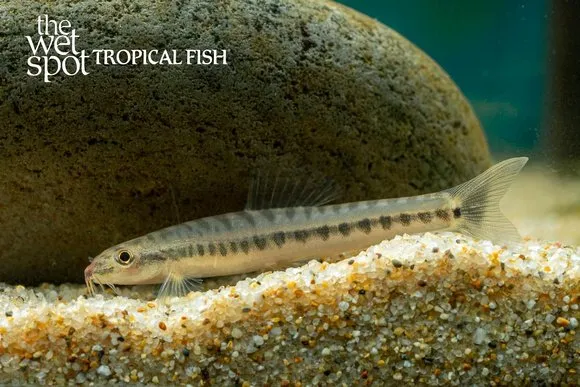
Arrow loach
Nemacheilus masyae
Freshwater6.3 in (16 cm) · 42 gal (160 L)72–81°F (22–27°C)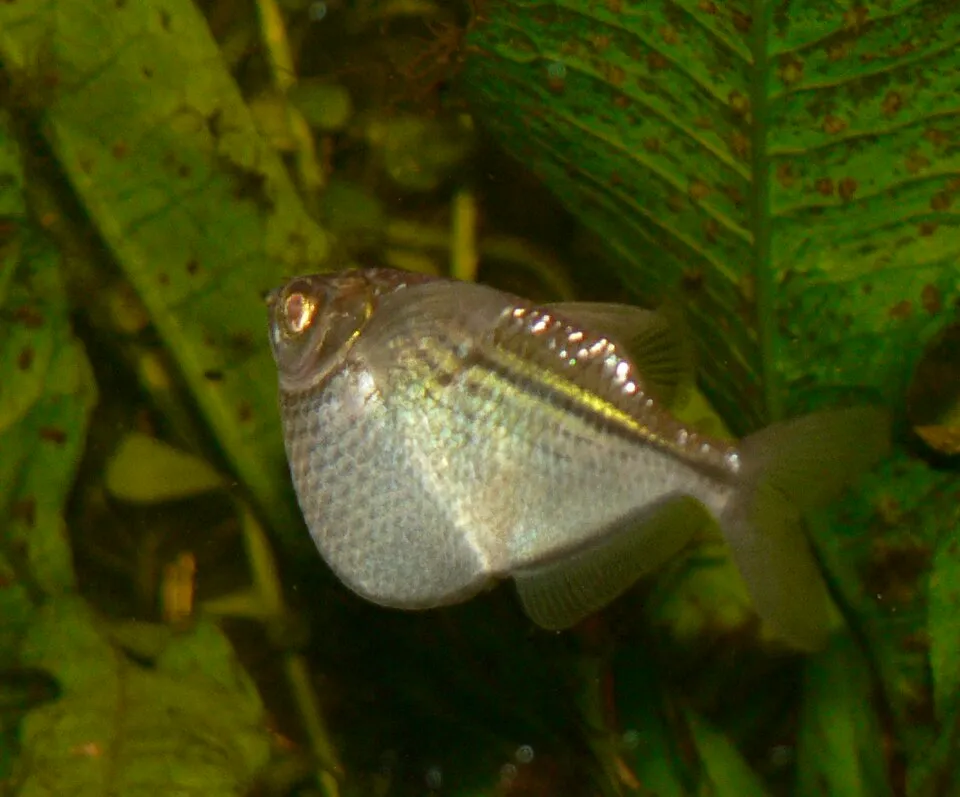
Common hatchetfish
Gasteropelecus sternicla
Freshwater1.6 in (4 cm) · 33 gal (125 L)68–82°F (20–28°C)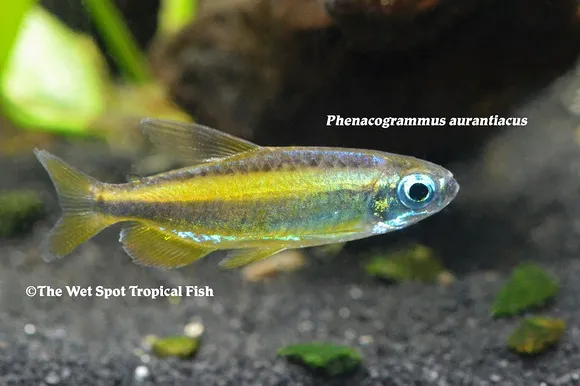
Orange Congo tetra
Phenacogrammus aurantiacus
Freshwater3.9 in (10 cm) · 42 gal (160 L)73–81°F (23–27°C)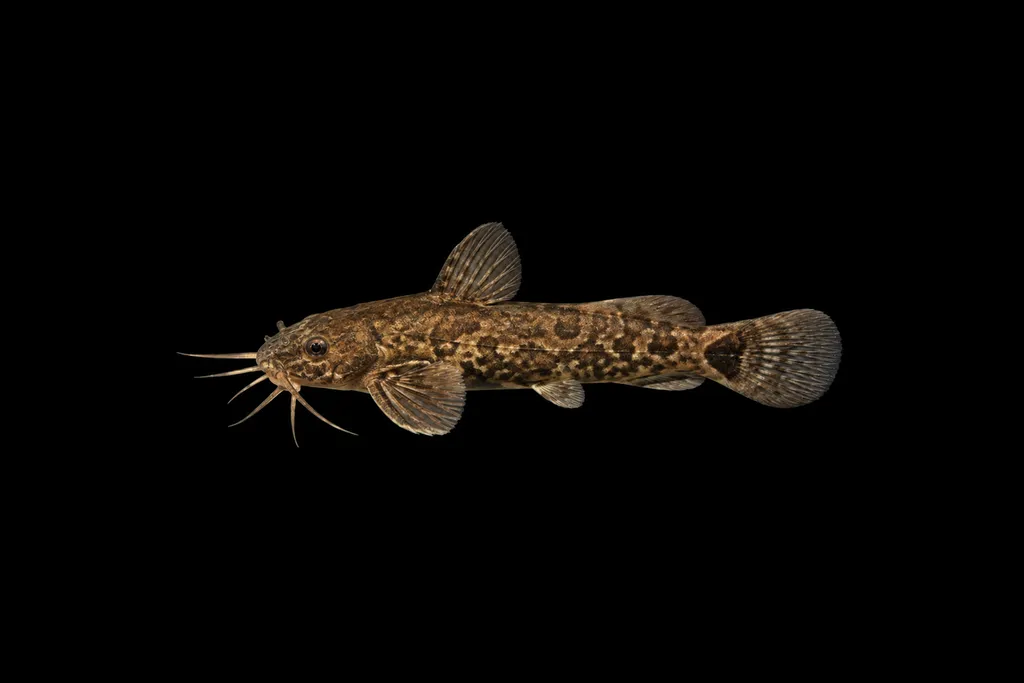
Blotched sisorid catfish
Glyptothorax macromaculatus
Freshwater6.3 in (16 cm) · 42 gal (160 L)68–79°F (20–26°C)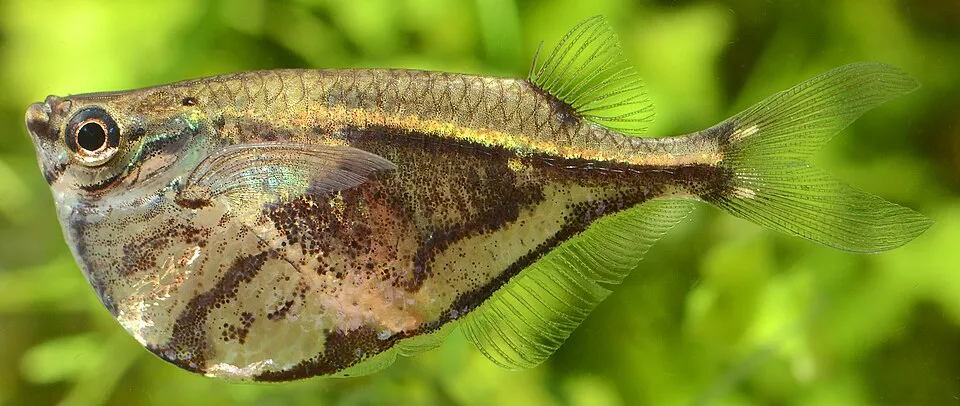
Marbled hatchetfish
Carnegiella strigata
Freshwater1.6 in (4 cm) · 32 gal (120 L)68–82°F (20–28°C)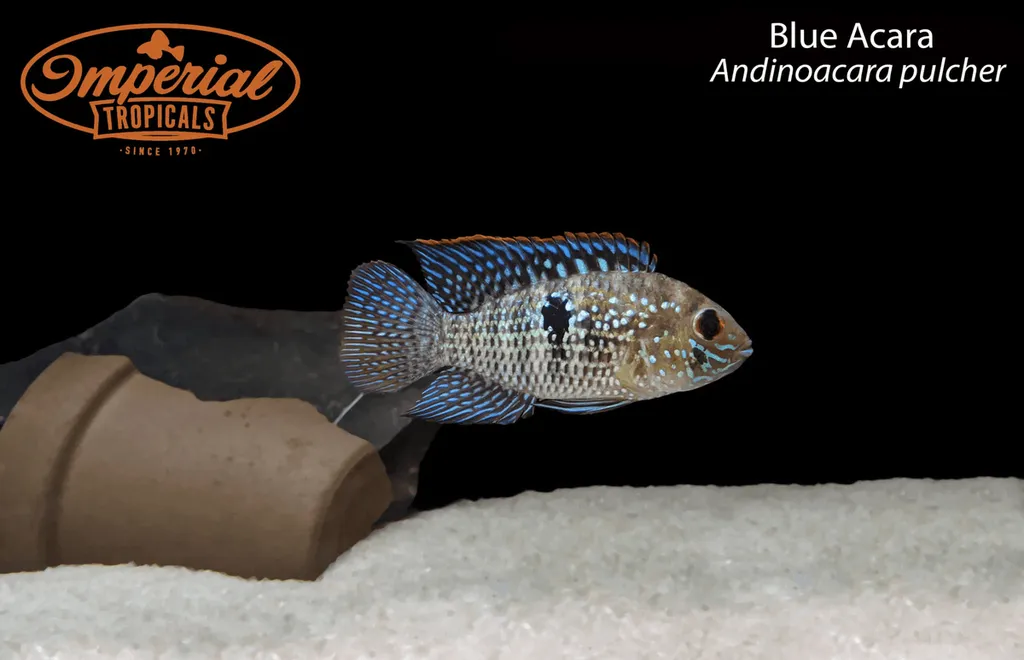
Blue acara
Andinoacara pulcher
Freshwater5.9 in (15 cm) · 42 gal (160 L)72–82°F (22–28°C)
Common questions
What size tank does an Annandale danio need?
An Annandale danio needs at least 42 gal (160 L). It spends most of its time in the middle.
What temperature and pH does an Annandale danio need?
An Annandale danio is comfortable at 68–79°F (20–26°C) with a pH of 6.5–7.5.
What does an Annandale danio eat?
An Annandale danio eats a varied omnivore diet. Feed quality flake and micro pellets, with regular frozen bloodworm, daphnia and the occasional small insect.
How big does an Annandale danio get?
An adult Annandale danio reaches about 4.3 in (11 cm).
Does an Annandale danio need a group?
Yes. An Annandale danio is a schooling species and should be kept in a group, not singly.
How does an Annandale danio breed?
The Annandale danio is an egg-scattering spawner, like other danios. Captive breeding is not well documented.
Related species
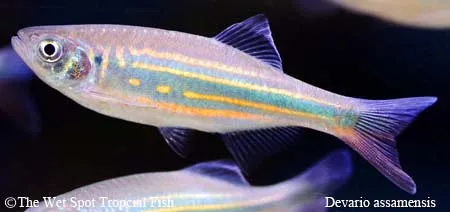 4.3 in (11 cm)42 gal (160 L)68–79°F (20–26°C)
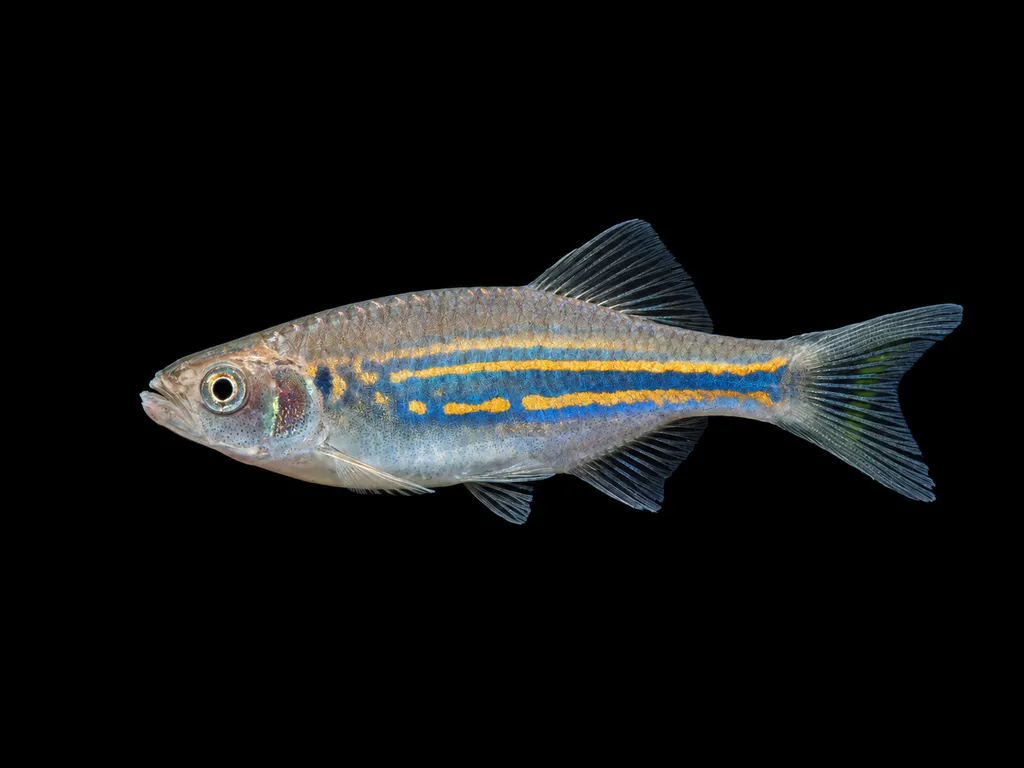
Assam giant danio
Devario assamensis
4.3 in (11 cm) · 42 gal (160 L)
 4.4 in (11.3 cm)42 gal (160 L)72–81°F (22–27°C)
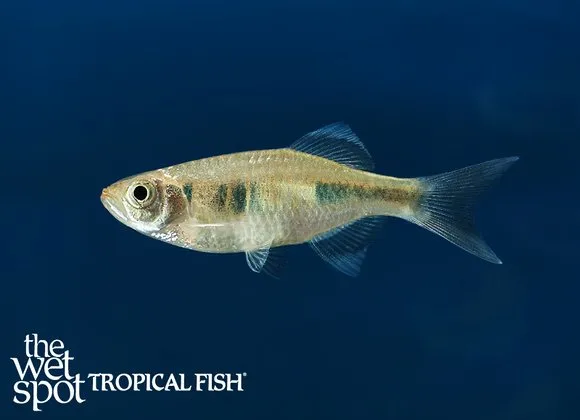
Laos giant danio
Devario acrostomus
4.4 in (11.3 cm) · 42 gal (160 L)
 3.7 in (9.5 cm)29 gal (110 L)68–79°F (20–26°C)
Rakhine danio
Devario xyrops
3.7 in (9.5 cm) · 29 gal (110 L)
 3.1 in (8 cm)24 gal (90 L)68–79°F (20–26°C)
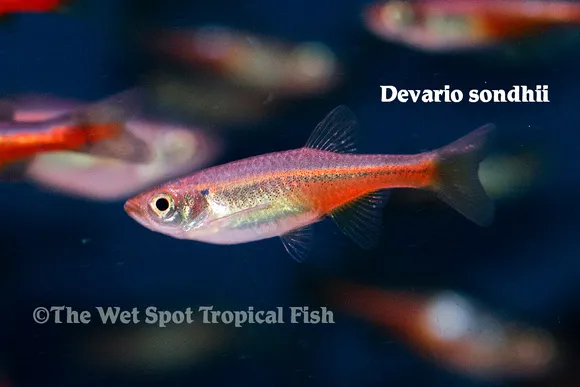
Sondhi danio
Devario sondhii
3.1 in (8 cm) · 24 gal (90 L)
 2.8 in (7 cm)24 gal (90 L)64–77°F (18–25°C)
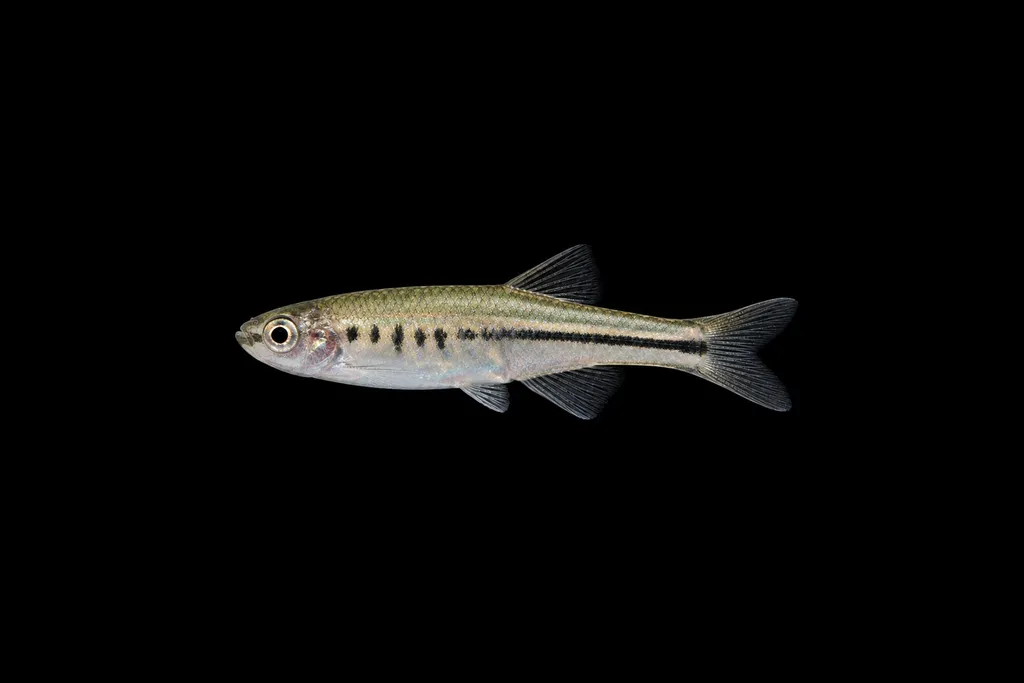
Interrupted danio
Devario interruptus
2.8 in (7 cm) · 24 gal (90 L)
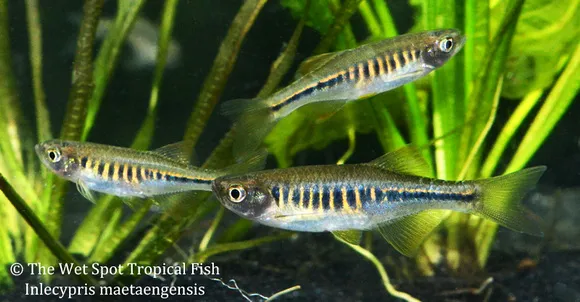 2.4 in (6 cm)20 gal (75 L)64–77°F (18–25°C)
Fire bar danio
Devario maetaengensis
2.4 in (6 cm) · 20 gal (75 L)