Kerala garra
Garra surendranathanii
Also known as Surendranathan's garra, Green neon garra
FreshwaterFish
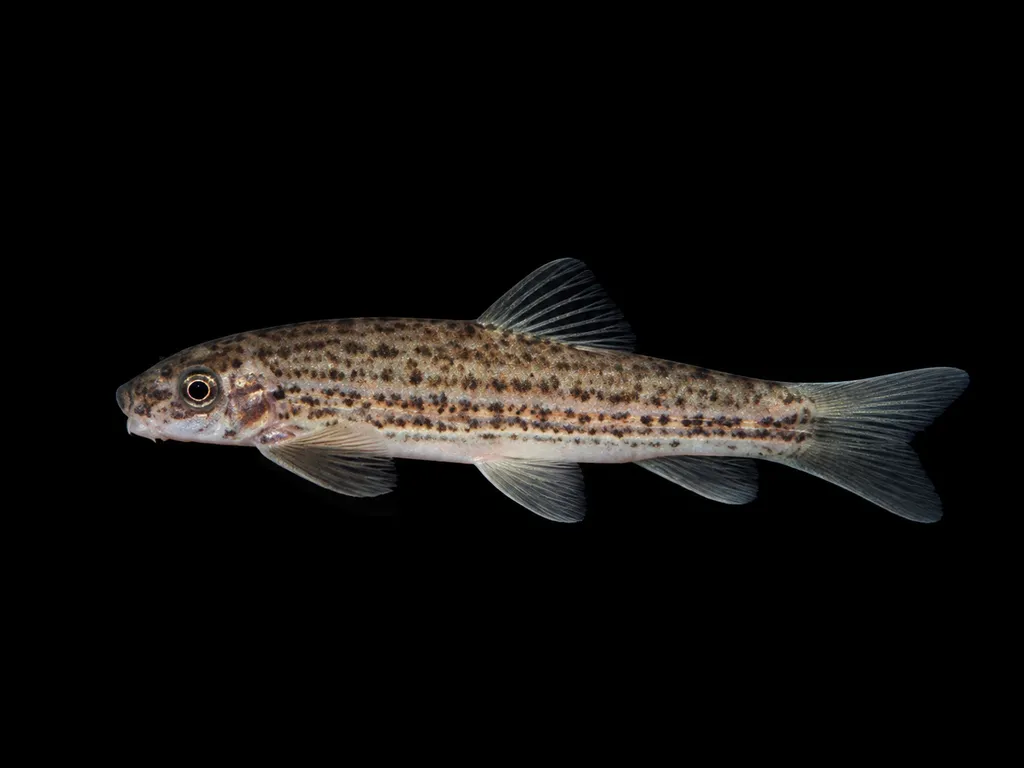
Care at a glance
- Temperature
- 68–79°F
- 20–26°C
- pH
- 6.5–7.5
- Adult size
- 5.9 in
- 15 cm
- Minimum tank
- 42 gal
- 160 L
- Temperament
- Mostly peaceful
- Social behavior
- Social
- Swim level
- Bottom
- Difficulty
- Medium
- Breeding
- No record
- Rarity
- Rare
- Family
- Cyprinidae
- Origin
- Periyar and Chalakudy rivers, Kerala, India
Overview
The Kerala garra is a large, hard-working bottom grazer for a fast-water community tank. It suits intermediate keepers.
Did you know
The Kerala garra's home rivers run through the Periyar hills of Kerala. That landscape is better known for its tiger reserve and wild elephants than for the algae-scraping fish in its clear, tumbling streams.
Caring for the Kerala garra
Give a Kerala garra a long tank of 42 gal (160 L) or more, with a lot of stone surface to keep it occupied. Lay a bed of sand, pebbles and larger water-worn rocks. Bright light encourages the algae film it grazes from those surfaces.
Run a strong, oxygen-rich flow. Keep the water on the cool side of tropical, at 68 to 79°F (20 to 26°C) with a pH of 6.5 to 7.5. Feed generously to match its constant rasping. Algae wafers, sinking pellets and frozen foods all reach the bottom well.
The Kerala garra is happiest in a small group of three to five, with enough space for each fish to stake out grazing room. It is mostly peaceful but can jostle its own kind, so provide plenty of stone and open floor to spread that out. Sturdy midwater fish such as hill barbs and loaches make good tank mates. Its aquarium breeding is not documented.
Good to know
Garra surendranathanii is a member of the carp family, Cyprinidae, described in 1996 by Shaji, Arun and Easa from Kerala's rainforest rivers. It is one of the larger garras. Like others in its genus, it grips stone in fast water with a sucker-like disc on the underside of its head. Habitat loss has left it threatened across its small range.
In the wild
The Kerala garra grazes fast, boulder-strewn rainforest rivers of the southern Western Ghats in Kerala, in the Periyar and Chalakudy systems.
Weekly picks
Tank mates
The Kerala garra is a mostly peaceful, social species that keeps to the bottom. These picks share a community profile with it, are safe together in both directions, and overlap on water type, temperature and pH.
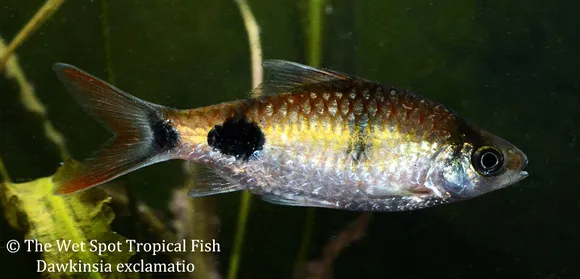
Exclamation barb
Dawkinsia exclamatio
Freshwater3.5 in (9 cm) · 42 gal (160 L)70–79°F (21–26°C)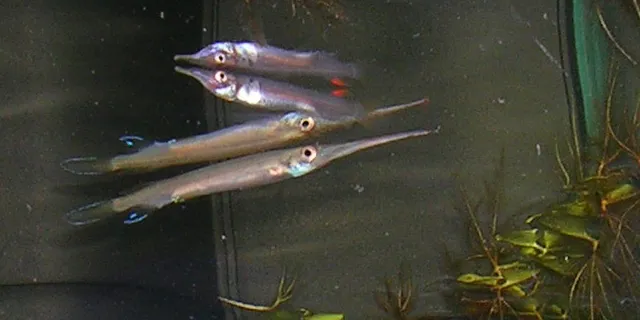
Forest halfbeak
Hemirhamphodon pogonognathus
Freshwater3.5 in (9 cm) · 34 gal (130 L)75–82°F (24–28°C)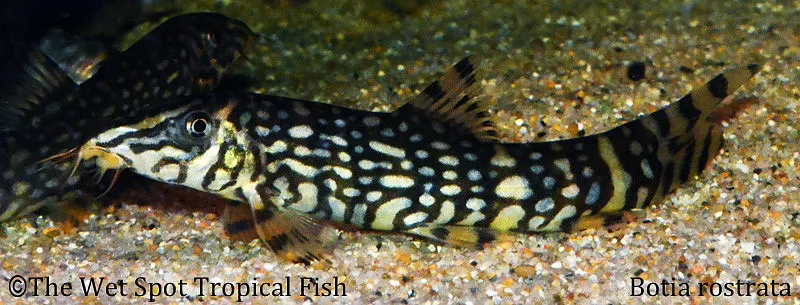
Gangetic loach
Botia rostrata
Freshwater4.7 in (12 cm) · 42 gal (160 L)66–81°F (19–27°C)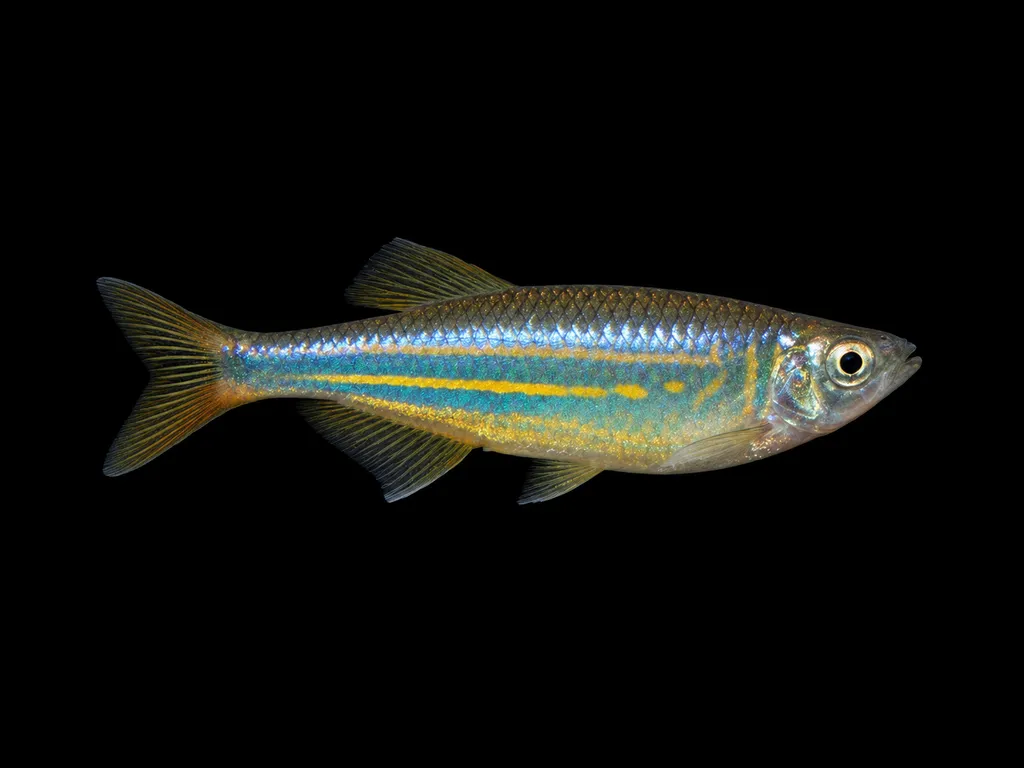
Annandale danio
Devario annandalei
Freshwater4.3 in (11 cm) · 42 gal (160 L)68–79°F (20–26°C)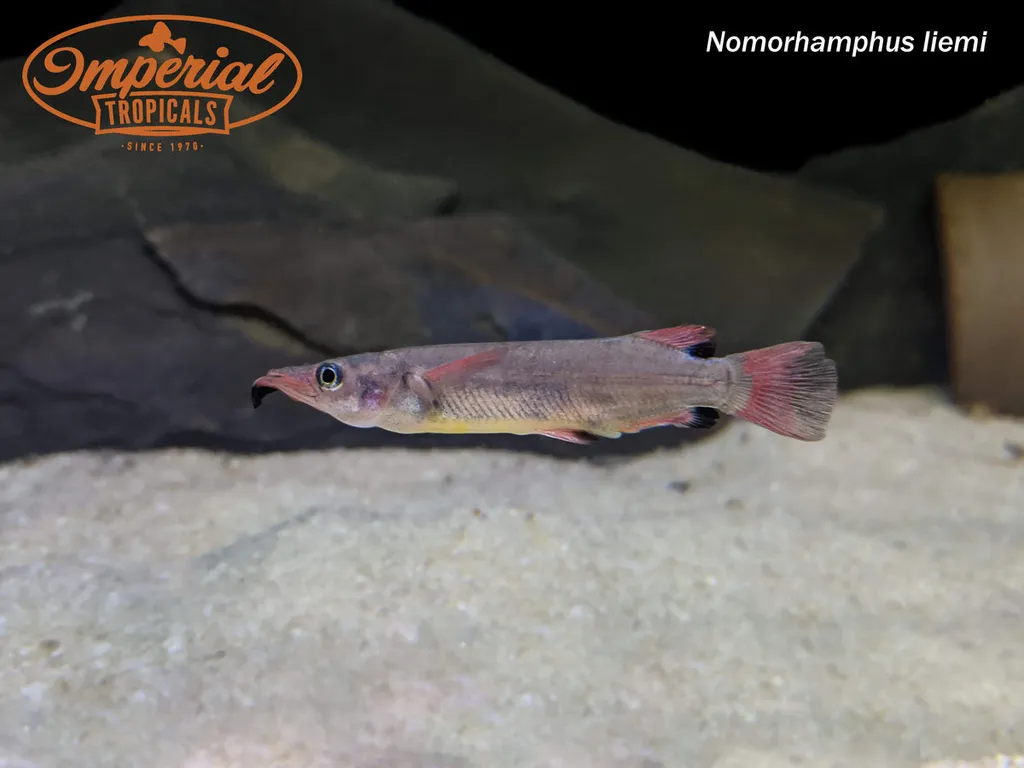
Celebes halfbeak
Nomorhamphus liemi
Freshwater3.5 in (9 cm) · 40 gal (150 L)68–77°F (20–25°C)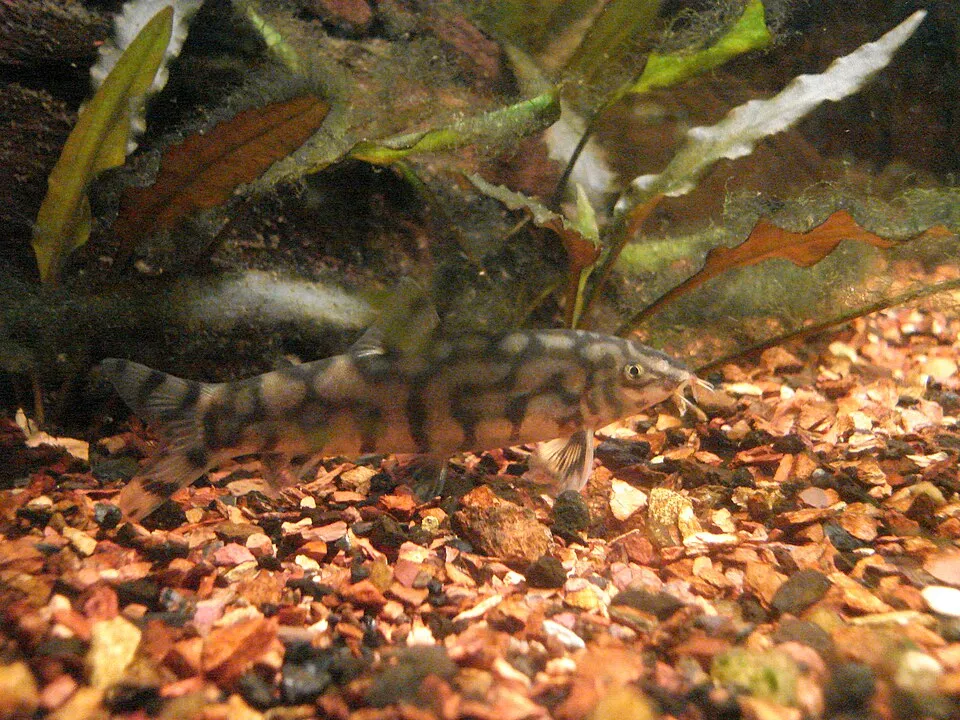
Yoyo loach
Botia almorhae
Freshwater6.3 in (16 cm) · 42 gal (160 L)66–81°F (19–27°C)
Common questions
What size tank does a Kerala garra need?
A Kerala garra needs at least 42 gal (160 L). It spends most of its time in the bottom.
What temperature and pH does a Kerala garra need?
A Kerala garra is comfortable at 68–79°F (20–26°C) with a pH of 6.5–7.5.
What does a Kerala garra eat?
A Kerala garra grazes constantly, so feed it generously. Algae wafers, sinking pellets and frozen foods all reach the bottom well.
How big does a Kerala garra get?
An adult Kerala garra reaches about 5.9 in (15 cm).
Related species
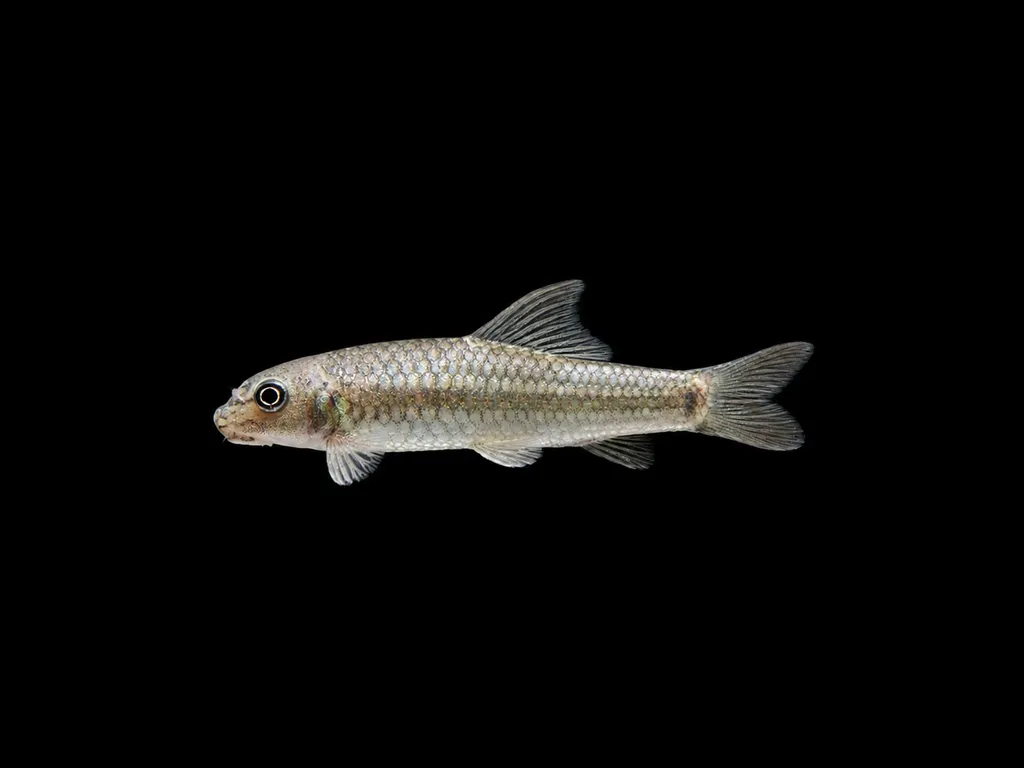 5.9 in (15 cm)42 gal (160 L)64–77°F (18–25°C)
Sucker-head garra
Garra gotyla
5.9 in (15 cm) · 42 gal (160 L)
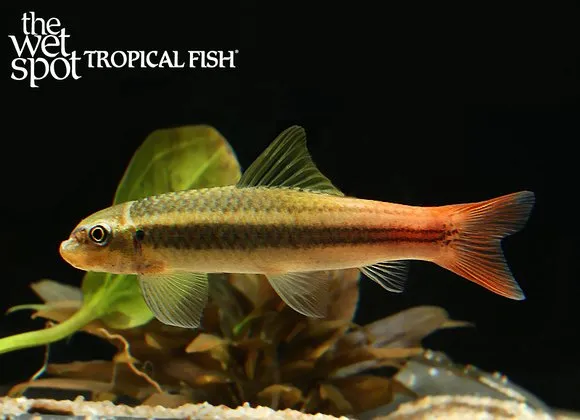 5.1 in (13 cm)42 gal (160 L)72–81°F (22–27°C)
Redtail garra
Garra panitvongi
5.1 in (13 cm) · 42 gal (160 L)
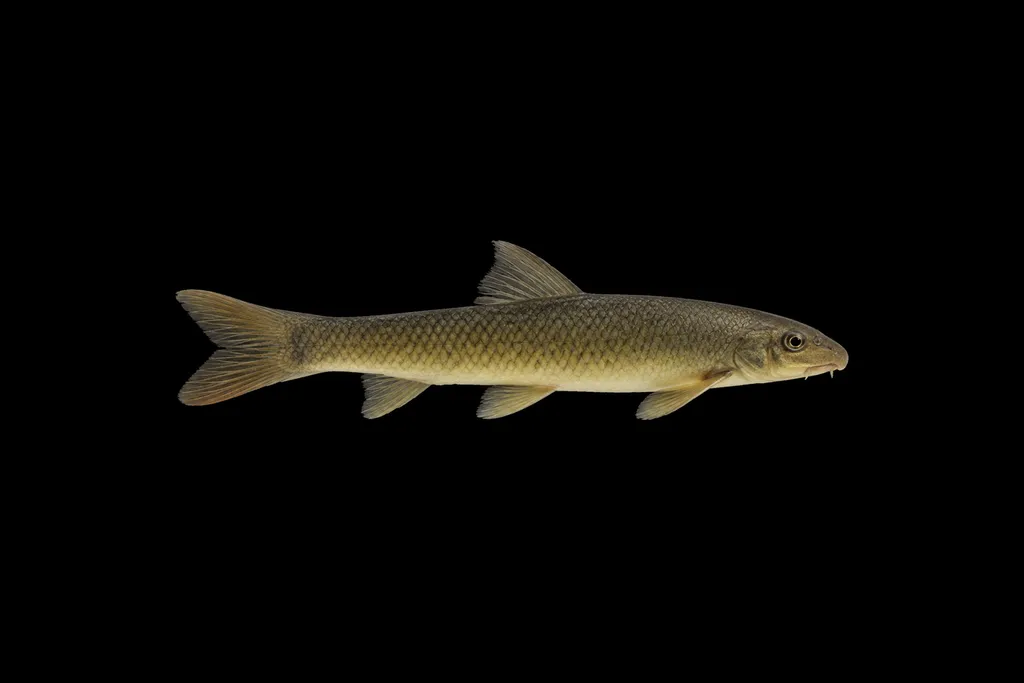 4.7 in (12 cm)29 gal (110 L)64–77°F (18–25°C)
Lamta garra
Garra lamta
4.7 in (12 cm) · 29 gal (110 L)
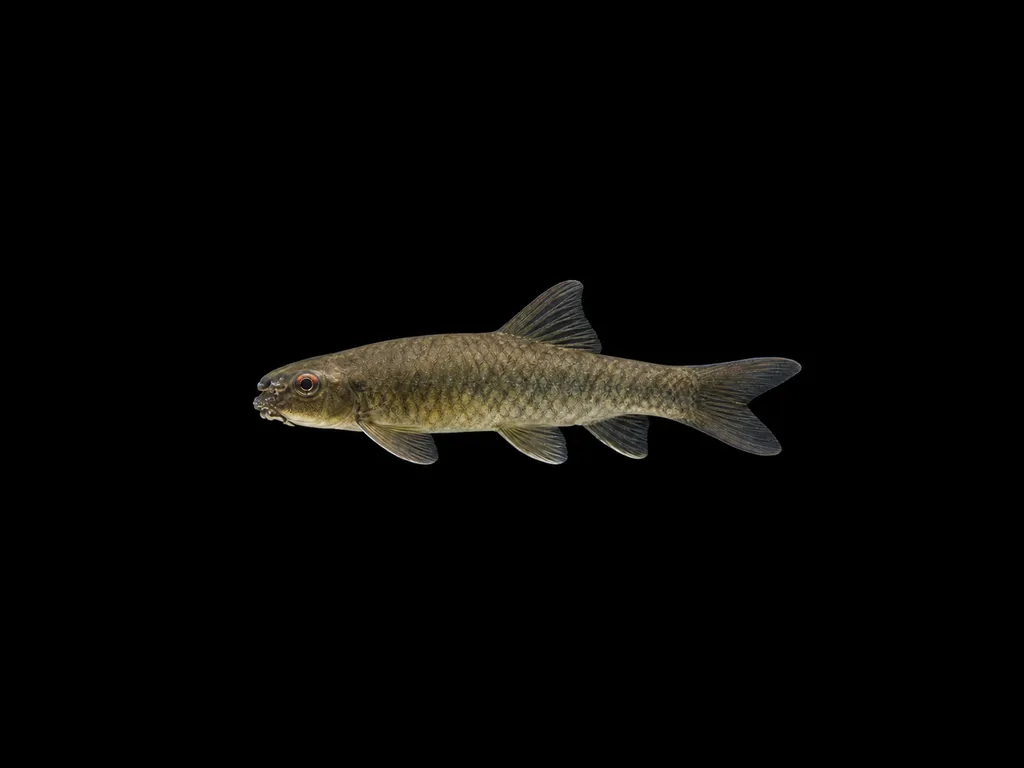 4.7 in (12 cm)63 gal (240 L)68–79°F (20–26°C)
Tunga garra
Garra bicornuta
4.7 in (12 cm) · 63 gal (240 L)
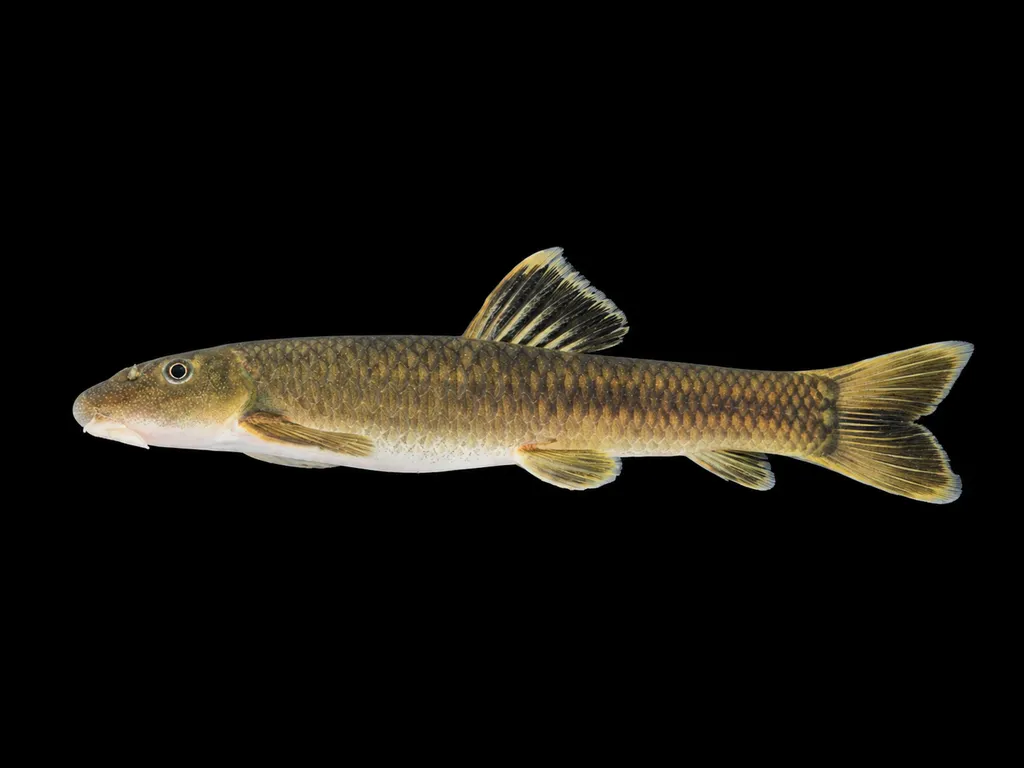 4.3 in (11 cm)29 gal (110 L)72–81°F (22–27°C)
Ornate garra
Garra ornata
4.3 in (11 cm) · 29 gal (110 L)
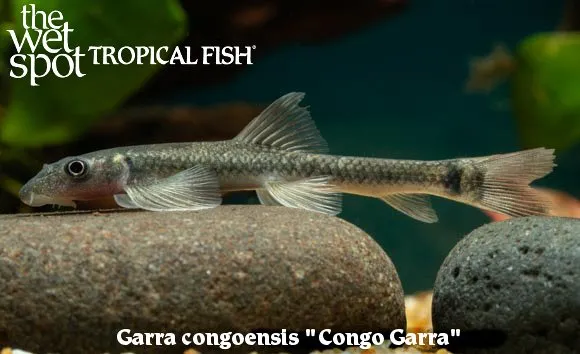 3.9 in (10 cm)29 gal (110 L)72–81°F (22–27°C)
Congo garra
Garra congoensis
3.9 in (10 cm) · 29 gal (110 L)