Sucker-head garra
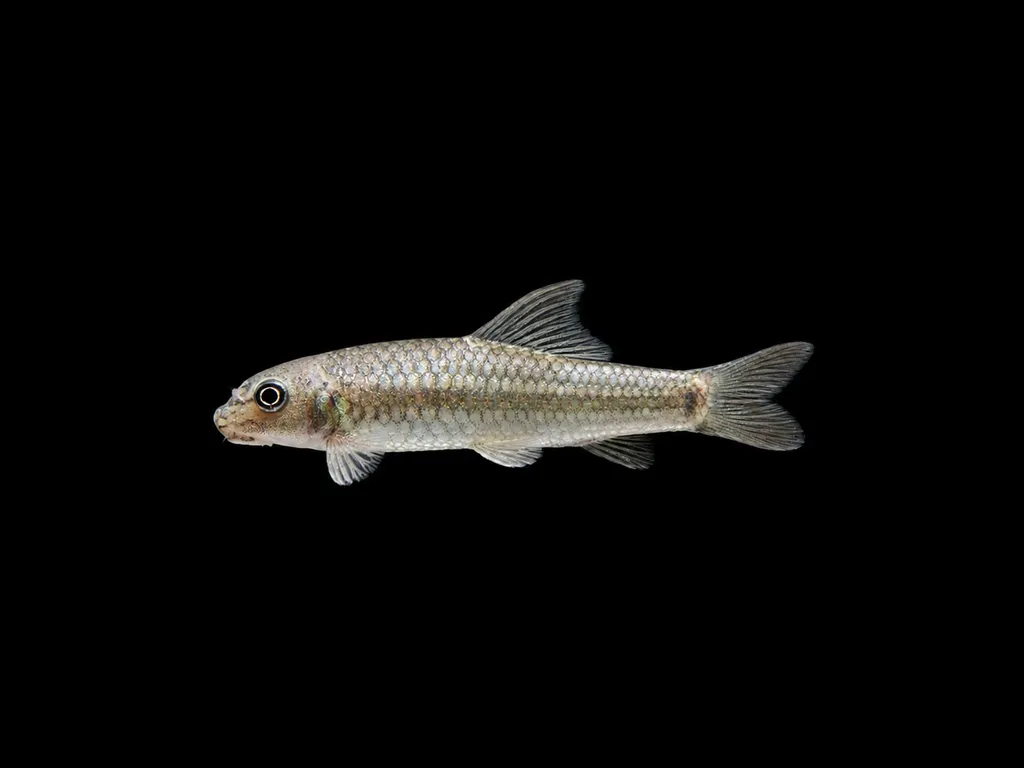
Garra gotyla
Also known as Gotyla garra, Silver garra, Indian diamond garra
FreshwaterFish
Care at a glance
- Temperature
- 64–77°F
- 18–25°C
- pH
- 6.5–7.8
- Adult size
- 5.9 in
- 15 cm
- Minimum tank
- 42 gal
- 160 L
- Temperament
- Mostly peaceful
- Social behavior
- Social
- Swim level
- Bottom
- Diet
- Omnivore
- Difficulty
- Medium
- Breeding
- No record
- Rarity
- Rare
- Family
- Cyprinidae
- Origin
- Himalayan foothill rivers from Pakistan to Myanmar
Overview
The sucker-head garra is a stone-gripping grazer for the bottom of a cool, fast-flowing river tank. It is best with a little experience.
Did you know
Garras are famous as the aquarium doctor fish and log suckers. The sucker-head garra shows their whole toolkit plainly, with a sucker mouth for gripping stone and a flat belly for holding in current.
Caring for the sucker-head garra
Give a small group of sucker-head garras a tank of at least 42 gal (160 L), unheated and fast-flowing. Set it up like a river, with smooth boulders and cobbles, and oversize the flow with a strong pump or two. Keep the oxygen high.
Keep the water cool, at 64 to 77°F (18 to 25°C) and a pH of 6.5 to 7.8. A sucker-head garra suffers in warm, still water, so flow and temperature both matter. It works the bottom, clamping onto rock and wood to rasp algae and biofilm. Feed grazing and sinking foods, such as algae wafers, sinking pellets, and frozen bloodworm or brine shrimp.
The sucker-head garra is mostly peaceful but busy, and occasionally pushy. It is fine alone or in a small group, and it does best with other current-loving species. Pair it with robust hill-stream barbs and loaches rather than delicate fish.
Males grow a raised, knobbly proboscis on the snout as they mature, and the growth is covered in tubercles. Sucker-head garras are not bred in home aquariums.
Good to know
The sucker-head garra, Garra gotyla, belongs to the carp family, Cyprinidae, and is one of the larger, more widespread garras. It is a river grazer, first described by Gray in 1830.
In the wild
The sucker-head garra ranges along Himalayan foothill rivers from Pakistan through India and Nepal into upper Myanmar. There it grips rock in cool, fast, snow-fed current.
Weekly picks
Tank mates
The sucker-head garra is a mostly peaceful, social species that keeps to the bottom. These picks share a community profile with it, are safe together in both directions, and overlap on water type, temperature and pH.
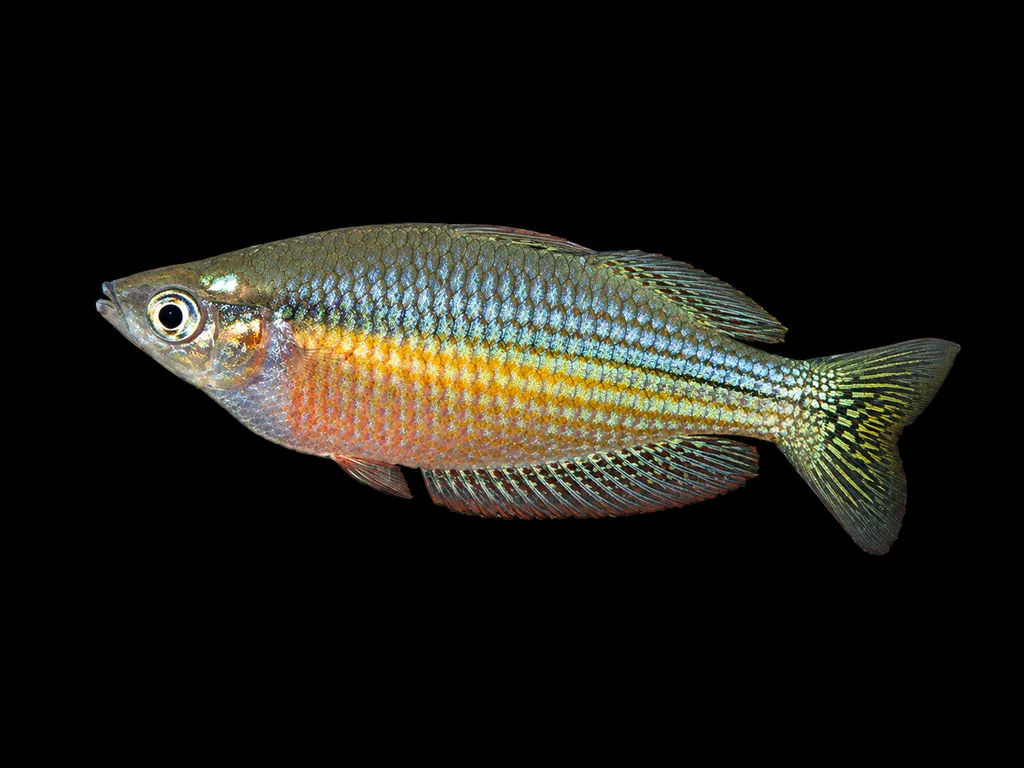
Desert rainbowfish
Melanotaenia splendida tatei
Freshwater3.9 in (10 cm) · 42 gal (160 L)64–86°F (18–30°C)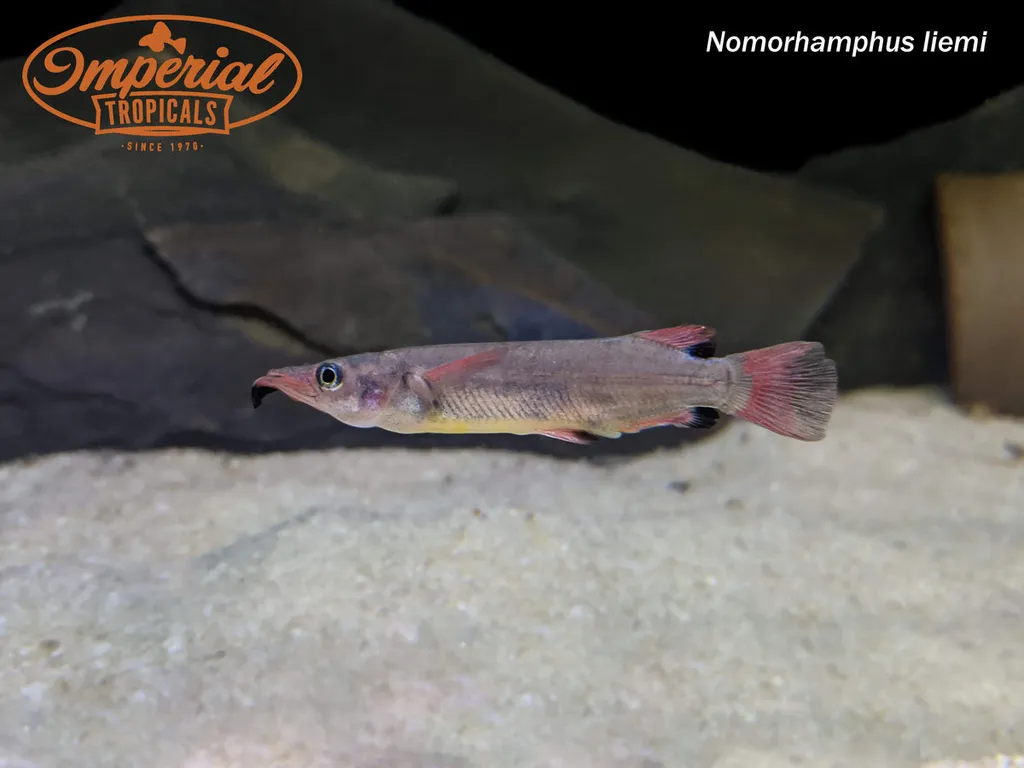
Celebes halfbeak
Nomorhamphus liemi
Freshwater3.5 in (9 cm) · 40 gal (150 L)68–77°F (20–25°C)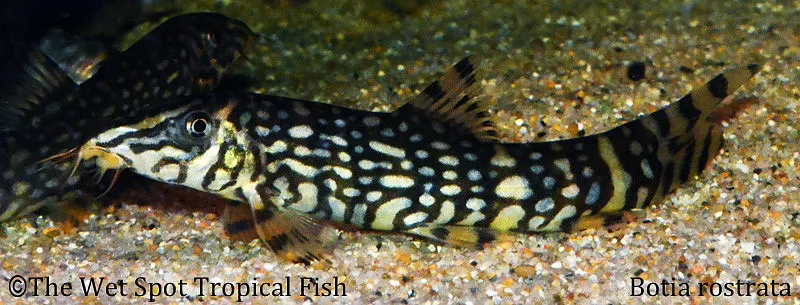
Gangetic loach
Botia rostrata
Freshwater4.7 in (12 cm) · 42 gal (160 L)66–81°F (19–27°C)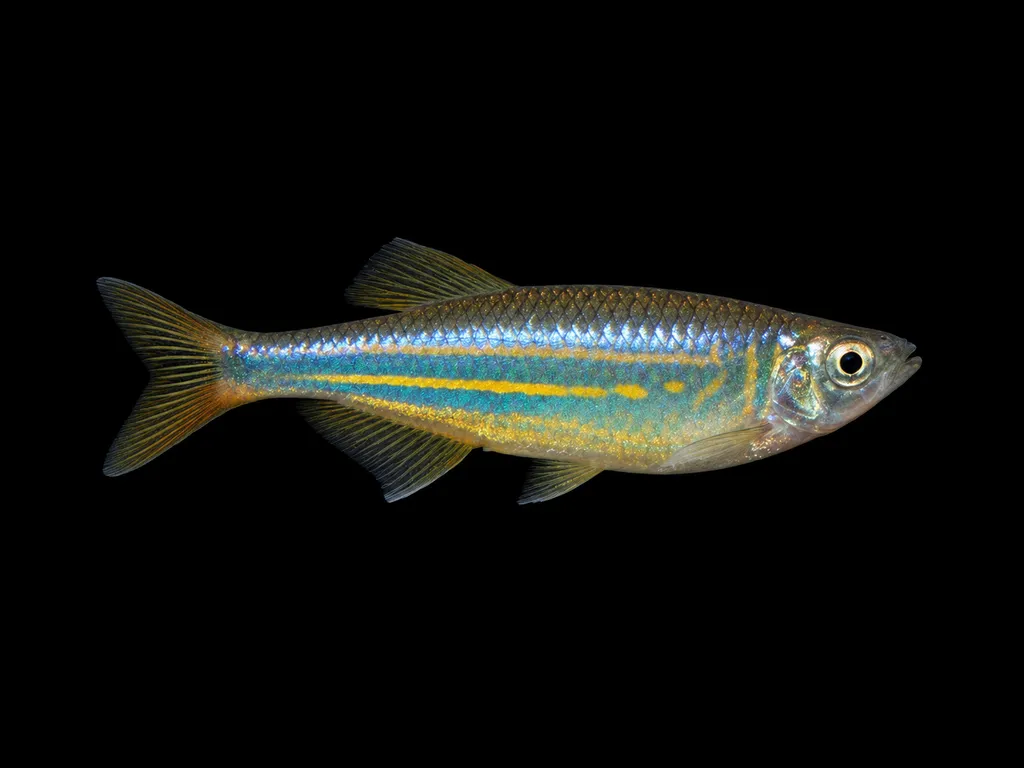
Annandale danio
Devario annandalei
Freshwater4.3 in (11 cm) · 42 gal (160 L)68–79°F (20–26°C)
Redfin halfbeak
Nomorhamphus ebrardtii
Freshwater3.5 in (9 cm) · 29 gal (110 L)75–81°F (24–27°C)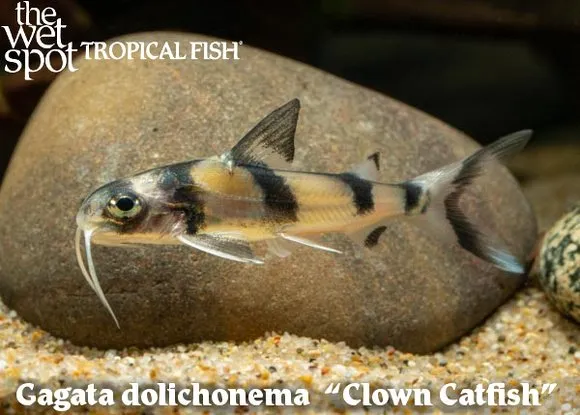
Clown gagata catfish
Gagata dolichonema
Freshwater5.1 in (13 cm) · 42 gal (160 L)68–79°F (20–26°C)
Common questions
What size tank does a sucker-head garra need?
A sucker-head garra needs at least 42 gal (160 L). It spends most of its time in the bottom.
What temperature and pH does a sucker-head garra need?
A sucker-head garra is comfortable at 64–77°F (18–25°C) with a pH of 6.5–7.8.
What does a sucker-head garra eat?
A sucker-head garra rasps algae and biofilm from rock and wood. Feed it grazing and sinking foods as well, such as algae wafers, sinking pellets, and frozen bloodworm or brine shrimp.
How big does a sucker-head garra get?
An adult sucker-head garra reaches about 5.9 in (15 cm).
How can you tell a male sucker-head garra from a female?
Males grow a raised, knobbly proboscis on the snout as they mature. The growth is covered in tubercles.
Related species
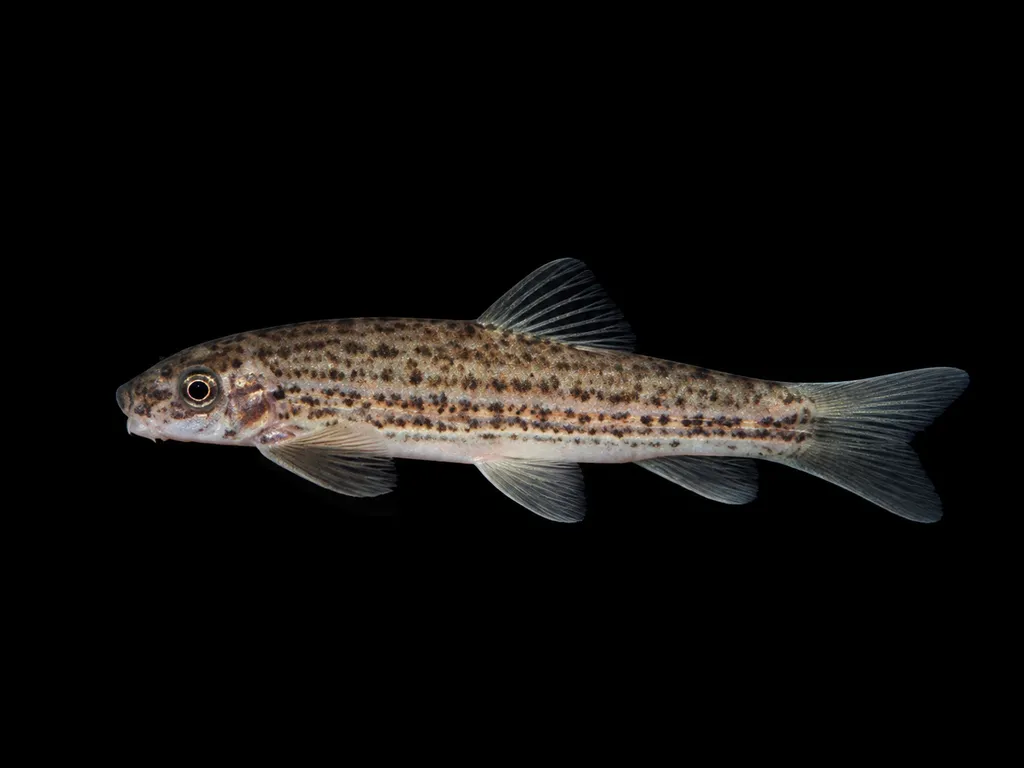 5.9 in (15 cm)42 gal (160 L)68–79°F (20–26°C)
Kerala garra
Garra surendranathanii
5.9 in (15 cm) · 42 gal (160 L)
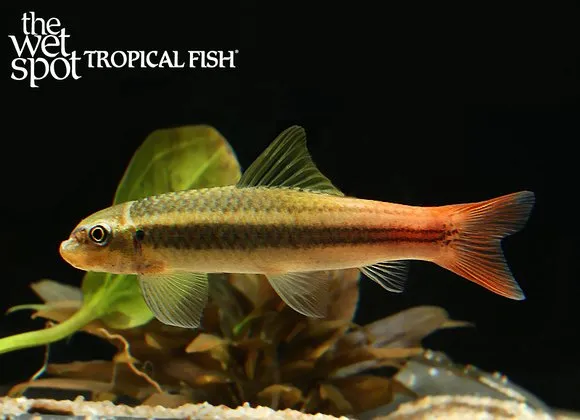 5.1 in (13 cm)42 gal (160 L)72–81°F (22–27°C)
Redtail garra
Garra panitvongi
5.1 in (13 cm) · 42 gal (160 L)
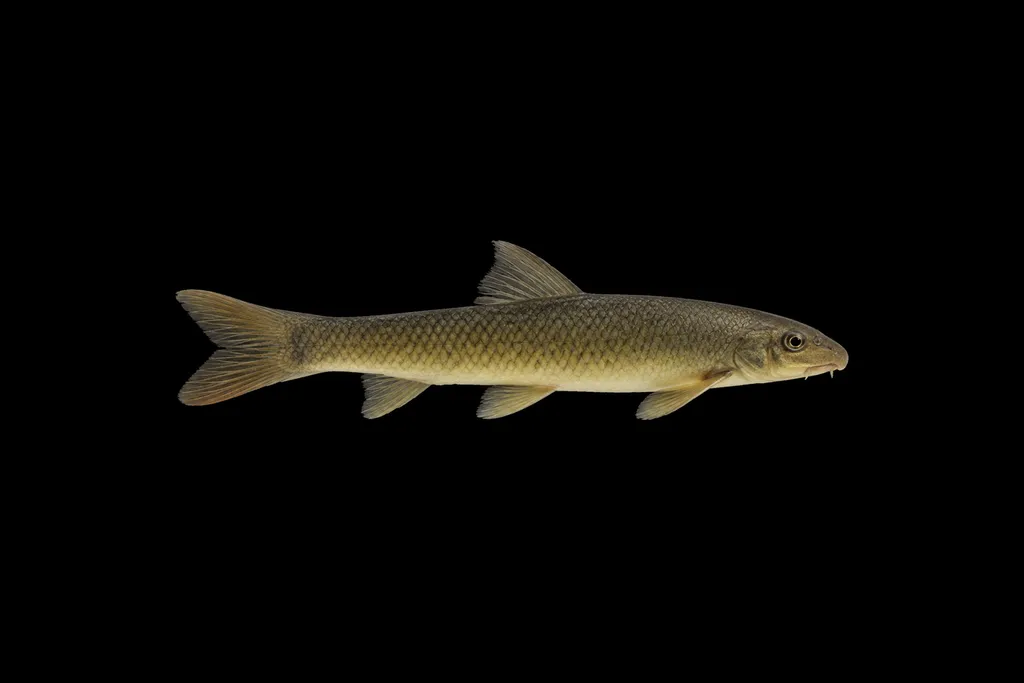 4.7 in (12 cm)29 gal (110 L)64–77°F (18–25°C)
Lamta garra
Garra lamta
4.7 in (12 cm) · 29 gal (110 L)
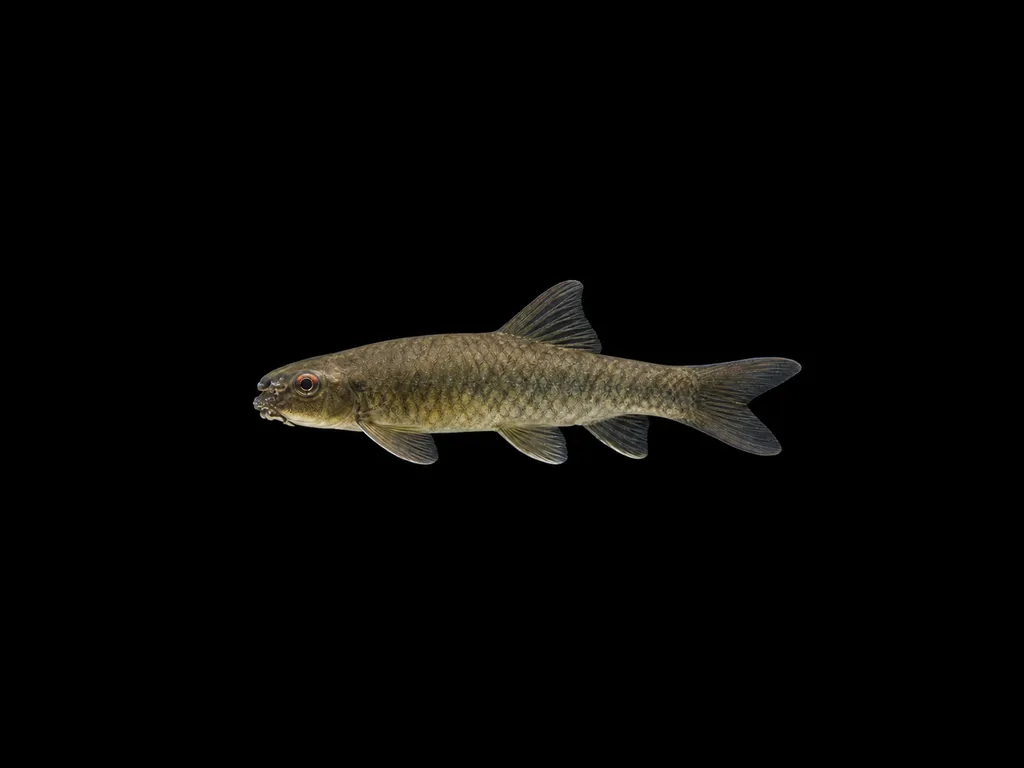 4.7 in (12 cm)63 gal (240 L)68–79°F (20–26°C)
Tunga garra
Garra bicornuta
4.7 in (12 cm) · 63 gal (240 L)
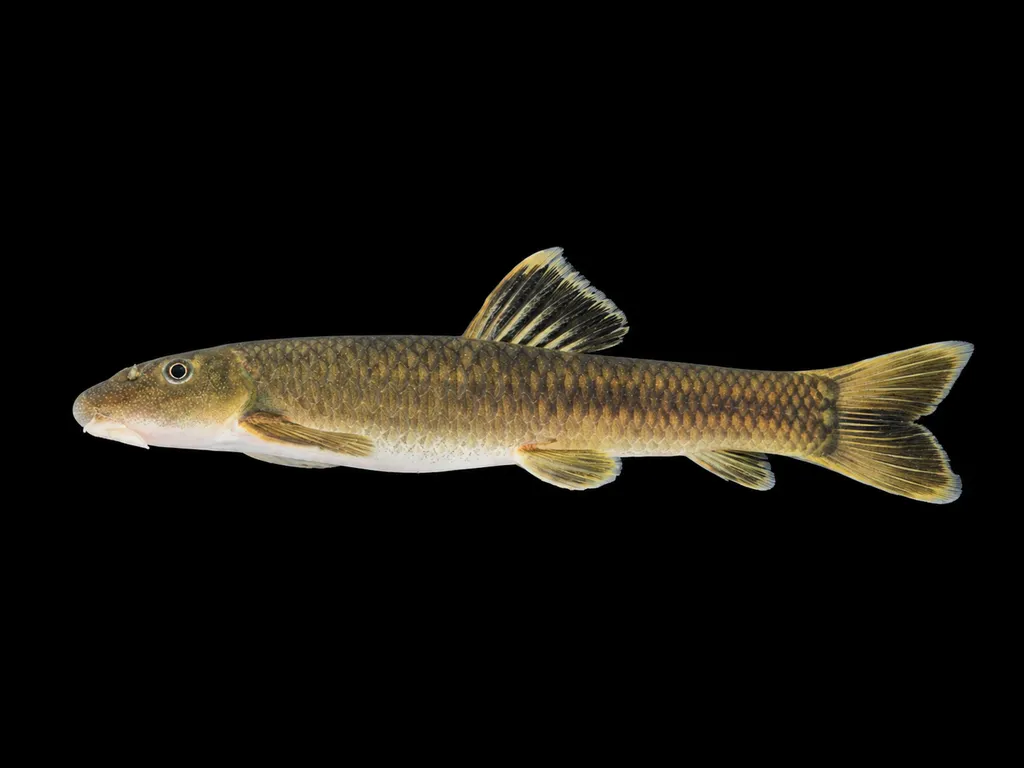 4.3 in (11 cm)29 gal (110 L)72–81°F (22–27°C)
Ornate garra
Garra ornata
4.3 in (11 cm) · 29 gal (110 L)
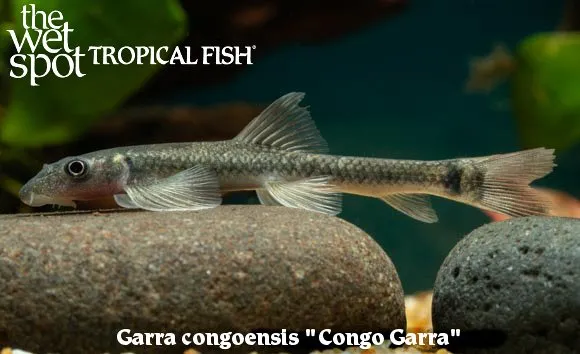 3.9 in (10 cm)29 gal (110 L)72–81°F (22–27°C)
Congo garra
Garra congoensis
3.9 in (10 cm) · 29 gal (110 L)