Doctor fish
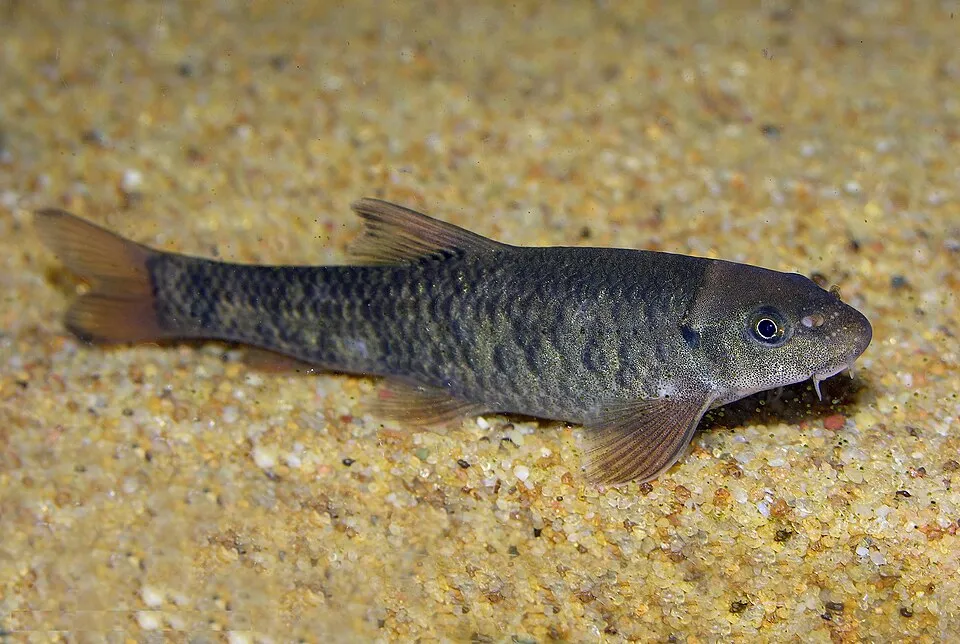
Garra rufa
Also known as Nibble fish
FreshwaterFish
Care at a glance
- Temperature
- 57–68°F
- 14–20°C
- pH
- 6.5–8.0
- Adult size
- 4.7 in
- 12 cm
- Minimum tank
- 29 gal
- 110 L
- Temperament
- Peaceful
- Social behavior
- Social
- Swim level
- Bottom
- Difficulty
- Medium
- Breeding
- No record
- Rarity
- Rare
- Family
- Cyprinidae
- Origin
- Turkey, Syria, Iraq, Iran
Overview
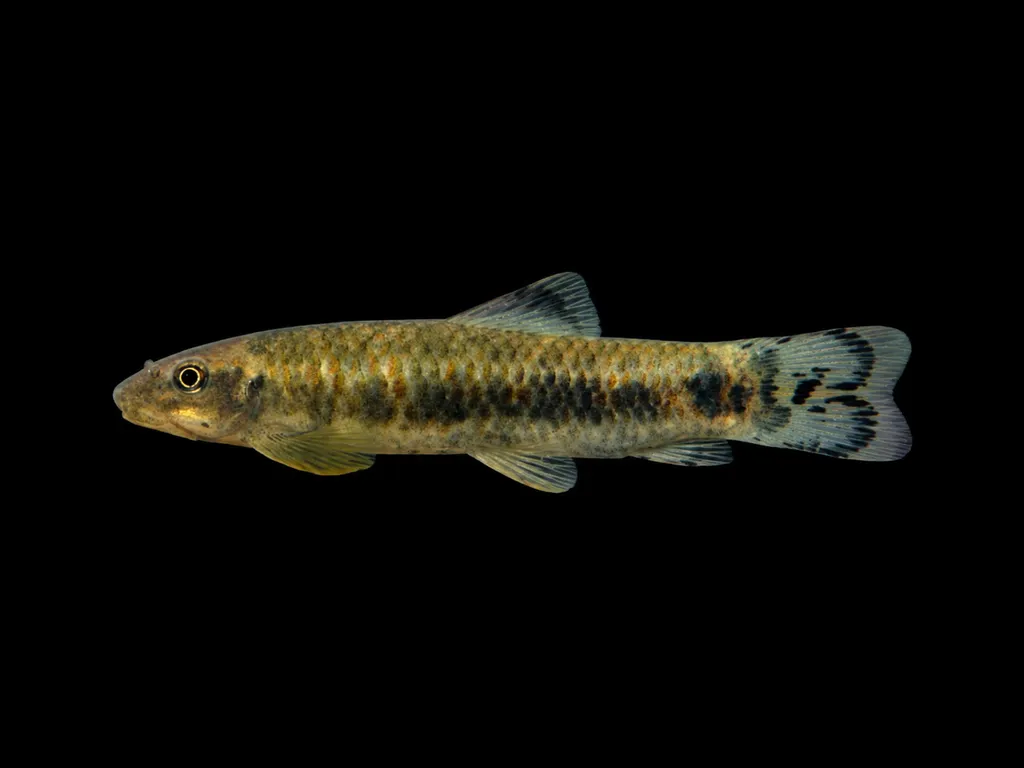
Doctor fish are peaceful, sociable grazers that are happiest in a group of five or more, where they forage together over the tank floor and hard surfaces. They are busy, active bottom dwellers that rasp algae and biofilm from rocks with a sucker like mouth and rarely bother tankmates. They suit a community of other calm, current loving fish and do not need heated tropical conditions. Feed them well with algae wafers, spirulina, blanched vegetables, and sinking pellets, plus some frozen foods, since a tank alone will not grow enough algae to sustain a group. A tank around 110 liters or larger gives them room to forage.
In the wild
Garra rufa comes from the rivers, streams, and spring fed pools of the Middle East, across Turkey, Syria, Iraq, and Iran, including warm and fast flowing habitats. In the aquarium it does well in cooler, well oxygenated water of about 14–20 C and a neutral to slightly hard pH of 6.5–8.0. Give it strong flow, a bed of sand and rounded gravel, and plenty of smooth stone and driftwood to graze over and hide among. This is a hardy fish that values clean, oxygen rich water and steady current more than decorative planting.
Good to know
Garra rufa is a small, hardy member of the family Cyprinidae that reaches around 12 cm. It has the flattened underside and fleshy, sucker like lower lip typical of the genus, which lets it cling to rock in current and rasp at algae and detritus. It is remarkably tolerant of temperature, surviving in water that would stress most cyprinids. There is no well documented record of it being bred in home aquaria, and the fish supplied to spas and shops are produced on commercial farms.
Did you know
Garra rufa is the famous spa or pedicure fish, used in the Middle East and beyond to nibble away dead, flaky skin from people with conditions such as psoriasis. The behavior is really just opportunistic grazing, since in the wild the fish turns to skin and scraps only when its usual diet of algae and tiny animals is scarce.
Weekly picks
Tank mates
Doctor fish is a peaceful, social species that keeps to the bottom. These picks share a community profile with it, are safe together in both directions, and overlap on water type, temperature and pH.
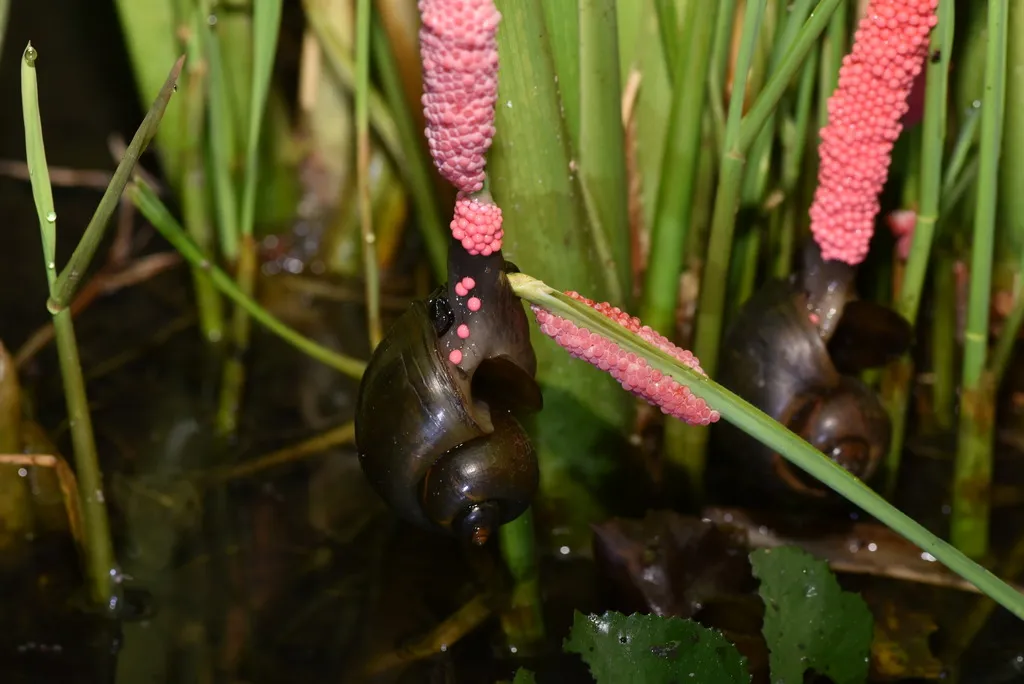
Apple snail
Pomacea canaliculata
Freshwater5.9 in (15 cm) · 21 gal (80 L)64–81°F (18–27°C)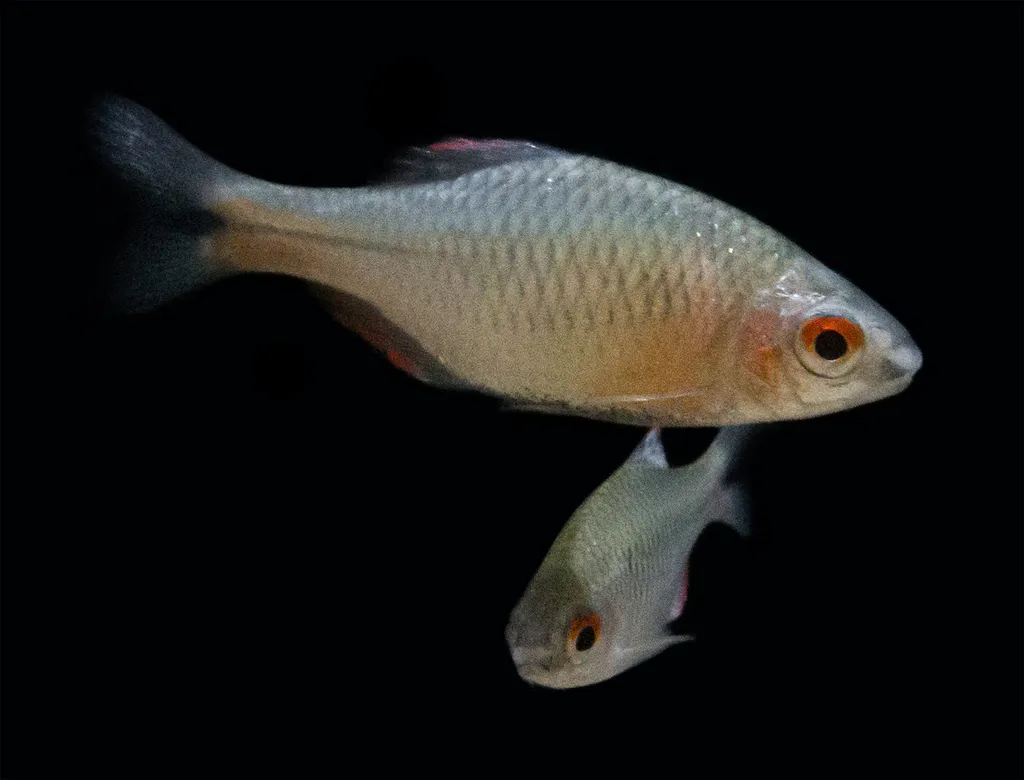
Blue Amur bitterling
Paracheilognathus himantegus
Freshwater3.1 in (8 cm) · 30 gal (112 L)57–79°F (14–26°C)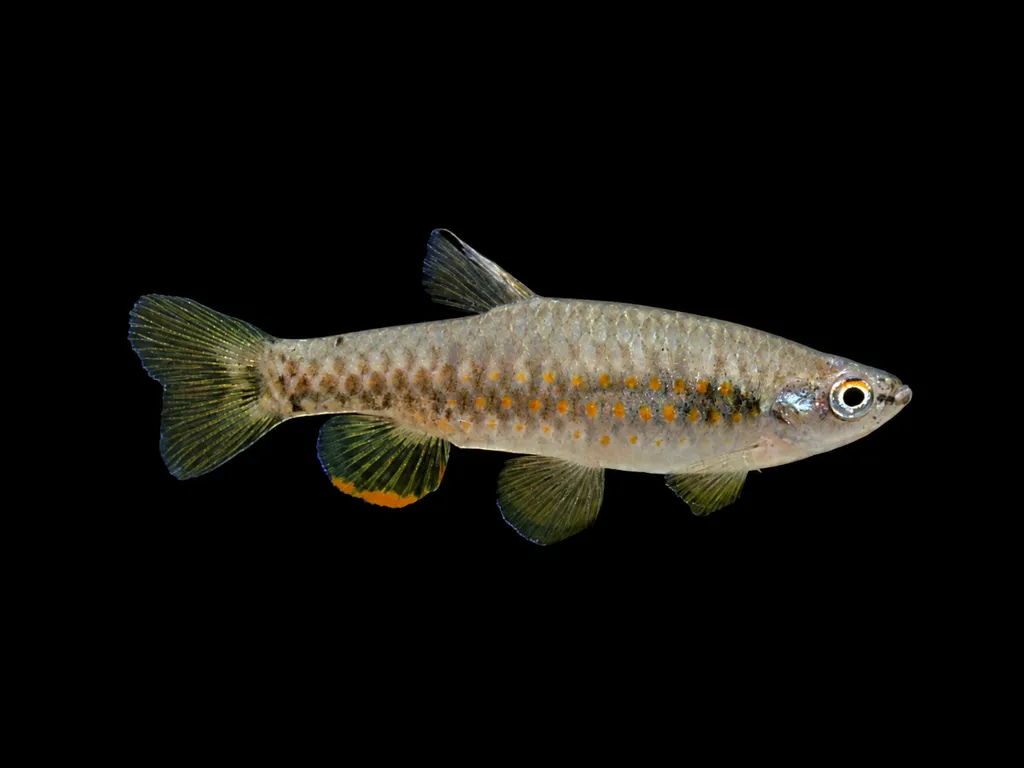
Fanning characin
Pyrrhulina rachoviana
Freshwater2 in (5 cm) · 16 gal (60 L)68–79°F (20–26°C)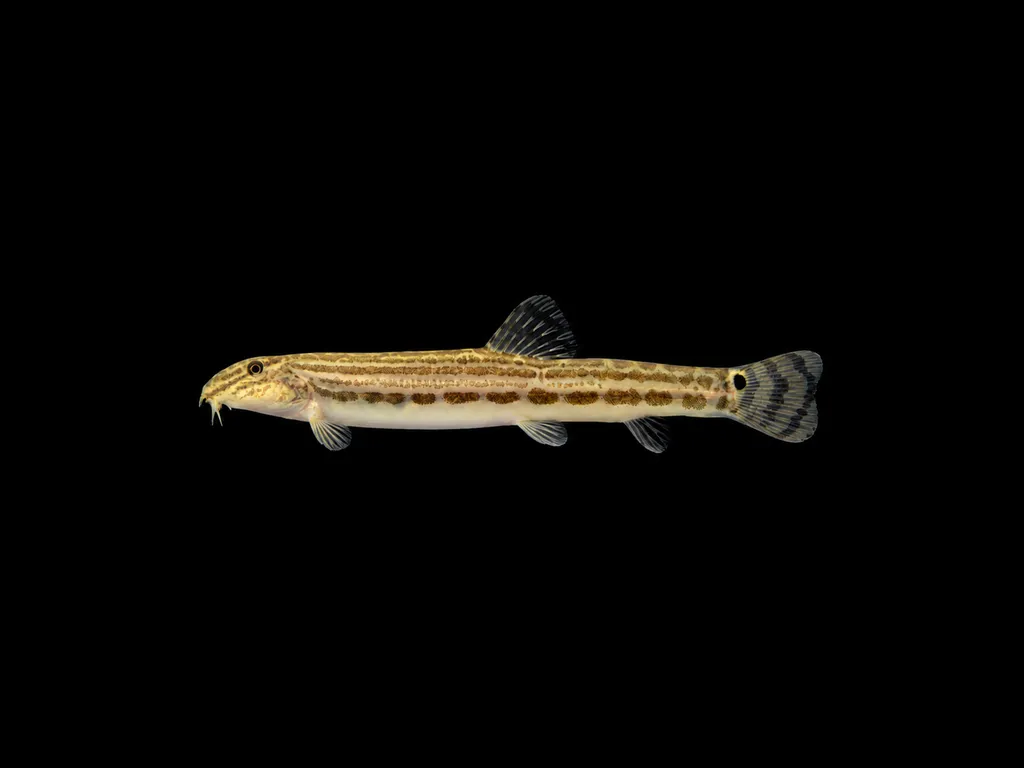
Striped spined loach
Cobitis striata
Freshwater3.9 in (10 cm) · 29 gal (110 L)57–72°F (14–22°C)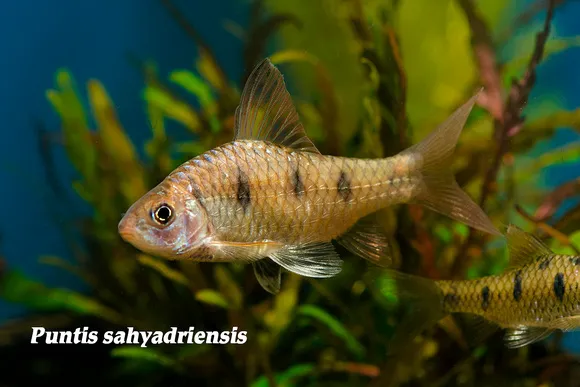
Maharaja barb
Puntius sahyadriensis
Freshwater3.5 in (9 cm) · 29 gal (110 L)68–79°F (20–26°C)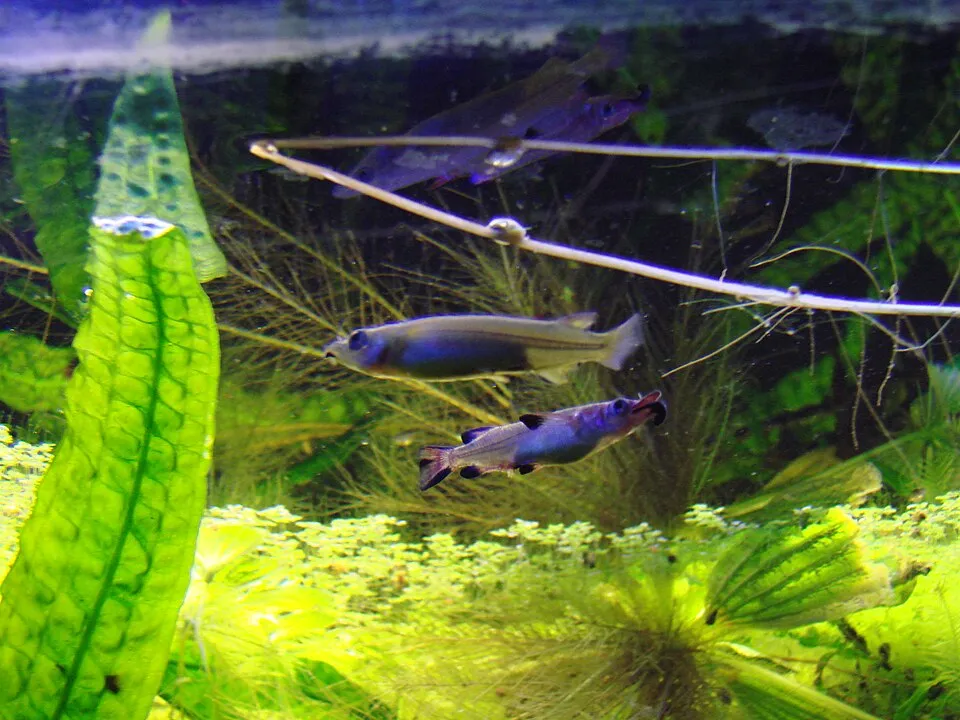
Celebes halfbeak
Nomorhamphus liemi
Freshwater3.5 in (9 cm) · 40 gal (150 L)68–77°F (20–25°C)
Common questions
What size tank does a Doctor fish need?
A Doctor fish needs at least 29 gal (110 L). It spends most of its time in the bottom.
What temperature and pH does a Doctor fish need?
A Doctor fish is comfortable at 57–68°F (14–20°C) with a pH of 6.5–8.0.
How big does a Doctor fish get?
An adult Doctor fish reaches about 4.7 in (12 cm).
Related species
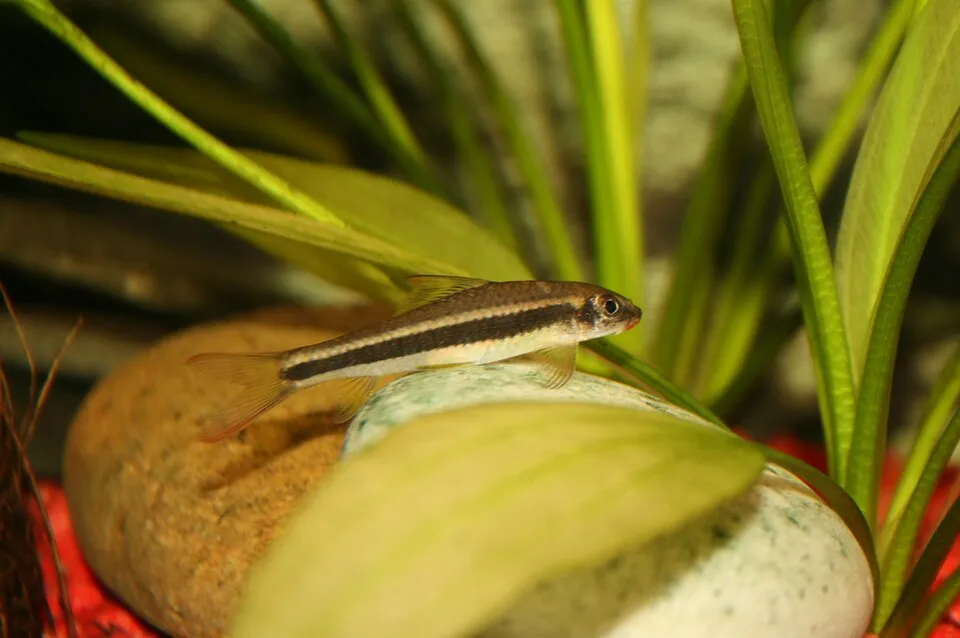 5.9 in (15 cm)32 gal (120 L)68–81°F (20–27°C)
Cambodian log sucker
Garra cambodgiensis
5.9 in (15 cm) · 32 gal (120 L)
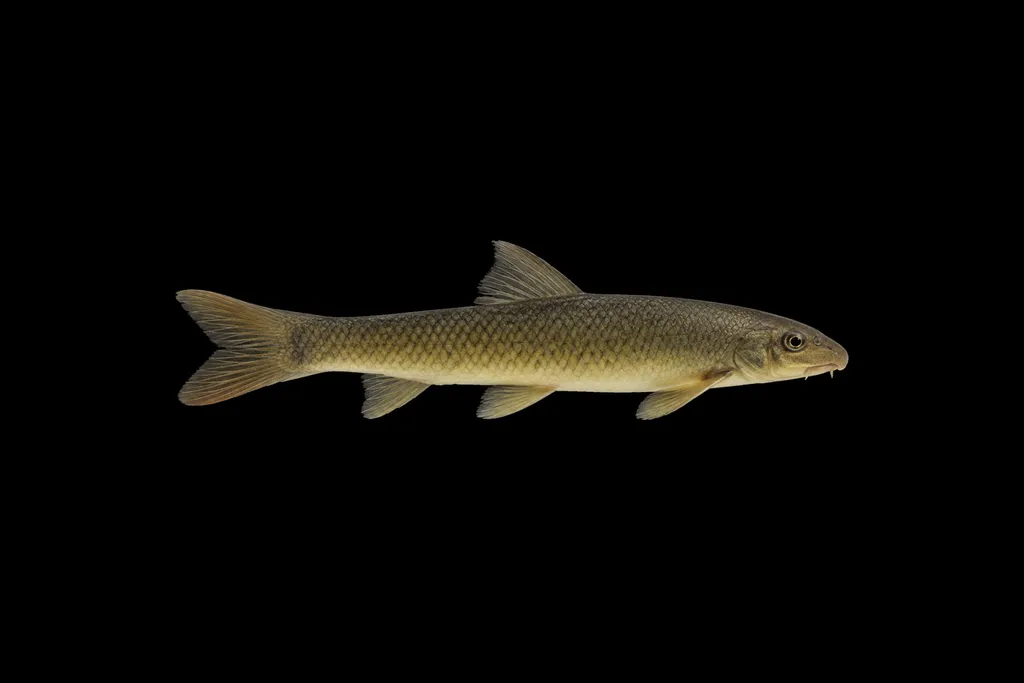 4.7 in (12 cm)29 gal (110 L)64–77°F (18–25°C)
Lamta garra
Garra lamta
4.7 in (12 cm) · 29 gal (110 L)
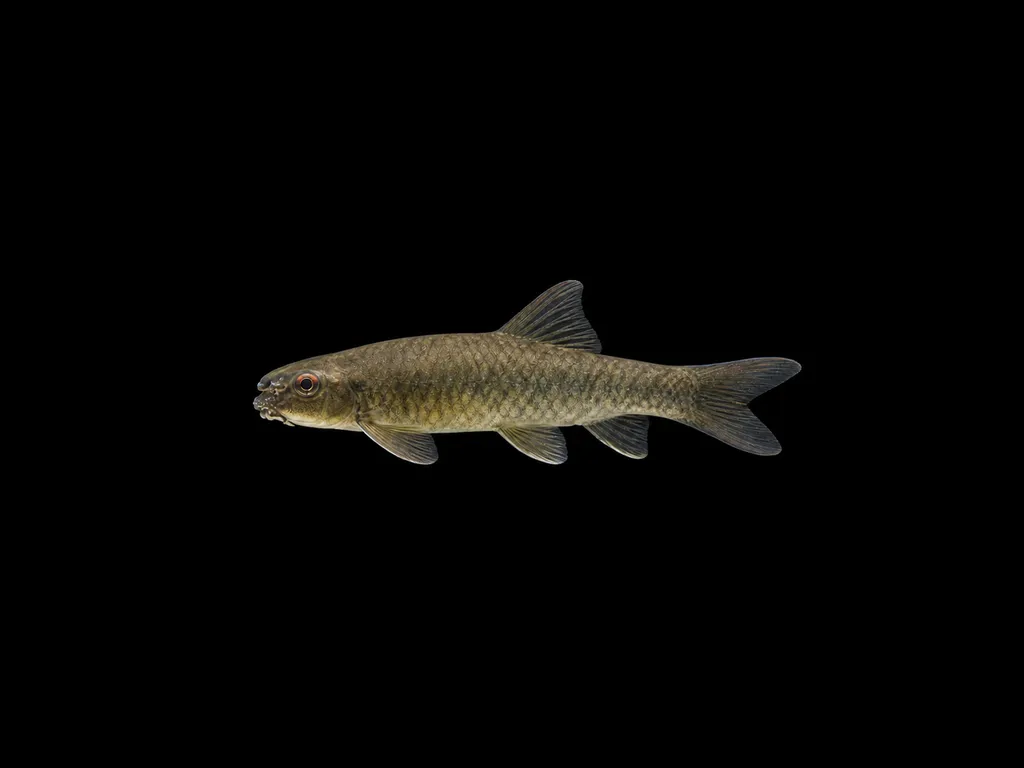 4.7 in (12 cm)29 gal (110 L)68–79°F (20–26°C)
Tunga garra
Garra bicornuta
4.7 in (12 cm) · 29 gal (110 L)
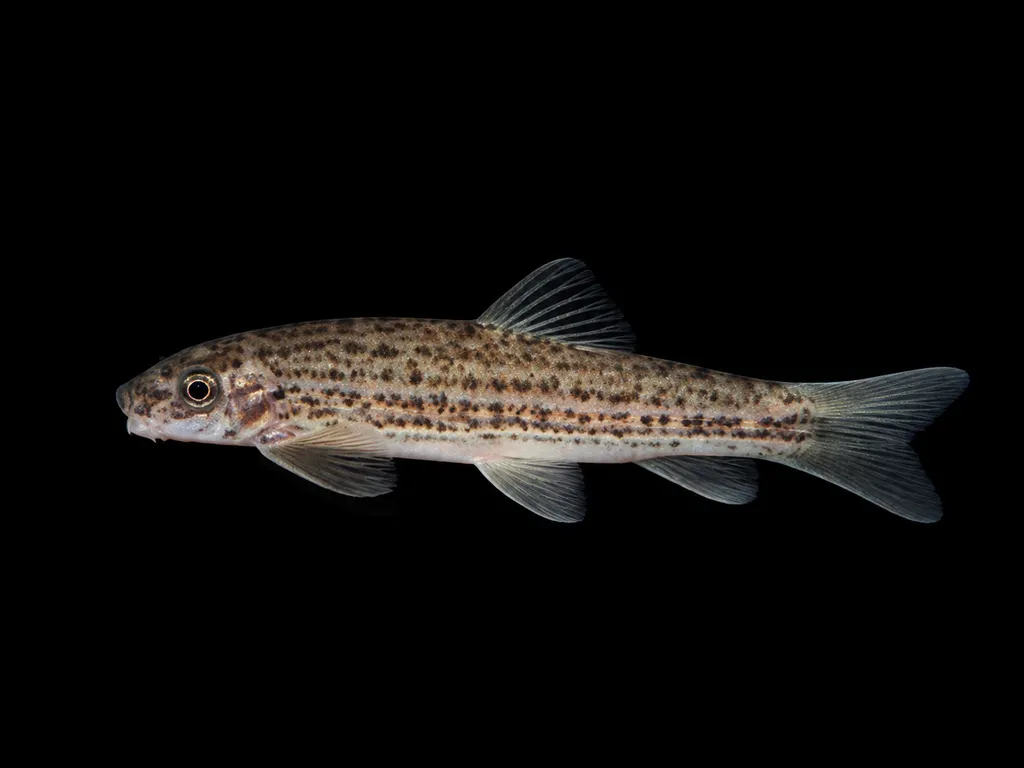 5.9 in (15 cm)42 gal (160 L)68–79°F (20–26°C)
Kerala garra
Garra surendranathanii
5.9 in (15 cm) · 42 gal (160 L)
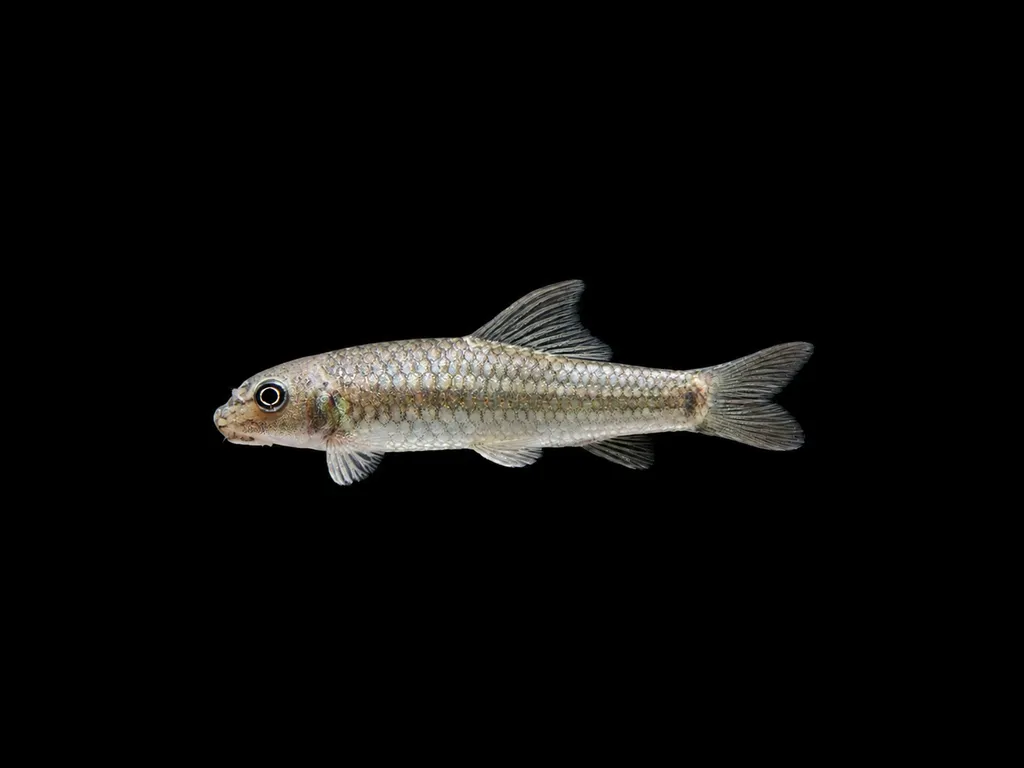 5.9 in (15 cm)42 gal (160 L)64–77°F (18–25°C)
Sucker-head garra
Garra gotyla
5.9 in (15 cm) · 42 gal (160 L)
 3.5 in (9 cm)29 gal (110 L)68–79°F (20–26°C)
Peacock-tail garra
Garra poecilura
3.5 in (9 cm) · 29 gal (110 L)