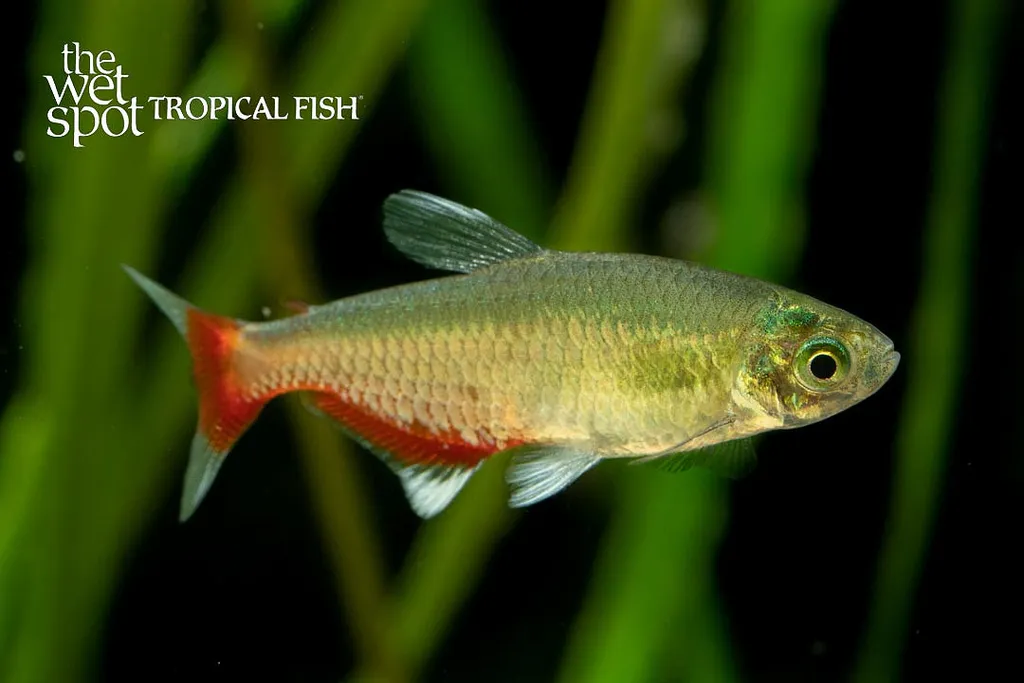
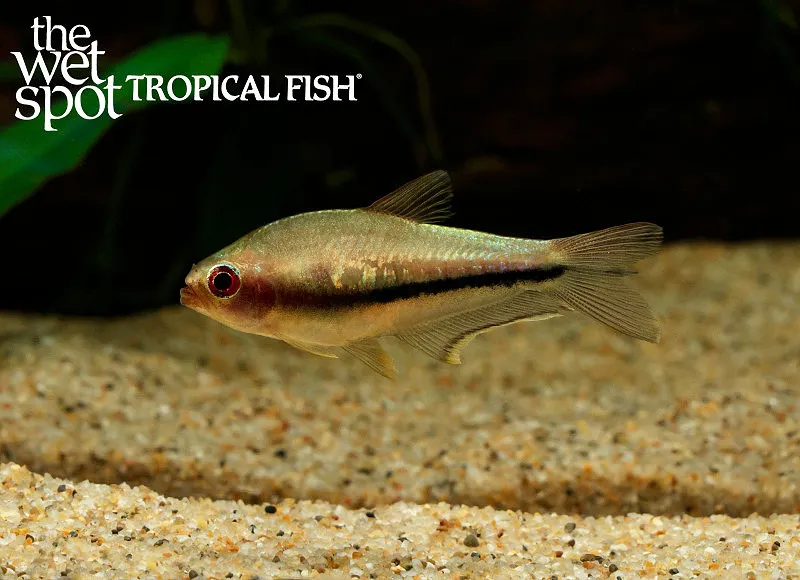
Green fire tetra
Aphyocharax rathbuni
Also known as Redflank bloodfin
FreshwaterFish
Care at a glance
- Temperature
- 72–79°F
- 22–26°C
- pH
- 6.0–7.5
- Adult size
- 2 in
- 5 cm
- Minimum tank
- 20 gal
- 75 L
- Temperament
- Mostly peaceful
- Social behavior
- Schooling
- Swim level
- Middle
- Difficulty
- Easy
- Breeding
- Egg scatterer · Medium
- Rarity
- Common
- Family
- Characidae
- Origin
- Paraguay, Paraná and Uruguay river basins, South America (Brazil, Paraguay, Argentina, Uruguay)
Overview
The green fire tetra is an active, hardy schooling fish for the middle of the tank, and it is easy to keep.
Did you know
Green fire tetras handle cooler water better than most tetras. Their Argentine and Uruguayan populations live through seasonal temperature drops down to around 20°C.
Caring for the green fire tetra
Keep green fire tetras in a group of at least six to eight, in a tank of at least 20 gal (75 L). Use a sandy substrate, dense planting around the edges and open space in the middle for swimming. Add some moderate flow to suit the moving water they are used to.
In many climates an unheated, room-temperature tank suits them if it stays at 72 to 79°F (22 to 26°C). Aim for a pH of 6.0 to 7.5 and soft to moderately hard water. Feed small flakes, micro pellets and frozen foods such as daphnia or brine shrimp.
Green fire tetras are mostly peaceful, but they have a real fin-nipping streak. A bigger school cuts down on nipping and brings out better color. Skip slow or long-finned tank mates such as bettas, gouramis, angelfish and fancy guppies. Pair them instead with robust, fast-moving species.
They scatter their eggs and give no parental care. Breeding them is neither easy nor hard.
Good to know
The green fire tetra, Aphyocharax rathbuni, is a characin in the family Characidae. FishBase lists a rare maximum near 7 cm, larger than most aquarium adults reach. A healthy fish lives several years, and most stock in the trade is commercially bred.
In the wild
Green fire tetras come from the Paraguay, Parana and Uruguay river basins across southern South America, in Brazil, Paraguay, Argentina and Uruguay. These are clear, flowing waters that cool off through the seasons.
Weekly picks
Tank mates
The green fire tetra is a mostly peaceful, schooling species that keeps to the middle. These picks share a community profile with it, are safe together in both directions, and overlap on water type, temperature and pH.
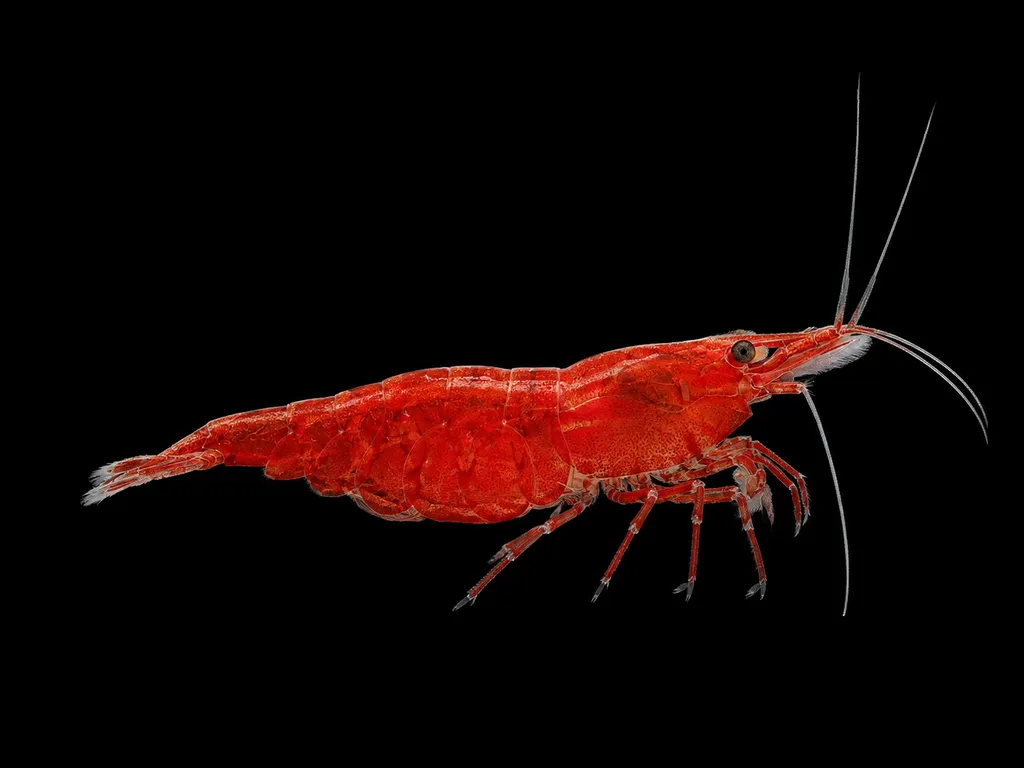
Neocaridina shrimp
Neocaridina davidi
Freshwater1.6 in (4 cm) · 5 gal (19 L)59–84°F (15–29°C)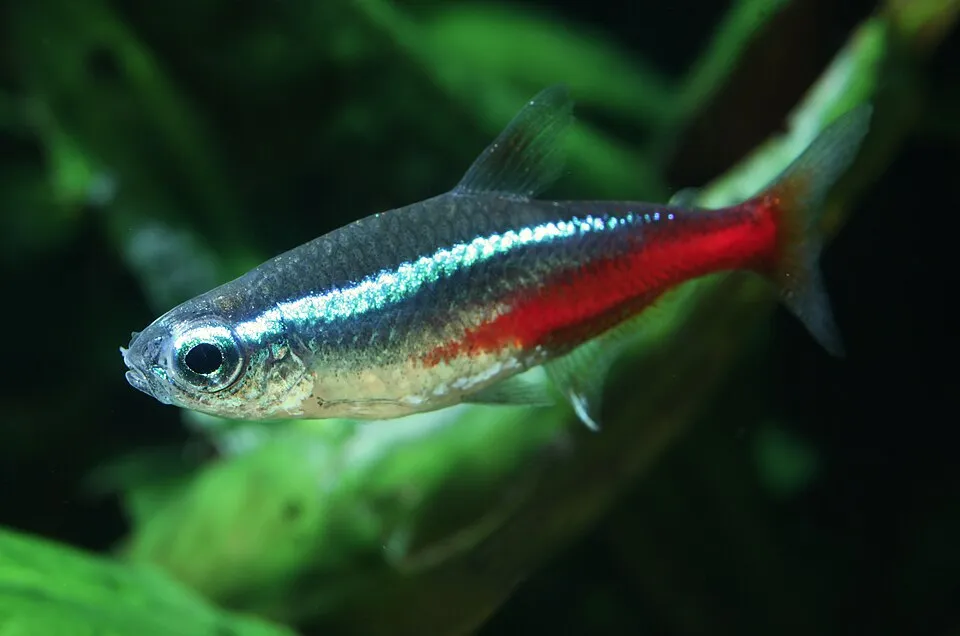
Neon tetra
Paracheirodon innesi
Freshwater1.5 in (3.8 cm) · 11 gal (40 L)70–77°F (21–25°C)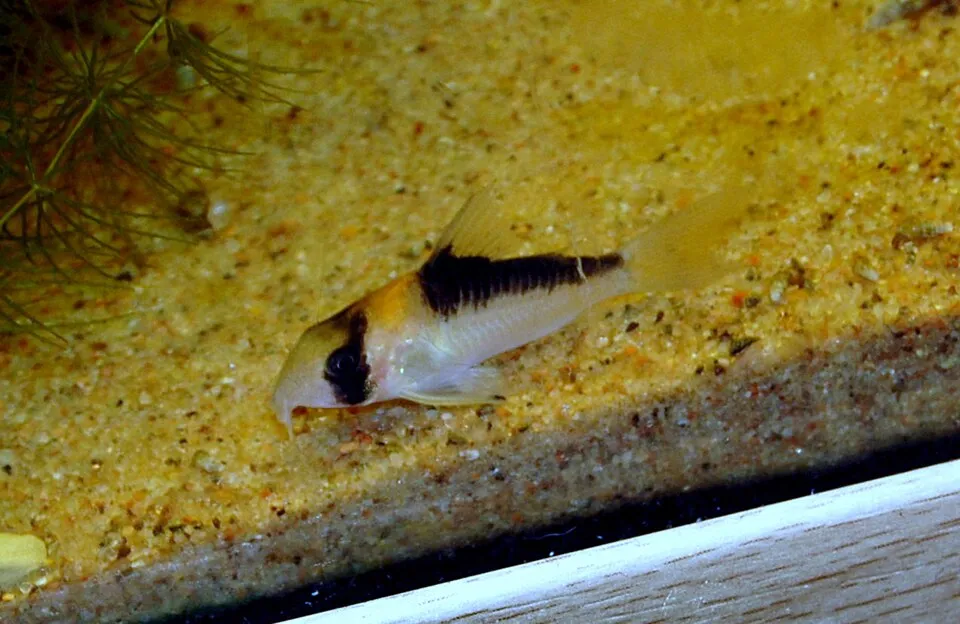
Adolfo's cory
Hoplisoma adolfoi
Freshwater2.4 in (6 cm) · 20 gal (75 L)70–79°F (21–26°C)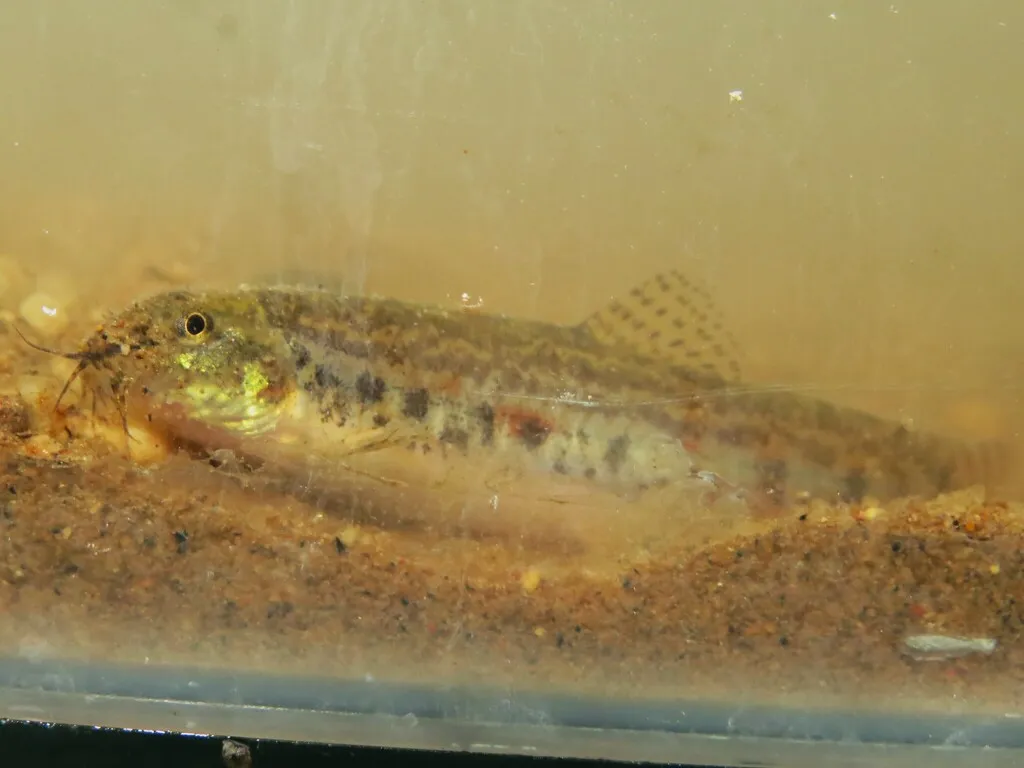
Common spiny loach
Lepidocephalichthys thermalis
Freshwater3.1 in (8 cm) · 20 gal (75 L)72–82°F (22–28°C)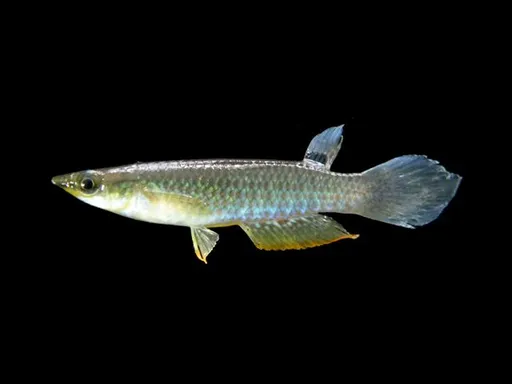
Blue panchax
Aplocheilus panchax
Freshwater3.5 in (9 cm) · 20 gal (75 L)72–82°F (22–28°C)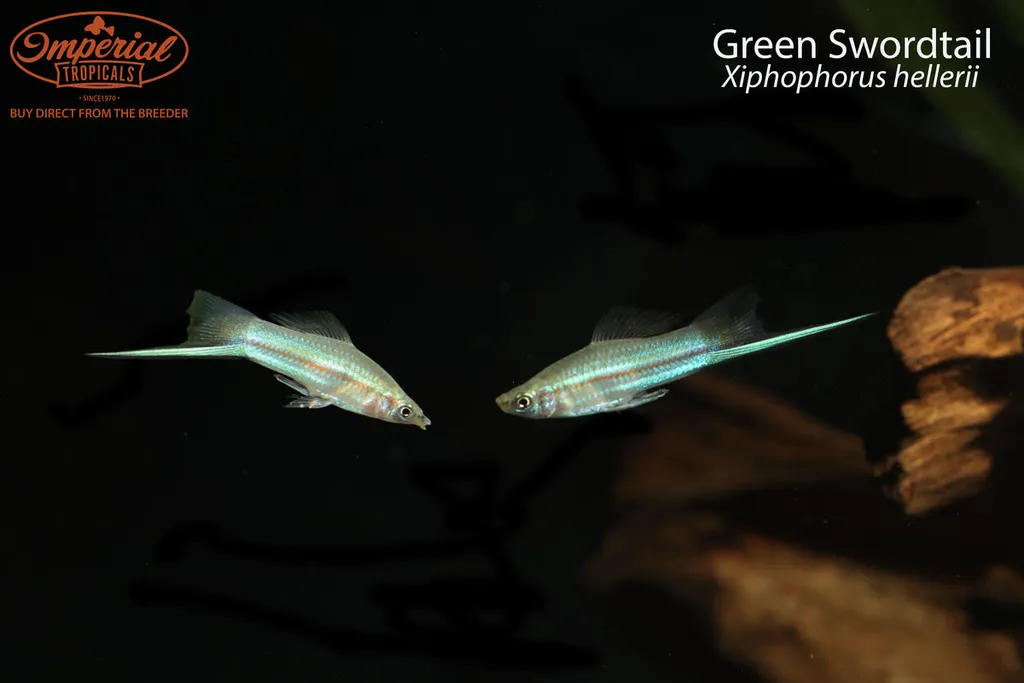
Green swordtail
Xiphophorus hellerii
Freshwater5.9 in (15 cm) · 20 gal (76 L)68–82°F (20–28°C)
Common questions
What size tank does a green fire tetra need?
A green fire tetra needs at least 20 gal (75 L). It spends most of its time in the middle.
What temperature and pH does a green fire tetra need?
A green fire tetra is comfortable at 72–79°F (22–26°C) with a pH of 6.0–7.5.
What does a green fire tetra eat?
A green fire tetra eats small flakes, micro pellets and frozen foods such as daphnia or brine shrimp.
How big does a green fire tetra get?
An adult green fire tetra reaches about 2 in (5 cm).
Does a green fire tetra need a group?
Yes. A green fire tetra is a schooling species and should be kept in a group, not singly.
How does a green fire tetra breed?
Green fire tetras are egg scatterers that give no parental care. Breeding them is neither easy nor hard.
Related species
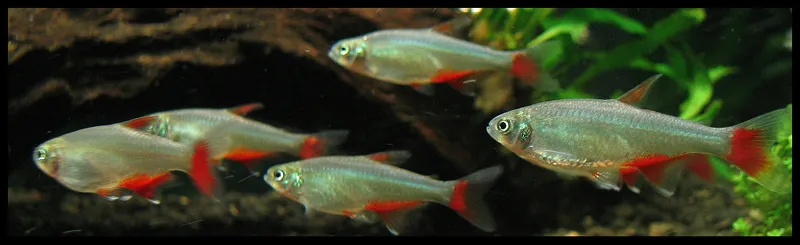 2.2 in (5.5 cm)20 gal (75 L)72–82°F (22–28°C)
Bloodfin tetra
Aphyocharax anisitsi
2.2 in (5.5 cm) · 20 gal (75 L)
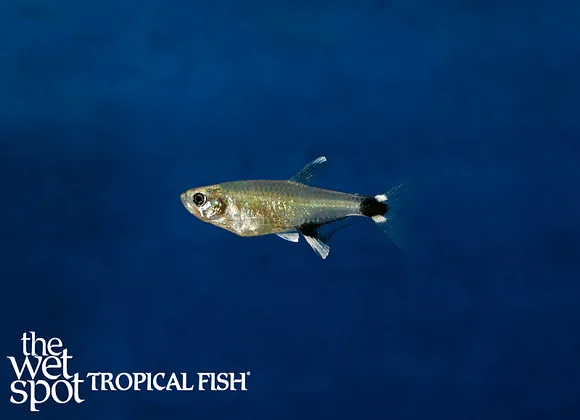 1.4 in (3.5 cm)14 gal (54 L)72–81°F (22–27°C)
Panda darter tetra
Aphyocharax nattereri
1.4 in (3.5 cm) · 14 gal (54 L)
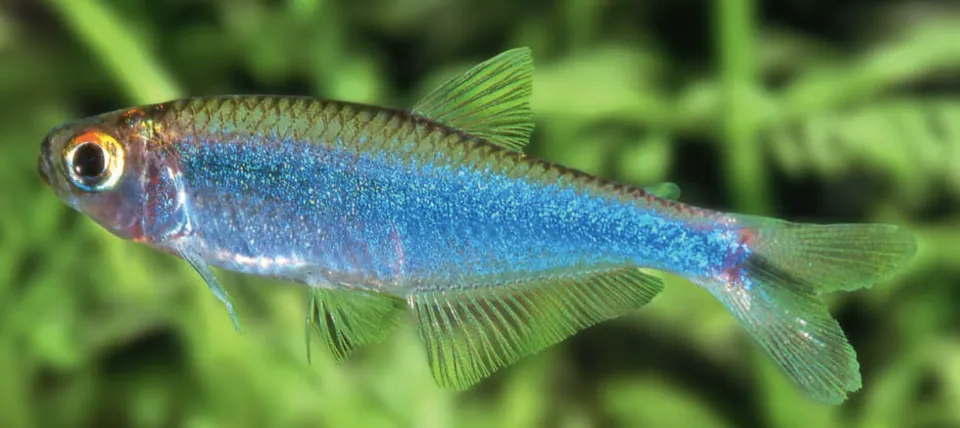 2 in (5 cm)22 gal (85 L)72–79°F (22–26°C)
Blue tetra
Knodus borki
2 in (5 cm) · 22 gal (85 L)
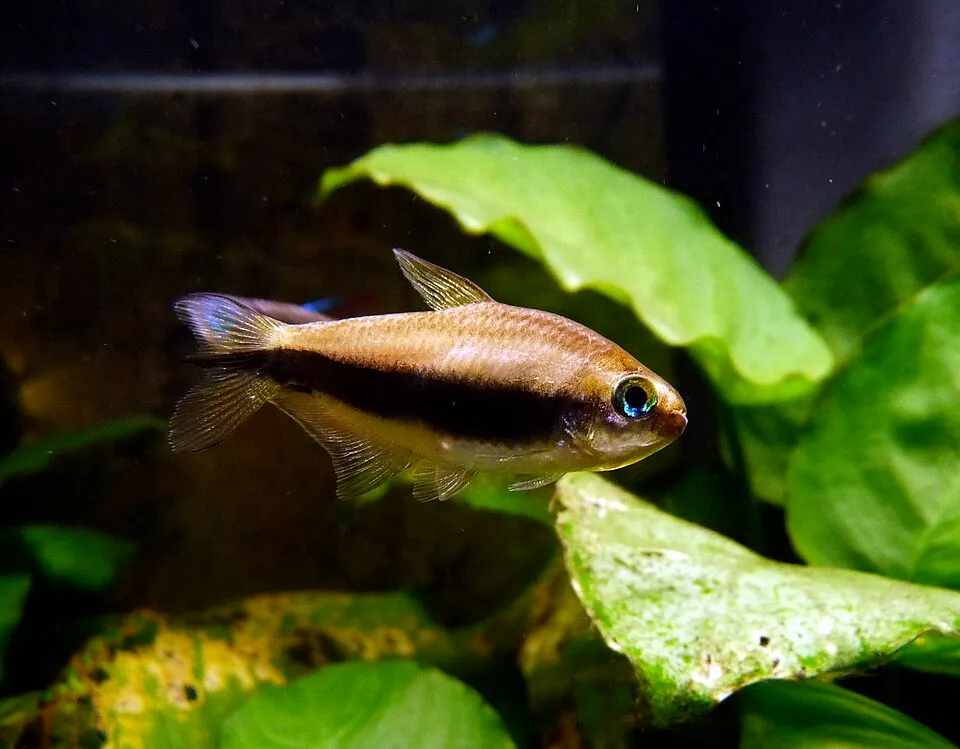 2 in (5 cm)20 gal (75 L)73–81°F (23–27°C)
Emperor tetra
Nematobrycon palmeri
2 in (5 cm) · 20 gal (75 L)
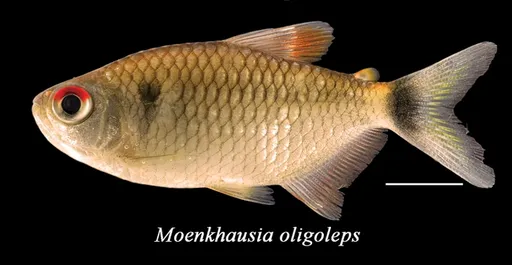 2 in (5 cm)18 gal (70 L)75–82°F (24–28°C)
Glass tetra
Moenkhausia oligolepis
2 in (5 cm) · 18 gal (70 L)
 2 in (5 cm)20 gal (75 L)73–81°F (23–27°C)
Rainbow emperor tetra
Nematobrycon lacortei
2 in (5 cm) · 20 gal (75 L)