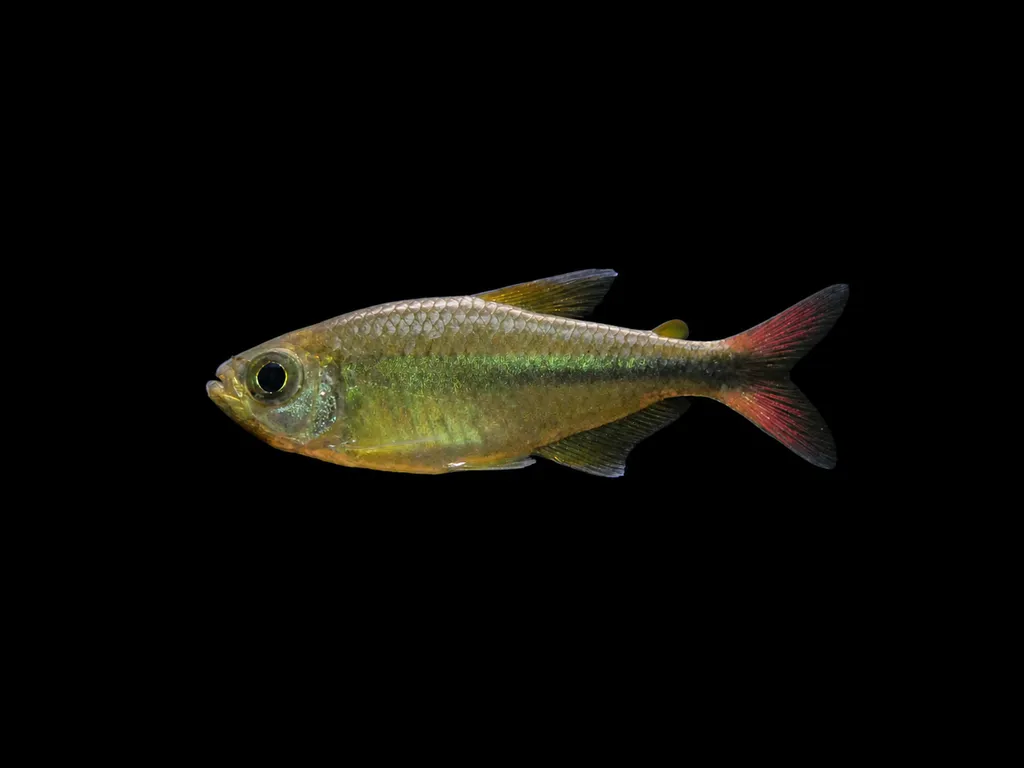
Glass tetra
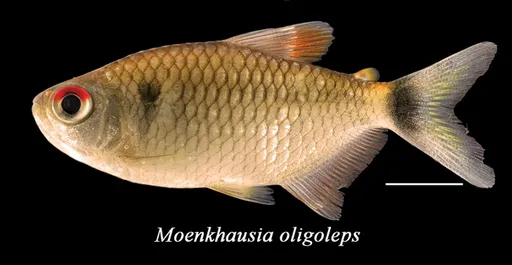
Moenkhausia oligolepis
Also known as Red-eye glass tetra
FreshwaterFish
Care at a glance
- Temperature
- 75–82°F
- 24–28°C
- pH
- 5.5–7.2
- Adult size
- 2 in
- 5 cm
- Minimum tank
- 18 gal
- 70 L
- Temperament
- Mostly peaceful
- Social behavior
- Schooling
- Swim level
- Middle
- Difficulty
- Easy
- Breeding
- Medium
- Rarity
- Common
- Family
- Characidae
- Origin
- Northern South America (Venezuela, the Guianas, Amazon basin)
Overview
Keep them in a group of at least six, and ten or more is better, in a tank of 70 liters or up with room to swim. They are mostly peaceful and sit in the middle of the water column. They can nip fins and pester smaller, slow tankmates when the group is too small or the tank is cramped, so a larger school spreads out that behavior. Keep water at 24 to 28 C, soft, and acidic to near neutral, ideally pH 6.0 to 7.0. Feed an omnivore mix of small flakes and pellets with frozen or live daphnia, bloodworm, and brine shrimp to improve color. Skip slow long-finned tankmates like bettas and guppies.
In the wild
Glass tetras come from northern South America, across Venezuela, the Guianas, and the Amazon basin, where they live in soft, slightly acidic blackwater. To match that, give them a tank stained with tannins from driftwood and dried leaves, a sand bottom, and dim lighting. Soft water on the acidic side, with pH around 6.0 to 7.0 inside the wider 5.5 to 7.2 range, brings out their best color. Hold the temperature between 24 and 28 C. They are active swimmers, so leave open room to move.
Good to know
This is a characin in the family Characidae, though FishBase now places it in the revised family Acestrorhamphidae. FishBase lists a wild maximum around 10 cm, but aquarium adults usually reach about 5 cm. It is an egg scatterer with no parental care.
Did you know
The common name comes from the silvery, semi-clear body, but the giveaway feature is the tail. Look for a dark spot at the base of the caudal fin paired with a bright reflective patch just above it, a marking that helps tell this species apart from similar silver tetras.
Weekly picks
Tank mates
Glass tetra is a mostly peaceful, schooling species that keeps to the middle. These picks share a community profile with it, are safe together in both directions, and overlap on water type, temperature and pH.
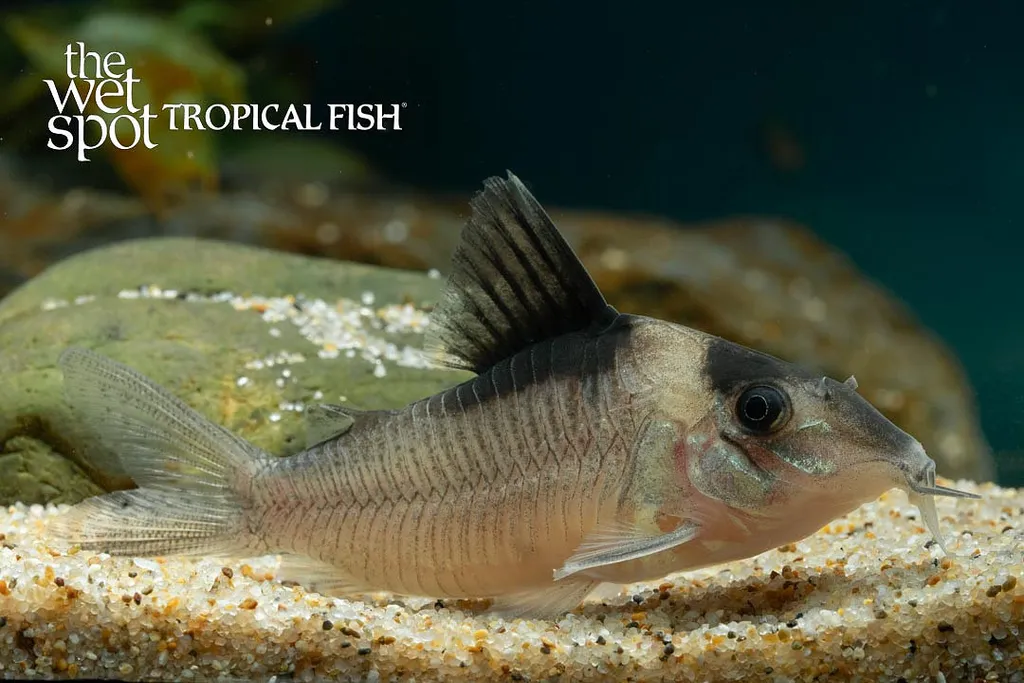
Amanda Jane's cory
Brochis amandajanea
Freshwater2.6 in (6.5 cm) · 20 gal (75 L)75–82°F (24–28°C)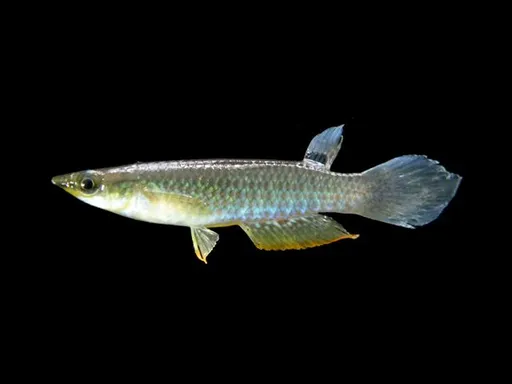
Blue panchax
Aplocheilus panchax
Freshwater3.5 in (9 cm) · 20 gal (75 L)72–82°F (22–28°C)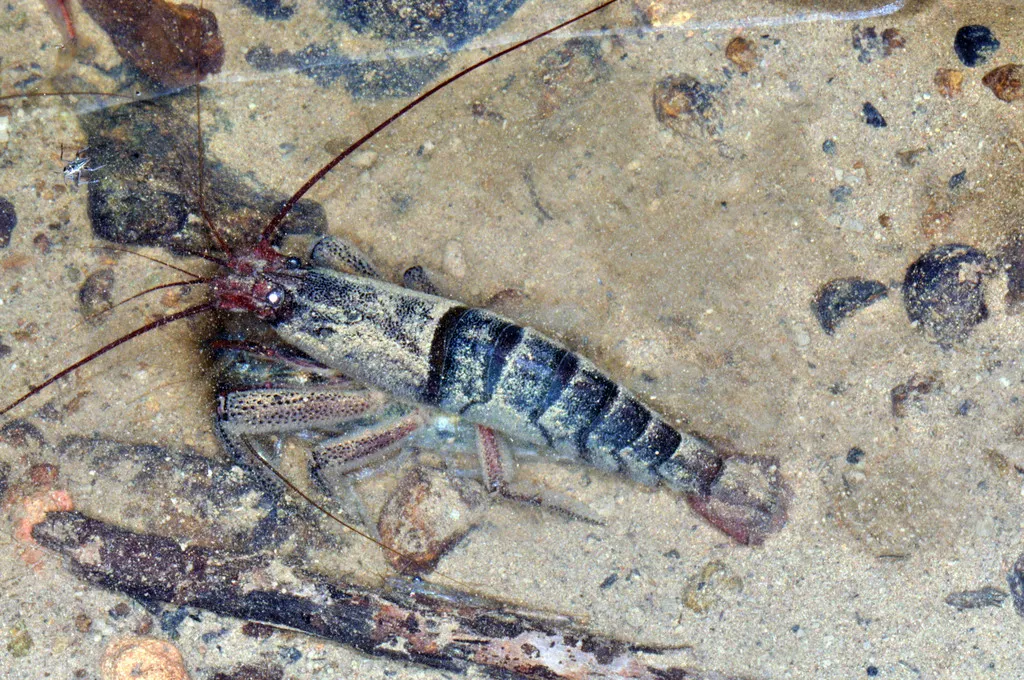
Marble wood shrimp
Atya scabra
Freshwater3.9 in (10 cm) · 20 gal (75 L)73–82°F (23–28°C)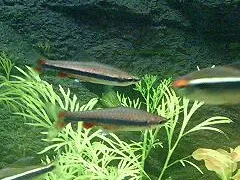
Golden pencilfish
Nannostomus beckfordi
Freshwater2.4 in (6 cm) · 18 gal (70 L)70–81°F (21–27°C)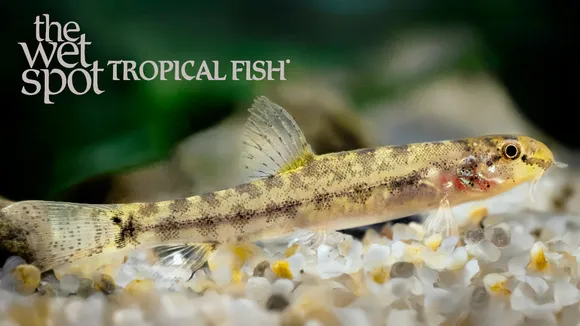
Forktail spiny loach
Lepidocephalichthys furcatus
Freshwater2.4 in (6 cm) · 20 gal (75 L)73–82°F (23–28°C)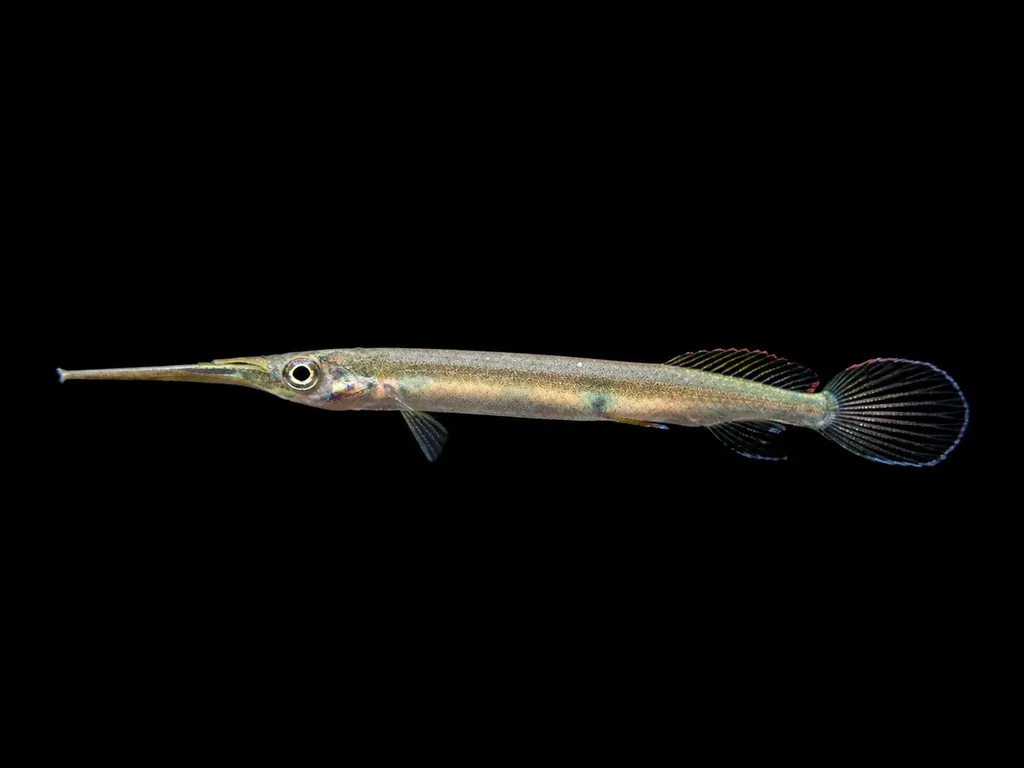
Kuekenthal's halfbeak
Hemirhamphodon kuekenthali
Freshwater3.3 in (8.5 cm) · 20 gal (75 L)73–81°F (23–27°C)
Common questions
What size tank does a Glass tetra need?
A Glass tetra needs at least 18 gal (70 L). It spends most of its time in the middle.
What temperature and pH does a Glass tetra need?
A Glass tetra is comfortable at 75–82°F (24–28°C) with a pH of 5.5–7.2.
How big does a Glass tetra get?
An adult Glass tetra reaches about 2 in (5 cm).
Does a Glass tetra need a group?
Yes. A Glass tetra is a schooling species and should be kept in a group, not singly.
Related species
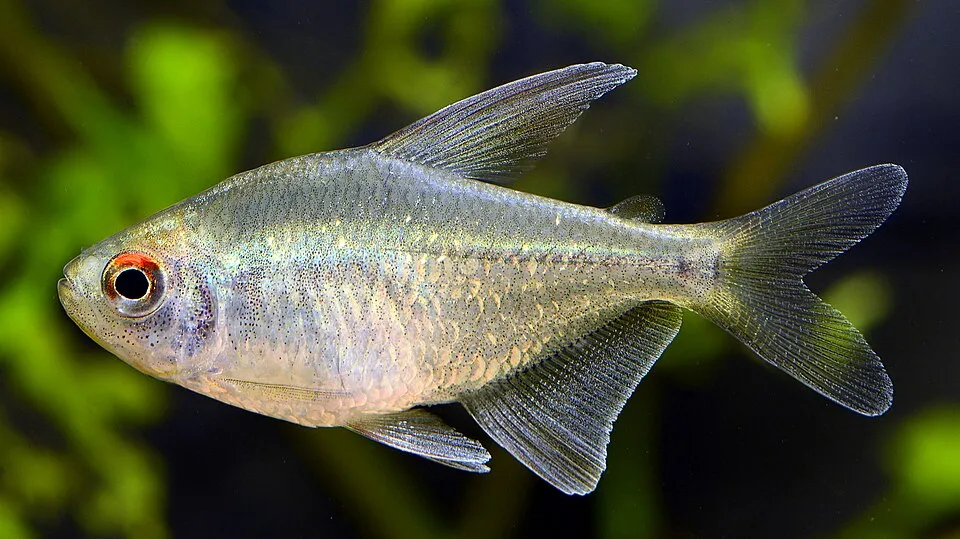 2.4 in (6 cm)20 gal (75 L)75–82°F (24–28°C)
Diamond tetra
Moenkhausia pittieri
2.4 in (6 cm) · 20 gal (75 L)
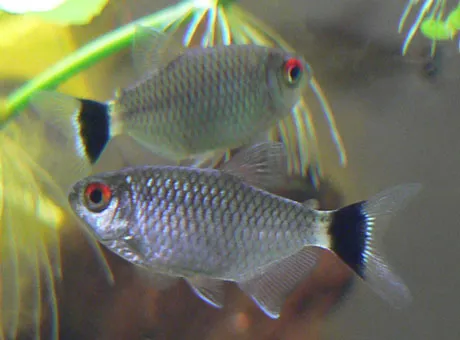 2.8 in (7 cm)28 gal (105 L)72–79°F (22–26°C)
Red eye tetra
Moenkhausia sanctaefilomenae
2.8 in (7 cm) · 28 gal (105 L)
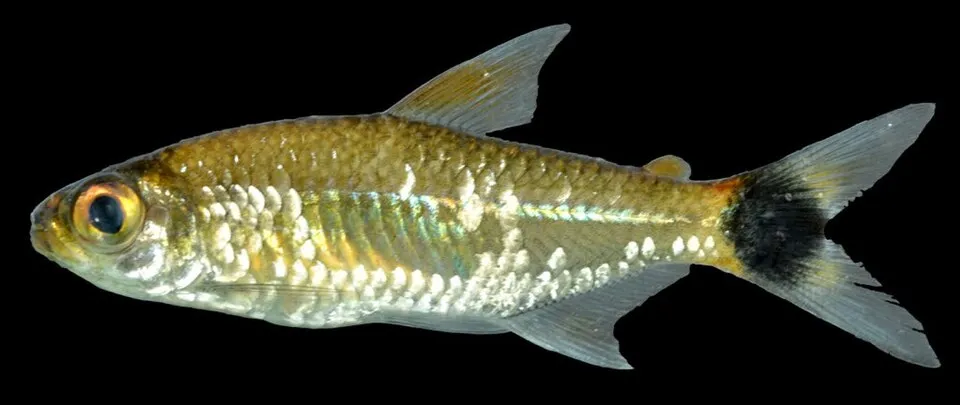 2 in (5 cm)16 gal (60 L)75–82°F (24–28°C)
Ceros tetra
Moenkhausia ceros
2 in (5 cm) · 16 gal (60 L)
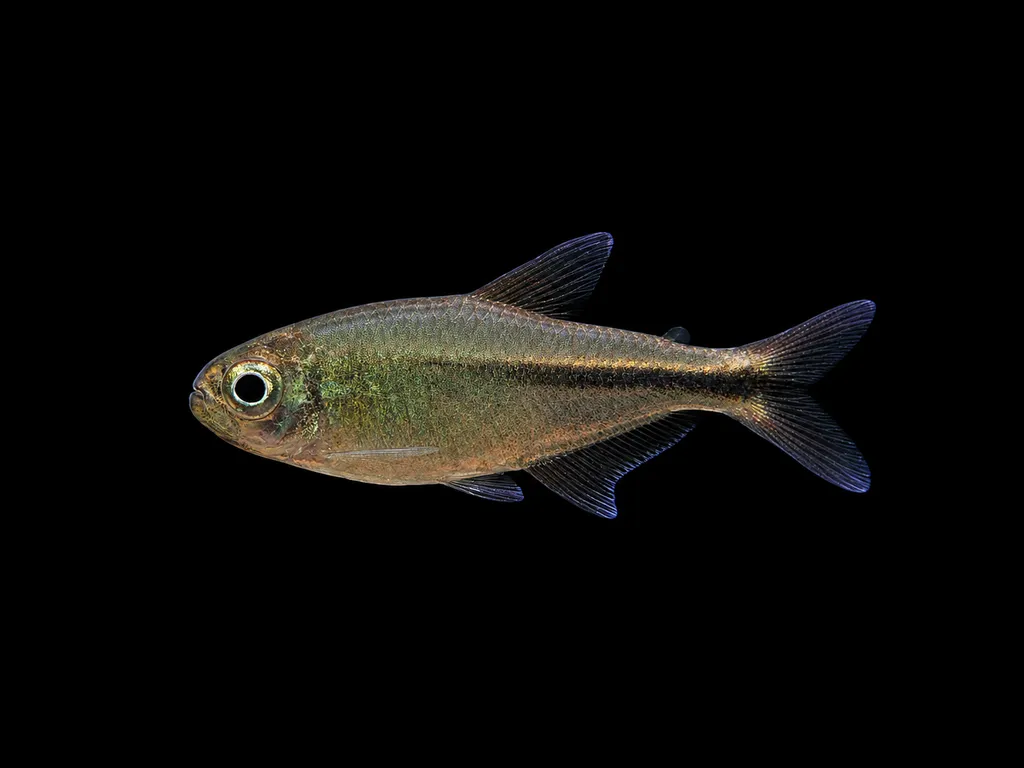 2 in (5.2 cm)20 gal (75 L)73–82°F (23–28°C)
Aurora tetra
Moenkhausia aurora
2 in (5.2 cm) · 20 gal (75 L)
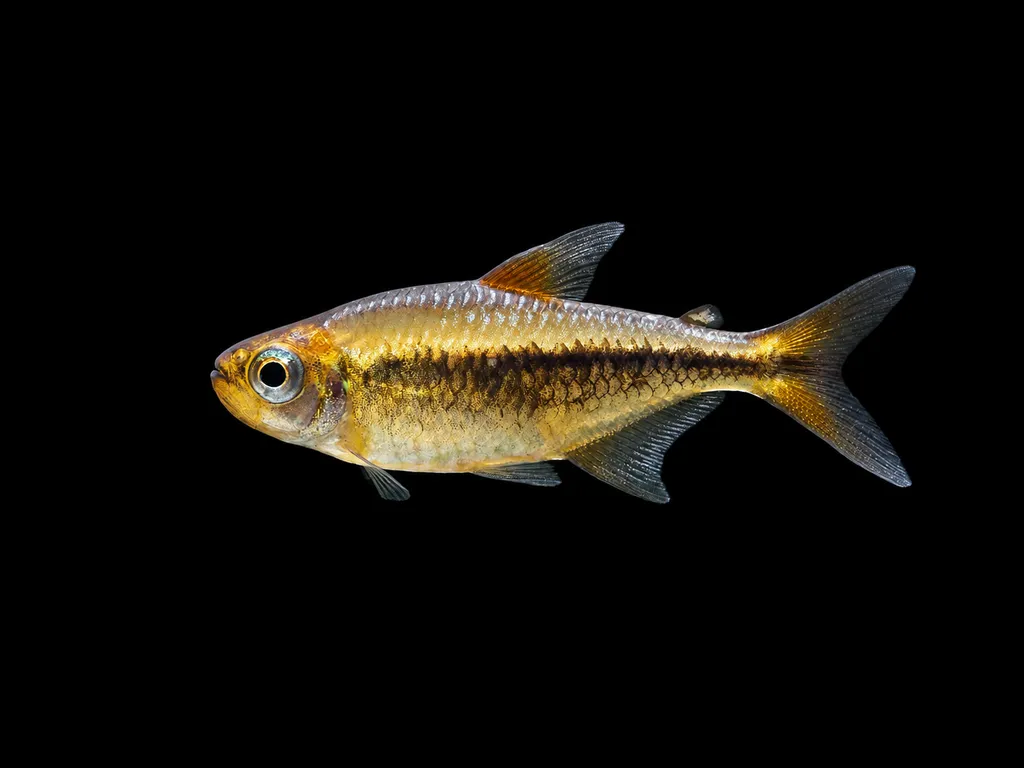 2.1 in (5.3 cm)20 gal (75 L)73–82°F (23–28°C)
Blackmargin tetra
Moenkhausia nigromarginata
2.1 in (5.3 cm) · 20 gal (75 L)
 1.9 in (4.7 cm)20 gal (75 L)72–81°F (22–27°C)
Lopes's tetra
Moenkhausia lopesi
1.9 in (4.7 cm) · 20 gal (75 L)