Pinocchio whiptail
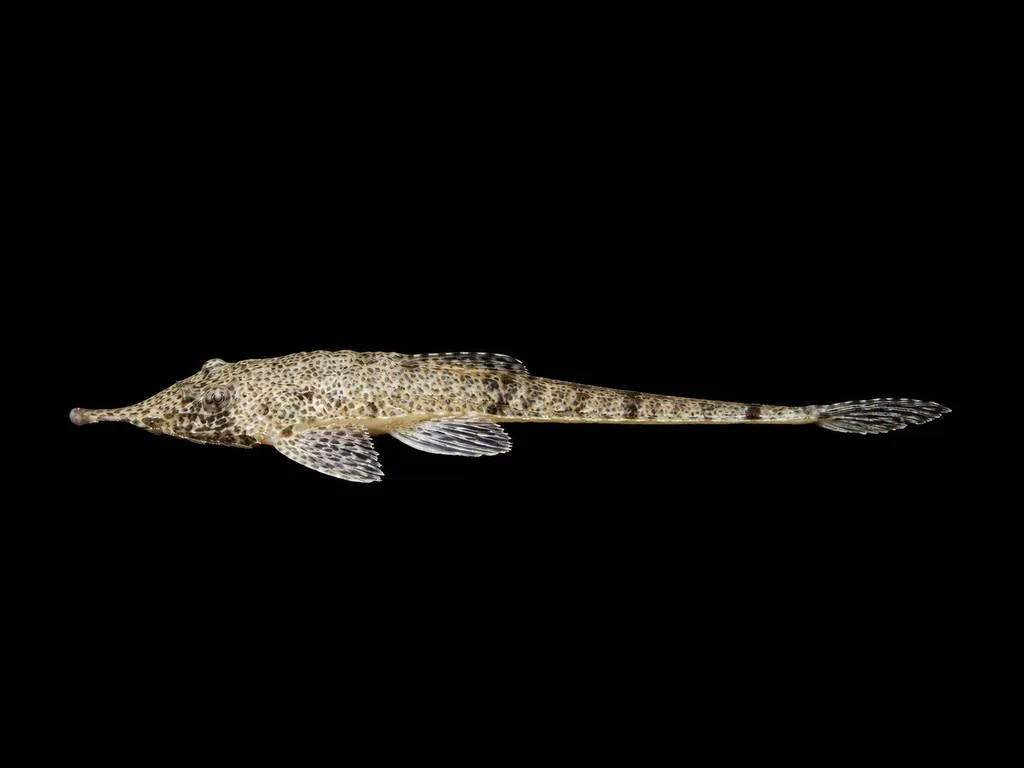
Hemiodontichthys acipenserinus
Also known as Pinocchio whiptail catfish, Sturgeon whiptail
FreshwaterFish
Care at a glance
- Temperature
- 73–82°F
- 23–28°C
- pH
- 5.5–7.2
- Adult size
- 5.3 in
- 13.5 cm
- Minimum tank
- 18 gal
- 70 L
- Temperament
- Peaceful
- Social behavior
- Schooling
- Swim level
- Bottom
- Difficulty
- Medium
- Breeding
- Egg carrier
- Rarity
- Rare
- Family
- Loricariidae
- Origin
- Sandy shallows across the Amazon and Guiana lowlands
Overview
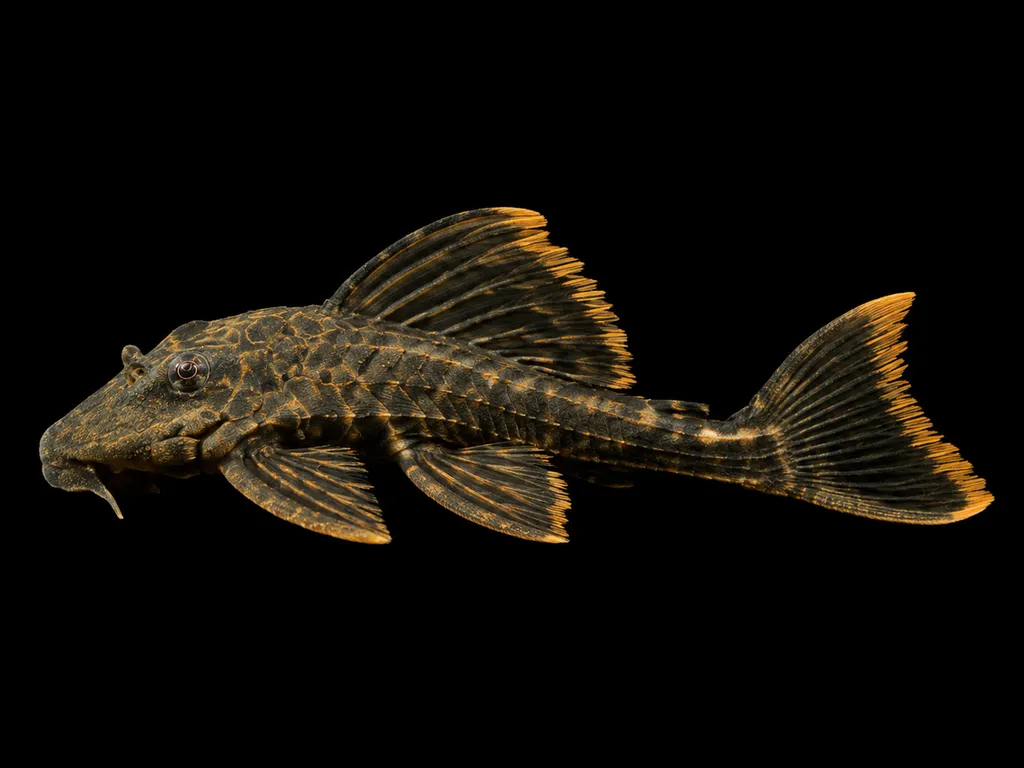
The Pinocchio whiptail is a slender, sand-lying catfish with a comically long snout, suited to a calm tank with a wide sand floor. It is a step up from the easiest fish.
Did you know
The Pinocchio whiptail's genus, Hemiodontichthys, stands alone, with no close relatives.
Caring for the Pinocchio whiptail
Give the Pinocchio whiptail at least 18 gal (70 L), with a wide, open floor of soft, fine sand. Fine sand is a must, both for its camouflage and to protect its long body. Keep the decor light, with a few pieces of wood and some quiet corners. It spends the day resting on or half-buried in the sand.
Keep the water clean and gently flowing, at 73 to 82°F (23 to 28°C). The water should be soft and slightly acidic to neutral, with a pH of 5.5 to 7.2.
It is shy and slow to feed, so give it sinking foods it can find at leisure. Frozen bloodworms, daphnia, chopped earthworm and sinking pellets all suit it.
The Pinocchio whiptail is a sociable, shoaling fish, so keep a group of several rather than one. There is no set limit on how many can live together. It is peaceful but shy, so only small, calm, unhurried fish belong with it.
Like several whiptails, the Pinocchio whiptail is a paternal lip brooder, though aquarium spawning is only occasionally recorded. The male carries the fertilized egg mass on his lower lip and barbels, ventilating it with his mouth for around two weeks. He keeps burrowing into the sand all the while, looking as though he wears a pale mustache of his own offspring.
Good to know
The Pinocchio whiptail is a whiptail catfish in the family Loricariidae. Its species name, acipenserinus, likens the drawn-out, upturned snout to a sturgeon.
In the wild
The Pinocchio whiptail ranges widely across the sandy shallows of the Amazon and Guiana lowlands. It lies still on open sand with its nose raised, passing for a piece of debris.
Weekly picks
Tank mates
The Pinocchio whiptail is a peaceful, schooling species that keeps to the bottom. These picks share a community profile with it, are safe together in both directions, and overlap on water type, temperature and pH.
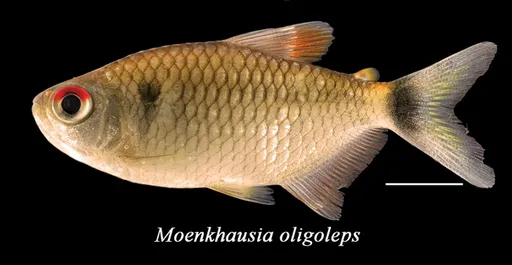
Glass tetra
Moenkhausia oligolepis
Freshwater2 in (5 cm) · 18 gal (70 L)75–82°F (24–28°C)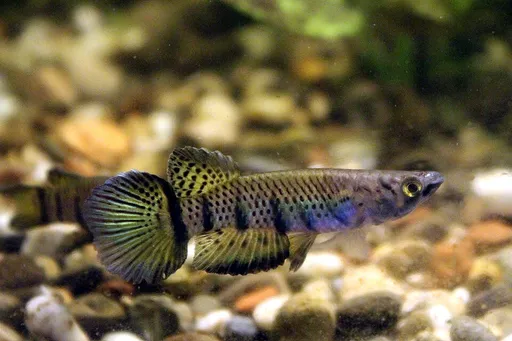
Six-barred panchax
Epiplatys sexfasciatus
Freshwater3.9 in (10 cm) · 20 gal (75 L)72–81°F (22–27°C)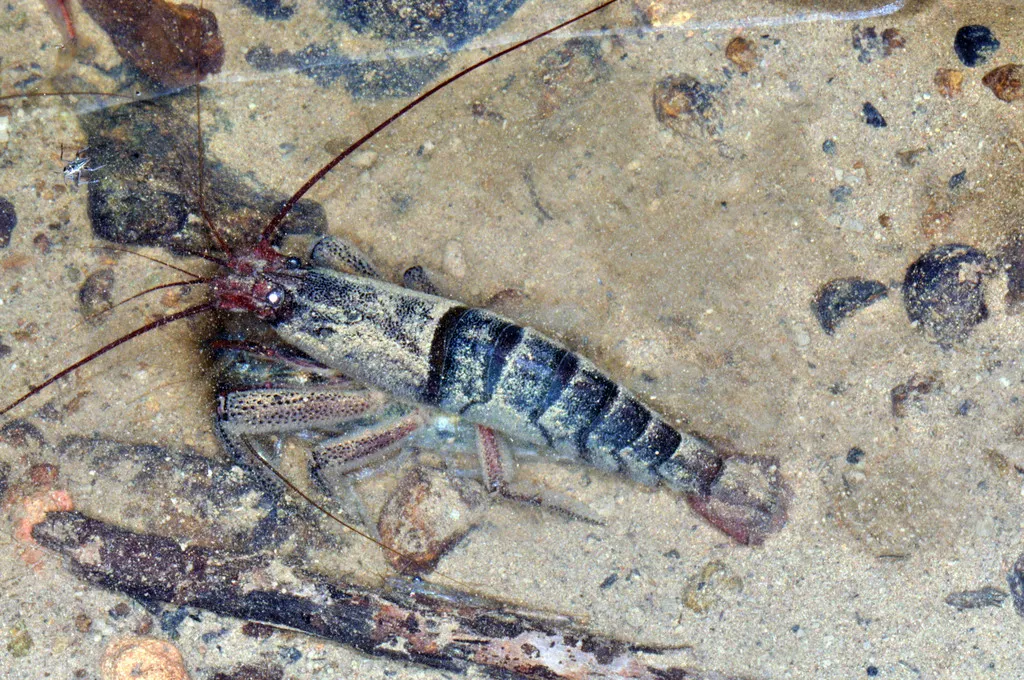
Marble wood shrimp
Atya scabra
Freshwater3.9 in (10 cm) · 20 gal (75 L)73–82°F (23–28°C)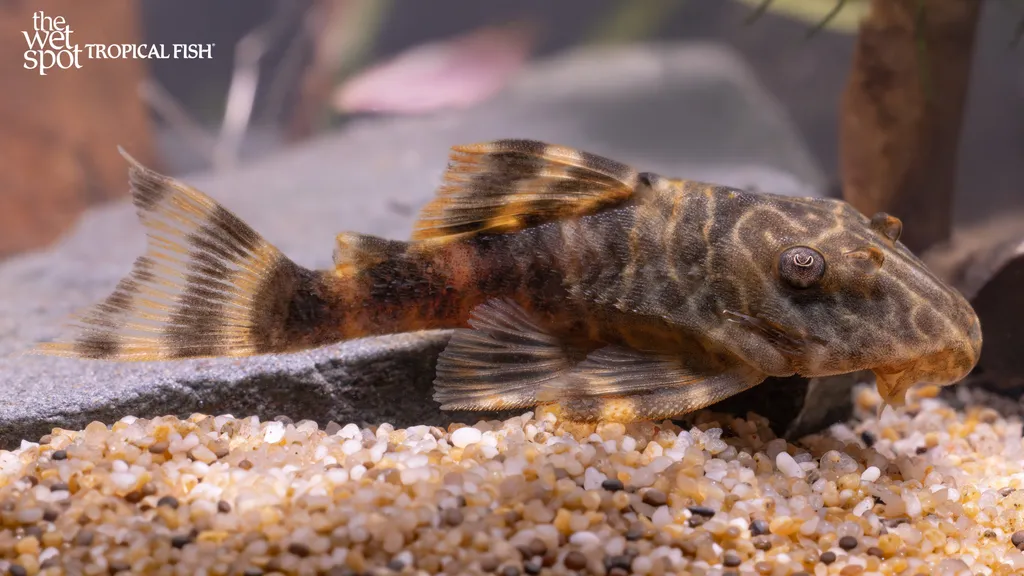
Clown pleco
Panaqolus maccus
Freshwater3.5 in (9 cm) · 20 gal (75 L)73–82°F (23–28°C)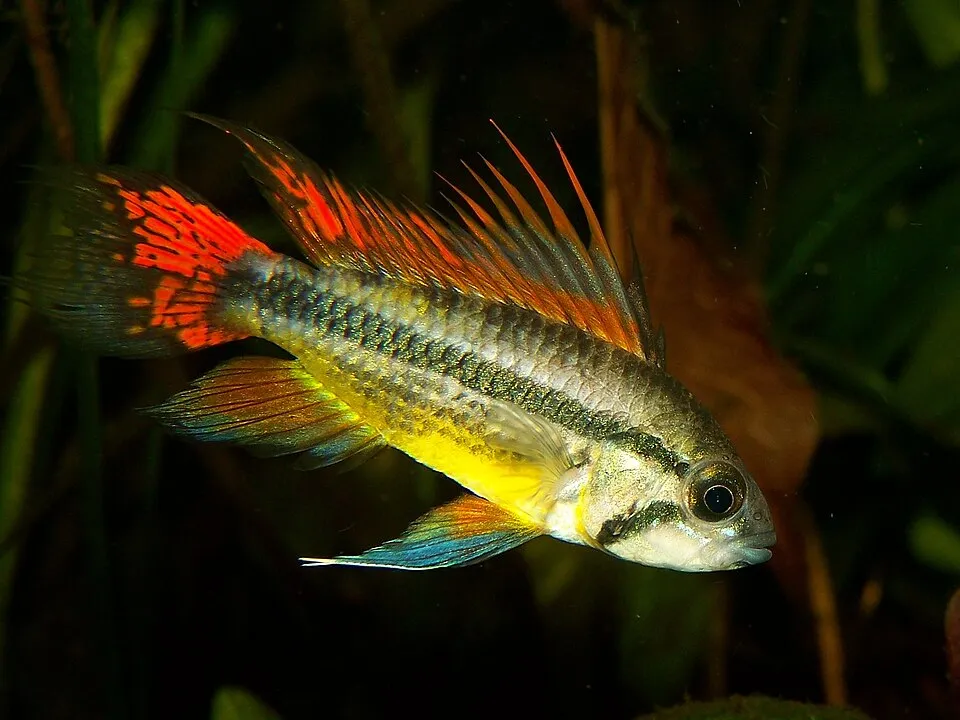
Cockatoo cichlid
Apistogramma cacatuoides
Freshwater3 in (7.5 cm) · 18 gal (70 L)72–84°F (22–29°C)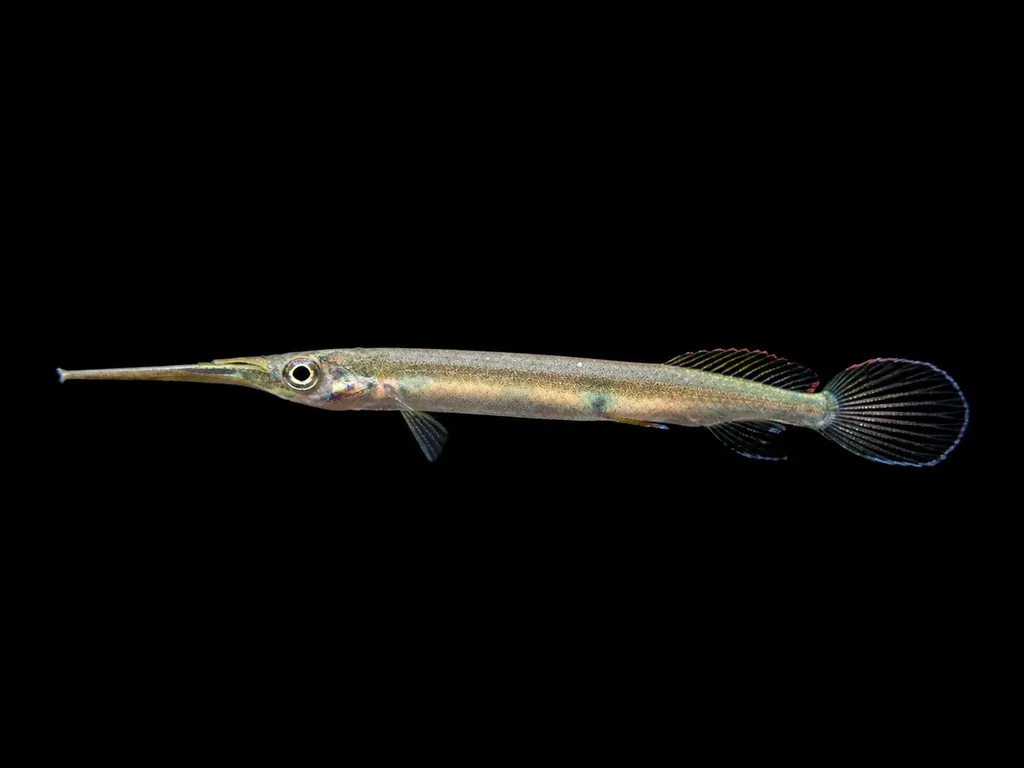
Kuekenthal's halfbeak
Hemirhamphodon kuekenthali
Freshwater3.3 in (8.5 cm) · 20 gal (75 L)73–81°F (23–27°C)
Common questions
What size tank does a Pinocchio whiptail need?
A Pinocchio whiptail needs at least 18 gal (70 L). It spends most of its time in the bottom.
What temperature and pH does a Pinocchio whiptail need?
A Pinocchio whiptail is comfortable at 73–82°F (23–28°C) with a pH of 5.5–7.2.
What does a Pinocchio whiptail eat?
A Pinocchio whiptail eats sinking foods, such as frozen bloodworms, daphnia, chopped earthworm and sinking pellets. It is slow to feed, so it needs food it can find at leisure.
How big does a Pinocchio whiptail get?
An adult Pinocchio whiptail reaches about 5.3 in (13.5 cm).
Does a Pinocchio whiptail need a group?
Yes. A Pinocchio whiptail is a schooling species and should be kept in a group, not singly.
Related species
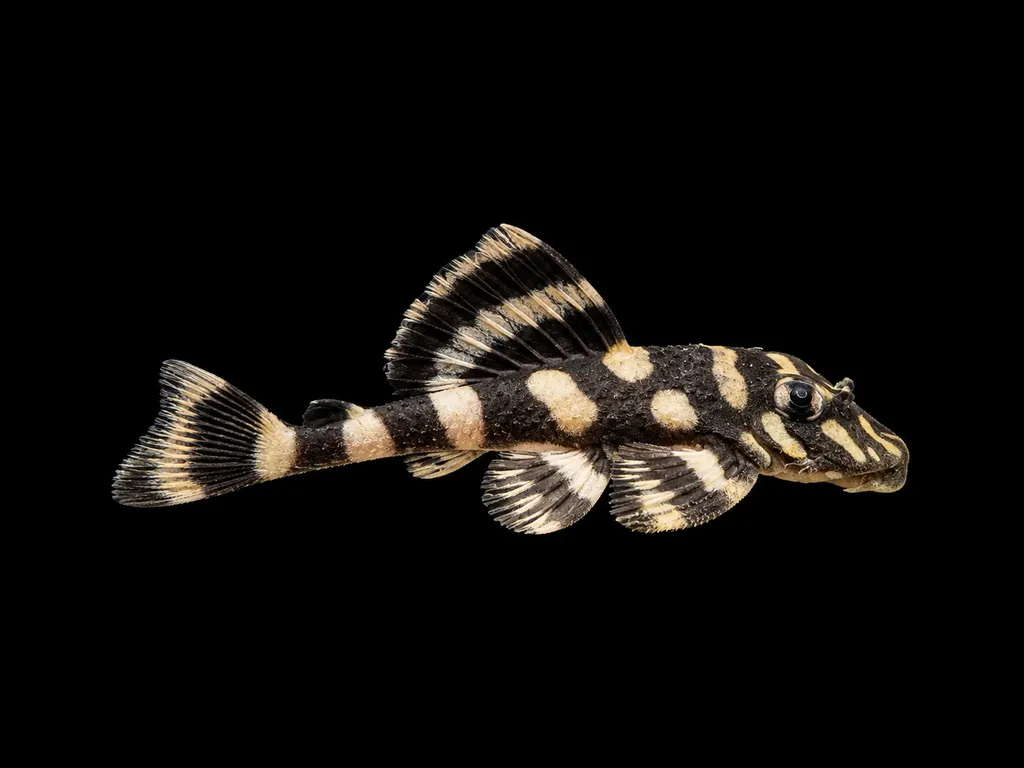 5.5 in (14 cm)53 gal (200 L)77–84°F (25–29°C)
Atabapo butterfly pleco
Dekeyseria picta
5.5 in (14 cm) · 53 gal (200 L)
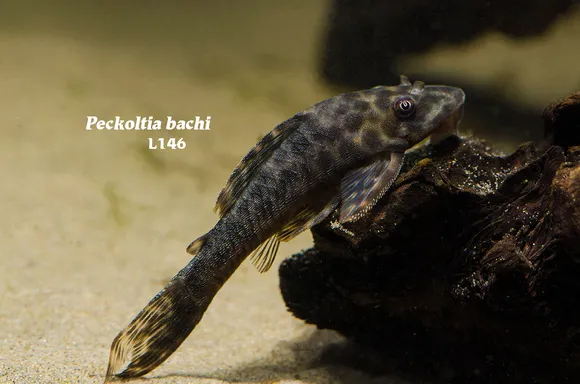 5.5 in (14 cm)53 gal (200 L)77–84°F (25–29°C)
Bola pleco
Peckoltia bachi
5.5 in (14 cm) · 53 gal (200 L)
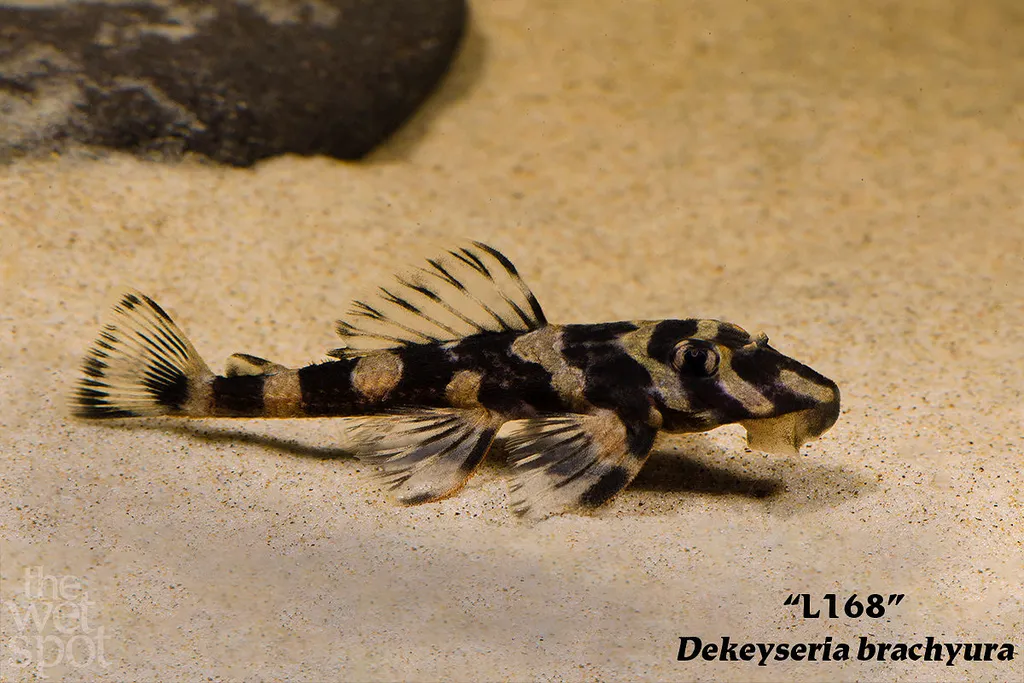 5.5 in (14 cm)40 gal (150 L)77–84°F (25–29°C)
Butterfly pleco (L168)
Dekeyseria brachyura
5.5 in (14 cm) · 40 gal (150 L)
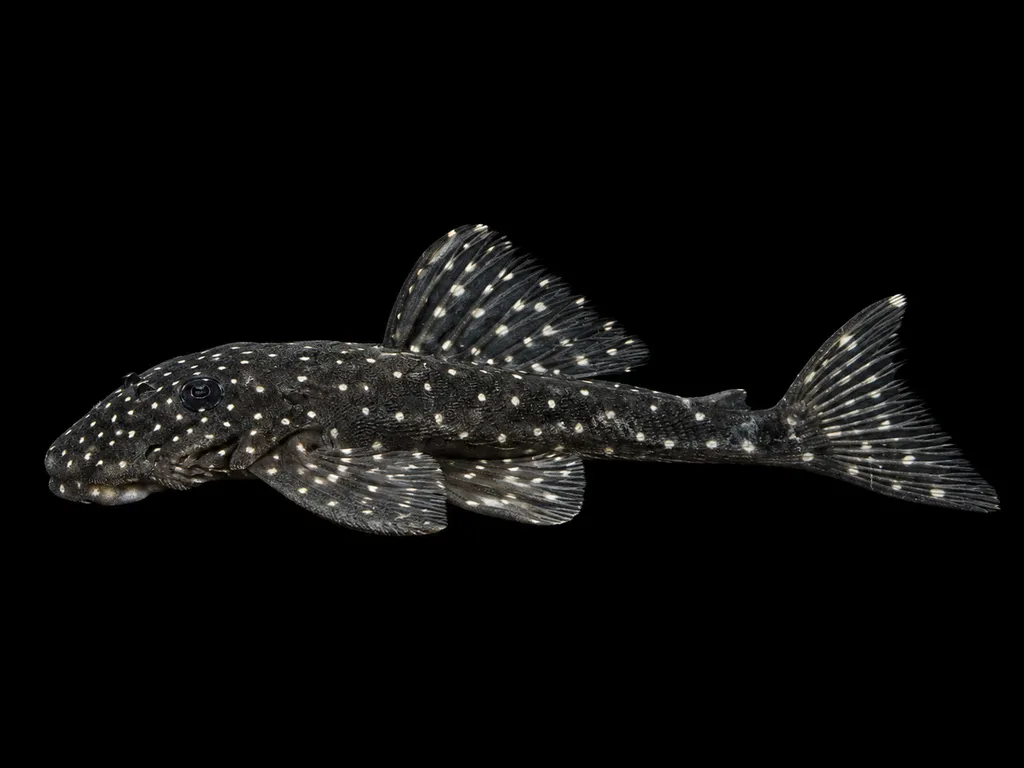 5.5 in (14 cm)53 gal (200 L)79–86°F (26–30°C)
Flat flyer pleco
Pseudolithoxus anthrax
5.5 in (14 cm) · 53 gal (200 L)
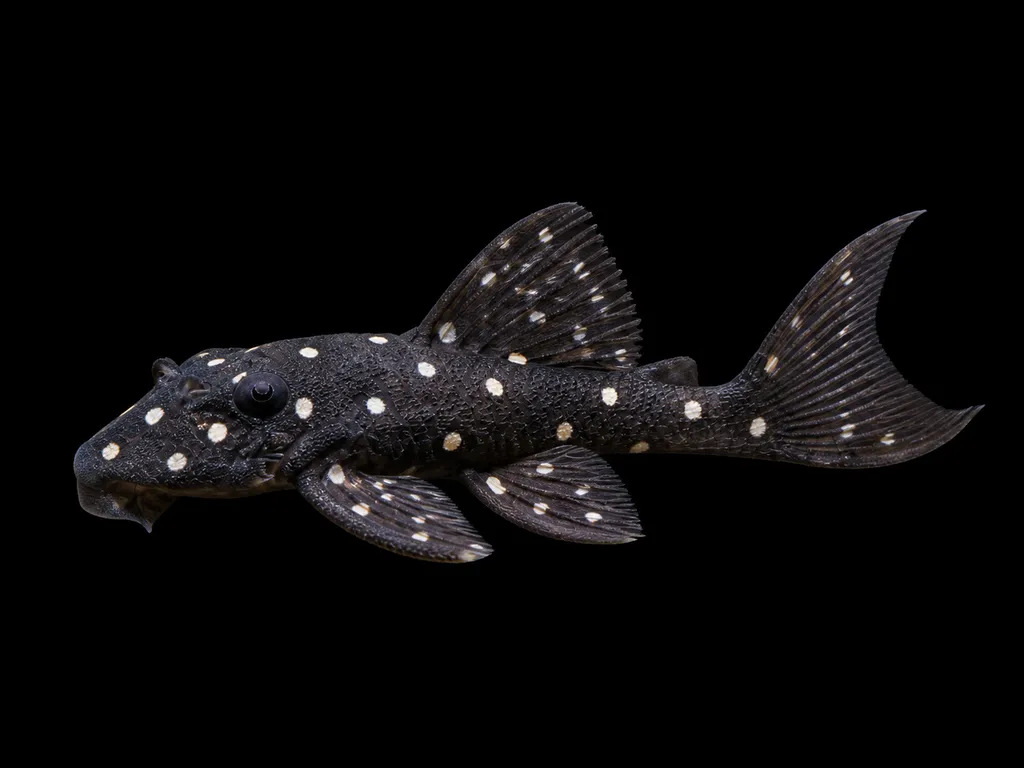 5.5 in (14 cm)53 gal (200 L)77–84°F (25–29°C)
Galaxy panaqolus
Panaqolus albomaculatus
5.5 in (14 cm) · 53 gal (200 L)
 5.5 in (14 cm)66 gal (250 L)77–84°F (25–29°C)
Orange seam pleco
Hemiancistrus guahiborum
5.5 in (14 cm) · 66 gal (250 L)