Flat flyer pleco
Pseudolithoxus anthrax
Also known as L235, Anthrax pleco
FreshwaterFish
Care at a glance
- Temperature
- 79–86°F
- 26–30°C
- pH
- 5.5–7.2
- Adult size
- 5.5 in
- 14 cm
- Minimum tank
- 53 gal
- 200 L
- Temperament
- Peaceful
- Social behavior
- Solitary
- Swim level
- Bottom
- Diet
- Omnivore
- Difficulty
- Medium
- Breeding
- Medium
- Rarity
- Rare
- Family
- Loricariidae
- Origin
- Upper Orinoco, Venezuela
Overview
The flat flyer pleco loves current, darting and clinging across rock faces rather than lumbering along the bottom. It suits a fast-flowing river tank and a keeper with a little experience.
Did you know
The flat flyer pleco's species name, anthrax, simply means coal in Greek and describes its black color. The word was in use for charcoal and dark gemstones long before it became attached to the disease.
Caring for the flat flyer pleco
Give a flat flyer pleco a tank of at least 53 gal (200 L), set up like a river. Use smooth slabs and stones over a sand floor, and drive strong flow from powerheads or the filter return.
It must have strong current and high oxygen, since they are the point of the setup. Keep the water soft and slightly acidic to neutral, at 79 to 86°F (26 to 30°C) and a pH of 5.5 to 7.2.
Feed a varied diet that leans toward protein, such as sinking pellets, frozen bloodworm and brine shrimp. Give it some vegetable and biofilm alongside.
Keep it singly or as a pair, since it holds a station on the rocks and sees off rival plecos. It is peaceful with other fish, so a lively community of strong swimmers suits it. It has spawned in aquariums for experienced keepers with tanks set up for fast, warm water.
Good to know
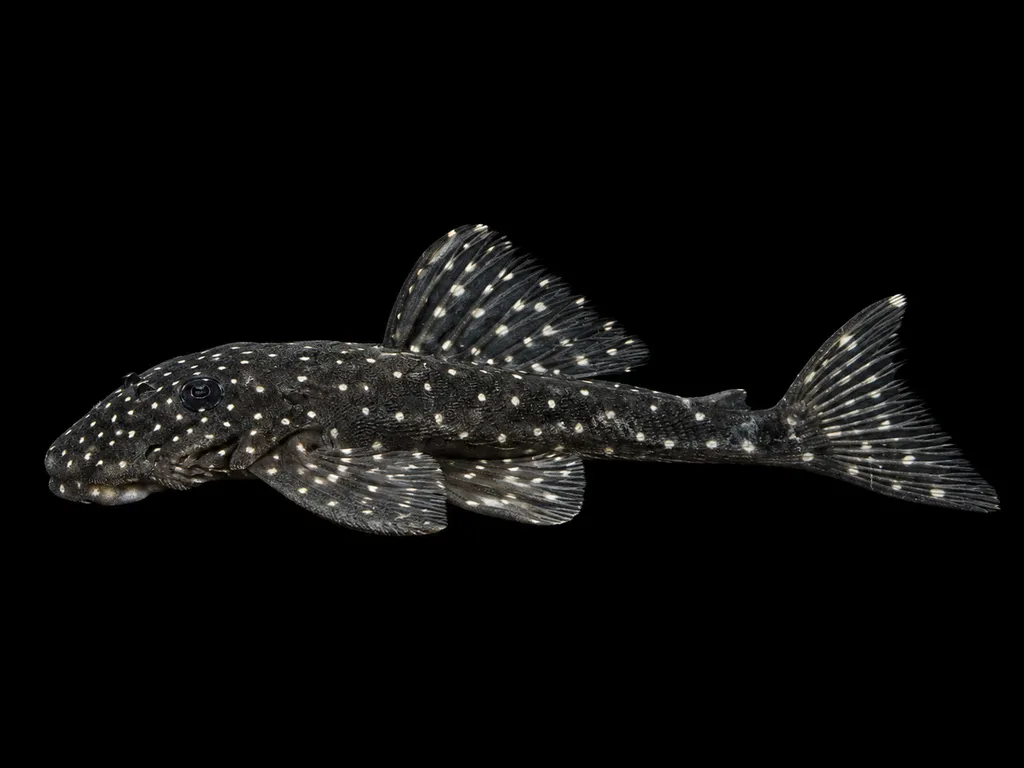
Pseudolithoxus anthrax is a member of the family Loricariidae, described in 2000. It is coal-black and dusted with small pale spots, with a body flattened for life in fast water.
In the wild
The flat flyer pleco lives in fast, oxygen-rich stretches of the upper Orinoco in Venezuela. It presses flat against rock swept by the current.
Weekly picks
Tank mates
The flat flyer pleco is a peaceful, solitary species that keeps to the bottom. These picks share a community profile with it, are safe together in both directions, and overlap on water type, temperature and pH.
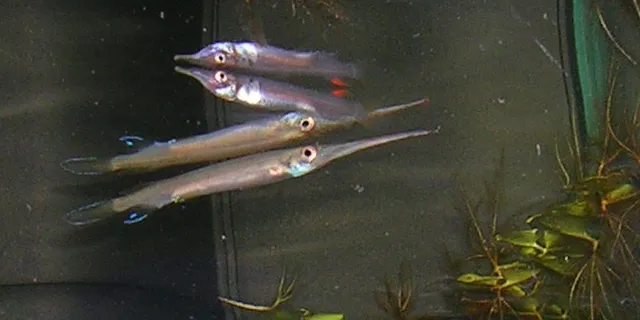
Forest halfbeak
Hemirhamphodon pogonognathus
Freshwater3.5 in (9 cm) · 34 gal (130 L)75–82°F (24–28°C)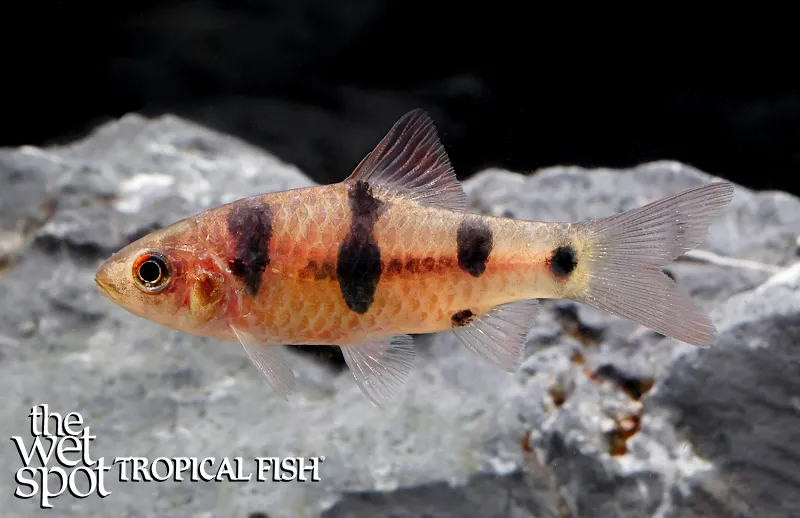
Clown barb
Barbodes dunckeri
Freshwater5.1 in (13 cm) · 53 gal (200 L)75–82°F (24–28°C)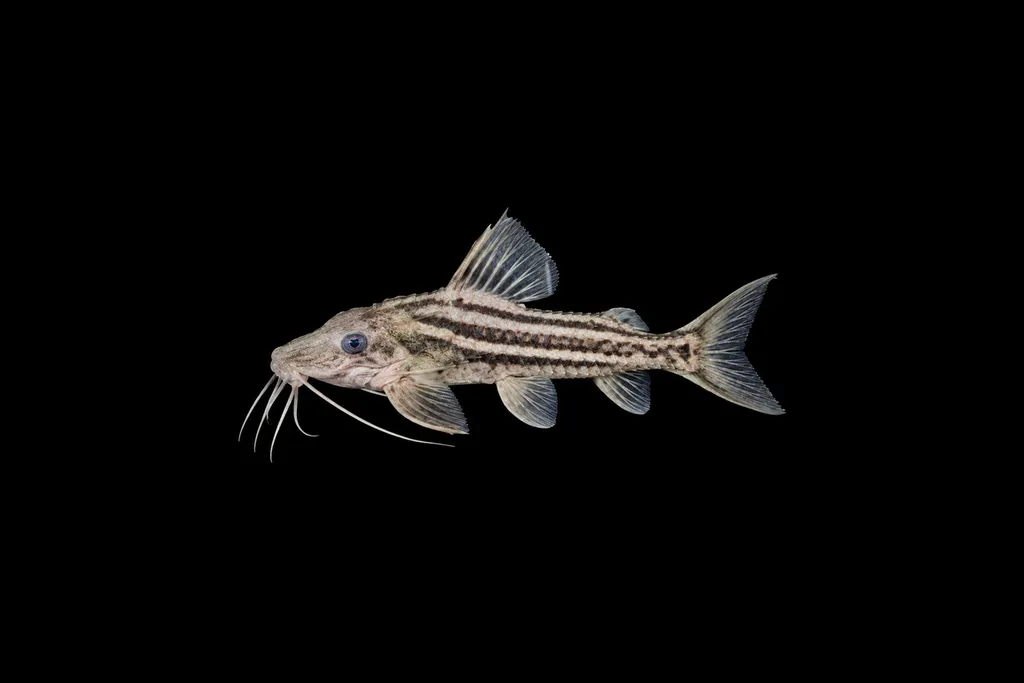
Hancock's talking catfish
Platydoras hancockii
Freshwater5.9 in (15 cm) · 53 gal (200 L)73–82°F (23–28°C)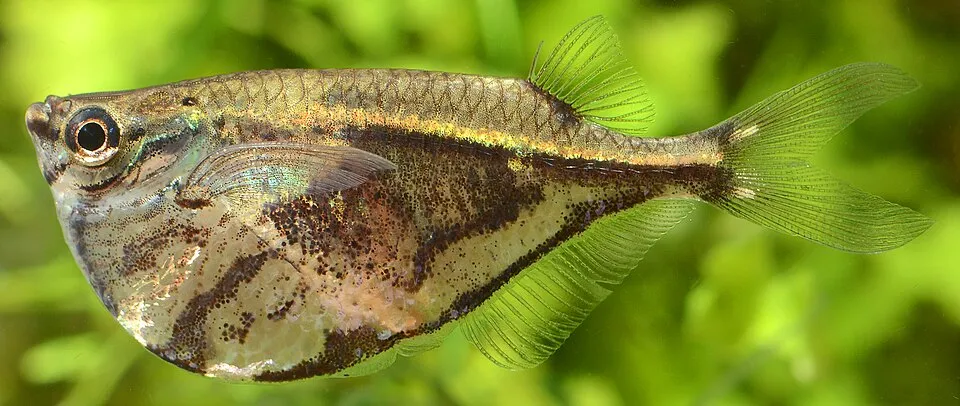
Marbled hatchetfish
Carnegiella strigata
Freshwater1.6 in (4 cm) · 32 gal (120 L)68–82°F (20–28°C)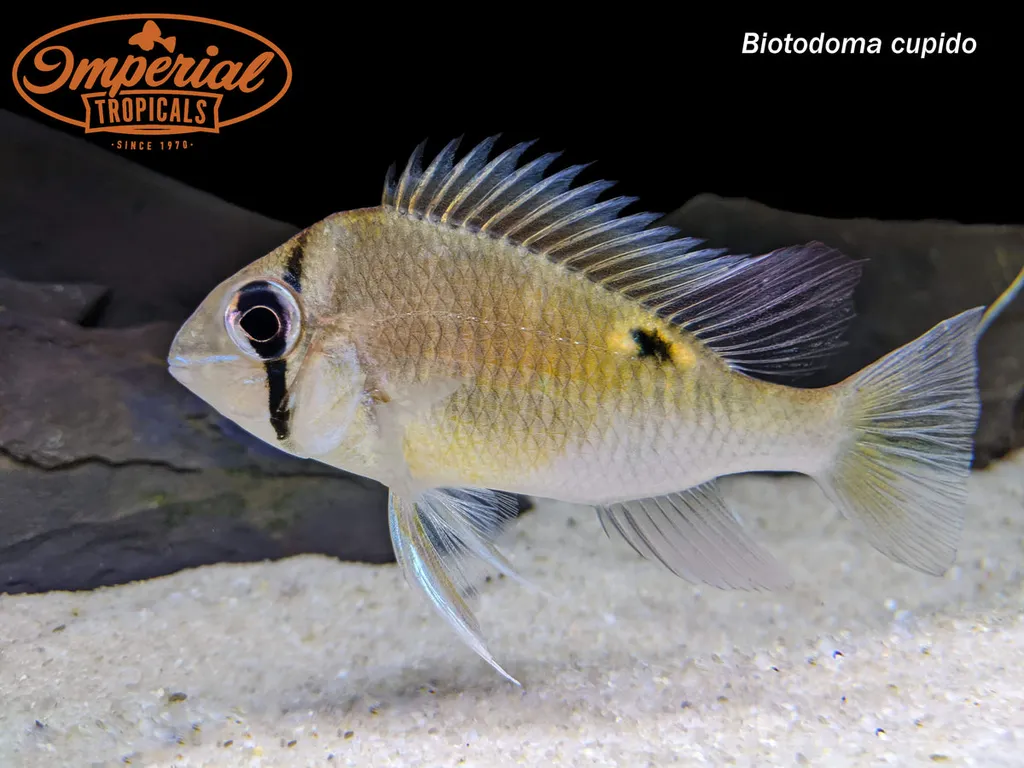
Cupid cichlid
Biotodoma cupido
Freshwater4.7 in (12 cm) · 53 gal (200 L)68–86°F (20–30°C)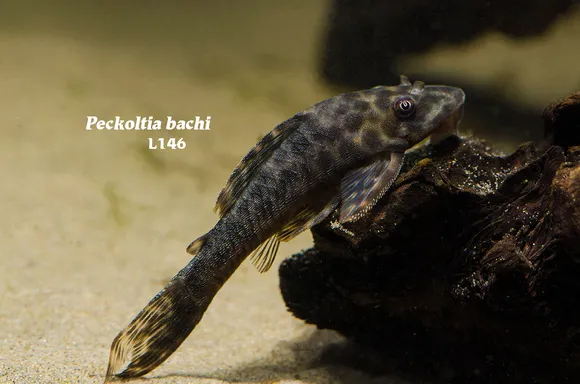
Bola pleco
Peckoltia bachi
Freshwater5.5 in (14 cm) · 53 gal (200 L)77–84°F (25–29°C)
Common questions
What size tank does a flat flyer pleco need?
A flat flyer pleco needs at least 53 gal (200 L). It spends most of its time in the bottom.
What temperature and pH does a flat flyer pleco need?
A flat flyer pleco is comfortable at 79–86°F (26–30°C) with a pH of 5.5–7.2.
What does a flat flyer pleco eat?
A flat flyer pleco eats a varied diet that leans toward protein, such as sinking pellets, frozen bloodworm and brine shrimp. Give it some vegetable and biofilm as well.
How big does a flat flyer pleco get?
An adult flat flyer pleco reaches about 5.5 in (14 cm).
Related species
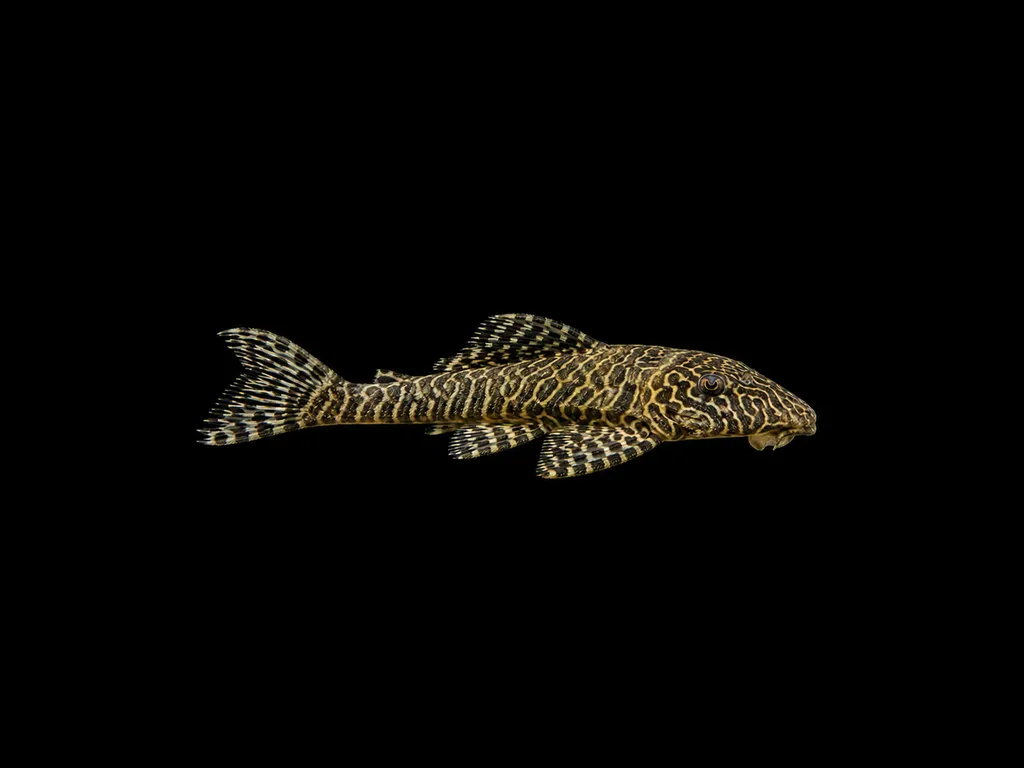 4.3 in (11 cm)53 gal (200 L)79–86°F (26–30°C)
Tigris pleco
Pseudolithoxus tigris
4.3 in (11 cm) · 53 gal (200 L)
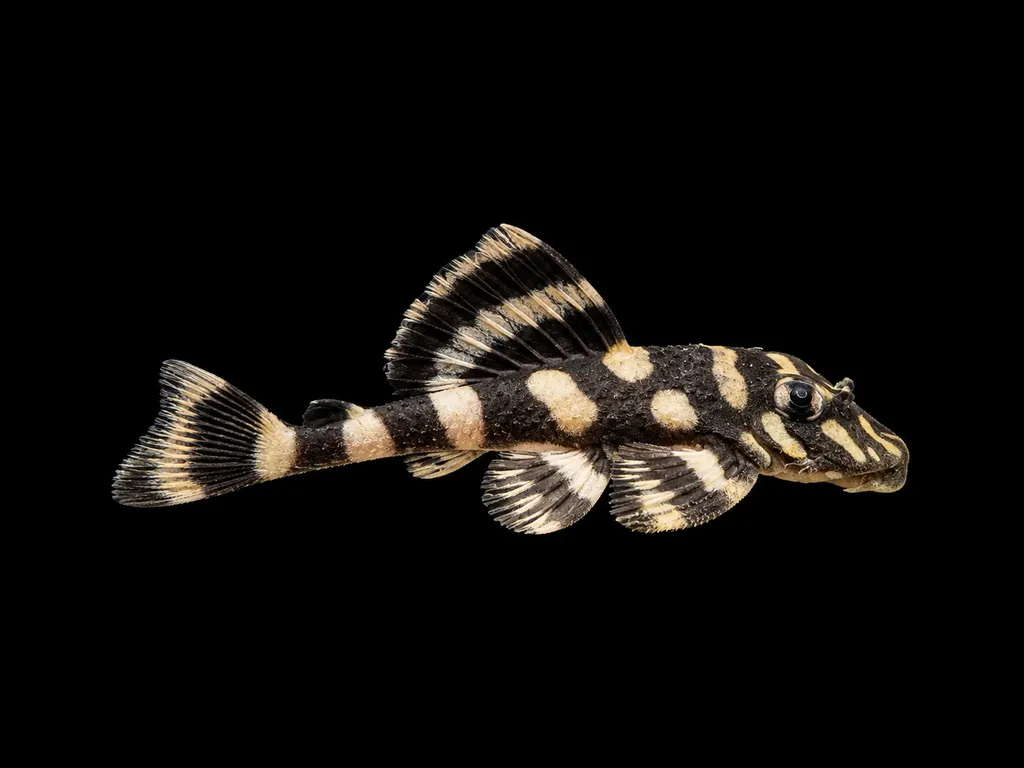 5.5 in (14 cm)53 gal (200 L)77–84°F (25–29°C)
Atabapo butterfly pleco
Dekeyseria picta
5.5 in (14 cm) · 53 gal (200 L)
- 5.5 in (14 cm)53 gal (200 L)77–84°F (25–29°C)
Bola pleco
Peckoltia bachi
5.5 in (14 cm) · 53 gal (200 L)
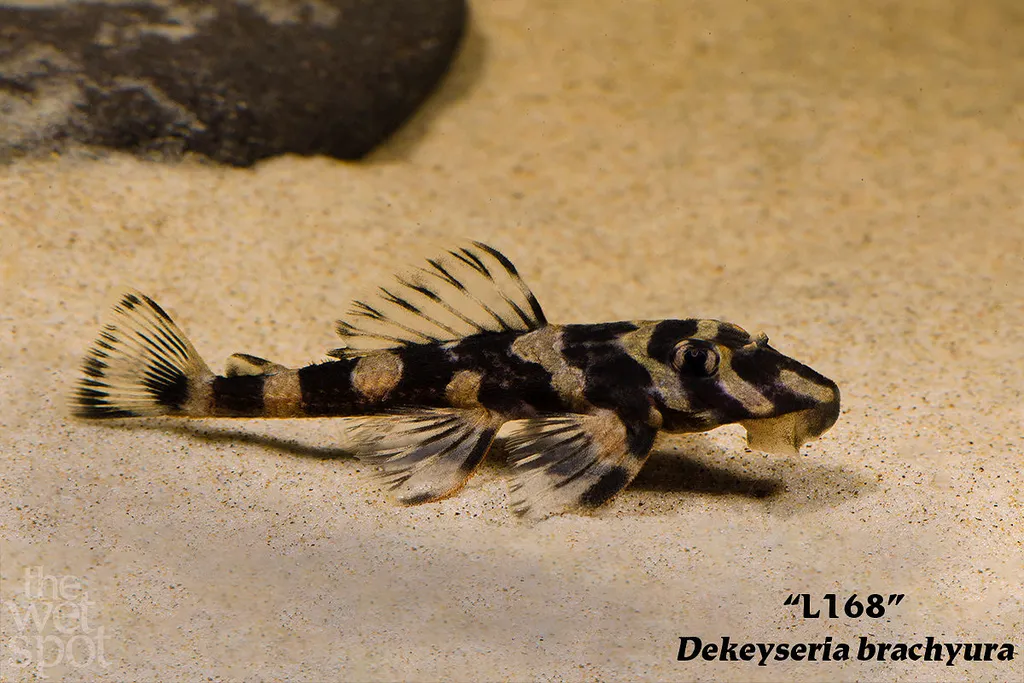 5.5 in (14 cm)40 gal (150 L)77–84°F (25–29°C)
Butterfly pleco (L168)
Dekeyseria brachyura
5.5 in (14 cm) · 40 gal (150 L)
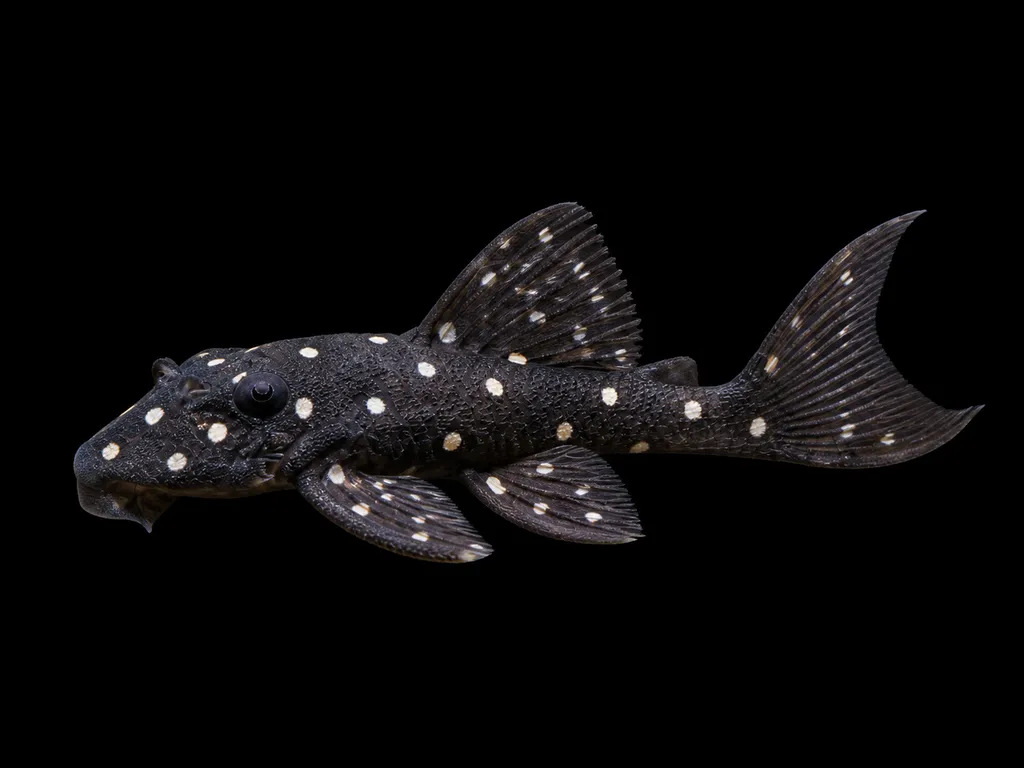 5.5 in (14 cm)53 gal (200 L)77–84°F (25–29°C)
Galaxy panaqolus
Panaqolus albomaculatus
5.5 in (14 cm) · 53 gal (200 L)
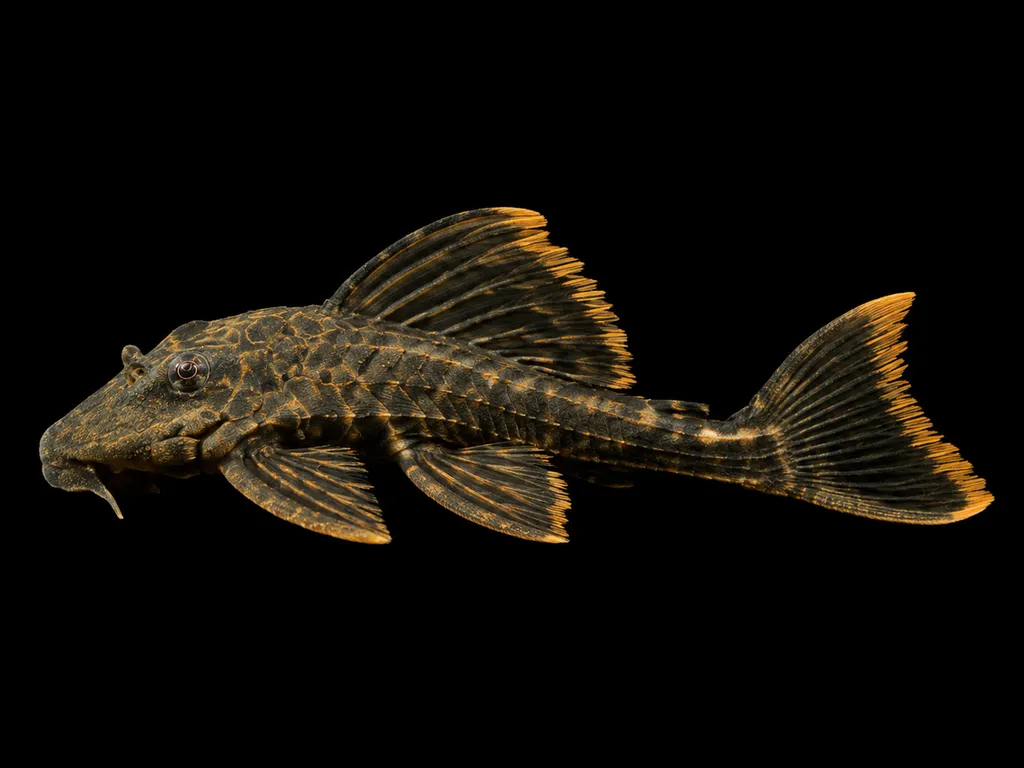 5.5 in (14 cm)66 gal (250 L)77–84°F (25–29°C)
Orange seam pleco
Hemiancistrus guahiborum
5.5 in (14 cm) · 66 gal (250 L)