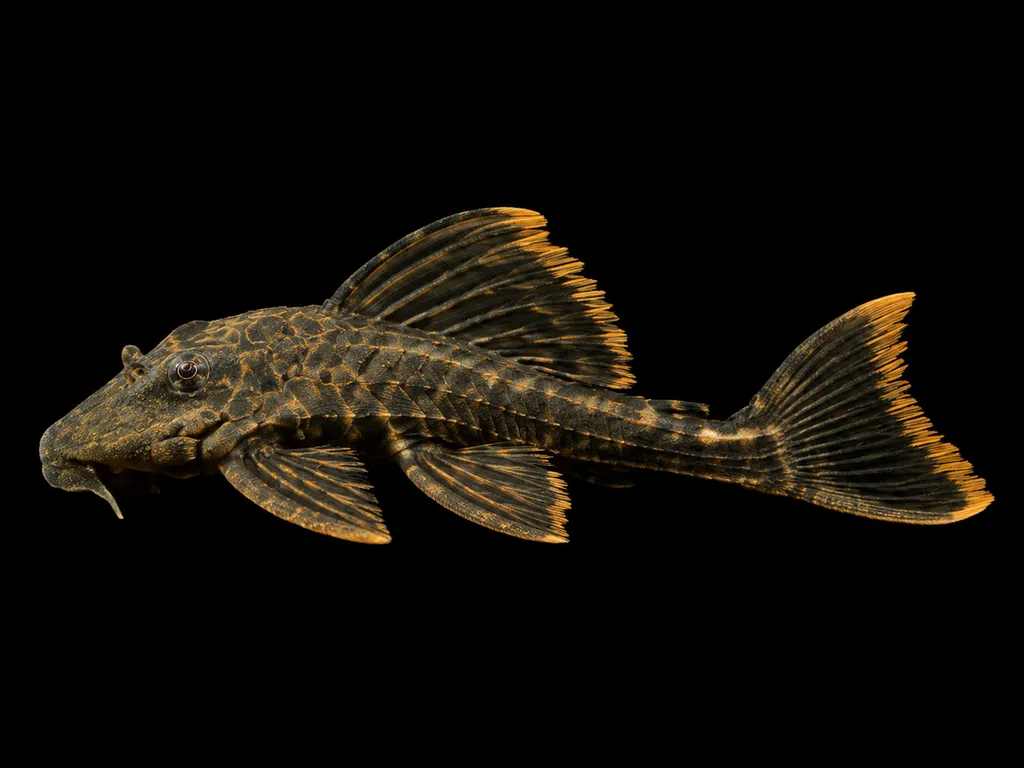
Orange seam pleco
Hemiancistrus guahiborum
Also known as L106, Guahibo pleco
FreshwaterFish
Care at a glance
- Temperature
- 77–84°F
- 25–29°C
- pH
- 5.5–7.0
- Adult size
- 5.5 in
- 14 cm
- Minimum tank
- 66 gal
- 250 L
- Temperament
- Peaceful
- Social behavior
- Solitary
- Swim level
- Bottom
- Diet
- Omnivore
- Difficulty
- Medium
- Breeding
- Cave spawner · Medium
- Rarity
- Rare
- Family
- Loricariidae
- Origin
- Upper Orinoco, Venezuela
Overview
The orange seam pleco is a mid-size rock pleco for a peaceful tank with clean, flowing water. It is manageable for a keeper with some experience.
Did you know
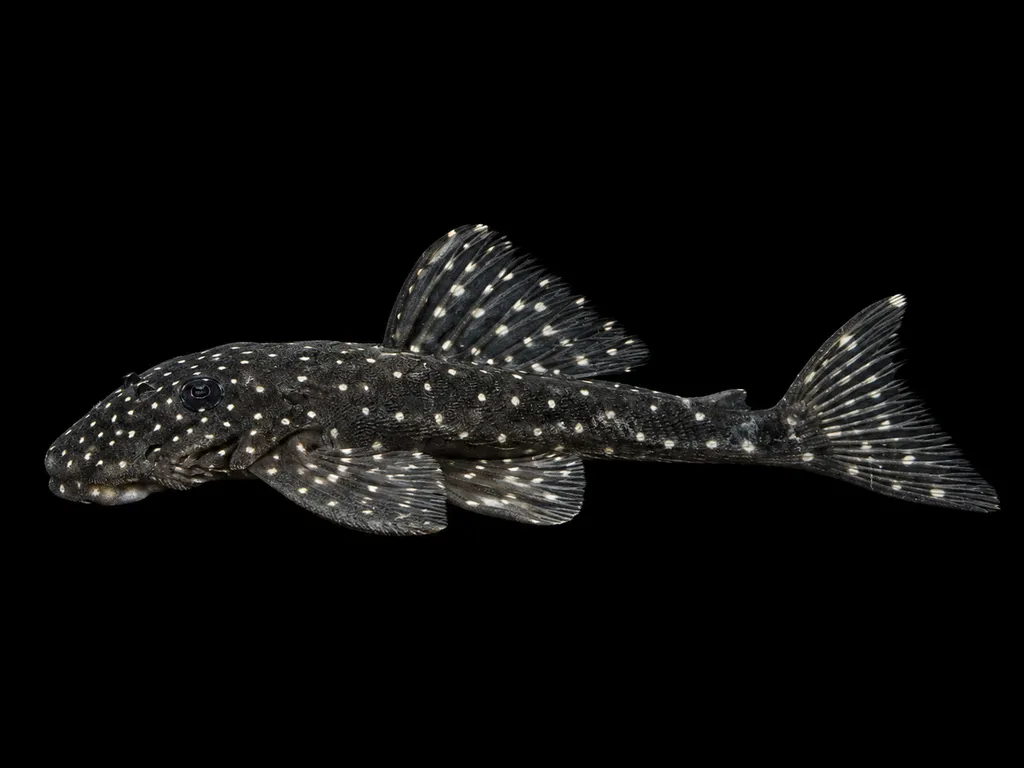
The seam in the orange seam pleco's name is the clean orange edge along its dorsal and tail fins. It is a single bright line on an otherwise olive body.
Caring for the orange seam pleco
Give an orange seam pleco at least 66 gal (250 L), with plenty of smooth rock, rocky caves and driftwood. Keep the water warm and soft, at 77 to 84°F (25 to 29°C) and a low pH of 5.5 to 7.0. It likes clean, well-oxygenated water with brisk, steady flow. The current and oxygen matter as much as the temperature for a fish from fast water.
It works over rock and wood and takes a mixed diet. Feed sinking dried foods and algae, plus frozen foods such as bloodworm and daphnia.
Keep the orange seam pleco singly, since two of them will jostle over territory. If you do keep more than one, give each its own refuge. It is generally peaceful and settles in well alongside calm community fish. It spawns in caves, and breeding it is of moderate difficulty.
Good to know
Hemiancistrus guahiborum is an olive, spotted catfish in the family Loricariidae. It was described in 2005 and named for the Guahibo people of the Orinoco region.
In the wild
The orange seam pleco comes from the upper Orinoco in Venezuela. It lives in warm rapids and runs over rock, where it wedges into stony gaps.
Weekly picks
Tank mates
The orange seam pleco is a peaceful, solitary species that keeps to the bottom. These picks share a community profile with it, are safe together in both directions, and overlap on water type, temperature and pH.
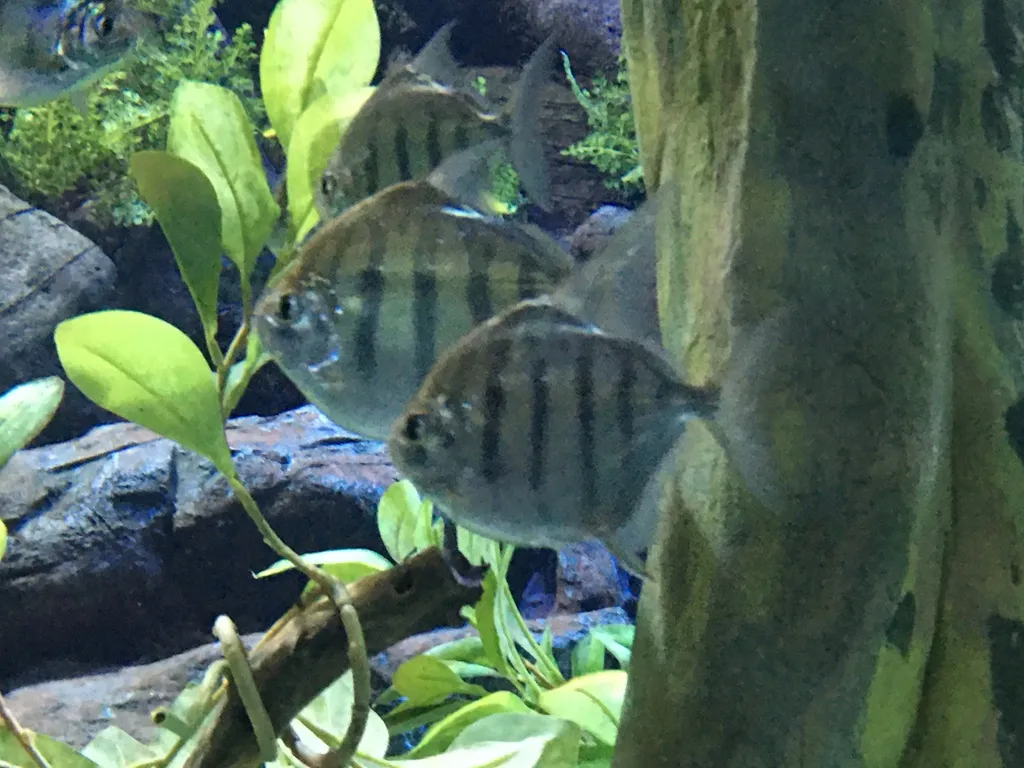
Banded silver dollar
Metynnis fasciatus
Freshwater3.9 in (10 cm) · 70 gal (265 L)75–82°F (24–28°C)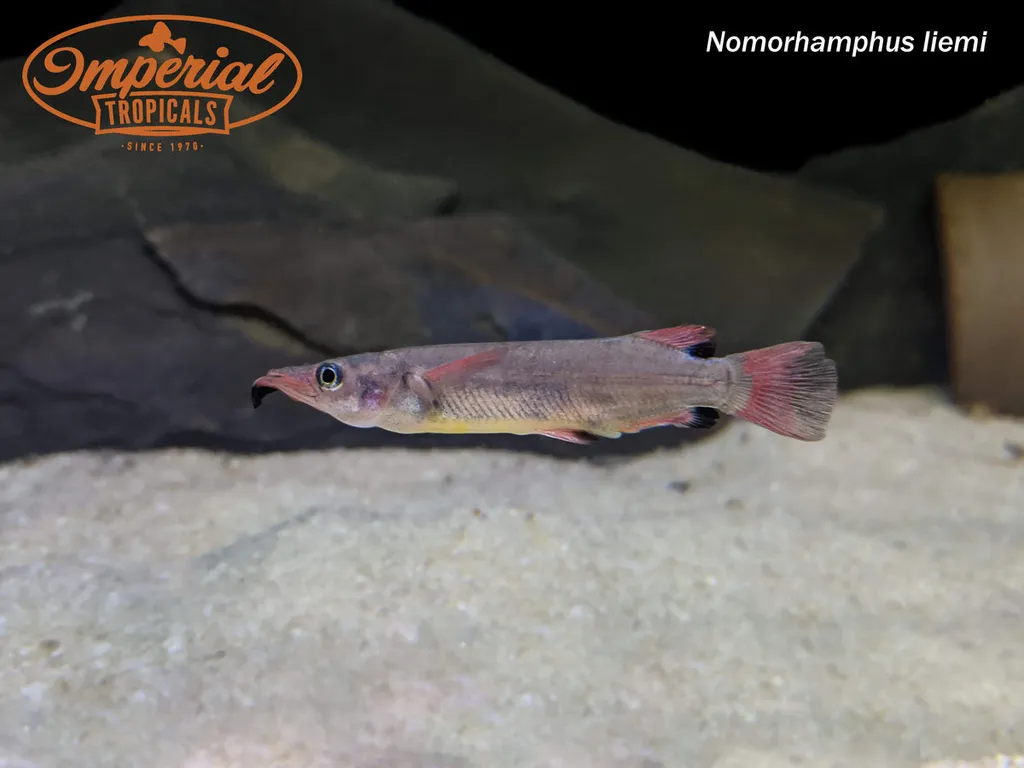
Celebes halfbeak
Nomorhamphus liemi
Freshwater3.5 in (9 cm) · 40 gal (150 L)68–77°F (20–25°C)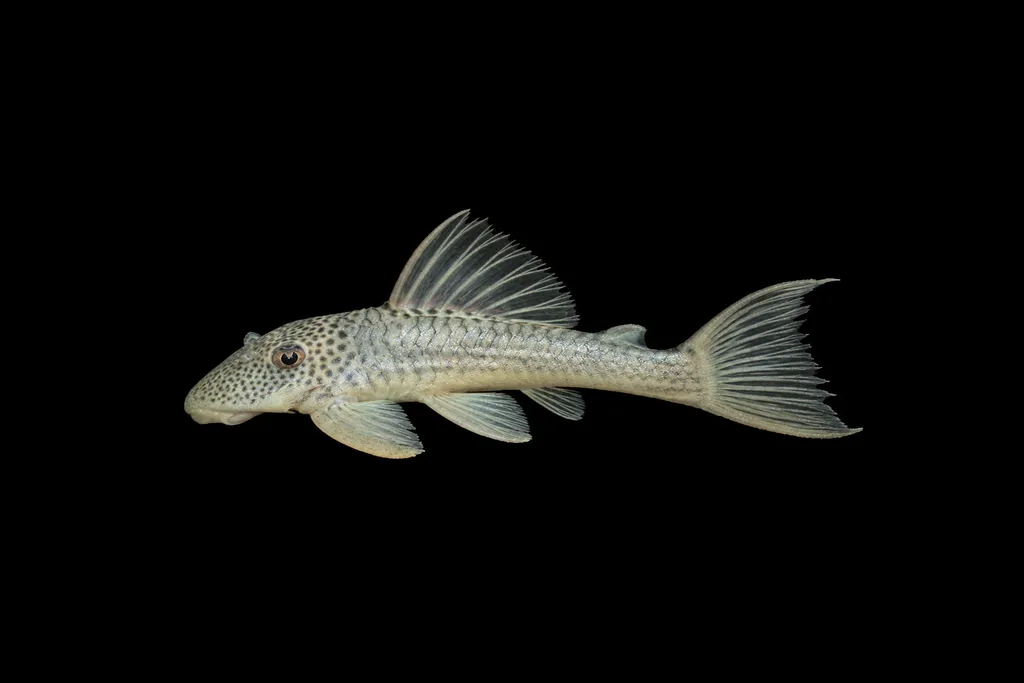
Ghost pleco
Ancistomus snethlageae
Freshwater8.7 in (22 cm) · 66 gal (250 L)77–84°F (25–29°C)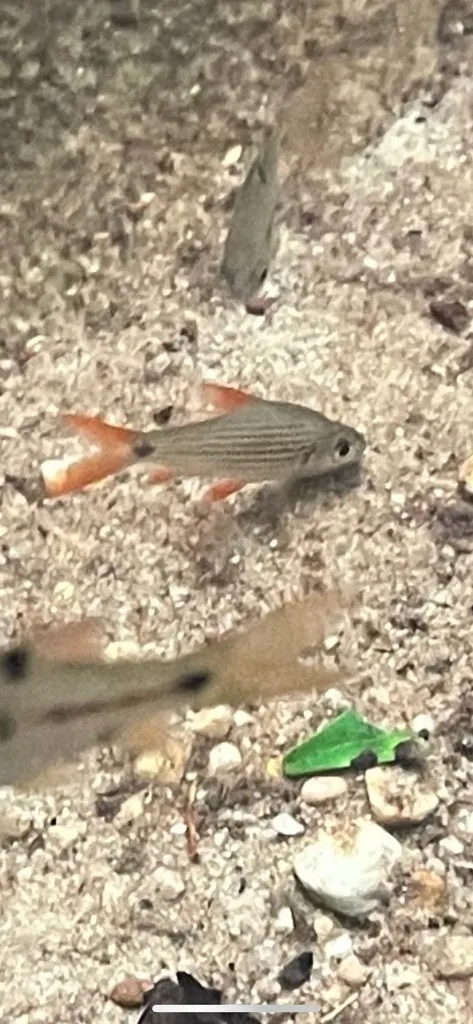
Beardless barb
Cyclocheilichthys apogon
Freshwater7.9 in (20 cm) · 66 gal (250 L)72–82°F (22–28°C)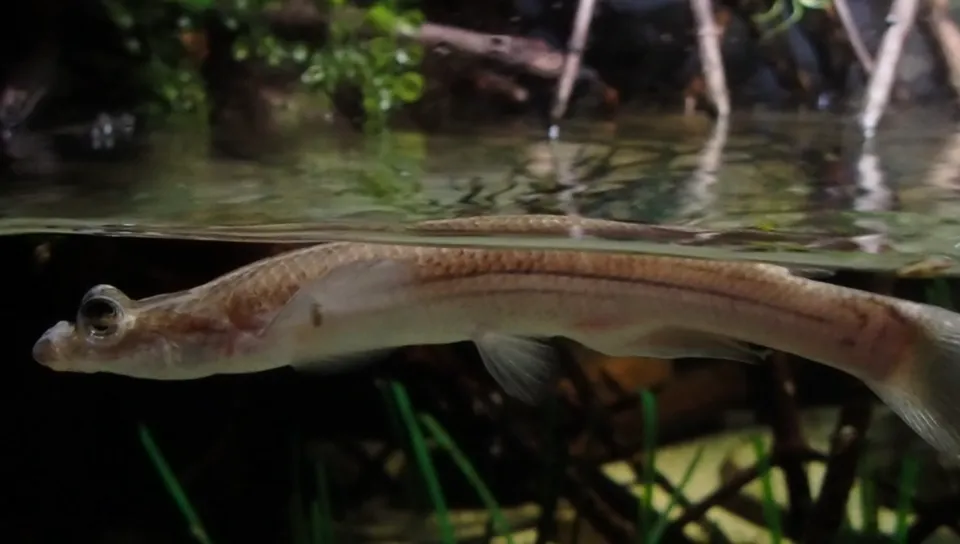
Largescale four-eyed fish
Anableps anableps
FreshwaterBrackish11.8 in (30 cm) · 70 gal (265 L)77–88°F (25–31°C)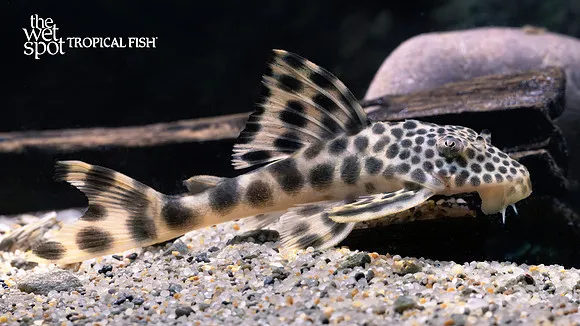
Para pleco
Peckoltia sabaji
Freshwater7.9 in (20 cm) · 66 gal (250 L)77–84°F (25–29°C)
Common questions
What size tank does an orange seam pleco need?
An orange seam pleco needs at least 66 gal (250 L). It spends most of its time in the bottom.
What temperature and pH does an orange seam pleco need?
An orange seam pleco is comfortable at 77–84°F (25–29°C) with a pH of 5.5–7.0.
What does an orange seam pleco eat?
An orange seam pleco takes a mixed diet. Feed it sinking dried foods and algae, plus frozen foods such as bloodworm and daphnia.
How big does an orange seam pleco get?
An adult orange seam pleco reaches about 5.5 in (14 cm).
How does an orange seam pleco breed?
An orange seam pleco spawns in caves. Breeding it is of moderate difficulty.
Related species
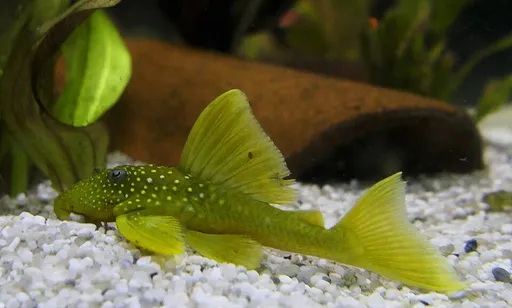 7.1 in (18 cm)53 gal (200 L)79–86°F (26–30°C)
Green phantom pleco (L200)
Hemiancistrus subviridis
7.1 in (18 cm) · 53 gal (200 L)
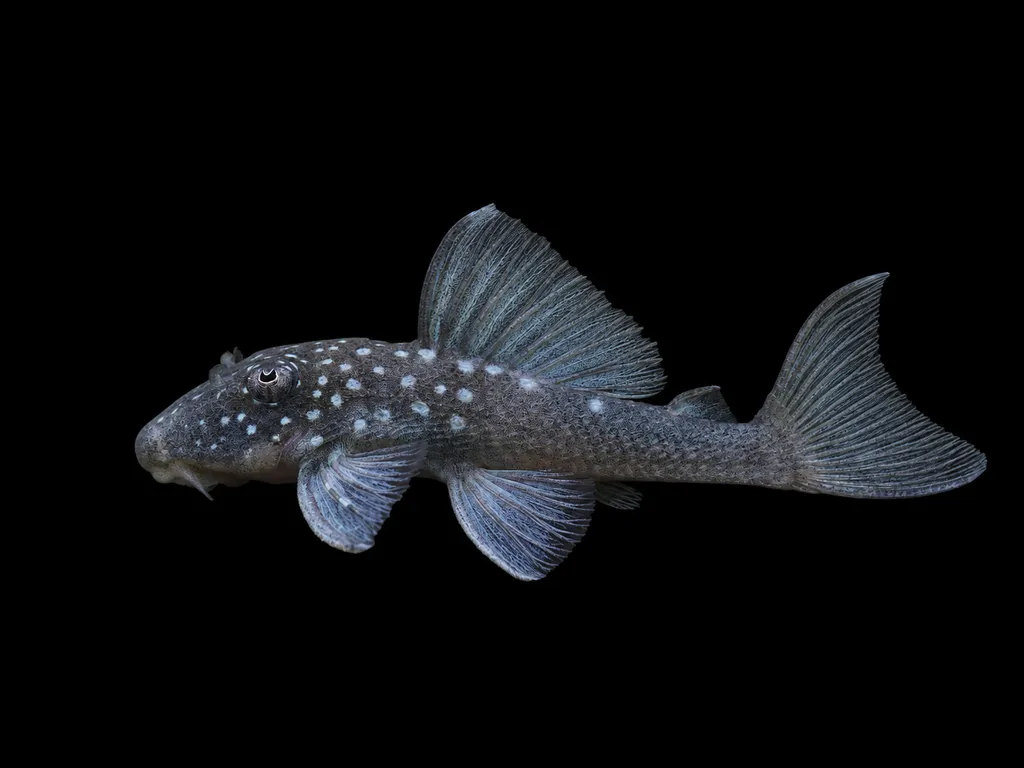 9.8 in (25 cm)66 gal (250 L)81–86°F (27–30°C)
Blue phantom pleco (L128)
Hemiancistrus sp. L128
9.8 in (25 cm) · 66 gal (250 L)
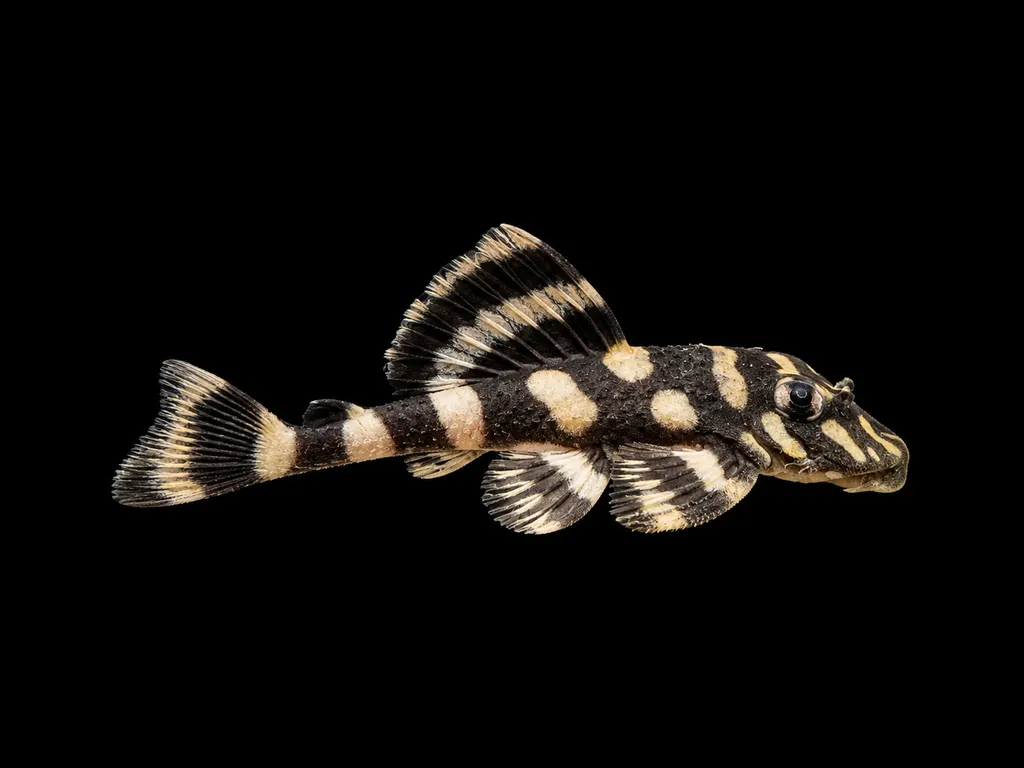 5.5 in (14 cm)53 gal (200 L)77–84°F (25–29°C)
Atabapo butterfly pleco
Dekeyseria picta
5.5 in (14 cm) · 53 gal (200 L)
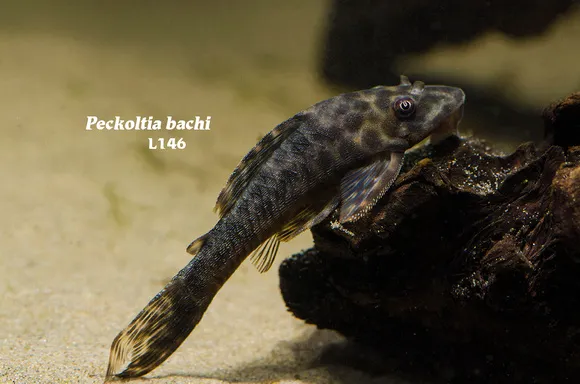 5.5 in (14 cm)53 gal (200 L)77–84°F (25–29°C)
Bola pleco
Peckoltia bachi
5.5 in (14 cm) · 53 gal (200 L)
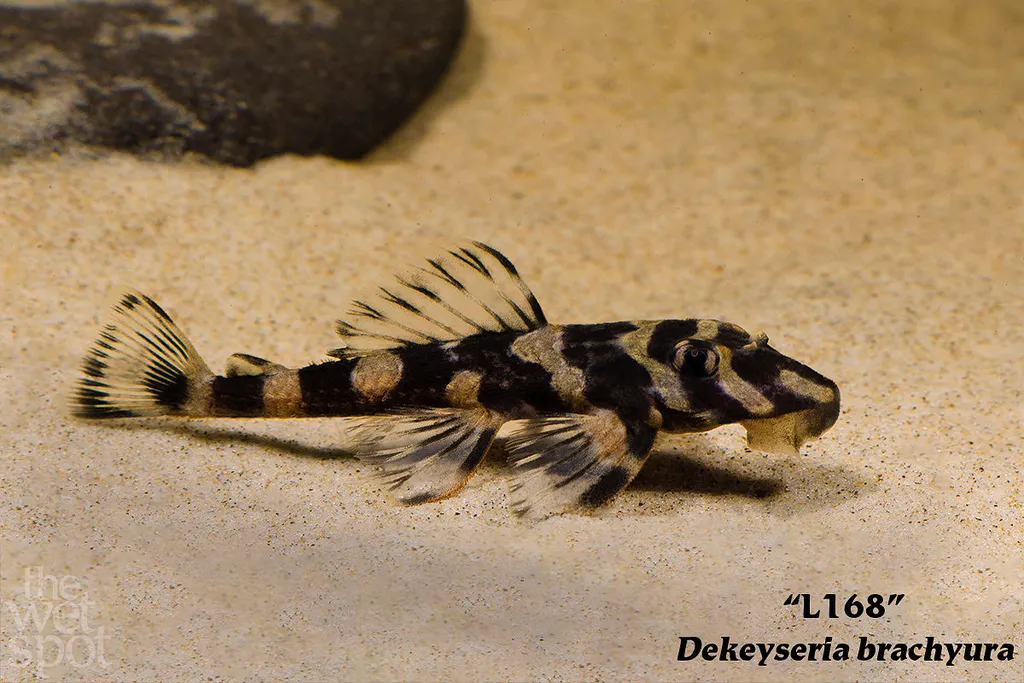 5.5 in (14 cm)40 gal (150 L)77–84°F (25–29°C)
Butterfly pleco (L168)
Dekeyseria brachyura
5.5 in (14 cm) · 40 gal (150 L)
 5.5 in (14 cm)53 gal (200 L)79–86°F (26–30°C)
Flat flyer pleco
Pseudolithoxus anthrax
5.5 in (14 cm) · 53 gal (200 L)