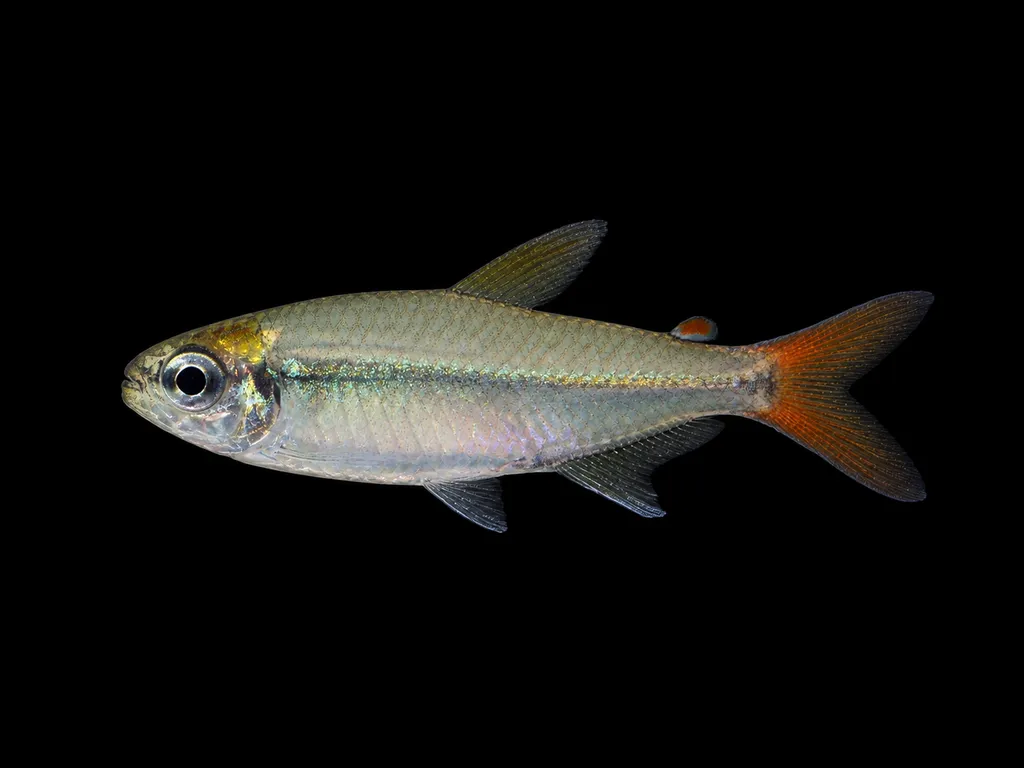
Lopes's tetra
Moenkhausia lopesi
Also known as Lopesi tetra, Cinnabar moth tetra
FreshwaterFish
Care at a glance
- Temperature
- 72–81°F
- 22–27°C
- pH
- 6.0–7.5
- Adult size
- 1.9 in
- 4.7 cm
- Minimum tank
- 20 gal
- 75 L
- Temperament
- Peaceful
- Social behavior
- Schooling
- Swim level
- Middle
- Difficulty
- Medium
- Breeding
- Egg scatterer
- Rarity
- Rare
- Family
- Characidae
- Origin
- Upper Paraguay basin, Brazil
Overview
Lopes's tetra is a small, peaceful schooling fish that fits neatly into a Pantanal-style community. It is best for a keeper who has moved past beginner fish.
Did you know
Lopes's tetra is a small citizen of a vast floodplain, the Pantanal, which is the largest tropical wetland on Earth.
Caring for the Lopes's tetra
Keep Lopes's tetras in a group of at least eight to ten, in a tank of 20 gal (75 L) or larger. A sand bottom, driftwood and hardy planting around open swimming lanes suit them.
Hold the water at 72 to 81°F (22 to 27°C), with a pH of 6.0 to 7.5 and soft to moderate hardness. Give them gentle, steady flow, and keep the water fresh with regular changes.
Feed small foods such as quality flake, micro pellets, and frozen or live daphnia, cyclops and bloodworm. Lopes's tetras mix well with other calm fish of a similar size, such as otocinclus, dwarf cichlids, small tetras and corydoras. Keep them away from large or boisterous tank mates that would outcompete them. They are egg-scattering spawners, but aquarium breeding is not on record.
Good to know
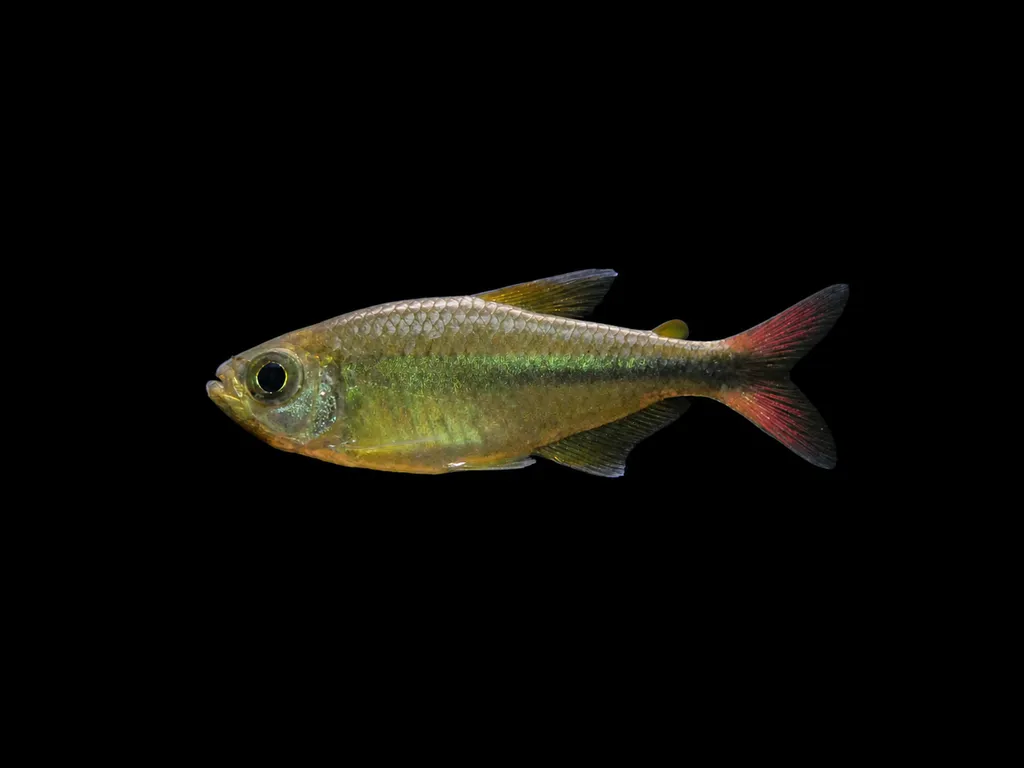
Moenkhausia lopesi is a characin of the family Characidae, described by Britski and Silimon in 2001. Its name honors Balzac Santana Lopes, a fisheries-station chief who guided the describers' collecting trips in the Pantanal. The fish carries a smudged dark bar on the shoulder, and some shops sell it as the cinnabar moth tetra.
In the wild
Lopes's tetra is found in clear creeks of the upper Paraguay basin in Mato Grosso, Brazil. These small creeks are part of the network of headwaters that feeds the Pantanal wetland.
Weekly picks
Tank mates
The Lopes's tetra is a peaceful, schooling species that keeps to the middle. These picks share a community profile with it, are safe together in both directions, and overlap on water type, temperature and pH.
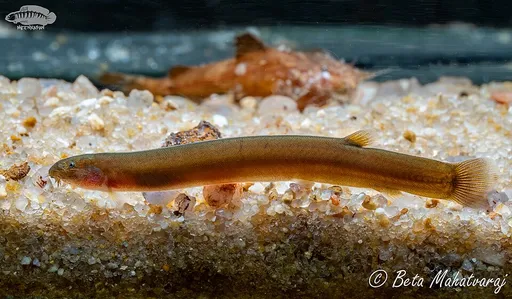
Cinnamon loach
Pangio pangia
Freshwater2.4 in (6 cm) · 20 gal (75 L)72–81°F (22–27°C)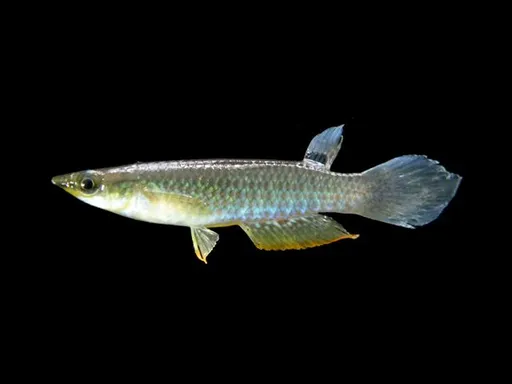
Blue panchax
Aplocheilus panchax
Freshwater3.5 in (9 cm) · 20 gal (75 L)72–82°F (22–28°C)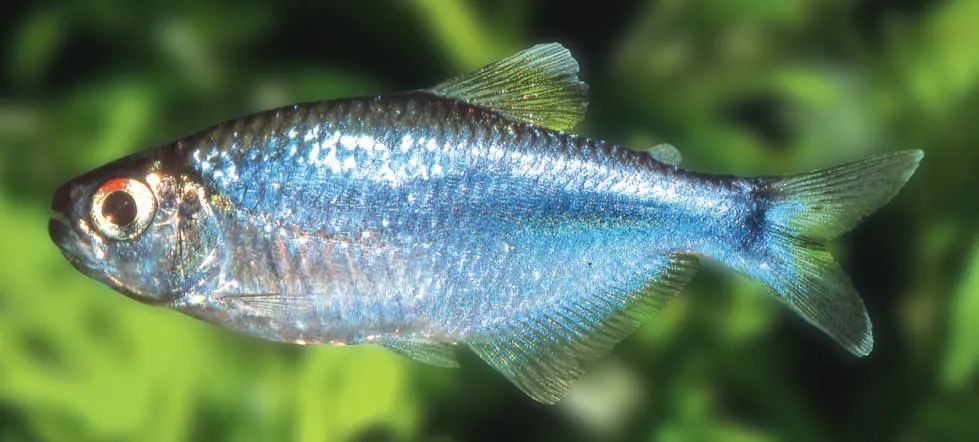
Cochu's blue tetra
Boehlkea fredcochui
Freshwater2.2 in (5.5 cm) · 20 gal (75 L)72–82°F (22–28°C)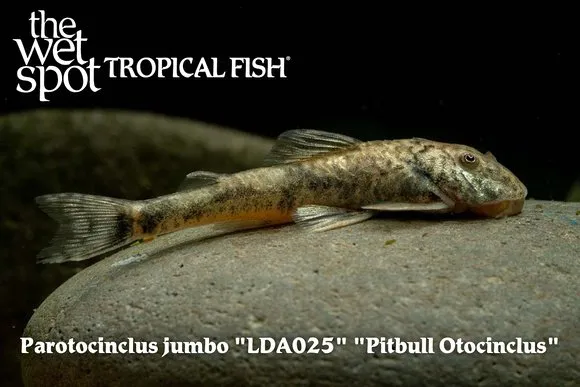
Pit bull otocinclus
Parotocinclus jumbo
Freshwater2.4 in (6 cm) · 20 gal (75 L)72–81°F (22–27°C)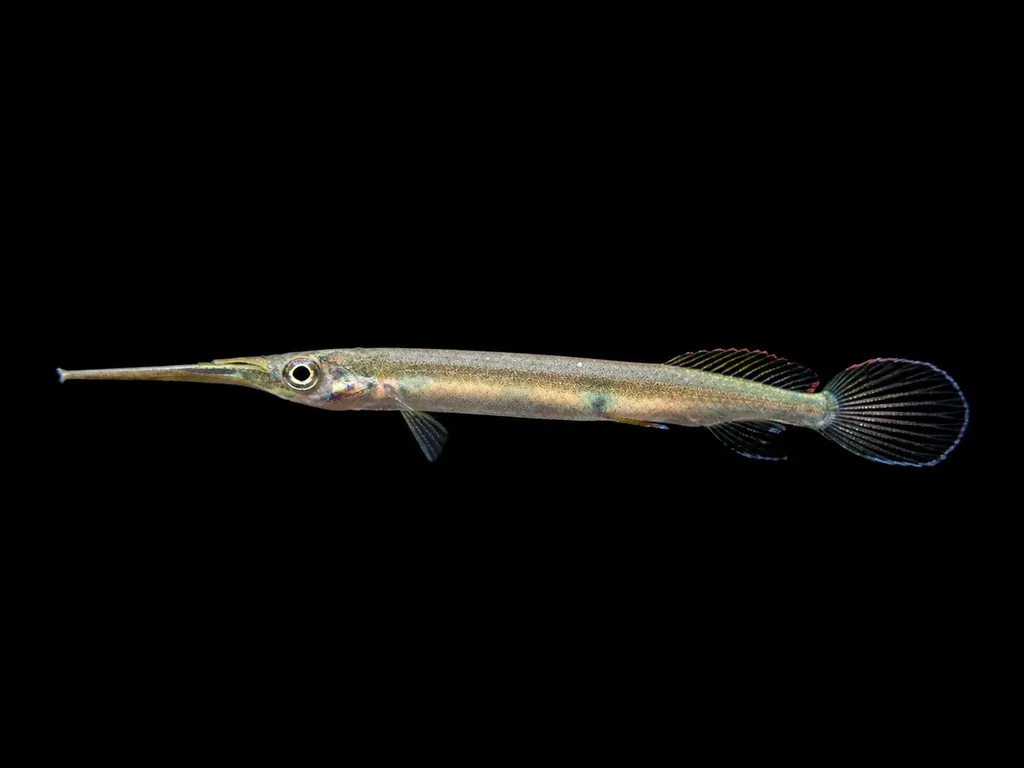
Kuekenthal's halfbeak
Hemirhamphodon kuekenthali
Freshwater3.3 in (8.5 cm) · 20 gal (75 L)73–81°F (23–27°C)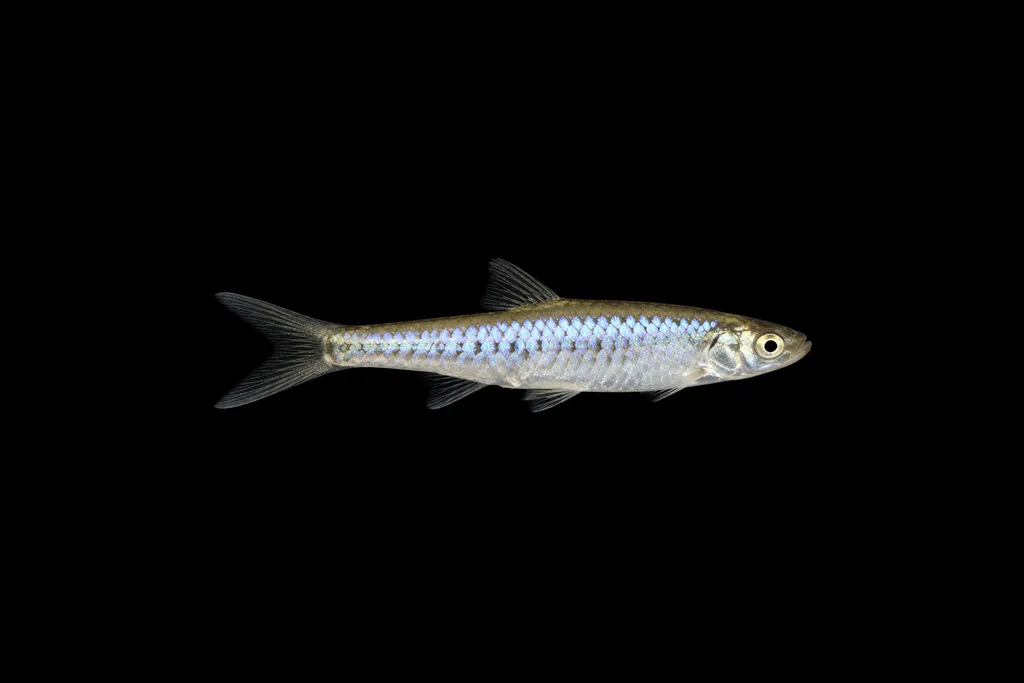
Ninescale rasbora
Rasbora ennealepis
Freshwater2.2 in (5.5 cm) · 20 gal (75 L)72–81°F (22–27°C)
Common questions
What size tank does a Lopes's tetra need?
A Lopes's tetra needs at least 20 gal (75 L). It spends most of its time in the middle.
What temperature and pH does a Lopes's tetra need?
A Lopes's tetra is comfortable at 72–81°F (22–27°C) with a pH of 6.0–7.5.
What does a Lopes's tetra eat?
A Lopes's tetra eats small foods such as quality flake, micro pellets, and frozen or live daphnia, cyclops and bloodworm.
How big does a Lopes's tetra get?
An adult Lopes's tetra reaches about 1.9 in (4.7 cm).
Does a Lopes's tetra need a group?
Yes. A Lopes's tetra is a schooling species and should be kept in a group, not singly.
How does a Lopes's tetra breed?
A Lopes's tetra scatters its eggs, but there is no record of it breeding in an aquarium.
Related species
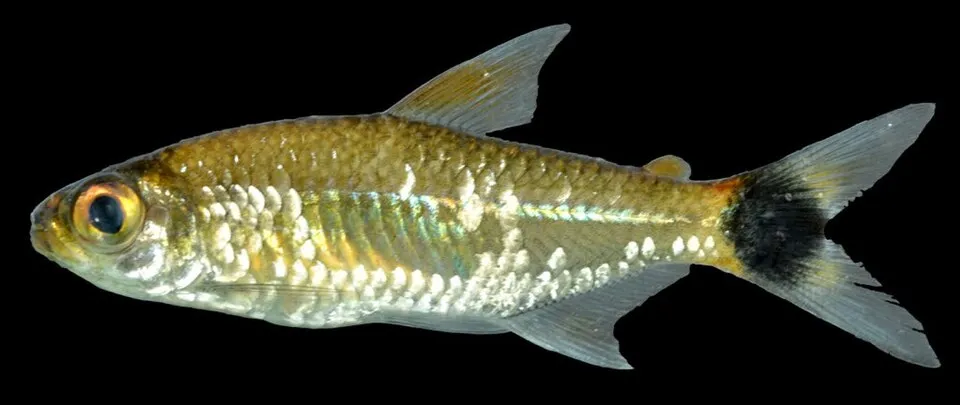 2 in (5 cm)16 gal (60 L)75–82°F (24–28°C)
Ceros tetra
Moenkhausia ceros
2 in (5 cm) · 16 gal (60 L)
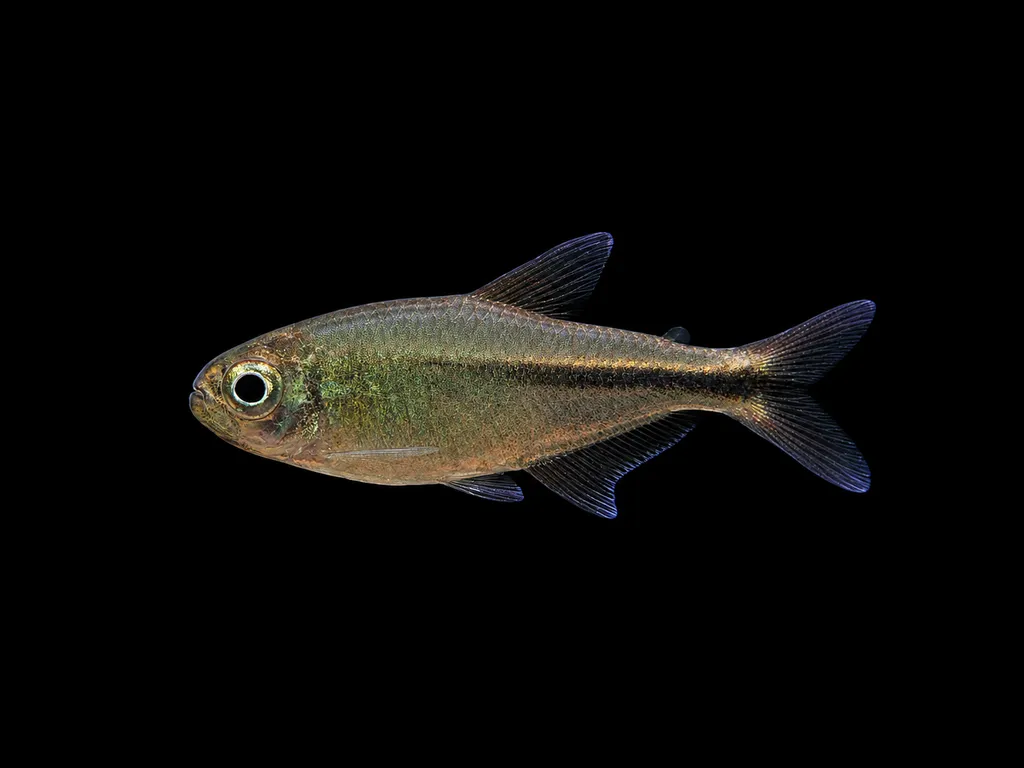 2 in (5.2 cm)20 gal (75 L)73–82°F (23–28°C)
Aurora tetra
Moenkhausia aurora
2 in (5.2 cm) · 20 gal (75 L)
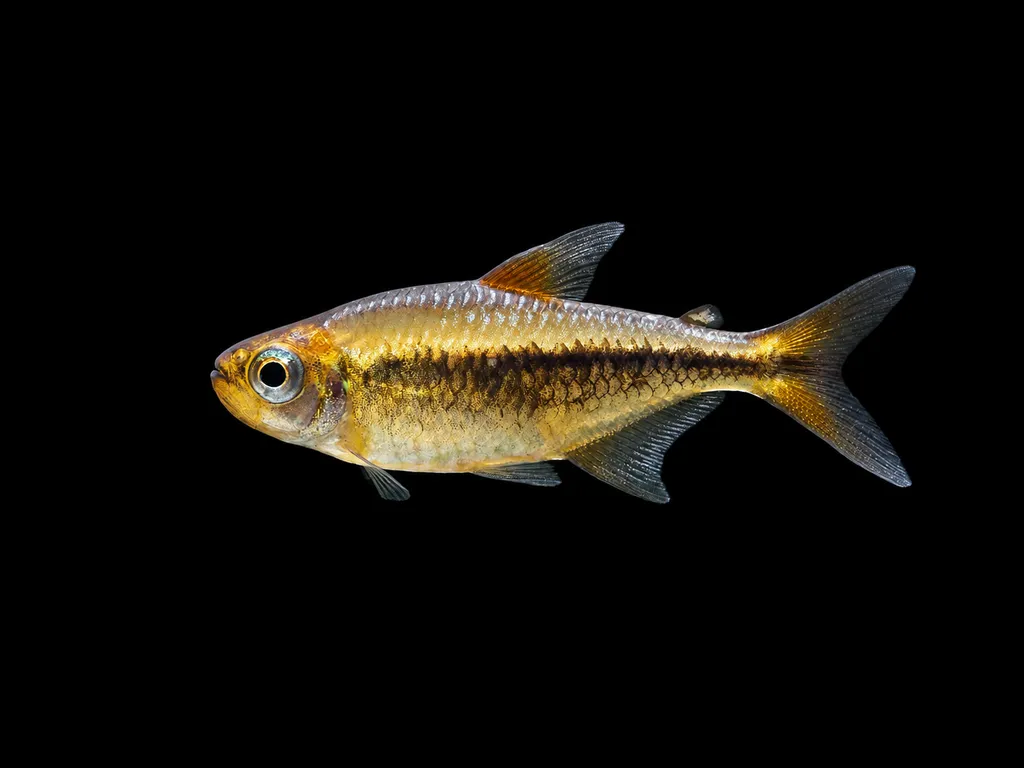 2.1 in (5.3 cm)20 gal (75 L)73–82°F (23–28°C)
Blackmargin tetra
Moenkhausia nigromarginata
2.1 in (5.3 cm) · 20 gal (75 L)
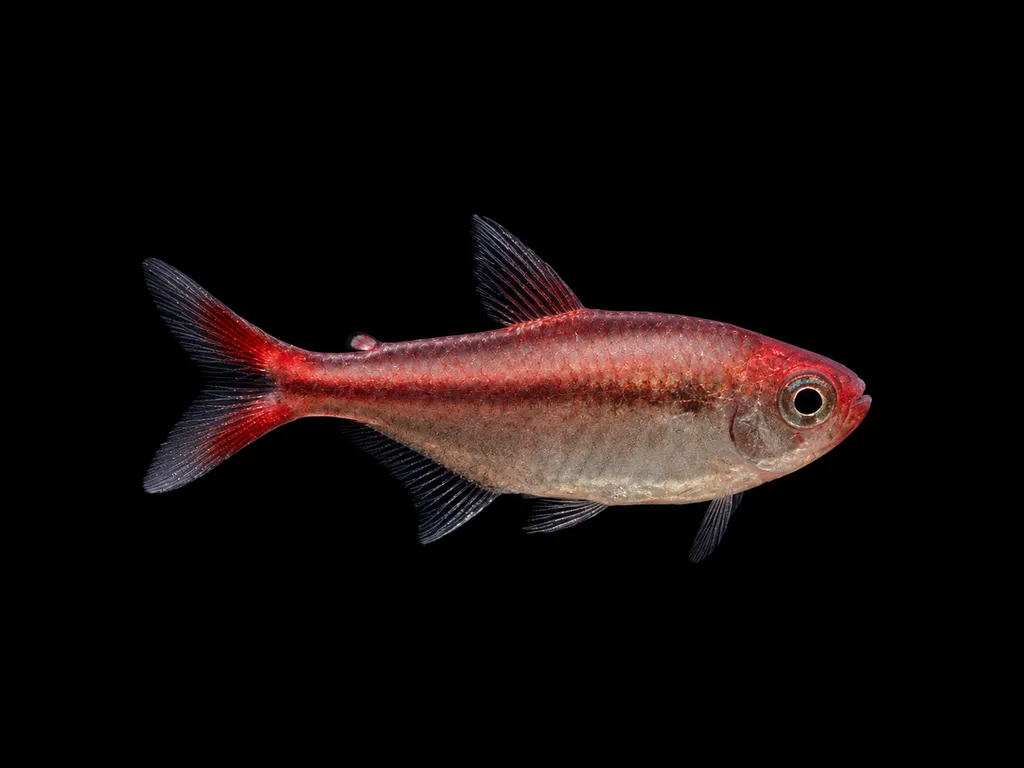 2.1 in (5.4 cm)20 gal (75 L)73–82°F (23–28°C)
Ruby moenkhausia
Moenkhausia rubra
2.1 in (5.4 cm) · 20 gal (75 L)
 2.2 in (5.6 cm)20 gal (75 L)73–82°F (23–28°C)
Dusky tetra
Moenkhausia phaeonota
2.2 in (5.6 cm) · 20 gal (75 L)
 2.4 in (6 cm)20 gal (75 L)73–82°F (23–28°C)
Cope's tetra
Moenkhausia copei
2.4 in (6 cm) · 20 gal (75 L)